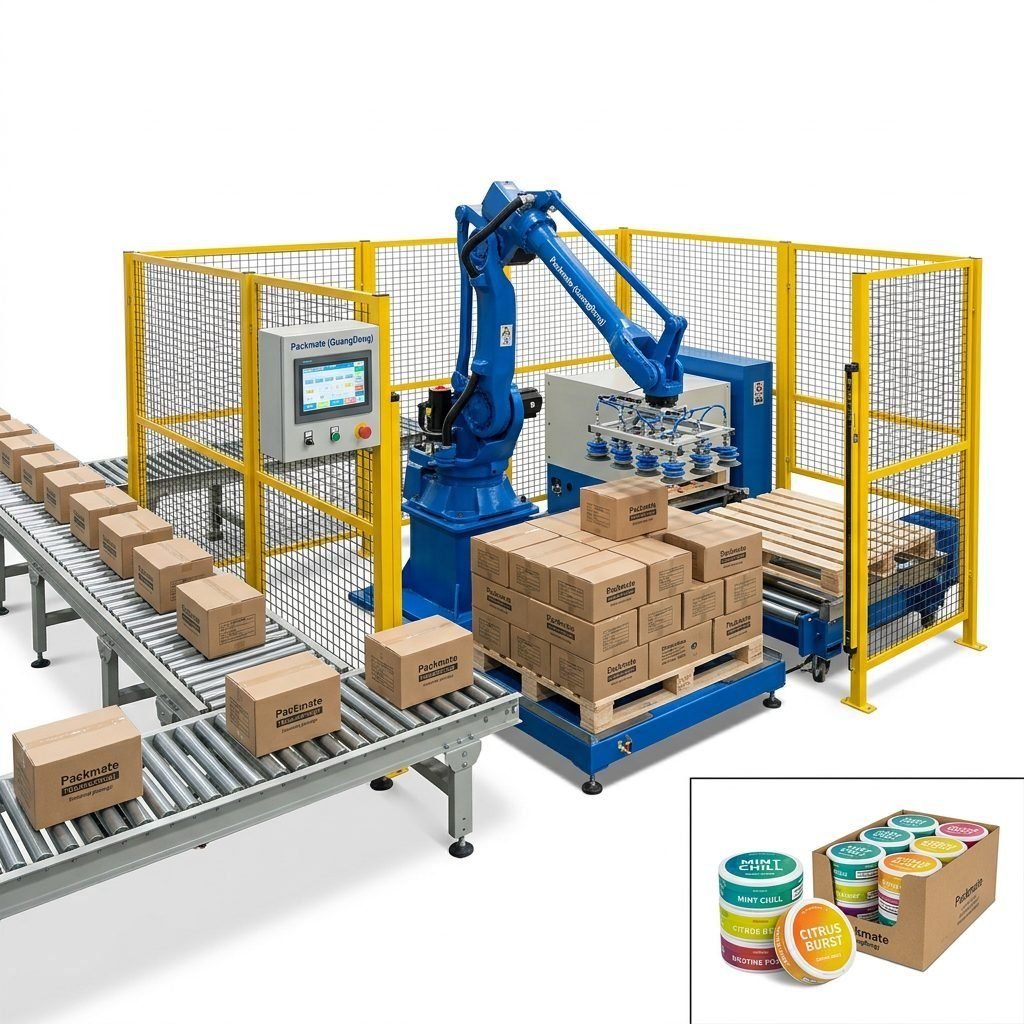
Choosing the right snus packaging machinery supplier for your factory in Madagascar requires more than comparing prices. It means assessing technical capabilities, after-sales support, regulatory fit, and how well the supplier understands local market conditions. This guide walks you through practical steps and decision criteria so your investment delivers reliable production, consistent quality, and long-term value.
Understand Your Factory Needs and Local Context
Start by documenting your production goals: target daily output, product formats (snus pouch, nicotine pouches, sachets, or stick packs), packaging materials, and target markets. Madagascar’s climate—high humidity in coastal areas like Toamasina—affects packaging film selection and machine maintenance schedules. Also consider local workforce skills and language needs; technical manuals and onsite training in French or Malagasy can greatly reduce ramp-up time.
Key factors to list
🔍 Production capacity: daily/piece goals, peak vs average loads.
📦 Product formats: single-dose nicotine pouches, multi-lane snus sachets, foil pouches, stick packs.
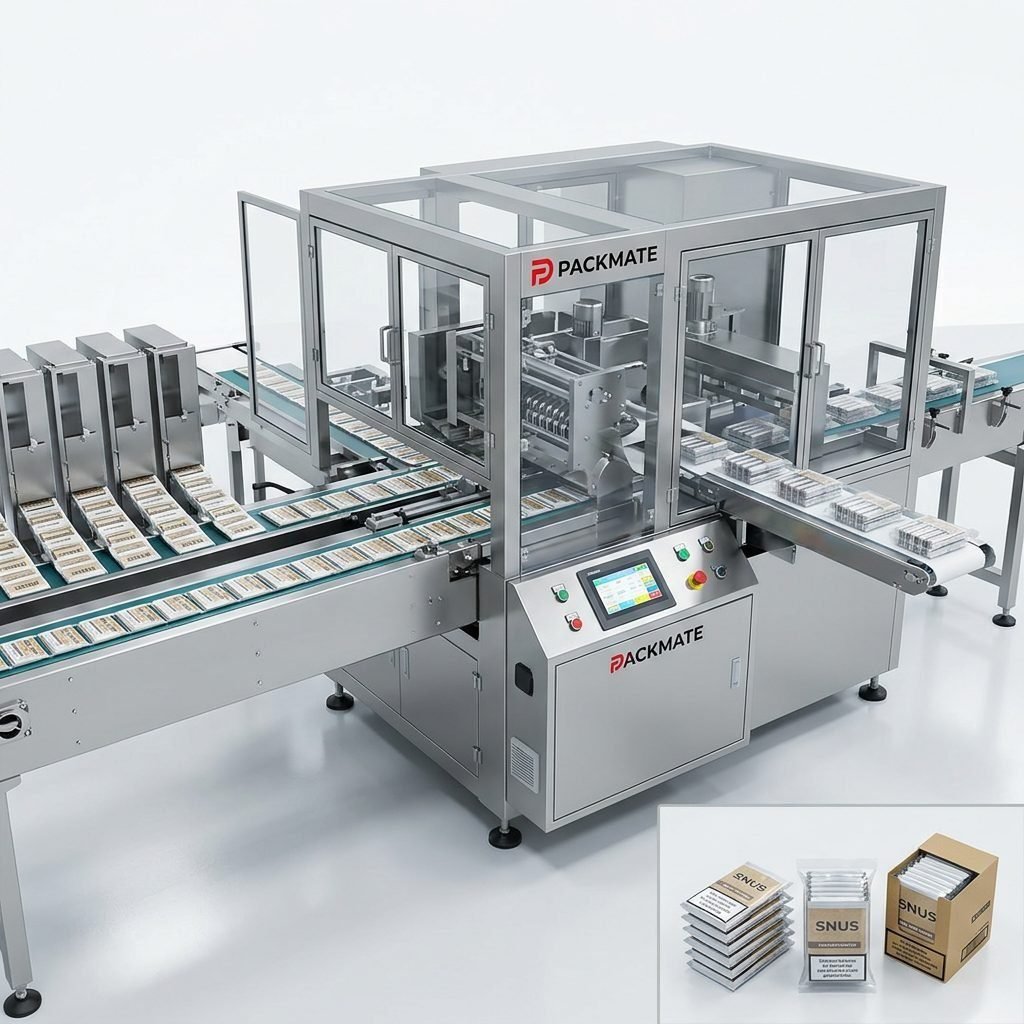
⚙️ Integration needs: upstream weighing/filling lines, downstream cartoning or case packing.
🌡️ Environmental considerations: humidity, dust control and climate-controlled rooms.
Select the Right Machine Types and Configurations
Understand the machine families that match your product. Modern suppliers offer a range of solutions from single-lane sachet or stick pack machines to high-speed multi-lane snus packaging lines. If you plan to produce a variety of formats, look for modular systems that allow format changeovers with minimal downtime.
Common machine types
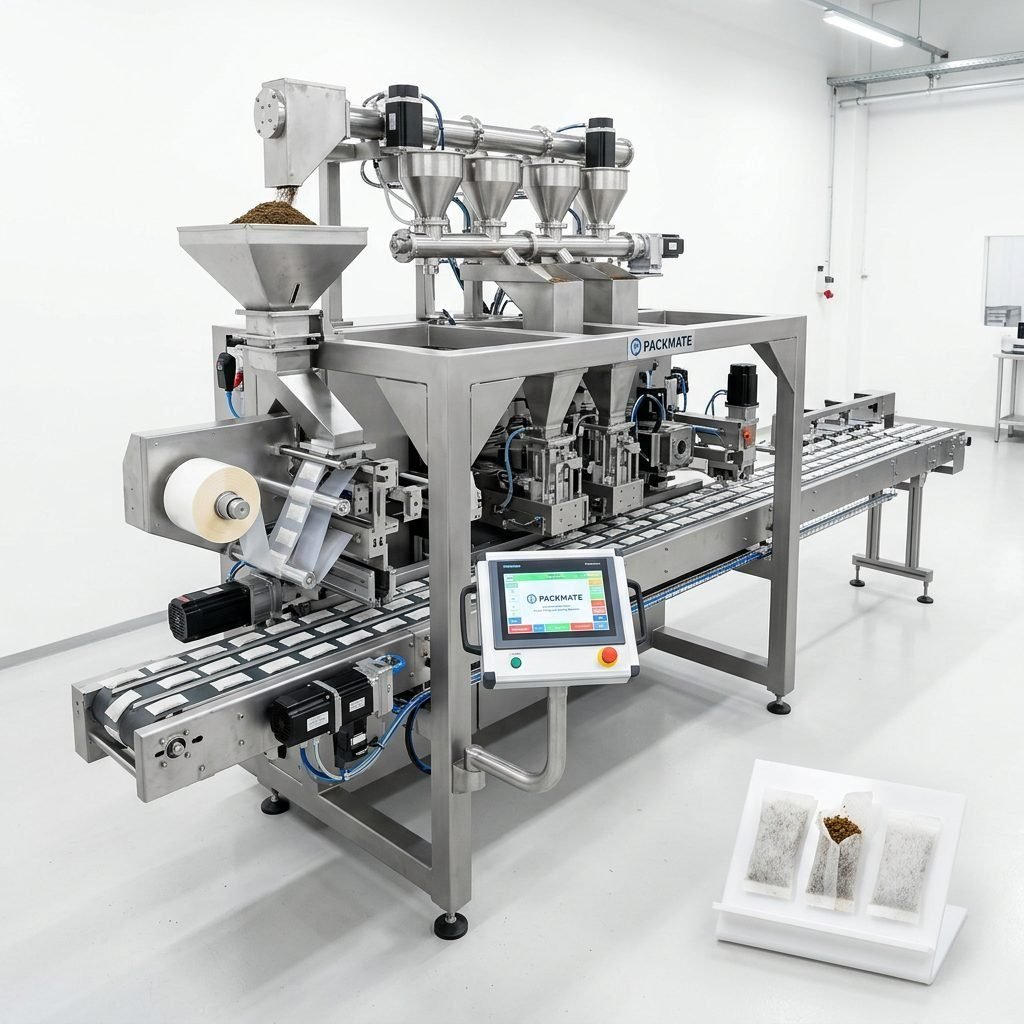
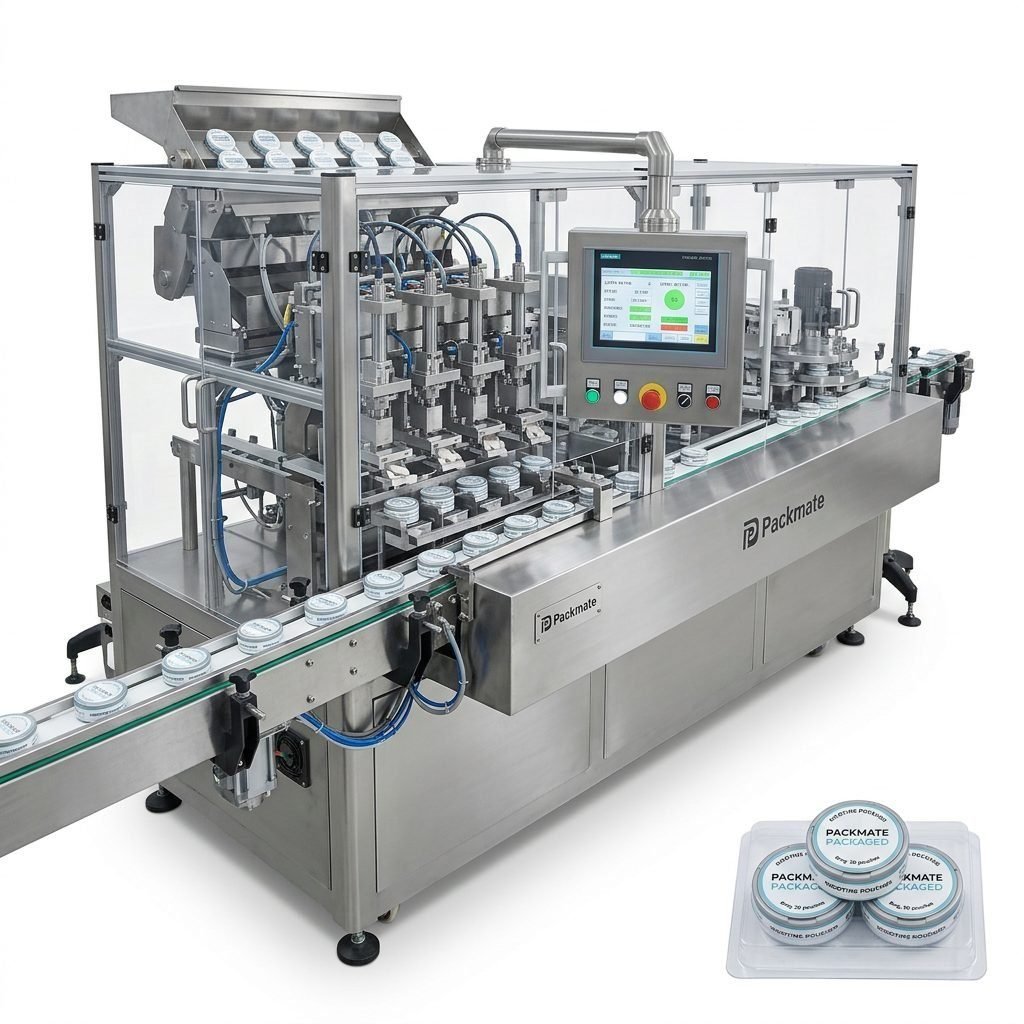
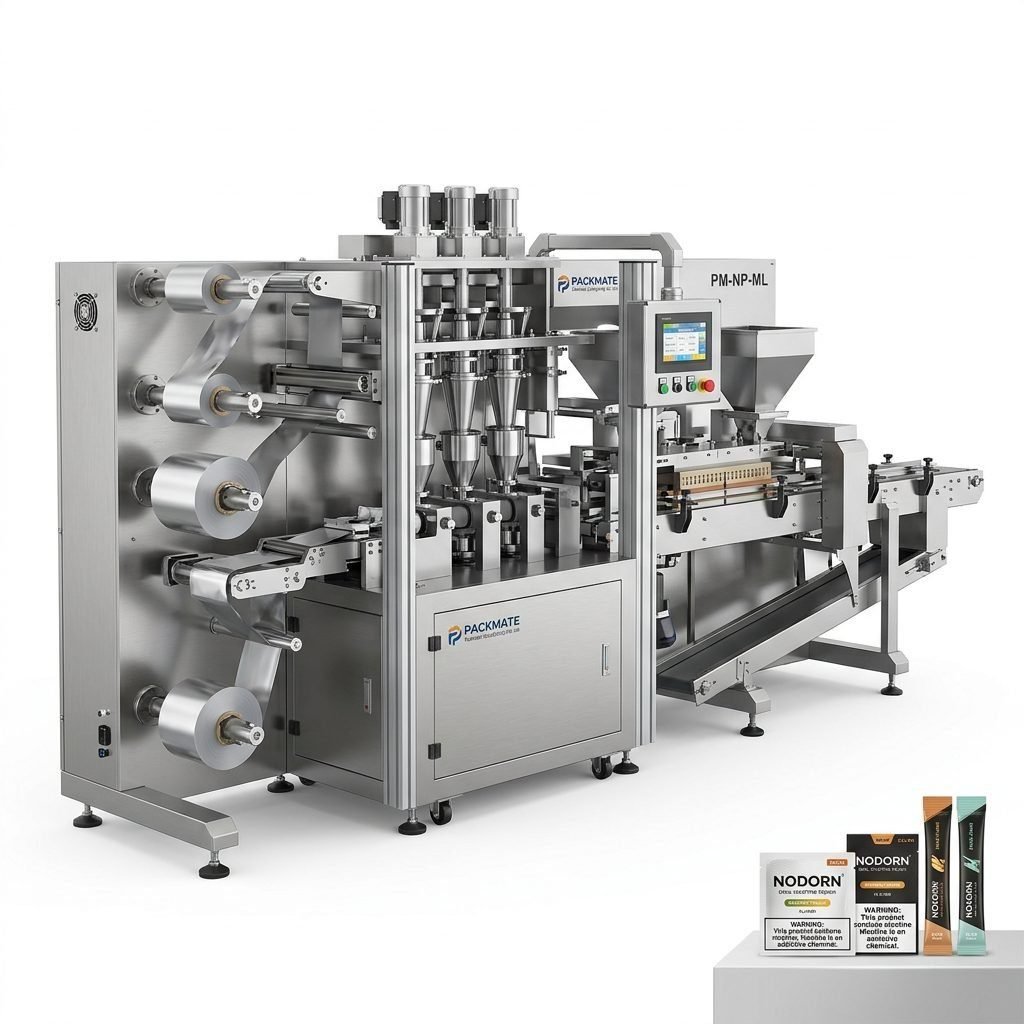
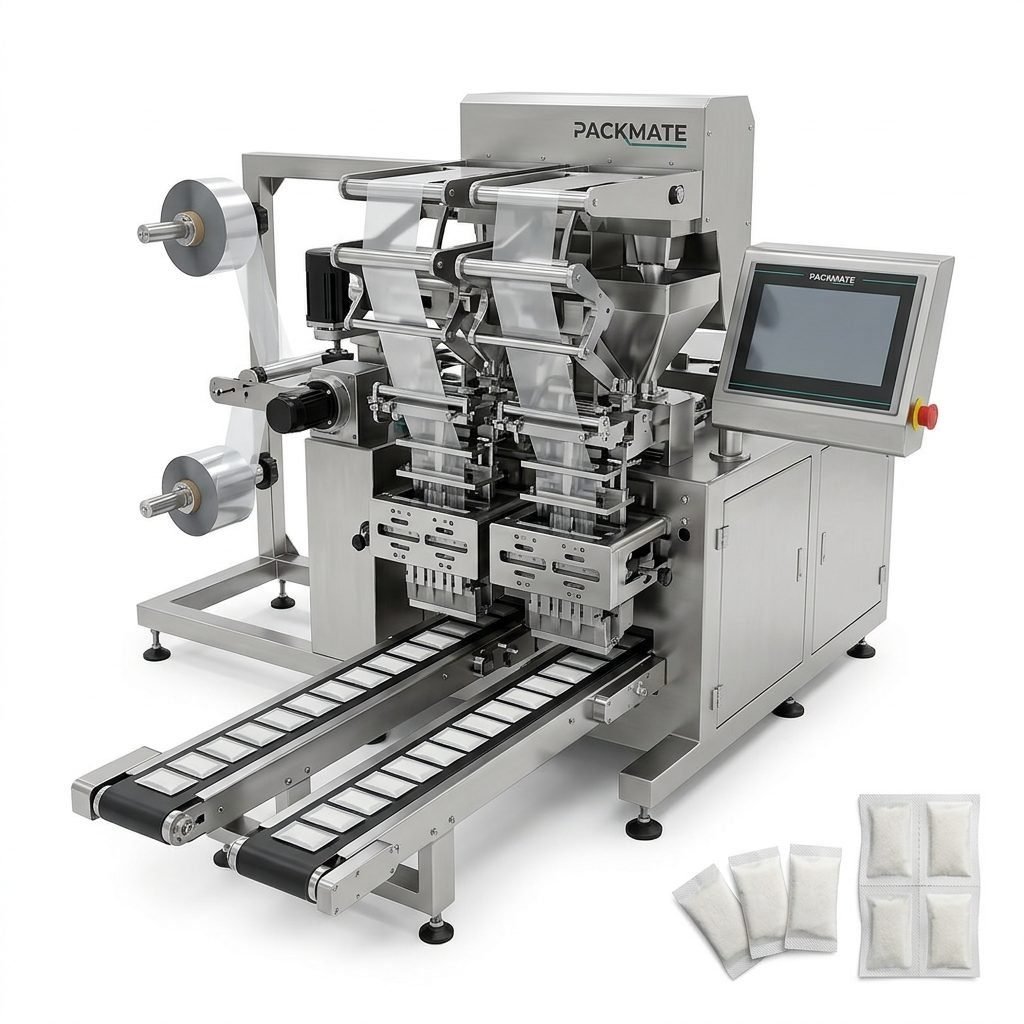
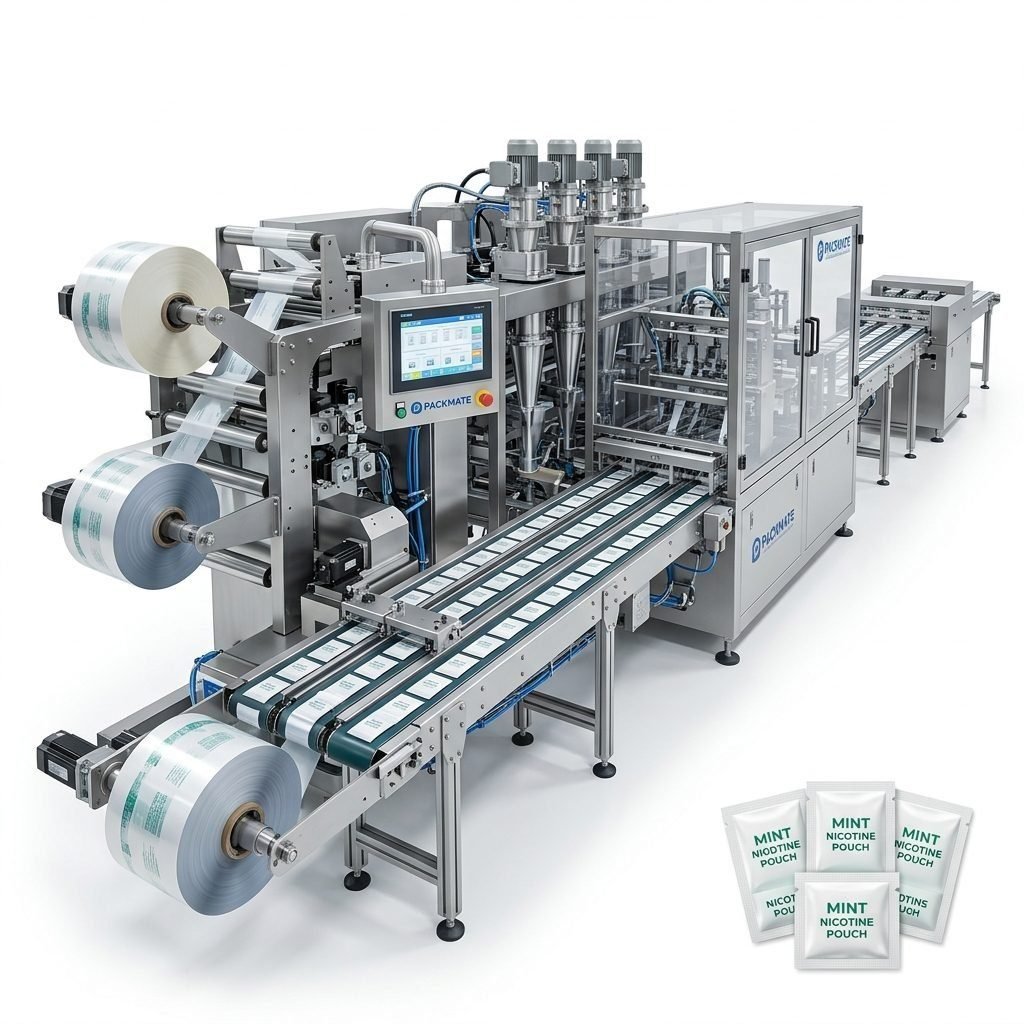
- Snus & nicotine pouch machines — ideal for small-dose tobacco-free or nicotine products. See suppliers’ product pages like Snus & Nicotine Packaging Machines.
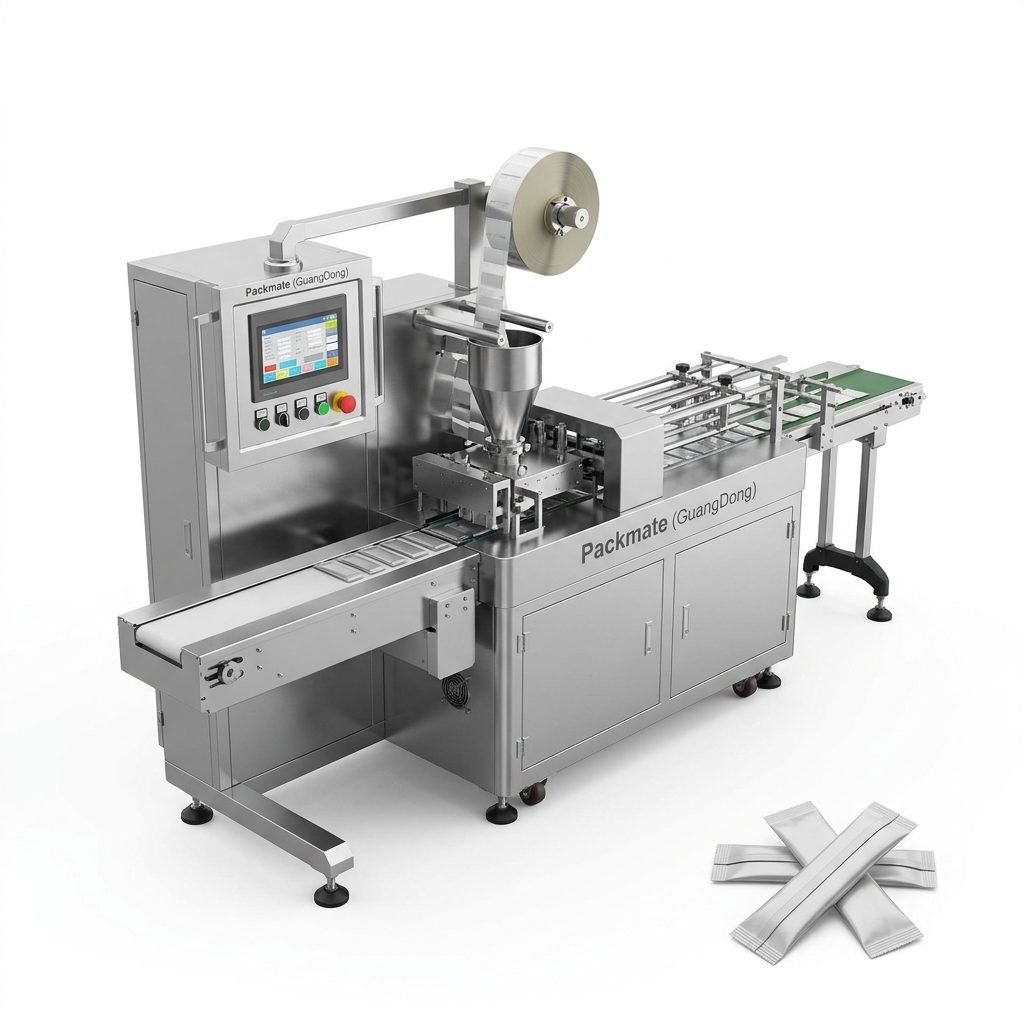
- Sachet and stick pack machines — perfect for single-serve formats and sampling campaigns; look into Sachet & Stick Pack Machines.
- Bag & pouch systems — for reclosable pouches or multi-unit packs; review Bag & Pouch Packaging Machines.
Supplier Credentials: What Matters Most
A supplier’s technical pedigree and manufacturing strength are primary indicators of reliability. Look for brands with decades of experience, in-house machining, and a broad machine portfolio. For example, vendors with large facilities, advanced CNC equipment, and a range of turnkey capabilities typically deliver better quality control, spare part availability, and customized solutions.
✅ Key credentials to verify: 30+ years experience, factory size and capacity, ISO/CE certifications, dozens of machine models, and real global case studies. You can learn about manufacturer backgrounds like this in their company profile or About Packmate.
Factory visits, certifications, and references
Whenever possible, visit the supplier’s factory or ask for a live video tour. Inspect assembly quality, witness test runs, and ask for customer references with similar product types. Suppliers who regularly attend exhibitions and post case studies are often more transparent — check their exhibition history and cases such as Case studies.
After-Sales Support and Localization for Madagascar
After-sales service is critical for continuous operation. For Madagascar, prioritize suppliers who provide:
- Multilingual documentation and training (French / English).
- Spare parts inventory and easy shipping options to the port of Toamasina or Antananarivo freight centers.
- Remote support via video calls plus planned onsite commissioning visits.
- Clear warranty terms and local or regional service partner networks.
📌 Tip: Ask the supplier to include French-language machine interfaces or manuals if your operator team prefers French. Also confirm compatibility with Madagascar’s electrical grid (typically 220V/50Hz) and local safety standards.
Regulatory and Market Considerations in Madagascar
Nicotine and tobacco product regulations vary by country. Before finalizing machinery, consult local authorities and legal counsel regarding import restrictions, labeling requirements, and permissible nicotine products. Madagascar’s regulatory environment may require specific labeling in French or Malagasy, adherence to health warnings, and customs paperwork for nicotine-containing products. Engage early with logistics partners experienced in handling regulated goods.
Packaging preferences and consumer habits
Madagascar’s market is influenced by both local cultural norms and French trade connections. If you plan to export to nearby African markets or Europe, design packaging that meets international shelf standards while resonating locally—consider discreet single-dose options, resealable pouches, or small multi-unit packs for retail kiosks. Conduct small pilot runs to test consumer response before full-scale production.
Evaluating Cost vs Long-Term Value
The lowest purchase price rarely equals the best value. Balance upfront cost with expected uptime, energy efficiency, spare parts cost, and ease of maintenance. Reliable suppliers typically produce machines that reduce downtime and have longer service lives; this translates to lower total cost of ownership over 3–7 years.
💡 Evaluate: initial cost, delivery lead time, training & installation fees, warranty length, and average MTTR (mean time to repair). Ask for mean production efficiency figures and references to verify promised speeds in real-world operation.
Practical Procurement Checklist
Use this checklist to compare suppliers objectively. Below are critical contract and technical items to confirm before signing:
Technical & commercial checklist
- Guaranteed production speed and yield for your exact pouch size and material.
- Acceptance testing (FAT) procedures and ability to witness FAT remotely or onsite.
- Spare parts list with recommended stock levels and lead times.
- Clear training plan for operators and maintenance staff, including local language support.
- Payment terms, delivery terms (EXW, FOB, CIF), and estimated shipping to Madagascar ports.
- Warranty scope, response times, and escalation contacts.
How to Validate a Supplier Remotely or Onsite
If you cannot travel for a factory visit, ask for a combination of the following:
- High-definition video of an actual production run with your product sample.
- References and direct contact information of existing customers in similar climates or industries.
- Virtual FAT where the supplier demonstrates machine start-up, changeover, and sample sealing.
- Detailed shipping and installation plan with estimated customs handling times into Madagascar.
Exhibitions and case studies
Reputable suppliers often showcase equipment at international exhibitions and publish case studies. These resources can reveal how machines perform under real production conditions and how the supplier handles complex projects. Check exhibition records and case examples on the supplier’s site, for example their Our Exhibition page and case references.
Local Business Etiquette and Project Execution in Madagascar
Business in Madagascar values relationships and trust. Expect negotiations to benefit from face-to-face meetings when possible, clear written agreements in French, and time for relationship-building. Payment methods might favor documented bank transfers; work with your supplier to ensure correct invoicing, customs documentation, and compliance with local tax requirements.
Logistics & customs tips
Shipments to Madagascar often clear through the port of Toamasina or via Antananarivo freight handlers. Prepare for inspections and variable clearance timelines. Work with freight forwarders experienced in regulated goods and verify that the supplier provides complete commercial invoices, packing lists, certificates of origin, and any health or product certificates required for nicotine products.
⚠️ Reminder: confirm legal importability of nicotine products into Madagascar before shipping equipment with filled product samples or spare nicotine stock.
Where to Get Started
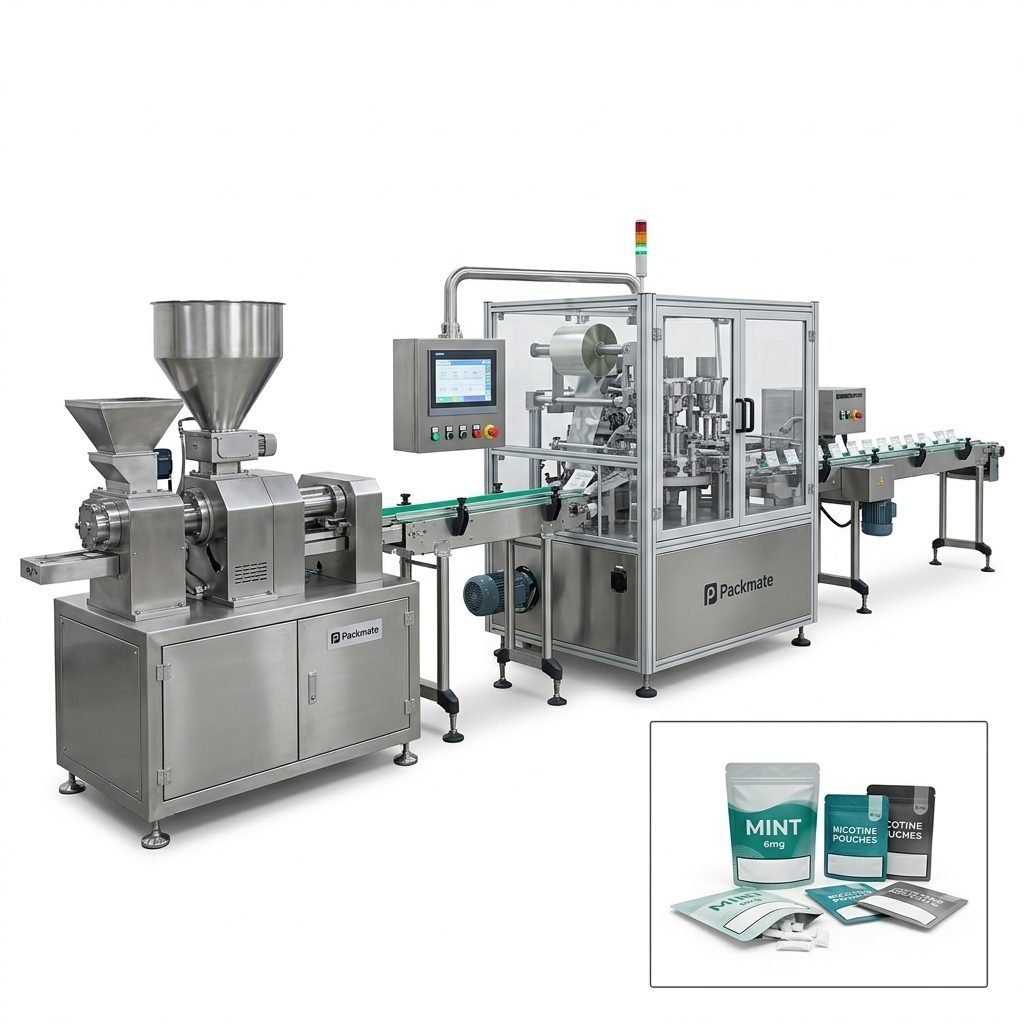
Begin by shortlisting 3–5 suppliers, request documented proposals for your specific product and required output, and schedule FAT demonstrations. Consider suppliers who offer comprehensive solutions—filling, weighing, pouch forming, and downstream packaging—so you can scale efficiently. A useful set of product pages to compare machine capabilities includes Filling & Packaging Lines and related equipment families.
Make the Decision: Final Evaluation Matrix
Score each supplier across these weighted categories: technical match (30%), after-sales service (20%), total cost of ownership (20%), delivery & lead time (15%), and references & compliance (15%). Select the supplier with the best overall score, not just the lowest price.
📌 Next step: request formal quotes and a FAT schedule. If you want direct contact or further help evaluating a supplier’s offerings and service scope, explore the manufacturer’s service page or Contact Us for tailored guidance.
Summary & Recommendations
In Madagascar, successful procurement of snus packaging machinery depends on matching machine capability to product format, confirming supplier manufacturing strength and certifications, planning for local regulations and logistics, and securing strong after-sales support with language-appropriate training. Prioritize suppliers that provide robust FAT procedures, clear spare parts plans, and proven case histories.
Useful links for reference
Review machine families and solutions before requesting quotes: Snus & Nicotine Packaging Machines, Sachet & Stick Pack Machines, and About Packmate for manufacturer credentials.
Frequently Asked Questions
1. What documents do I need to import a snus packaging machine to Madagascar?
Typically you will need a commercial invoice, packing list, bill of lading, certificate of origin, and any manufacturer test reports. If the machine will be shipped with any nicotine samples or chemical inputs, additional health certificates and import permits may be required. Engage a local customs broker early to confirm requirements.
2. Can I get training and manuals in French?
Many international suppliers offer multilingual manuals and can provide onsite or remote training in French. Confirm language needs with your chosen supplier before finalizing the contract to ensure operators are trained effectively.
3. How long does shipping and installation usually take?
Lead time varies by machine complexity. Standard medium-speed lines often require 8–16 weeks manufacturing plus shipping time. Installation and commissioning can take several days to a few weeks depending on integration complexity. Always plan buffer time for customs clearance in Madagascar.
4. What after-sales support should I require?
Require a clear spare parts list, warranty terms, remote diagnostics capability, and defined on-site response times. Ensure the supplier can support training refreshers and provide consumables compatible with Madagascar’s climate conditions.
5. Who can I contact for detailed machine specs or a factory visit?
Contact the manufacturer’s sales or service team via their official contact page to request detailed specifications, FAT scheduling, or a factory visit. For more detailed information about solutions and support options, check their Contact Us page.