Choosing the right snus packaging machinery supplier for your factory in Egypt is a strategic decision that impacts product quality, production uptime, regulatory compliance, and long-term profitability. This guide walks Egyptian manufacturers and entrepreneurs step-by-step through vendor evaluation, technical requirements, local considerations, logistics, and after-sales support — with practical tips to make a confident purchase that matches local habits, regulations, and business culture.
Understand Your Product and Output Needs
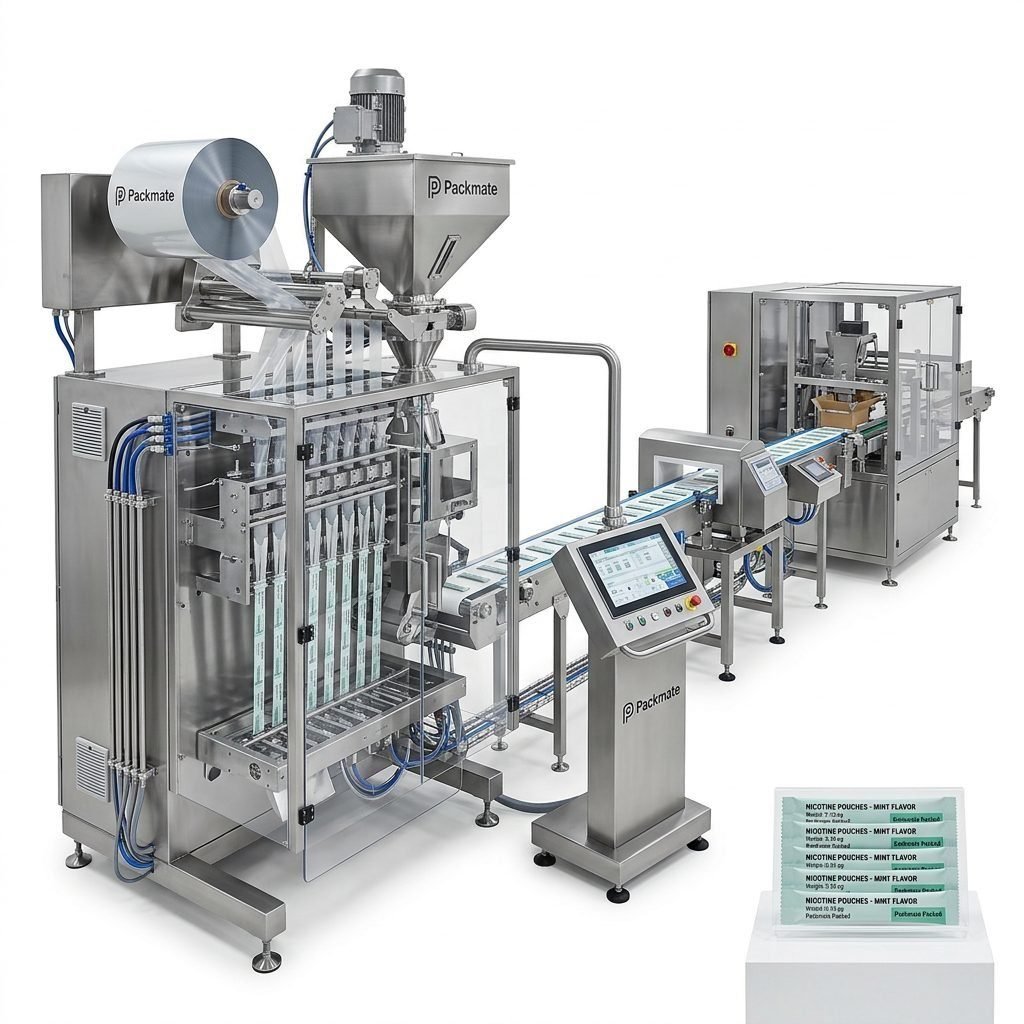
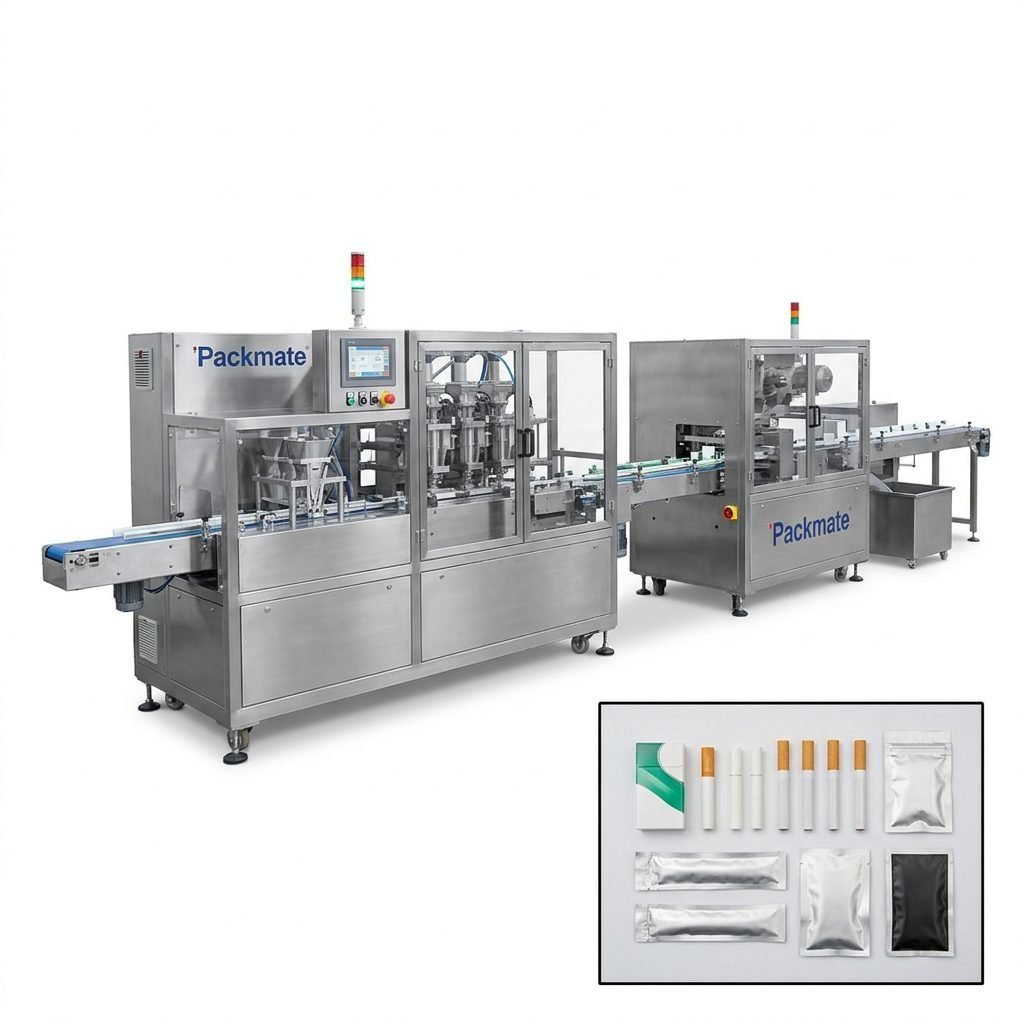
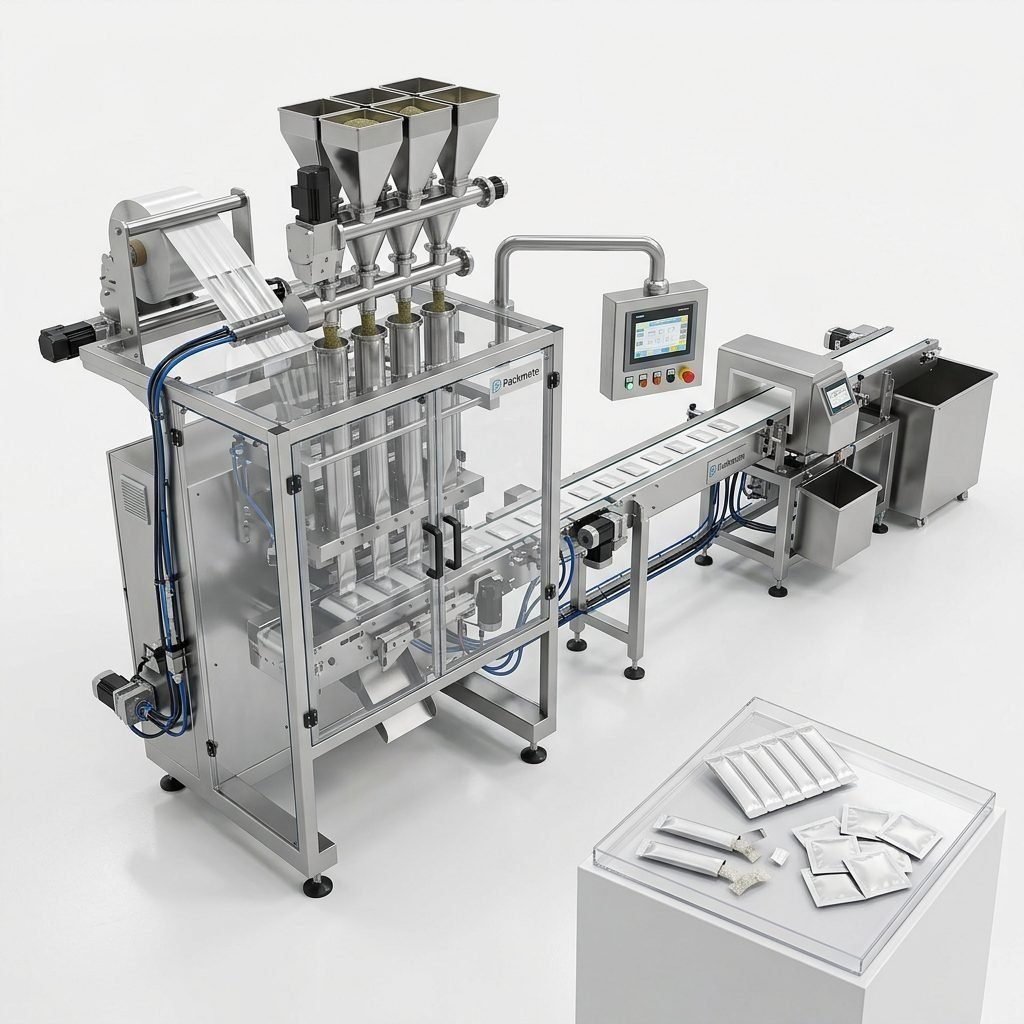
Before contacting suppliers, clearly define what you plan to package. Snus and nicotine pouches come in many formats — single-dose sachets, multi-lane pouches, stick packs, or small portion pouches. Match machine type to product:
Key technical points to list
– Desired production speed (pouches/min or lanes)
– Pouch size range and material (foil, laminated film, paper-laminate)
– Filling type: powder, granule, or moisture-controlled pouch blend
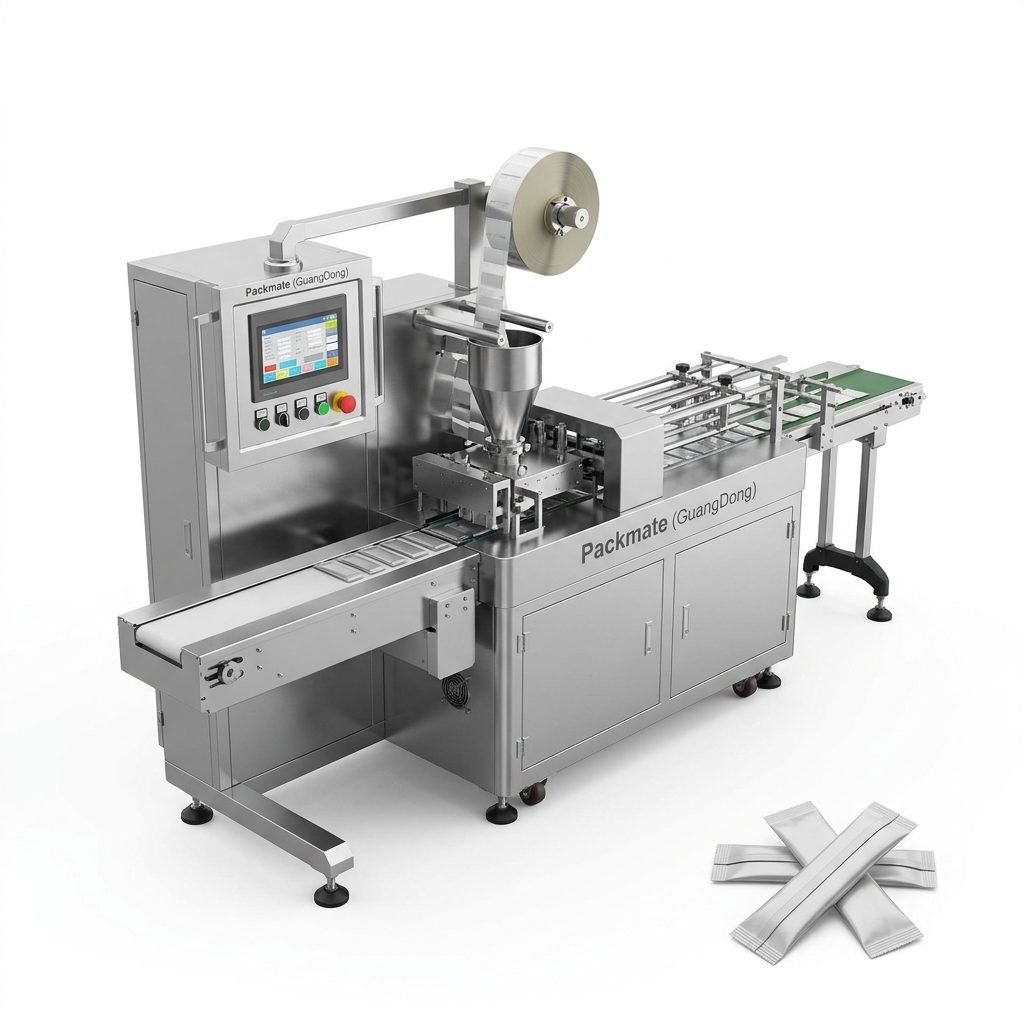
– Packaging format: sachet, stick pack, multi-lane continuous systems
– Desired automation level: standalone machines vs. turnkey lines
Tip: If you are producing nicotine pouches for retail in Egypt or export, plan capacity for scale. Many factories choose multi-lane pouch machines to keep per-unit cost low while maintaining flexibility.
Why Certifications and Proven Technology Matter
In Egypt, as in many markets, machine safety, hygiene, and consistent performance are non-negotiable. Look for suppliers with international certifications and a track record in snus packaging:
Must-check credentials
– CE and ISO compliance for safety and quality controls
– Field references: performance in nicotine pouch lines or similar powder/tea applications
– Case studies or factory acceptance tests (FAT) demonstrating uptime and speeds
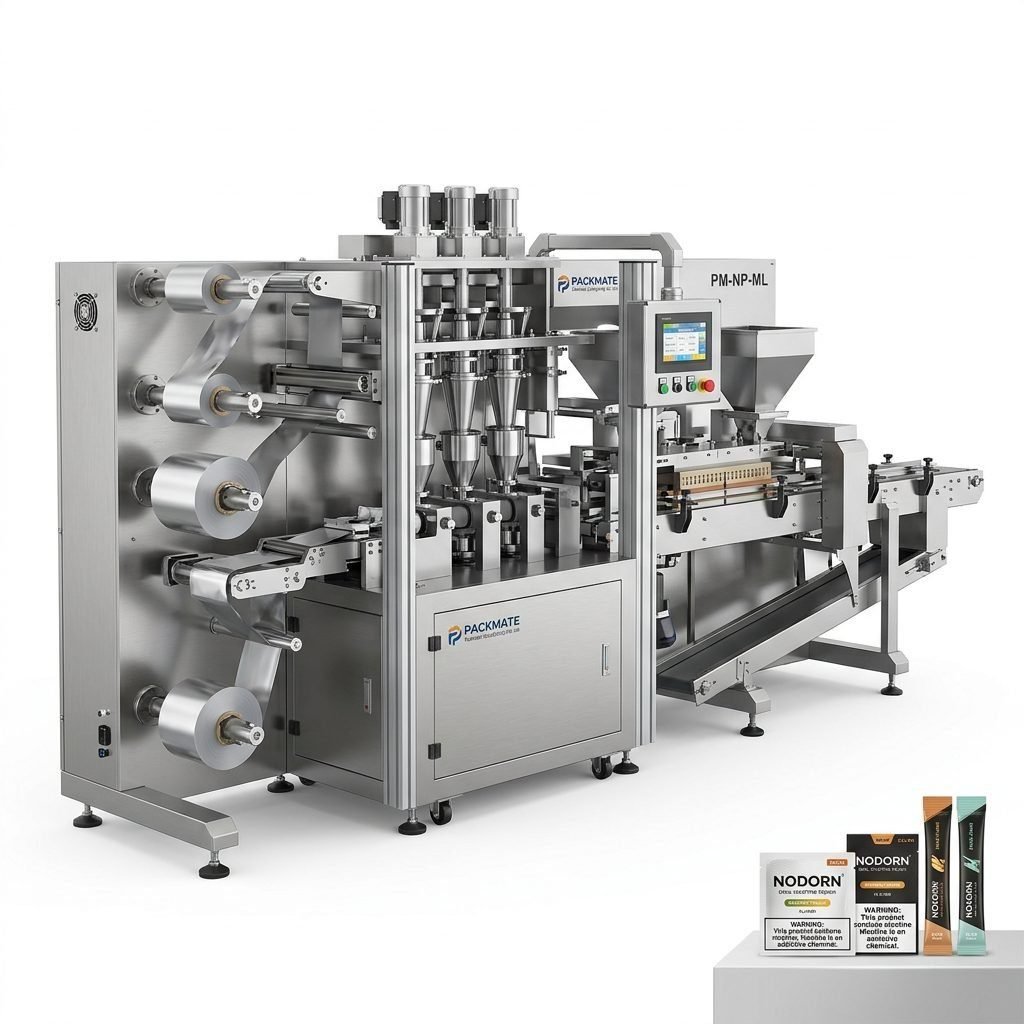
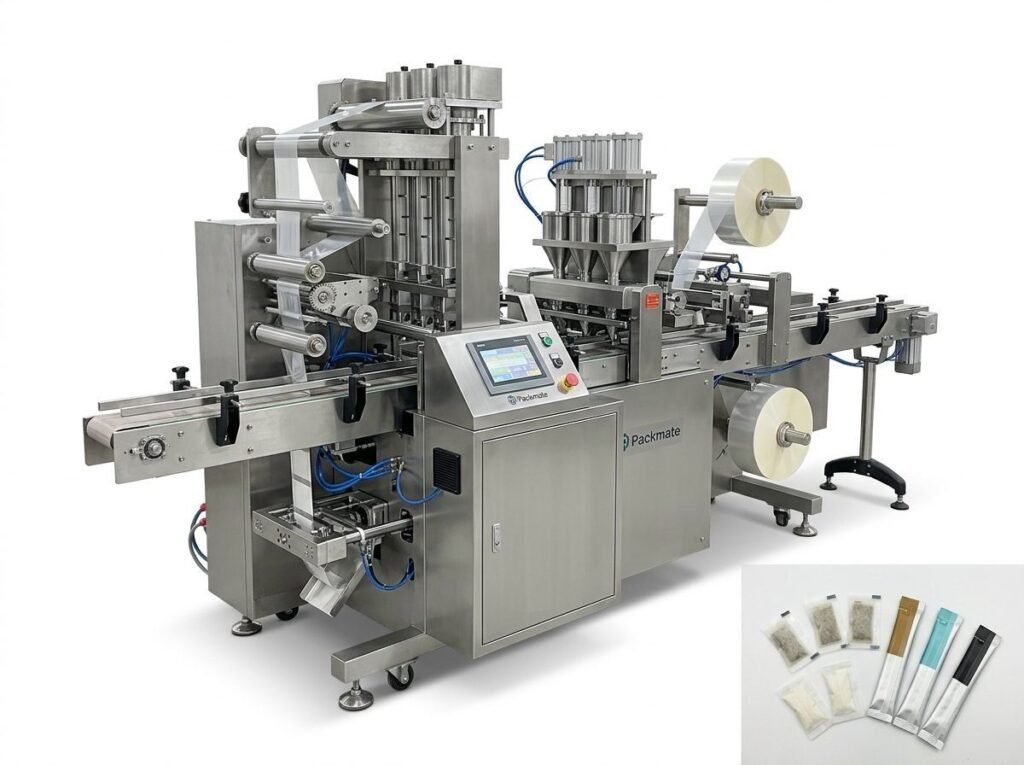
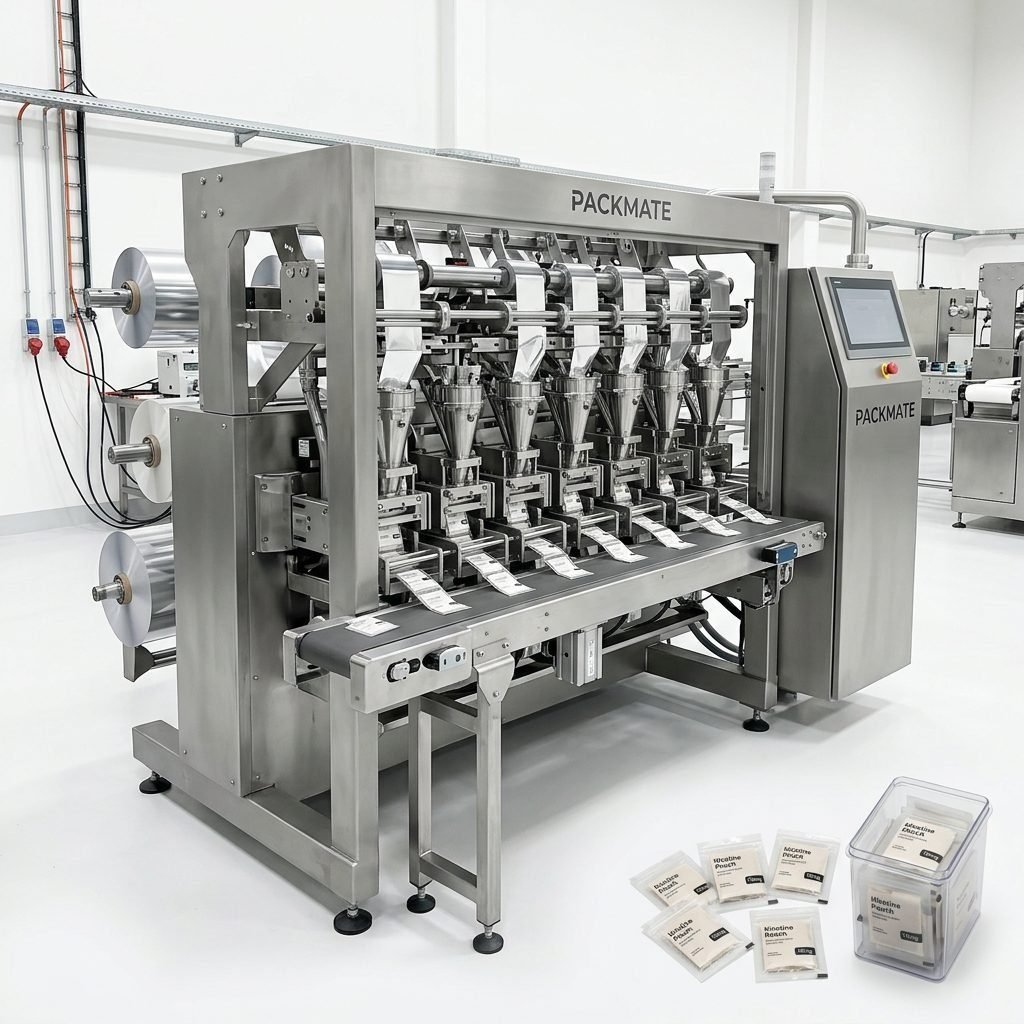
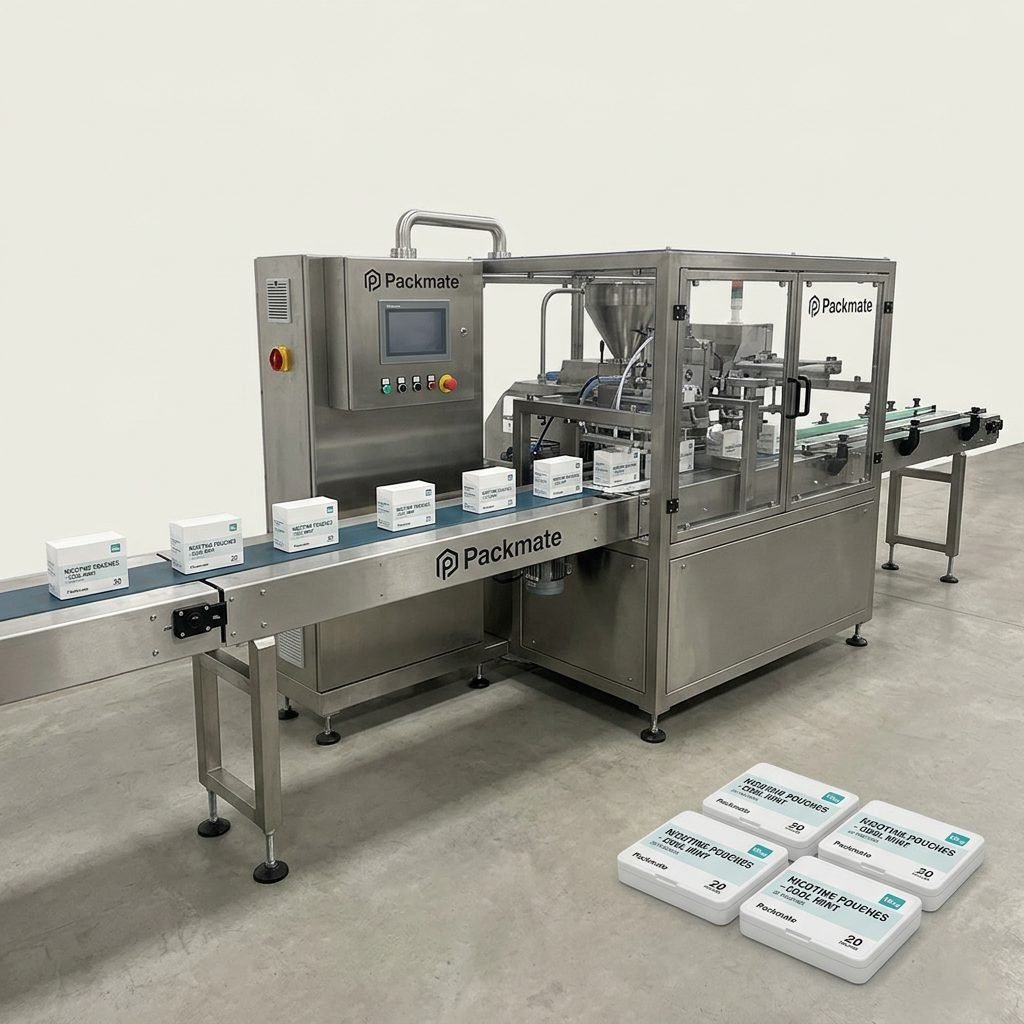
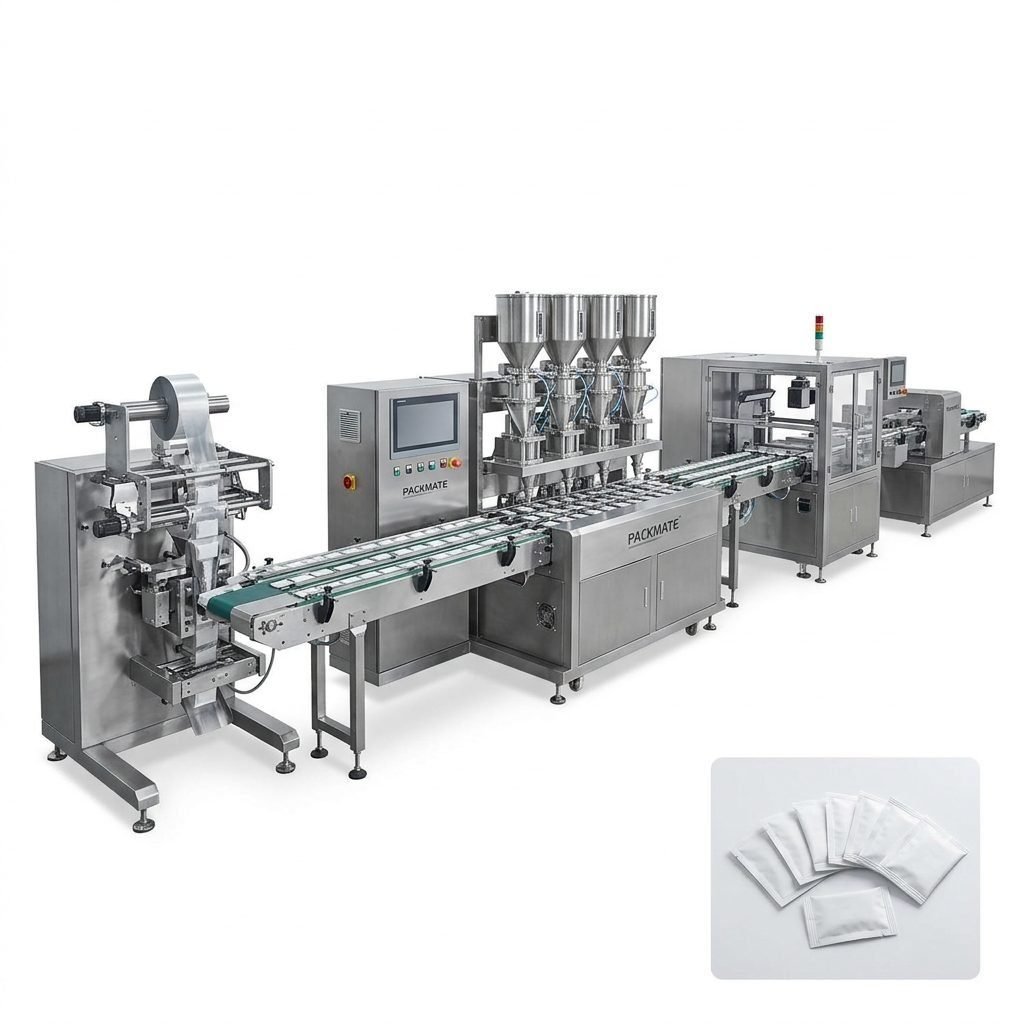
Packmate Snus Machine, for example, offers CE and ISO-certified equipment and publishes customer case studies showing real-line performance — useful evidence when you evaluate suppliers.
Local Regulations and Cultural Considerations in Egypt
Egypt’s market has unique aspects you must respect: Arabic labeling, import rules, and consumer perceptions. Nicotine products face regulatory scrutiny and retailers may require specific labeling and testing. Consider these local factors:
Regulatory & market points
– Ensure packaging and machines support producing Arabic/English bilingual labels and batch codes.
– Expect customs clearance steps at Alexandria or Port Said; reliable shipping documentation and supplier export experience reduce delays.
– Respect cultural sensitivities: many Egyptian wholesalers and retailers prefer discreet retail packaging and consistent quality.
– Schedule orders and production around Ramadan and national holidays when logistics and staffing may slow down.
Local logistics note: Suppliers familiar with shipping to the Suez Canal region and Alexandria will understand local transit times better — ask candidates about prior shipments to Egyptian ports.
Supplier Evaluation: Technical & Commercial Criteria
Use a scoring approach to compare vendors. Key categories include machine reliability, spare parts availability, training, warranty, and financial terms.
Technical capability
– Proven designs for nicotine pouch/stick pack/sachet production.
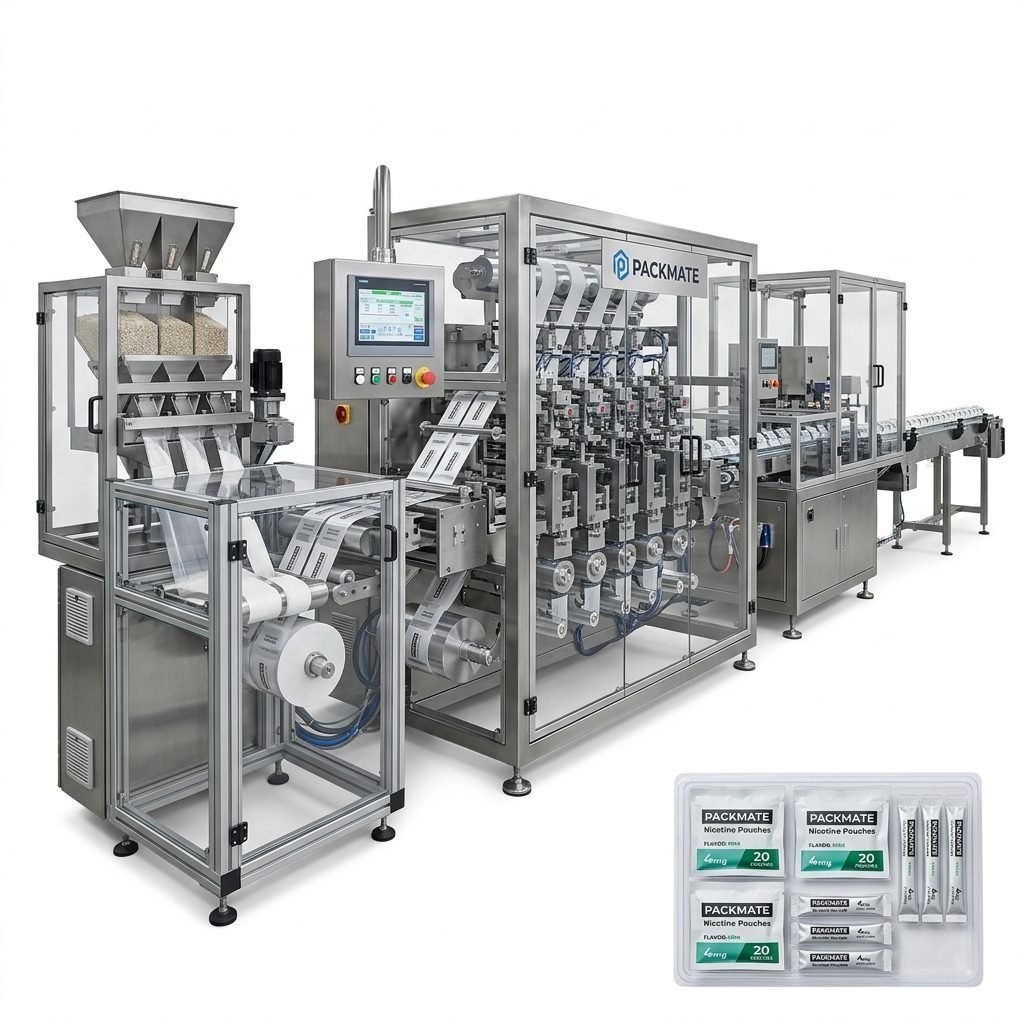
– Availability of turnkey options: dosing, sealing, automated feeding, and multi-lane synchronization.
– Precision parts (CNC-machined components) and quality control processes.
Commercial and after-sales
– Spare parts lead time and local warehousing possibilities.
– On-site commissioning, operator training, and remote support capability.
– Warranty terms and maintenance contracts.
– References from customers in similar climates or regions.
Explore suppliers’ product pages to match machine families with your needs — for instance, review specialized lines like Snus & Nicotine Packaging Machines and supporting equipment in Auxiliary Packaging Equipment.
Inspection, Testing and Factory Acceptance
A thorough Factory Acceptance Test (FAT) saves time and money. Ask suppliers for video demos and a formal FAT showing your product run at expected speeds.
FAT checklist
– Simulate your exact pouch material and weight.
– Run machines at guaranteed speed for an extended period to check stability.
– Verify film handling, sealing quality, and coding/labeling systems.
– Confirm ease of cleaning and changeover times for different pouch sizes.
Important: Insist on testing with your material. Small changes in film or powder characteristics can dramatically affect sealing and dosing.
Local Service, Training and Spare Parts Strategy
In Egypt, reliable local service accelerates recovery from downtime. Prioritize suppliers who offer:
Service capabilities to require
– On-site commissioning and operator training in English and Arabic when possible.
– Remote diagnostics and software support for PLC/HMI.
– A spare parts kit shipped with the machine for the first 12 months.
– Long-term partnership options such as preventive maintenance contracts.
Consider suppliers that provide modular machine designs and clear documentation — these reduce downtime and make it easier to train local technicians. Learn about service options on the supplier’s service page.
Financial Terms, Warranties and Payment Options
Negotiate payment schedules and warranty terms that fit Egyptian import and payment realities. Common approaches include deposits with progress payments tied to FAT and balance on shipment.
Commercial tips
– Ask for local references and inspect previous installations if possible.
– Clarify who handles spare parts import and customs — supplier or buyer?
– Consider extended warranties for critical components like dosing systems and sealing jaws.
Logistics: Shipping to Egypt and Customs Considerations
Plan logistics early. Shipping to Egyptian ports is routine but requires accurate HS codes and documentation for customs. Ask suppliers to provide:
Essential shipping documents
– Commercial invoice and packing list
– Bill of lading / airway bill
– Certificate of origin and compliance certificates (CE, ISO) for customs clearance
– Spare parts list and value declaration to avoid delays
Logistics tip: If you are near Cairo or Alexandria, evaluate transport time and truck availability from the port to your factory. Suppliers experienced with shipments to Egypt can help avoid common customs holds.
Why Turnkey Lines Can Be a Better Investment
For many Egyptian manufacturers, turnkey lines deliver faster ramp-up, integrated control, and simplified responsibility. A single supplier handling dosing, filling, sealing, and packaging integration reduces interface issues.
Benefits of turnkey solutions
– One point of contact for performance and warranty claims
– Pre-validated integration and streamlined FAT procedures
– Faster commissioning and operator training
For detailed product families and turnkey options, suppliers often have categorized pages like Filling & Packaging Lines and Weighing & Packaging Systems.
Negotiation and Building a Long-Term Partnership
In Egypt, businesses value trust and long-term relationships. Prioritize suppliers willing to invest in local training, offer spare parts support, and share knowledge to optimize line efficiency.
Partnering checklist
– Transparent lead times and clear escalation paths for technical issues
– Commitment to provide spare parts kits and documentation in English and Arabic
– Post-sale KPIs such as response time for critical parts or remote troubleshooting
People & culture: Egyptian business culture values trust and face-to-face relationships. Visiting supplier exhibitions or inviting vendor reps for on-site demos builds confidence. Check exhibition histories on their exhibition page.
Checklist Before Signing the Contract
Finalize commercial terms using the following checklist to protect your factory:
Pre-contract essentials
– Detailed scope of supply and exclusions
– FAT criteria and acceptance tests
– Warranty and spare parts terms, including lead times
– Training schedule and language of training
– Shipping terms (INCOTERMS) and party responsible for customs clearance
Final Thoughts: Make a Smart, Localized Decision
Selecting a snus packaging machinery supplier for an Egyptian factory requires balancing technical performance with practical local needs: Arabic labeling, customs logistics, cultural business practices, and dependable after-sales support. Vet suppliers for real-world experience in nicotine pouch lines, check certifications, insist on FATs with your materials, and secure spare parts and training upfront.
✅ Action step: Shortlist 2–3 suppliers, request FAT runs with your materials, and compare total cost of ownership including spare parts and service response times.
Where to Learn More and Get Quotes
To review a broad portfolio of machines and request tailored quotes, explore supplier product pages and company information. A few useful starting links include the supplier’s company overview on About Packmate and the dedicated snus packaging product group. When ready, reach out via the Contact Us page for quotations and service inquiries.
Frequently Asked Questions
Q1: Are nicotine/snack pouch machines legal to import and use in Egypt?
A: Import rules for nicotine products depend on current Egyptian regulations and health ministry requirements. Always confirm with local authorities and customs brokers. Suppliers should provide CE/ISO documentation and assist with export paperwork for smooth customs clearance.
Q2: How important is a Factory Acceptance Test (FAT)?
A: Extremely important. FAT proves the machine can run your actual material at specified speeds and is often a contractual requirement before final payment. It significantly reduces risk and ensures performance expectations are met.
Q3: What warranty and spare parts coverage should I expect?
A: Standard warranties cover manufacturing defects, but request detailed spare parts lists, lead times, and availability. A 12–24 month parts-support plan and an initial spare parts kit are best practice.
Q4: Should I buy a turnkey line or individual machines?
A: Turnkey lines are generally faster to commission and reduce integration risks, especially for new factories. Individual machines may be suitable for phased growth but require careful systems integration planning.
Q5: How can I ensure good local service in Egypt?
A: Select suppliers with clear international shipping experience to Egyptian ports, documented service plans, remote support capabilities, and willingness to train local technicians. Request local references or partner companies that have received field service in the region.