Mongolia’s nicotine pouch and snus market is growing steadily as urban demand rises in Ulaanbaatar and regional towns. Choosing the right nicotine packaging machinery supplier for your Mongolian production needs is more than a price comparison — it requires understanding local distribution habits, the country’s climate, import rules, and the technical capabilities of packaging lines that will run reliably in harsh weather and varied power conditions. The guidance below walks you through practical steps to select a supplier who can deliver performance, compliance, and long-term service.
Understand Mongolia’s Market and Packaging Habits
Before evaluating suppliers, recognize a few local factors that influence machine choice:
✓ Cold and dry climate: Machines and packaging materials must tolerate low temperatures. Sealing performance and lubricants should be selected with seasonal temperature ranges in mind.
✓ Distribution patterns: A large share of sales can occur through small kiosks and convenience stores; many buyers prefer compact, single-serve pouches or small multi-packs.
✓ Cultural considerations: Mongolian consumers often value durability and simplicity. Packaging that protects contents from dust and moisture and carries clear labeling tends to be preferred.
Key Machine Types to Consider
Match your product format and production scale to the right machine family:
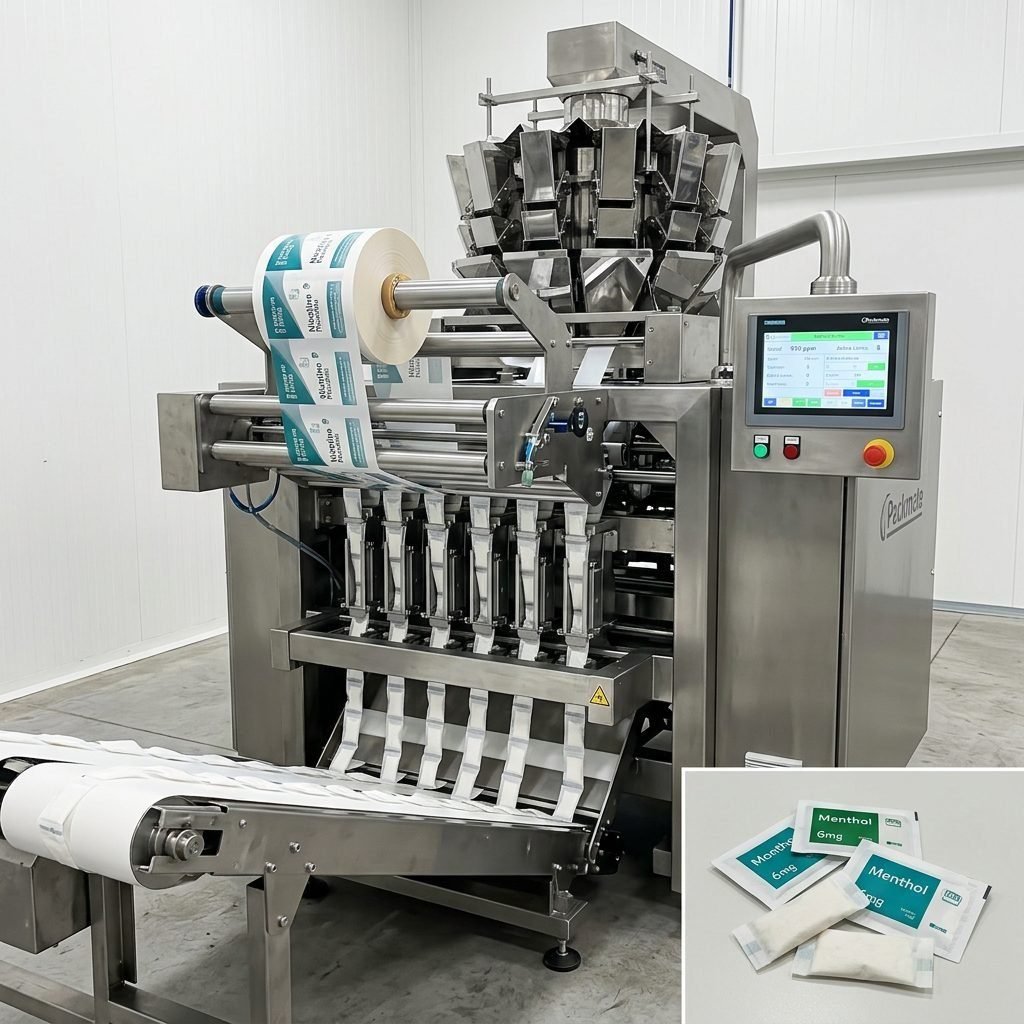
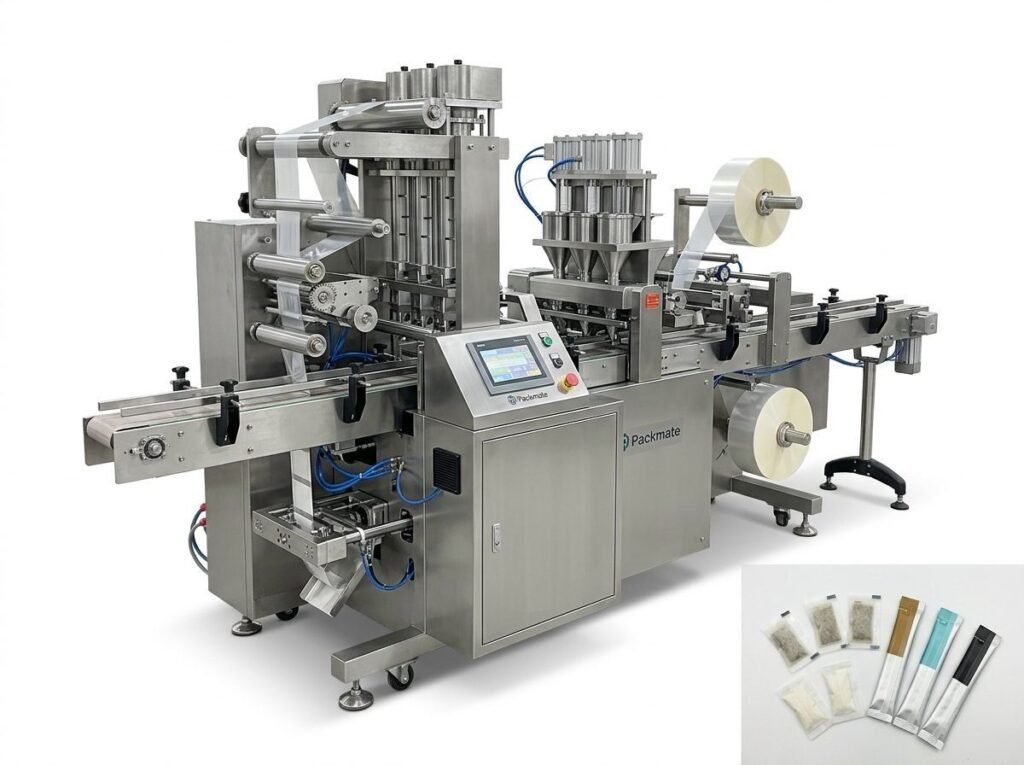
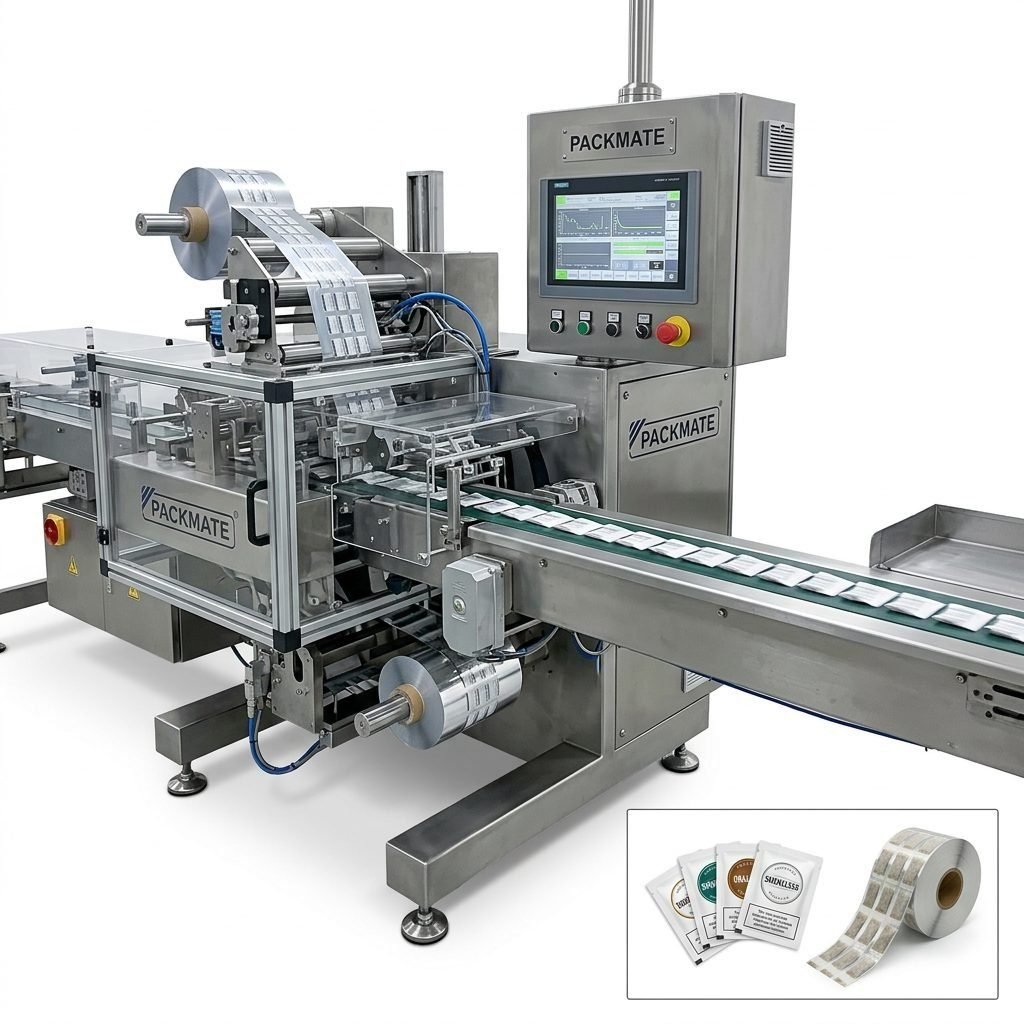
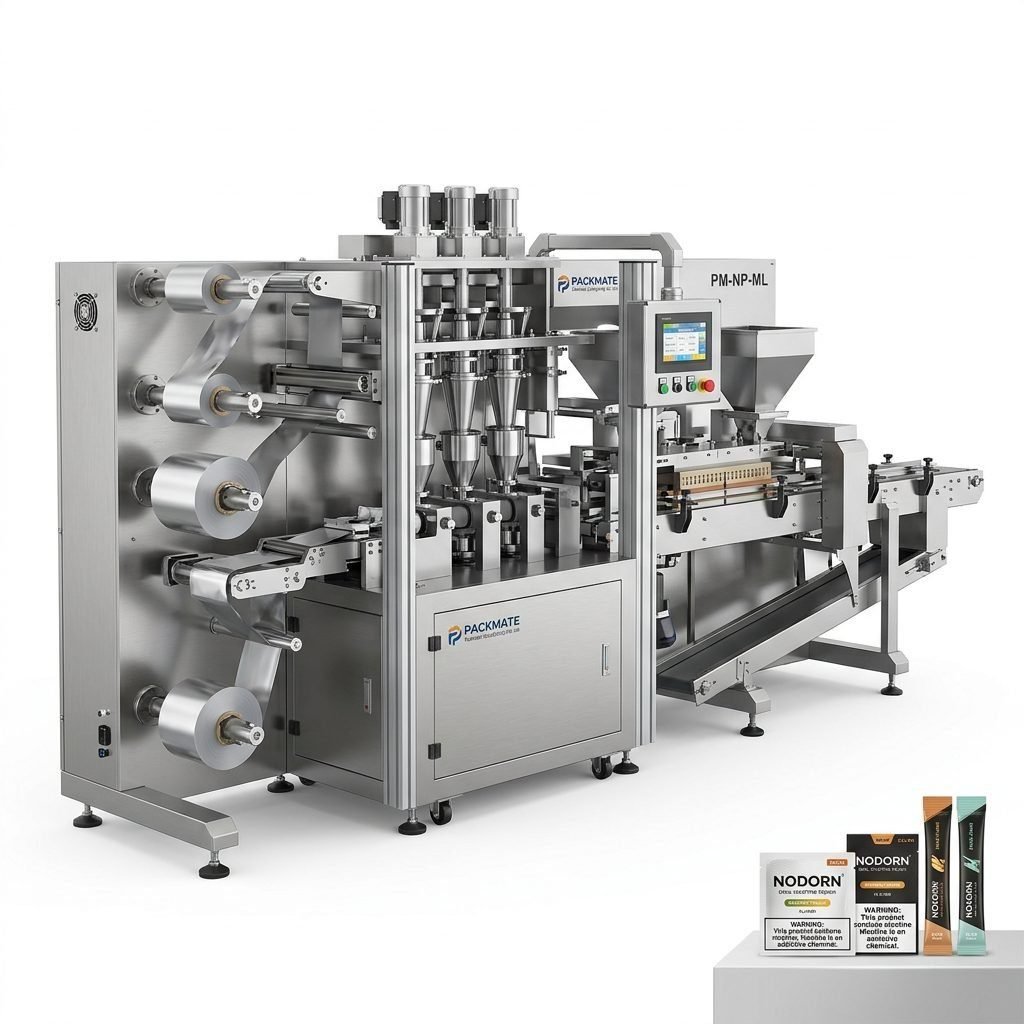
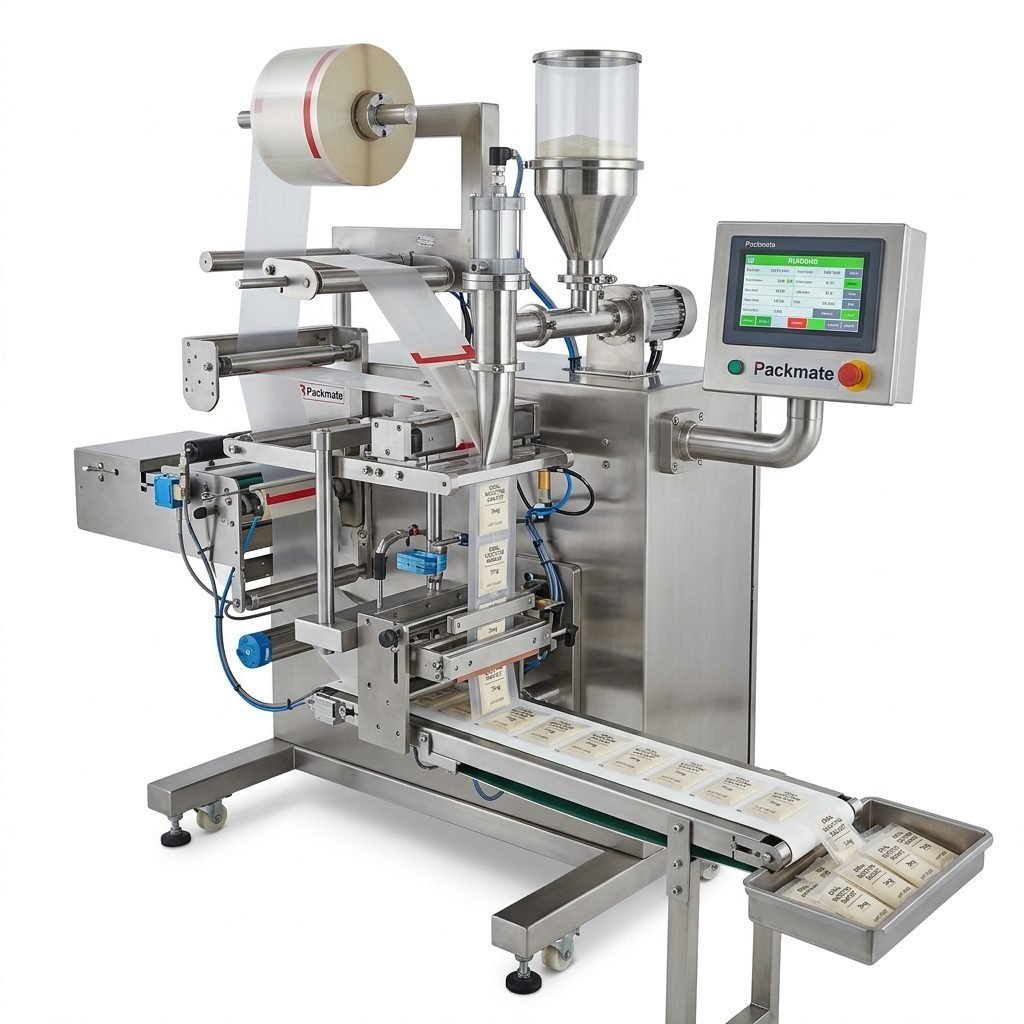
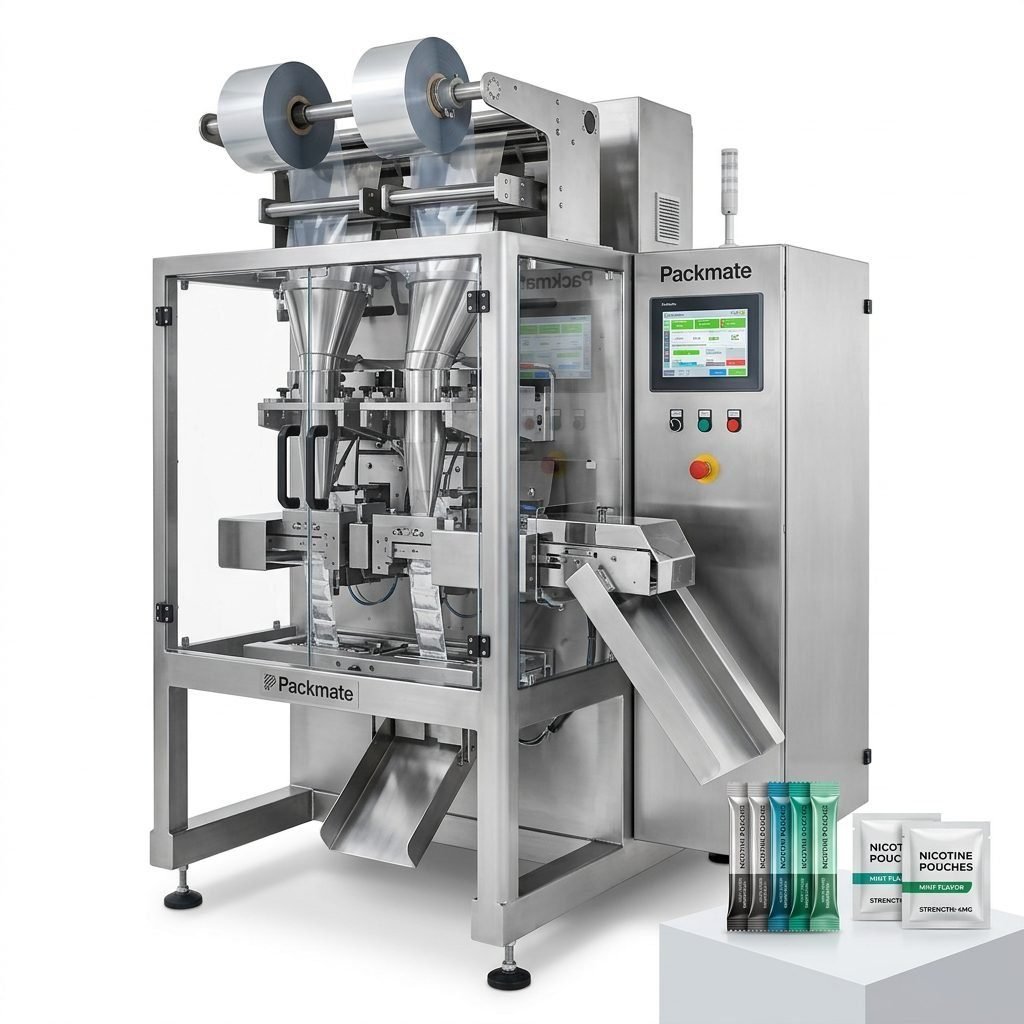
• Snus & Nicotine Pouch Machines: For dedicated nicotine pouch lines, look for precision dosing and multi-lane options to increase output while keeping small-dose accuracy. See sample models and specs at Snus & Nicotine Packaging Machines.
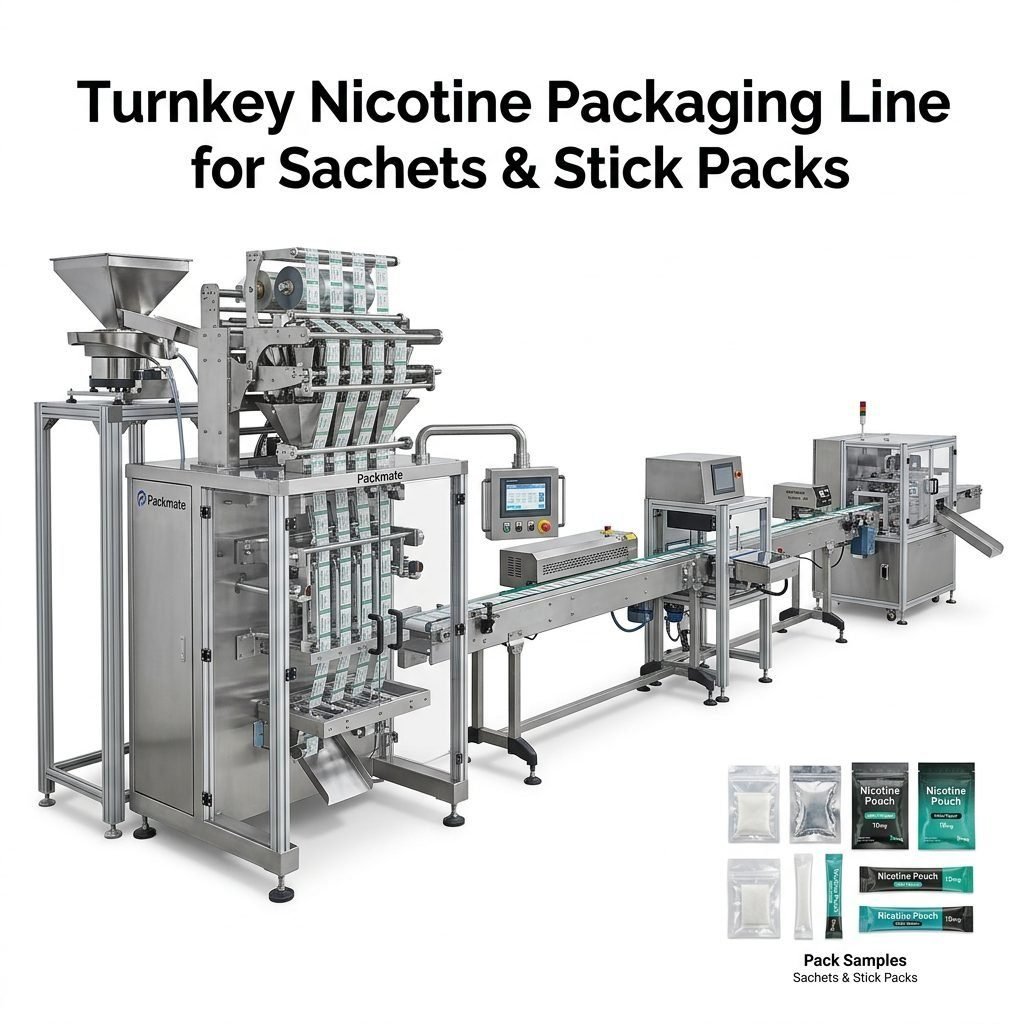
• Sachet & Stick Pack Machines: Ideal for single-use sachets and stick formats popular for convenience retail environments. Explore Sachet & Stick Pack Machines.
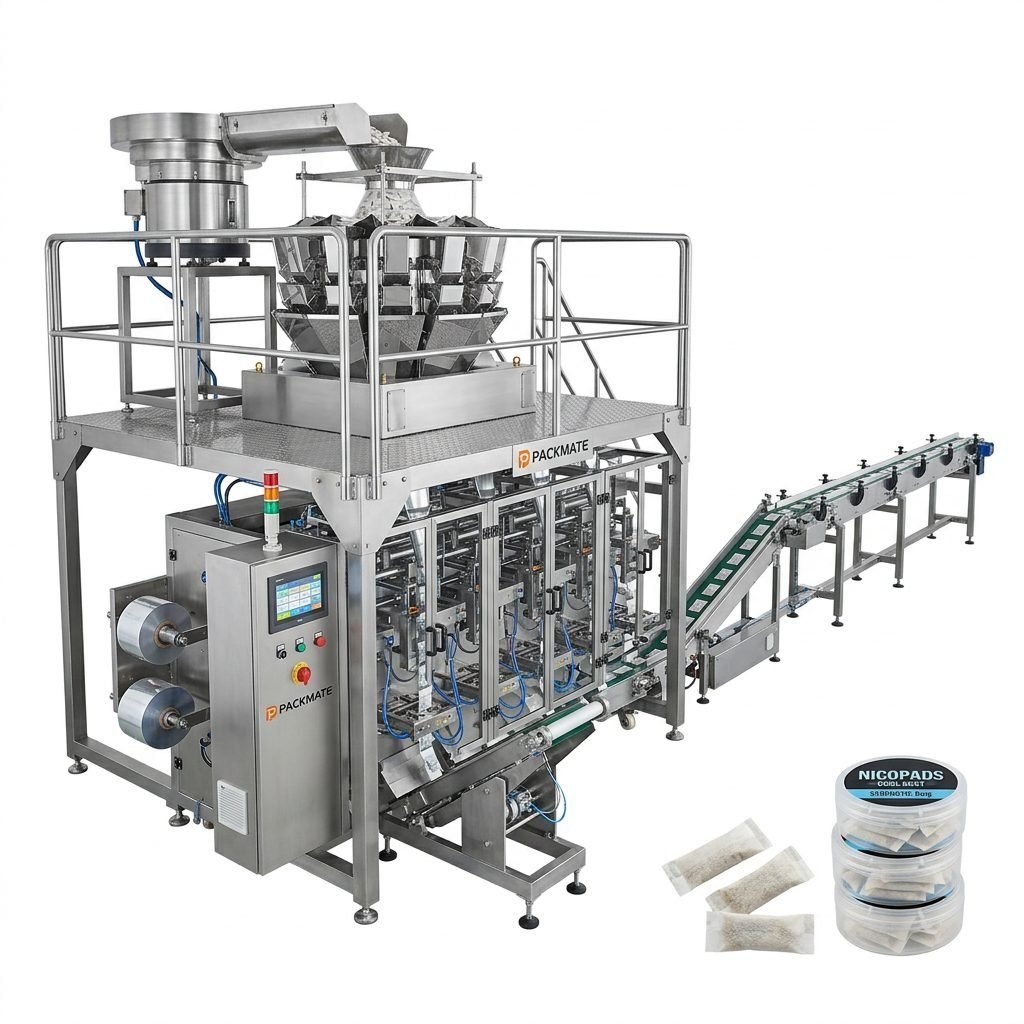
• Auxiliary and filling systems: Consider upstream feeding, weighing and sealing equipment to ensure consistent dosing and reduce downtime. Reference Auxiliary Packaging Equipment.
Top Criteria to Evaluate Suppliers
⚠️ Compliance & Certifications: Ensure the supplier provides CE, ISO and other relevant documentation. In Mongolia, customs and import clearances are simpler when machines meet recognized international standards.
🔧 Technical Reliability: Look for proven multi-lane lines, stable servo control, and robust components. Request run-time references and performance data.
🌍 After-sales & Local Support: A supplier with export experience to Central Asia and Mongolia offers faster spare parts logistics and technical training—ask about service centers and training packages.
Assess Factory Strength and Experience
A supplier’s manufacturing footprint is a critical indicator of quality and scalability. Prefer companies with:
• Established factory area and CNC capabilities: Large, well-equipped factories with CNC machining centers and precision assembly lines are more likely to deliver consistent tolerances and long-lasting machines.
• Industry experience (20–30+ years): Suppliers with long histories in packaging machines can offer refined designs and proven multi-lane systems suitable for small-dose nicotine pouch production.
Packmate’s facility and history reflect these strengths — visit their company profile to review capabilities at About Packmate.
Factory Acceptance Testing and Pilot Runs
Before shipping, insist on FAT (Factory Acceptance Test) and, when possible, witness a pilot production run with your material. FAT should include:
• Stability test (continuous run for a specified time) to evaluate sealing consistency and dosing accuracy.
• Sample package inspection: Validate sealing integrity, pouch weight variance, and print/label alignment if applicable.
Logistics: Shipping, Import & Installation in Mongolia
Plan for customs clearance, inland transport, and site readiness:
• Crating and sea/air freight: Verify the supplier’s experience exporting to Mongolia; proper crating reduces the risk of damage during long transits.
• Local installation & commissioning: Confirm whether the supplier sends engineers for installation or provides comprehensive remote support and step-by-step guides.
Service, Spare Parts and Training — Long-term Considerations
ℹ️ Spare parts availability: Ask for a spare-parts list with recommended stock levels for wear items like belts, blades, and sensors. Fast shipping or local stocking significantly reduces downtime.
🔧 Training and documentation: Confirm that the supplier provides manuals, electrical drawings, and operator training. Consider training local technicians for first-level maintenance.
✓ Remote diagnostics: Modern machines often include PLC and HMI systems that support remote troubleshooting — this is highly valuable when on-site visits are time-consuming.
Cost vs. Value: Making the ROI Case
The lowest purchase price rarely equates to the best long-term value. Consider these aspects:
• Production uptime: A more reliable machine reduces lost production hours and waste.
• Energy and consumables: Efficient servo systems and optimized pouch layouts lower operating costs — especially important in regions where utilities can vary.
• Flexibility for SKUs: Machines that support quick format changes enable you to test new pack sizes for Mongolian customers without long changeover times.
Questions to Ask Potential Suppliers
1. What are the sealing and dosing tolerances for your nicotine pouch machines?
2. Can you provide FAT videos, sample packs, and references from similar projects in Central Asia?
3. What is your lead time, and how do you handle spare parts shipments to Mongolia?
4. Do you offer turnkey lines including weighing, filling, and secondary packaging?
Supplier Verification Checklist
Use this quick checklist when vetting suppliers:
✓ Visit the factory (or request a live virtual tour) to verify CNC capabilities and assembly processes.
✓ Ask for CE/ISO certificates and export documentation samples.
✓ Request references and case studies — review completed projects and customer feedback at the supplier’s case page: Case.
Why Consider Packmate as a Supplier?
If you are evaluating experienced manufacturers, Packmate (GuangDong) Co., Ltd. offers several advantages worth noting:
• Deep industry experience: Over 30 years of engineering and specialized snus/nicotine pouch packaging expertise.
• Comprehensive product portfolio: From single-lane pouch machines to advanced multi-lane systems and complete lines — see Filling & Packaging Lines and Weighing & Packaging Systems.
• Manufacturing scale: A large factory footprint with advanced CNC and test capabilities reduces delivery risk and improves quality control.
• Global export experience: Familiarity with global logistics and export documentation helps reduce obstacles when shipping machines to Mongolia. For direct inquiries, use Contact Us.
A Practical Buying Roadmap for Mongolian Producers
Step 1 — Define product specs and target daily output (units/day). Consider worst-case seasonal storage and cold-chain implications.
Step 2 — Shortlist suppliers with relevant nicotine pouch experience and request detailed proposals including power consumption, footprint, and spare parts list.
Step 3 — Perform FAT, sample validations, and obtain references. Verify sealing and dosing performance using your materials.
Step 4 — Plan installation, technician training, and spare parts stocking before shipping. Make sure customs paperwork is complete to avoid delays at Mongolian borders.
Final Tips for Long-Term Success
Build a relationship with your supplier. Regular preventive maintenance contracts, scheduled training refreshers for staff, and agreed SLAs for spare parts shipments will protect your production in Mongolia’s dispersed and challenging market conditions.
Helpful Resources & Next Steps
Review product categories and technical specifications online to narrow down options: Snus & Nicotine Packaging Machines, Bag & Pouch Packaging Machines and Sachet & Stick Pack Machines. When ready, request a formal proposal, FAT schedule, and references. For more information about supplier credentials and services, check the company mission and certificates at Certificate and Mission & Vision.
Common Questions (FAQ)
Q1: How can I ensure machines work reliably in Mongolia’s cold months?
A1: Choose machines with components rated for low temperatures, use appropriate lubricants, confirm sealing temperatures are adjustable, and schedule extra FAT runs simulating lower ambient temperatures.
Q2: What spare parts should I stock locally?
A2: Keep belts, blades, sensors, motor brushes (if applicable), and key electrical components on hand. Request a recommended parts list and lead times from the supplier.
Q3: How important is FAT for nicotine pouch lines?
A3: FAT is essential. It proves the machine meets dosing, sealing, and speed requirements with your product before shipping — saving time and cost on-site.
Q4: Can I get turnkey lines for complete production?
A4: Yes — many suppliers provide turnkey solutions including weighing, filling, and secondary packaging. Discuss integration and testing at the proposal stage.
Q5: Where can I find supplier case studies and past projects?
A5: Review supplier case pages and exhibition records to see delivered projects and live demos; these resources help validate real-world performance.