Choosing the right snus packaging machinery supplier for your Malaysian factory is a strategic decision that affects product quality, regulatory compliance, production efficiency, and long-term costs. In Malaysia’s tropical climate and multicultural market, you must weigh technical performance alongside local service, spare parts availability, and adherence to local regulations and consumer preferences. The guidance below breaks down the selection process into practical steps and offers a checklist to help you make an informed, confident choice.
Understand Malaysia’s Local Context 🇲🇾
Malaysia has a unique combination of business expectations and cultural considerations. As a predominantly Muslim country, many consumers and companies are sensitive to halal labelling and ingredients, even for non-food products. For nicotine pouches and snus, local regulatory controls and import rules can affect packaging and labeling. In addition, Malaysia’s high humidity and coastal environments require machinery constructed with corrosion-resistant materials and humidity-aware packaging solutions to maintain product integrity.
Key local considerations
📌 Climate resilience: Choose machines with stainless steel frames and sealed electronic cabinets to withstand humidity and salt air.
📌 Regulatory readiness: Ensure your supplier understands Malaysian labeling, tax stamps, and import restrictions for nicotine products.
📌 Cultural sensitivity: Packaging designs and copy should respect local norms; discuss options for multilingual labels (Malay/English) and clear ingredient listings.
Product & Process Fit: What Type of Machine Do You Need?
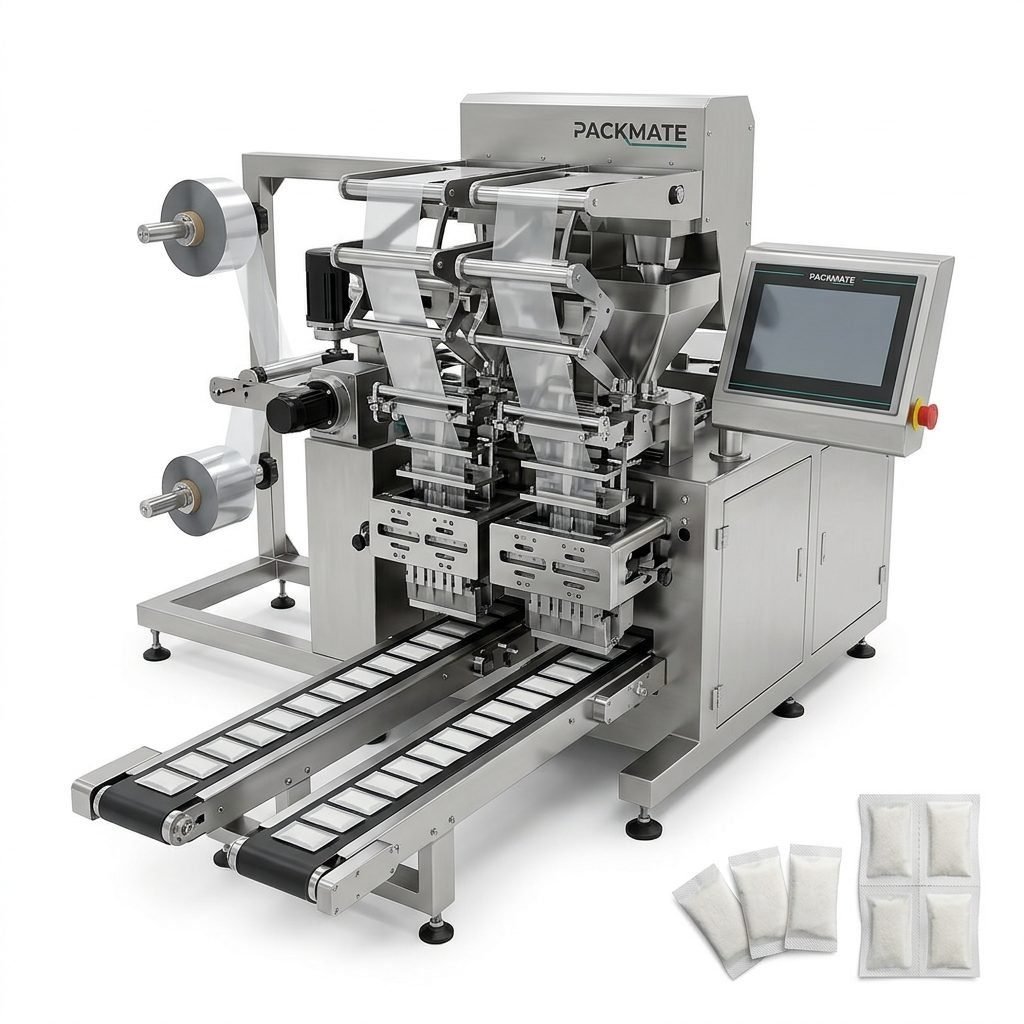
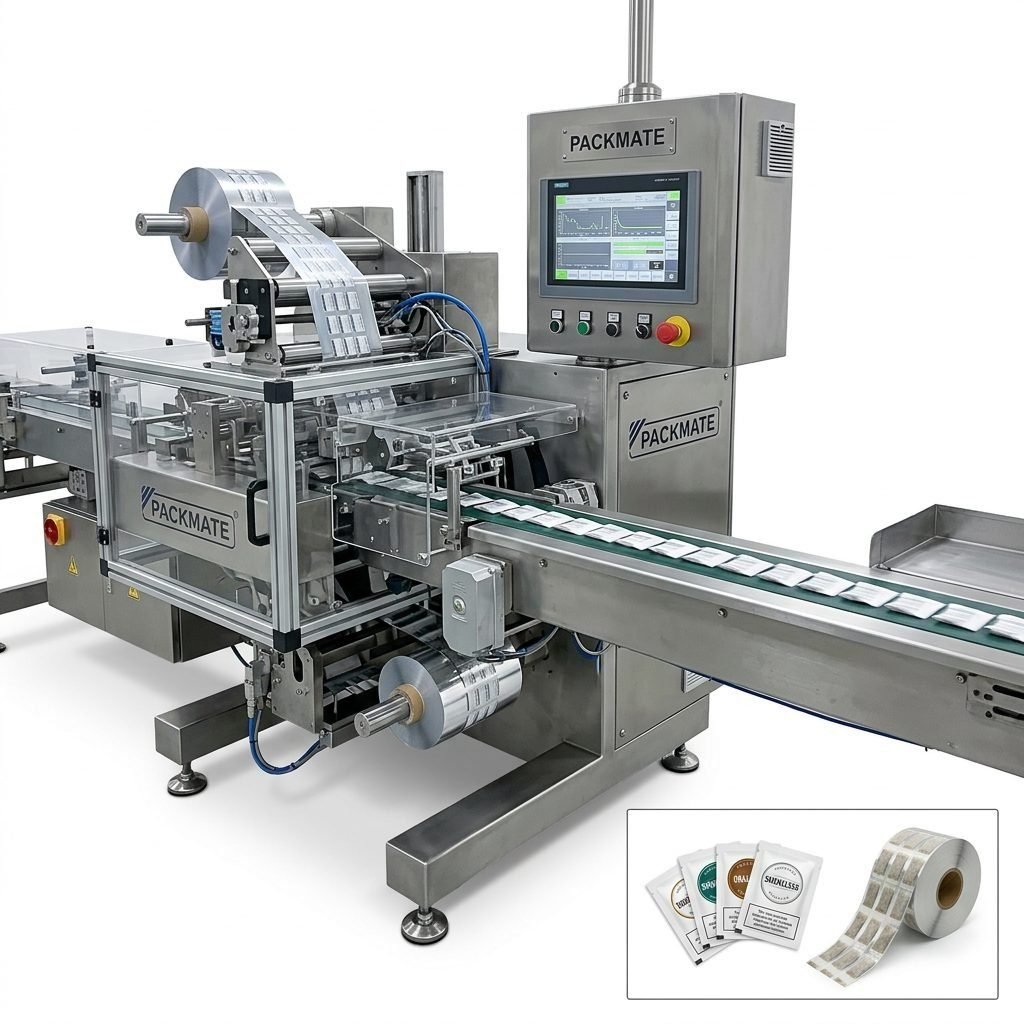
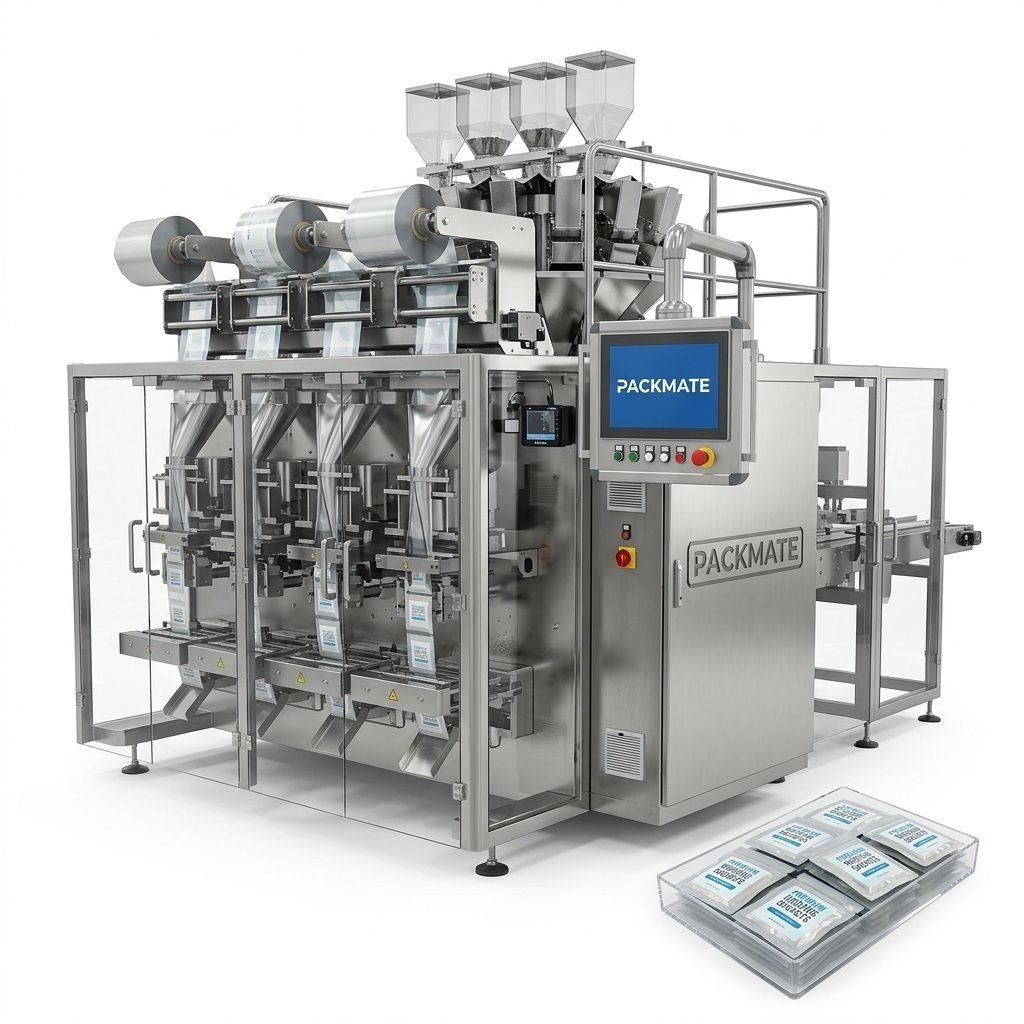
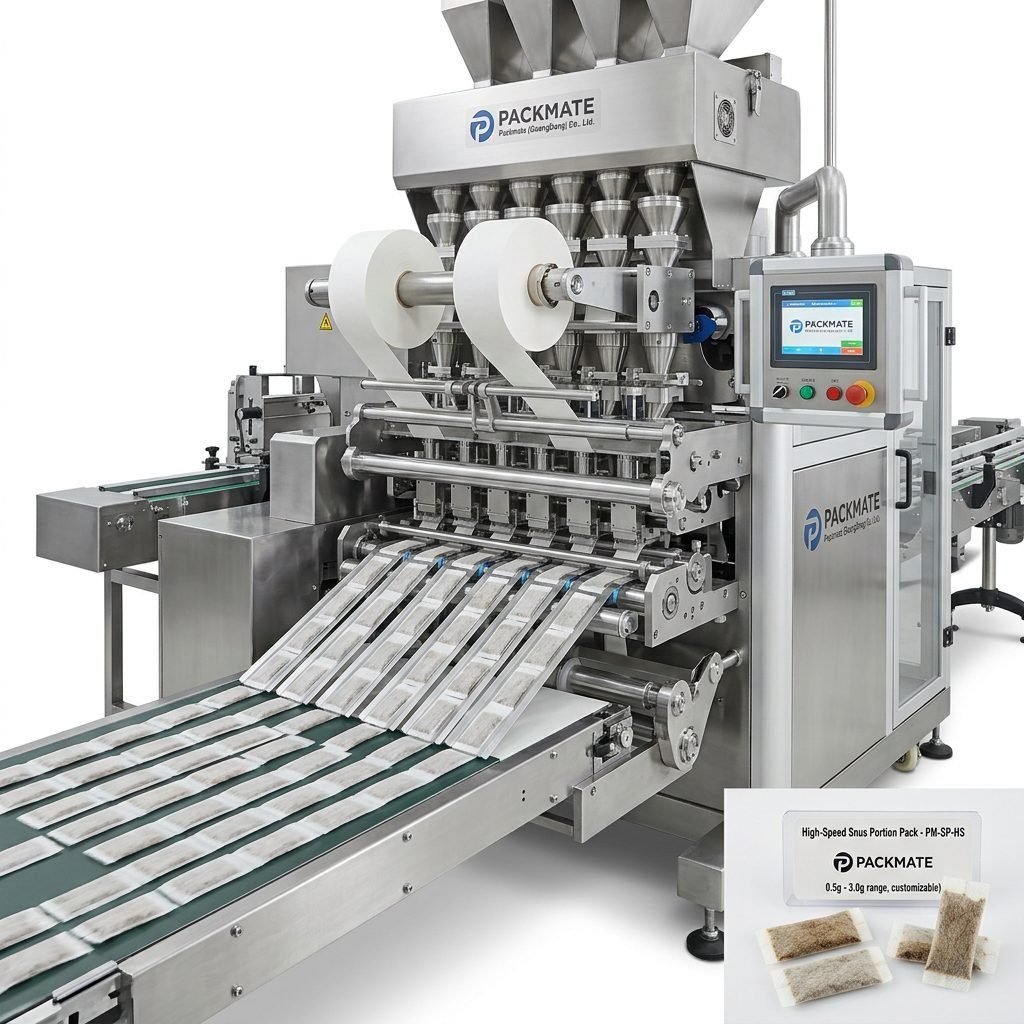
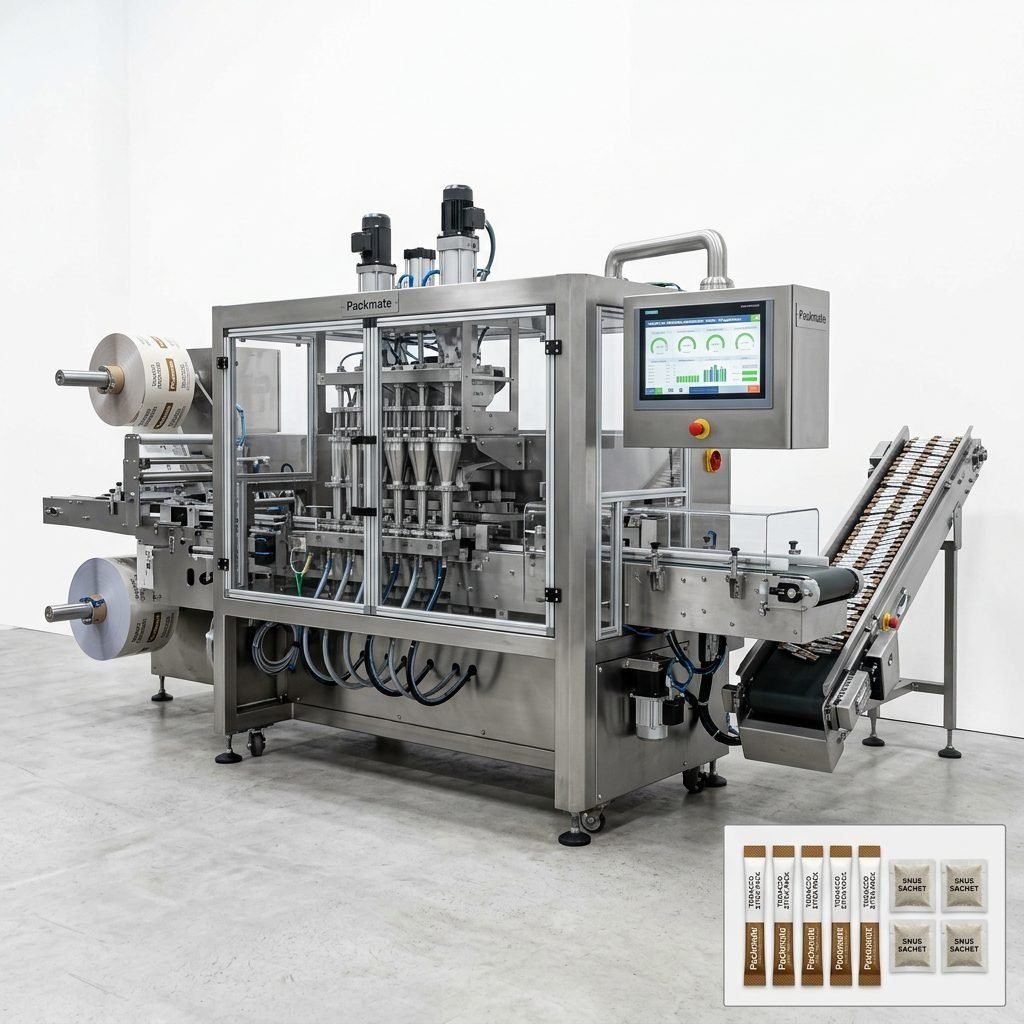
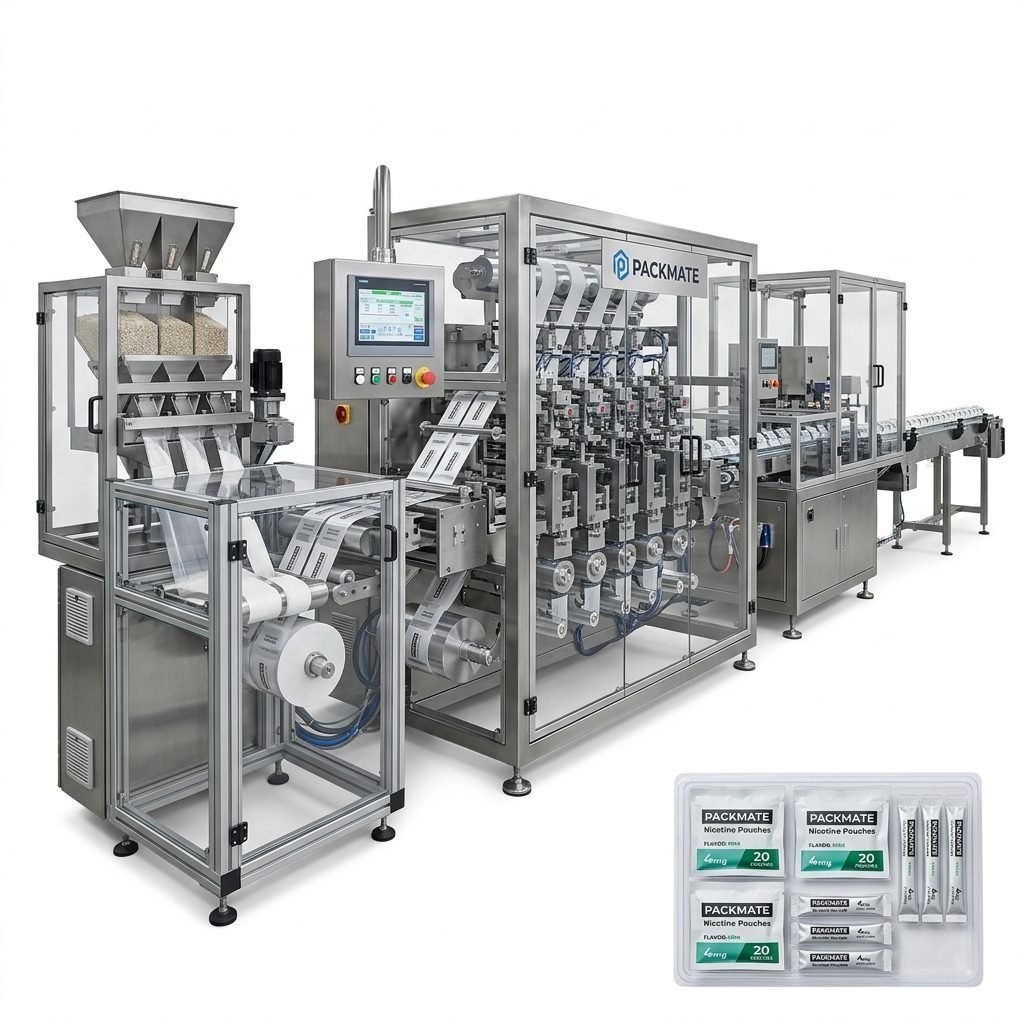
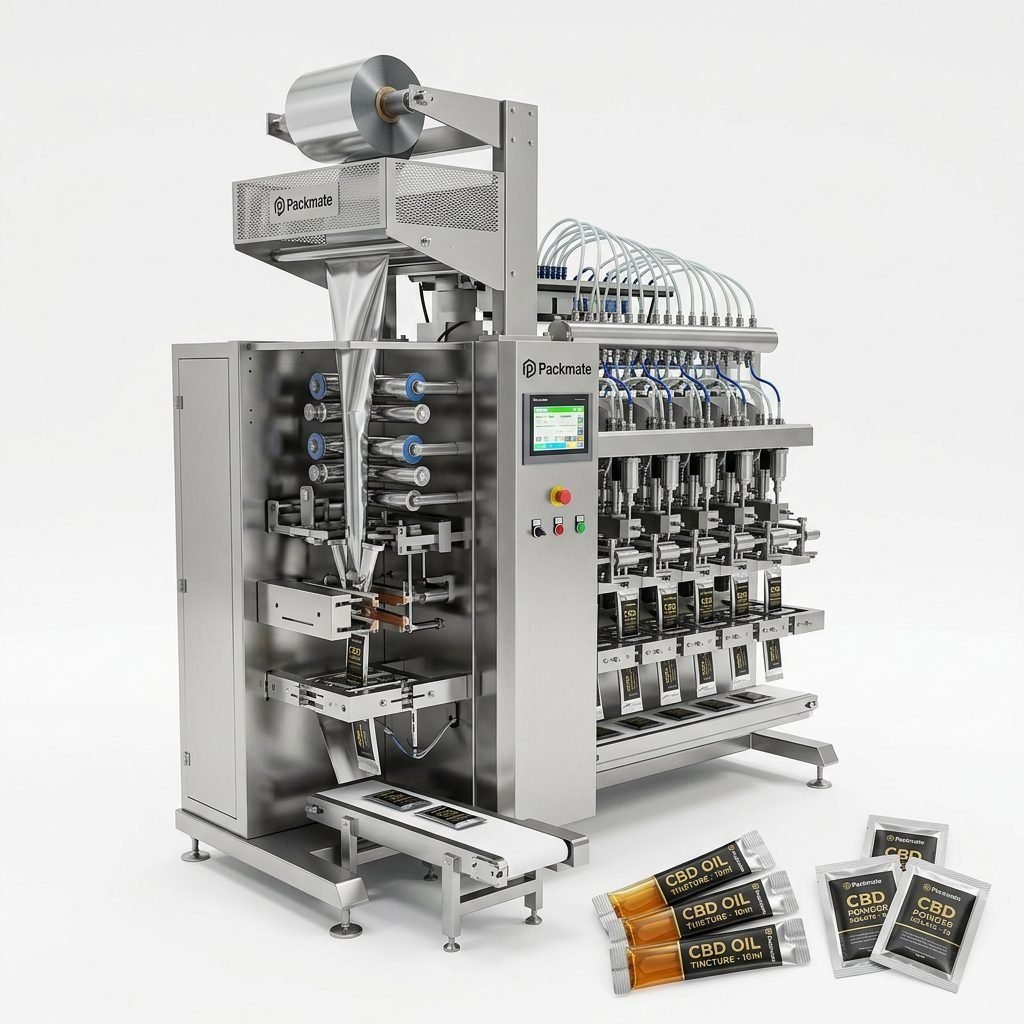
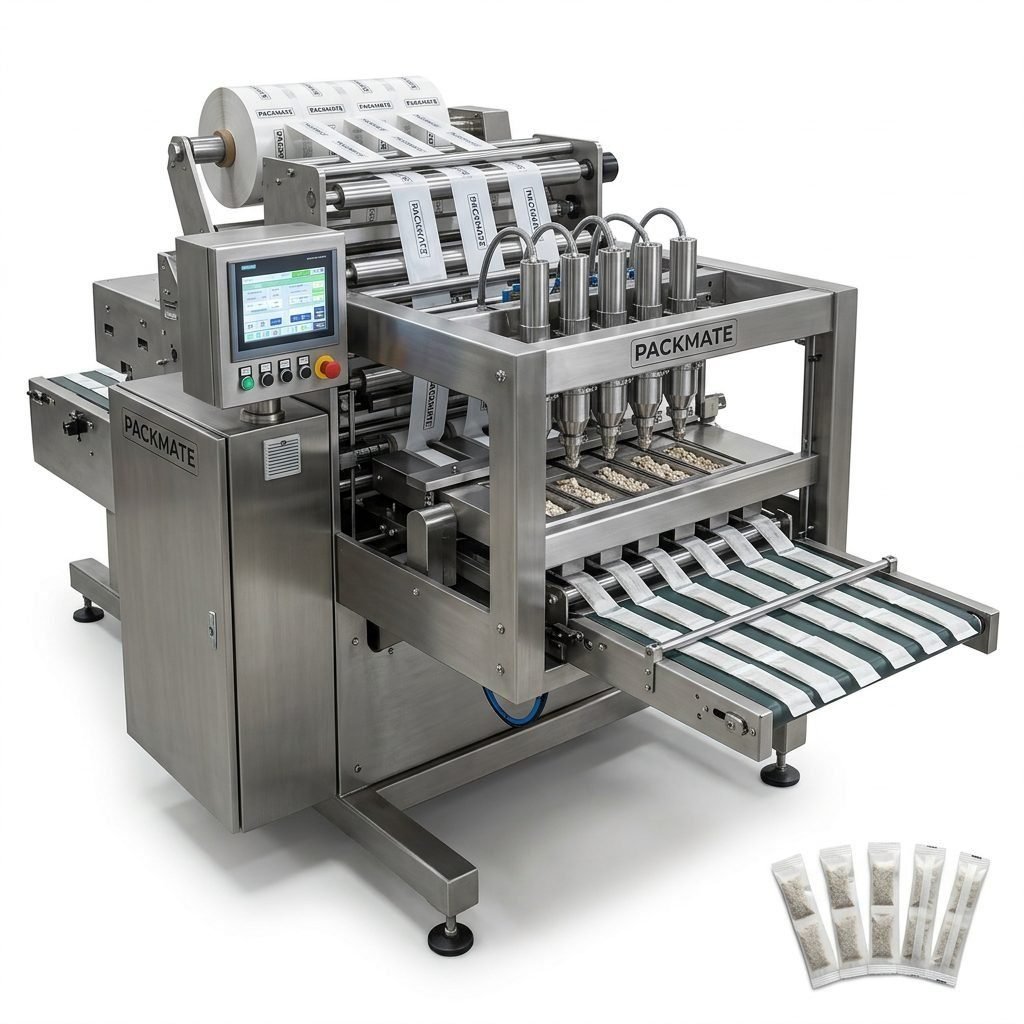
Decide the packaging format and daily output you require. Suppliers that specialize in snus and nicotine pouch equipment provide multiple lines such as stick pack, sachet, and multi-lane pouch systems. Typical choices include:
- Stick pack machines for single-dose pouches
- Sachet and pillow pack machines for resealable single pouches
- Multi-lane systems for high-speed small-dose pouch production
- Integrated weighing and filling systems for precision dosing
If you want to explore models, view specialized product pages such as Snus & Nicotine Packaging Machines and Sachet & Stick Pack Machines.
Engineering Quality & Certifications
A reliable supplier should demonstrate long-term engineering capability and recognized certifications. Look for:
✅ Certifications: CE, ISO and relevant safety standards indicate compliance and higher product reliability.
✅ Factory capability: CNC machining centers, precision assembly lines and documented quality testing ensure consistent machine performance.
Why this matters
Machines built to international standards reduce downtime, minimize contamination risks, and facilitate export markets. For reference, suppliers often publish factory and certification details — review pages like About Packmate and Certificate.
Capacity, Speed & Scalability
Align the machine’s throughput with your business plan. Consider peak season volumes, future product lines, and expansion plans:
- Throughput (pouches/min or packs/min)
- Multi-lane scaling options
- Changeover times for different pouch sizes or mixes
- Integration with upstream weighing and downstream cartoning
If you need an end-to-end solution, suppliers with integrated systems (weighing, filling, cartoning) bring value — see Weighing & Packaging Systems and Filling & Packaging Lines.
Customization & Material Compatibility
Nicotine pouches and snus often contain powders, granules, or moisture-containing blends. Confirm your supplier can:
⚙️ Sealing options: Support different barrier films, foil laminates and resealable zipper options for humid climates.
⚙️ Custom tooling: Rapid tool change options and custom pouch dies for unique shapes and branding.
After-sales Support & Local Service
After-sales service is critical in Malaysia where urgent downtime affects production. Evaluate:
- Local spare parts stock or regional warehouses
- Availability of on-site engineers and remote technical support
- Training programs for local operators and maintenance staff
- Warranty terms and service-level agreements
Ask prospective suppliers for references of nearby customers or regional case studies — view Case examples and exhibition records to verify presence and service reliability.
Spare Parts & Consumables Strategy
For continuous production, establish a parts plan:
⏱ Lead times: Confirm lead times for critical components and whether expedited shipping can be arranged to Malaysia.
🔗 Standardization: Prefer machines that use standardized electrical components and common PLCs for easier support.
Factory Acceptance Tests (FAT) and On-site Installation
A robust FAT and installation plan prevents delays. Require:
- Full-running FAT showing required speeds and sample packs
- Pre-shipment checklists and video demonstrations
- Clear installation scope, electrical and compressed air requirements
- Operator training included in the installation phase
Pricing, Financing & Total Cost of Ownership
Initial machine price is only one part of the cost. Compare:
- Installation and commissioning fees
- Training and documentation costs
- Spare parts and consumables expenses
- Energy consumption and maintenance intervals
- Resale or upgrade pathways
Negotiation tips
Ask for bundled offers: machine + spare parts kit + extended warranty + initial training. Where available, negotiate staged payments tied to acceptance milestones (FAT, shipment, installation).
Sustainability & Waste Management
Malaysian brands increasingly value sustainability. Consider machines that minimize material waste, optimize film usage, and support recyclable or mono-material films for easier end-of-life handling.
Verifying Credibility: Site Visits & References
A credible supplier will welcome factory tours, provide client references, and share long-term customer success stories. Attend industry exhibitions when possible — suppliers often demonstrate live machines at shows. Check exhibition calendars or the supplier’s exhibition page such as Our Exhibition.
Implementation Roadmap: Steps to Decide
Follow a stepwise procurement approach:
- Define product specs, pouch types, and annual volumes.
- Shortlist suppliers with snus experience and regional service.
- Request technical proposals and perform cost comparison including TCO.
- Arrange FATs, request sample runs, and validate QC parameters.
- Finalize contract with clear milestones and service commitments.
– Machine type & throughput validated
– Local service & spare parts assured
– FAT & sample pack acceptance completed
– Warranty, training & SLAs in contract
– Compliance with Malaysian labeling/import rules
Why Packmate-style Suppliers Often Fit Malaysian Needs
Suppliers with decades of R&D experience and a global footprint bring engineered solutions tailored for nicotine pouch and snus production. Companies offering turnkey solutions — from pouch filling to cartoning — reduce interface complexity and accelerate time-to-market. Learn more about full-service offerings and contact channels via Contact Us.
Practical negotiation pointers for Malaysian buyers
– Request local references and ask for recent installations in similar climates.
– Insist on corrosion-resistant finishes and environmental protections in the quote.
– Include spare parts bundle for the first 6–12 months in the contract.
– Negotiate training for both operators and maintenance staff to be delivered on-site.
Common pitfalls to avoid
Purchasing solely on price, skipping FATs, or neglecting local service leads to costly downtime. Avoid suppliers who cannot demonstrate clear spare parts logistics or who lack clear testing evidence of machine performance at required speeds.
Closing guidance
Make decisions based on verified performance data, local support readiness, and a clear roadmap for installation and after-sales service. A well-documented contract and staged acceptance will protect your investment and ensure your Malaysian factory operates reliably.
Frequently Asked Questions
Q1: What machine features are most important for Malaysia’s climate?
A1: Choose stainless steel construction, sealed electrical cabinets, humidity control for fill materials, and strong sealing systems compatible with barrier films that resist moisture.
Q2: How do I ensure quick spare parts support after purchase?
A2: Negotiate a spare parts kit in your purchase, confirm regional warehouses or authorized distributors, and set SLA terms for expedited shipments.
Q3: Should I prioritize turnkey suppliers or best-in-class single machines?
A3: For new production lines, turnkey suppliers can reduce integration risks. If you already have upstream or downstream equipment, a best-in-class machine may be more economical — weigh integration and project management overhead.
Q4: Are there local regulatory requirements for snus labeling in Malaysia?
A4: Regulations can change; ensure your supplier supports customizable labeling systems and is prepared to adapt to Malaysian labeling and import regulations. Engage local legal counsel or regulatory consultants for final compliance checks.
Q5: Where can I see real machine demos or customer references?
A5: Request on-site demos, attend industry exhibitions, and review case studies on supplier websites. Example resources include supplier exhibition and case pages to validate real-world performance.