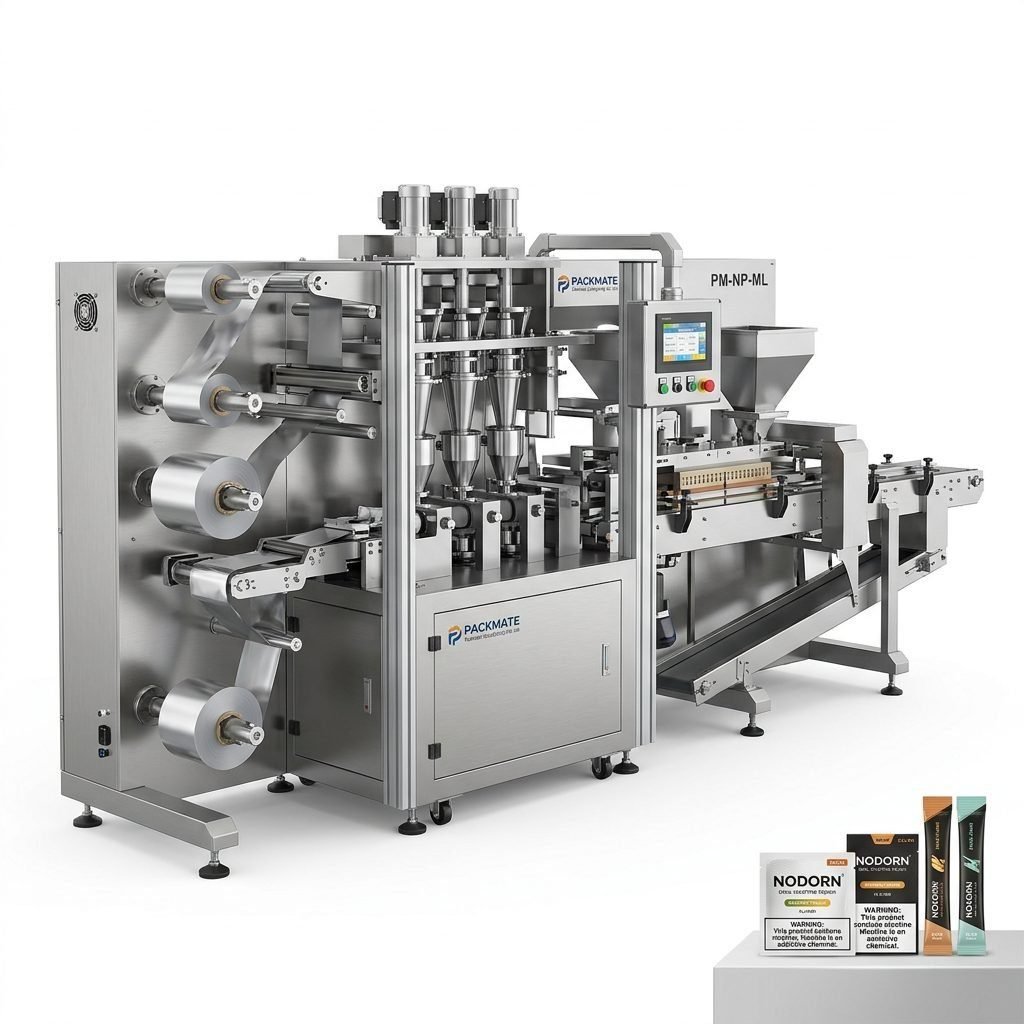
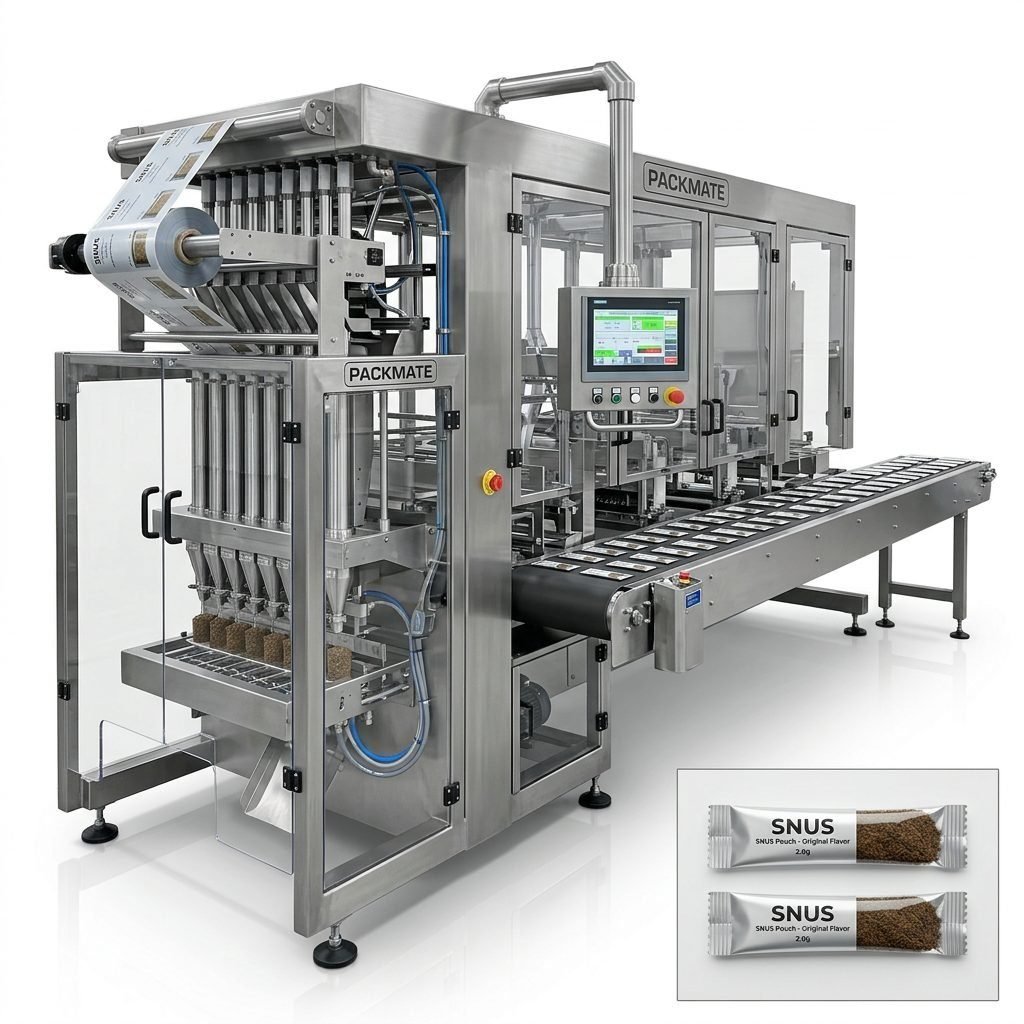
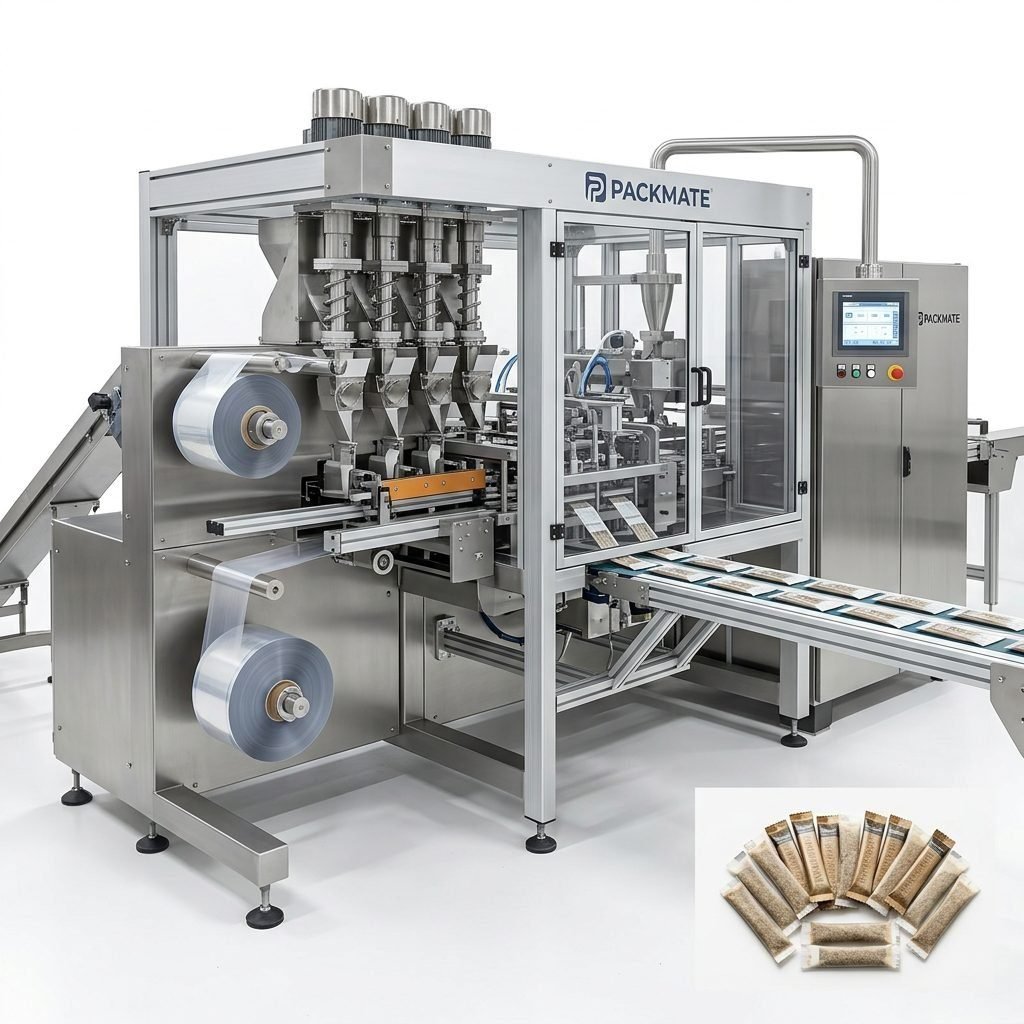
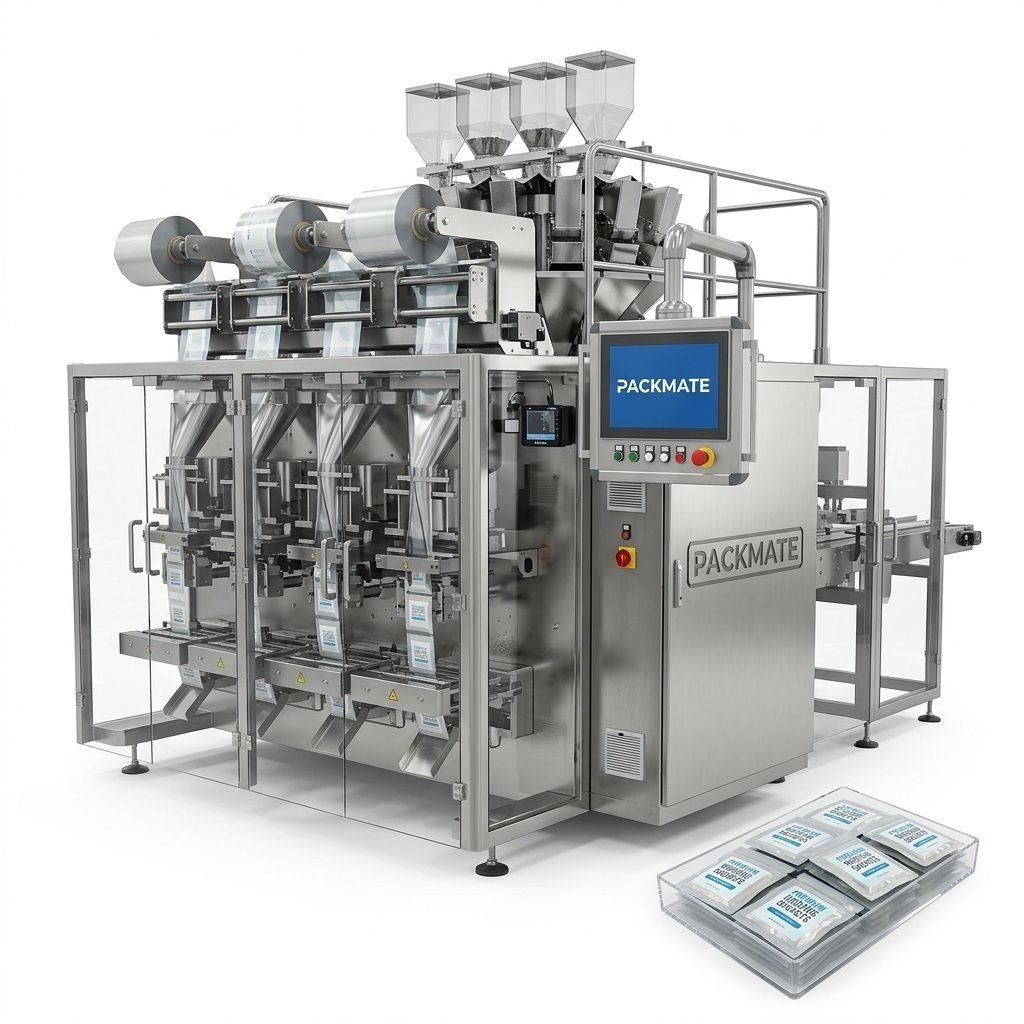
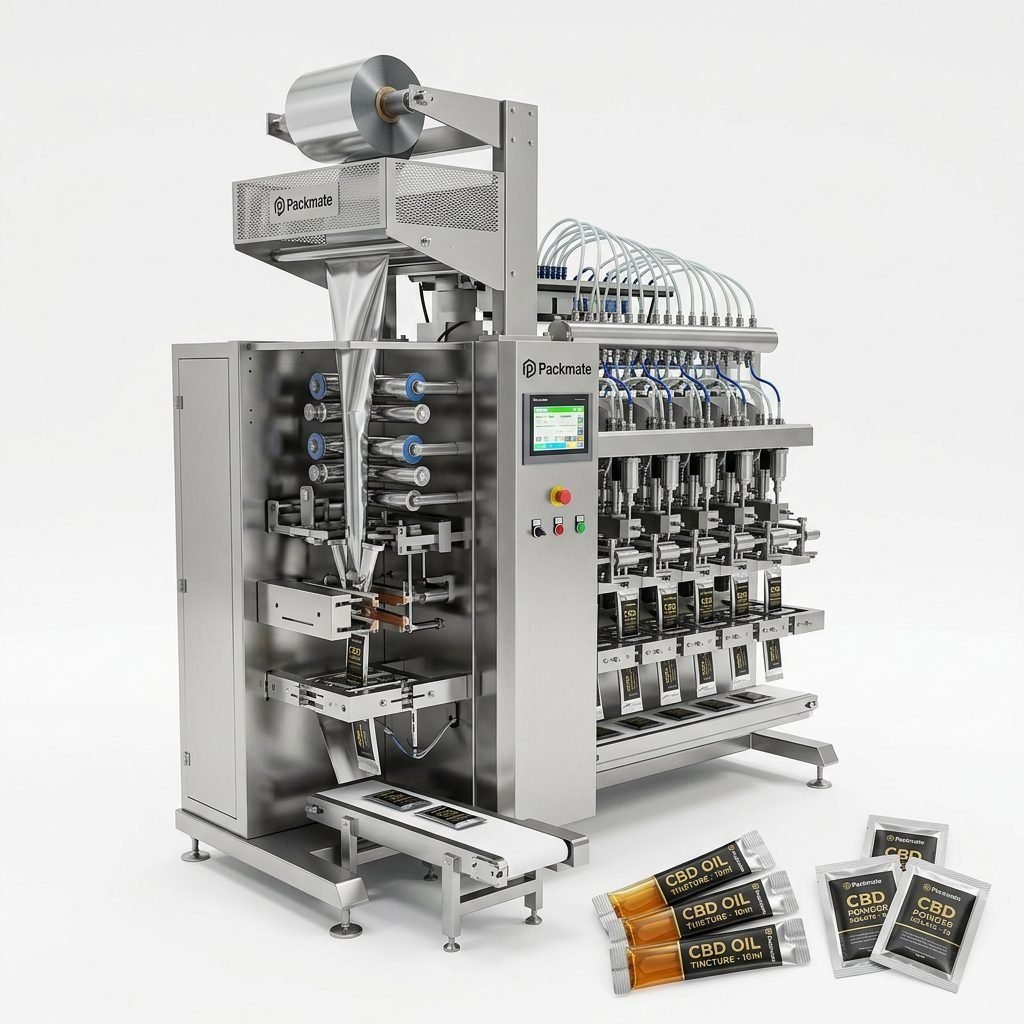
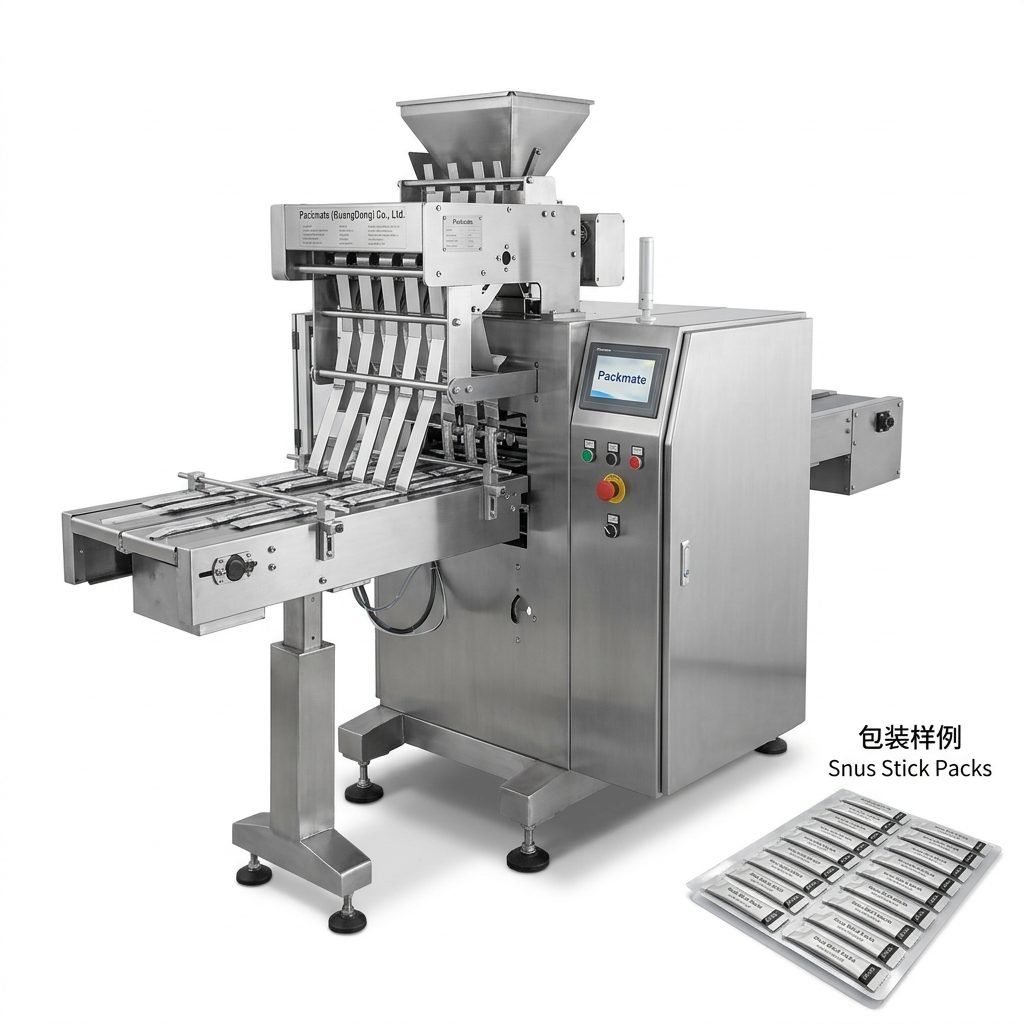
Choosing the right nicotine packaging machine supplier in Honduras can define the success of your snus or nicotine pouch business. Whether you are launching a small local brand for Tegucigalpa markets or scaling up production for export, the equipment you buy and the partner you select will impact product quality, regulatory compliance, and long‑term costs. This guide walks you through practical, Honduras‑specific considerations and a clear supplier evaluation framework so you can make a confident decision.
Know Local Market Habits and Regulatory Context
📌 Honduras has a mix of urban and rural consumption patterns. In larger cities like San Pedro Sula and Tegucigalpa, consumers expect premium presentation, consistent pouch weight, and discreet packaging. In smaller towns, affordability and simple single-serve formats often win. When selecting a supplier, consider machines that can switch between formats and batch sizes quickly to serve both market tiers.
⚖️ Regulatory expectations in Central America are evolving. Ensure the equipment supports traceability, consistent dosing, and hygienic production (food/pharma grade contact parts). A supplier familiar with international certifications (CE, ISO) and documentation will save time during local approvals and potential export compliance.
Supplier Track Record: Experience Matters
🔍 Look for suppliers with proven experience in snus and nicotine pouch packaging. An experienced manufacturer understands small‑dose multi‑lane systems, delicate pouch sealing, and high-speed stick/sachet lines. Companies that present clear case histories and machine models reduce technical uncertainty.
✅ Example indicators of strong experience:
30+ years in packaging machine R&D and multiple turnkey installations across continents — a sign of stability and iterative product improvement.
Reference and Case Verification
Ask for references, video demos, and case studies of nicotine pouch lines. If available, review third‑party reviews or exhibition demos. For reference material, consider checking the supplier’s case listings and exhibition records to confirm real deployments and client satisfaction. (See example supplier resources linked later.)
Machine Technology & Customization Capabilities
🔧 Nicotine pouch production has nuances: accurate micro‑weighing, gentle handling of soft pouch material, secure sealing, and multi‑lane synchronization for small-dose products. Evaluate a supplier based on:
- Precision dosing components and compatible weighing systems for 5–200 mg formats.
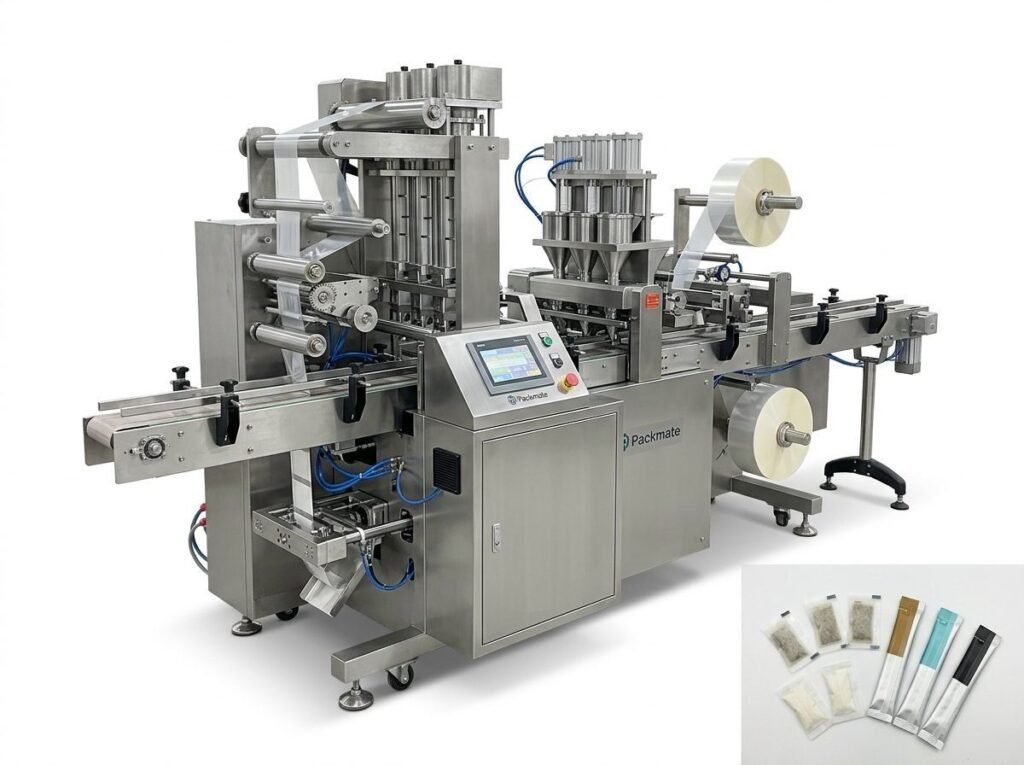
- Modular multi‑lane designs to increase throughput without a proportional footprint increase.
- Quick‑change tooling and format sets for fast product changeover favored by diverse Honduran markets.
Compatibility with Local Packaging Materials
Honduran suppliers and converters may use a variety of laminated films and recyclable papers. Choose a machine supplier who tests and optimizes seal temperatures, dwell times, and material tension control for local films. That avoids wasted material and production downtime.
Certifications, Quality Assurance & Testing
📑 International certificates (CE, ISO) and documented quality control processes are essential. For nicotine products, hygienic design, easy cleaning, and traceability features reduce regulatory risk. Confirm the supplier offers factory acceptance tests (FAT) and pre‑shipment performance reports.
🔎 Ask for documented test runs with your target pouch weight and material. A practical supplier will provide performance charts and allow remote or in‑person FAT.
After‑Sales Service, Spare Parts & Local Support
🛠️ Rapid access to spare parts and technical support is critical in Honduras where downtime can be costly. Evaluate whether the supplier:
- Stocks wear parts or offers fast shipping options.
- Provides remote troubleshooting (video support, PLC access) and clear maintenance manuals in Spanish or bilingual formats.
- Has local partners or authorized service agents in Central America for onsite help.
Training and Operator Education
Well‑trained local operators reduce error rates and improve production quality. Confirm training programs (onsite and remote), spare parts kits included with machines, and optional extended service contracts.
Factory Capacity, Lead Times & Delivery Logistics
⏱️ Manufacturing lead times and shipping logistics to Honduras must be realistic. Ask the supplier about current production backlogs, expected build times, and experience with ocean freight to Central American ports. A supplier with a 20,000㎡ facility and advanced CNC centers typically handles customizations faster and more reliably.
Installation and Site Preparation
Before finalizing your purchase, get a site layout plan and utility requirements (power, compressed air, floor loading). Good suppliers provide installation drawings and remote layout consultations to ensure a smooth startup in Honduran facilities.
Total Cost of Ownership (TCO) and Financing Options
💰 Purchase cost is only part of the equation. Consider:
- Energy efficiency and consumable usage.
- Spare parts pricing and expected wear intervals.
- Service contract and training costs.
- Potential financing or leasing offers from the supplier.
A supplier that provides transparent TCO calculations and flexible financing will help you plan cash flow and expansion in the Honduran market.
Factory Visits, Demos & Exhibitions
✈️ If feasible, visit the supplier factory or an exhibition where their machines run. Live demos are invaluable to assess build quality, noise levels, and operator ergonomics. Many reputable suppliers participate in global shows — check their exhibition history for credibility.
For detailed examples and exhibition records, explore the supplier’s exhibition and case pages to view past demonstrations and installations.
Evaluating Proposals: Key Questions to Ask
📋 When you receive technical proposals, compare apples to apples. Key items to confirm:
- Guaranteed throughput (pouches/min) at your product spec.
- Acceptable pouch weight range and tolerance.
- Spare parts included and optional consumable kits.
- Warranty terms, response times, and training scope.
- FAT and commissioning schedule.
🔔 Pro tip: Request performance guarantees tied to FAT results. This aligns supplier incentives with your production goals.
Integration with Downstream Packaging & Quality Systems
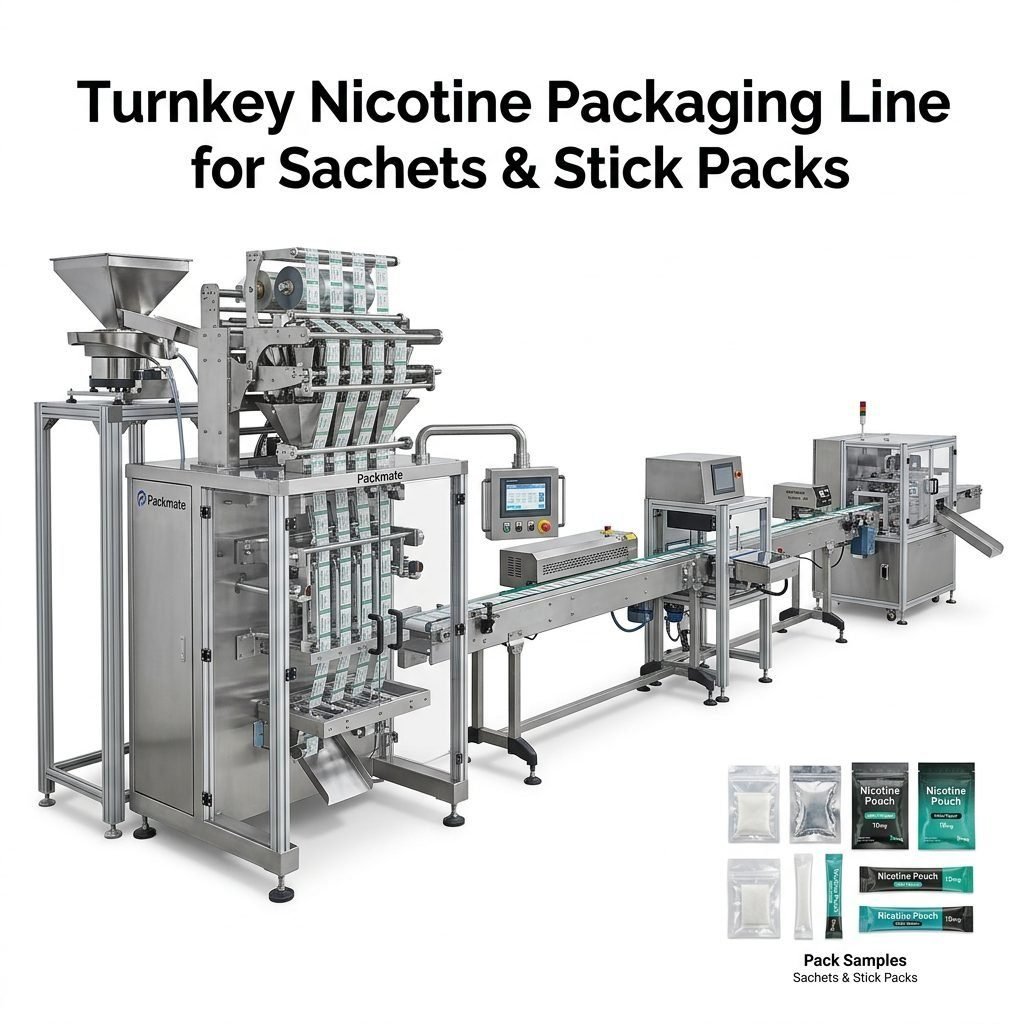
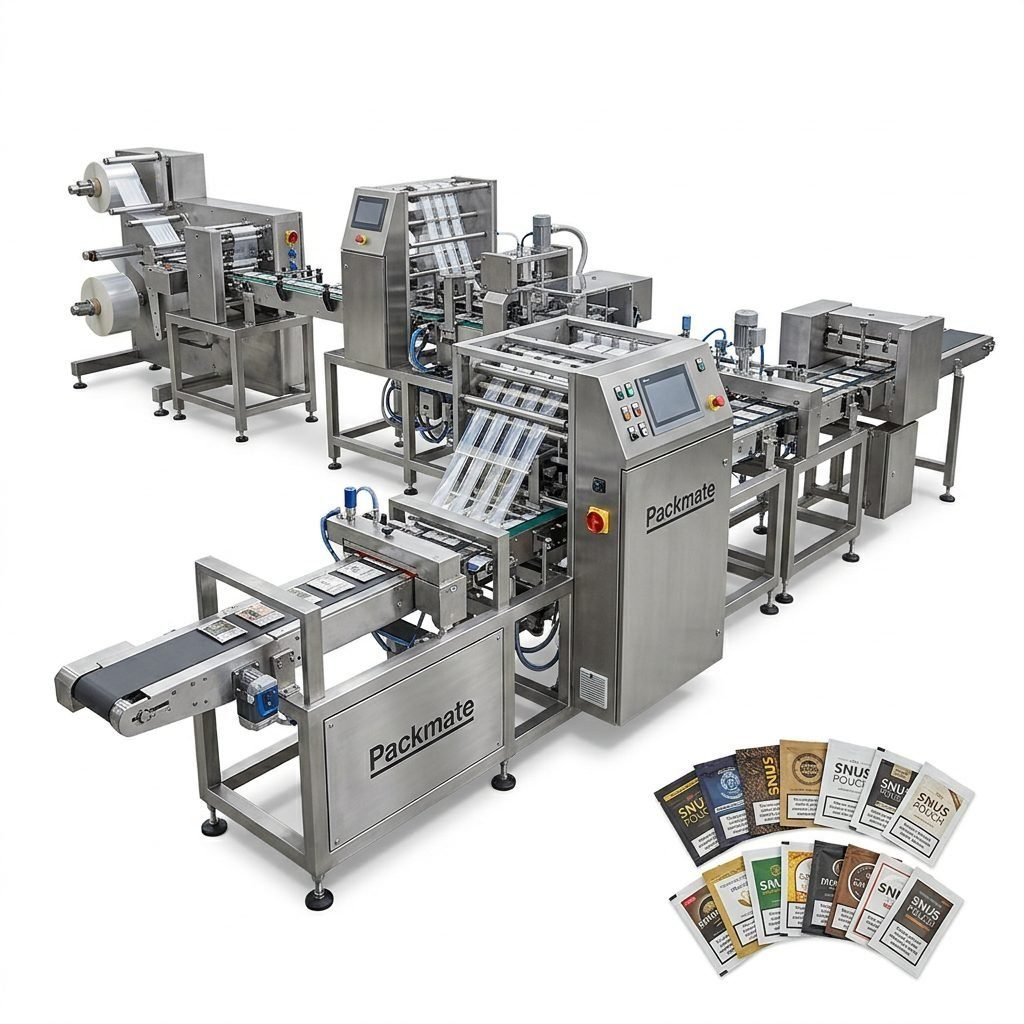
Consider how the snus machine will link with weighing, cartoning, and secondary packaging lines. Suppliers offering integrated lines or modular add‑ons (filling, weighing, cartoning) simplify commissioning and maintenance. If you plan to scale, a supplier with comprehensive filling and packaging lines is advantageous.
How to Finalize Your Supplier Choice — A Practical Checklist
Below is a condensed checklist for final evaluation. Use this during quotes comparison.
✅ Experience in nicotine pouch lines and multi‑lane systems
✅ Verified FAT, onsite commissioning, and operator training
✅ Spare parts availability and local or remote service options
✅ Clear warranty, documentation, and certification (CE/ISO)
✅ Realistic lead times and shipping plans to Honduras
Recommended Supplier Resources
For further reading and to review specific machine types, here are some helpful resource links from established packaging equipment manufacturers and product pages:
- Snus & Nicotine Packaging Machines — Product details
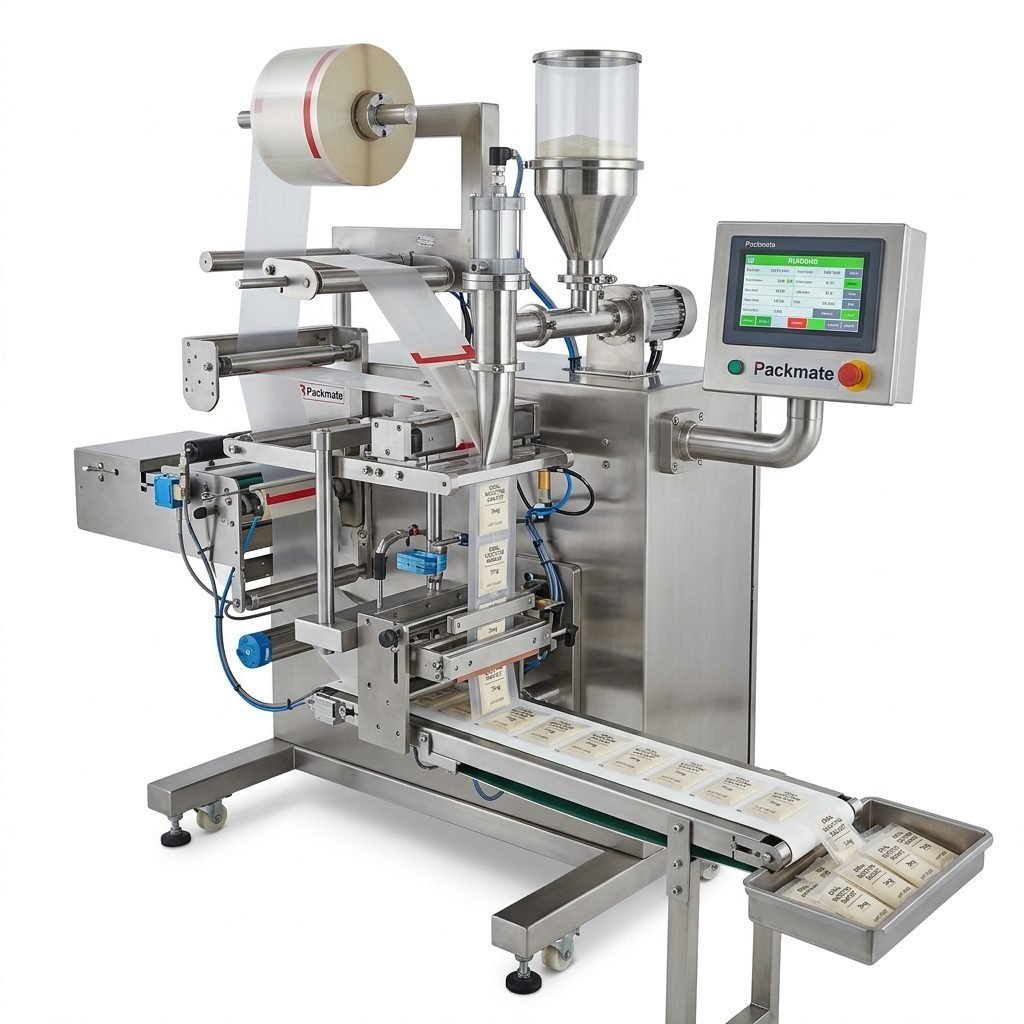
- Sachet & Stick Pack Machines — Formats & specs
- Filling & Packaging Lines — Integrated solutions
- Case Studies & Global Installations — Real projects
Negotiation Tips and Contracts
When negotiating, secure clear acceptance criteria, payment milestones tied to FAT and shipment, penalties for missed delivery dates, and detailed spare parts lists. If possible, include clauses for upgrade paths or future capacity expansions to protect long‑term operations.
Language and Support Preferences
Because Spanish is the dominant business language in Honduras, prioritize suppliers that provide Spanish documentation, operator training in Spanish, or local bilingual support to reduce miscommunication during setup and maintenance.
Final Decision: Balance Risk, Cost and Growth
Selecting a supplier is a strategic choice. Short‑term savings on equipment can cost more in downtime and poor yields. Favor partners offering proven nicotine pouch solutions, reliable after‑sales, clear certifications, and the ability to grow with your business in Honduras.
📌 If you want a single source for multiple production stages (snus pouch filling, weighing, multi‑lane packing, and secondary packaging), consider suppliers who list integrated lines — it reduces integration risk and speeds up time to market.
Next Steps for Buyers in Honduras
1. Shortlist 2–3 suppliers with nicotine pouch experience and request tailored proposals. 2. Schedule virtual demos and request FAT with your product. 3. Confirm spare parts lead times and training availability in Spanish. 4. Finalize contractual terms that include clear acceptance criteria and post‑installation support.
Useful Links for Contact and Additional Info
For more information about suppliers, machines, certifications, and exhibitions, review their product and company pages:
Common Pitfalls to Avoid
⚠️ Beware of vendors who cannot demonstrate real‑world performance with nicotine pouches, lack clear spare parts plans, or offer unclear warranty terms. Also, avoid suppliers who do not provide FAT or insist on full payment before acceptance testing.
Frequently Asked Questions (FAQs)
Q1: How long does it typically take to receive and commission a customized nicotine pouch line in Honduras?
A1: Typical lead times vary by customization and current factory load — expect 12–20 weeks for custom multi‑lane lines, plus 4–8 weeks for international shipping and local installation. Confirm exact timelines with the supplier and include buffer for customs clearance.
Q2: What certifications should I insist on for machines producing nicotine pouches?
A2: At minimum, request CE and ISO quality documentation for the equipment, hygienic design details for product contact parts, and documented FAT reports. If you plan to export, check the target country’s specific requirements and ensure traceability features are in place.
Q3: Can machines handle both snus (moist) and nicotine pouches (dry) on the same line?
A3: Some modular machines can handle multiple product types with appropriate tooling, dosing modules, and sealing adjustments. Confirm this capability during technical discussions and request sample runs with your actual materials.
Q4: How is spare parts support typically managed for Honduran clients?
A4: Reliable suppliers maintain a spare parts catalog and offer express shipping options. Ask for a recommended initial spare parts kit and expected consumption rates. Suppliers with regional partners or ship-from-nearby depots shorten downtime.
Q5: What local considerations should I keep in mind for packaging preferences in Honduras?
A5: Urban consumers often prefer premium feel and consistent branding, while rural customers value simplicity and affordability. Flexible machines that allow quick format changes and different materials will help you address both segments without heavy reinvestment.