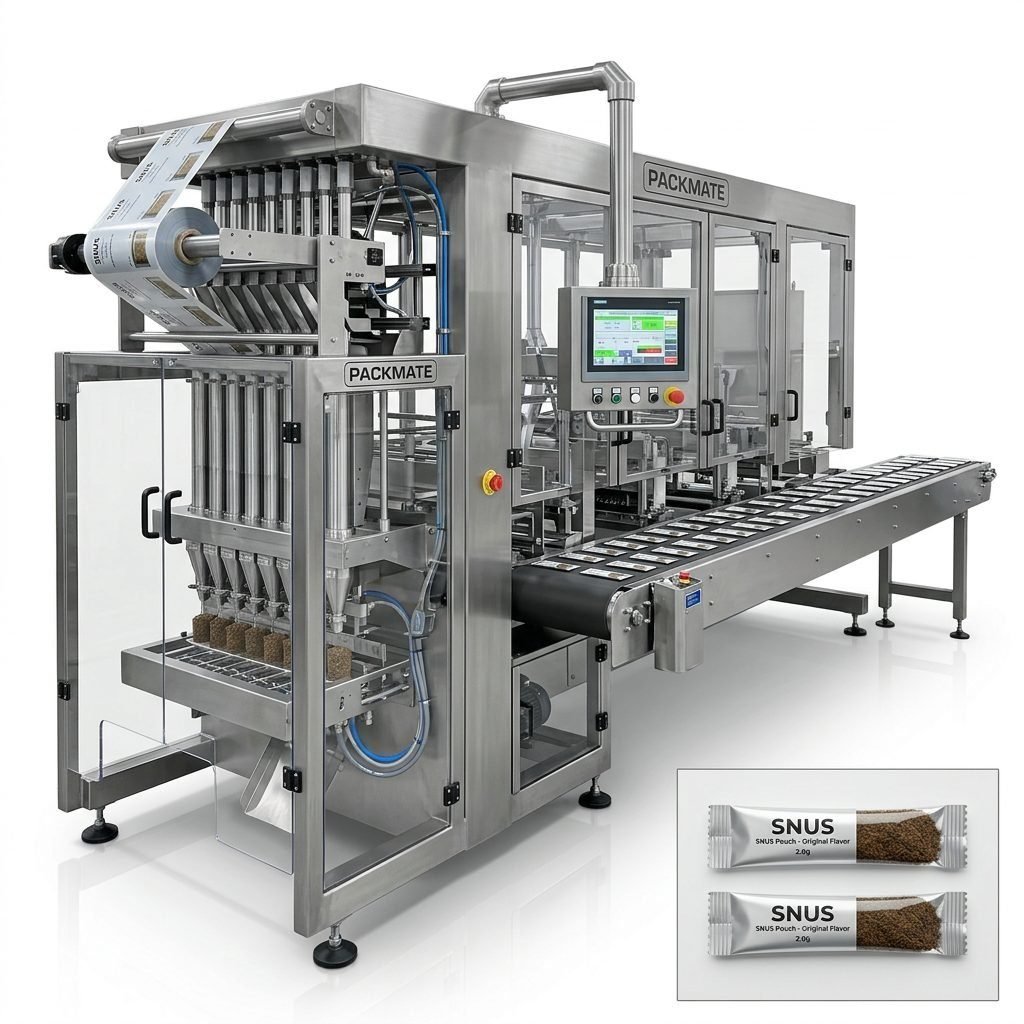
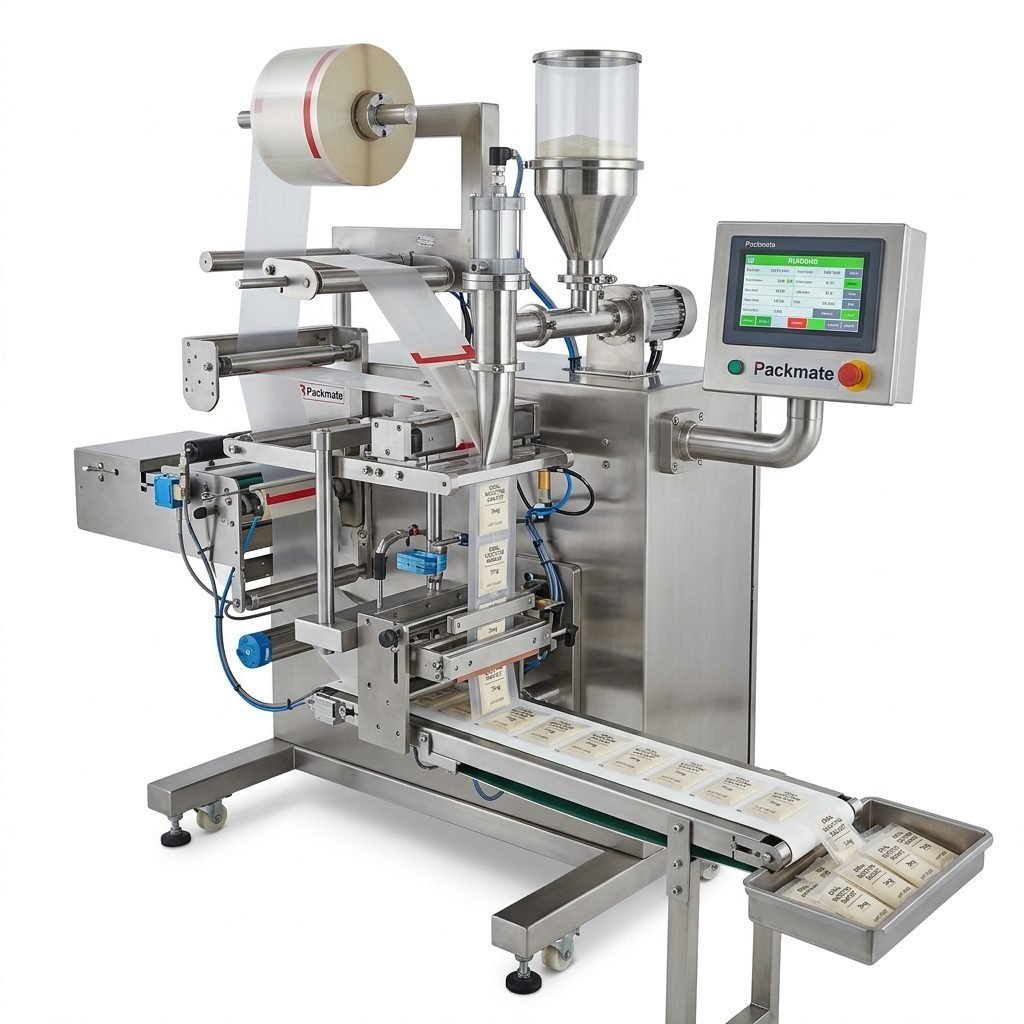
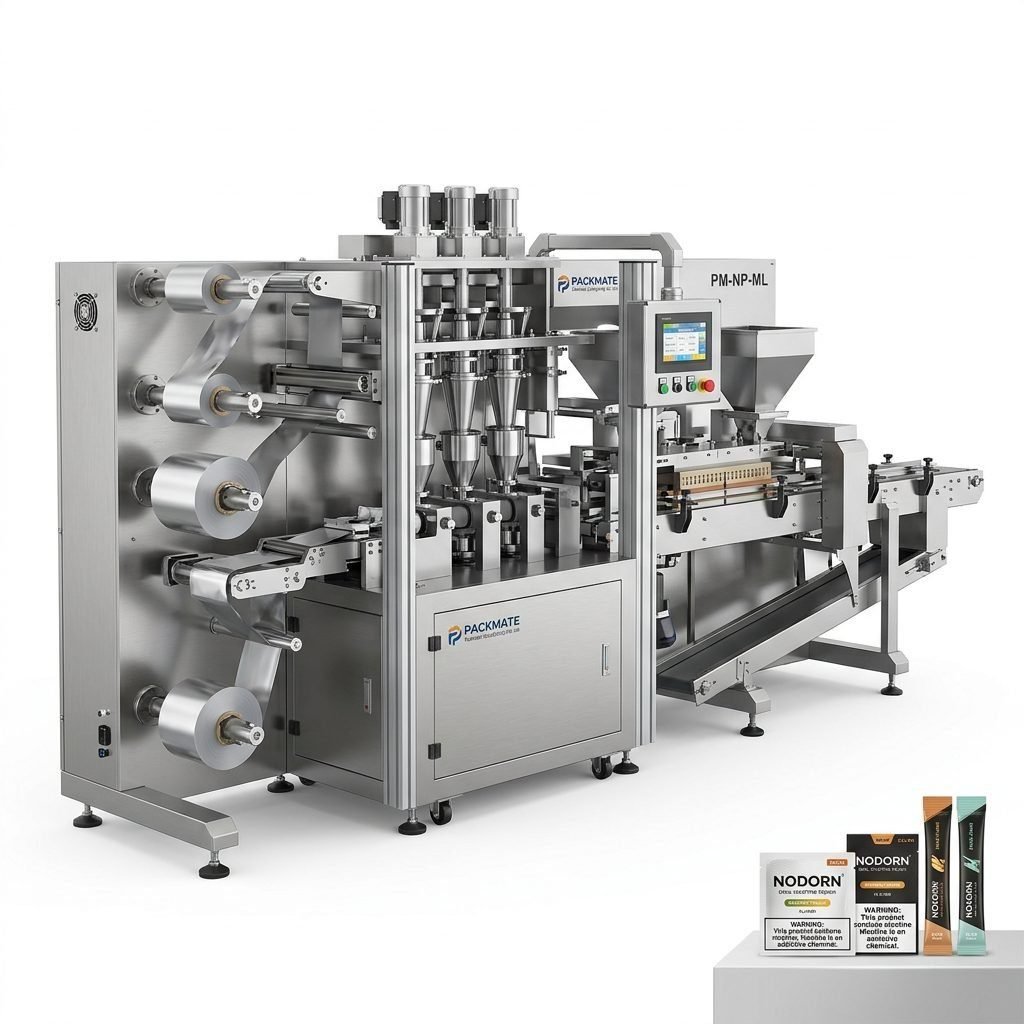
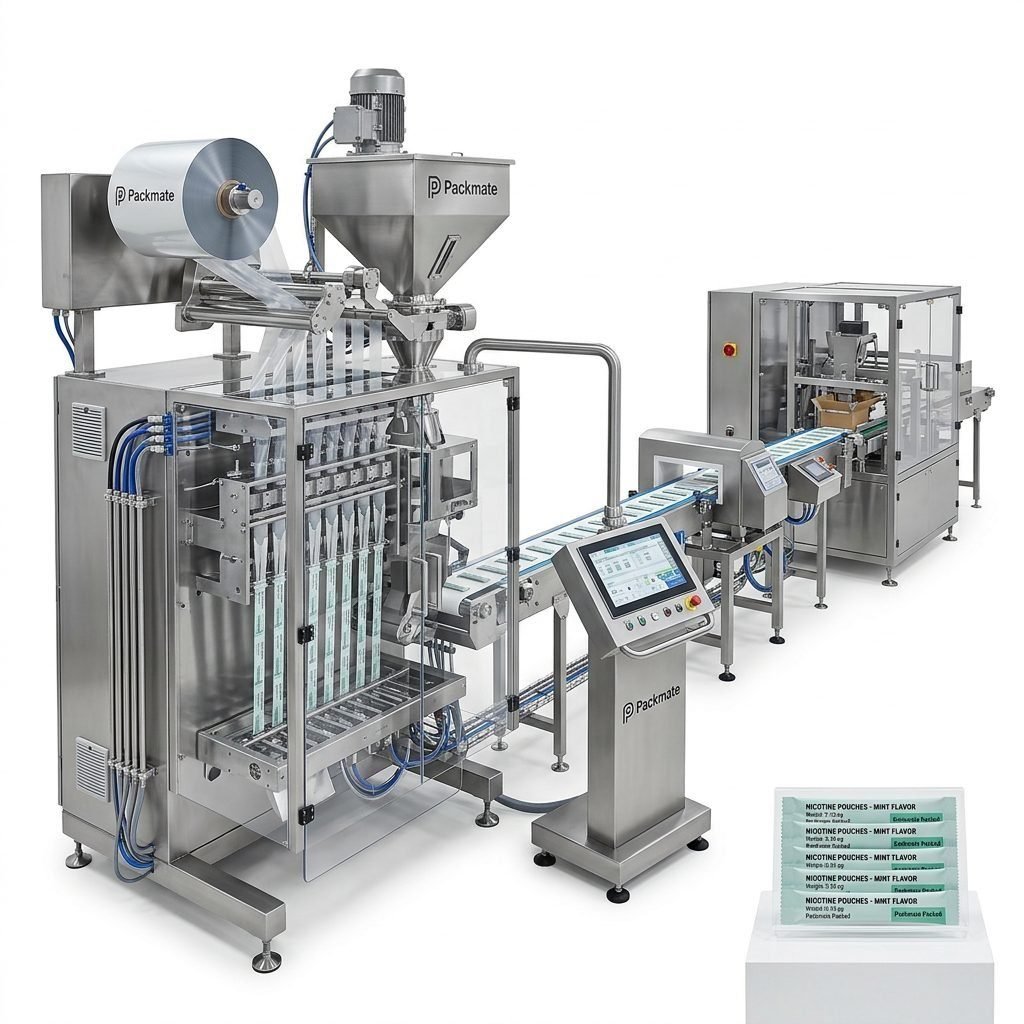
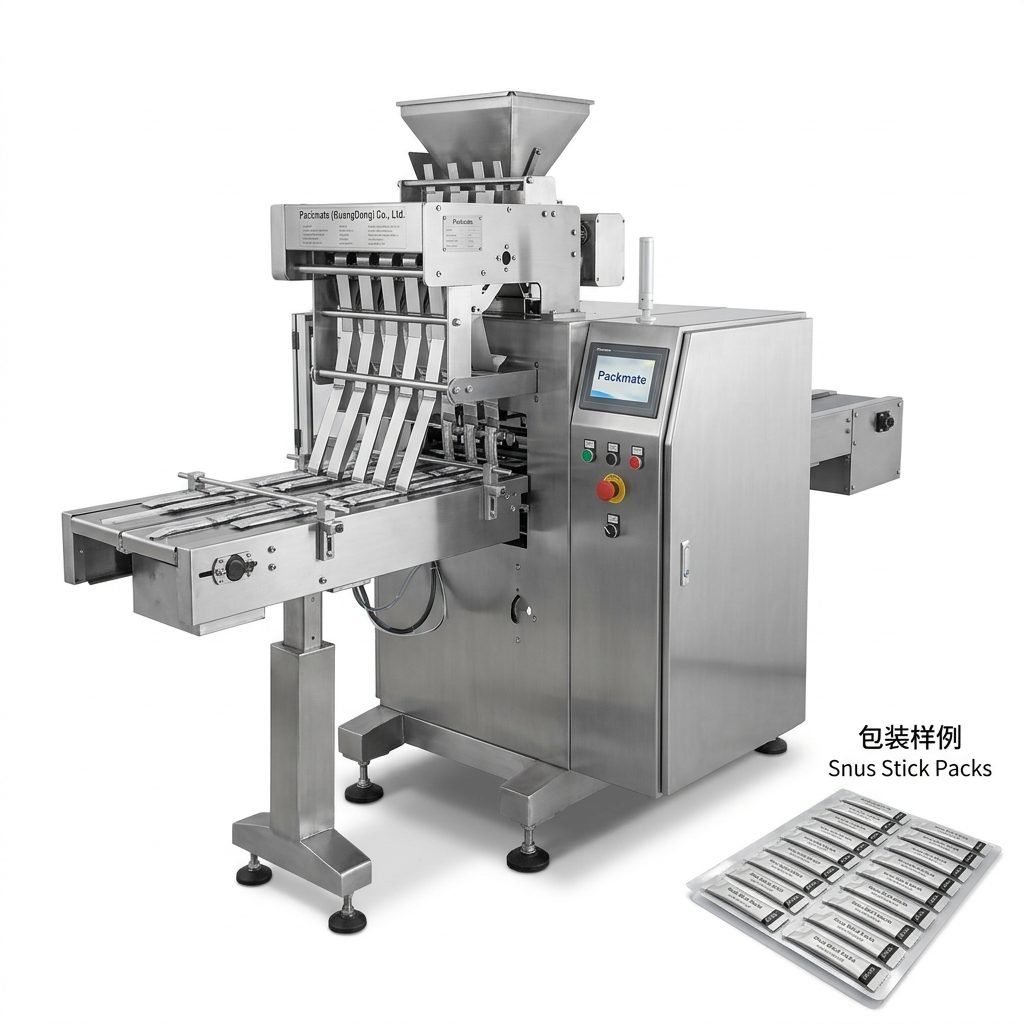
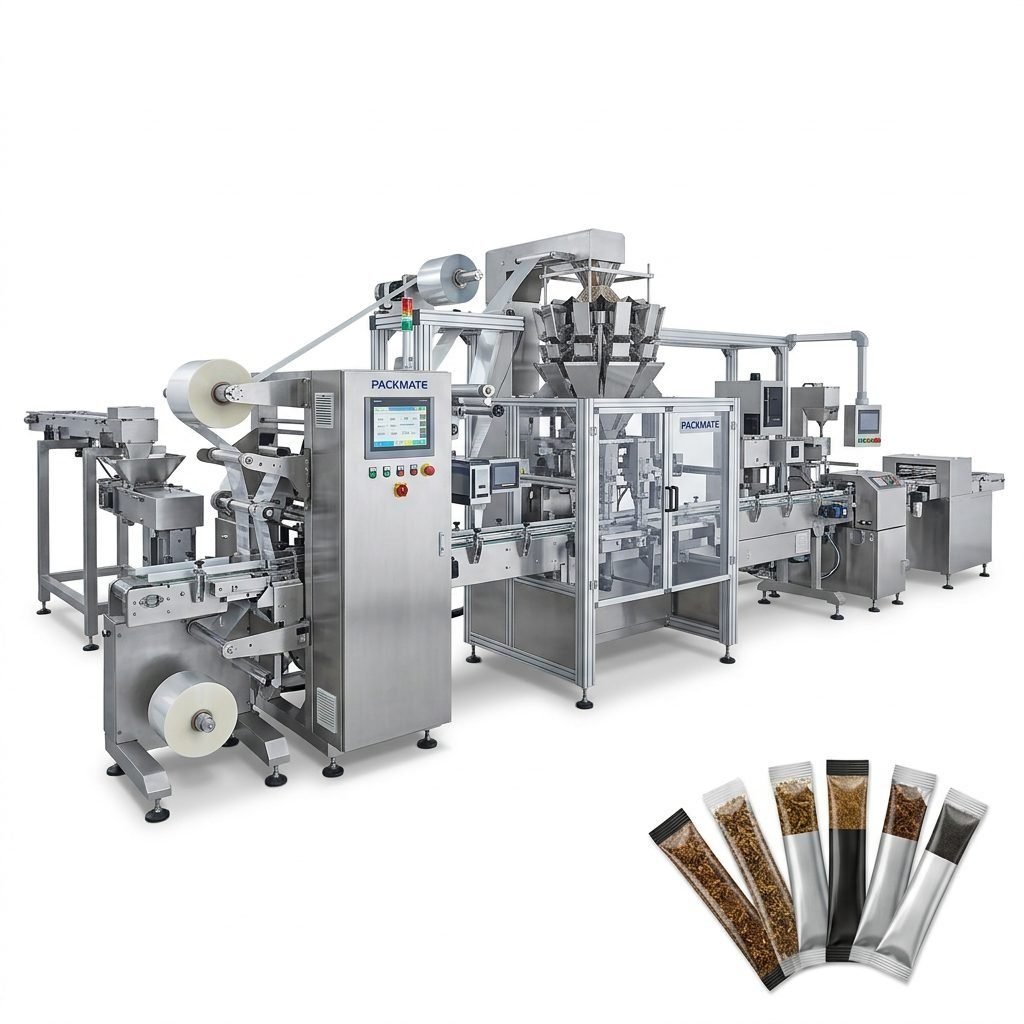
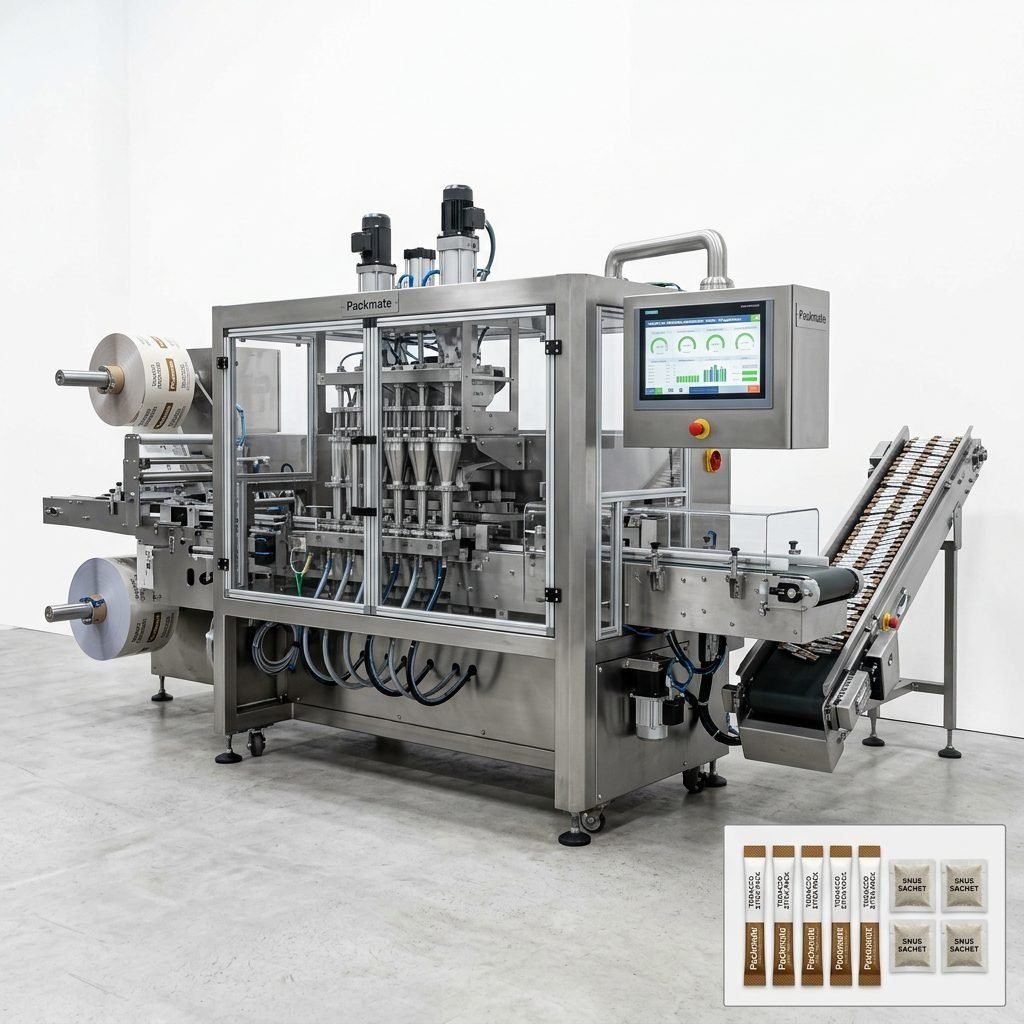
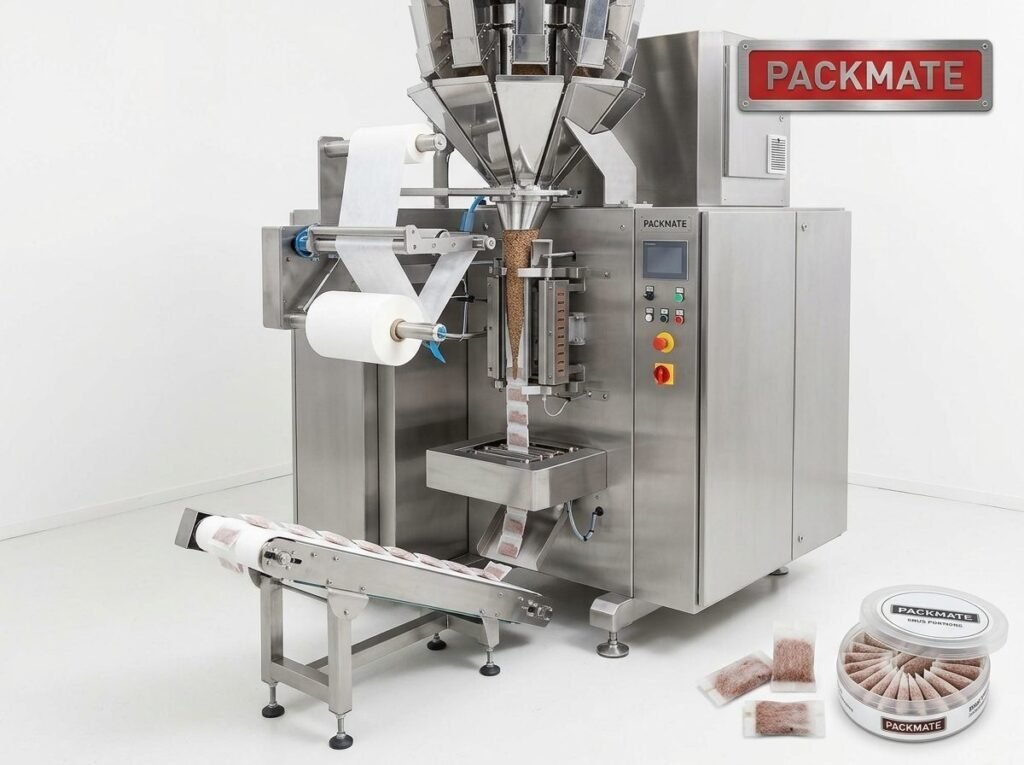
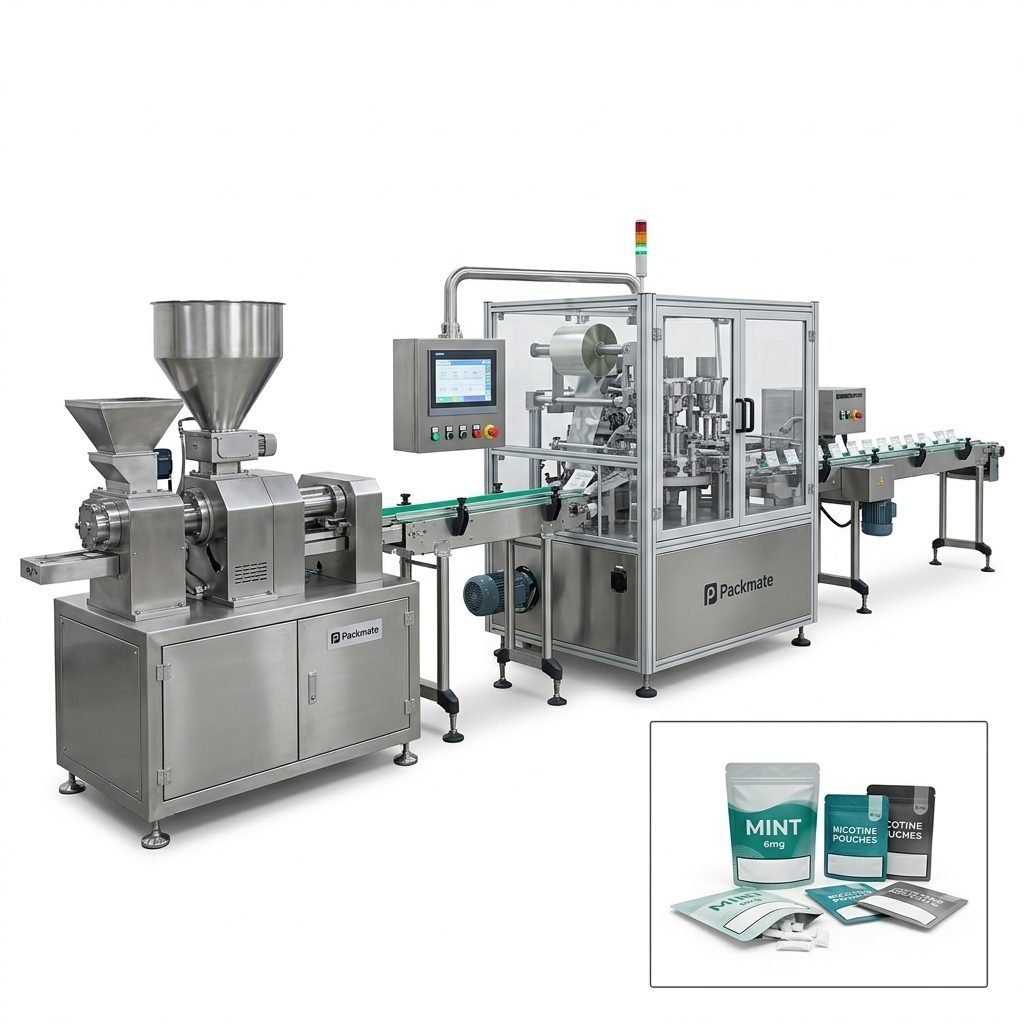
The Efficient Nicotine Pouch Filling System is designed for manufacturers who demand high-speed, precise, and fully automated production of nicotine pouches and snus. Combining advanced multi-lane filling technology, accurate dosing modules, and integrated quality inspection, this solution helps brands increase throughput while maintaining consistent product quality. Below we explore the system’s core components, advantages, customization possibilities, compliance considerations, and practical deployment tips for global operations.
Core System Overview
⚙️ High-Speed Multi-Lane Filling — Modern nicotine pouch lines often use multiple lanes (4, 6, 8 or more) to multiply output without increasing footprint. Each lane runs synchronized dosing and pouch forming stations, enabling output rates that meet large-scale commercial needs.
Precision Dosing & Accuracy
✔️ The heart of any nicotine pouch system is the dosing mechanism. High-precision auger fillers, vibratory dosing heads, and integrated weigh-check systems ensure each pouch contains the exact nicotine and tobacco-free blend weight required. Closed-loop feedback and real-time correction minimize weight variations and reduce product giveaway.
Fully Automated Workflow
🔁 From bulk hopper feeding through to pouch sealing and case packing, the solution supports continuous automation: automated feeding, pouch forming, dosing, vibration settling, sealing, date-coding, and conveyor integration for downstream packaging. This reduces manual intervention and speeds up changeovers.
Key Features & Technical Highlights
High throughput: multi-lane configuration dramatically increases pieces per minute while retaining compact machine footprint.
Accurate filling: electronic weighing modules and precision feeders deliver repeatable pouch weights with minimal deviation.
Gentle handling: soft-motion conveyors and low-impact vibratory settling protect delicate pouch materials and maintain aesthetic quality.
Clean design & hygiene: open-access frames, easy-clean hoppers, and CIP-compatible components simplify sanitation and meet strict production hygiene standards.
Integrated QA: in-line metal detection, vision inspection for seal integrity and print verification, and weight-sampling units reduce recalls and support regulatory compliance.
Why Manufacturers Choose This System
🔍 Consistency and predictability: Operators achieve consistent pouch weight and seal quality across long runs, improving product uniformity and reducing waste.
⏱ Cost efficiency: High-speed lines reduce labor per unit and lower the cost of goods sold. Quick-change features and recipe storage speed up product changeovers.
🌍 Scalable production: Modular design means manufacturers can scale lanes or add auxiliary equipment such as cartoners or case packers to match market demand.
Typical Applications
The system is ideal for nicotine pouches, tobacco-free snus, herbal sachets, and other small-dose pouch products. It supports dry blends, powders, and small granules used in nicotine pouches.
Customization & Integration Options
Manufacturers can select tailored options such as extra lanes for higher throughput, custom pouch shapes, multi-head dosing for blended formulations, and additional post-fill processes such as lid-application, tray-packing, or automated boxing.
For complete automation, consider integrating the filling system with upstream weighing systems and downstream packaging modules. Explore modular solutions in the company product range for broader line solutions: Filling & Packaging Lines and Weighing & Packaging Systems.
Quality, Certification & Compliance
Compliance matters. Leading suppliers ensure equipment meets CE and ISO standards, and deliver documentation for safety, electromagnetic compatibility, and machine directives. Built-in traceability and validation features support audits and regulatory oversight.
For full turnkey solutions and documented quality systems, manufacturers can refer to supplier company information such as About Packmate and certification pages like Certificate.
Installation, Commissioning & Support
Proper installation and commissioning are essential for achieving target performance. Most suppliers provide factory acceptance testing (FAT), on-site installation, and start-up assistance. Remote monitoring and training packages reduce downtime and accelerate operator competency.
Ongoing service plans often include preventive maintenance schedules, spare parts kits, and rapid-response technical support. For detailed service options, see the supplier’s service page: Service.
Layout & Footprint Considerations
Space planning should account for product flow, material handling lanes, operator access, and sanitation zones. Compact multi-lane modules provide high capacity without consuming excessive floor space, but downstream conveyors, case packers, and palletizing stations require additional room. Early collaboration between production, engineering, and supplier teams yields optimal layouts.
Real-World Case & Global Reach
📌 Packmate has supplied multi-lane nicotine pouch lines across Europe, Asia, and the Americas. These installations showcase stable long-run performance, precise dosing, and integration with automated secondary packaging. Review practical examples and success stories at the supplier’s case page: Case.
Practical Tips for Choosing the Right System
1. Define output targets in pieces per minute and daily throughput to select the correct lane configuration.
2. Test your specific blend with supplier demo equipment to validate dosing accuracy and flow behavior.
3. Include spare-part kits and service contracts in your TCO analysis to avoid unexpected downtime.
4. Plan for future scalability: choose modular equipment that allows additional lanes or modules to be added with minimal redesign.
Why Work With an Experienced Manufacturer
Partnering with an experienced supplier brings decades of engineering know-how, manufacturing capacity, and a global support network. With more than 30 years of experience and a large production facility, manufacturers can access reliable multi-lane machines, precision CNC-built components, and end-to-end production lines. Learn more about the company’s background and offerings at: Snus & Nicotine Packaging Machines.
Final Considerations
Investing in a high-speed, accurate, and fully automated nicotine pouch filling system is a strategic decision that enhances production efficiency, product quality, and market responsiveness. Careful evaluation of throughput needs, product characteristics, and service capabilities will ensure long-term success.
Common Questions (FAQs)
Q1: How fast can a multi-lane nicotine pouch line run? Typical outputs vary by lane count and pouch size, but multi-lane systems can achieve thousands of pouches per minute cumulatively.
Q2: What accuracy can I expect from the dosing system? Modern dosing with weigh-check units usually achieves tight tolerances (low single-digit milligram deviations) depending on product flow characteristics.
Q3: Are turnkey lines available that include secondary packaging? Yes — suppliers offer integrated solutions from filling through cartoning and case packing. See related turnkey options at Bag & Pouch Packaging Machines.
Q4: What certifications should the equipment have? Look for CE and ISO compliance and supplier documentation for safety, EMC, and material contact specifications.
Q5: How do I get a quotation or arrange a demo? Contact the supplier directly via their contact page for tailored quotes, FAT scheduling, and exhibition demos: Contact Us.