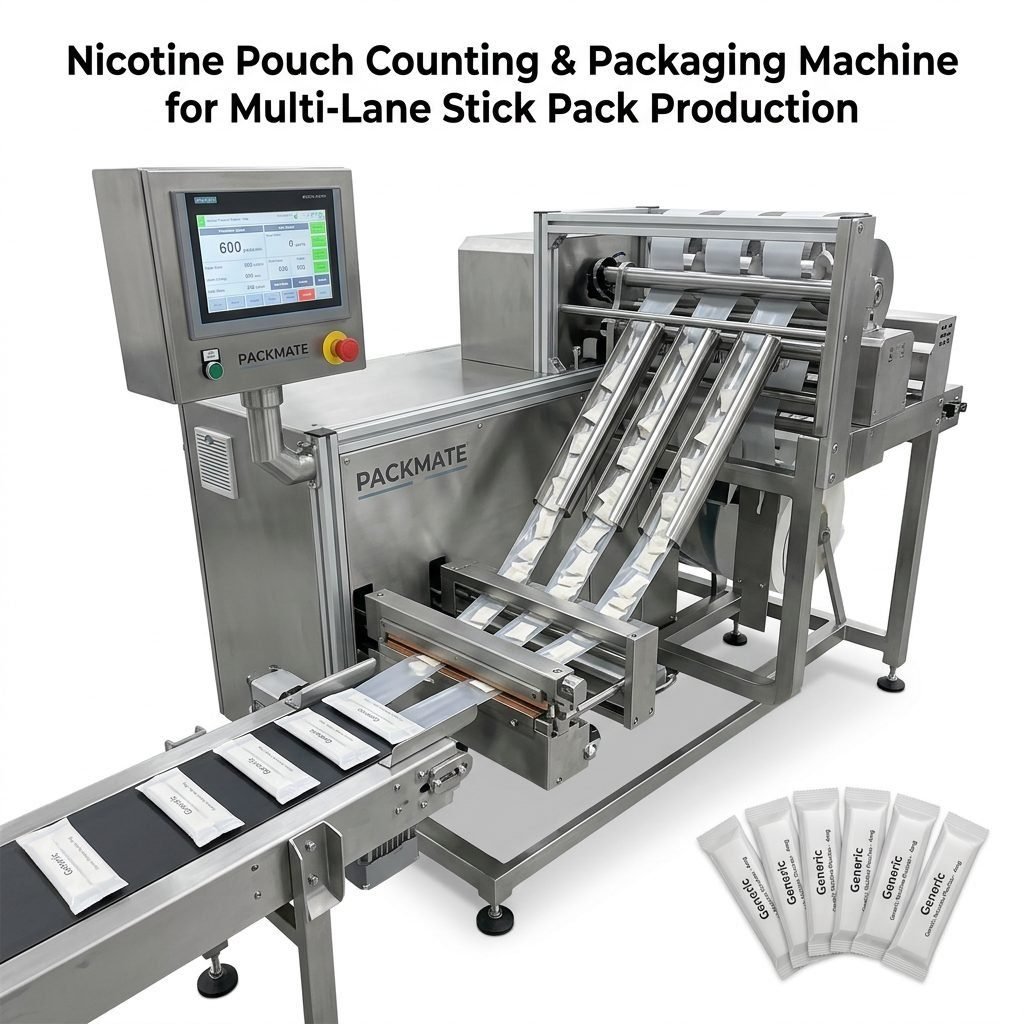
Entering the Jordanian market with snus or nicotine pouch products requires not only a strong product strategy but also the right packaging partner. Choosing the best snus packaging machine supplier in Jordan can determine your production efficiency, regulatory compliance, and long‑term competitiveness. This guide explains practical steps and local considerations to help you pick a supplier who fits your business goals, while highlighting the strengths of leading manufacturers like Packmate Snus Machine and the types of equipment commonly used for snus, nicotine pouches, and related small-dose products.
Understand Jordan’s Market and Cultural Context 🇯🇴
Jordan has unique consumption habits and strict public health norms. Many consumers value discretion and compact formats for nicotine pouches, and Arabic labeling and compliance with local regulations are essential. During Ramadan and other religious occasions, usage patterns change, so flexible production schedules and small-batch capabilities are valuable. Also consider distribution channels: pharmacies, specialty tobacco shops, duty‑free outlets, and online sales each have different packaging and labeling requirements.
🔍 Key local considerations:
Arabic labeling, discreet pouch formats, strict health warnings, and the ability to support seasonal demand shifts (e.g., Ramadan).
Step 1 — Define Your Production Needs and Product Types
Before contacting suppliers, clearly define your product parameters: pouch size, dose per pouch, single‑lane vs multi‑lane production, packaging materials (foil, paper, laminates), and output targets (pieces per minute). Decide whether you need integrated weighing, dosing, or secondary packaging lines. If you plan to produce a range of products (nicotine pouches, snus, tea sachets), prioritize suppliers offering flexible, modular machines.
Equipment types to consider
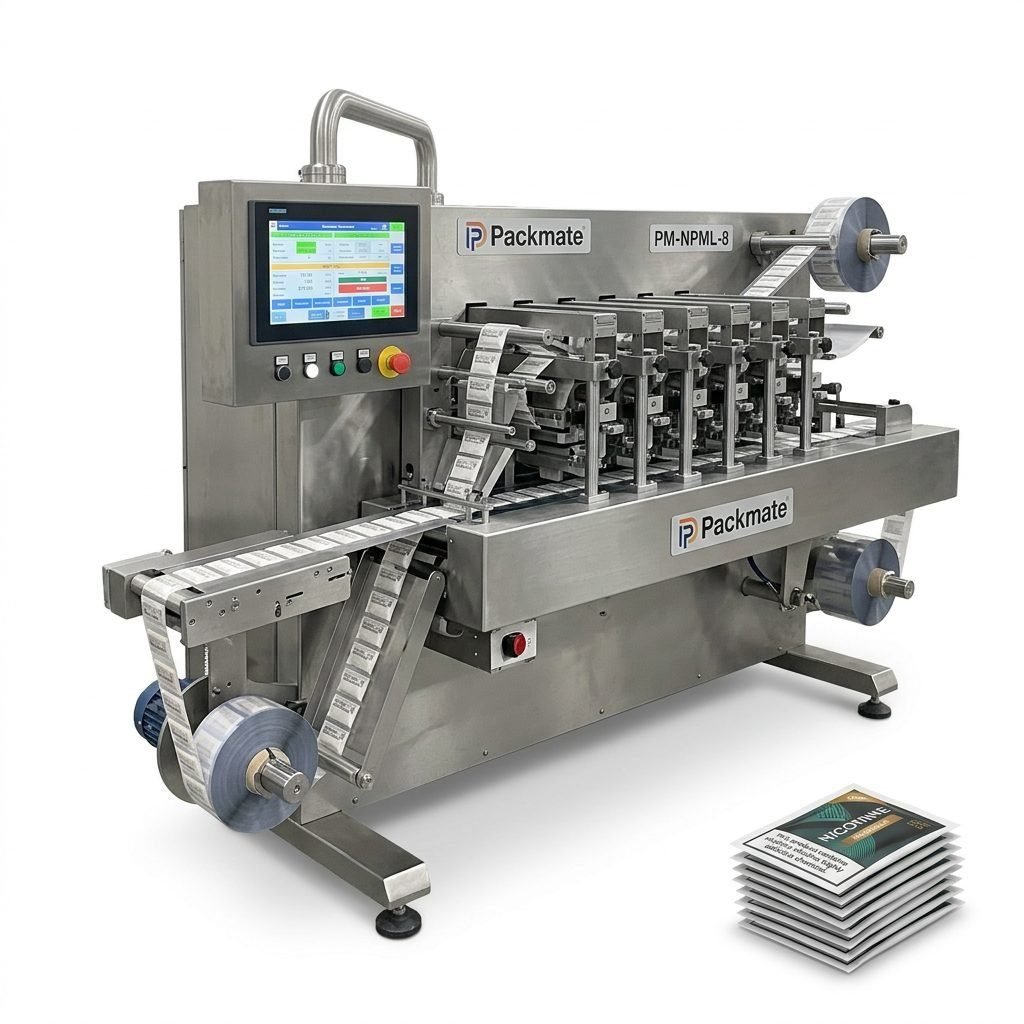
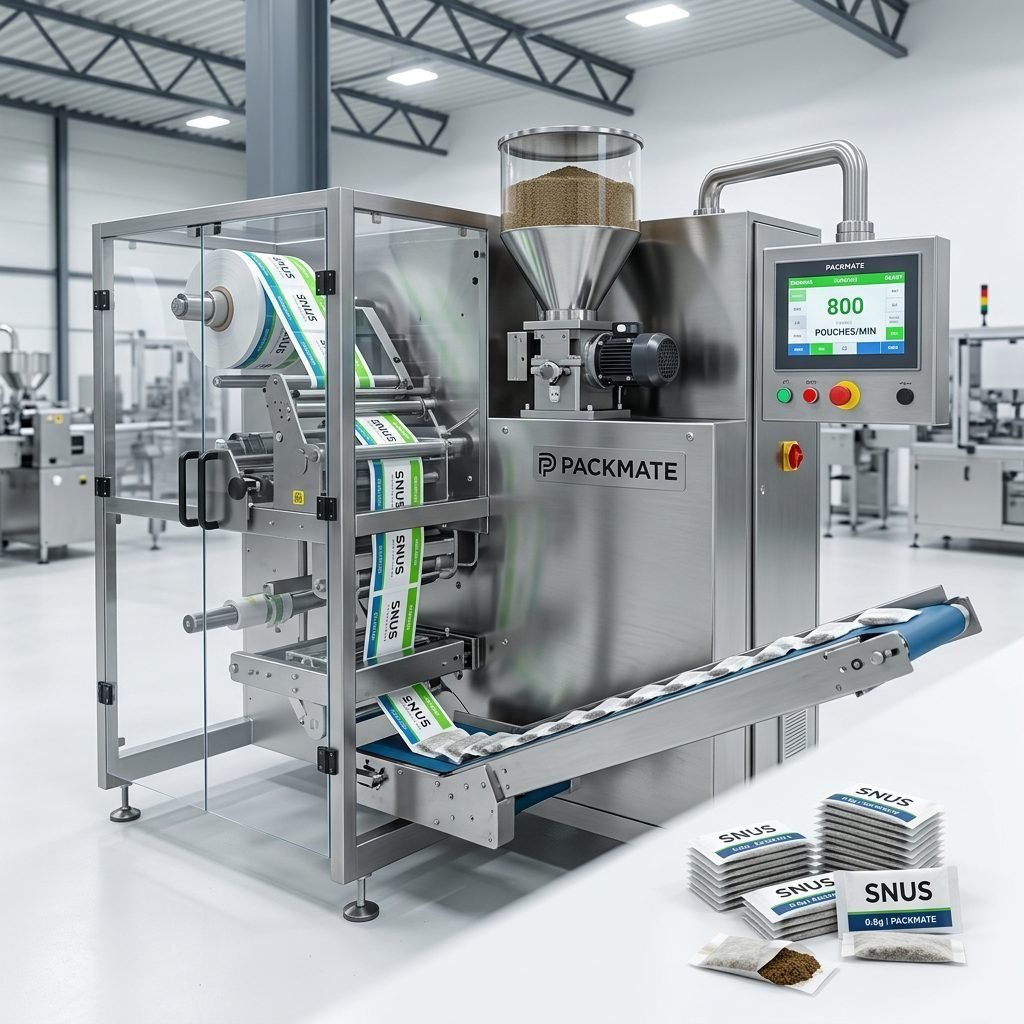
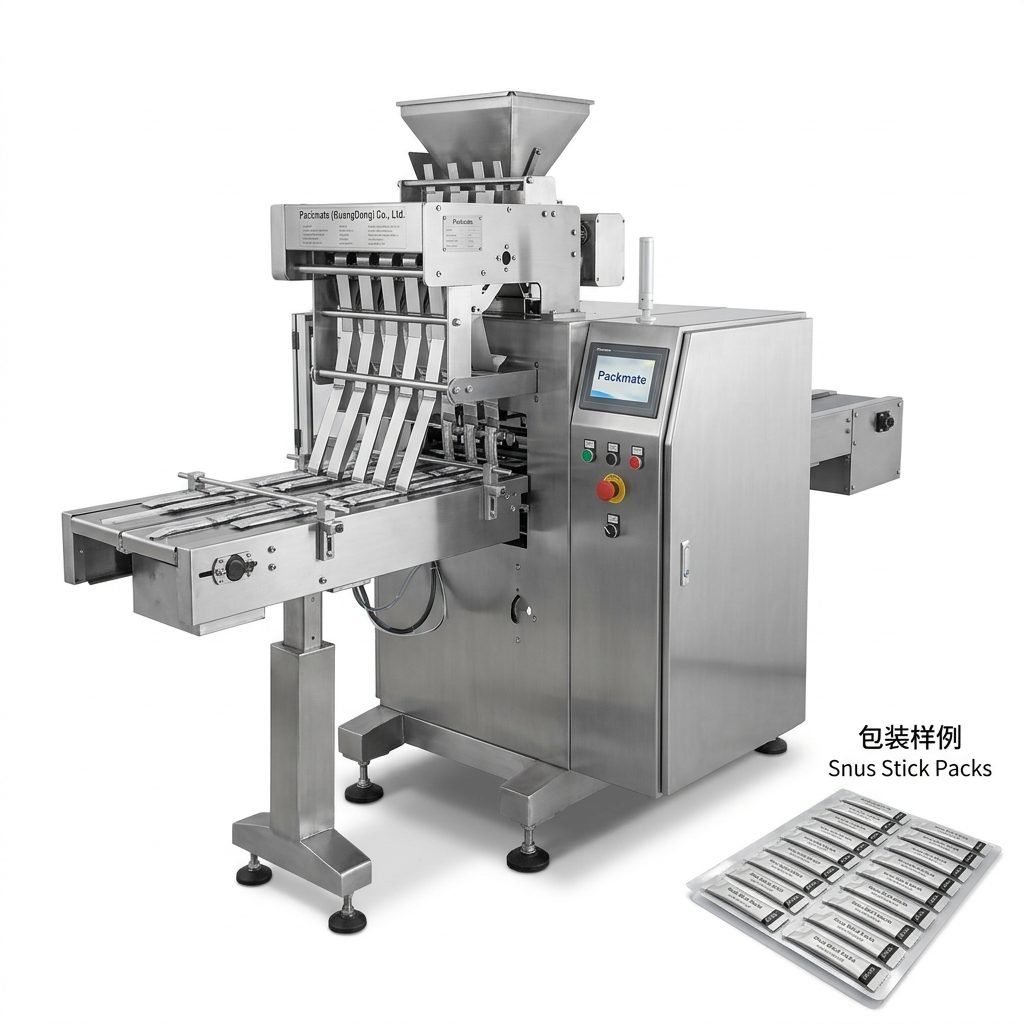
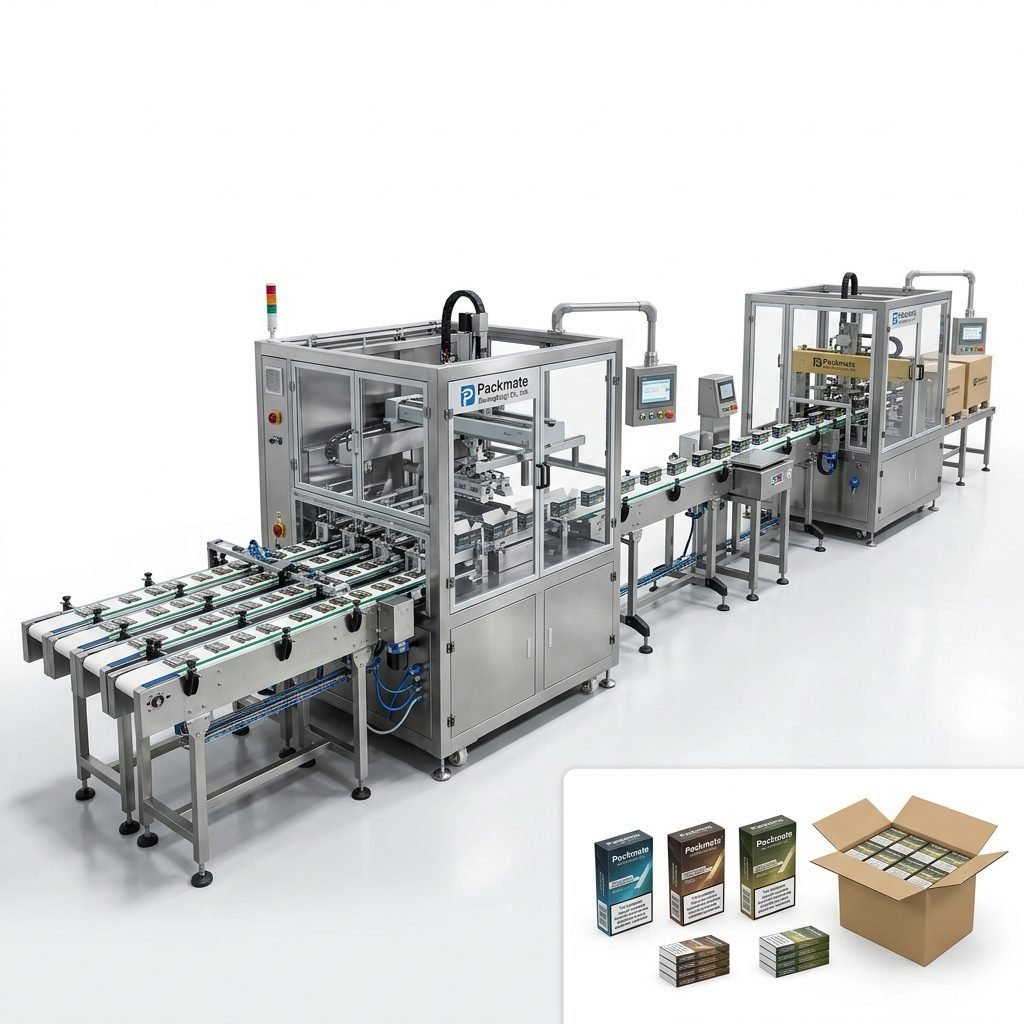
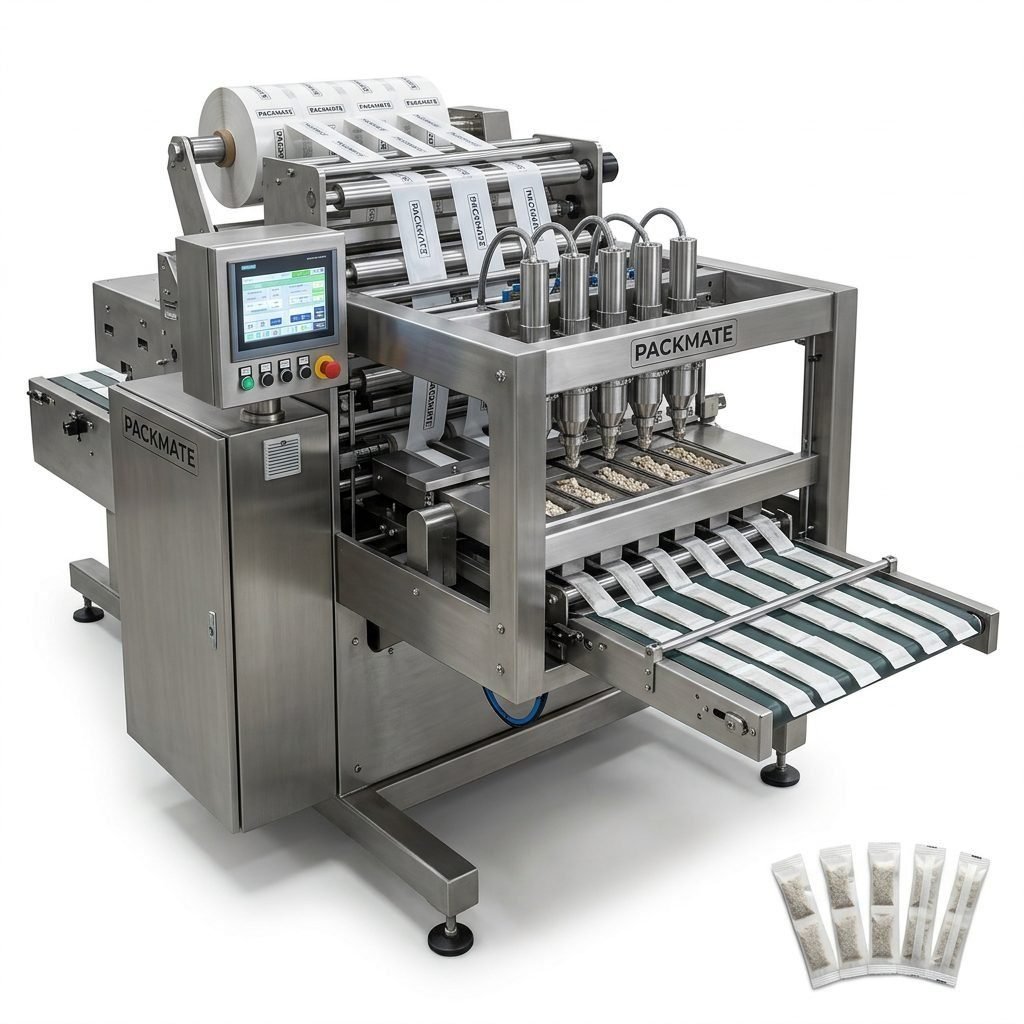
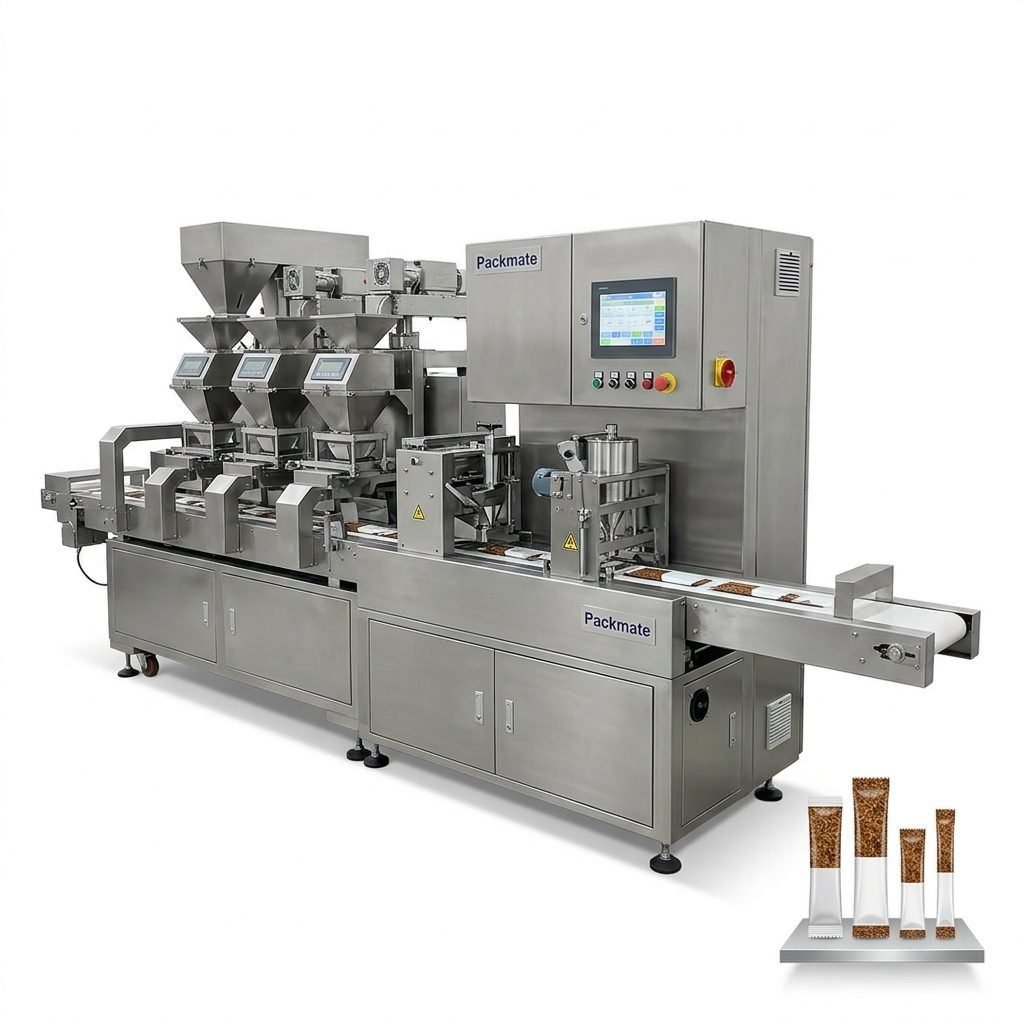
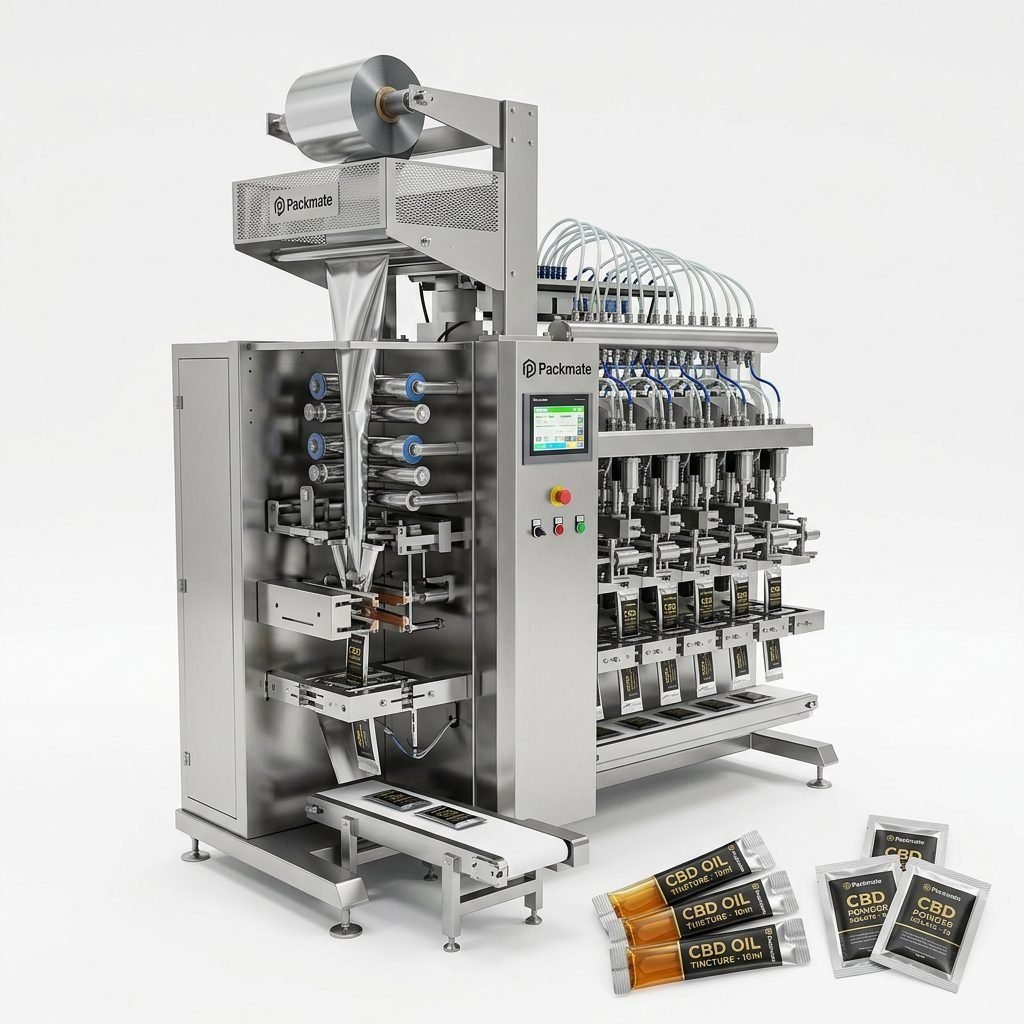
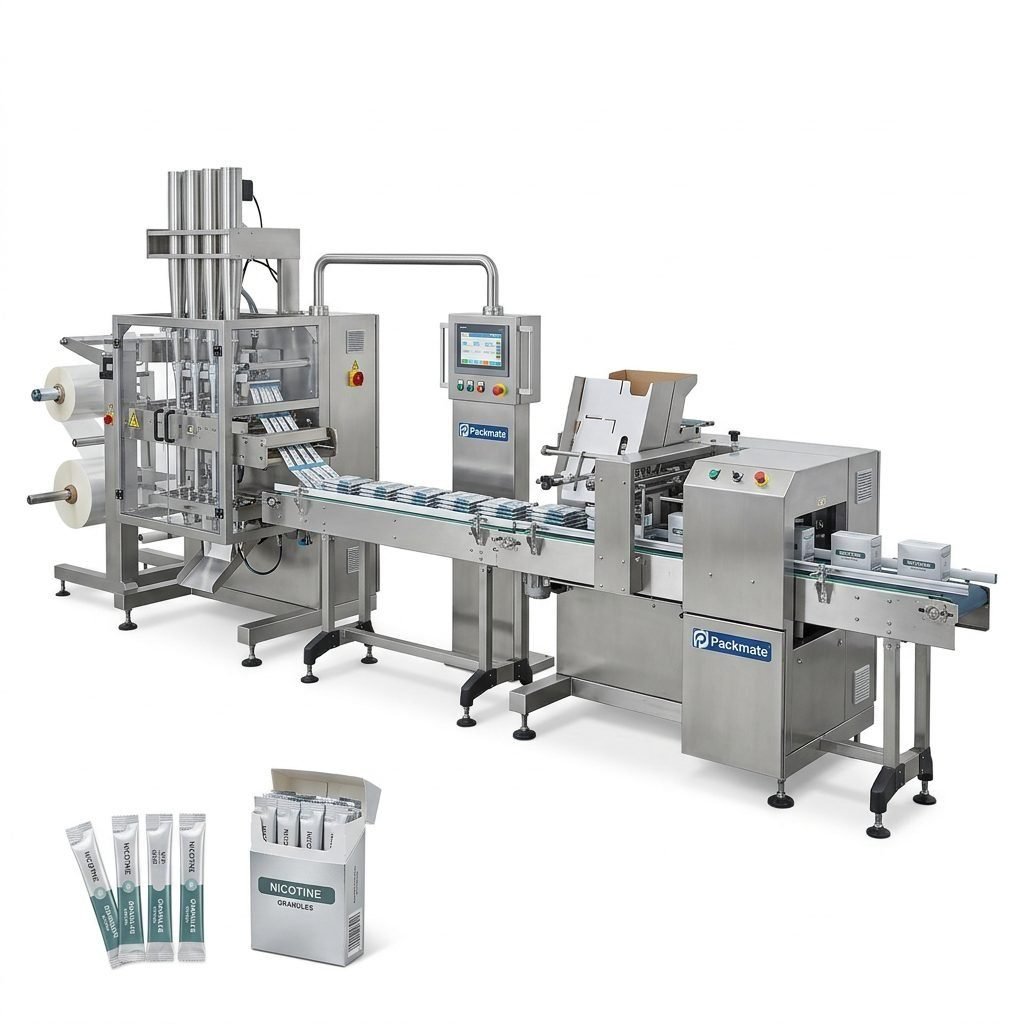
Typical machines for nicotine pouch and snus packaging include stick pack machines, sachet & multi‑lane systems, pouch packaging machines, and auxiliary units like automatic cartoners and tray packers. For turnkey solutions that combine dosing, sealing, and packaging, you can explore specialized manufacturers that provide end‑to‑end lines.
Learn more about specific models and lines from dedicated manufacturers: Snus & Nicotine Packaging Machines, Sachet & Stick Pack Machines, and Bag & Pouch Packaging Machines.
Step 2 — Evaluate Supplier Technical Capabilities and Experience
Choose suppliers with deep experience in snus and nicotine pouch packaging. Look for manufacturers with advanced CNC machining, precision assembly, and robust quality control. A proven track record—such as decades in packaging machinery design and global turnkey projects—indicates reliability. Packmate, for example, highlights 30+ years of engineering experience and a 20,000㎡ factory, factors that reduce risk for buyers.
✅ What to verify:
machine uptime data, spare parts availability, on‑site commissioning services, and international certifications (CE/ISO).
Production scalability and customization
For Jordanian operations that may expand regionally, choose suppliers offering multi‑lane systems and modular upgrades. Customization for private labelling and Arabic printing, as well as options for small-batch runs, will help you respond to market trends and regulatory changes without large capital reinvestment.
Step 3 — Check Regulatory Compliance and Documentation
Regulatory compliance is non‑negotiable. Verify that machines and production lines comply with international safety and quality standards (CE, ISO). Ask suppliers for documentation showing that equipment supports required labeling areas for health warnings and can integrate printers or label applicators that handle Arabic scripts correctly.
If you need more information on certifications or company credentials, visit the manufacturer’s pages such as Certificate and their About Packmate overview.
Step 4 — Inspect After‑Sales Support and Spare Parts Supply
Robust after‑sales service is essential in Jordan, where timely parts replacement and remote troubleshooting minimize downtime. Confirm the supplier provides:
- Local or regional technical partners for faster service response.
- Comprehensive spare parts kits and guaranteed stock levels.
- Remote diagnostics, training programs, and on‑site commissioning.
⚠️ Remember:
long lead times for imported spare parts can cripple production—confirm local stocking plans and support contracts.
Step 5 — Evaluate Total Cost of Ownership (TCO)
Purchase price is only part of the equation. Assess the total cost of ownership including installation, training, spare parts, energy consumption, maintenance intervals, and expected lifespan. Multi‑lane machines often reduce per‑unit cost over time but require higher initial investment. A transparent supplier will provide lifecycle cost projections and ROI estimates based on your planned throughput.
Example factors for TCO calculation
Energy usage, consumables (films, adhesives), downtime risk, spare parts pricing, and optional service contracts. Include potential import duties and local shipping to Jordan in your calculation.
Step 6 — Request Factory Tours, References and Case Studies
A reputable supplier should allow factory visits or virtual tours and provide customer references and case studies across similar projects. Review performance data, visit installations if possible, and ask for video demonstrations of machines running your product format. Manufacturers that exhibit globally and share case studies demonstrate maturity—see their exhibition and case pages for examples.
Refer to customer success examples: Case and exhibition participation at Our Exhibition.
Step 7 — Confirm Flexibility for Local Preferences and Seasonality
Jordanian buyers often prefer suppliers who can adapt packaging formats, print Arabic text accurately, and help with private label launches. Seasonal demand shifts—linked to holidays or tourism—call for machines that can switch quickly between SKUs and run small lots without significant waste.
Customization examples
Custom molds, print registration for Arabic/English dual labels, variable filling volumes for different nicotine strengths, and discreet outer packaging suitable for retail in conservative environments.
Negotiating Contracts and Warranties
Carefully review warranty terms, acceptance testing protocols (Factory Acceptance Test – FAT and Site Acceptance Test – SAT), and service level agreements. Ask for clear penalties or remedies for missed delivery or performance targets. A transparent supplier will provide written performance guarantees and detailed commissioning plans.
📦 Tip:
insist on a clear spare parts lead time table and training schedule before signing the contract.
Why Pick a Specialist for Snus & Nicotine Pouches?
Specialist suppliers understand the small-dose nature of snus production, sealing integrity, moisture control, and powder / granule handling needs. They can provide optimized solutions such as multi‑lane sachet machines, precise dosing technology, and gentle handling to maintain product integrity. For more on specialist solutions, explore Weighing & Packaging Systems and Filling & Packaging Lines.
Practical Checklist Before Final Decision
Use this quick checklist when finalizing your supplier:
- Can the machine handle your pouch sizes and materials?
- Is Arabic printing and labeling supported and tested?
- Are spare parts stocked or guaranteed within predictable lead times?
- Does the supplier provide FAT/SAT and training documentation?
- Are certifications (CE/ISO) and safety standards clearly documented?
- Is remote support available for rapid troubleshooting?
Contacting a Supplier — What to Request
When you reach out to suppliers, ask for:
- Detailed machine specs and electrical requirements for Jordan.
- Sample videos of your intended format on the machine.
- Reference customers in similar markets or industries.
- Lead times, warranty terms, and spare parts lists.
For reliable inquiries and support contact information, see Contact Us and the Service page of established manufacturers.
Final Recommendation: Balance Technology, Support, and Local Fit
Selecting the best snus packaging machine supplier for Jordan means balancing advanced technology with practical local support. Prioritize suppliers who:
- Have demonstrable experience in snus/nicotine packaging and turnkey solutions.
- Offer modular, multi‑lane options to scale production.
- Provide clear documentation for regulatory compliance and Arabic labeling.
- Ensure fast spare parts supply and strong after‑sales support in the region.
🔧 Supplier highlight:
companies with long histories and large manufacturing facilities (e.g., 20,000㎡ factories, 30+ years of experience) often offer the stability and service depth Jordanian buyers require.
Quick Next Steps for Jordanian Buyers
1) Define product SKUs and expected monthly volumes. 2) Shortlist 3 suppliers and request FAT videos and references. 3) Evaluate TCO and local compliance for each quote. 4) Negotiate warranty and spare parts terms. 5) Plan commissioning and training to ensure a smooth ramp‑up.
Helpful Resources
Browse product categories to identify suitable machines: Snus & Nicotine Packaging Machines, Bag & Pouch Packaging Machines, and auxiliary equipment to complete your line. Manufacturer product pages and catalogs contain detailed specs and model comparisons.
Frequently Asked Questions (FAQ)
Q1 — Can I get Arabic labeling and printing integrated on the packaging line?
Yes. Many experienced suppliers offer integrated printing modules and label applicators that support Arabic scripts and dual-language printing to meet Jordanian labeling requirements.
Q2 — What lead times should I expect for machines and spare parts?
Lead times vary by model and customization level. Basic machines may ship faster, while turnkey and multi‑lane systems require longer manufacturing times. Confirm spare parts lead times and local stocking options before purchase to reduce downtime risk.
Q3 — Are snus packaging machines compliant with international standards?
Reputable manufacturers provide CE and ISO certifications and design machines according to international safety and hygiene standards. Always request certification documents and factory audit reports.
Q4 — How do I ensure discreet packaging suitable for conservative markets?
Work with suppliers to design discreet outer packaging, smaller pouch formats, and matte finishes. Flexible packaging lines allow quick changes for private labels and low‑visibility designs preferred in certain retail channels.
Q5 — What support should I expect after installation?
Expect on‑site commissioning, operator training, and a warranty period. Good suppliers offer remote support and spare parts agreements to minimize future downtime.