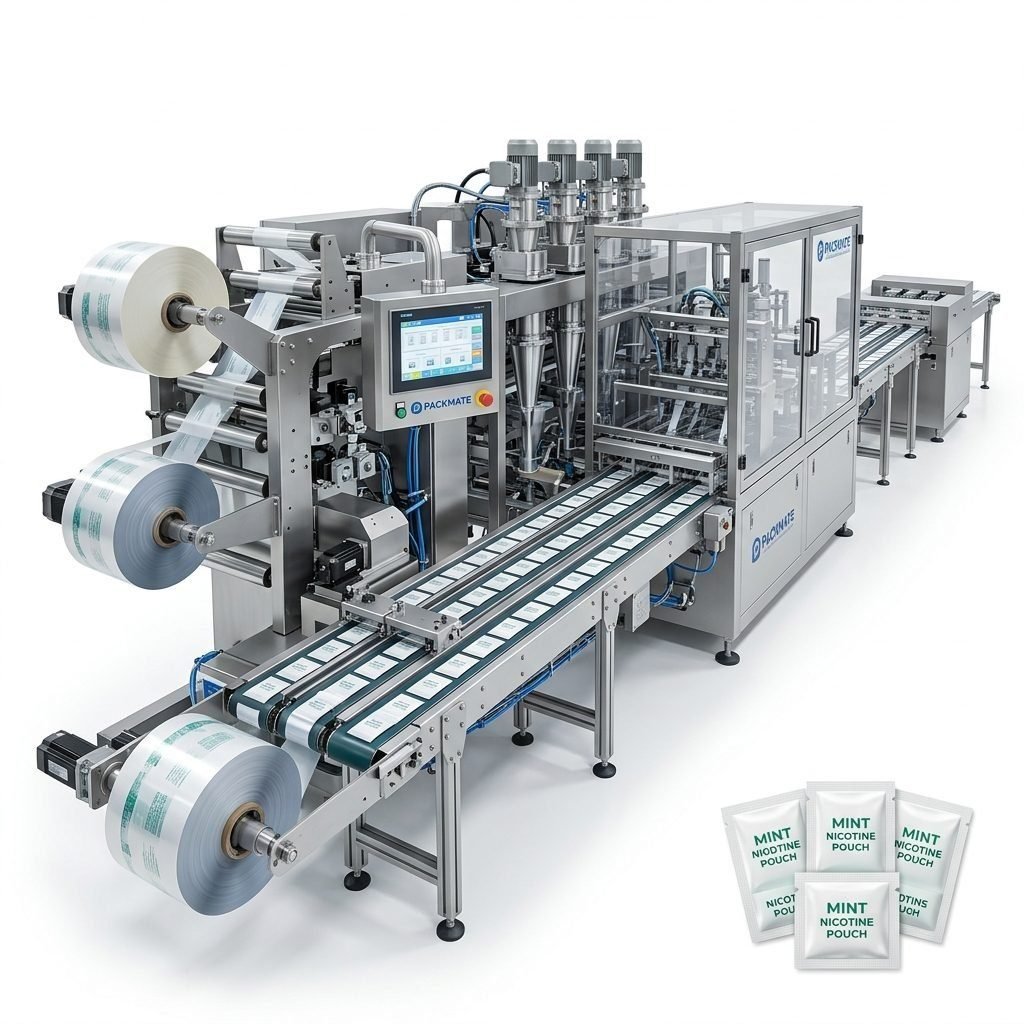
Choosing the right snus packaging machine for your factory in the Central African Republic requires careful attention to technical performance, local market habits, infrastructure realities, and regulatory requirements. This guide walks you through practical decision points—machine types, capacity planning, power and maintenance considerations, supply chain and customs, and after-sales support—so you can select a reliable, cost-effective solution that fits both your product strategy and the on-the-ground conditions in CAR.
Understand the Local Market and Consumer Habits
Before picking equipment, analyze how snus or nicotine pouches will be consumed and sold in the Central African Republic. While traditional smokeless tobacco use varies across Central Africa, modern nicotine pouches are an emerging category and may be marketed through urban retailers, pharmacies, and duty-free channels. Consider that French is widely used for business, and packaging labels will generally need French language compliance. If your product targets city centers such as Bangui, focus on premium single-dose formats and retail-ready pouches; for broader rural distribution consider rugged, sealed formats with longer shelf life.
Choose the Right Machine Type for Your Product
There are several packaging styles to consider. Each has distinct advantages depending on production volume and product form (moist snus, dry nicotine pouches, powdered fillers):
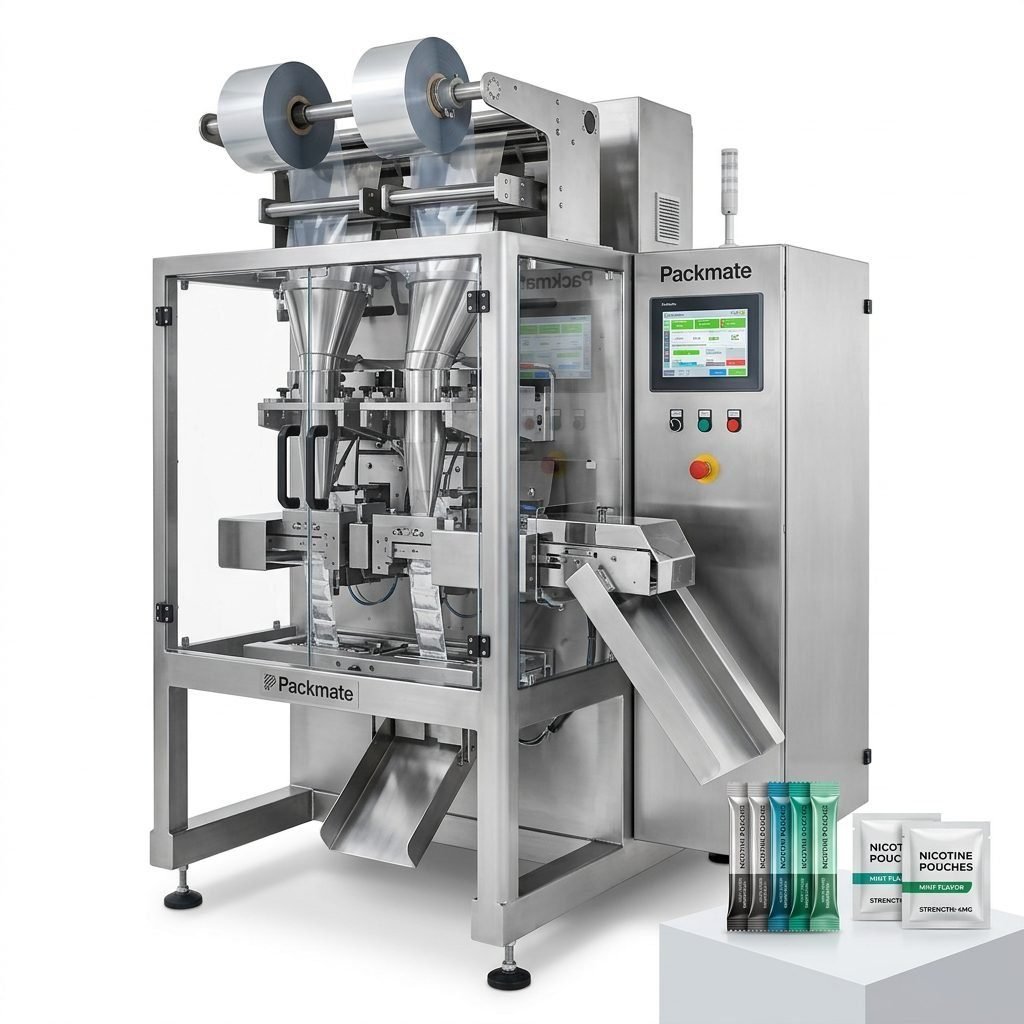
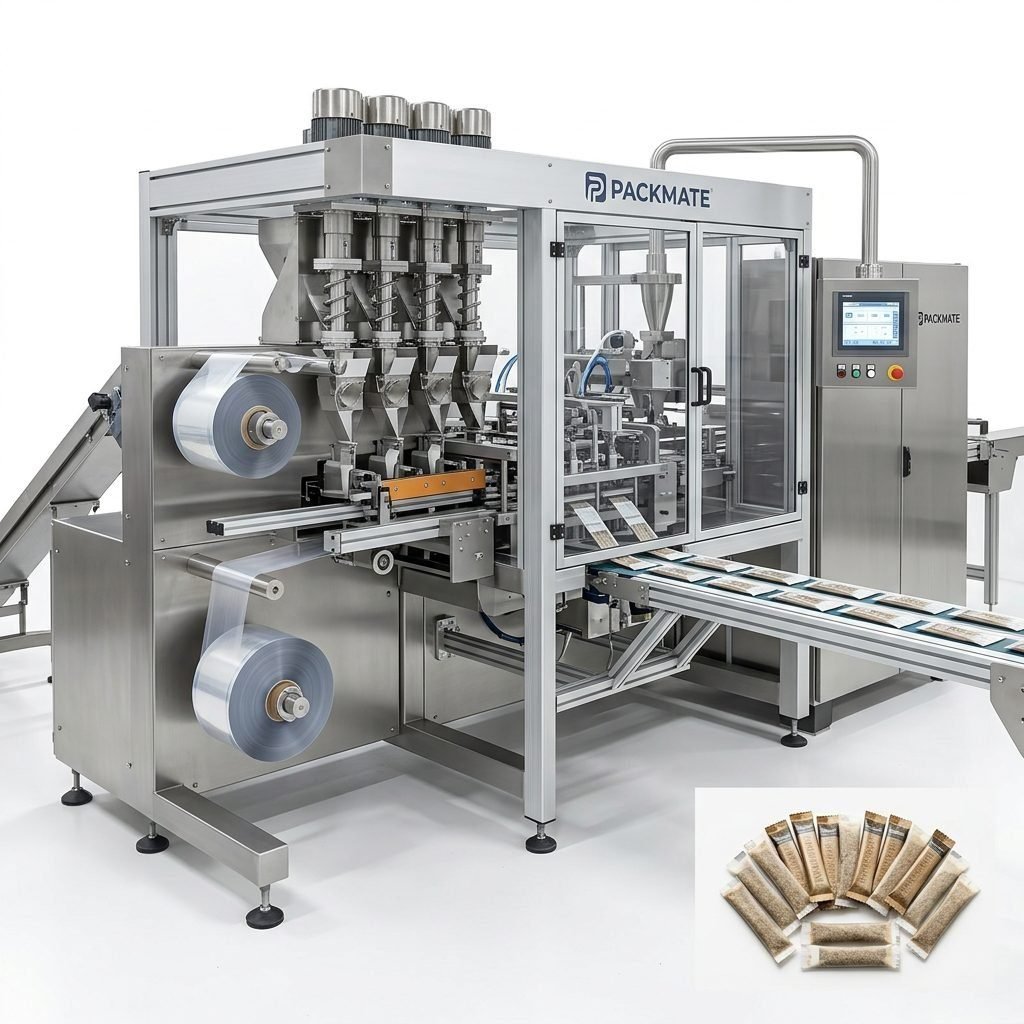
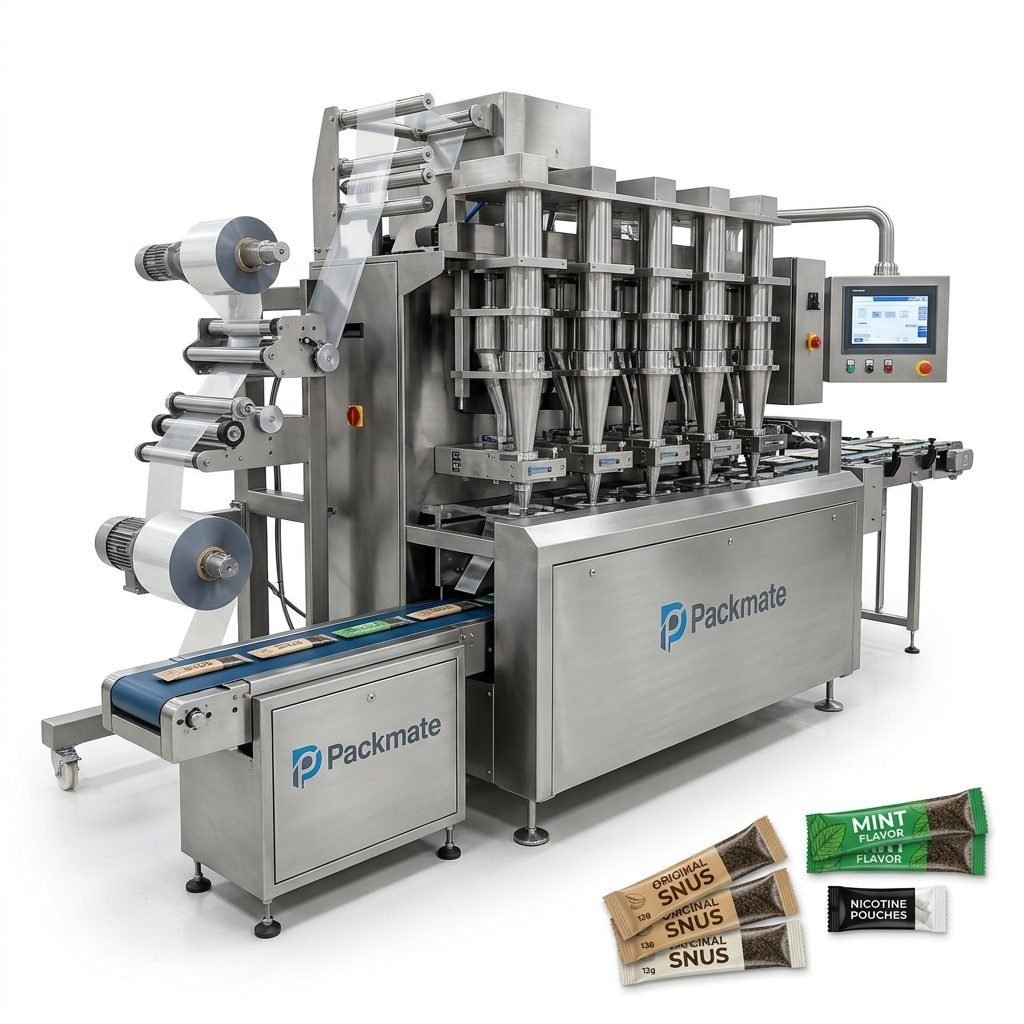
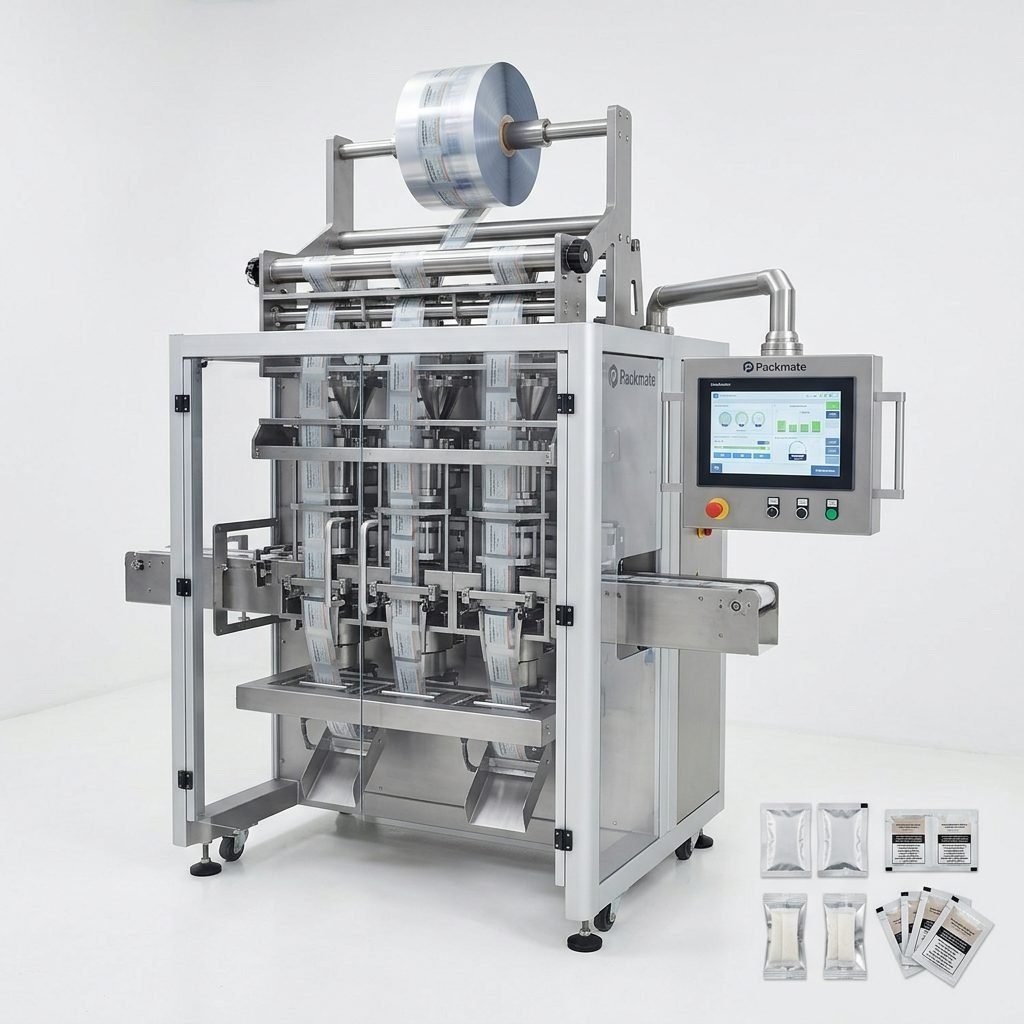
🔹 Sachet & Stick Pack Machines — Ideal for single-dose, fast-moving retail formats. They offer high speed and can produce sealed sachets for individual portions.
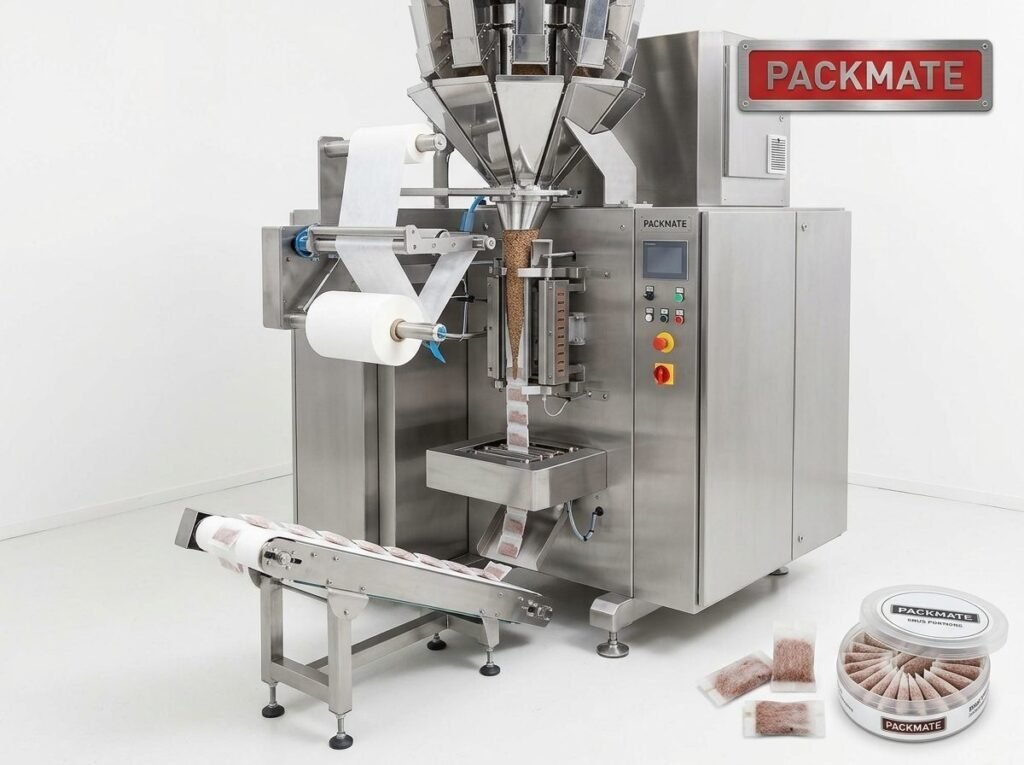
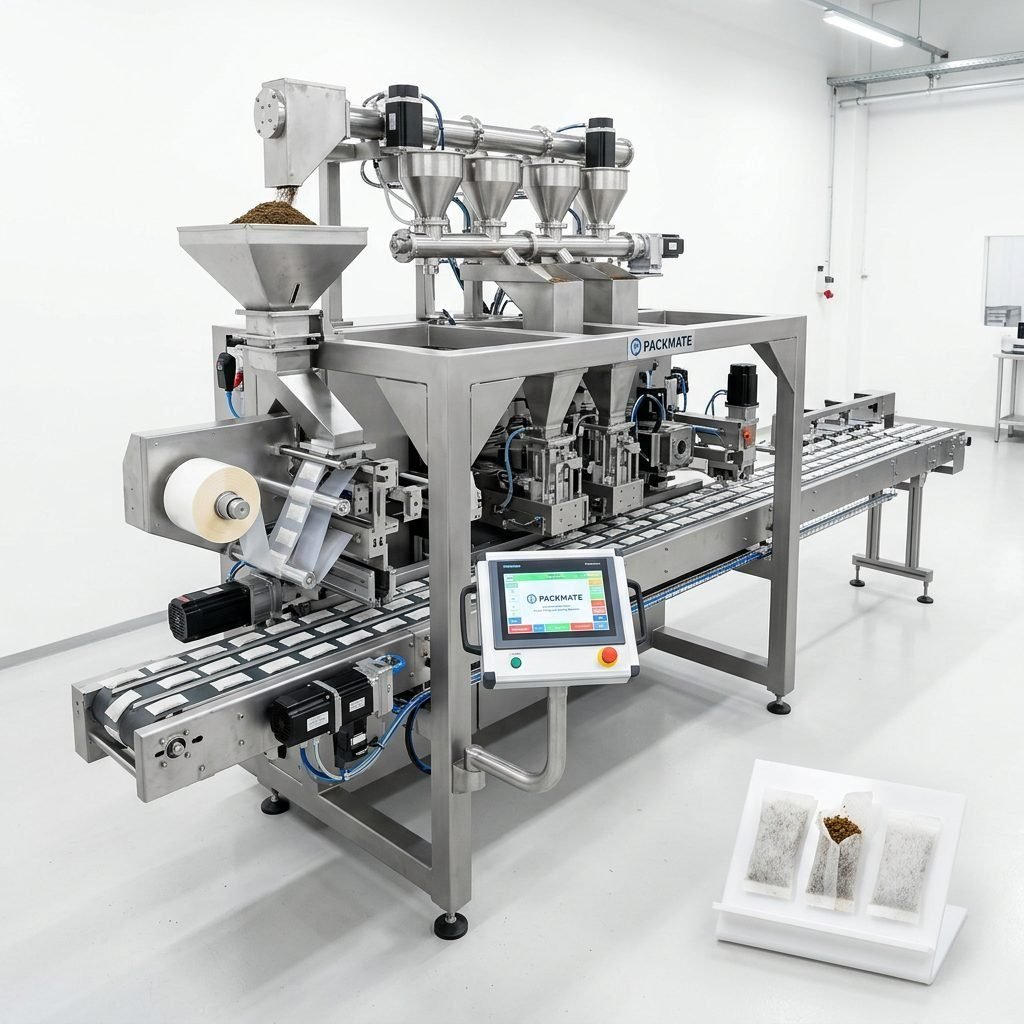
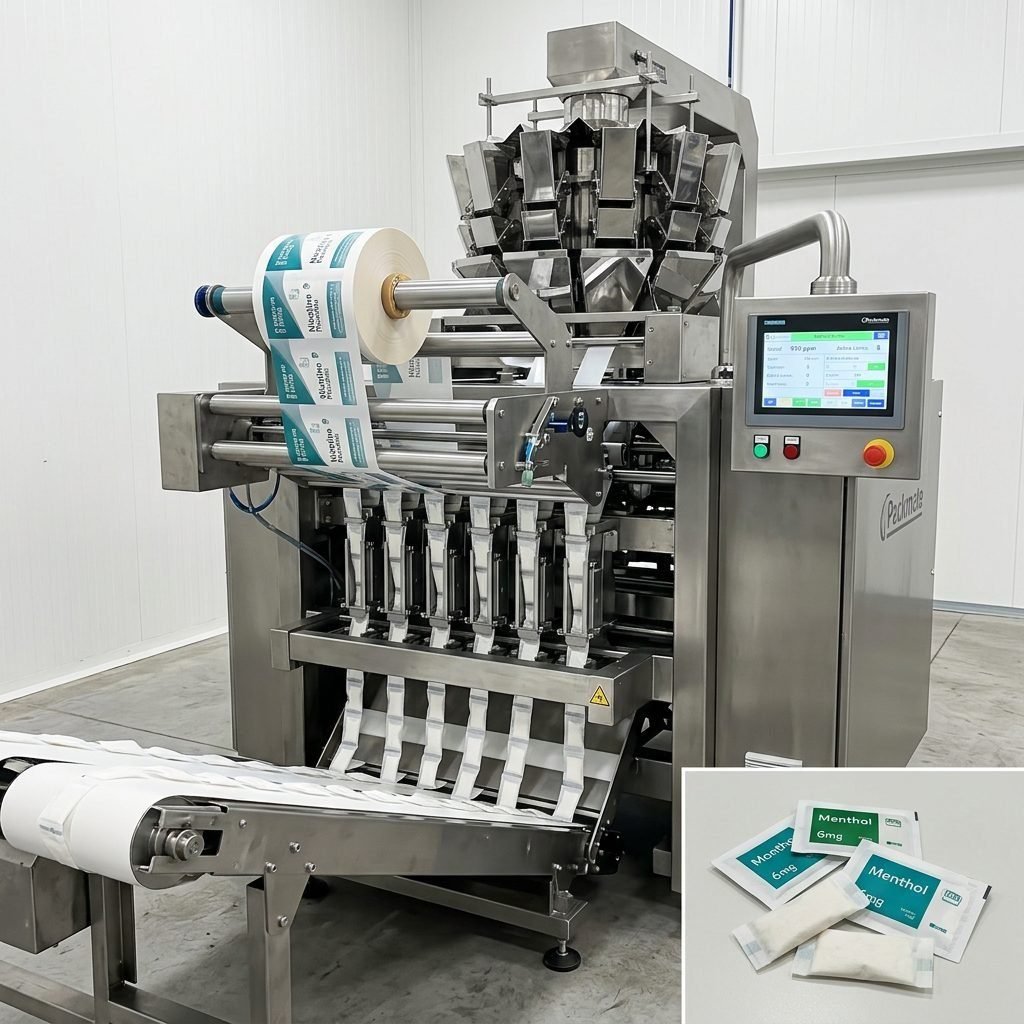
🔹 Snus & Nicotine Pouch Machines — Designed specifically for pouch-shaped products with precise dosing and gentle handling to preserve pouch integrity. See product options here: Snus & Nicotine Packaging Machines.
🔹 Bag & Pouch Packaging Machines — For secondary packaging (retail bags, multi-packs) and larger capacity packaging: Bag & Pouch Packaging Machines.
Production Capacity and Scalability
Estimate immediate and future demand to choose an appropriate throughput. Small pilot factories may start at 30–100 packs per minute, while commercial lines for urban distribution may target several hundred packs per minute. Prioritize modular systems that allow additional lanes or modules to be added as demand grows—this minimizes initial capital outlay while providing scalability.
✅ Quick checklist for capacity planning:
– Projected monthly output (units).
– Peak shift vs average production hours.
– Packaging style speed (sachet, pouch, multi-lane).
– Future expansion plans (extra lanes or integrated weighing).
Machine Reliability and Local Conditions
The Central African Republic has regions with limited infrastructure and supply chain challenges. Choose machines built for durability, with easy-to-service components and robust electrical systems. Key features to prioritize:
⚙️ Corrosion-resistant frames and parts for humid environments.
🔌 Voltage tolerance and optional VFDs for unstable power supply.
🔧 Simple mechanical parts for easier local troubleshooting and spare parts interchangeability.
After-Sales Service, Spare Parts, and Training
Proximity to reliable after-sales service is critical when operating in CAR. Confirm the supplier offers remote diagnostics, spare parts kits, and training for local operators and maintenance staff. Packmate’s global support and turnkey options are built to address remote operation challenges; see typical solutions and case studies here: Case.
🔑 Ask potential suppliers:
– Do you provide on-site commissioning and operator training?
– What is the lead time for critical spares shipped to Central Africa?
– Are remote video support and diagnostic tools available?
Compliance, Certifications and Labeling in CAR
Verify machine certifications and ensure packaging lines can handle regulatory labeling requirements. Machines compliant with CE and ISO standards usually meet international safety and quality norms. For documentation and certifications, review supplier pages like Certificate and About Packmate. For labeling consider:
– French-language label templates and flexible printing/labeling modules.
– Space for health warnings if required by local regulation.
– Batch coding and traceability systems for quality control.
Packaging Materials and Supply Chain in CAR
Local availability of appropriate films, laminates and pouches may be constrained. Plan for long lead-time purchases, bulk imports, or identify regional suppliers. Machines that accept a range of materials and reel sizes reduce the risk of downtime. Consider working with suppliers who can ship complete material kits or advise on compatible local alternatives.
Energy, Utilities and Factory Layout
In many CAR locations electricity can be intermittent. Choose machines with energy-saving features, and design factory layouts to accommodate UPS systems, generators, and stable compressed air if needed. A compact production line minimizes floor space and simplifies security and workflow in urban facilities.
Total Cost of Ownership (TCO) vs. Upfront Price
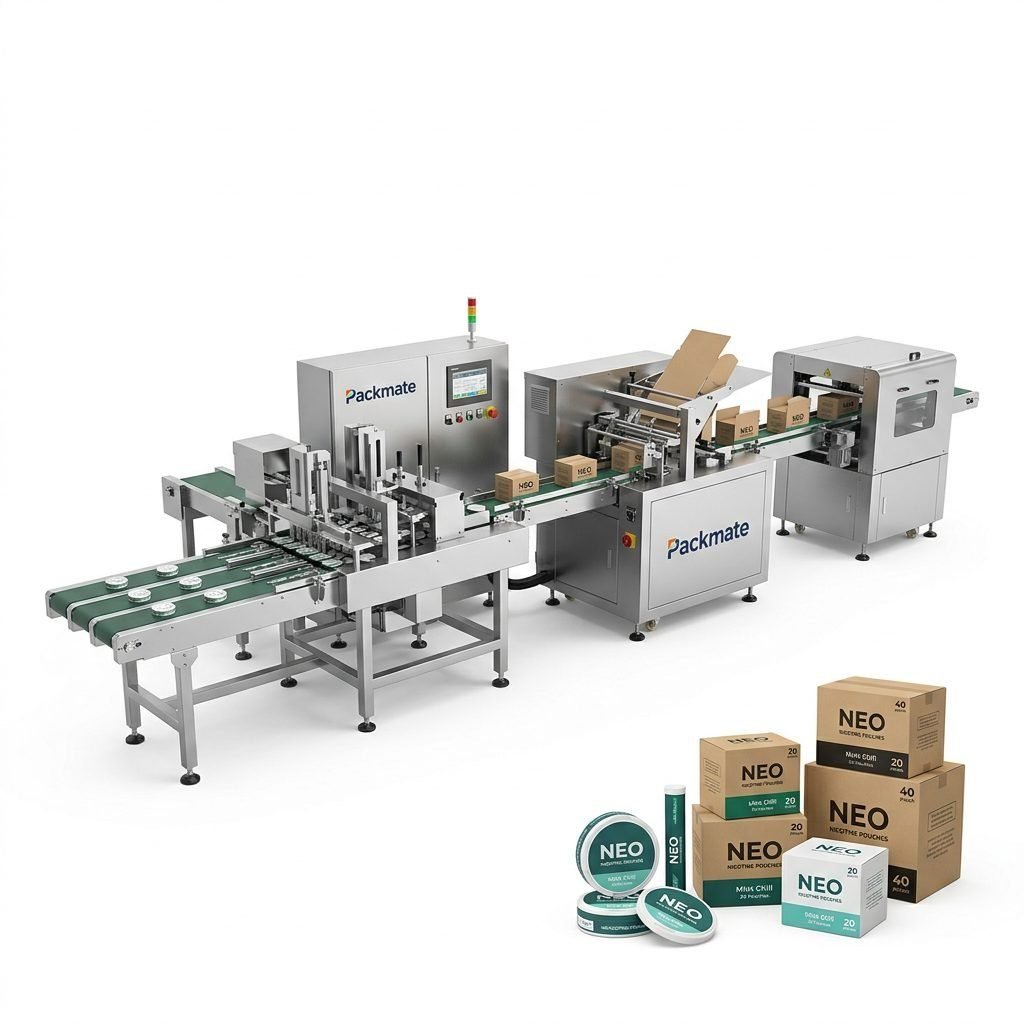
Don’t focus solely on purchase price. Consider TCO: energy consumption, spare parts, maintenance intervals, training time, and expected lifetime. Machines from experienced manufacturers with proven reliability often yield lower lifetime costs. Explore modular lines such as Weighing & Packaging Systems and Filling & Packaging Lines that integrate dosing and sealing to reduce labor and material waste.
⚖️ TCO considerations:
– Warranty length and coverage.
– Average MTBF (Mean Time Between Failures).
– Local labor costs and training overhead.
– Spare parts pricing and shipping time.
Import, Customs and Logistics for CAR
Importing machinery to Central African Republic demands planning: shipping routes (often via Douala, Cameroon or Bangui depending on origin), customs clearance, duty rates, and reliable local freight partners. Work with your supplier to provide full documentation for customs (commercial invoice, packing list, CE/ISO certificates) and consider hiring a customs broker familiar with CAR procedures to speed up clearance.
Vendor Selection and Factory Visits
Choose vendors with proven global track records in snus and nicotine pouch equipment. Packmate, for example, has decades of experience in snus packaging equipment design and turnkey solutions—review exhibitions and service pages to confirm capabilities: Our Exhibition and Service. Whenever possible, request factory visits, machine demonstrations via video, and references from customers operating in similar environments.
Integration With Upstream and Downstream Processes
A packaging machine rarely operates alone. Plan for integration with upstream dosing/weighing and downstream case packing and palletizing. Look for suppliers who offer full-line integration—this reduces handoffs, increases speed, and improves traceability. See related product lines: Auxiliary Packaging Equipment.
Operator Safety and Local Workforce Training
Safety must be built into the line design—guards, emergency stops, and clear SOPs are essential. Provide localized training in French and consider creating laminated procedure cards for shop floor use. Regular training reduces downtime and protects investment.
Final Selection Steps
1) List your product formats, expected volumes, and key site constraints.
2) Shortlist machines that match throughput and material compatibility.
3) Verify supplier certifications, references, and spare parts strategy.
4) Budget for installation, commissioning, training, and a spare parts kit.
5) Confirm post-sale support response time for CAR and remote diagnostic options.
🔍 Ready to evaluate models? Explore detailed product pages to compare machine lines, specifications, and turnkey solutions: Sachet & Stick Pack Machines and the main Snus & Nicotine Packaging Machines.
Conclusion
Selecting the best snus packaging machine for a factory in the Central African Republic means balancing machine capability with local realities: infrastructure, language, customs, and workforce skills. Prioritize reliability, modular scalability, spare parts availability, and strong after-sales support. Working with an experienced supplier who provides turnkey solutions and clear documentation will reduce risk and help you scale production as the market grows.
Frequently Asked Questions
Q1: What voltage and power considerations are typical for machines shipped to CAR?
A1: Machinery should support local voltage standards or be fitted with stabilizers and generators as required. Confirm with the supplier about optional power modules and variable frequency drives.
Q2: How long does it take to import a packaging line to the Central African Republic?
A2: Typical lead time includes manufacturing (varies by model), international shipping, and customs clearance—plan several weeks to months. Using a supplier who provides full documentation and a trusted freight forwarder shortens delays.
Q3: Can I get training in French and remote support for troubleshooting?
A3: Yes. Reputable suppliers offer on-site commissioning and operator training in multiple languages, plus remote diagnostics and video support to assist local teams.
Q4: Where can I find example installations and technical references for snus packaging lines?
A4: Visit the supplier’s case and product pages for real-world installations and specifications: Case and the product catalogs linked above.
Q5: Who should I contact for a tailored quote and turnkey solution?
A5: Reach out to the supplier’s sales or contact page for a site-specific consultation and quote: Contact Us.