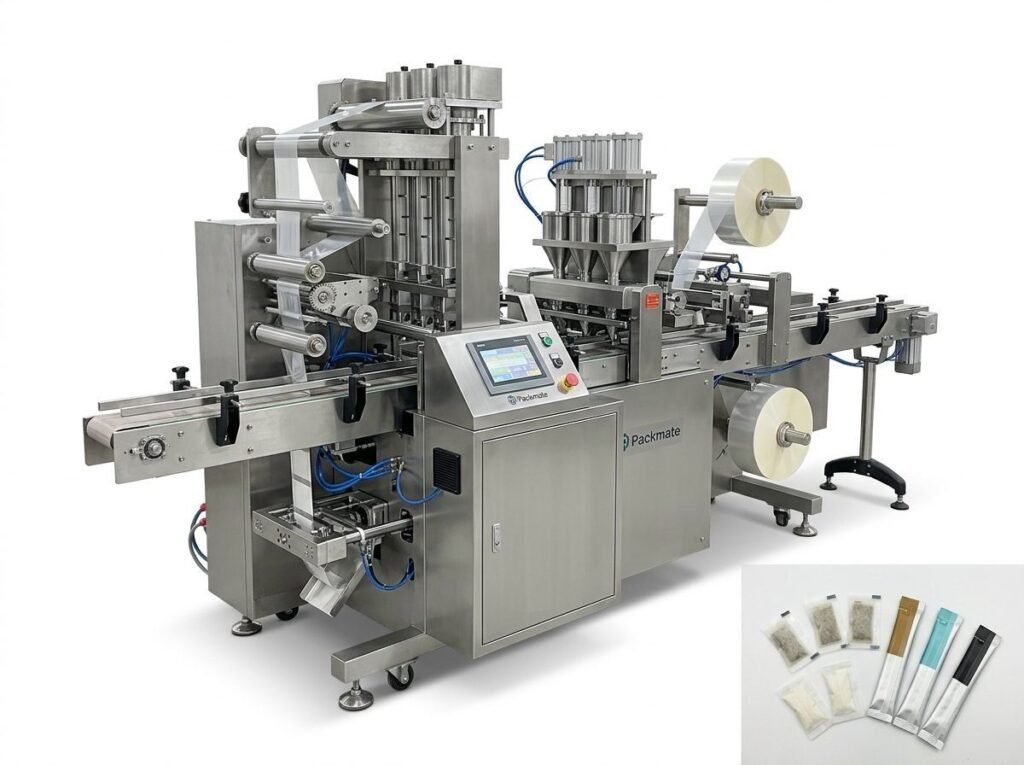
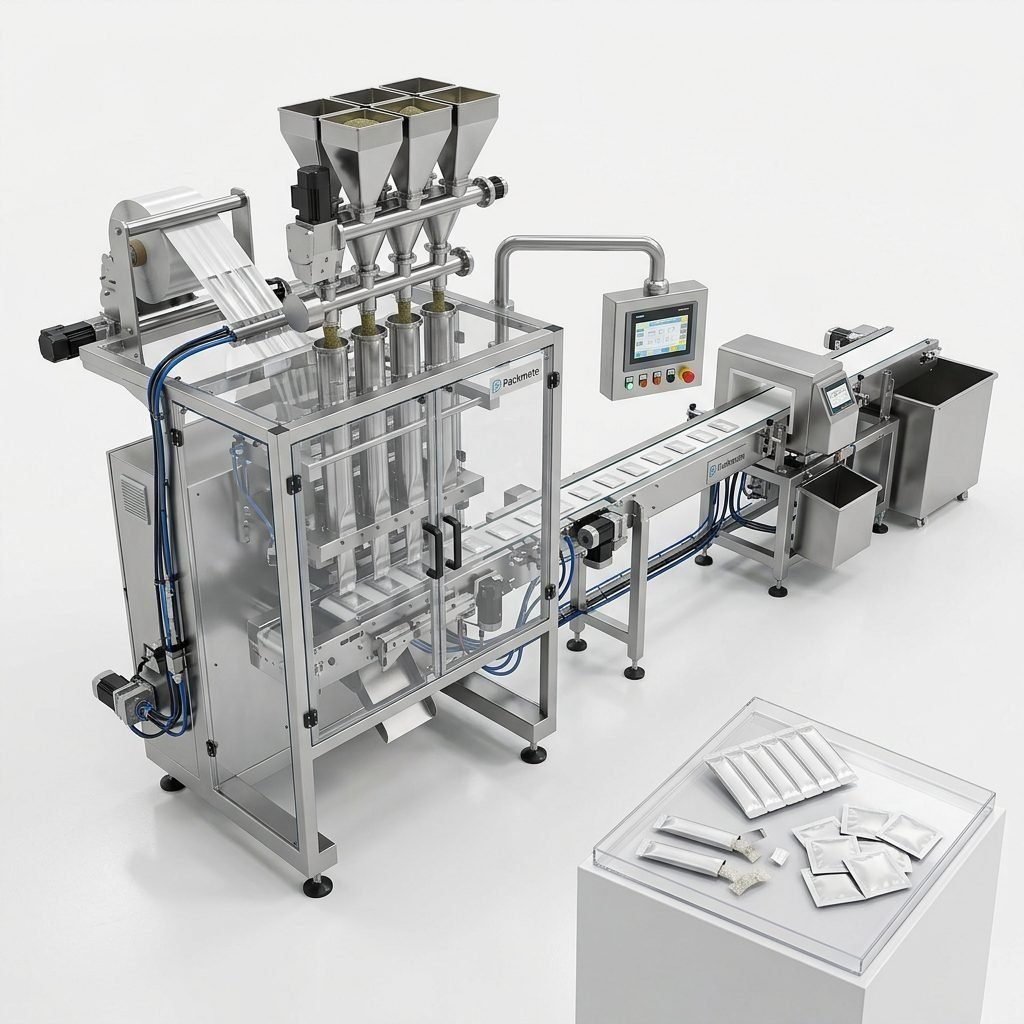
Choosing the right snus packaging machine for production in Sudan requires a careful balance of regulatory compliance, production capacity, cost, and long-term serviceability. This guide walks manufacturing managers, production planners, and procurement teams through practical, actionable steps to select the best snus/nicotine pouch packaging solution tailored to local conditions and growth plans.
Understand Your Product and Packaging Format
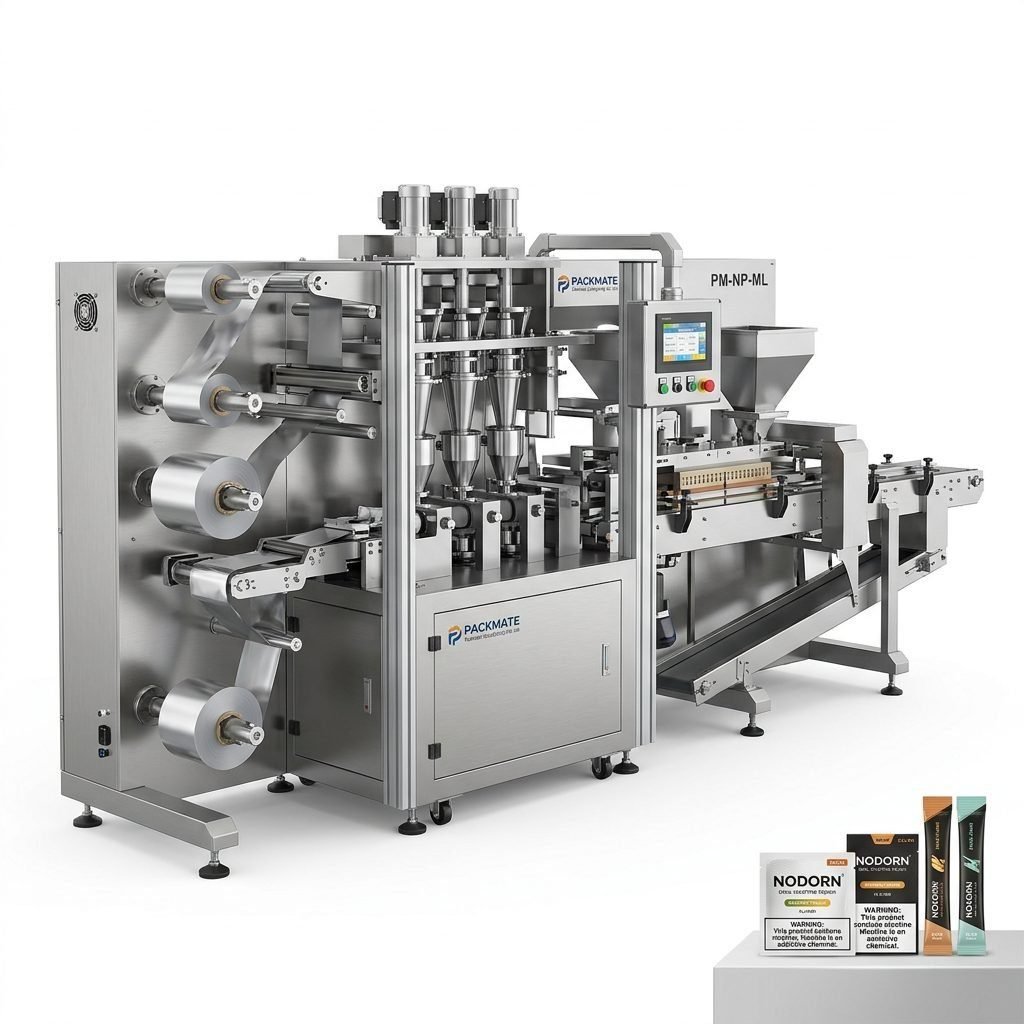
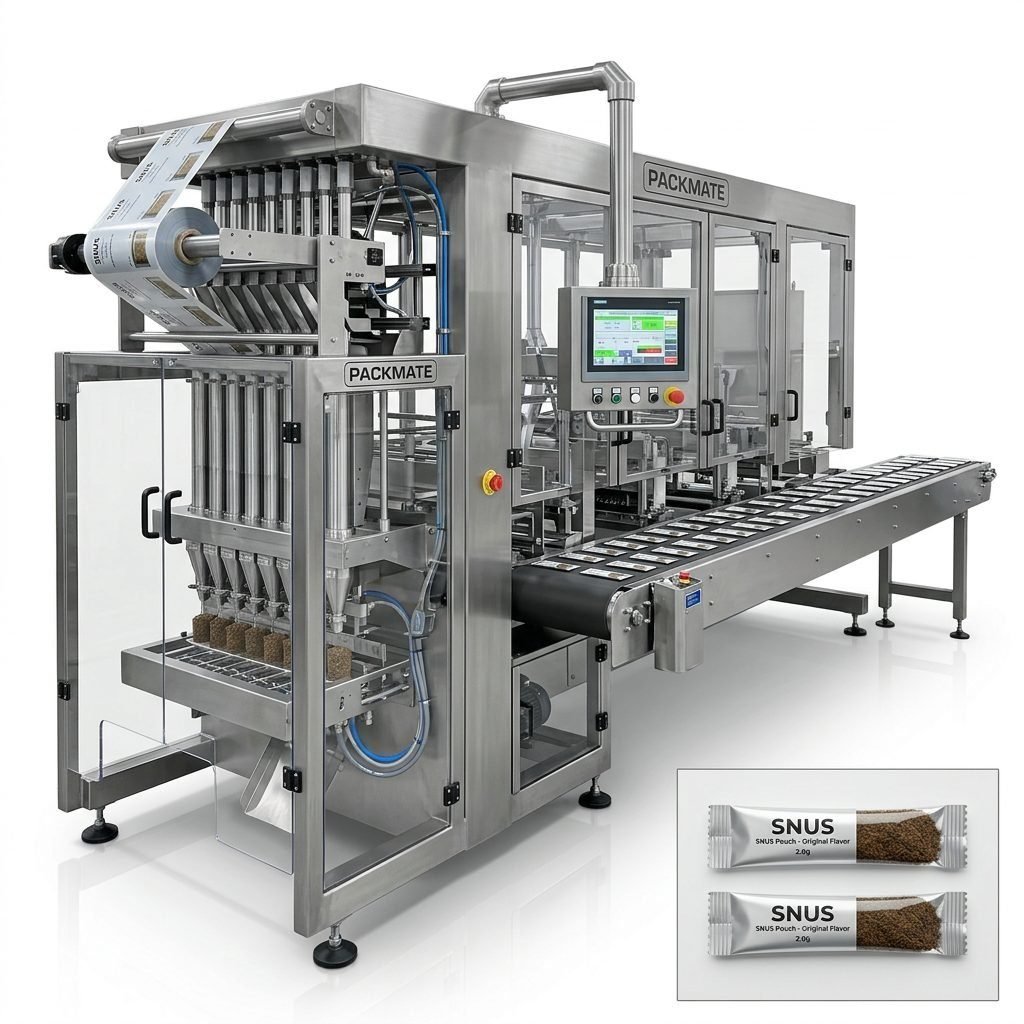
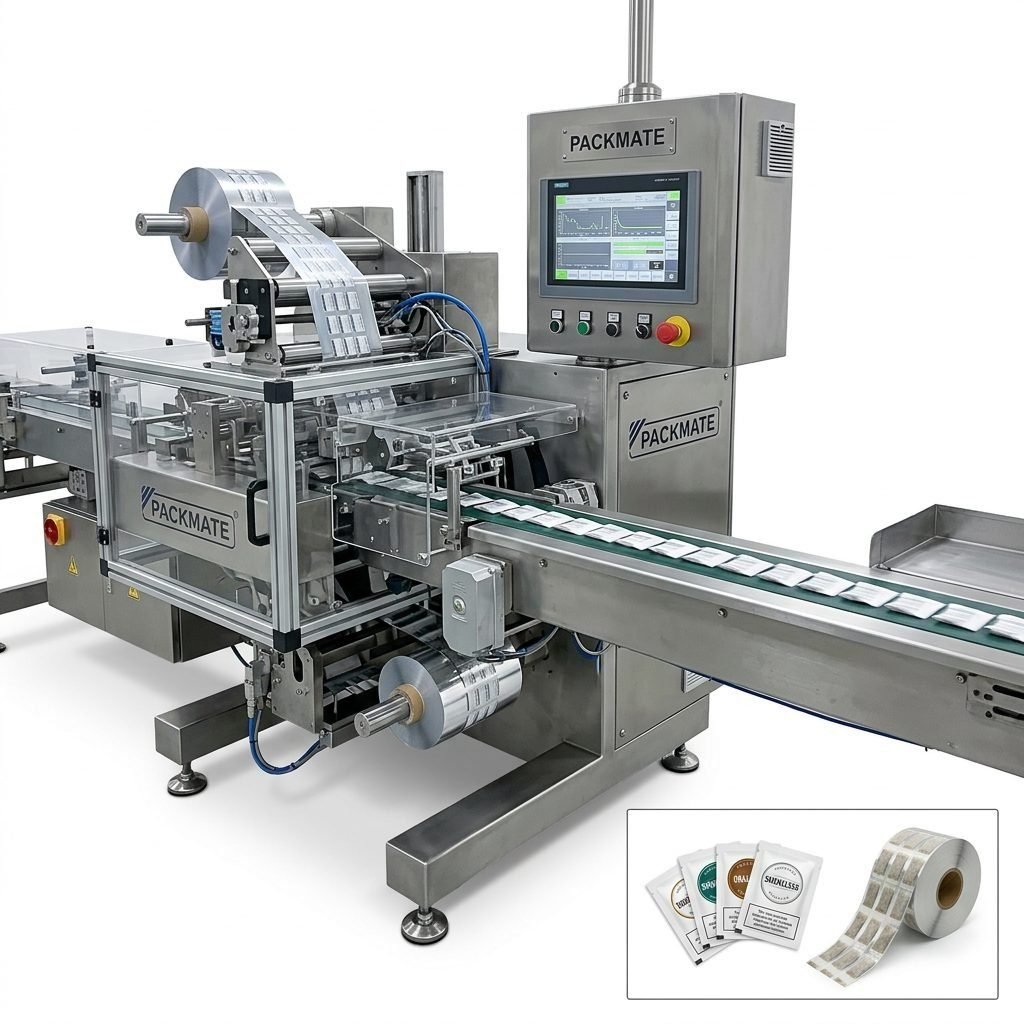
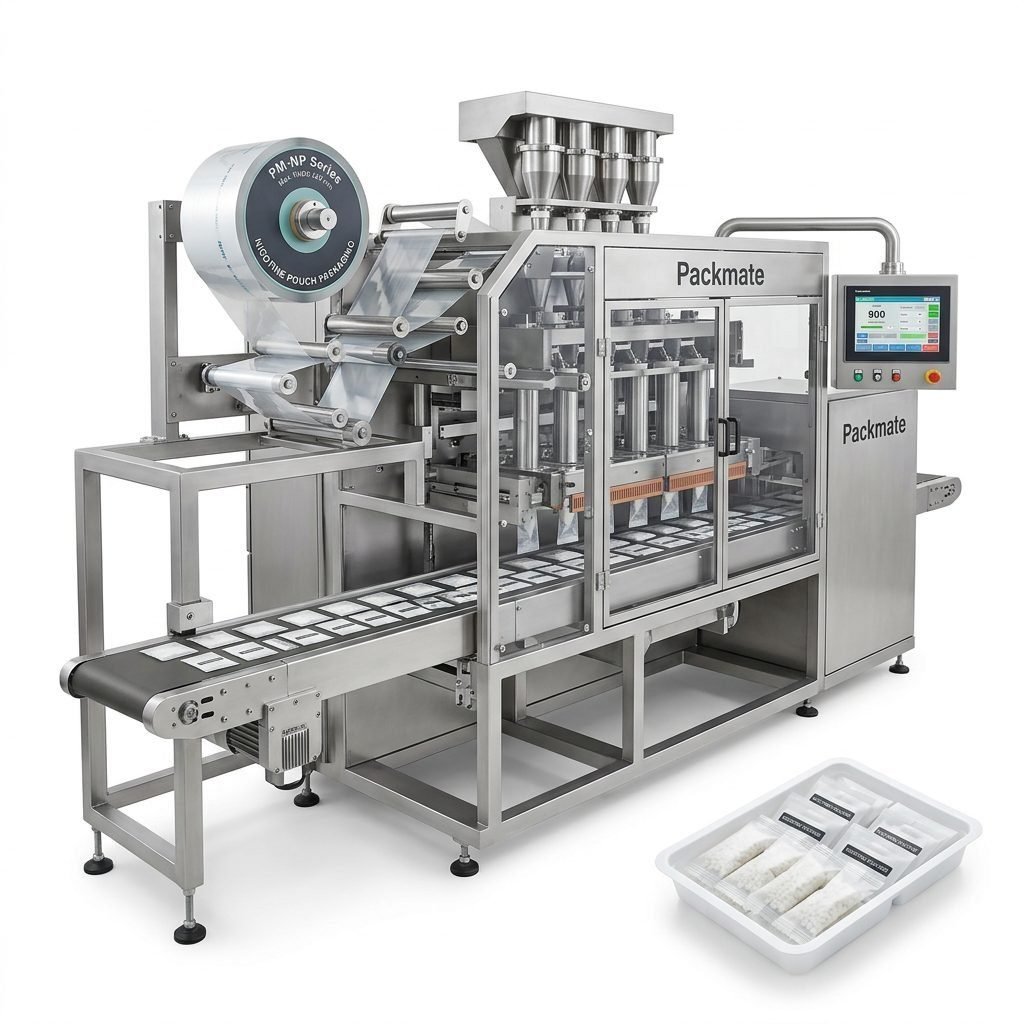
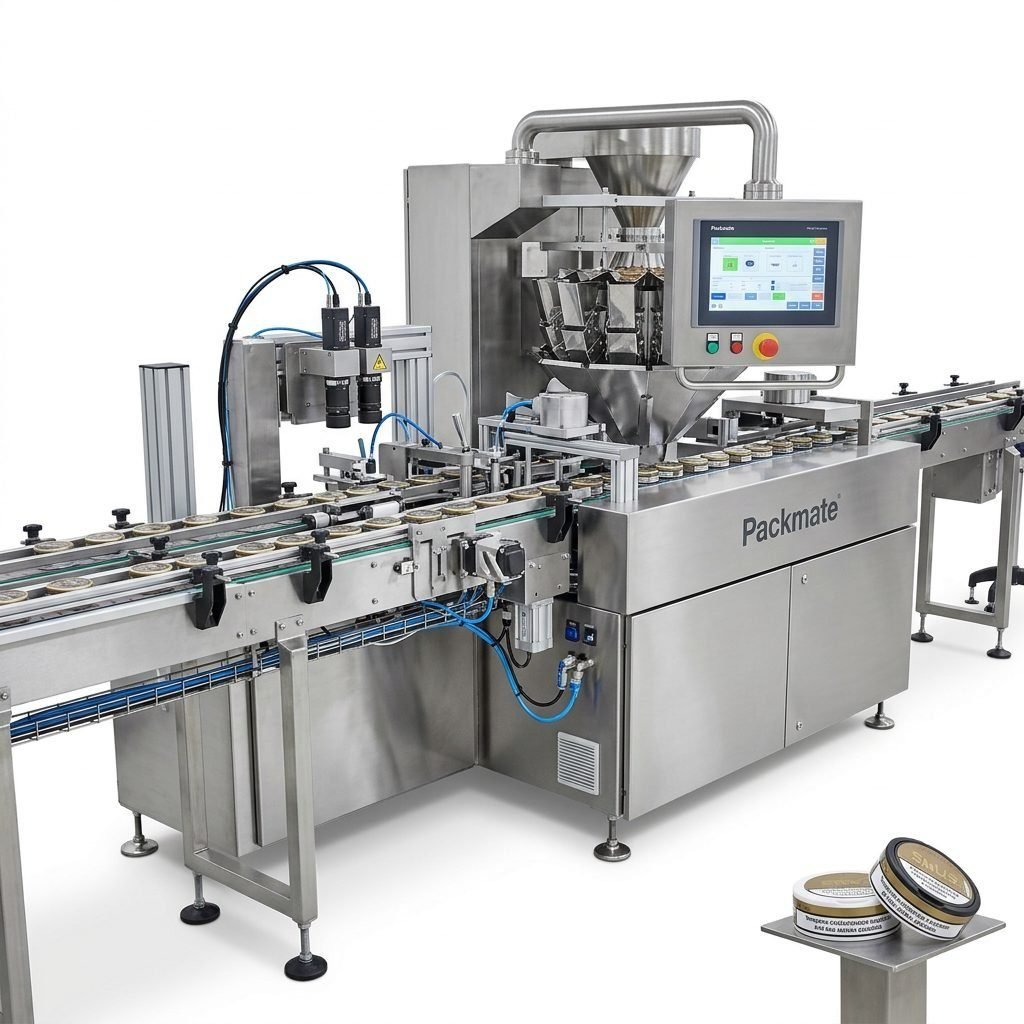
Before you evaluate machines, define the exact product you will package: snus pouches, nicotine pouches, powder, or granules. Packaging format choices—stick pack, sachet, multi-lane pouches, or resealable bags—directly determine the kinds of equipment you should consider. For dedicated snus and nicotine pouch lines, look at specialized equipment that handles small-dose pouches with precision and low waste.
🔍 Quick tip: If your product is a small-dose nicotine pouch, prioritize machines designed for multi-lane filling and high-speed sealing to maintain pouch integrity and consistent dosing.
Match Production Capacity to Market Demand
Estimate daily and monthly volumes, factoring in seasonal peaks and growth. Machines come in single-lane or multi-lane variants: multi-lane systems multiply throughput and are ideal when scaling. Evaluate nominal machine speeds and realistic net output (after changeovers and maintenance). A machine rated at 300 pouches/min may deliver less once downtime is included.
Key Capacity Questions
– What are your hourly and shift targets?
– Do you need expandable lanes or modular machines for future growth?
– Can the supplier provide performance guarantees or case references showing similar outputs?
Select the Right Machine Type for Snus Packaging
Several machine types are common for snus and nicotine pouch production. Understanding their pros and cons helps you choose a fit-for-purpose solution:
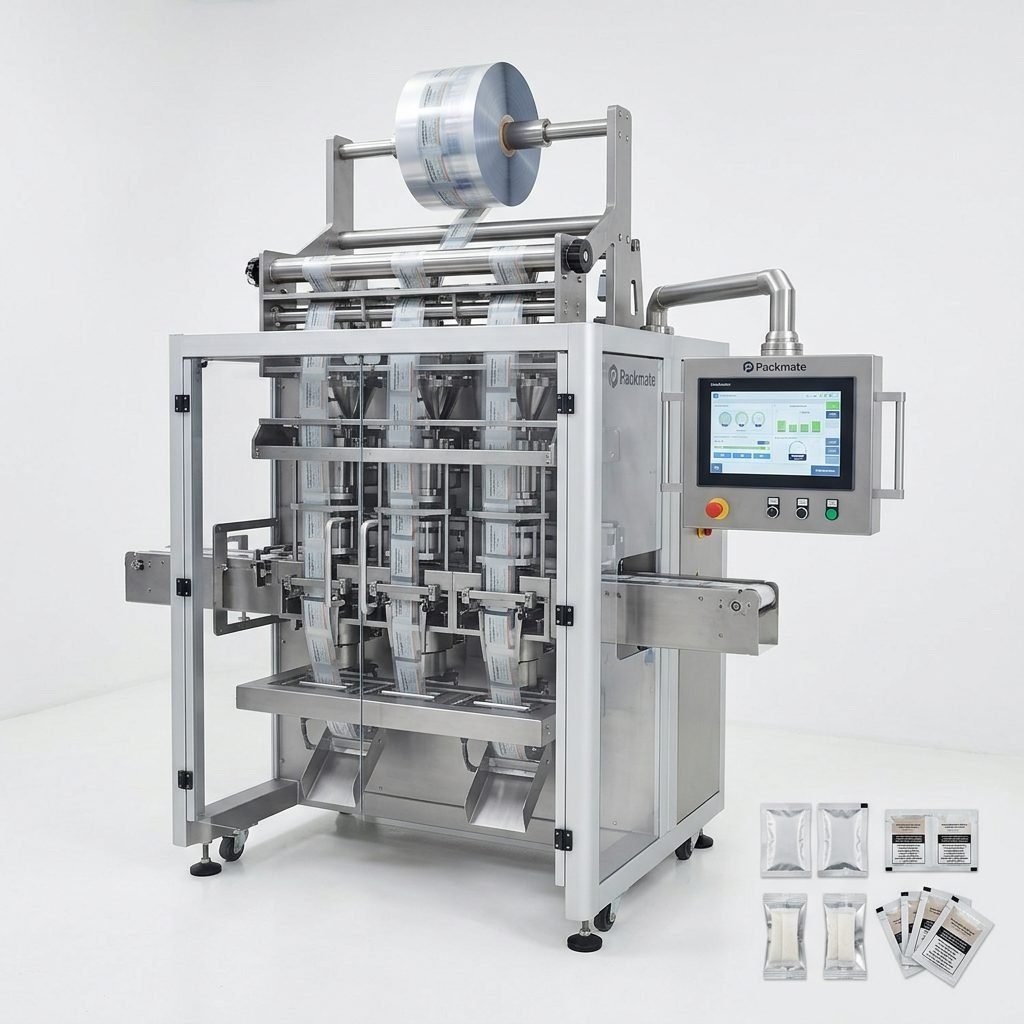
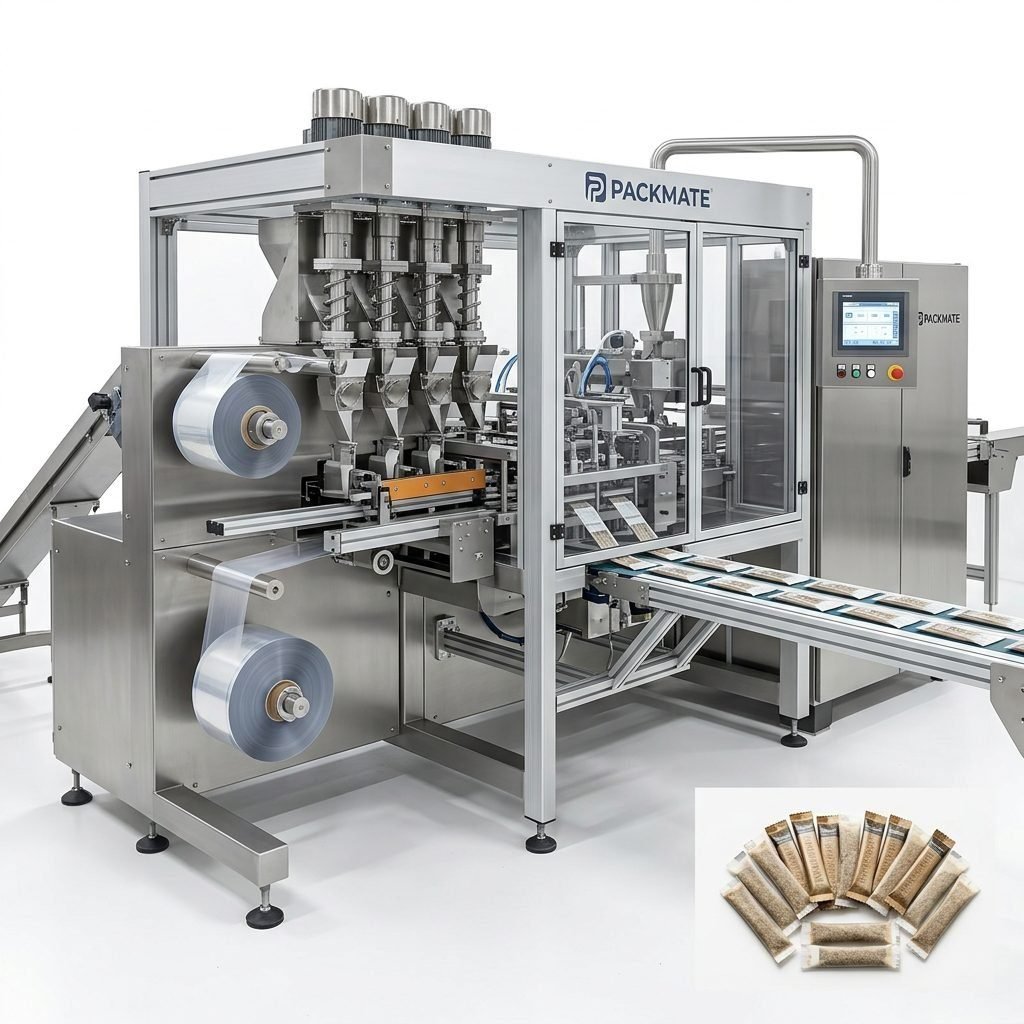
⚙️ Stick pack & Sachet machines — Best for single-dose pouches and simple tear-open packs. Good for lower-to-medium speeds with straightforward changeovers.
✅ Multi-lane pouch systems — Ideal for small-dose nicotine pouches needing high throughput. Multi-lane systems reduce footprint per pouch produced.
📦 Bag & Pouch packaging lines — Suited for outer packaging, reclosable pouches, and secondary packaging operations.
Evaluate Machine Performance and Quality
Look beyond advertised speed. Focus on stability, dosing accuracy, film handling, sealing quality, and product gentle-handling (to avoid damaged pouches). Request site references or case studies that demonstrate long-term reliability under real production conditions.
📄 Ask suppliers for: uptime statistics, OEE estimates, spare parts lists, and preventive maintenance schedules.
Materials and Pack Integrity
Film compatibility (laminates, papers, and barrier films) and sealing technology are crucial. Ensure the machine can handle the film type you plan to use and provides consistent hermetic seals to meet shelf-life and regulatory requirements.
Compliance, Certification & Local Regulations in Sudan
Regulatory considerations for nicotine products vary by market. Choose machines from suppliers that follow international standards (CE, ISO) and can help you meet local packaging and labeling rules. Ask about machine hygiene design for cleaning and contamination control if required by local authorities.
Integration with Filling, Weighing and Downstream Equipment
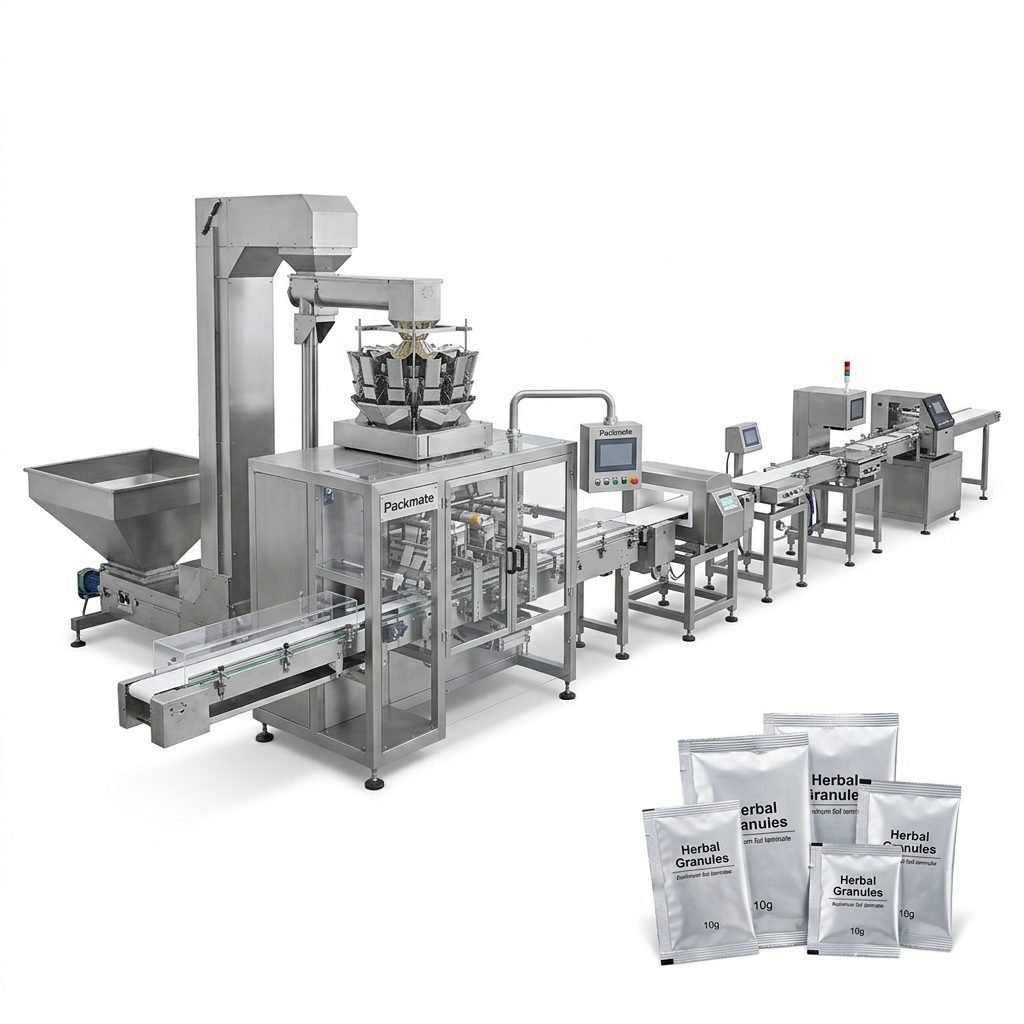
Packaging lines are rarely standalone. Evaluate the interface between the snus packing machine and upstream feeders, weighing systems, and downstream cartoning, case packing or labeling machines. A single supplier able to provide a turnkey line can reduce integration risk.
For end-to-end systems, review solutions like filling & weighing integrations and auxiliary equipment for better coordination and warranty coverage. See examples of combined solutions on pages such as Weighing & Packaging Systems and Filling & Packaging Lines.
Automation, Controls and Operator Interface
Modern HMI systems simplify operation and reduce training. Look for PLC/HMI controls with recipe management, remote diagnostics, and alarm logs. Remote support capability is particularly valuable for manufacturers operating in regions with limited local service networks.
Service, Spare Parts and Local Support in Sudan
After-sales service is a decisive factor. Confirm lead times for spare parts, availability of local technicians or partner agents, and whether the supplier offers installation, training, and commissioning support. Suppliers with global service networks or reliable export experience are preferred.
🔧 Pro tip: Negotiate spare parts kits and a service agreement into the initial contract to limit production downtime risk.
Total Cost of Ownership (TCO) and ROI
Purchase price is only one component. Include installation, training, spare parts inventory, energy consumption, and expected lifespan in your TCO calculation. High-efficiency machines may cost more upfront but pay back through lower waste, less downtime, and reduced labor.
Financing and Warranties
Review warranty scope and options for extended warranty or performance guarantees. If budget constraints exist, ask suppliers about financing, lease options, or staged deliveries to spread capital expenditure.
Selecting a Supplier: What to Audit
When evaluating manufacturers, assess:
🔎 Manufacturing capacity and quality control processes
🔎 Certifications (CE, ISO) and compliance documentation
🔎 Track record with snus/nicotine pouch lines and similar product cases
🔎 Spare parts policy, training programs, and on-site support capability
Packmate Snus Machine, for example, emphasizes long-term engineering support and turnkey solutions, combining multi-lane snus/ nicotine pouch systems with automated downstream processes. Learn more about the company background and capabilities on the About Packmate page.
Factory Audits and Factory Capabilities
If possible, visit the supplier’s factory or request a live video tour. Verify CNC machining centers, assembly lines, and quality testing stations. A well-equipped 20,000㎡ facility and documented assembly processes generally indicate consistent build quality.
Testing, Commissioning and Training
Ensure the supplier includes FAT (Factory Acceptance Test) video evidence, pre-shipment testing, and clear commissioning procedures. Operator training and maintenance courses should be part of the implementation plan to maximize uptime from day one.
References, Case Studies and Trade Shows
Ask for case studies of similar installations in climates and markets comparable to Sudan. Attendance at global exhibitions and demonstrations gives you confidence in a supplier’s global reach and product maturity — see the Our Exhibition page for shows and demos.
📌 Remember: Verified case studies and on-site references are stronger indicators than marketing claims.
Practical Considerations for Sudan
Consider local power quality, availability of qualified electricians/mechanics, and logistics for importing machines and spare parts. Machines with simpler pneumatic systems and widely available components can be easier to maintain locally. Also assess environmental controls if product shelf-life is sensitive to humidity or heat.
Freight, Customs and Importation
Work with your supplier to handle export documentation, local customs tariffs, and on-site delivery arrangements. A supplier experienced with global exports will provide accurate packing lists and certificates needed by Sudanese customs.
Why a Turnkey Supplier Might Be the Best Choice
A turnkey vendor supplies a complete, integrated line — from feed systems to packaging, weighing, and case packing — often with a single point of responsibility for performance and support. If your operation is expanding rapidly, a turnkey partner reduces coordination complexity and can accelerate ramp-up.
For product and line options, explore categories such as Snus & Nicotine Packaging Machines and Bag & Pouch Packaging Machines to understand available configurations.
Final Checklist Before Purchase
• Production capacity validated with performance data
• Compatibility with your film and pouch formats
• Clear service and spare parts commitments
• Warranty, commissioning and training included
• Export, customs and on-site delivery solutions agreed
Next Steps
Begin by documenting product specs, required throughput, and budget. Request proposals and FAT videos from shortlisted suppliers, verify references, and prioritize suppliers who can support long-term growth and local serviceability. If you want a consolidated quote for turnkey solutions and testing, contact the manufacturer directly via their Contact Us page.
Additional Resources
Explore product catalogs, case studies and FAQs on the supplier site to compare technical specifications and real-world performance. Packmate publishes detailed equipment pages and examples of custom solutions for snus and nicotine pouch packaging.
Frequently Asked Questions
Q1: How do I choose between single-lane and multi-lane snus machines?
A1: Choose based on projected throughput, floor space, and budget. Multi-lane systems are more cost-effective for high volumes; single-lane may suffice for smaller production and lower initial investment.
Q2: What certifications should I expect from a reputable supplier?
A2: Look for CE, ISO, and documented quality management processes. Certification helps ensure safety, compliance, and consistent manufacturing standards.
Q3: How important is local service and spare parts availability for Sudan?
A3: Extremely important. Limited local supply chains increase the value of a supplier offering fast spare parts delivery, remote diagnostics, and training for local technicians.
Q4: Can suppliers provide turnkey solutions including weighing and downstream equipment?
A4: Yes. Many experienced suppliers provide complete lines—filling, weighing, packaging, and secondary packing—to simplify integration and ensure single-vendor responsibility. See integrated offerings under Weighing & Packaging Systems and Filling & Packaging Lines.
Q5: What should I verify during factory acceptance testing (FAT)?
A5: Validate actual production speed, sealing quality, dosing accuracy, changeover time, and software recipe functionality. Request recorded tests and approval sign-off procedures before shipment.