Introduction
Choosing a reliable nicotine packaging machine supplier in Nigeria requires more than price comparison. You need to evaluate technical capability, regulatory compliance, local support, and long-term service. This guide walks Nigerian buyers step-by-step through identifying trustworthy suppliers, assessing machines for nicotine pouch and snus packaging, and ensuring smooth installation and operation in a local context.
Understand the Nigerian Market and Regulatory Landscape
🔍 Know the rules: Nicotine-containing products may fall under food, drug, or tobacco regulations in Nigeria. Consult the National Agency for Food and Drug Administration and Control (NAFDAC) and local customs authorities to confirm labeling, ingredient declaration, and import permit requirements before placing an order.
⚠️ Local sensitivities: Public health regulations can shift quickly. Ensure your supplier provides documentation for machine materials in contact with product, cleanability, and compliance certificates (CE/ISO) to support regulatory submissions.
Why local business culture matters
In Nigeria, relationships and trust are critical. Nigerian buyers often prefer suppliers who can demonstrate a track record, provide references, and are willing to communicate directly (video calls, on-site visits when possible). Consider suppliers offering local technical training or a regional service partner to reduce downtime.
Quick checklist for Nigerian buyers
✔️ Verify NAFDAC/import requirements • ✔️ Confirm machine compliance (CE/ISO) • ✔️ Ask for local references • ✔️ Ensure spare parts availability • ✔️ Confirm power and site preparation needs
Step 1 — Evaluate Supplier Credentials and Experience
Start with the supplier’s background. Look for manufacturers with decades of experience in packaging machinery and specific experience in nicotine pouch/snusa packing lines. A strong manufacturer will have a documented history of R&D, manufacturing capacity, certifications, and international customers.
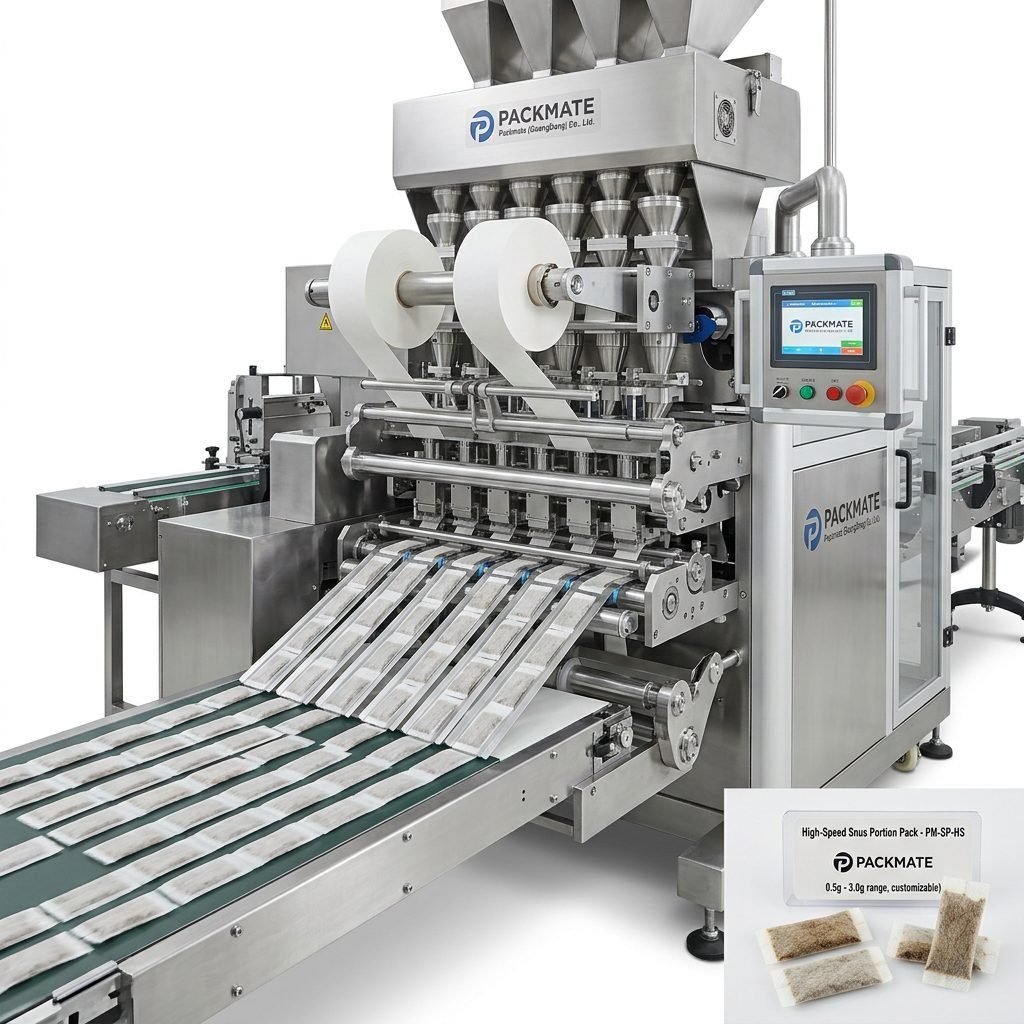
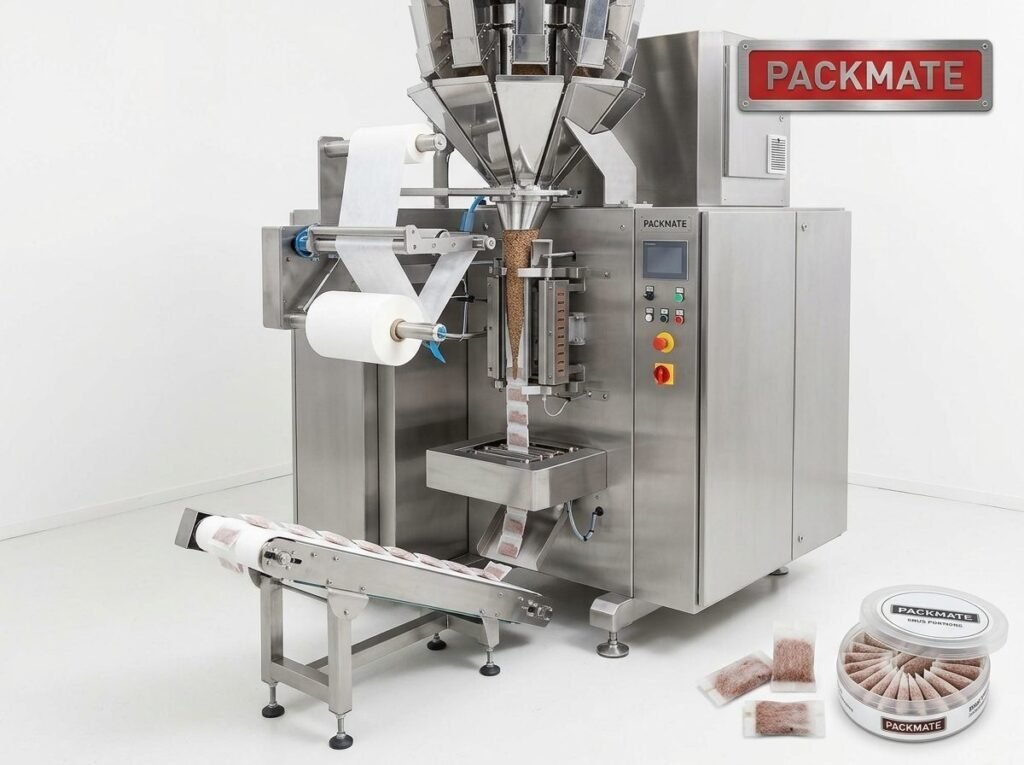
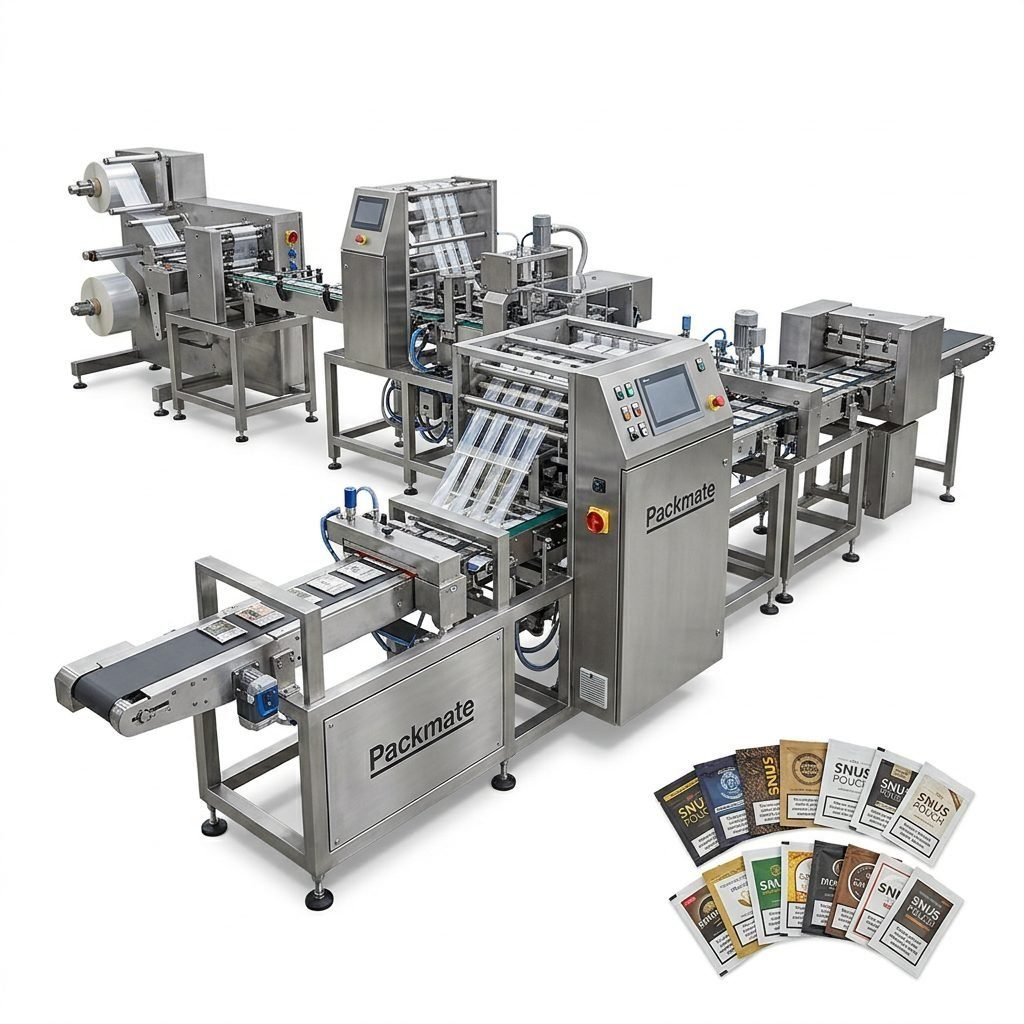
Packmate Snus Machine, for example, has over 30 years of engineering experience and a 20,000㎡ manufacturing facility, offering more than 50 machine models and turnkey solutions. Reviewing such profiles helps you understand production capability and quality control systems.
Key documents to request
– Company profile and factory photos (to verify scale)
– CE and ISO certificates (for global compliance)
– Client references or case studies from similar markets
– Machine test reports and material-contact certifications
🔗 Useful links: Learn more about product lines and company background from official pages like About Packmate, Snus & Nicotine Packaging Machines, and view real installations at Case.
Step 2 — Match Machine Type to Your Product and Capacity
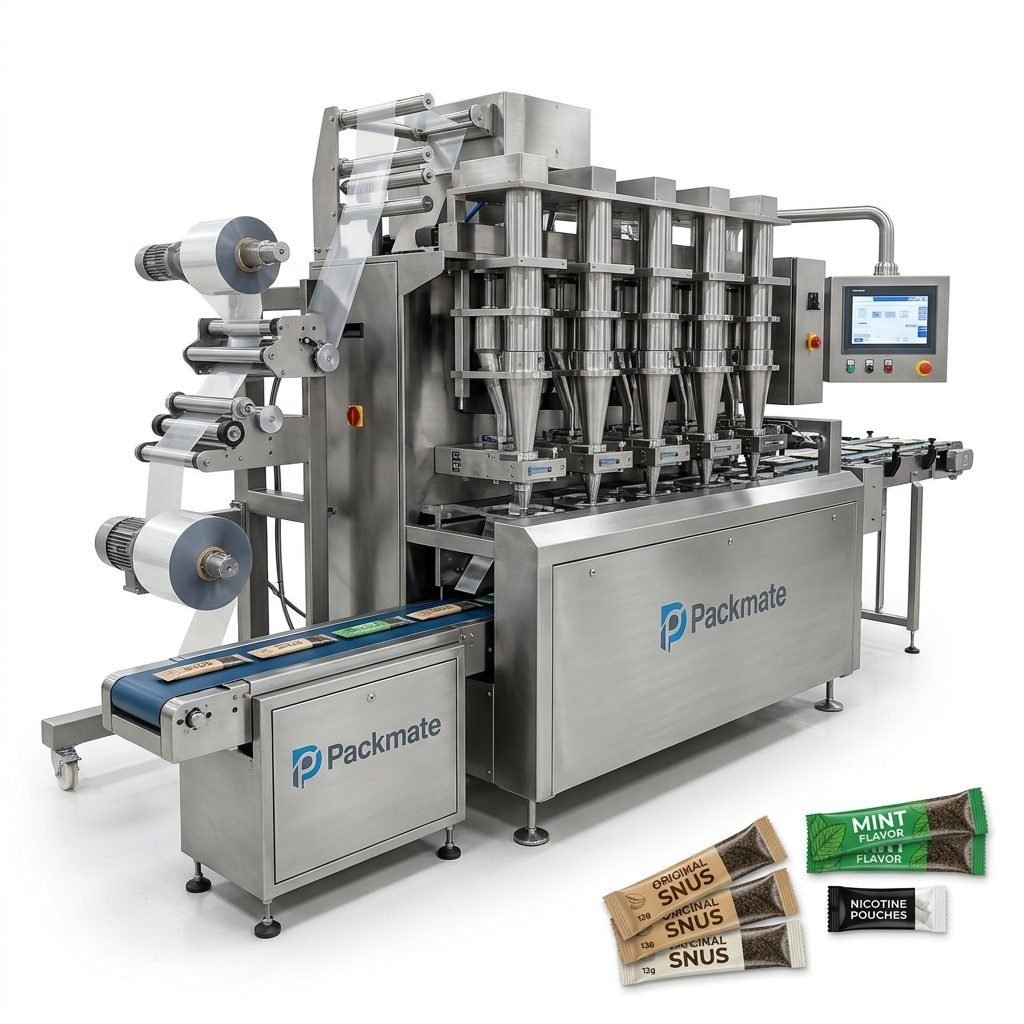
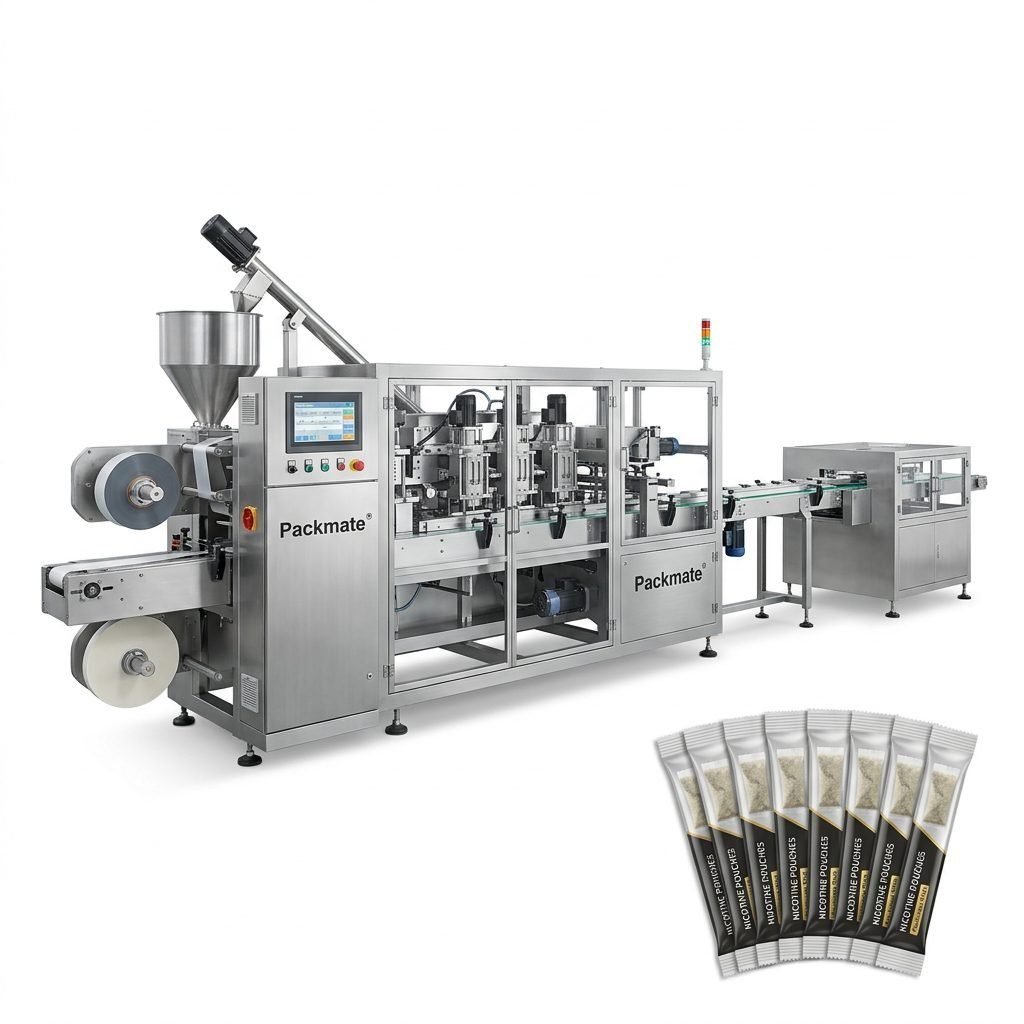
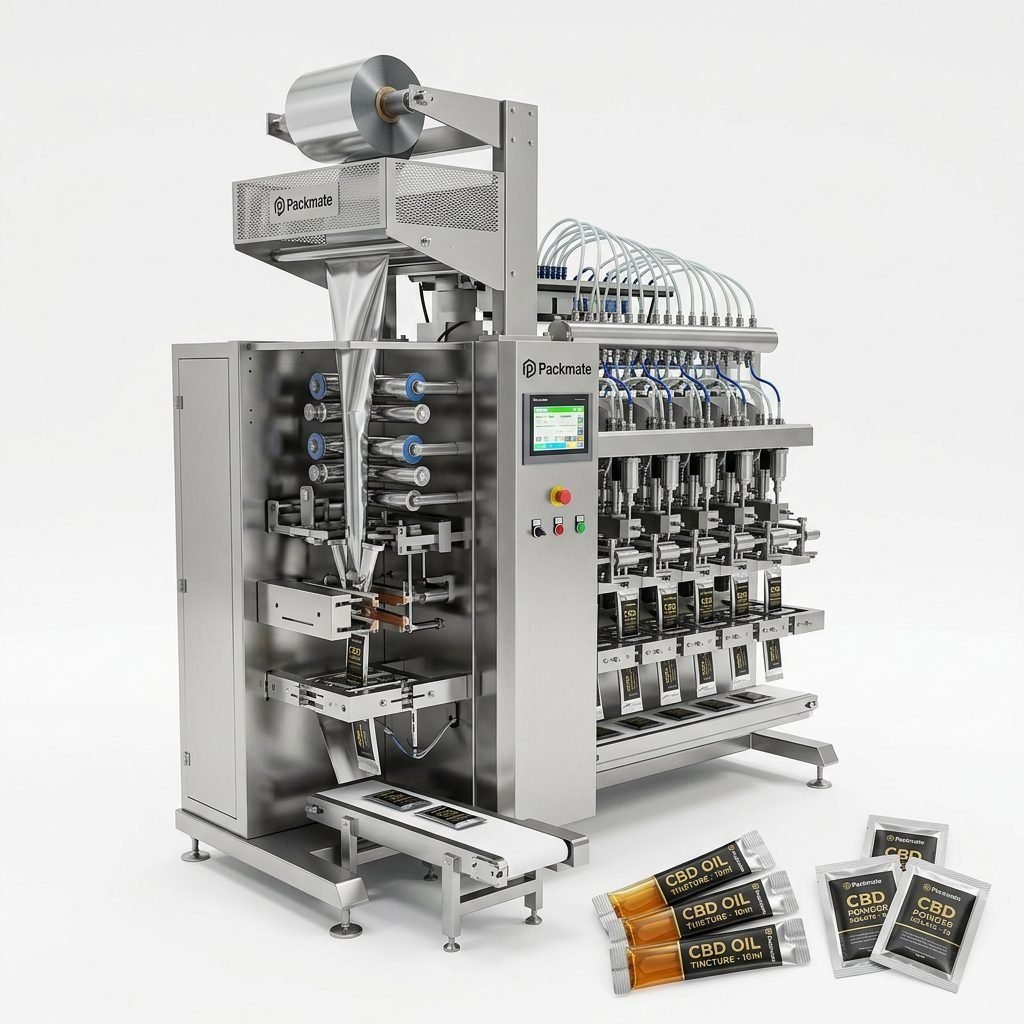
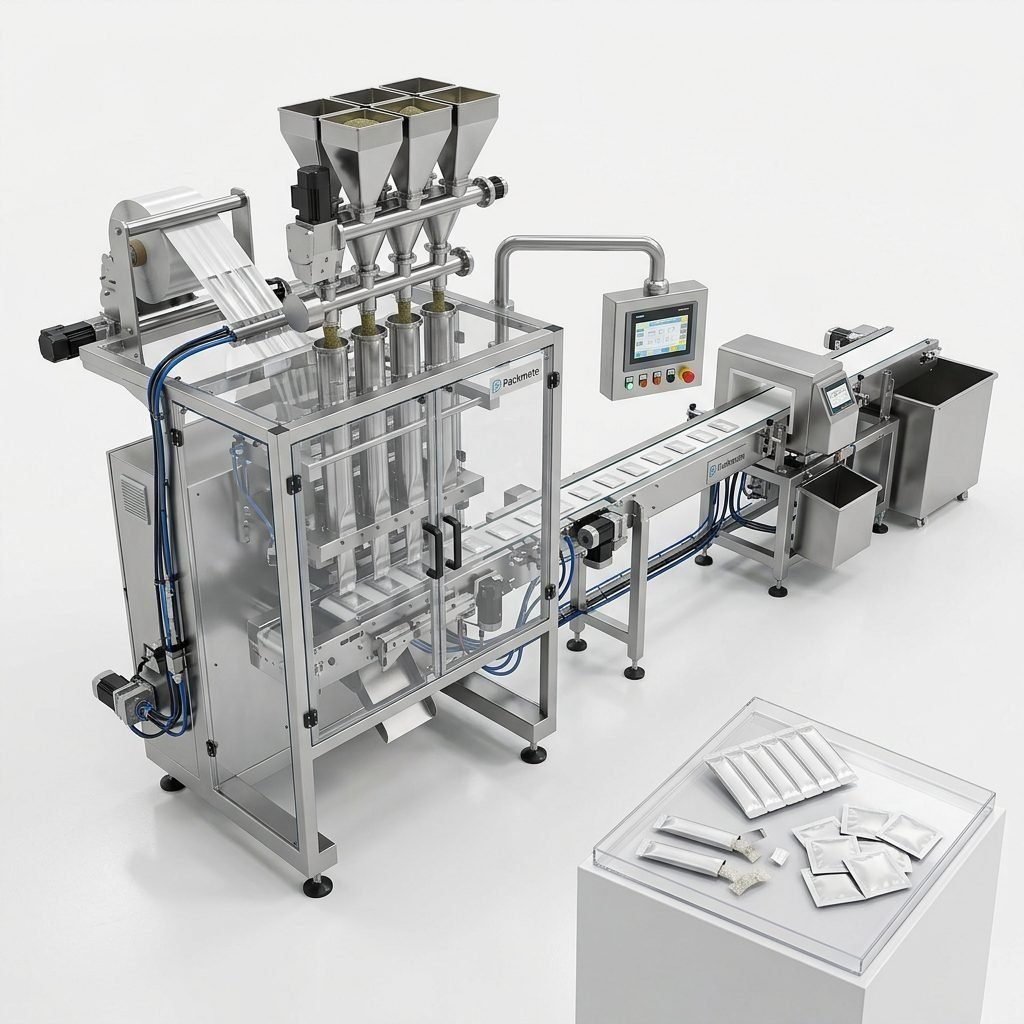
Different nicotine products require different packaging formats. Determine whether you need stick packs, sachets, multi-lane nicotine pouch machines, or complete filling and packaging lines. Consider future expansion when selecting machine throughput.
For low to medium dose nicotine pouches, high-precision multi-lane systems are common. For single-portion pouches or stick packs, choose equipment with accurate dosing systems and quick format changeovers.
Capacity and automation factors
Consider these performance indicators: hourly output (pieces/hour), number of lanes, dosing accuracy, packaging material compatibility, and degree of automation (robotic feeders, inline weighing, and palletizing). Also ask about PLC controls and HMI language options (English is standard and preferred in Nigeria).
Step 3 — Inspect Machine Quality, Materials and Compliance
Quality and durability are crucial. Inspect whether components in contact with the product are food-grade stainless steel (for easy cleaning), whether seals and conveyors are suitable for nicotine pouches, and whether the machine supports hygienic design to meet regulatory requirements.
Ask suppliers for a factory acceptance test (FAT) video or live demonstration. FAT helps confirm machine speed, weight accuracy, sealing integrity, and packaging aesthetics before shipping.
✅ Must-have technical confirmations: material-grade certificates, FAT report, spare parts list, service agreement, and electrical schematics compatible with Nigerian mains (220–240V, 50Hz).
Step 4 — Logistics, Import, and Site Preparation for Nigeria
Plan logistics carefully. Heavy machinery requires proper packing, shipping insurance, and detailed packing lists for customs clearance. Confirm whether the supplier offers CIF or FOB terms and whether they assist with shipping documentation.
Prepare your site: check floor loading capacity, power supply, compressed air, dust control, and working space for installation and maintenance. Request supplier-provided site drawings and utility requirements.
Customs and compliance tips
Work with an experienced customs broker in Nigeria to avoid delays. Provide machine serial numbers, technical specifications, and certificates to expedite inspections. Confirm potential duties and VAT so there are no surprises on arrival.
Step 5 — After-Sales Service, Training and Spare Parts
After-sales support is the difference between an intermittent producer and a stable manufacturer. Confirm response times for technical support, the availability of local or regional engineers, and options for remote diagnostics.
Ask the supplier about training: on-site commissioning, operator training, maintenance guides, and spare parts kits. A manufacturer with global experience often provides comprehensive training packages and documented SOPs.
🔧 Spare parts & service checklist: guaranteed parts availability, recommended spare parts list for first year, remote support options, and service contract terms.
Step 6 — Payment Terms, Warranties and Contracts
Negotiate clear payment terms that balance supplier security and buyer protection. Typical terms include deposit, progress payments, and balance on shipment or after FAT. Ensure the contract includes warranty coverage, scope of warranty, and remedies for defects.
Include acceptance criteria in your contract (performance metrics, packaging quality, and inspection mechanisms). Clarify responsibility for installation costs, training, and spare parts during the warranty period.
How Packmate Can Help Nigerian Buyers
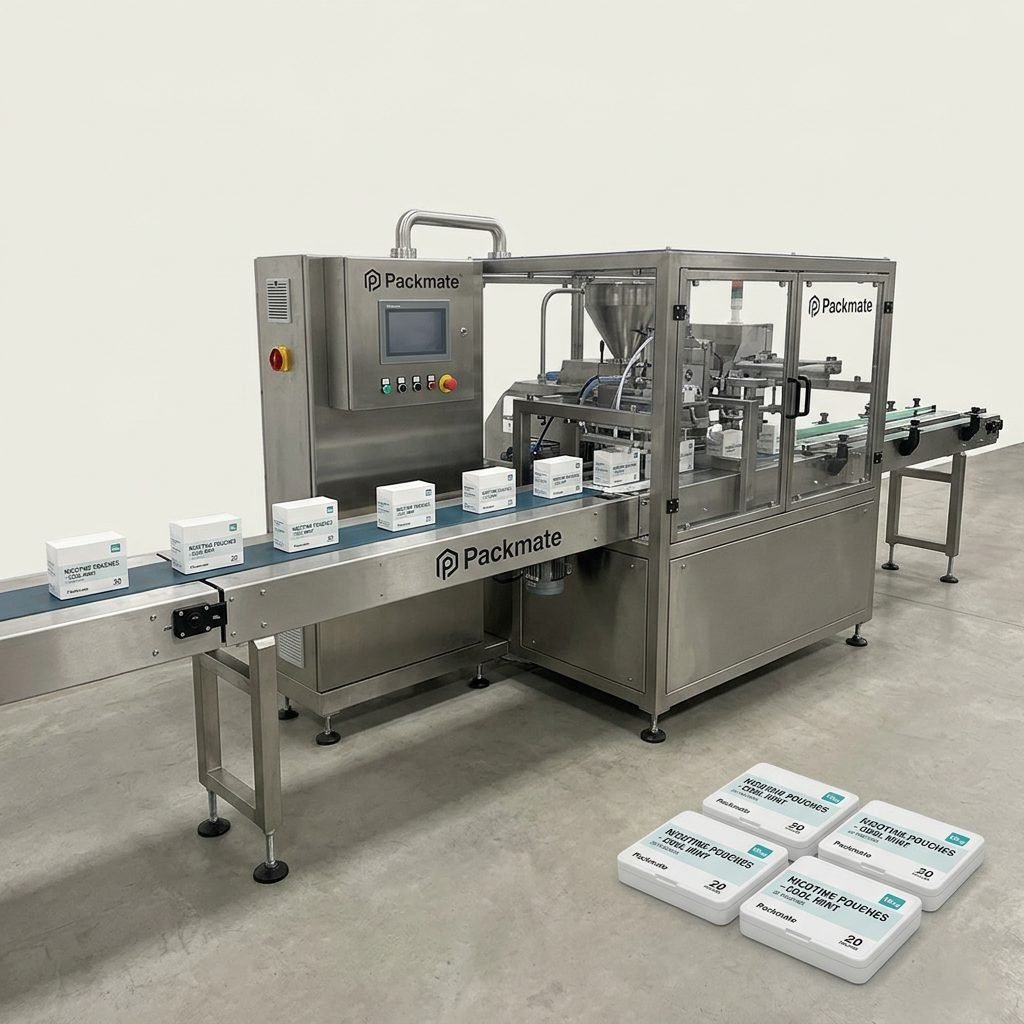
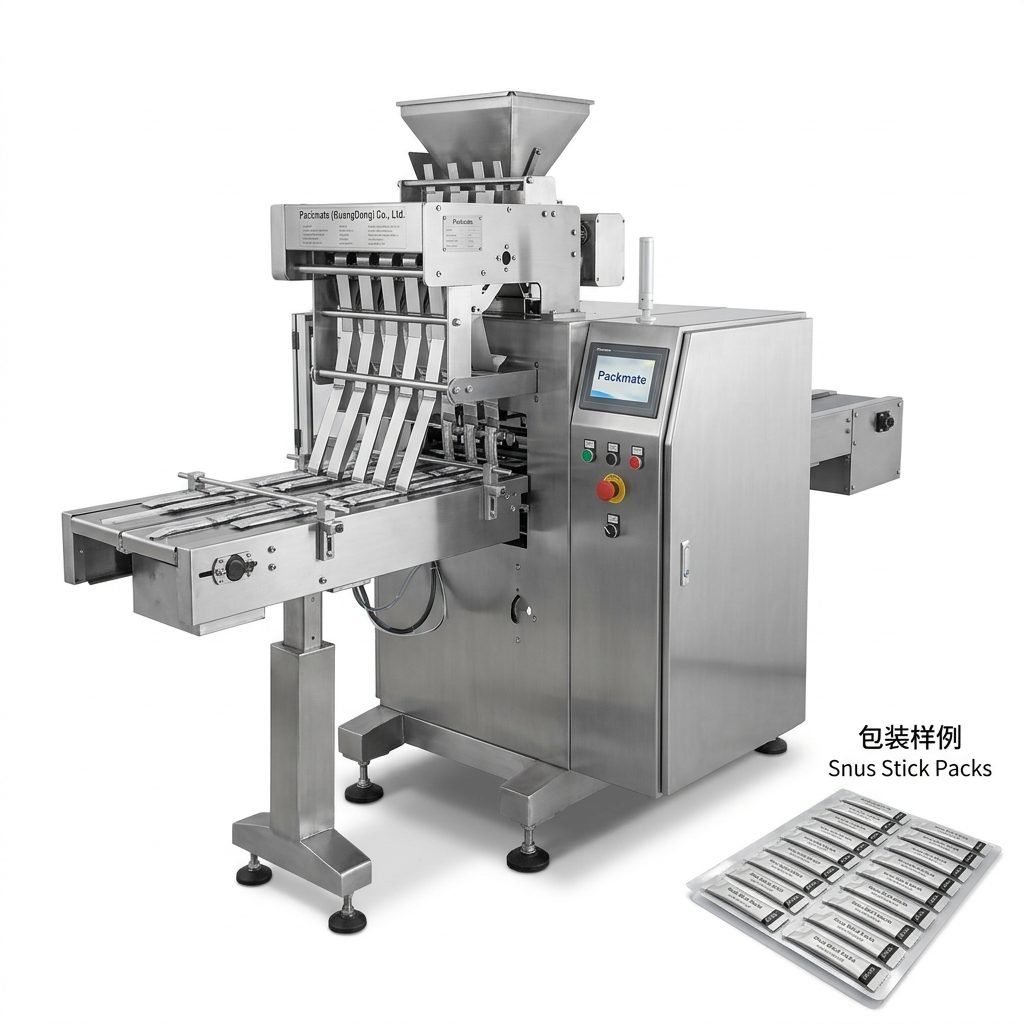
As an experienced manufacturer focusing on snus and nicotine pouch packaging, Packmate offers multi-lane systems, stick pack and sachet machines and full turnkey lines. With a 20,000㎡ facility and 30+ years of expertise, Packmate provides FAT demonstrations, CE & ISO documentation, and customized solutions to meet product specifications and local compliance needs.
Explore product offerings and services at relevant resource pages: Snus & Nicotine Packaging Machines, Sachet & Stick Pack Machines, and contact sales directly via Contact Us.
Case studies and exhibition presence
Packmate showcases real-world installations and exhibition demos on their Case and Exhibition pages — useful references when validating performance claims and seeing machines in production environments similar to yours.
🔗 Explore further: Case • Our Exhibition • Service
Practical Tips for Successful Procurement
– Start with a clear product spec sheet and expected monthly output.
– Prefer suppliers who demonstrate machines with similar products.
– Insist on FAT videos and documented acceptance criteria.
– Build spare part inventory for the first 6–12 months.
– Plan for local training and preventive maintenance schedules.
Common Pitfalls and How to Avoid Them
– Buying based on price alone: focus on total cost of ownership and uptime.
– Skipping factory acceptance tests: always verify performance before shipment.
– Ignoring power and utility needs: verify electrical and compressed air compatibility.
– Underestimating spare part lead times: confirm local stocks or air-shipping options for urgent parts.
Conclusion
Sourcing a reliable nicotine packaging machine supplier in Nigeria requires careful evaluation of supplier credentials, machine suitability, compliance documentation, logistics readiness, and after-sales support. Prioritize suppliers with proven experience in snus and nicotine pouch packaging, strong factory capabilities, and the willingness to provide FAT, training, and spare parts. Building a partnership focused on long-term performance and compliance will protect your investment and help you scale production efficiently.
Frequently Asked Questions
Q1: What documentation should I request before importing a nicotine packaging machine into Nigeria?
A1: Request CE/ISO certificates, material-contact certificates, FAT reports, electrical schematics, packing lists, and any factory quality control records. Provide these to your customs broker and NAFDAC if applicable.
Q2: How important is FAT (Factory Acceptance Test)?
A2: FAT is critical. It verifies machine performance, dosing accuracy, sealing quality, and packaging appearance before shipment, reducing the risk of costly on-site issues.
Q3: What after-sales support should I expect from a reliable supplier?
A3: Expect commissioning support, remote diagnostics, training, spare parts availability, and a clear warranty policy. Ideally, the supplier should provide service manuals and preventive maintenance schedules.
Q4: How do I ensure the machine complies with Nigerian regulations for nicotine products?
A4: Work with local legal advisors and NAFDAC. Ensure product-contact materials and cleaning procedures are documented, and request any necessary certification or test reports to support regulatory filings.
Q5: Where can I find reliable nicotine packaging machine suppliers and more information?
A5: Start with reputable manufacturers that specialize in snus and nicotine packaging, review their product pages and case studies, and contact their sales team. Useful starting links include Packmate product pages and contact resources.