Choosing the right nicotine packaging machinery in Asia requires a careful balance of regulatory compliance, production capacity, local market preferences, and long-term service support. This guide walks production managers, procurement teams, and factory engineers through the practical steps to select equipment that fits Asian production environments—from humid tropical climates to high-speed export lines—so your nicotine pouch or snus line runs reliably and profitably.
Understand the Asian Market Context 🔍
Asia is not a single market: it spans countries with diverse consumer habits and regulatory attitudes toward nicotine products. In Southeast Asia and South Asia, rising demand for discreet nicotine pouches is driven by younger adult consumers preferring tobacco-free formats. In East Asia (Japan, South Korea), consumers expect premium packaging and strict quality control. China offers large-scale manufacturing advantages but also evolving regulatory oversight. When specifying equipment, factor in local customs — for example, compact, resealable pouches and multi-lingual labeling are common expectations in Asian retail.
Key market considerations
• Regulatory variability: Test and validate materials and finished product traces to meet country-specific nicotine limits and labeling laws. Plan for documentation and traceability.
• Climate impacts: High humidity in many Asian regions affects flow, sealing, and product stability. Choose machines with controlled-environment options and dehumidified feeding systems.
• Packaging aesthetics: Consumers in markets like Japan and South Korea prefer refined finishes and reliable reseal features—ensure the machine supports advanced pouch formats.
Define Your Production Requirements ⚙️
Before contacting suppliers, create a clear specification sheet: target output (pouches/minute), pouch type (stick pack, sachet, multi-lane snus pouches), pouch sizes (dose range), product form (powder, granule, liquid), and acceptable scrap/waste rate. Asian factories often prioritize high throughput with lower labor costs; however, automation level should reflect your workforce skills and maintenance capabilities.
Capacity & flexibility checklist
• Throughput: Do you need single-lane precision or multi-lane speeds for small-dose pouches?
• Changeover time: Fast format changeovers reduce downtime and support diverse SKUs.
• Integration: Will the machine link to existing weighing, filling, or cartoning lines? Look for compatibility with upstream and downstream equipment.
Machine Types and Their Fit in Asian Plants
There are several common machine types for nicotine pouch production. Understanding their strengths helps match technology to business goals.
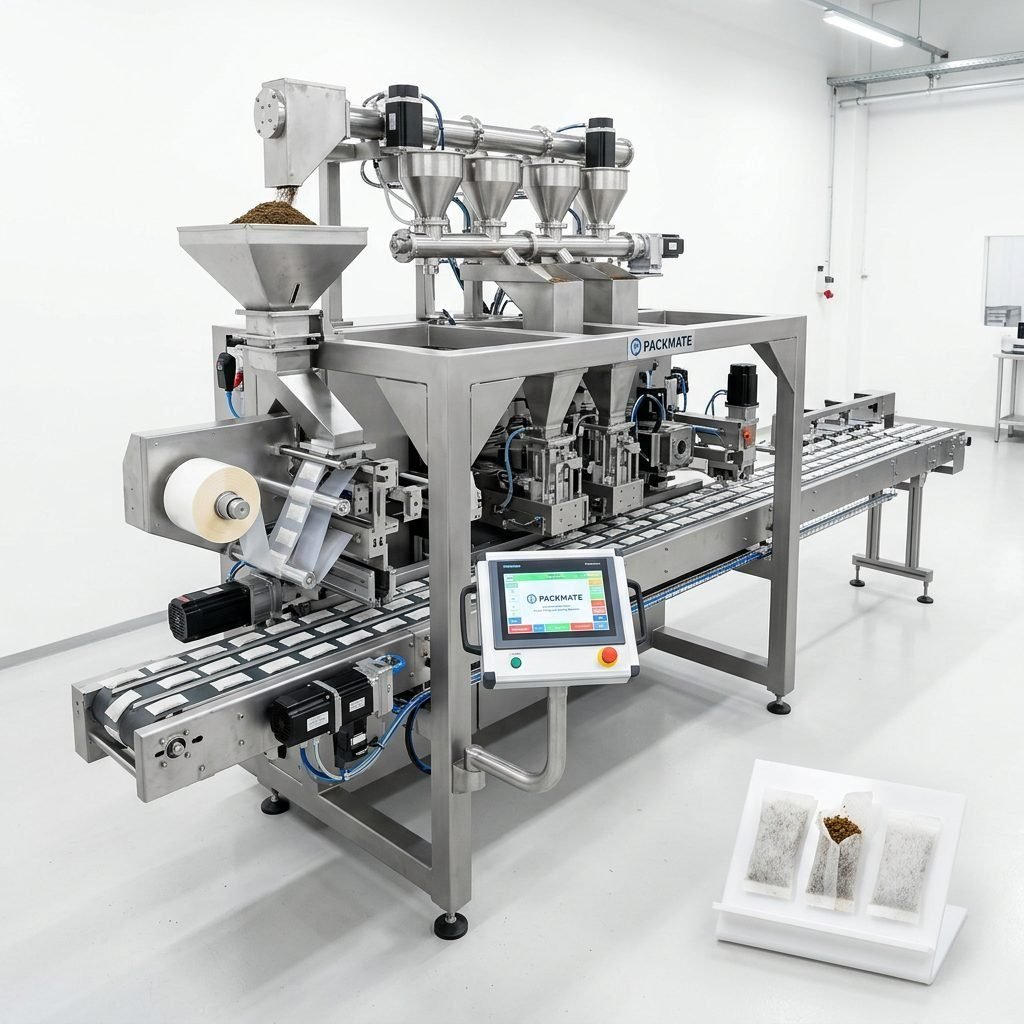
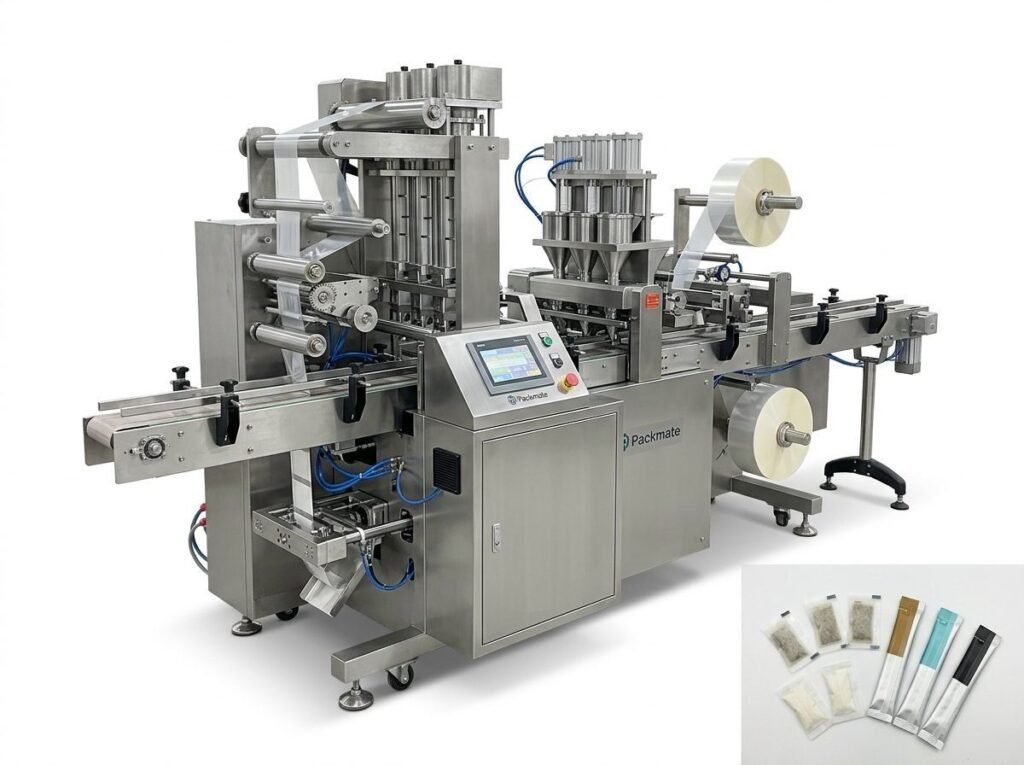
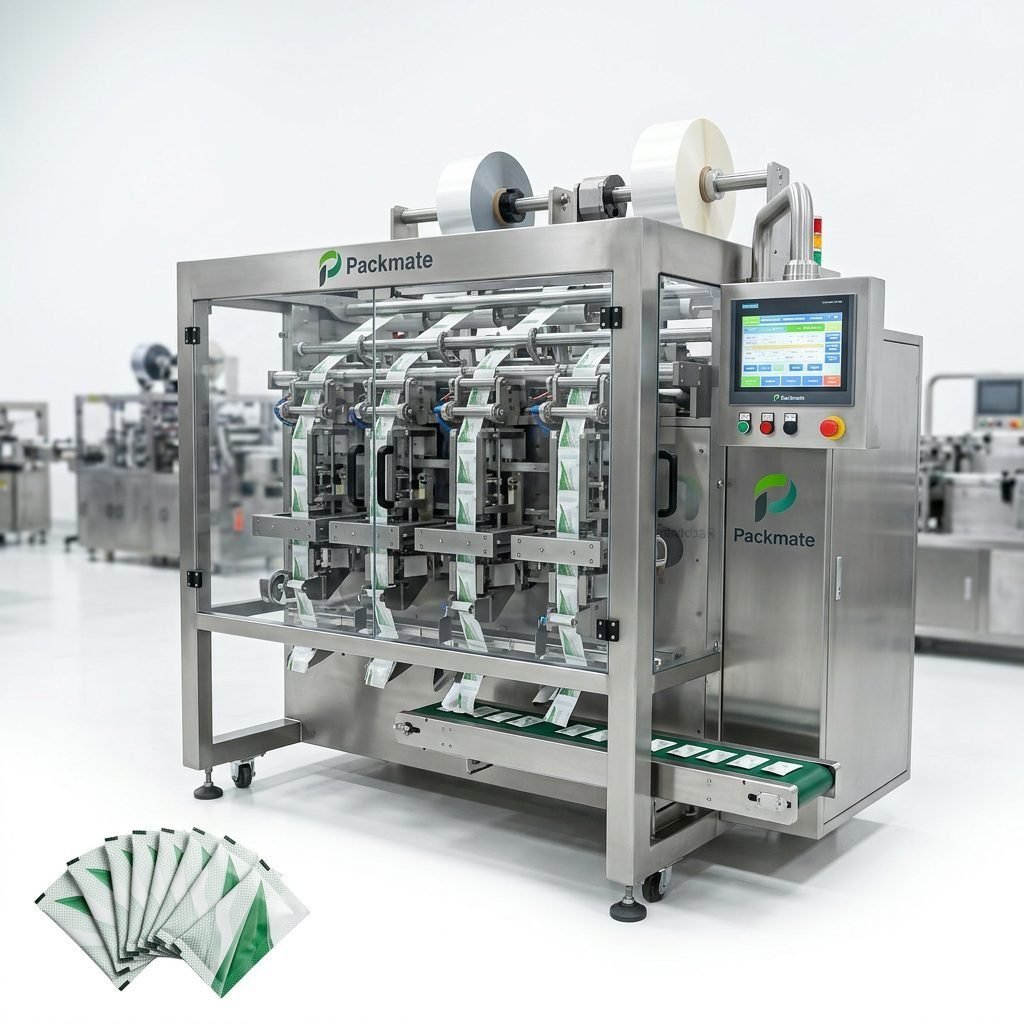
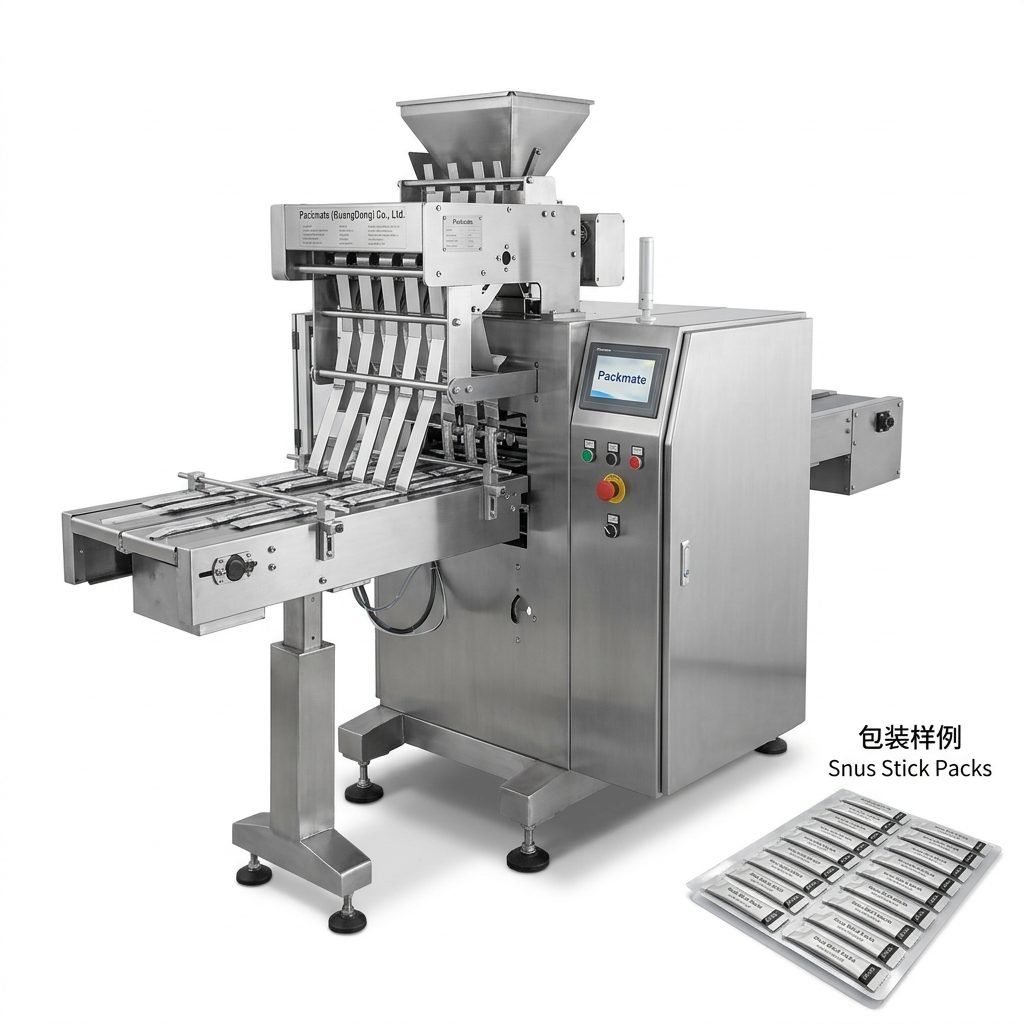
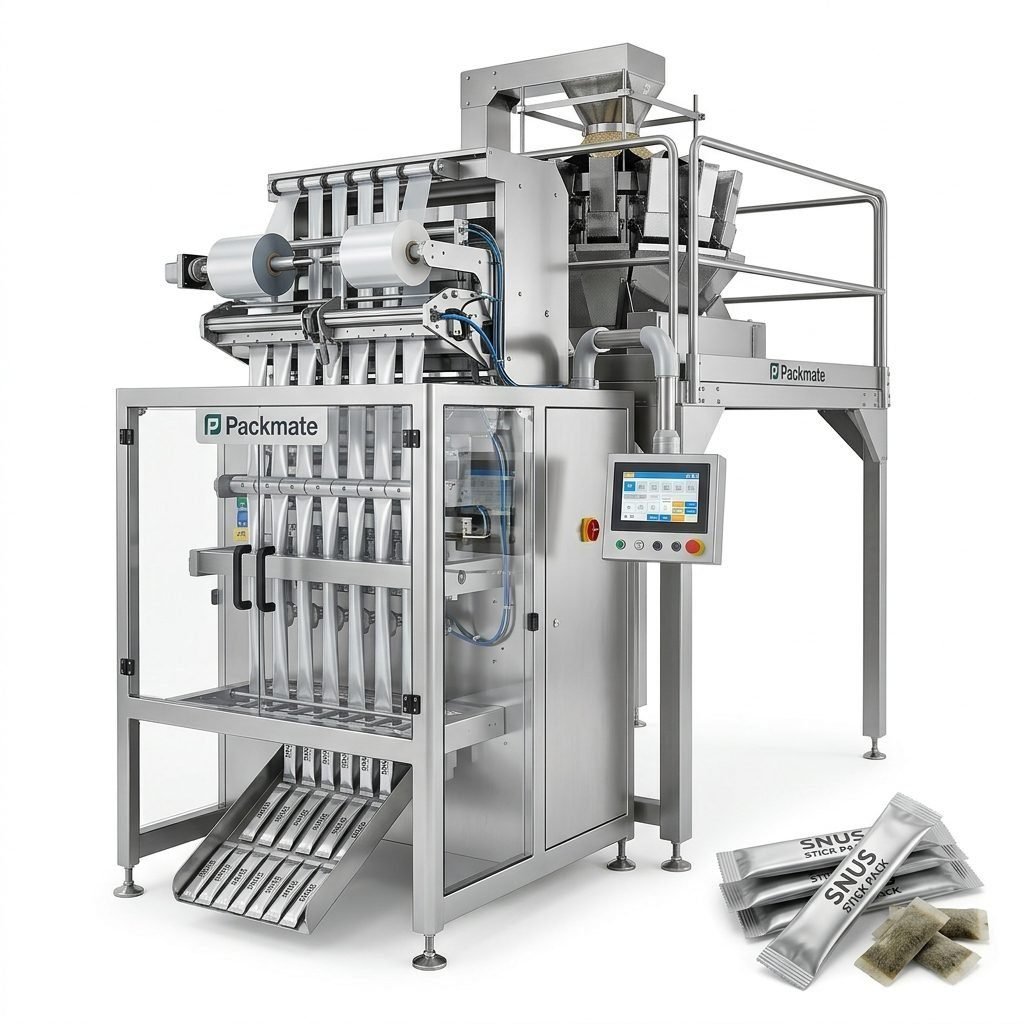
• Multi-lane Snus Packaging Machines
Ideal for high-volume production, multi-lane systems increase throughput per footprint. Choose machines with robust servo control and synchronized feed for consistent weight and seal quality—critical in humid Asian climates.
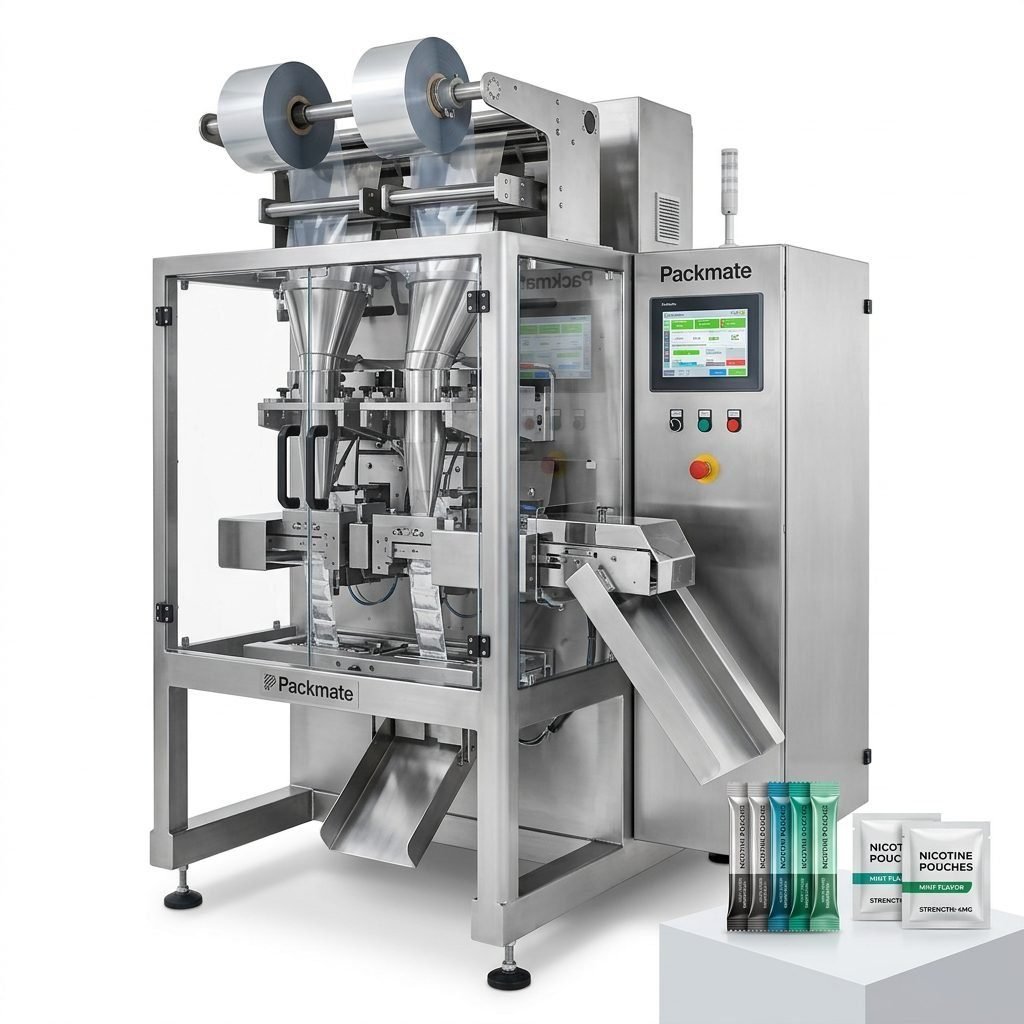
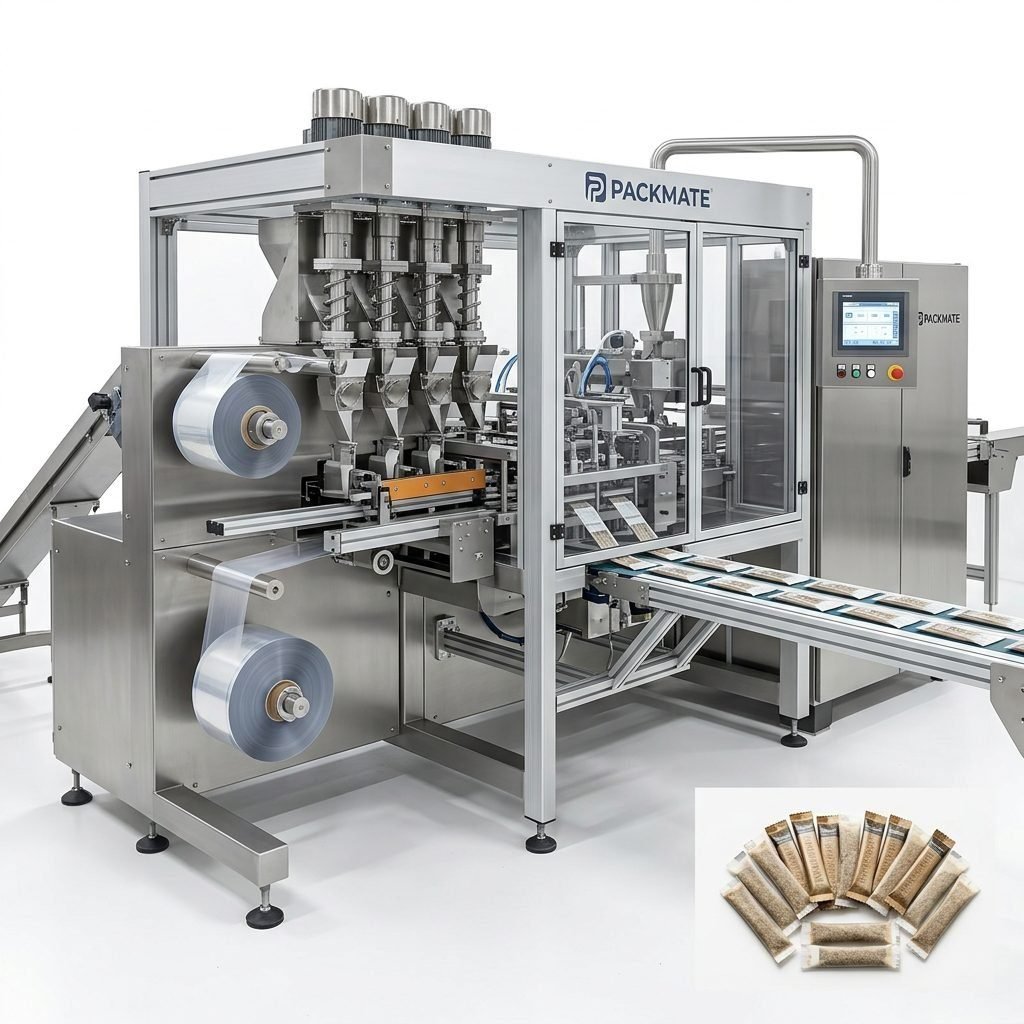
• Sachet & Stick Pack Machines
Best for single-dose sachets and stick formats that are popular in some Asian markets. Precision filling and clean sealing technology are important to prevent leaks and maintain shelf-life.
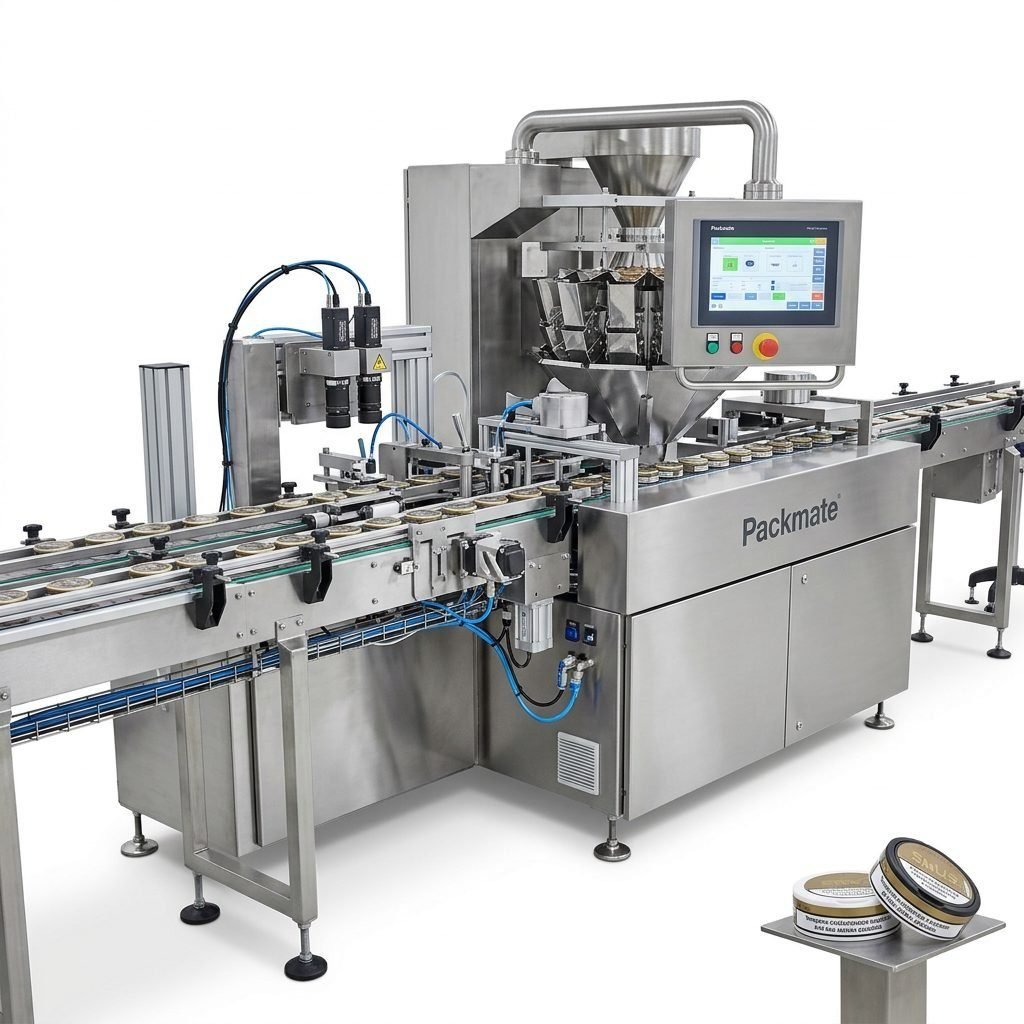
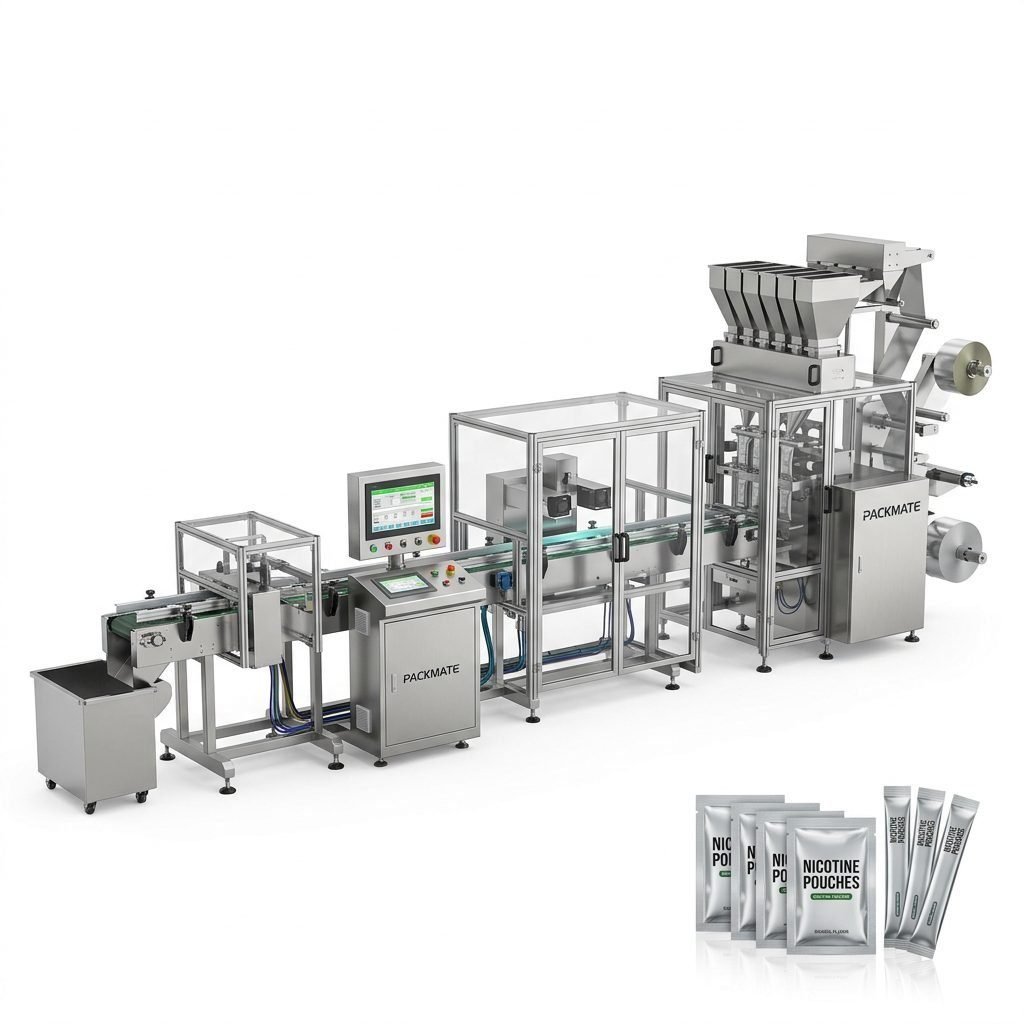
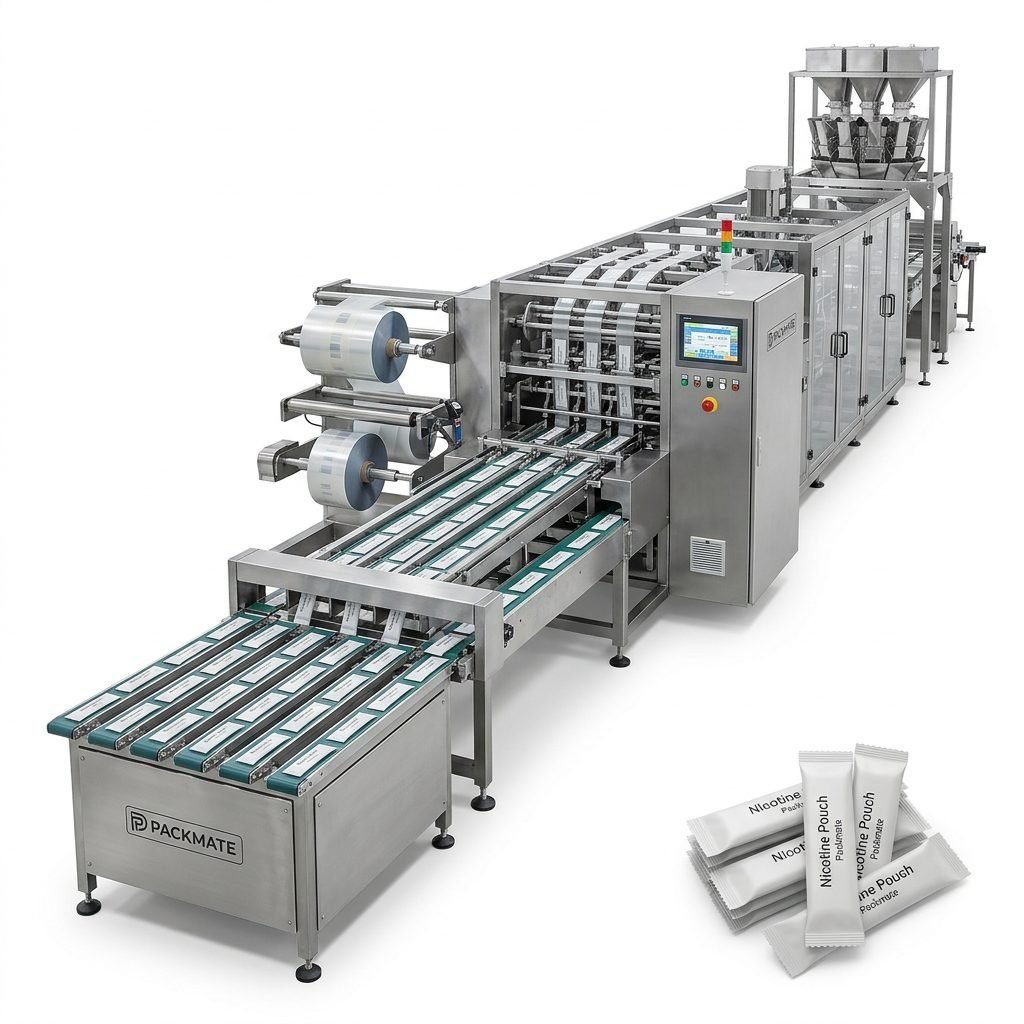
• Custom turnkey lines
For brands scaling quickly, a turnkey solution that integrates feeding, dosing, packing, and cartoning reduces project complexity. Consider suppliers with local after-sales presence to speed up installation and training.
Evaluating Suppliers: What to Ask and Inspect ✅
A vendor visit or remote audit should confirm engineering quality, spare parts management, and service responsiveness. Use a checklist tailored to nicotine packaging nuances.
• Certifications: Ensure CE, ISO and other relevant certifications—especially important for export-focused manufacturers.
• Factory capabilities: Verify CNC machining, assembly lines, and testing procedures. A 20,000㎡ facility with precision assembly shows capacity to deliver complex systems.
• Trials & demos: Request live trials with your product to check sealing integrity, fill accuracy, and material compatibility.
Technical Features to Prioritize
Select machines that minimize downtime and ensure consistent quality across long shifts common in Asian factories.
Precision dosing & weighing
Accurate weight control reduces waste and avoids regulatory issues with nicotine dosage. Look for high-precision weighers and integrated checkweigh systems.
Temperature and humidity control
Machines must accommodate moisture-sensitive inputs with dry hoppers, controlled feed zones, and fast sealing modules to prevent moisture ingress during packaging.
Ease of maintenance & local support
Select vendors offering spare-parts kits, remote diagnostics, and on-site training. In Asia, proximity of service engineers or rapid parts shipping significantly reduces downtime.
Cost Considerations & ROI Calculation 💰
Price is one element—total cost of ownership matters more. Account for installation, commissioning, tooling, spare parts, consumables, and projected uptime. High initial investment in robust multi-lane systems often pays off through lower labor and higher throughput in Asian operations.
• Payback model: Estimate units/day × margin per unit divided by total investment to estimate months to payback.
• Hidden costs: Training, format parts, and downtime during changeovers can all affect ROI—plan for them.
Why Choose an Experienced Manufacturer like Packmate
Suppliers with decades of engineering experience bring refined solutions for nicotine pouch production. Packmate Snus Machine, for example, combines 30+ years of experience, a 20,000㎡ manufacturing facility, and 50+ machine models—capabilities that reduce project risk and speed time-to-market. Explore product lines and turnkey options to see which models match your needs: Snus & Nicotine Packaging Machines.
Supplier validation steps
Visit the manufacturer’s factory if possible, request references in similar markets, and ask for case studies. See real-world examples of delivered lines and customer feedback: Case.
Installation, Training, and After-Sales Support
Smooth installation and thorough operator training are as important as machine selection. Ensure the supplier provides detailed commissioning plans, local language manuals, and on-site training sessions. For ongoing support, verify spare-part lead times and the availability of service contracts in your region.
Sustainable and Compliance-Friendly Packaging
Sustainable materials and recyclable layers are rising preferences among Asian consumers and regulators. Work with machinery that can handle eco-friendly films and variable laminates while maintaining seal integrity—this keeps your product future-proof.
Next Steps: RFP Template Essentials
When issuing an RFP, include: product descriptions and tolerances, expected capacity, required formats, in-line quality checks, regulatory documentation needs, environmental conditions, and service expectations. Request factory acceptance tests and video demos. Need detailed product specs from a trusted supplier? Learn more about tailored packaging systems: Filling & Packaging Lines.
Contact & resources
For direct consultations, machine portfolios, and exhibition demos, visit the manufacturer online or request a meeting. Discover the company story and capabilities to better align your procurement choices: About Packmate. To start a conversation about a tailored line, use the contact page: Contact Us.
Final Recommendations
In Asia, choose nicotine packaging machinery that balances throughput, environmental control, and easy maintenance. Prioritize partners with proven turnkey experience, local support channels, and a clear track record in snus and nicotine pouch production. A well-specified machine pays back through reduced waste, fewer recalls, and faster market entry.
Frequently Asked Questions
Q1: How important is humidity control for nicotine pouch packaging in Asia?
A1: Extremely important — humidity affects powder flow and seal quality. Choose machines with dry feeding systems and consider climate-controlled rooms for sensitive formats.
Q2: Can I retrofit existing lines to handle nicotine pouches?
A2: Often yes — with appropriate dosing modules, sealing stations, and control upgrades. A supplier can evaluate your line and recommend retrofit kits or a phased upgrade strategy.
Q3: What certifications should I request from suppliers?
A3: Request CE and ISO compliance as a baseline, plus documentation for materials traceability. For export, confirm adherence to destination-country regulations.
Q4: How do I ensure fast spare parts delivery in Asia?
A4: Partner with suppliers that have regional warehouses or authorized service centers. Also keep a critical spares kit on site based on supplier recommendations.
Q5: Where can I see real machine demos and references?
A5: Request factory acceptance tests, remote demos, and case study references from your supplier. Visit exhibition demos for live performance — see upcoming shows to meet suppliers in person.