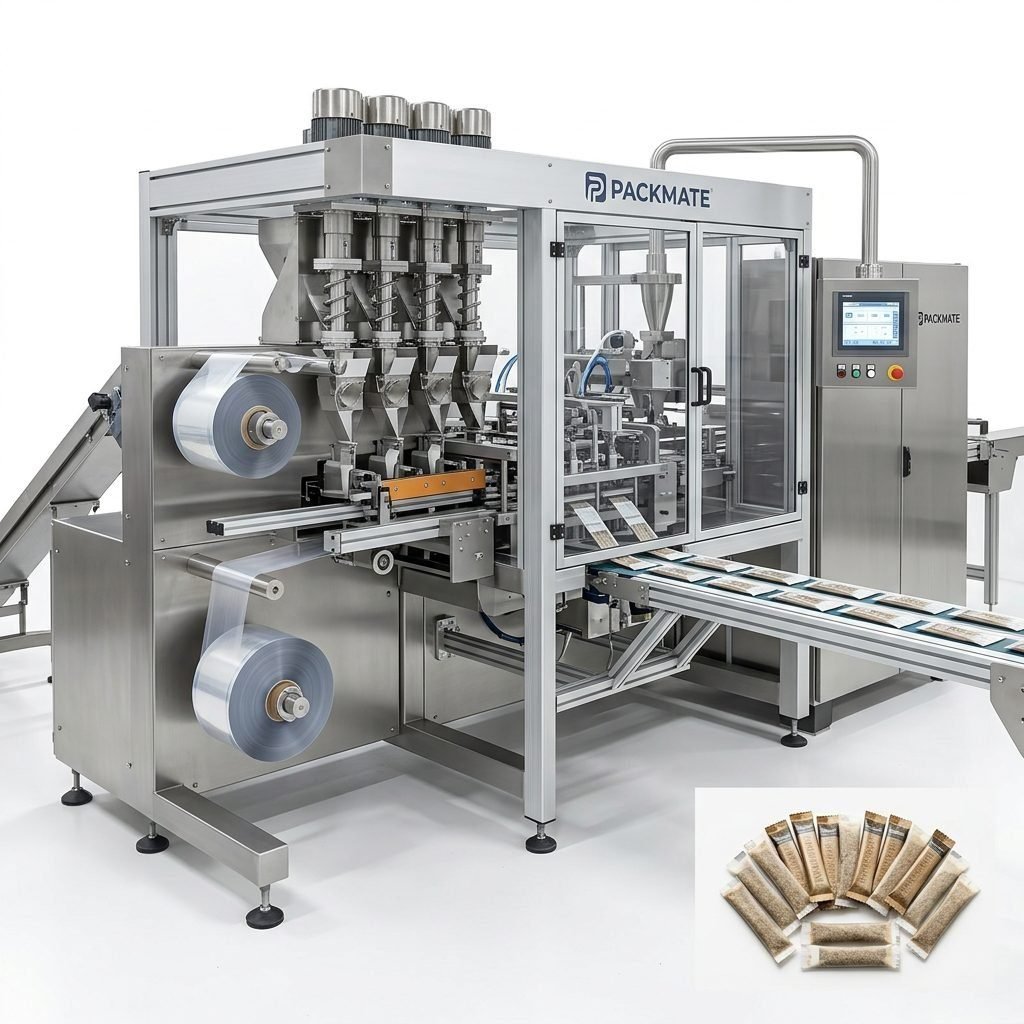
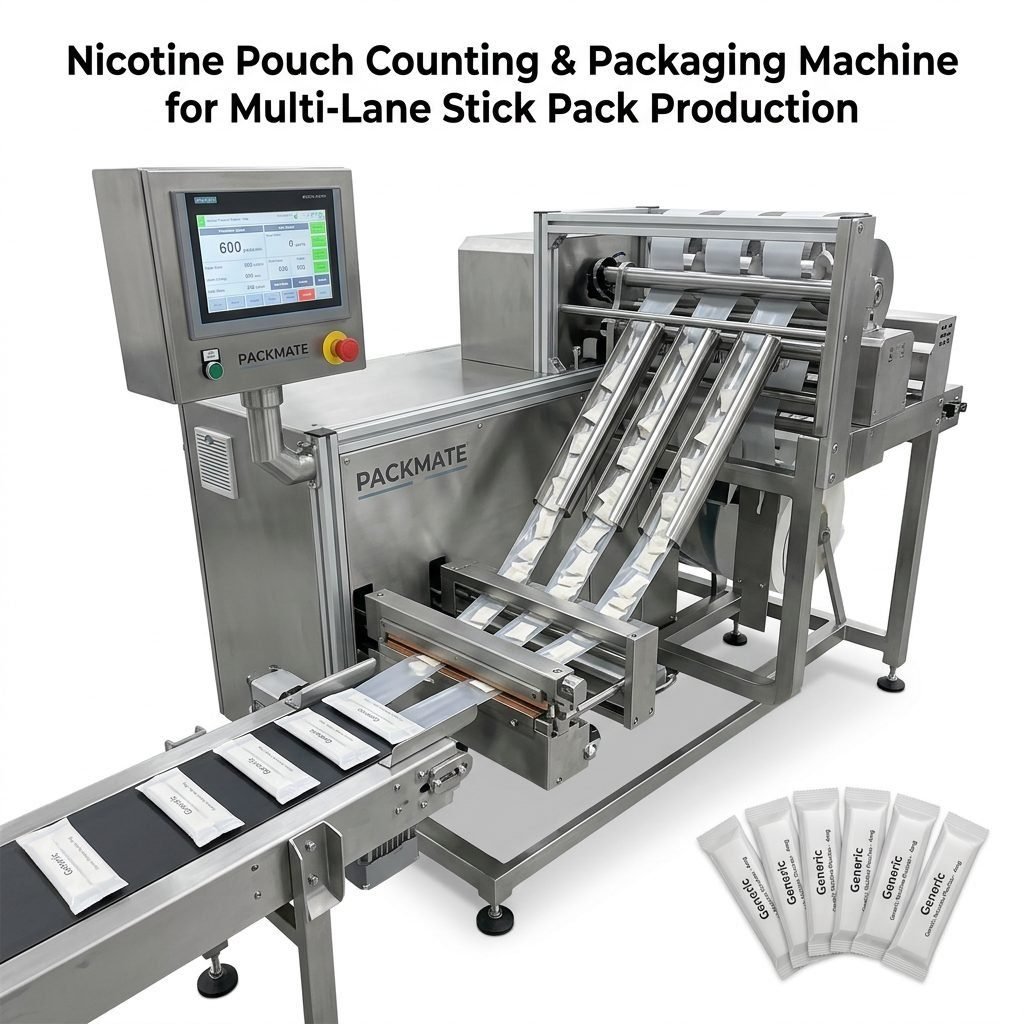
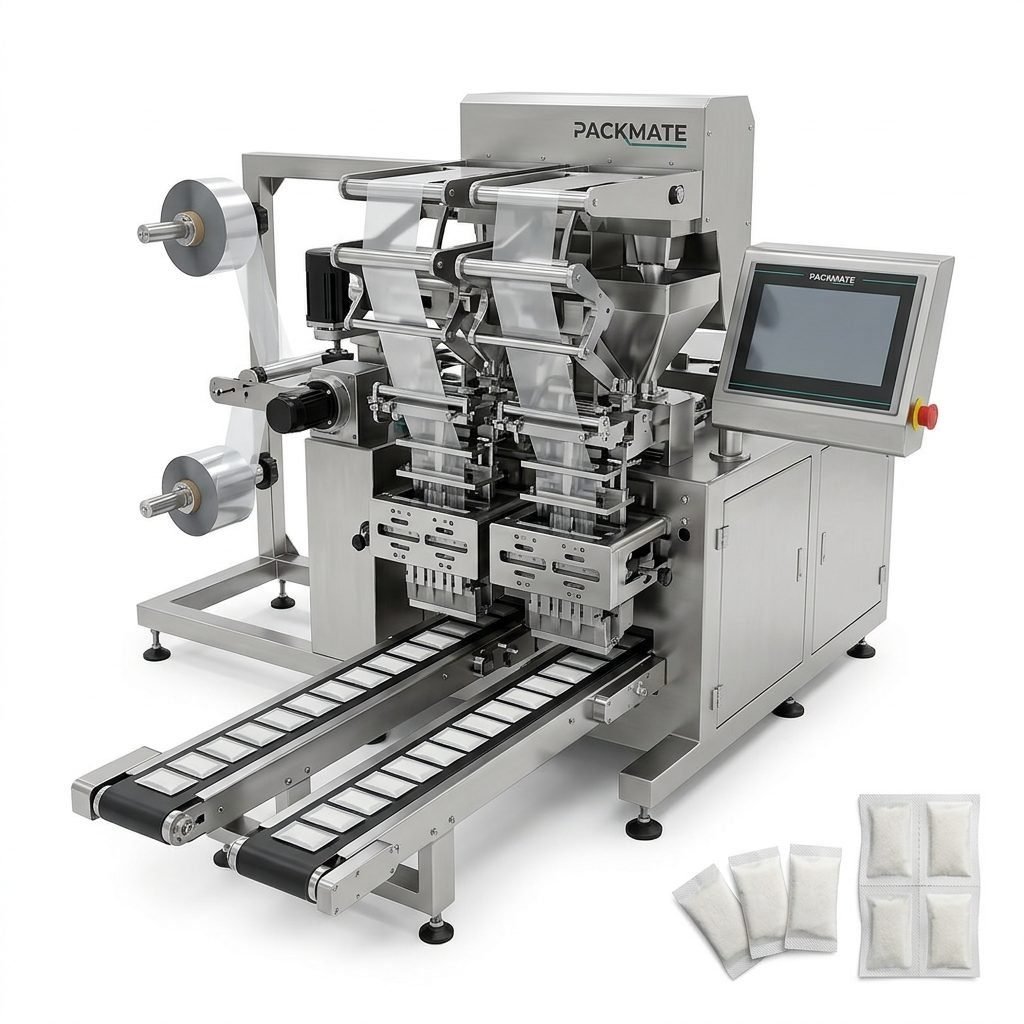
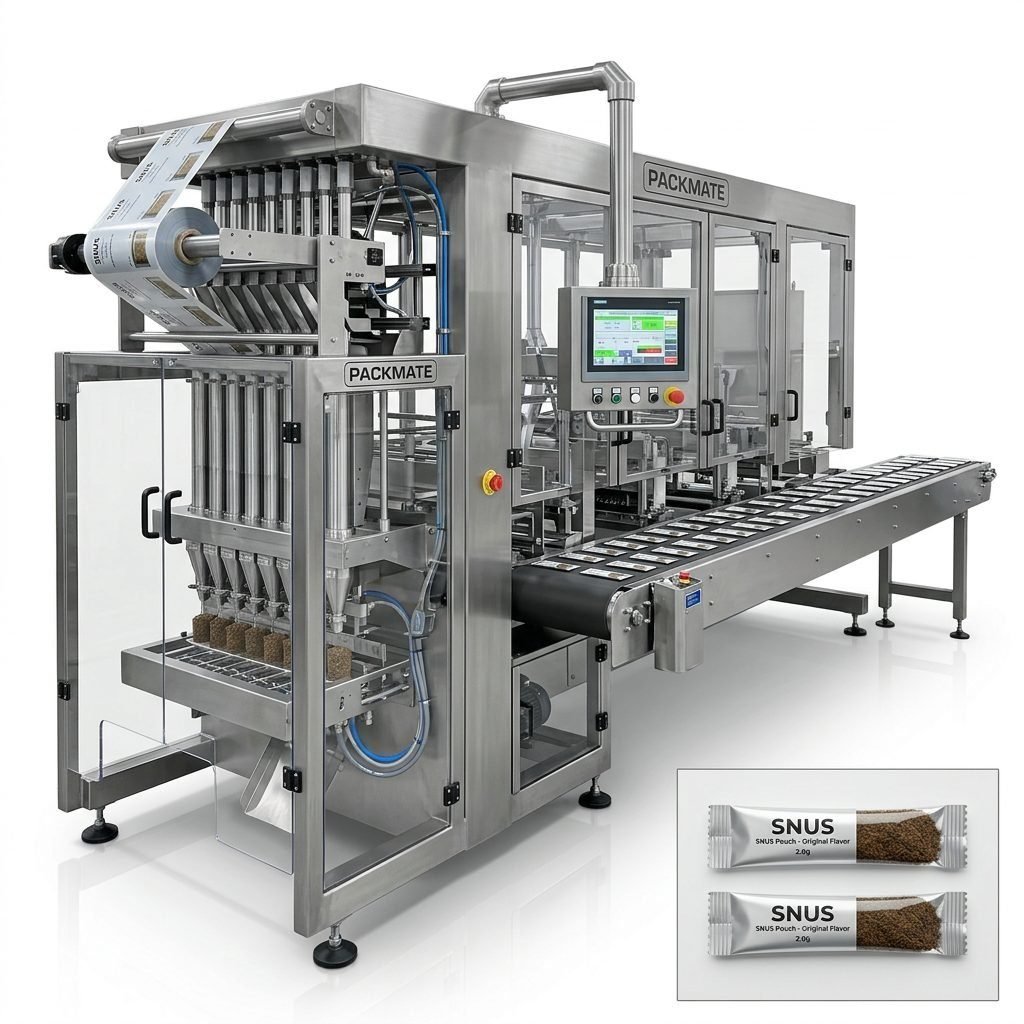
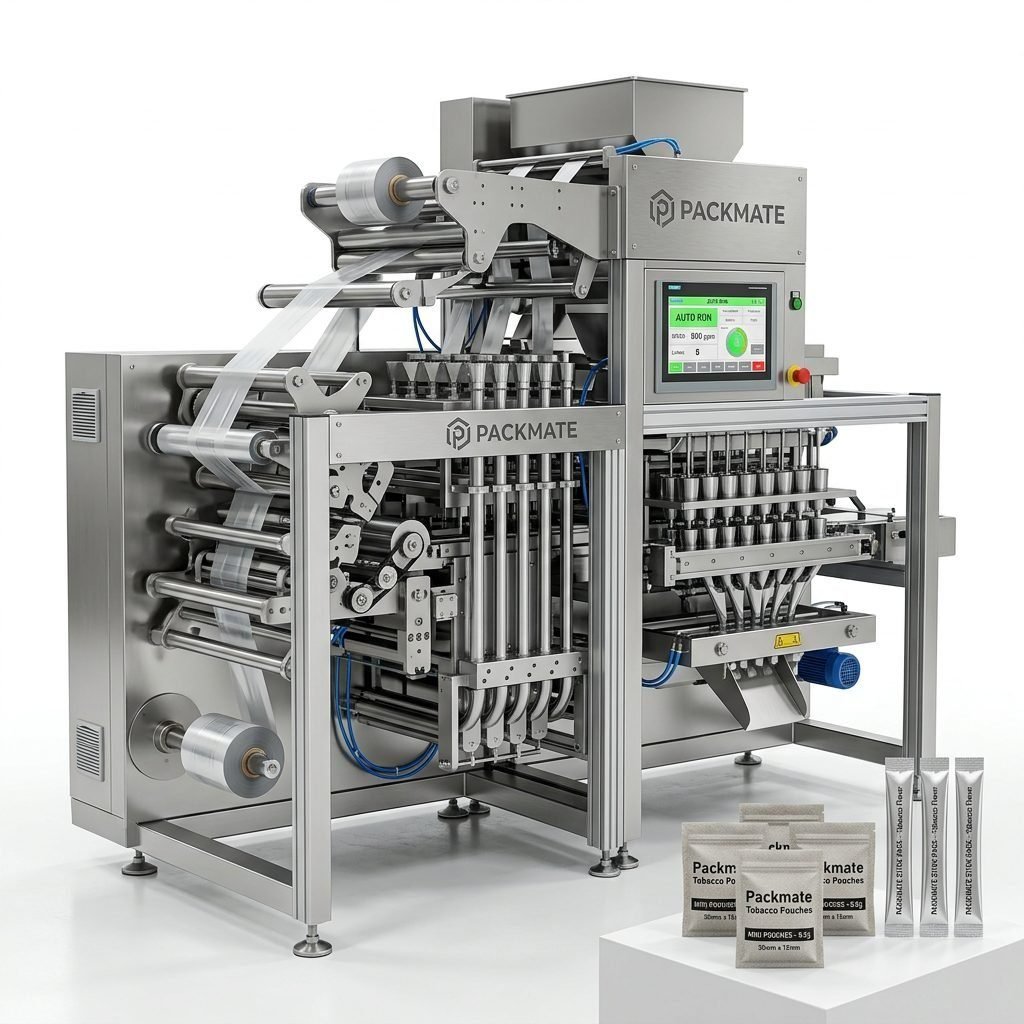
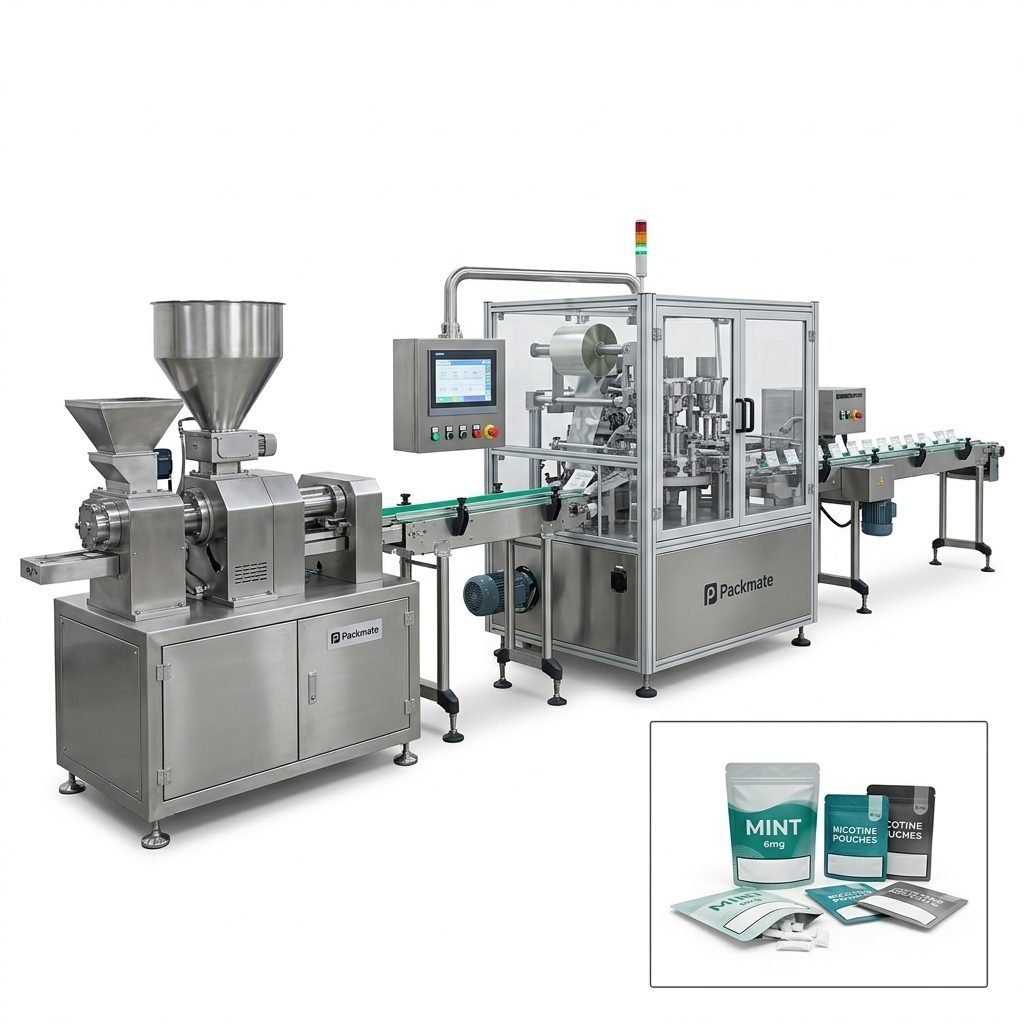
Selecting the right nicotine packaging machinery supplier for your production needs in Andorra requires a practical blend of technical assessment, local market understanding, and long-term partnership thinking. This guide walks you through how to evaluate potential suppliers, what technical and commercial criteria to prioritize, and important local considerations specific to Andorra’s unique market and consumer habits.
Understand Your Production Requirements First
Before contacting any supplier, map out your expected production volumes, product formats, and growth projections. Ask yourself:
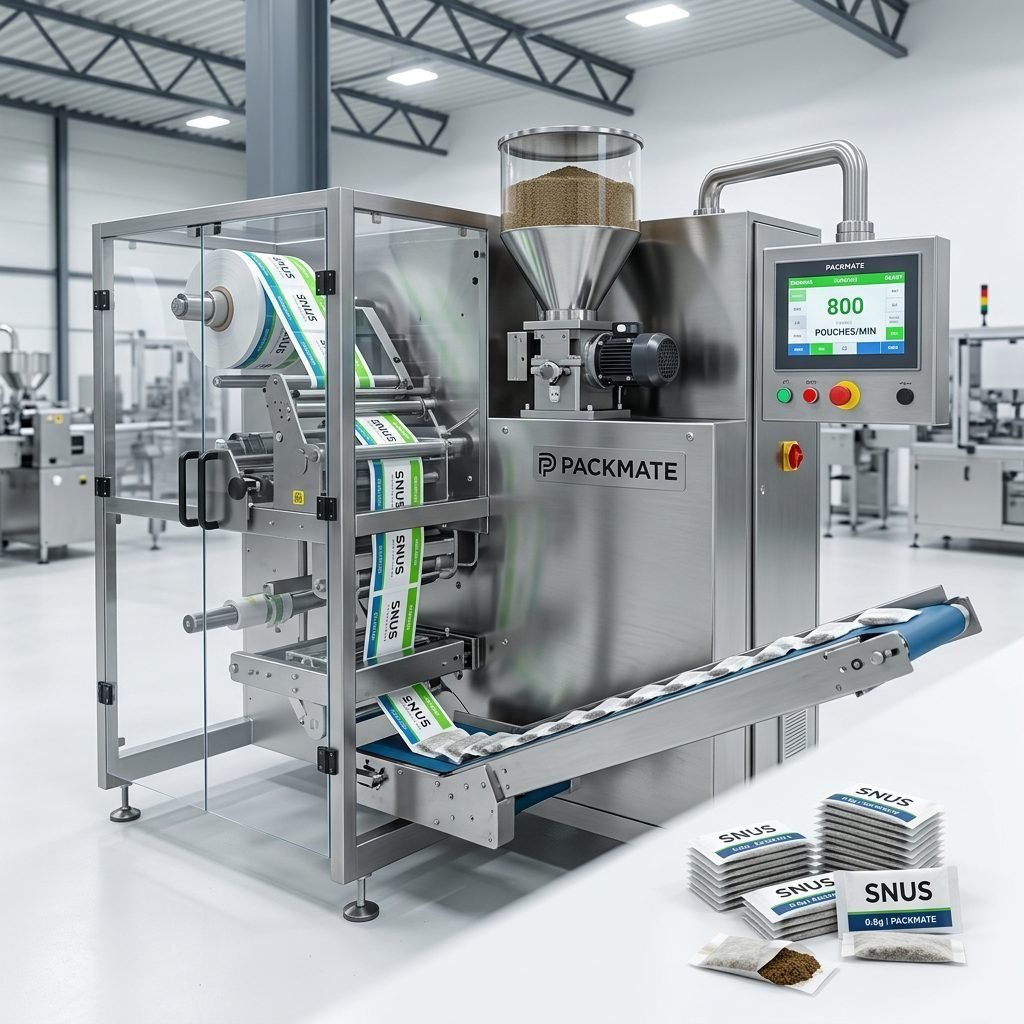
- Which pouch formats will you produce (single-dose snus pouches, stick packs, sachets)?
- What is your target daily/weekly throughput?
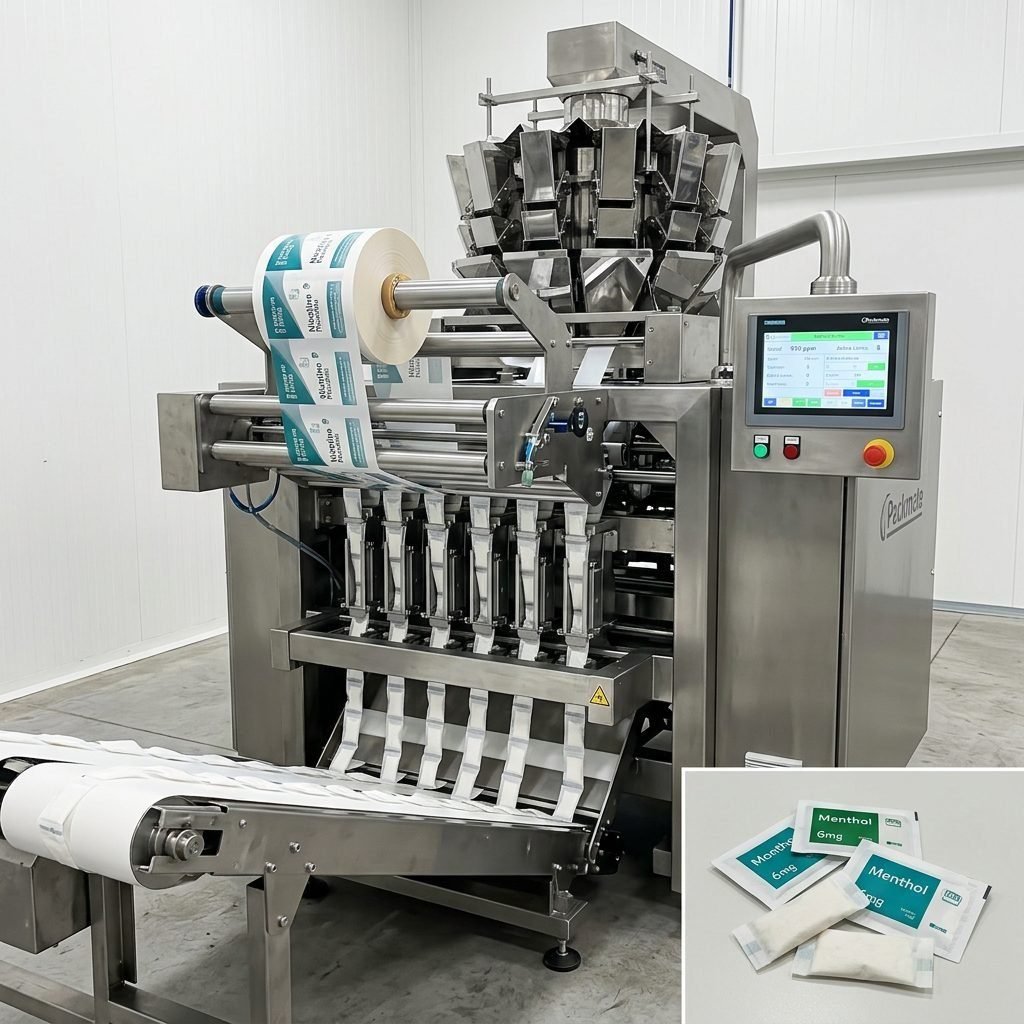
- Do you need single-lane or multi-lane high-speed lines?
- Will you be packing powders, granules, or moist nicotine pouch blends?
For compact operations common in Andorra, many manufacturers recommend flexible multi-format machines that are easy to changeover and maintain.
Verify Supplier Expertise and Track Record
Experience matters. Look for suppliers with a proven history in snus and nicotine pouch packaging—those who understand the delicate dosing, moisture control and tamper-evident requirements of these products. Key evidence of expertise includes:
- Years of engineering experience: Suppliers with decades of R&D and manufacturing are better at solving real-world production issues.
- Diverse machine models: A broad product lineup (stick pack, sachet, multi-lane) shows maturity and design depth.
- Factory capability: Modern CNC machining, precision assembly lines and testing labs are signs of consistent quality control.
Example: manufacturers who publish case studies and machine specifications (see more in project cases) give clearer insight into real deployments.
Assess Technical Compatibility
Your supplier must provide equipment that fits both your product and your factory environment. Evaluate:
- Packaging formats supported – single-dose nicotine pouches, multi-lane sachets, stick packs and related options.
- Filling accuracy – repeatable dosing for small-dose nicotine pouches is critical for compliance and quality.
- Materials compatibility – whether you use cellulose pouches, non-woven substrates or laminated films, machines must be tuned accordingly.
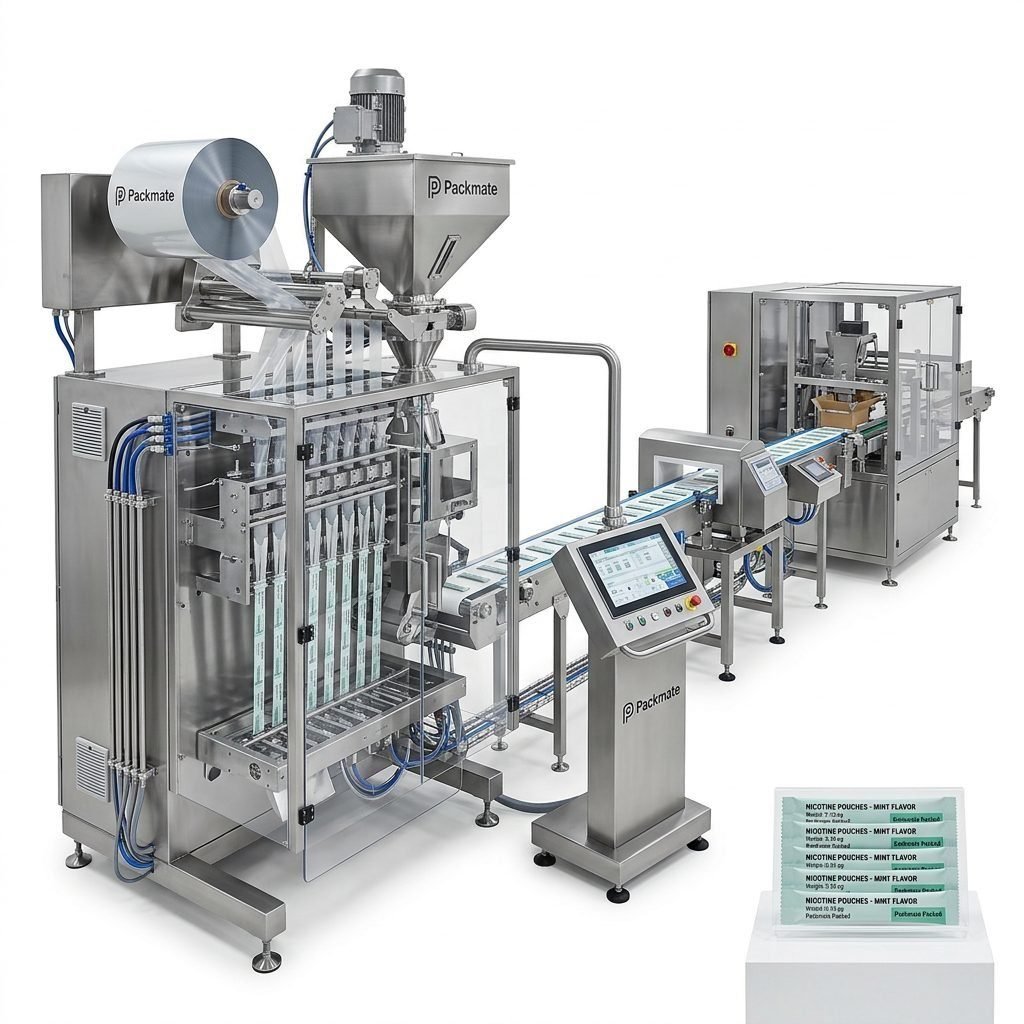
- Integration ability – check compatibility with weighing modules, metal detectors, labellers and case packers.
For a quick look at common machine types and configurations, consult product pages like Snus & Nicotine Packaging Machines and Sachet & Stick Pack Machines.
Quality, Certifications and Compliance
Machines used for nicotine products must meet strict safety and quality standards. Ask suppliers for:
- International certifications (CE, ISO) and documentation for electrical, mechanical and safety systems.
- Traceable quality control records and factory testing reports.
- Compliance support for labelling and packaging regulations in your target markets (Andorra’s small domestic market and cross-border tourism flows).
Service, Spare Parts and Local Support
Reliable after-sale service is a top selection criterion. Prioritize suppliers that provide:
- Global support network or quick remote assistance for troubleshooting.
- Spare parts availability and clear lead times—critical when operating in a region with limited local suppliers.
- Training and commissioning—onsite or remote startup support to get your line qualified faster.
For Andorra, consider suppliers who can offer remote diagnostics or fast-shipped spare parts since the country’s small logistics network can add delivery time for replacements.
Factory Visits and Live Demonstrations
Whenever possible, arrange a factory tour or attend an exhibition demonstration. Seeing machines run with real product gives you confidence in throughput, reliability and ease of cleaning. Suppliers who participate in major trade shows and publish live demo schedules are often more transparent—check their exhibition activity (Our Exhibition).
Evaluate Total Cost of Ownership (TCO) — Not Just the Price
Initial purchase price is only part of the cost equation. TCO includes energy consumption, spare parts, downtime, consumables and upgrade paths. Create a 3–5 year TCO comparison when evaluating quotes.
- Energy efficiency and compressed air usage
- Mean time between failures (MTBF) and average repair times
- Availability and cost of wear parts (seals, cutters, dosing nozzles)
- Software updates and remote support fees
Customization, Modularity and Future-Proofing
Your supplier should offer modular solutions so you can scale or reconfigure lines as product SKUs evolve. Look for:
- Interchangeable dosing modules
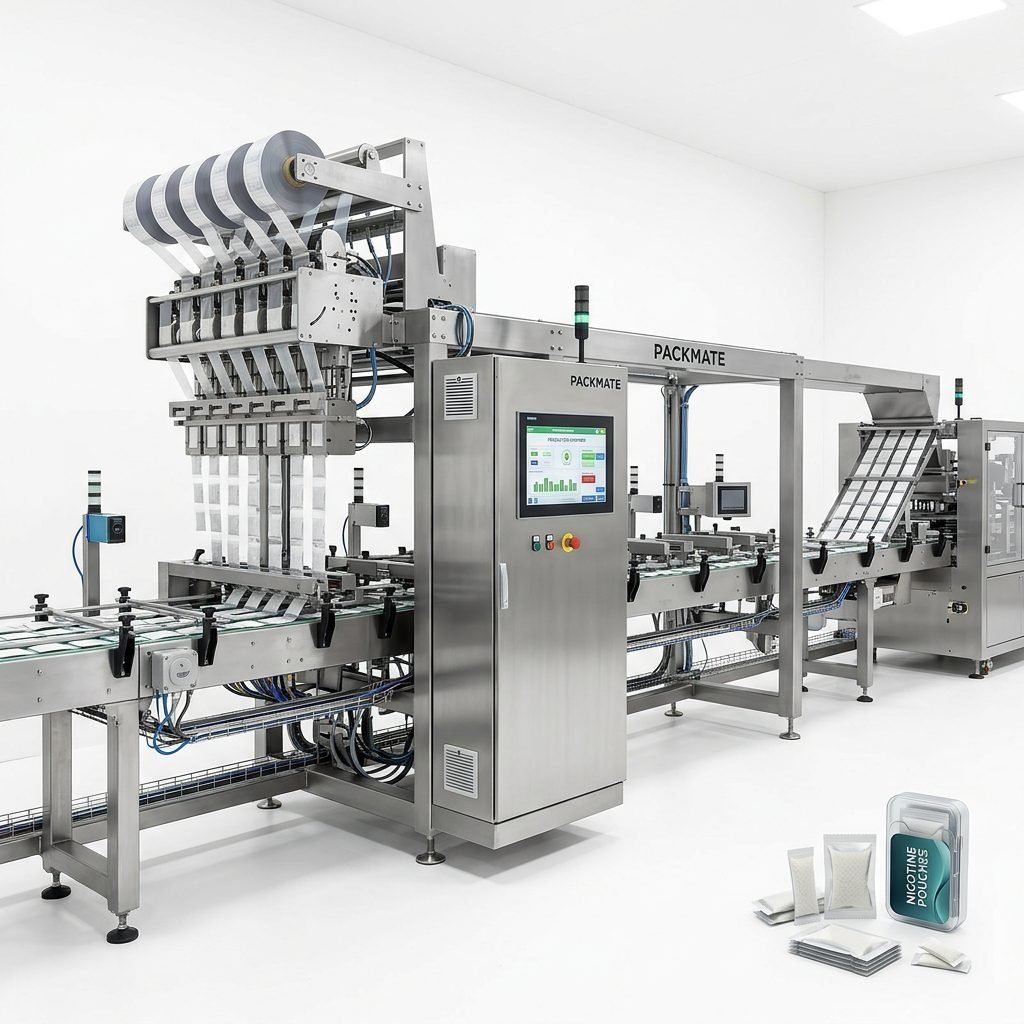
- Expandable multi-lane configurations
- Software-driven recipe management for quick changeovers
Documentation, Warranties and Training
Strong documentation and warranties reduce operational risk. Confirm:
- Clear warranty terms and coverage scope
- Comprehensive operation & maintenance manuals in a language your team understands
- Operator and maintenance training packages
Local Market and Cultural Considerations in Andorra
Andorra is a small, high-tourism country with multilingual consumers (Catalan, Spanish, French). These facts influence packaging and supplier selection in several ways:
- Label language flexibility: You may need multi-language printing capability for packaging or secondary inserts.
- Seasonal demand swings: Tourism-driven sales can mean seasonal spikes—choose machines that can run reliably under occasional high-load conditions.
- Distribution and logistics: Andorra’s non-EU status requires smart logistics planning for raw materials and spare parts; suppliers who help with logistics or have regional partners reduce lead-time risk.
- Local compliance and labelling: Confirm what regulatory text is required in your sales regions; suppliers with export experience can support documentation.
How to Compare Supplier Quotes — A Practical Checklist
When comparing bids, evaluate each quote against the same criteria. Use this checklist:
- Scope of supply (complete line vs. single machine)
- Guaranteed throughput and acceptance criteria
- List of included spare parts and recommended spares
- Warranty duration and exclusions
- Delivery and installation timeline
- Training and documentation language
- After-sales SLA, remote support options and response times
Always request real-world performance data (OEE, downtime, sample product runs) and contactable references from customers who produce similar formats.
Selecting the Right Partner — Beyond Machines
The ideal supplier is a partner offering engineering expertise, regulatory knowledge and long-term service. Consider suppliers who share case studies and technical resources and who are transparent about lead times and capabilities—learn more about a full-service manufacturer and their solutions on the About Packmate page.
Negotiation Tips and Contract Clauses
When finalizing agreements, be clear on acceptance testing, liquidated damages for missed delivery milestones, spare parts supply timelines, and warranty service response times. Insist on FAT (Factory Acceptance Test) and SAT (Site Acceptance Test) protocols that use your product to prove performance.
Why Choose a Manufacturer with Turnkey Experience?
Turnkey suppliers can design and deliver the entire line—filling, packaging, quality inspection and final packing—which simplifies integration and accountability. Check the supplier’s portfolio of full lines such as weighing & packaging systems and filling lines (Weighing & Packaging Systems, Filling & Packaging Lines).
Making the Final Decision
Balance technical fit, supplier reliability, service capability and TCO. Favor suppliers who demonstrate clear understanding of nicotine pouch production, flexible solutions for small but growing markets like Andorra, and fast, responsible support models.
Investing time in supplier due diligence pays off with higher uptime, better product quality and faster time-to-market—critical advantages when serving a tourism-driven, multilingual market such as Andorra.
Frequently Asked Questions
1. What machine types are best for small-scale nicotine pouch production in Andorra?
For small-scale production, flexible single-lane machines or compact multi-lane modules that allow quick changeovers are ideal. They offer a balance between footprint, cost and output and are easier to maintain when local service resources are limited.
2. How important are certifications like CE and ISO?
Certifications are essential as they demonstrate compliance with international safety and quality standards. They also simplify cross-border shipping and regulatory acceptance when supplying tourists and neighboring markets.
3. Can suppliers help with logistics and spare parts delivery to Andorra?
Many experienced suppliers offer logistics support or regional distribution partners. Ask potential vendors about spare parts stock, express shipping options and approximate lead times to Andorra to avoid long downtimes.
4. Where can I see machine demonstrations and real project references?
Look for suppliers that publish case studies and attend international exhibitions. You can view examples of deployed lines and company exhibitions via their case and exhibition pages: Case and Our Exhibition.
5. How do I contact a reliable supplier for a tailored quote?
Provide detailed product specs, desired throughput and any special packaging requirements, then request a site visit, FAT and references. To start a direct conversation, use the supplier’s contact channels: Contact Us.