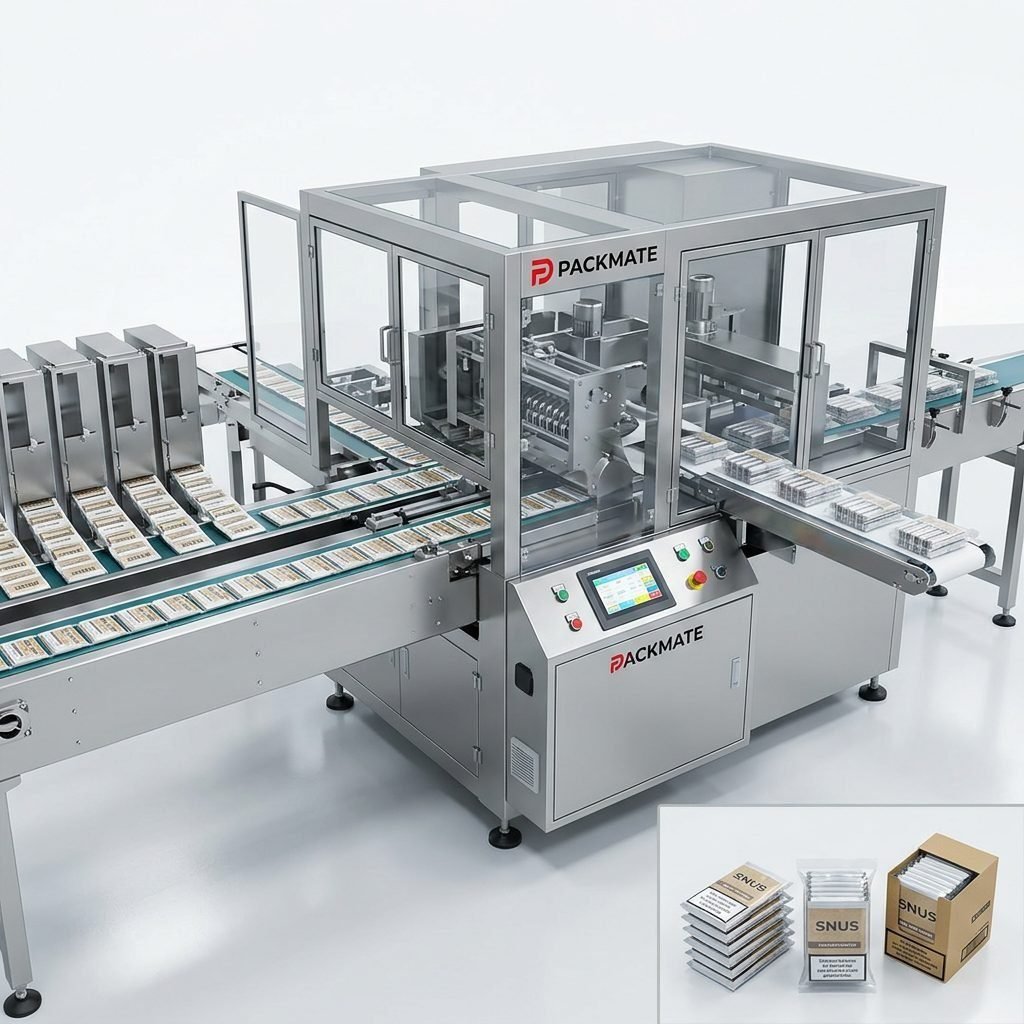
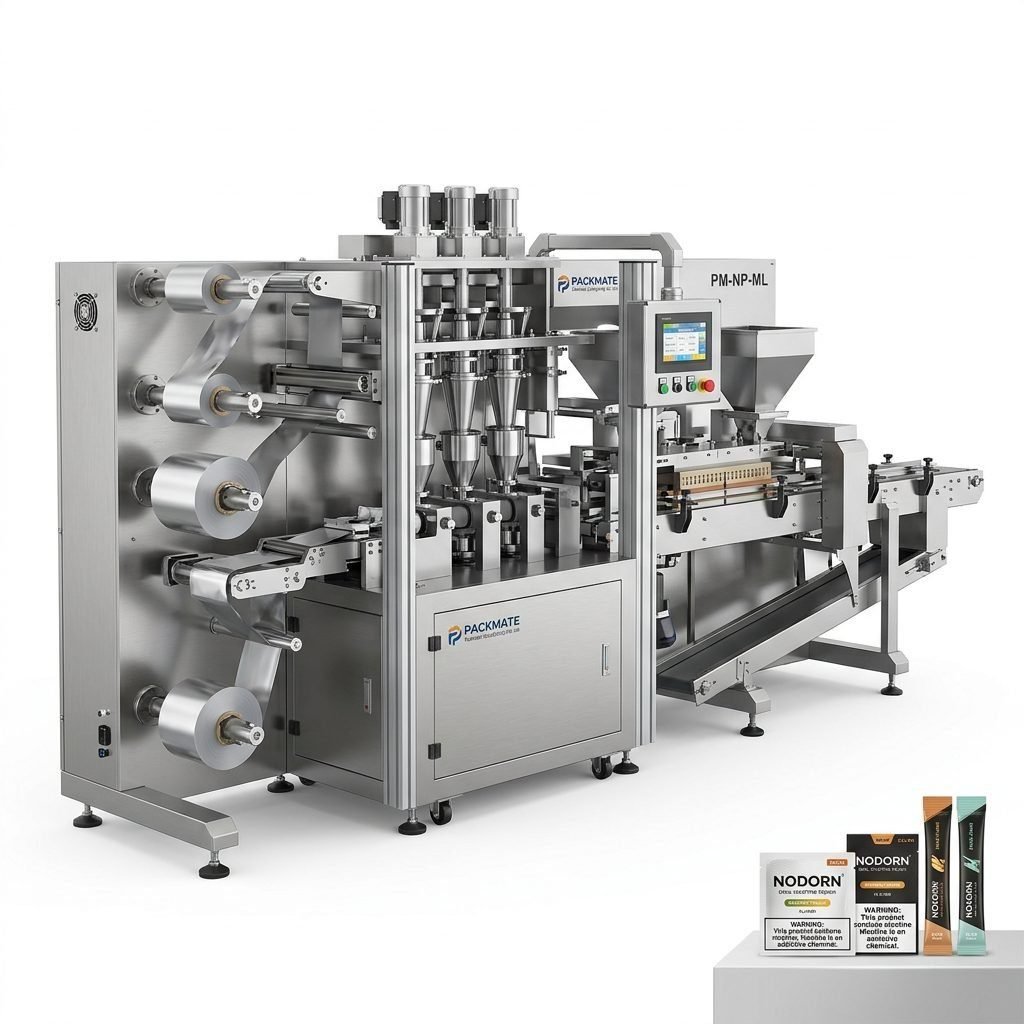
Choosing the right nicotine packaging machine supplier in Mexico can make or break your production plans. Whether you are launching a new nicotine pouch brand, scaling up snus output, or replacing aging equipment, a dependable partner will deliver machines that meet regulatory standards, minimize downtime, and offer strong after-sales support. This guide walks you through practical steps—rooted in industry experience and Mexican market realities—to find a reliable supplier and secure a packaging line that fits your needs.
Why supplier choice matters: more than the machine
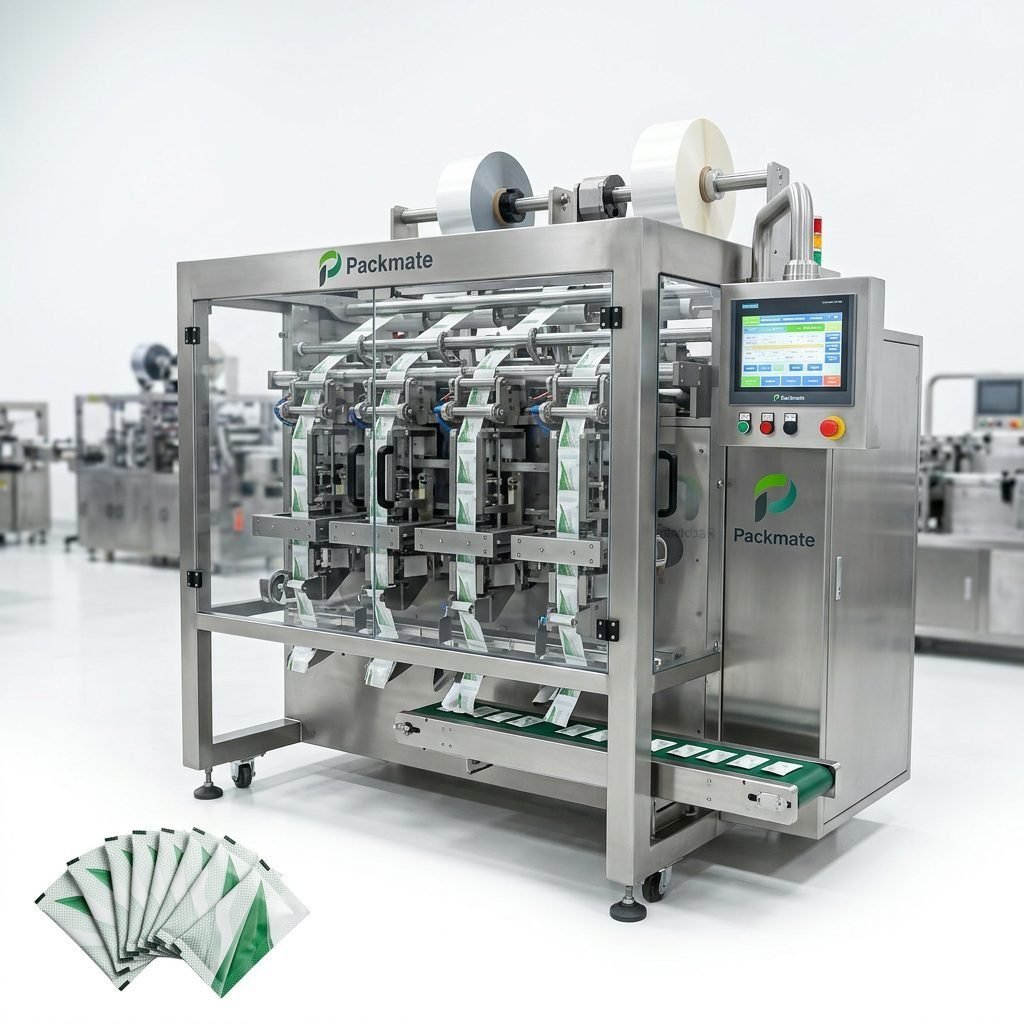
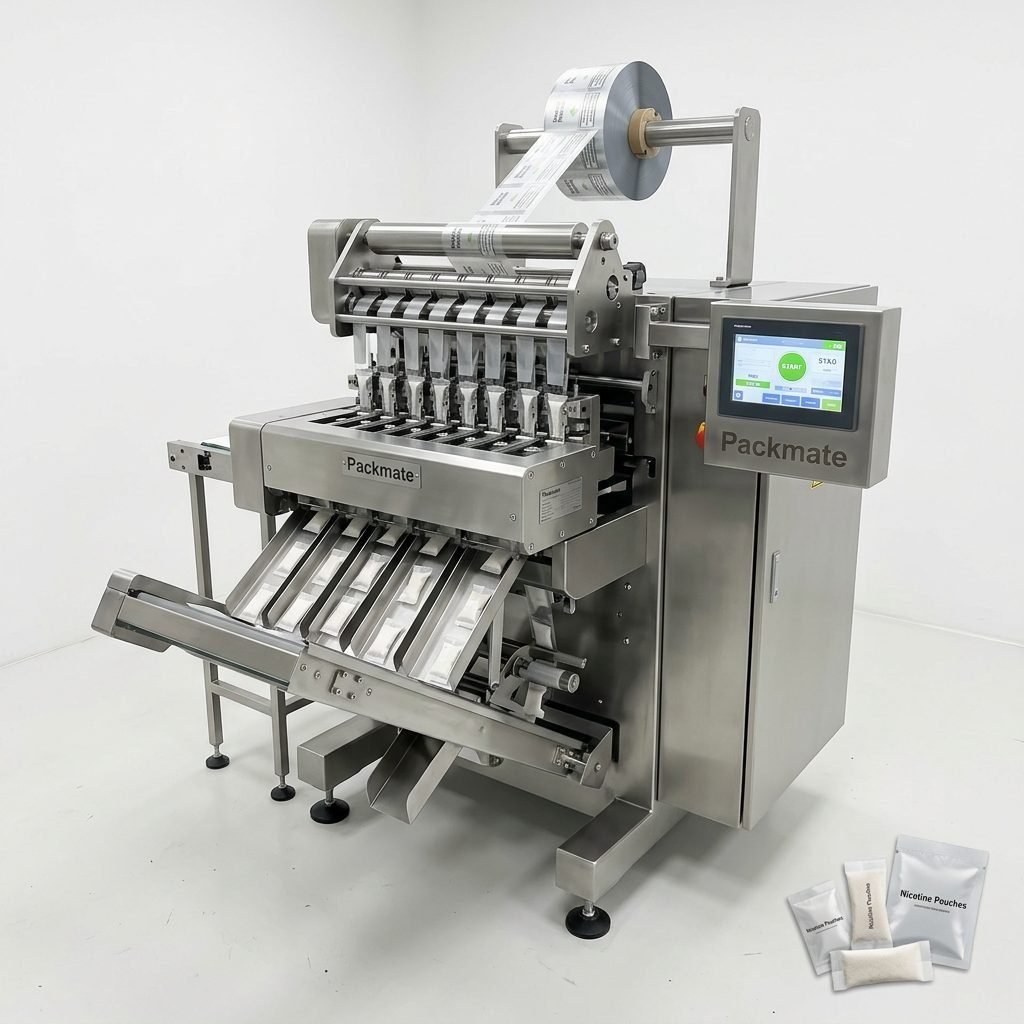
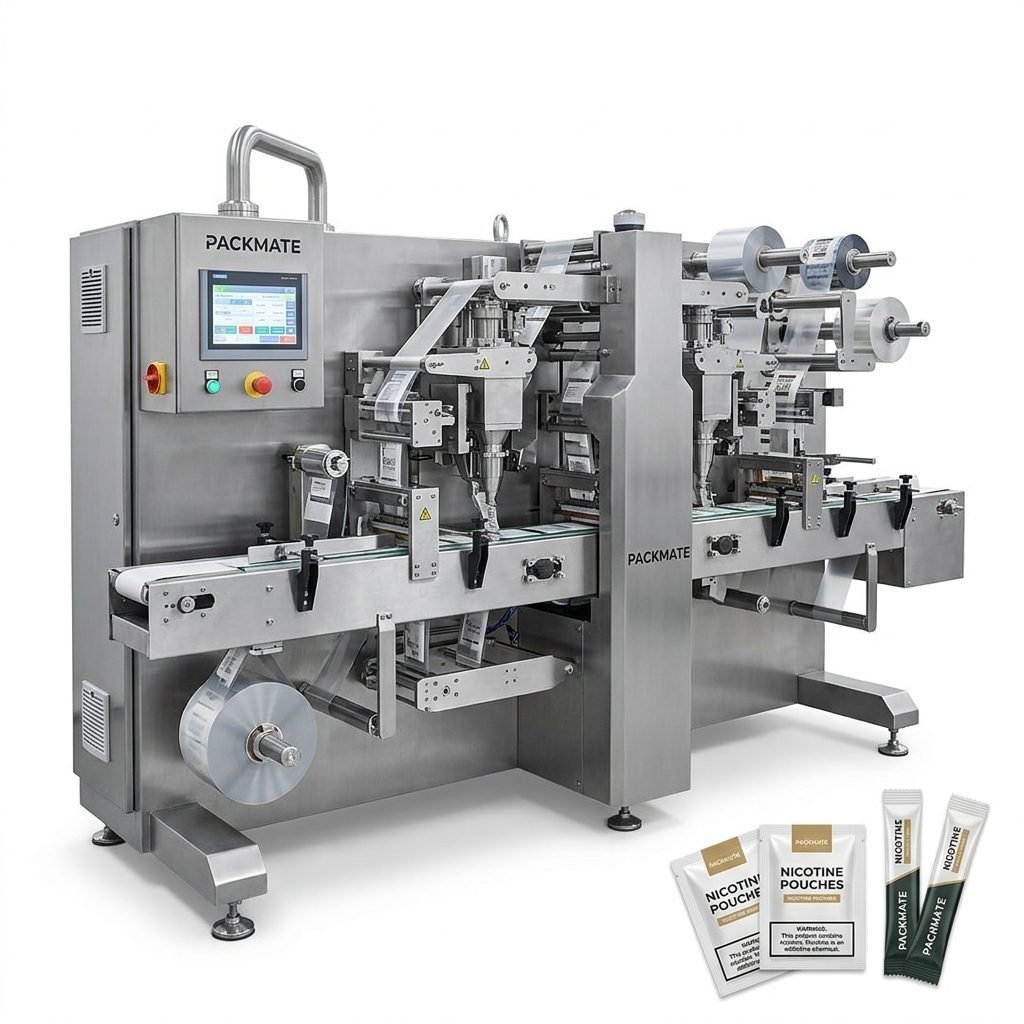
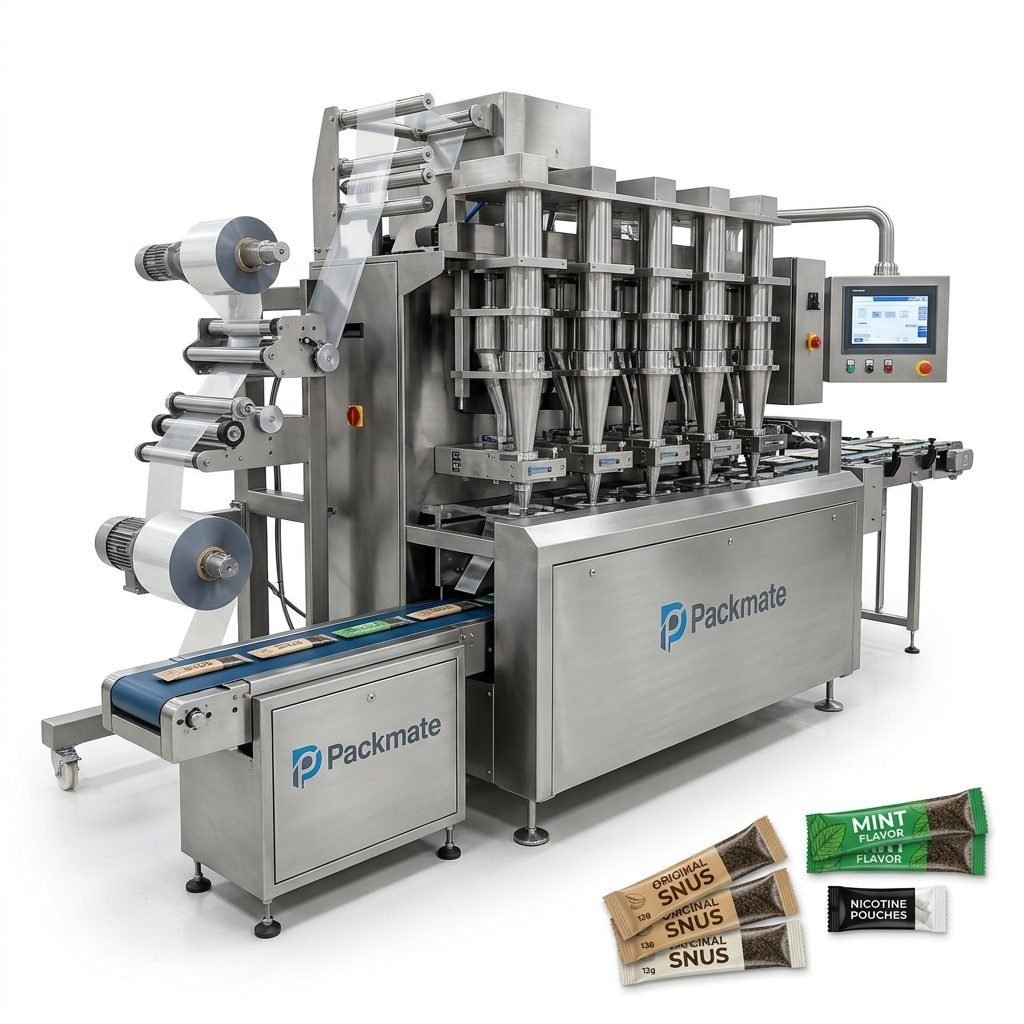
A packaging machine is a long-term asset. The right supplier not only provides robust equipment (stick pack, sachet, multi-lane snus systems) but also offers:
- After-sales technical support and spare parts availability
- Local service or fast remote troubleshooting
- Compliance documentation for Mexican import/customs and product regulations
- Ability to customize speed, lanes, and feeding systems for your nicotine pouch format
A quick supplier snapshot to look for
Key indicators 🔍:
– Factory scale & tooling capability (CNC centers, assembly lines) | – Track record in snus/nicotine pouch machines | – CE/ISO certifications | – Turnkey solutions portfolio
Mexico-specific considerations
When sourcing equipment for Mexico, keep local factors top of mind:
- Regulatory environment: Mexico enforces customs and sanitary requirements for nicotine products; ensure your supplier provides full technical files and certificates to ease import clearance.
- Business culture: Mexican buyers value trust and relationships—suppliers that offer responsive communication, clear timelines, and occasional in-person visits score higher.
- Logistics & lead times: Sea freight from Asia to Mexican ports (e.g., Manzanillo, Veracruz) and inland transport can add weeks; confirm delivery windows and packaging for long shipments.
- After-sales service: Local spare parts distribution or fast courier support matters—ask about parts warehouses or authorized service partners near Mexico.
Cultural tip
Building rapport is important. Spanish-language documentation and clear warranty terms help. Consider scheduling video calls in the afternoon (Mexico’s standard business hours) and be ready for follow-ups—relationships often speed problem resolution.
Step-by-step evaluation checklist
Use this checklist when vetting potential suppliers—either domestic distributors or international manufacturers.
1. Verify company credentials and factory strength
Ask for a company profile, factory photos, equipment lists, and production capacity. Suppliers with decades of engineering experience and large facilities are more likely to deliver consistent quality. For example, manufacturers that operate extensive CNC machining centers and precision assembly lines offer better long-term reliability.
2. Confirm product range and relevant models
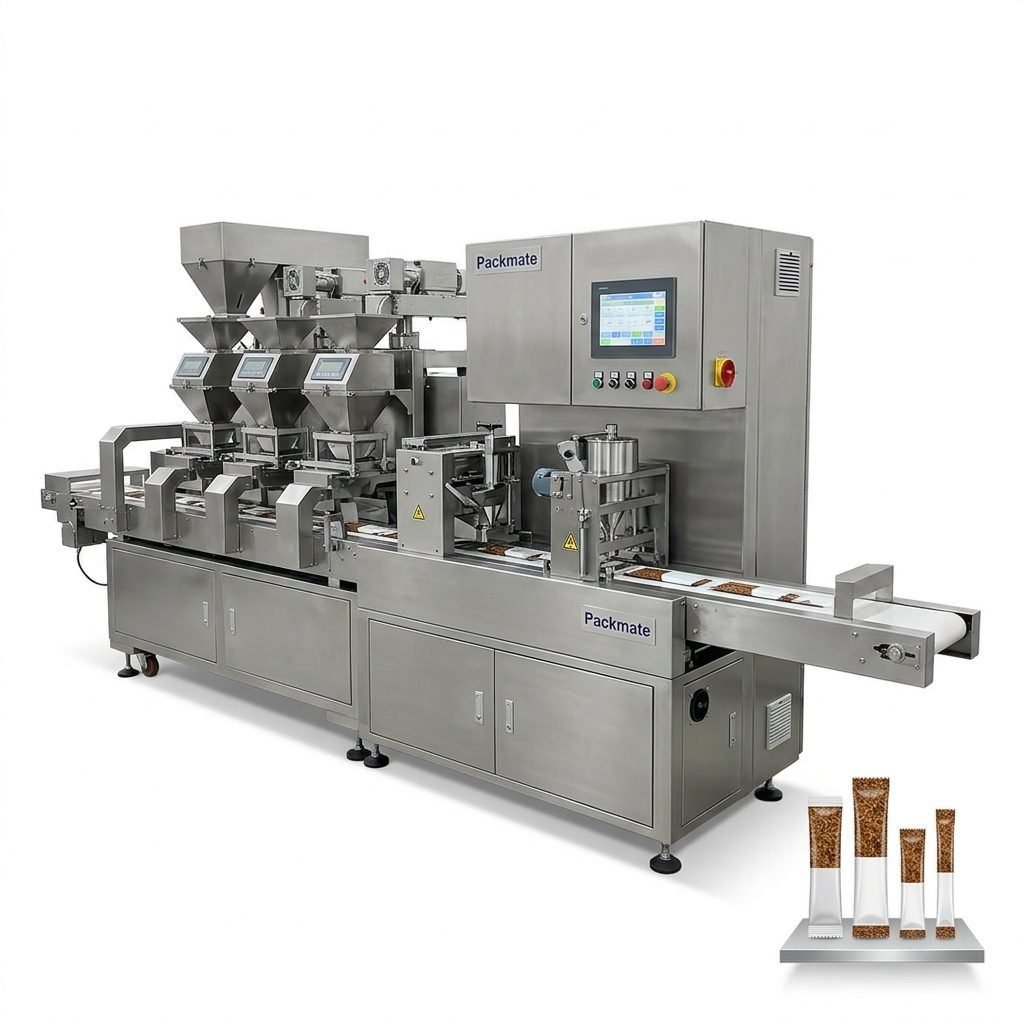
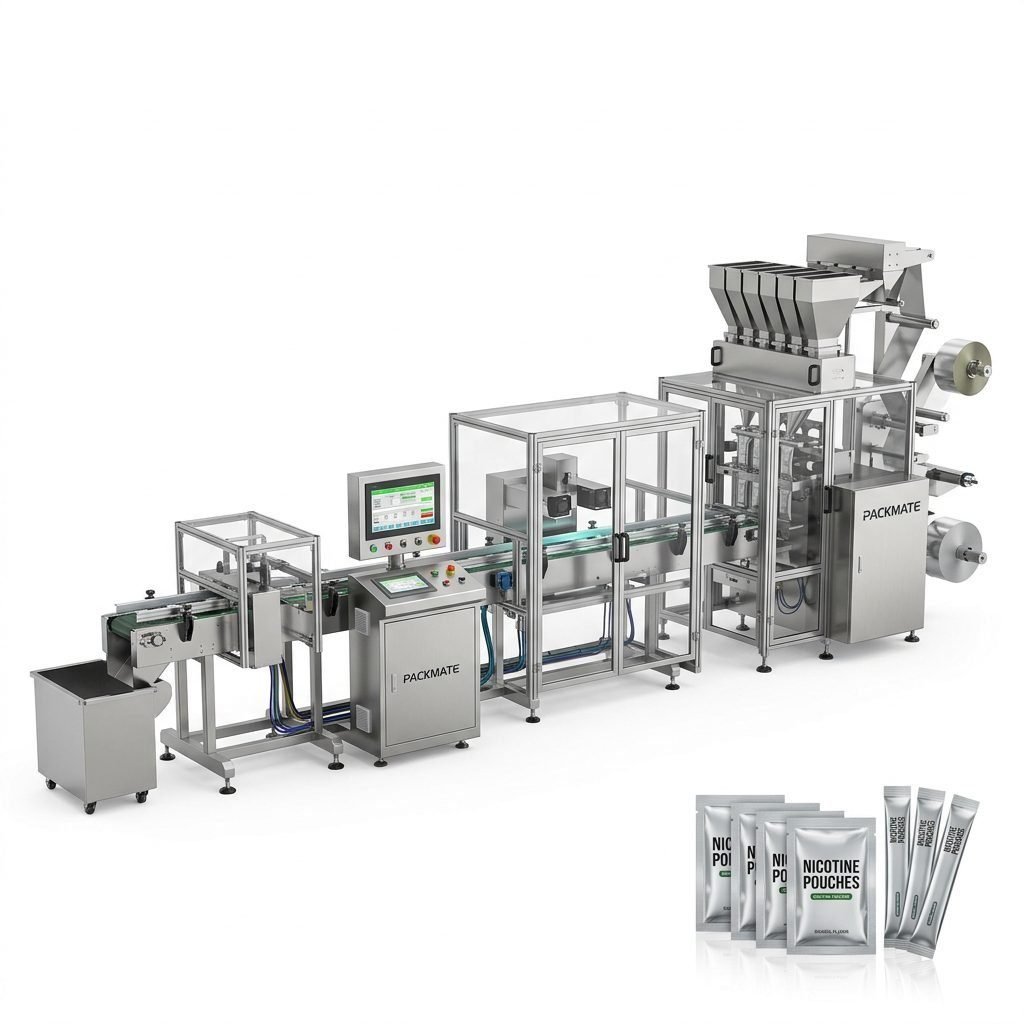
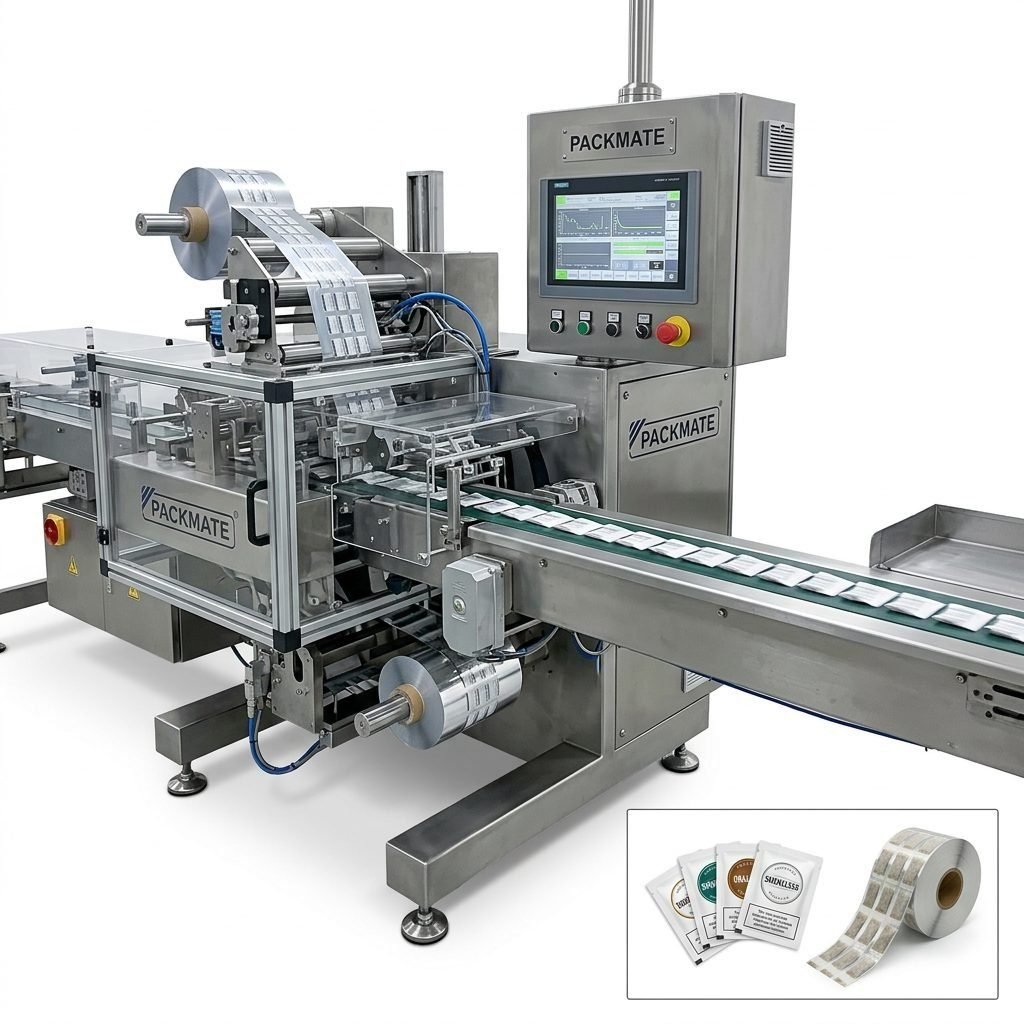
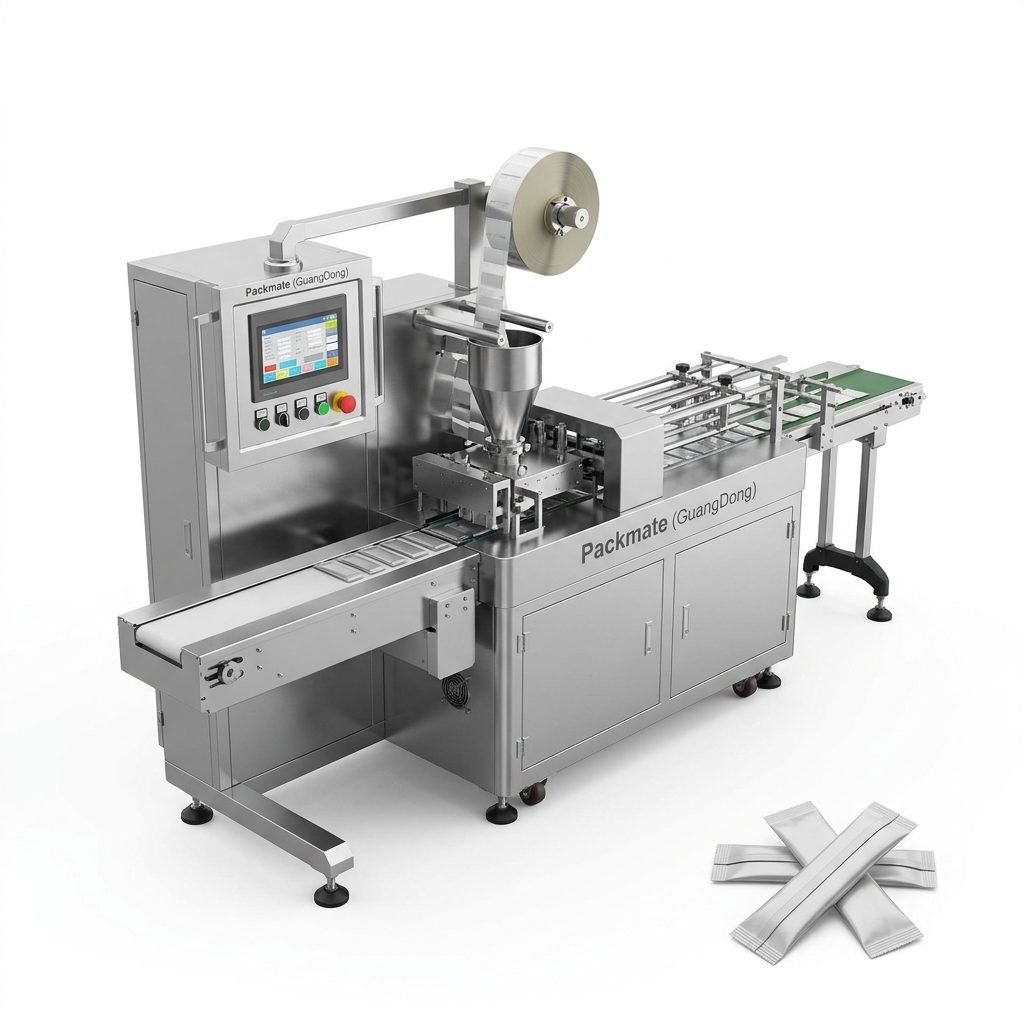
Choose suppliers experienced with nicotine pouch formats: multi-lane snus systems, stick packs, or sachet machines. Request machine specifications—output speed (ppm), lane count, pouch size range, dosing methods—and check whether they have tailored solutions. For hands-on details, see supplier product pages such as Snus & Nicotine Packaging Machines and Sachet & Stick Pack Machines.
3. Ask for references and case studies
Important ✅: Request customer contacts or published cases to confirm real-world performance. Many reputable suppliers maintain a case library—see examples on the supplier’s Case page.
4. Inspect certifications and compliance
International standards like CE and ISO show commitment to safety and quality. Also ask for calibration certificates of critical components and documentation that helps with Mexican customs clearance. A supplier’s Certificate page often provides downloadable proof.
5. Factory acceptance tests & demonstration
A factory acceptance test (FAT) or live demo proves machine performance. When possible, attend a live demo or request a recorded run with product samples similar to yours. Confirm cycle rates, pouch integrity, and packaging aesthetics.
Technical and commercial negotiation tips
Negotiation covers price and crucial terms that affect total cost of ownership:
- Scope of supply: List included items (spare parts, tooling sets, software licenses, mechanical drawings).
- Warranty: Standard 12 months is common; negotiate response times and remote support commitments.
- Training: Confirm on-site commissioning and operator training in Mexico (or remote options in Spanish).
- Payment terms: Balance down payment and final payment after FAT or installation to reduce supplier risk and yours.
- Spare parts lead time: Secure guaranteed lead times for critical spares and consider stocking fast-moving parts locally in Mexico.
Logistics, import, and setup in Mexico
Planning shipping and customs in advance avoids delays:
- Confirm machine packing meets long-sea transit standards and includes lifting drawings for cranes at Mexican ports.
- Obtain full commercial invoice, packing list, CE/ISO certificates, and operation manuals—these expedite customs clearance.
- Work with a customs broker experienced in industrial machinery imports for tariffs, NAFTA/USMCA applicability, and clearance timelines.
- Plan installation space, power supply specifications, compressed air, and wastewater considerations for your production site.
Local installation & commissioning
Ensure the supplier includes or offers qualified commissioning engineers. Spanish-speaking technicians or translators accelerate knowledge transfer and reduce miscommunication during setup.
Red flags and warning signs
Avoid suppliers that:
- Cannot provide verifiable references or documented FAT videos
- Offer unusually low prices without clear component specs or warranty
- Delay responses on spares and technical queries
- Refuse factory visits or hide production details
Quick alert ⚠️: If a supplier resists signing a clear warranty and spare-parts SLA, treat that as a major risk.
Case study snapshot: choosing a turnkey snus line
A mid-size Mexican snus brand needed a high-speed multi-lane pouch line. They prioritized:
- CE-certified multi-lane snus machine capable of small-dose pouch handling
- Local spare parts stock and a 24-month extended warranty option
- On-site training in Spanish and a FAT before shipment
The chosen supplier delivered a turn-key solution with stable performance and reduced downtime—validated through a case library and demo videos on the supplier’s site (Filling & Packaging Lines).
Practical checklist before you sign
Pre-sign checklist ✅:
- Detailed equipment specification sheet
- Confirmed FAT date and acceptance criteria
- Warranty and spare parts SLA in writing
- Training plan and commissioning timeline
- Clear payment schedule tied to milestones
How Packmate-style manufacturers fit into your decision
Manufacturers with decades of experience and comprehensive turnkey offerings are often strong choices. They typically provide:
- Multiple machine models and custom engineering for nicotine pouch formats
- Large factory capabilities with CNC machining and precision assembly
- CE/ISO compliance and global exhibition presence for transparency
For more information about a supplier’s background, production capabilities, and global projects, check their company pages and service descriptions such as About Packmate, Service, and the exhibitions they attend: Our Exhibition.
Final practical tips for buyers in Mexico
– Build a shortlist of 3 suppliers and compare side-by-side using the checklist above.
– Prioritize suppliers that speak your language (Spanish support) or provide local partners.
– Insist on documented FAT and a clear acceptance test.
– Keep a buffer in your timeline for customs and site preparation.
– Stock critical spares locally if downtime costs are high.
Closing note
Finding a reliable nicotine packaging machine supplier in Mexico is a combination of technical due diligence, cultural alignment, and logistics planning. By verifying factory capabilities, product fit, references, certifications, and after-sales commitments, you reduce risk and secure a line that supports consistent production and growth.
Frequently Asked Questions
Q1: How long does delivery to Mexico usually take?
A: Typical lead time from order to shipment for customized packaging lines can be 8–16 weeks, plus 4–6 weeks for sea freight depending on port and customs clearance. Plan for installation and commissioning time separately.
Q2: What certifications should I request?
A: Ask for CE and ISO certificates as baseline quality/safety evidence. Also request material and calibration certificates for critical components and any documentation required for Mexican customs and regulatory checks.
Q3: Should I visit the factory in person?
A: Yes, a factory visit or an in-depth virtual tour/FAT video provides confidence in production capability and transparency. If travel is difficult, request live video demos and customer references.
Q4: How do I ensure good after-sales support in Mexico?
A: Negotiate spare parts agreements, ask about local service partners or authorized distributors, and include remote support and training in the contract. Clear SLAs for response times are essential.
Q5: Where can I see real product examples and supplier cases?
A: Many suppliers keep a case library and product pages with machine specs, such as Bag & Pouch Packaging Machines and Weighing & Packaging Systems.