Choosing the right nicotine packaging machine supplier in Papua New Guinea requires more than a price comparison. It means understanding local market habits, logistics across islands, regulatory expectations, and the tropical environment that affects machine operation and materials. This guide helps manufacturers, distributors, and investors in Papua New Guinea evaluate suppliers, compare machines, and make confident decisions that protect product quality and business reputation.
Why supplier selection matters in Papua New Guinea
Papua New Guinea (PNG) has unique business customs and operational challenges: remote supply chains, high humidity in coastal areas, and a multicultural consumer base where Tok Pisin, Hiri Motu and English are commonly used. A packaging line that performs well in a temperate factory in Europe may need special adjustments to run reliably under PNG conditions. Choosing the right supplier ensures longevity, compliance, and minimal downtime.
Key local considerations
Climate and corrosion: High humidity and salt air near coastal ports demand corrosion-resistant materials and sealed electronics.
Language & training: Provide operator manuals and training in English and consider Tok Pisin-focused on-site training support for broader operator comprehension.
Transport & customs: Machines often travel by sea to remote islands; compact packaging, clear documentation, and local customs knowledge reduce delays.
Top criteria to evaluate a nicotine packaging machine supplier
Evaluate suppliers across technical capability, quality credentials, after-sales support, local adaptability, and references. Below are practical checkpoints to guide procurement teams.
1. Industry experience and machine portfolio
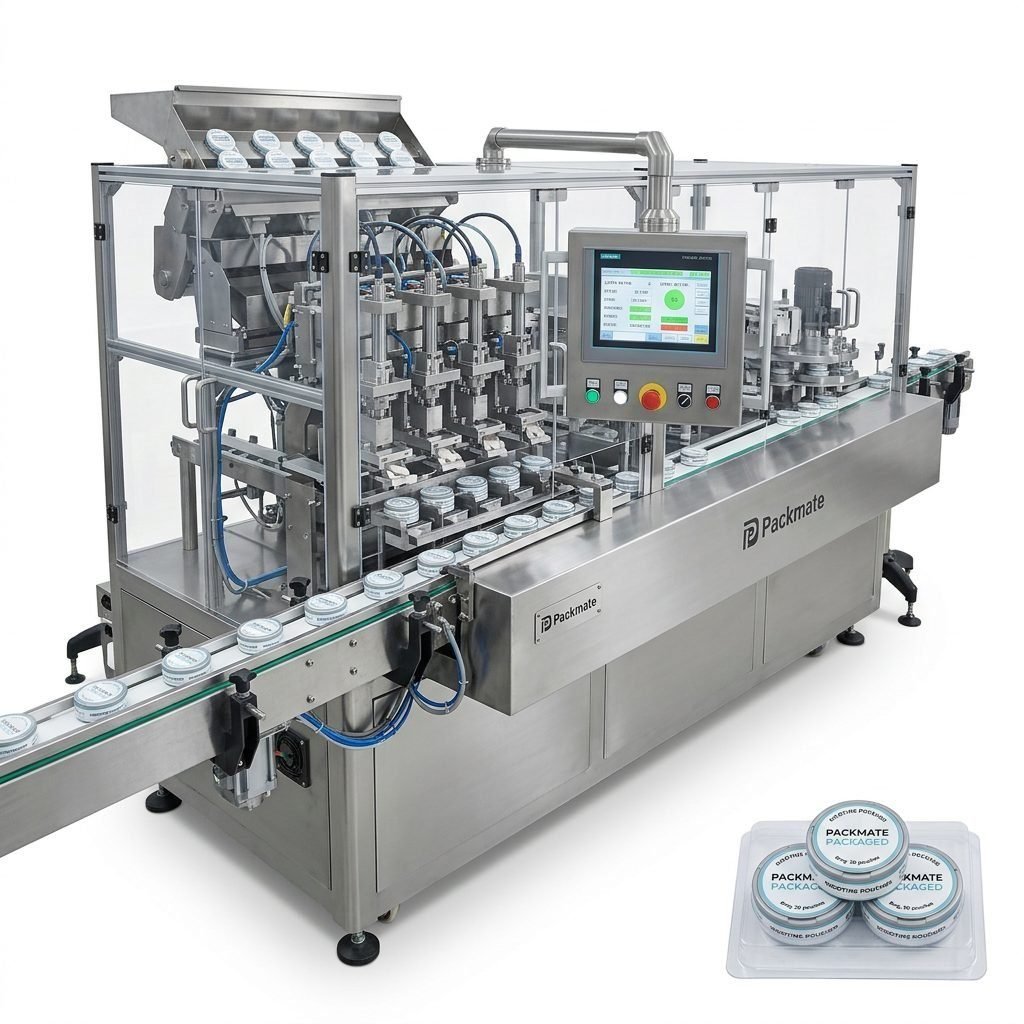
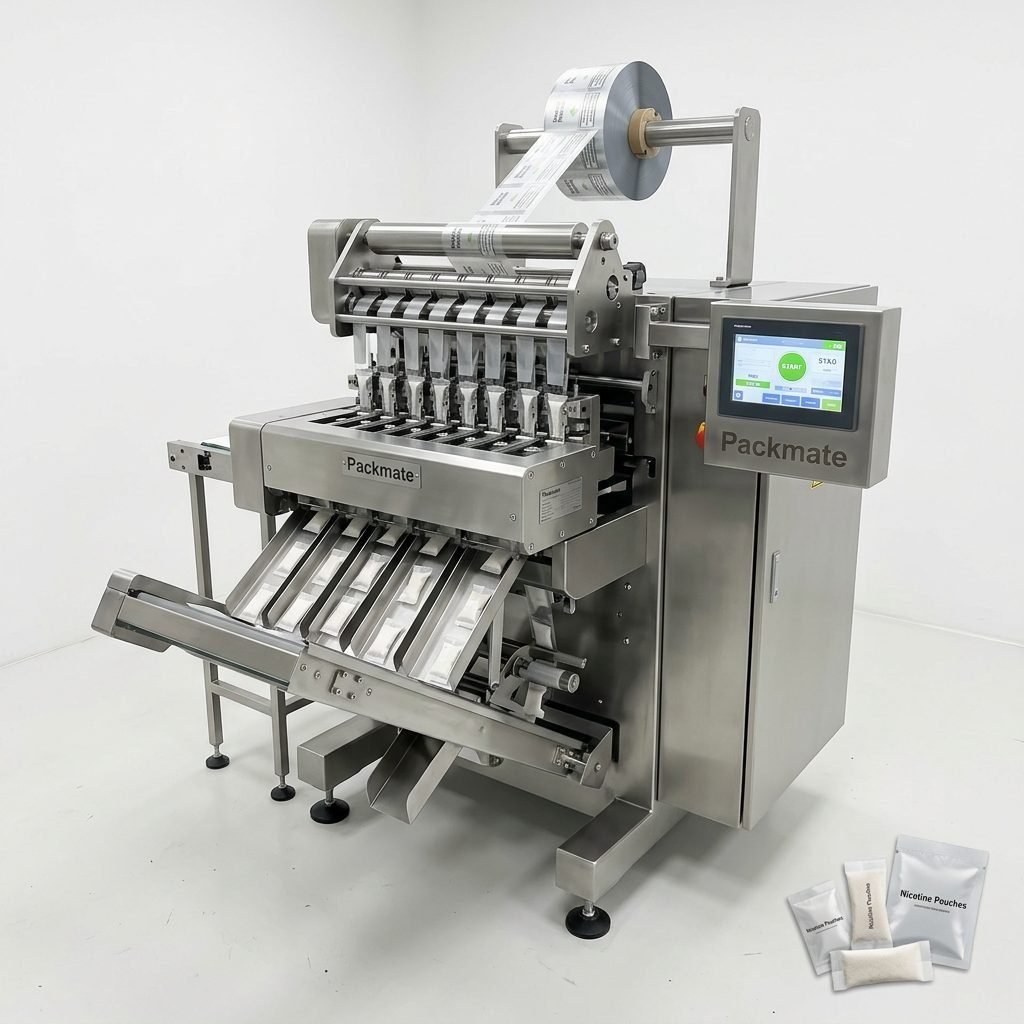
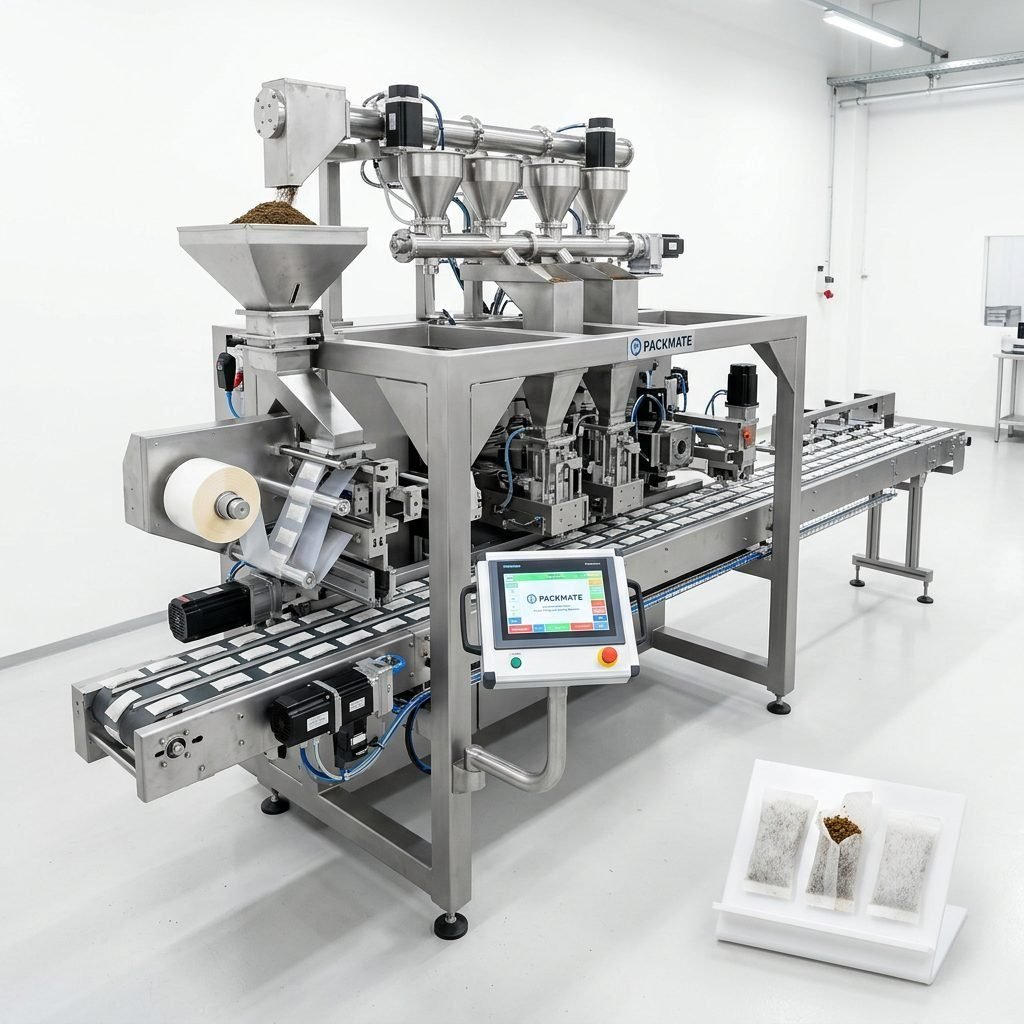
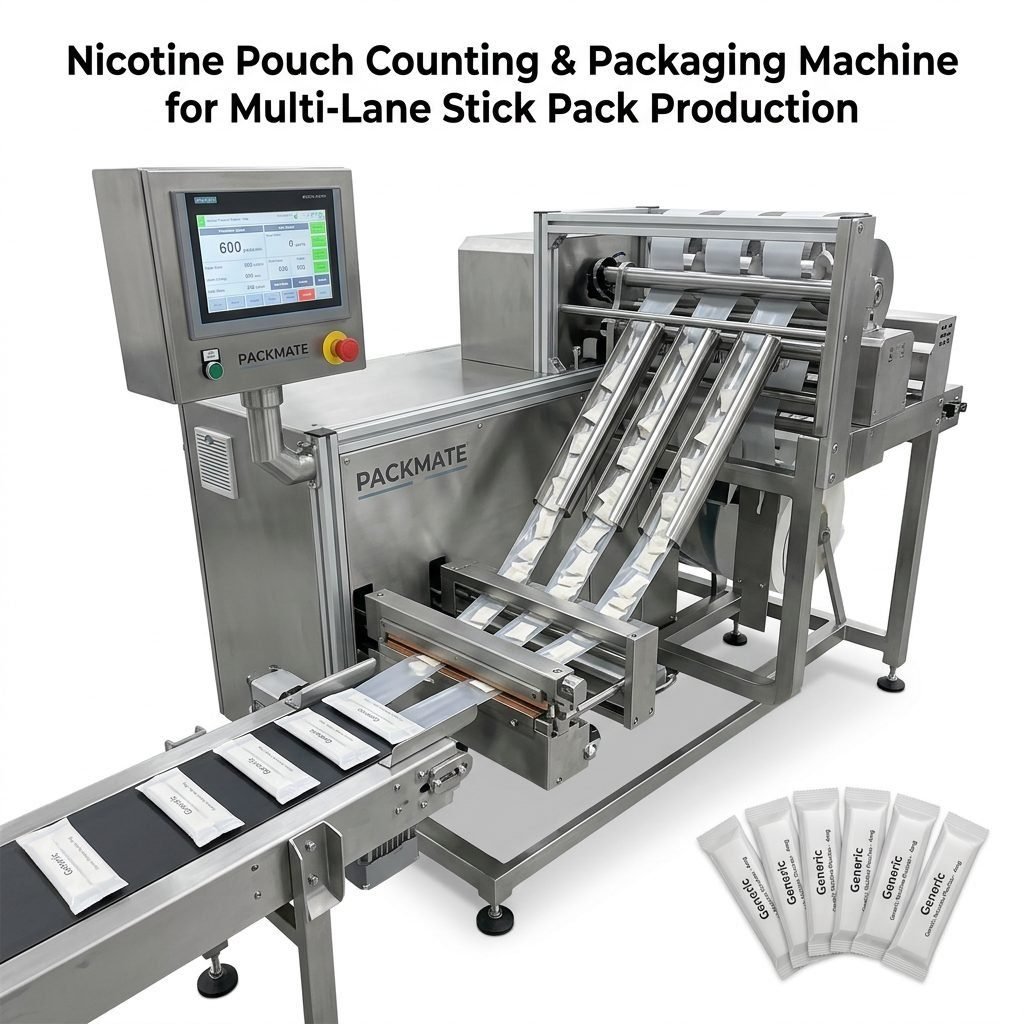
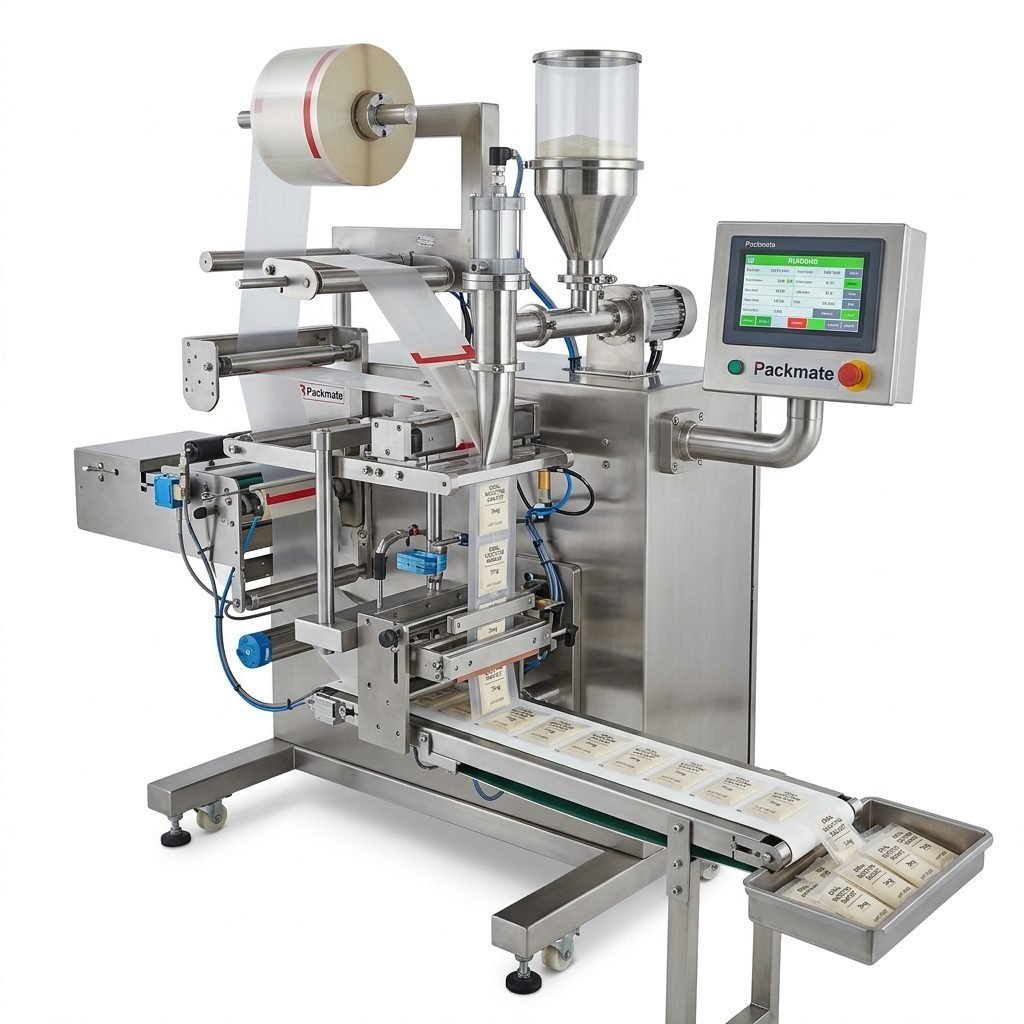
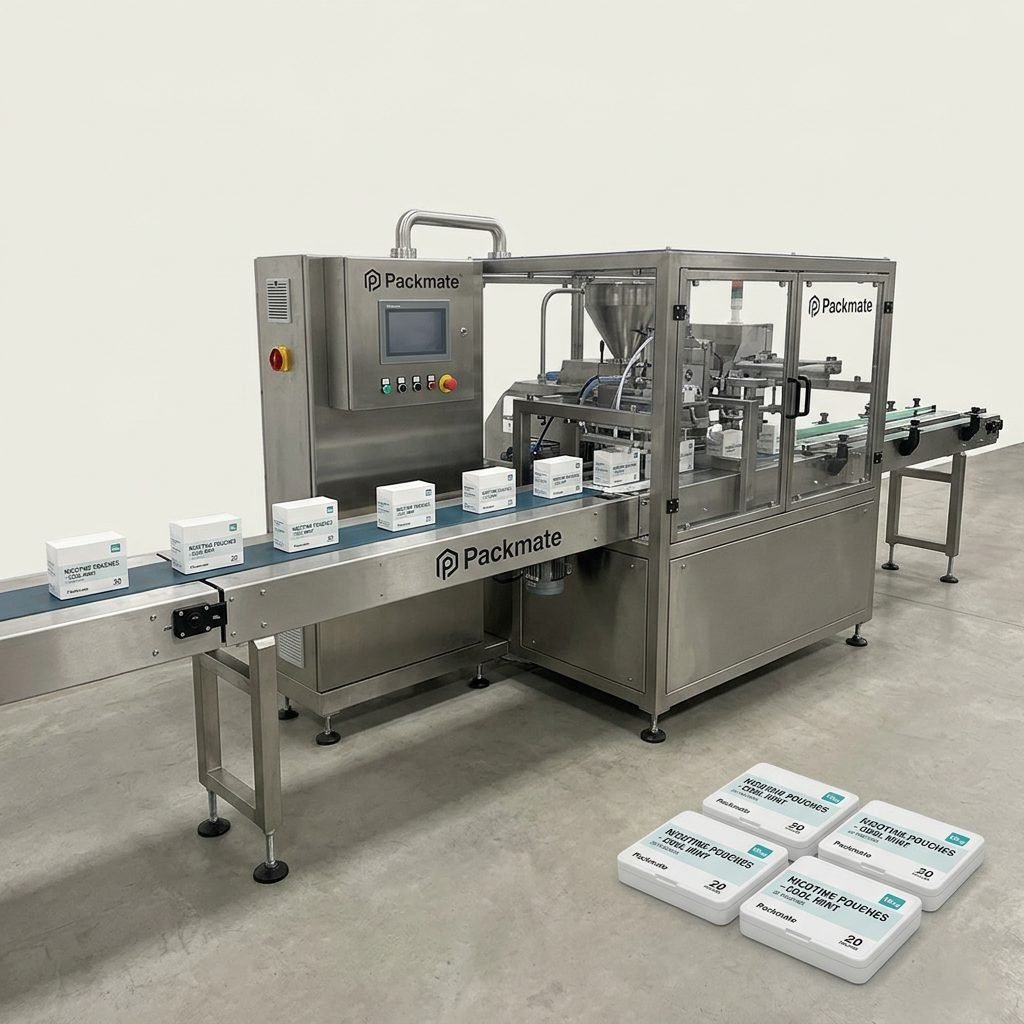
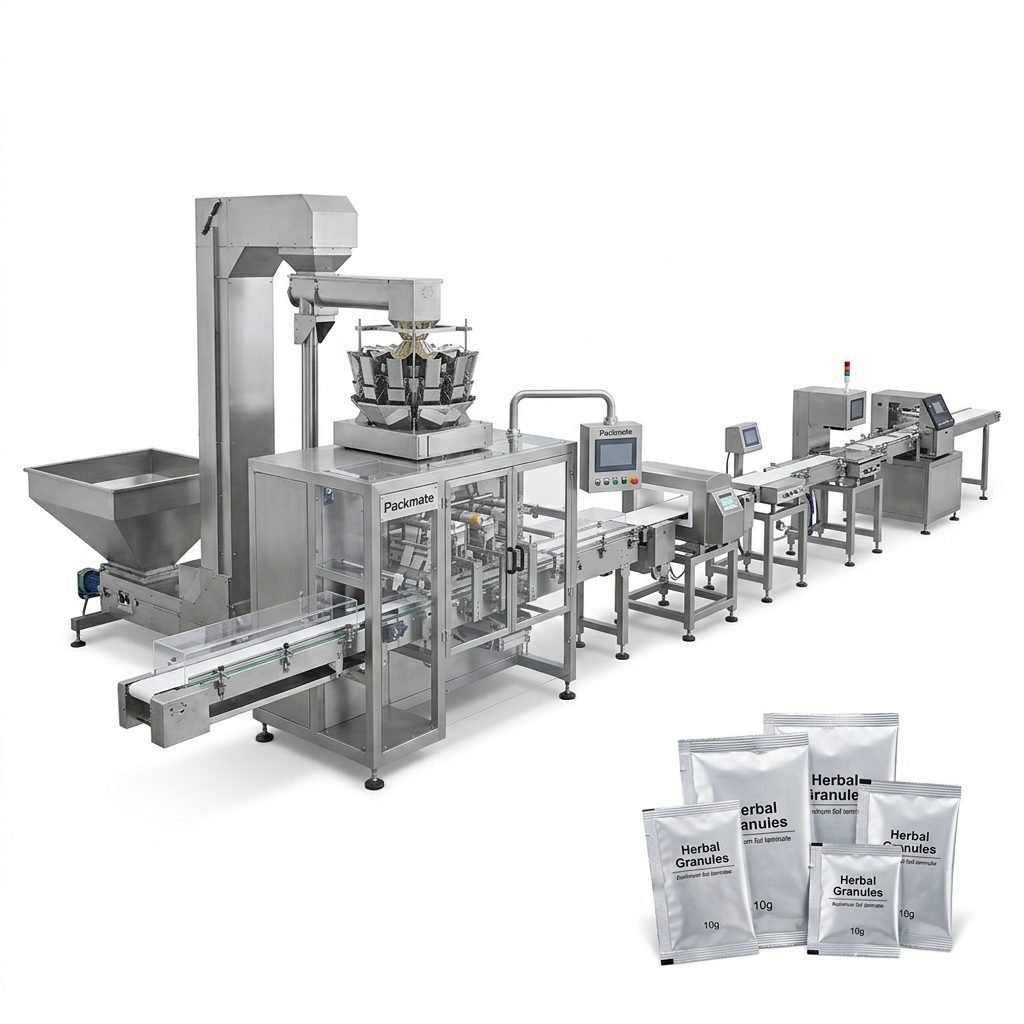
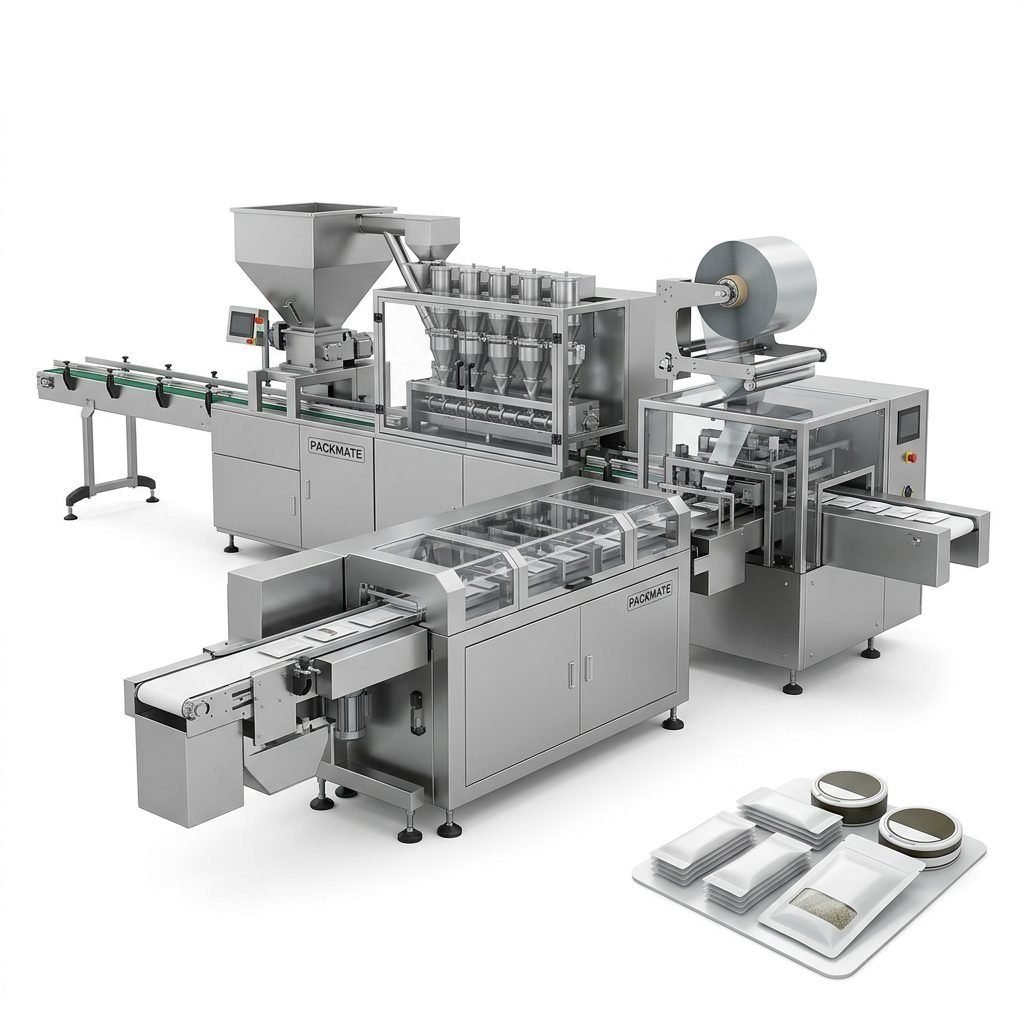
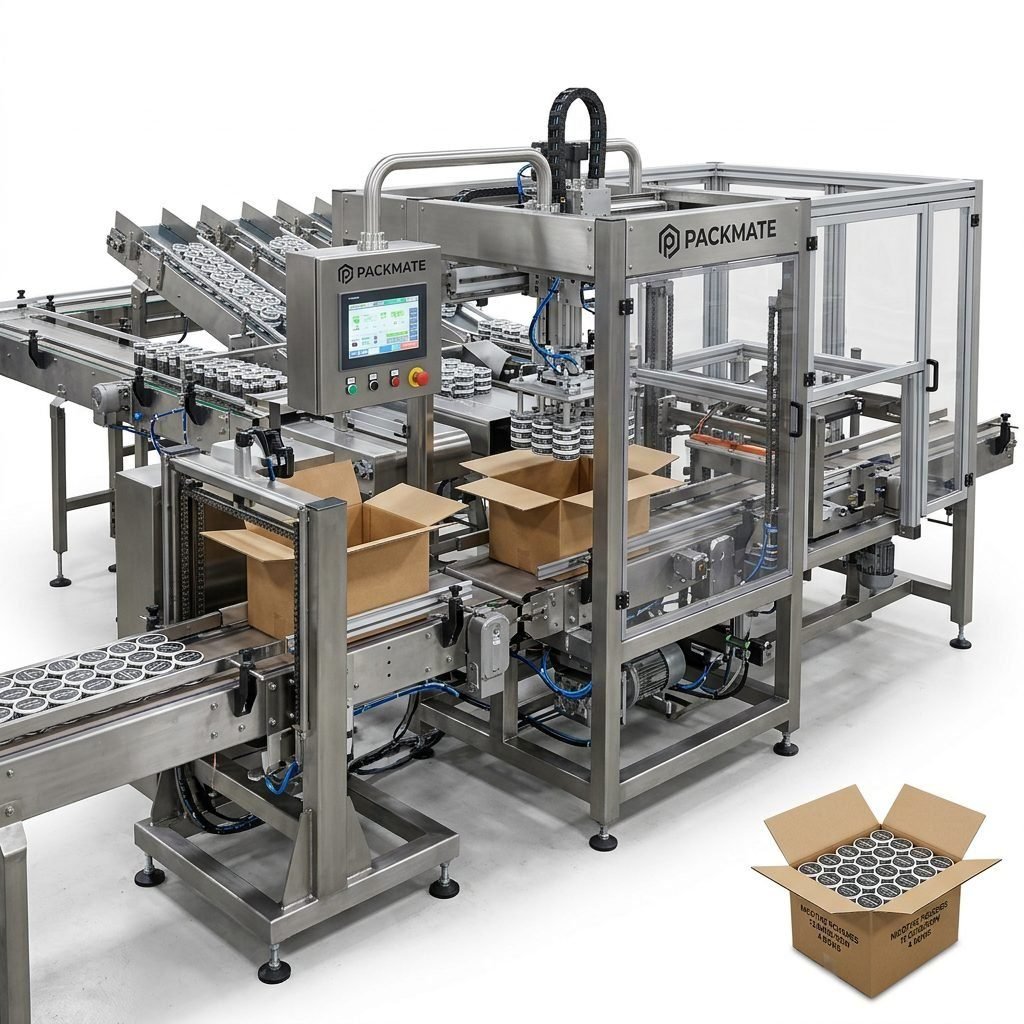
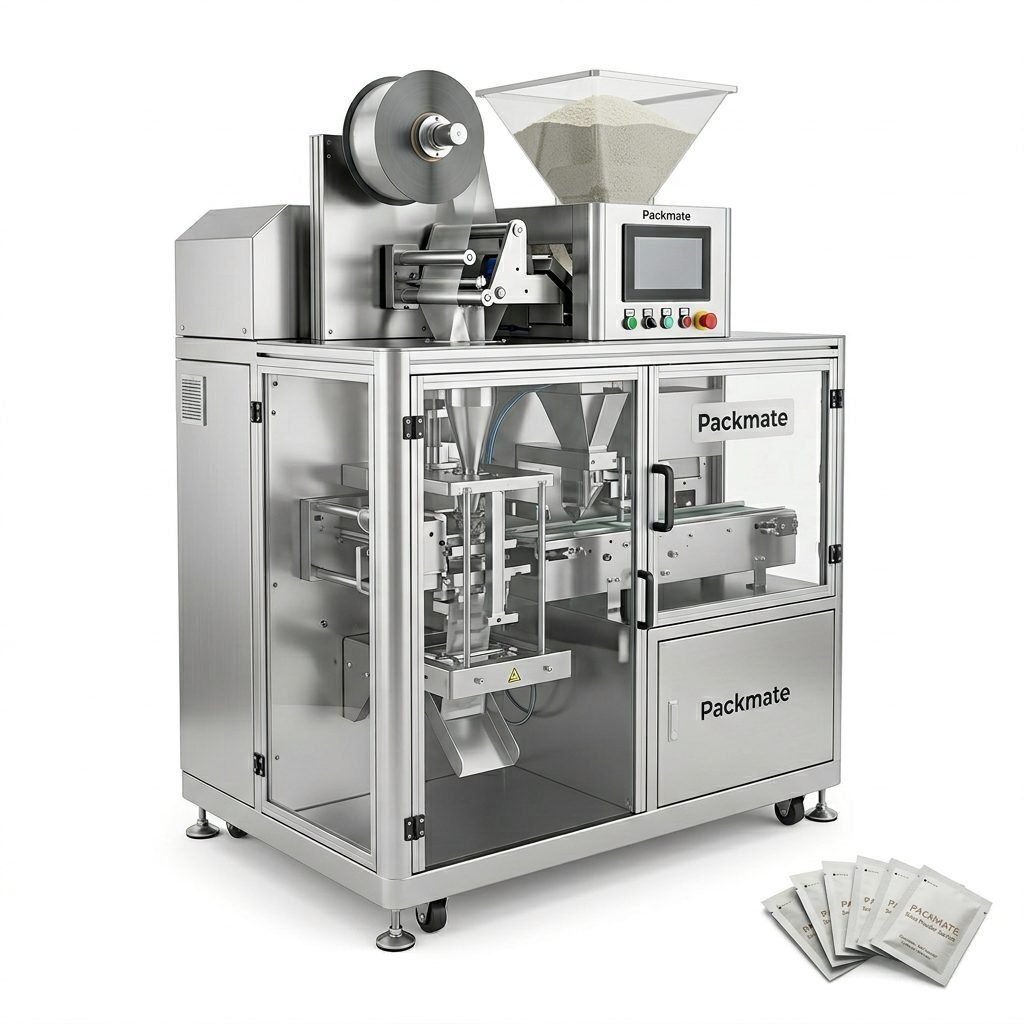
Look for suppliers with proven snus and nicotine pouch experience. A manufacturer offering diverse models—stick pack, sachet, multi-lane pouch systems—and turnkey lines demonstrates the ability to tailor solutions. For example, Packmate provides a wide range of snus & nicotine packaging machines and complete production lines suitable for low-dose pouches and high-speed multi-lane operations.
2. Certifications and compliance
Ensure equipment meets CE and ISO standards and that electrical systems comply with PNG’s power and safety norms. Valid certifications minimize regulatory obstacles during import and deployment.
3. Customization and material handling
A good supplier customizes feeders, hoppers, and sealing systems to handle local raw material consistency—whether dry tobacco, powder, or moist granules—and offers options for corrosion-resistant finishes.
4. After-sales support and spare parts
Essential: Fast access to spare parts, remote troubleshooting, and on-site commissioning. For PNG, prioritize suppliers offering scheduled visits or regional partners who can attend to urgent repairs.
Tip: Ask how commonly-worn parts are stocked and expected lead times for replacements to avoid long production halts.
Understanding Packmate’s strengths for PNG buyers
When evaluating suppliers, review tangible evidence: factory size, R&D history, case studies, and global cooperation. Packmate Snus Machine is a manufacturer with a 20,000㎡ facility, over 30 years of engineering experience, and a broad machine portfolio—advantages that translate into stable supply and customizable solutions for PNG operators.
- 30+ years in packaging machine engineering and multi-lane pouch expertise.
- Advanced CNC machining and precision assembly to ensure consistent build quality.
- International certifications (CE, ISO) and global exhibition presence.
Useful references and materials
Review product pages and documentation before contacting suppliers: consider their snus & nicotine packaging machines, related filling and weighing systems, and past cases. Packmate’s online resources include product catalogs and case studies that help buyers compare options and performance.
Quick links you may find helpful:
Snus & Nicotine Packaging Machines,
About Packmate,
Case Studies,
Contact.
Technical checklist: what to request from a supplier
Before issuing an RFQ, gather these technical specs to receive meaningful proposals and avoid scope gaps.
Machine performance and capacities
Request speeds (pouches/min per lane), number of lanes, expected uptime, and validation reports for continuous operation under tropical conditions.
Materials and surface treatments
Confirm stainless steel grades, protective coatings, and sealed electrical cabinets. For PNG, specify marine-grade fasteners and optional dehumidifiers for critical controls.
Electrical and control systems
Verify PLC brand, HMI language options (English; request bilingual manuals if possible), remote access for troubleshooting, and voltage compatibility with PNG supply or recommendations for stabilizers.
Logistics, import, and on-site commissioning in PNG
Shipping machines to PNG often involves sea freight, customs clearance, and inland transport to factories across islands. A supplier familiar with these steps reduces delays:
➤ Ensure the supplier provides full documentation (packing list, CE/ISO certificates, electrical schematics) for customs.
➤ Request crating designed for sea transport and shock protection.
➤ Confirm whether the supplier offers on-site commissioning and operator training in PNG or via a regional technician.
Installation and operator readiness
Ask the supplier for a commissioning plan, operator training schedule, spare parts list, and recommended preventive maintenance. For PNG, include a basic troubleshooting guide in English and consider a short Tok Pisin translation for front-line operators.
Cost considerations and ROI
Total cost includes machine price, shipping, import duties, installation, spare parts, and potential modifications for local conditions. Evaluate ROI by estimating production throughput, yield improvements, and reduced manual labor costs. Higher initial investment in robust equipment often pays back through lower downtime and longer service life in demanding climates.
Negotiation and warranty
Negotiate warranty duration, coverage (electrical vs. mechanical), response time for remote support, and slab pricing for consumables. Confirm whether installation and first-run consumables are included.
Real-world examples and proof points
Suppliers who exhibit internationally and provide case studies across diverse climates are more likely to handle PNG’s challenges. Review machine performance reports and request references from customers in similar geographies or industries.
For additional reading, see product categories like Bag & Pouch Packaging Machines and Filling & Packaging Lines to understand complete line integration options.
A practical pre-purchase checklist
✓ Documented machine specs and certificates
✓ Corrosion-resistant materials and sealed electronics
✓ Spare parts availability and lead times
✓ On-site commissioning plan and local training
✓ Clear warranty terms and remote support options
Final recommendations for PNG buyers
Prioritize suppliers with proven nicotine pouch experience, strong manufacturing capabilities, and demonstrated understanding of tropical logistics. Engage suppliers early to discuss local power, humidity control, and operator training. Where possible, visit the factory (or request virtual tours) and review case studies to verify claims.
Why Packmate is a viable option
With a long engineering history, a 20,000㎡ manufacturing facility, and a comprehensive portfolio of snus and nicotine packaging solutions, Packmate can supply tailored lines for PNG clients. Their capability to provide complete production lines, certifications, and exhibition presence provides assurance when importing and commissioning machinery in distant markets.
Frequently Asked Questions (FAQs)
Q1: How long does shipping and installation typically take for PNG?
A1: Sea shipping to PNG ports ranges from several weeks depending on origin; allow extra time for customs clearance. Installation and commissioning typically take 1–3 weeks on-site depending on line complexity and site readiness.
Q2: What environmental adaptations are essential for PNG factories?
A2: Use marine-grade materials or protective coatings, sealed control cabinets, and consider dehumidifiers or climate-controlled rooms for critical electronics and product storage.
Q3: Can suppliers provide operator training in Tok Pisin?
A3: While many suppliers deliver training in English, request translated guides or local partner-led training to ensure all operators understand safety and routine maintenance tasks.
Q4: What spare parts should be stocked locally?
A4: Keep critical wear parts (seals, belts, sensors, fuses), common motors/drives, and basic electrical components to minimize downtime. Confirm part numbers and reorder lead times before purchase.
Q5: How do I verify a supplier’s performance record?
A5: Request client references in similar climates, video demonstrations, and detailed case studies. On-site factory visits or virtual tours add confidence.