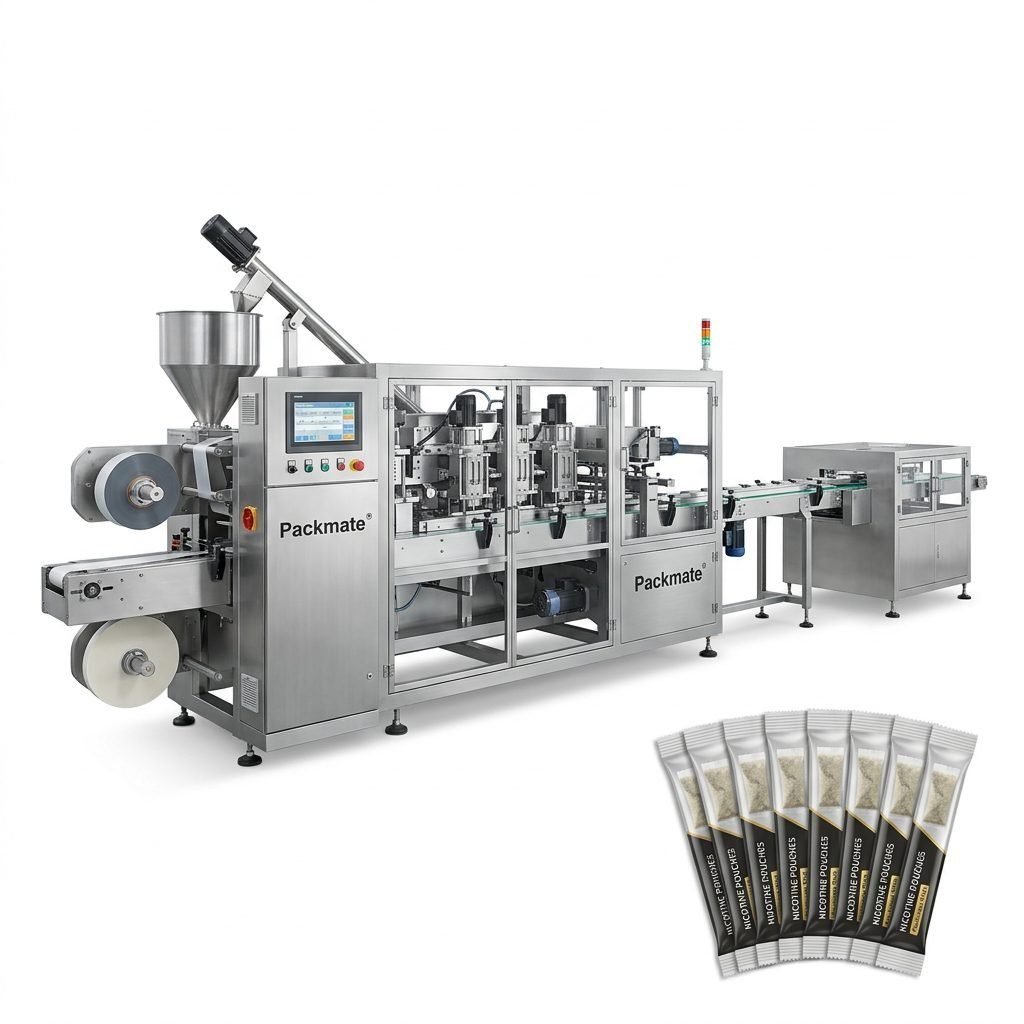
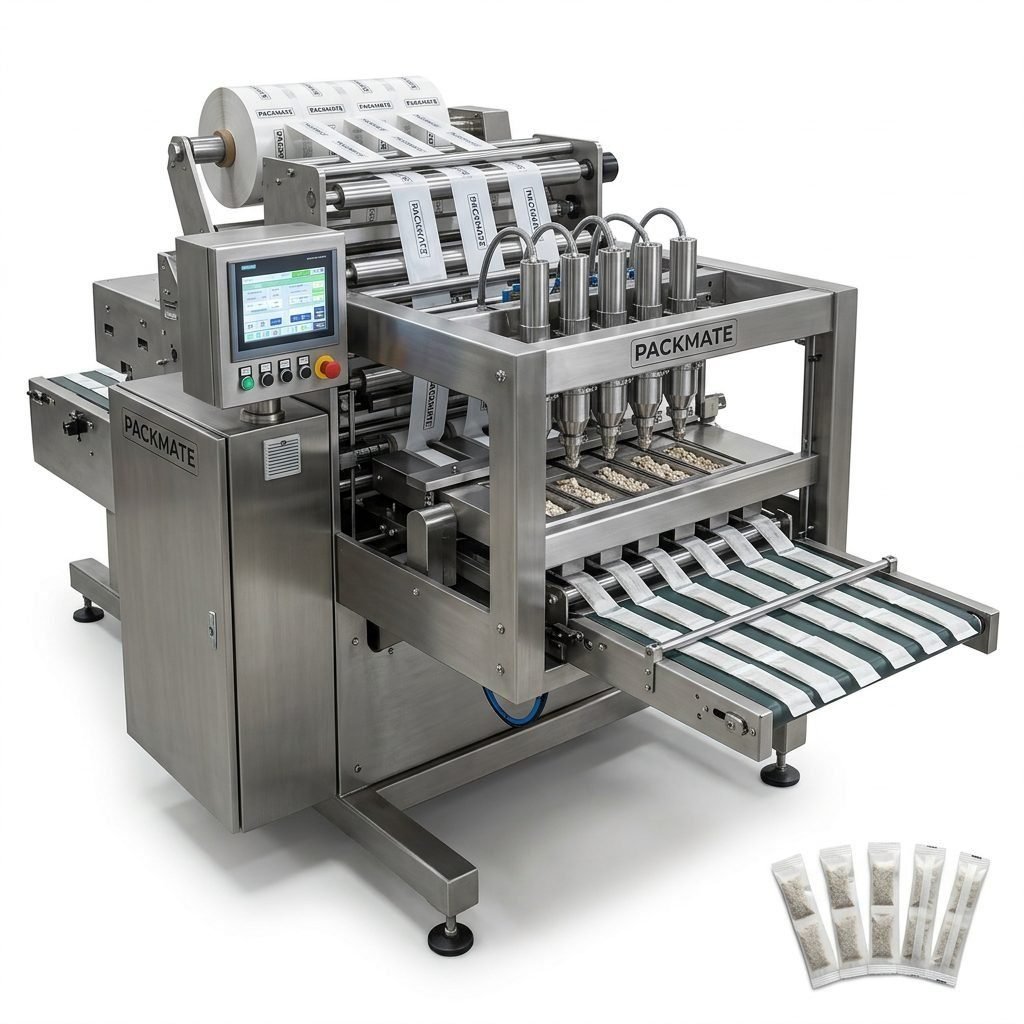
Entering the snus and nicotine pouch market in Timor-Leste requires more than choosing a machine: it demands an understanding of local customs, regulations, logistics and a supplier who can deliver reliability, compliance and tailored service. Below you will find an in-depth guide to selecting the best snus packaging machinery supplier for your factory in East Timor, practical checklists, implementation steps and key considerations specific to this market.
Understand Local Market Dynamics & Regulatory Environment
Timor-Leste (East Timor) blends traditional community values and a growing appetite for modern convenience products. When evaluating suppliers, factor in local consumption habits, language (Tetum and Portuguese guidance), and cultural sensitivities—particularly around nicotine products, which can be perceived differently across communities. Engage early with local health authorities and customs brokers to understand import requirements, labeling rules and any restrictions on nicotine content.
Tip: Ensure packaging and user instructions are available in Tetum and Portuguese, and that product labeling complies with Timor-Leste’s regulations to avoid delays at Dili port and reduce customs risk.
Match Machine Type to Product Format and Output Targets
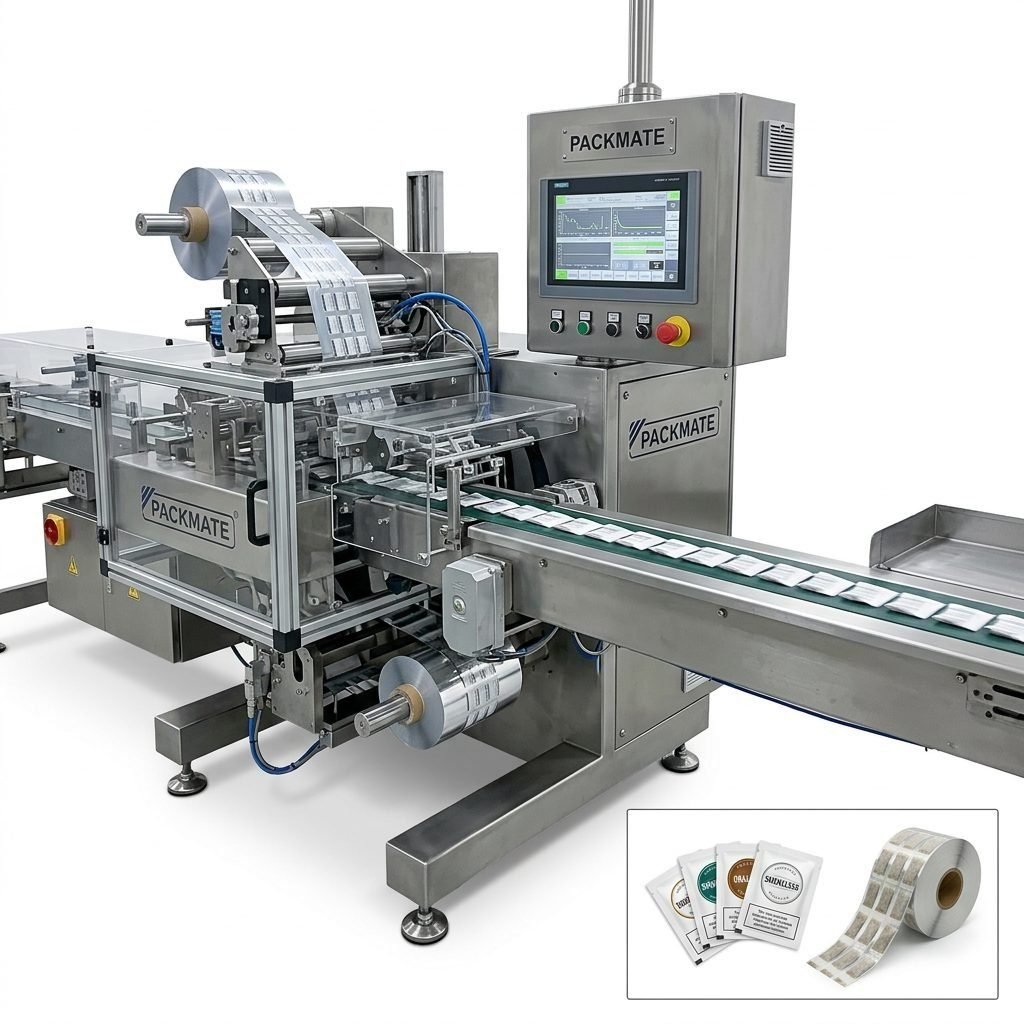
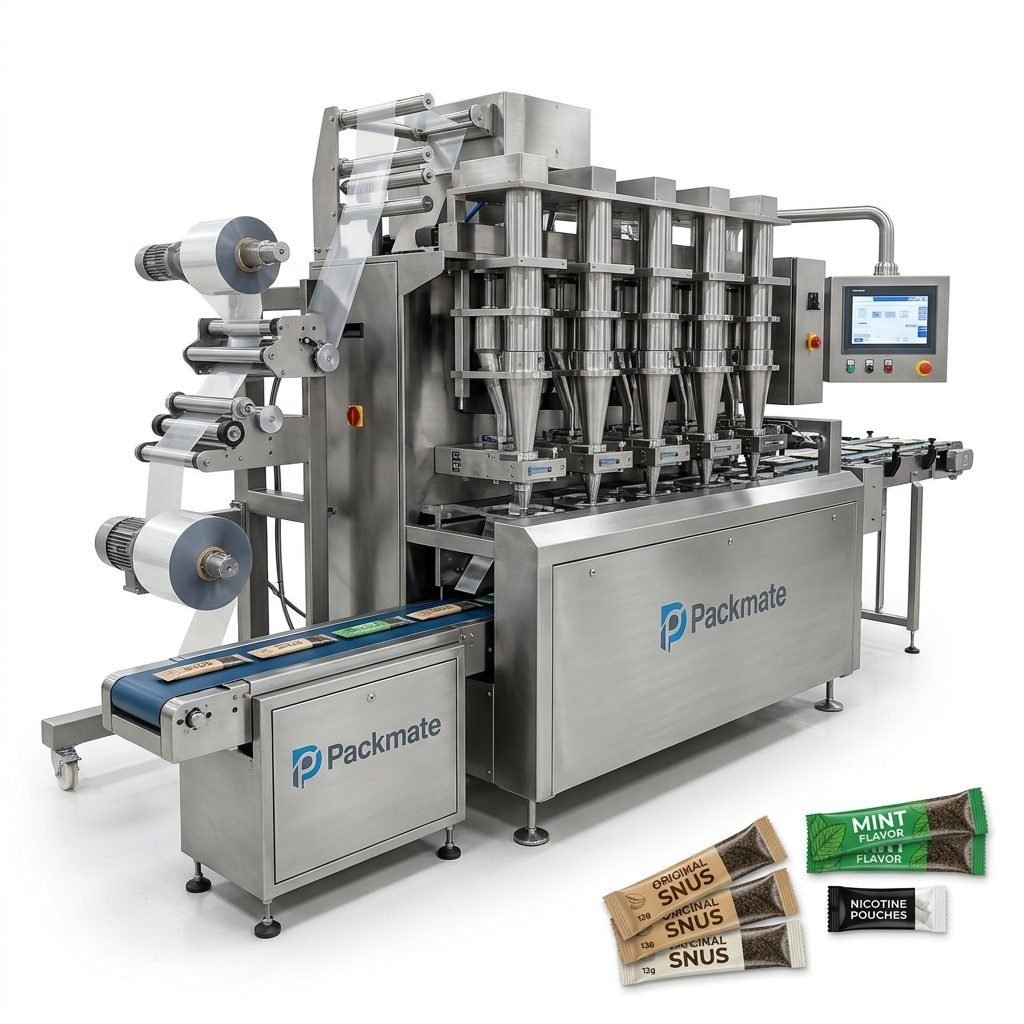
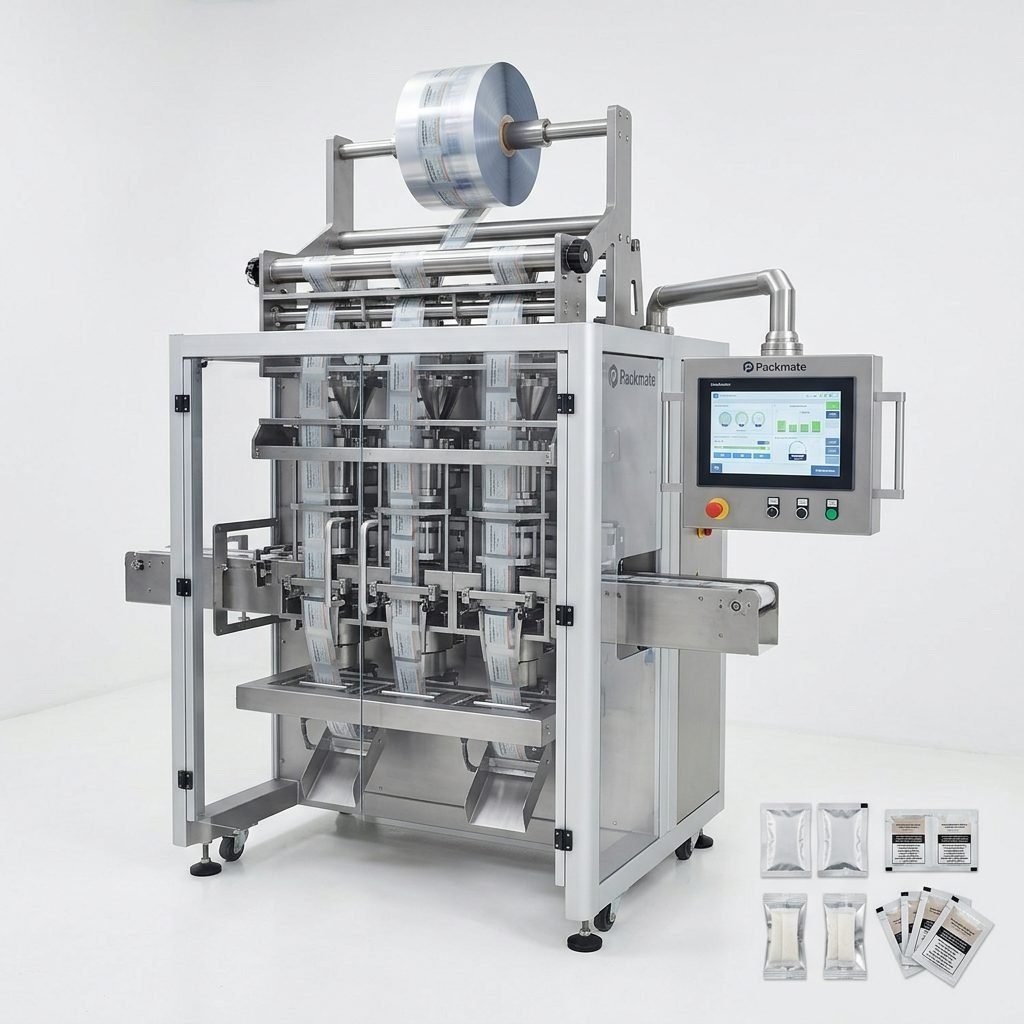
Different snus and nicotine pouch products require distinct packaging solutions. Decide whether your product will be sachet-style, stick packs, or multi-pouch formats. For low-dose nicotine pouches produced in high volumes, multi-lane systems are often the most efficient; for artisanal or limited SKUs, single-lane sachet machines may be better suited.
Consider these machine types when talking to suppliers:
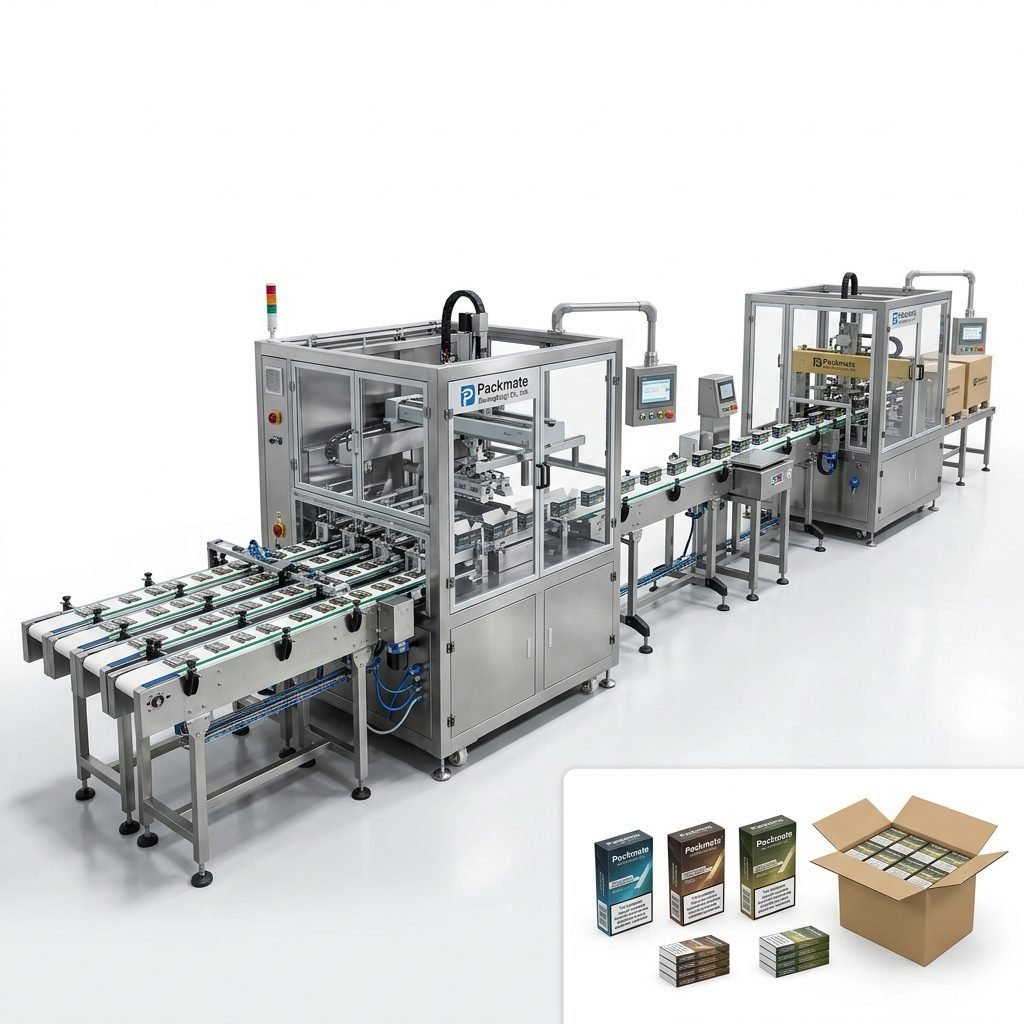
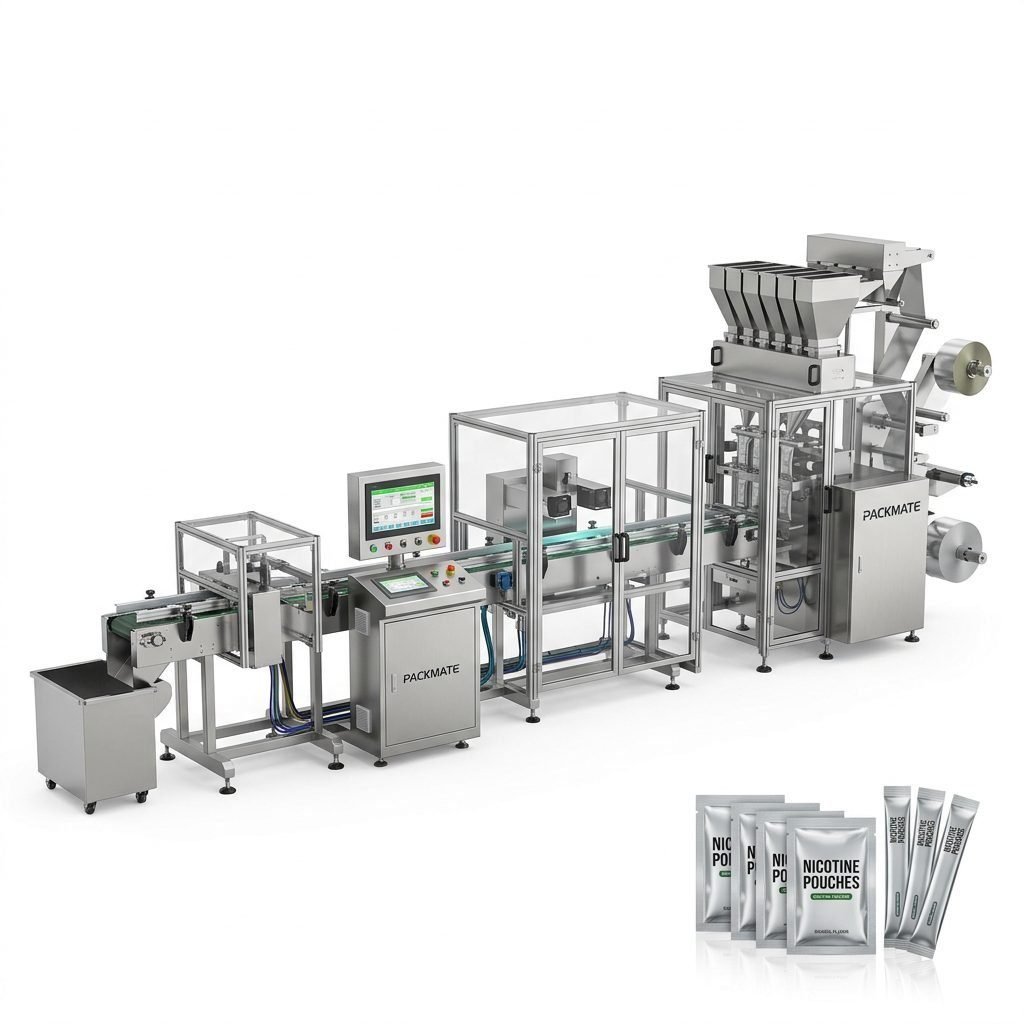
- Snus & Nicotine Packaging Machines — for dedicated pouch formats (see Snus & Nicotine Packaging Machines).
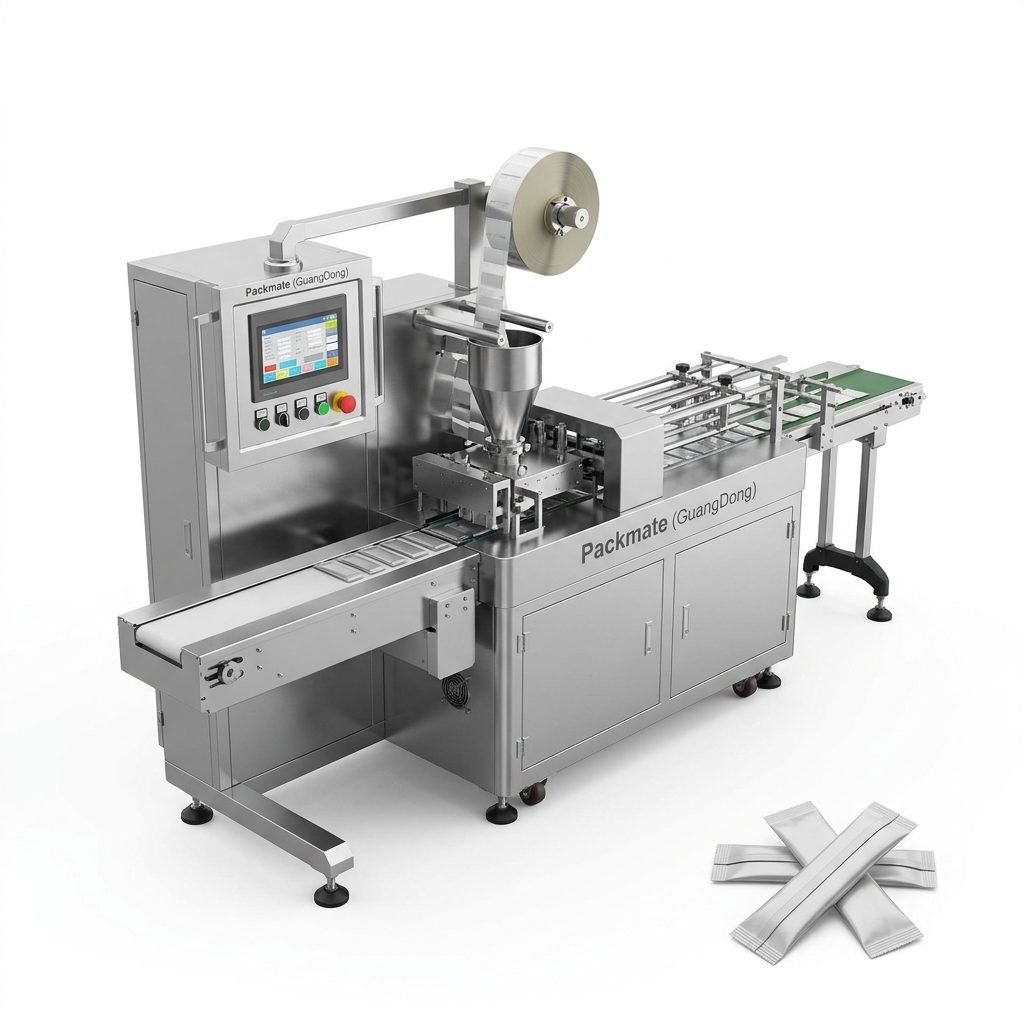
- Sachet & Stick Pack Machines — for single-serve or strip formats (reference: Sachet & Stick Pack Machines).
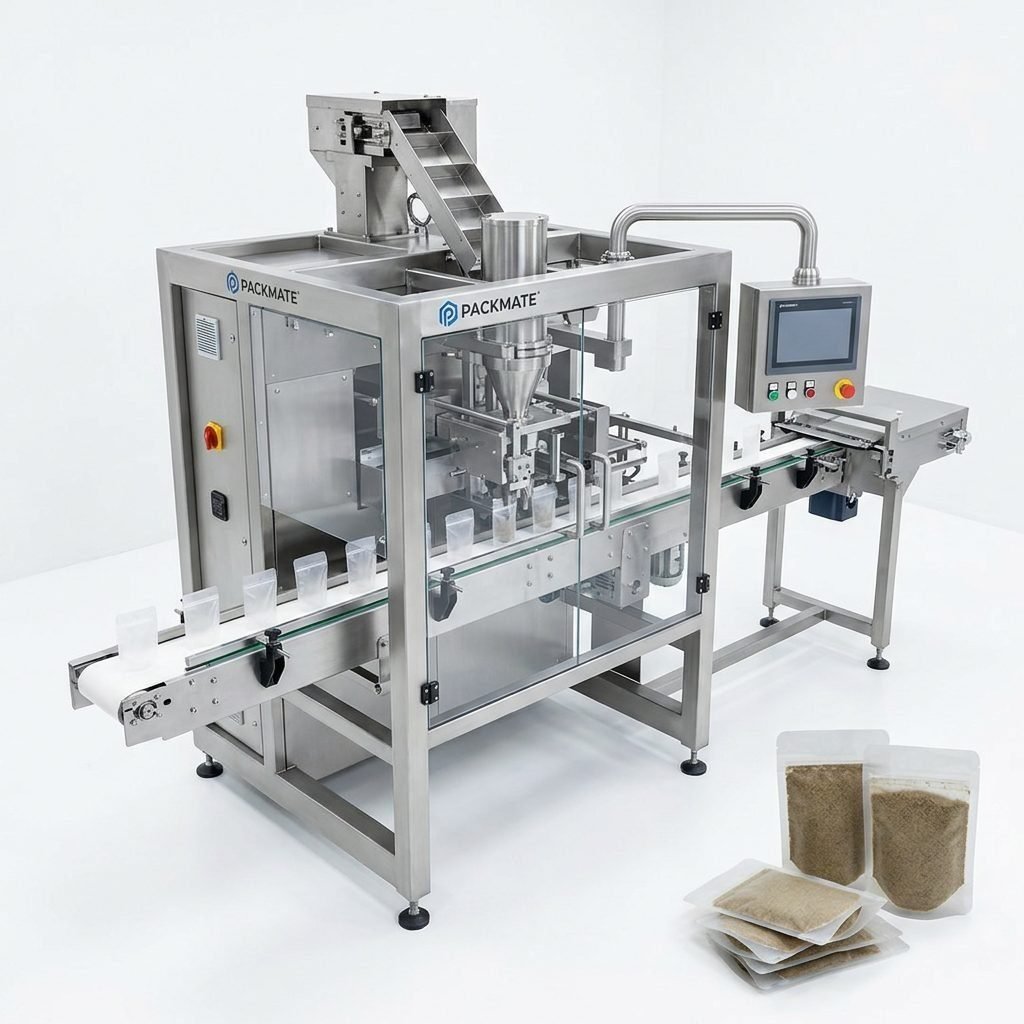
- Weighing & Packaging Systems — when precision dosing and integrated feeding are required (see Weighing & Packaging Systems).
Production Capacity & Scalability
Forecast your 12–36 month demand and choose machinery that scales. Multi-lane pouch machines let you multiply output without proportionally increasing floor space, while modular systems enable phased investment. Ask suppliers for performance curves, validated cycle rates and case studies demonstrating real-world throughput.
Quality, Safety & Certification
Prioritize suppliers whose equipment complies with international standards. CE and ISO certifications reflect attention to safety and consistent manufacturing quality. Request factory test reports, FAT (Factory Acceptance Test) documentation and references from other countries with strict import regulations to reduce technical uncertainty.
🔸
Key quality signals to verify:
factory photos, CNC machining capability, CE/ISO certificates, spare parts inventories, and track records in nicotine pouch lines.
After-sales Service, Training & Spare Parts
In an island nation like Timor-Leste, prompt after-sales service and a reliable spare parts supply chain are business-critical. Confirm whether the supplier provides:
- Installation and commissioning with on-site technicians, or clear remote commissioning procedures.
- Operator and maintenance training (in English; consider translation to Tetum/Portuguese).
- Spare-parts kits and estimated lead times for replacement components.
- Remote support and software update policies to minimize downtime.
Ask for a spare-parts contract and an SLA that defines response times, especially because shipping lead-times to Dili can vary.
Supplier Technical Strength & Factory Capability
Evaluate the supplier’s manufacturing footprint and engineering depth. A supplier with advanced CNC centers, precision assembly lines and a sizeable production facility signals reliability and the ability to customize machines for unique product specifications. Check for a history of multi-lane system development and decades of engineering experience—these reduce the risk of design flaws and production interruptions.
A strong example is a manufacturer with 30+ years of experience and a 20,000㎡ plant equipped for turnkey production—this background supports complex snus packaging lines and provides assurance for long-term collaboration. Learn more about supplier capabilities on their about pages and product catalogs (for example: About Packmate).
Customization, Flexibility & Local Adaptation
Your supplier must be able to adapt machines for:
- Different pouch sizes and materials;
- Local labeling and language requirements;
- Power supply differences and optional voltage configurations;
- Hygienic design for ease of cleaning and maintenance.
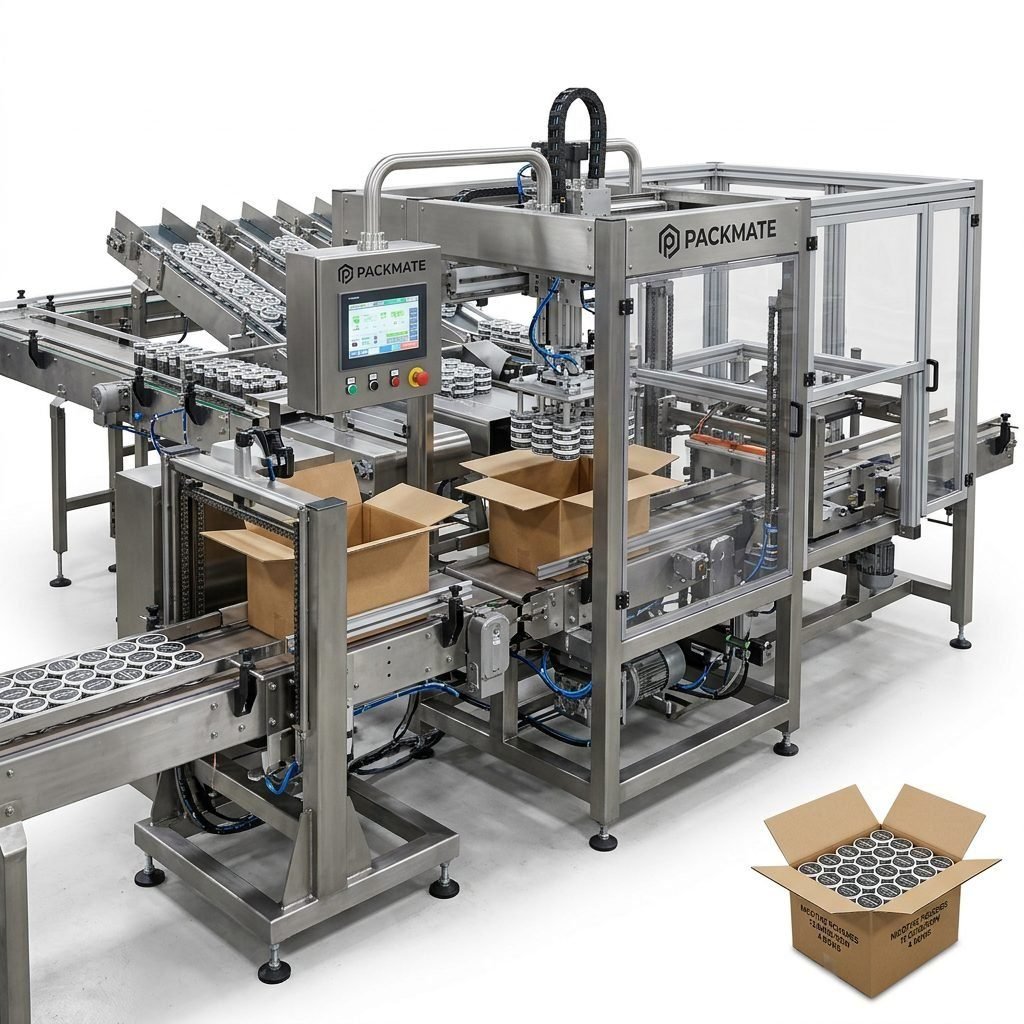
If you anticipate future SKUs or higher output, confirm how easily the machine can be upgraded—either by adding lanes, upgrading feeders, or integrating automatic weigh fillers (Filling & Packaging Lines).
Logistics, Import & Local Partnerships
Planning logistics to Timor-Leste is unique: sea freight to Dili, customs clearance, and inland transfer all require coordination. Work with a supplier that has experience exporting to similar regions or can recommend local freight forwarders and customs agents. Consider partnering with a local distributor or service partner who understands licensing, VAT and product acceptance norms.
Cultural fit matters: relationships and trust are central in Timorese business culture. A supplier willing to visit, meet local stakeholders, or support a pilot production run will stand out.
Total Cost of Ownership (TCO) & Financing
Upfront machine price is only part of the investment. Estimate TCO by including energy consumption, maintenance labor, spare parts, downtime risks, training, and customs/import taxes. Ask suppliers for RPM/energy specs and typical MTTR (mean time to repair) figures. Where available, explore leasing or phased-payment options to reduce capital strain.
📌
Negotiation checklist
: warranty length, spare parts guaranteed stock, training included, FAT & SAT acceptance criteria, delivery timeline and penalties, and a written service SLA.
Validate Through Demos, References & Case Studies
Request live demonstrations and references from clients in similar climates and regulatory environments. Attend or review recordings from the supplier’s exhibition appearances to see machines in action and ask detailed questions about uptime and performance. Review documented cases and performance reports (for instance see supplier case studies: Case).
Implementation Roadmap — From Inquiry to Full Production
A clear timeline reduces surprises. A typical roadmap includes:
- Technical inquiry & product specification alignment;
- Quotation, negotiation and contract (include acceptance tests and warranty terms);
- FAT at supplier factory and pre-shipment inspection;
- Shipping, customs clearance and on-site installation;
- Operator training, SAT (Site Acceptance Test) and ramp-up to full production;
- Ongoing support, spare parts replenishment and performance reviews.
Why a Proven Supplier Makes the Difference
Choosing a supplier with decades of experience, a large factory footprint and a broad product range minimizes operational risk. Such suppliers can deliver turnkey solutions—from snus pouch machines to integrated filling and packaging lines—and provide the technical depth to tailor machines for local needs. Explore product pages like Bag & Pouch Packaging Machines and Auxiliary Packaging Equipment to understand available options and modular integrations.
✅
Quick vendor evaluation matrix
: production fit, certifications, after-sales, customization ability, logistics experience, and price vs TCO.
Practical Advice for East Timor (Timor-Leste) Specifics
– Respect local customs and communication styles: personal relationships matter and face-to-face meetings or video calls that include local stakeholders build trust.
– Use bilingual documentation (Tetum/Portuguese and English) for manuals and labels.
– Plan buffer time for customs clearance and local approvals—ports and administrative processes can take longer than in major trade hubs.
– Consider solar-backed or UPS-supported power solutions if your factory is outside major urban centers to protect sensitive electronic controls.
Next Steps: How to Start Your Supplier Evaluation
1) Prepare a concise specification sheet with desired SKUs, target volumes, packaging materials and power requirements.
2) Request detailed quotations, FAT procedures and spare-parts lists from shortlisted vendors.
3) Schedule factory visits or virtual demos. Review supplier credentials and client references.
4) Agree contract terms that include delivery milestones, acceptance tests and post-installation support.
When you are ready to evaluate suppliers with proven snus packaging experience, resources such as the supplier’s exhibition presence and service pages can provide extra confidence (see Our Exhibition and Service).
Final Considerations
Selecting the right packaging machinery supplier for Timor-Leste is a balance of technical fit, cultural understanding, logistics planning and long-term support capability. Suppliers that demonstrate robust manufacturing, clear certification, spare parts readiness and a willingness to localize documentation and training will help you launch and scale successfully in this unique market.
Frequently Asked Questions
Q1: How important are CE/ISO certifications when importing machines to Timor-Leste?
A1: Very important—certifications show adherence to international safety and quality standards, smooth customs clearance and lower operational risk. Ask for certificate copies and FAT documentation.
Q2: What after-sales support should I insist on?
A2: On-site commissioning, operator and maintenance training, a spare-parts kit, a clear SLA with response times and remote diagnostic capabilities are essential—especially for island logistics.
Q3: Should I buy multi-lane machinery or start with single-lane units?
A3: It depends on forecasted volumes. Multi-lane machines offer greater output per floor area and lower unit costs when volumes are high; single-lane units are lower initial investment for niche SKUs.
Q4: How do I handle language and labeling requirements?
A4: Produce bilingual labels and manuals (Tetum/Portuguese and English). Confirm supplier support for label printing and packaging layout to avoid rework.
Q5: What local factors in Timor-Leste most affect machine selection?
A5: Power reliability, customs lead-times, local workforce skills and cultural acceptance of nicotine products. Factor these into machine choice, installation planning and staff training.