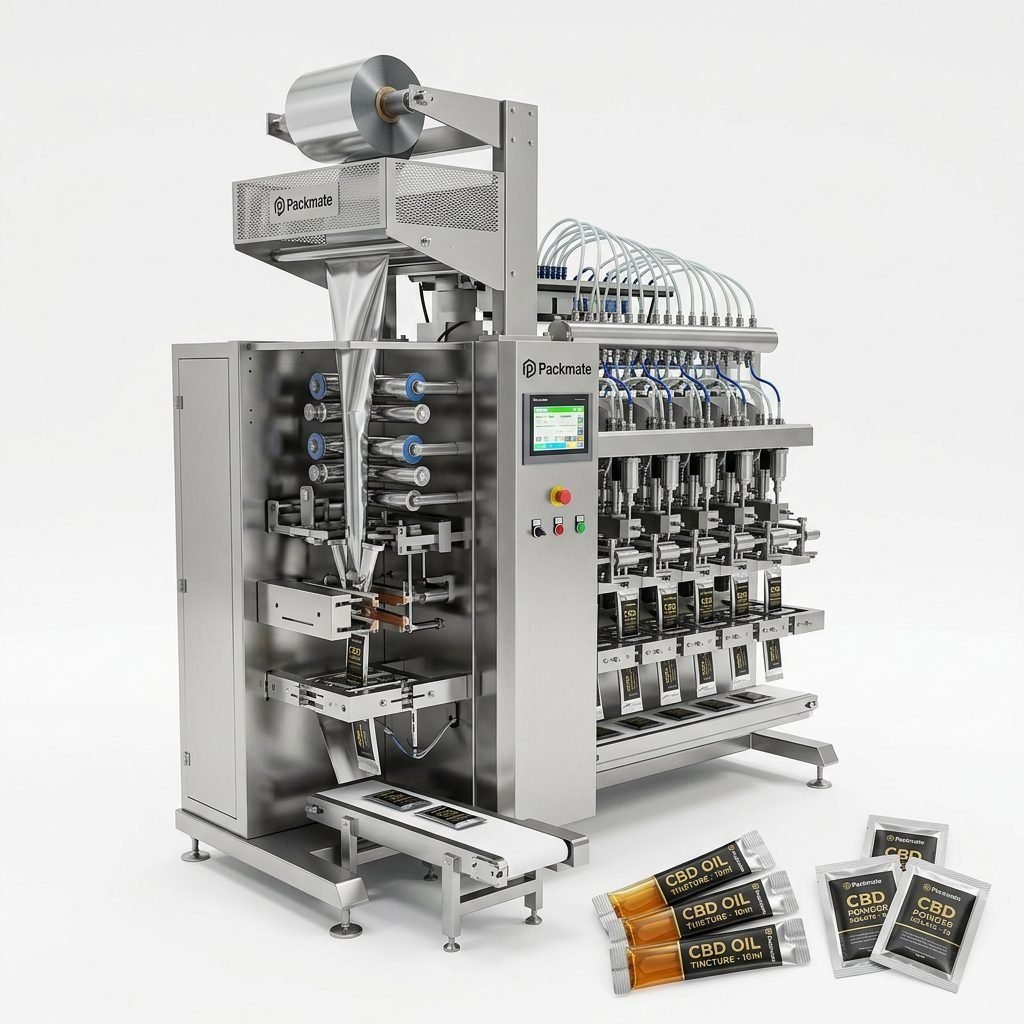
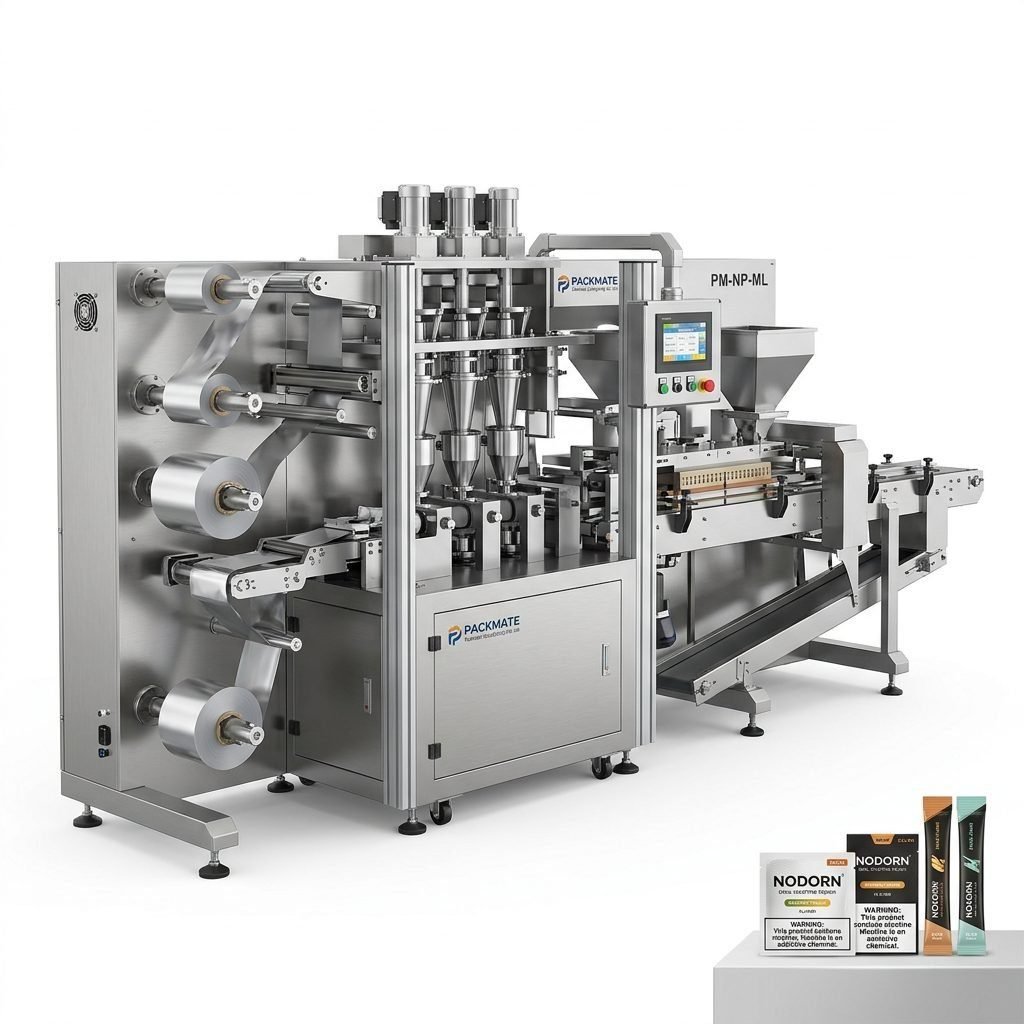
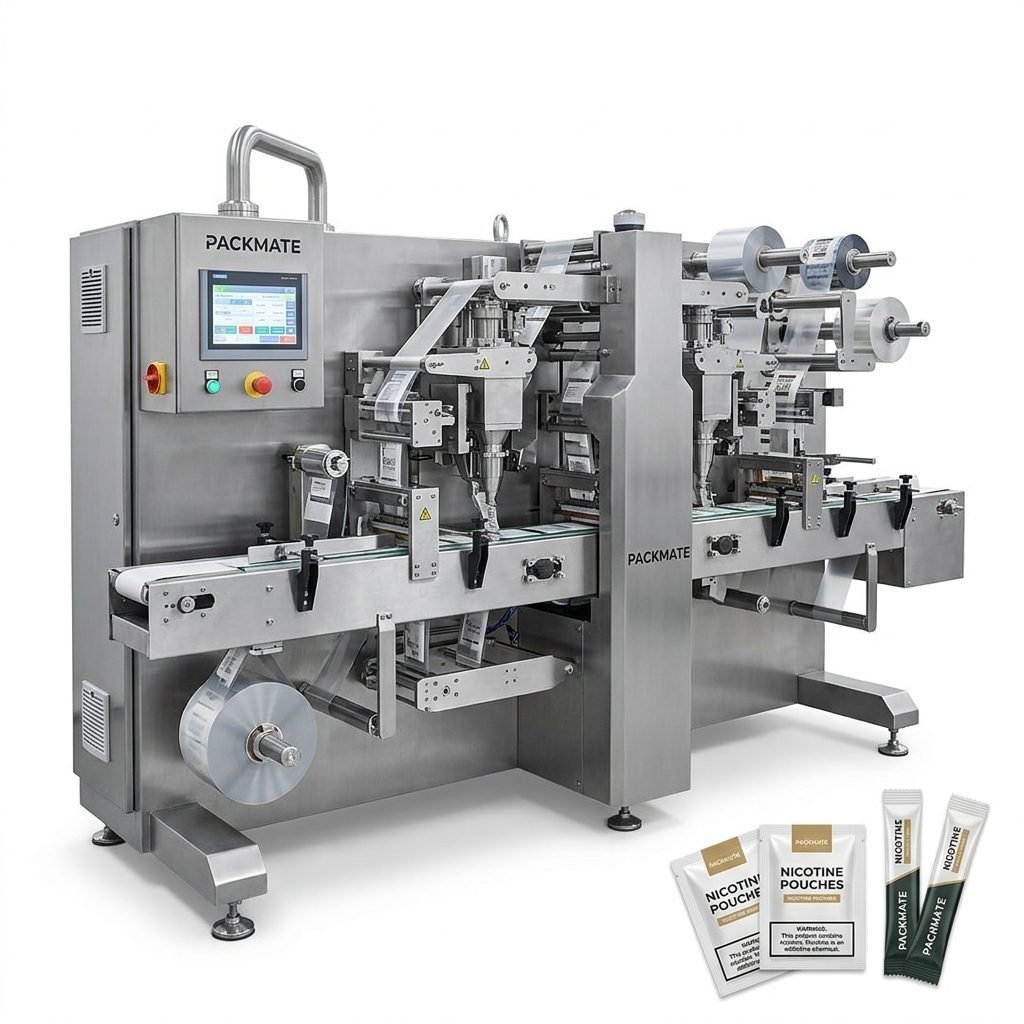
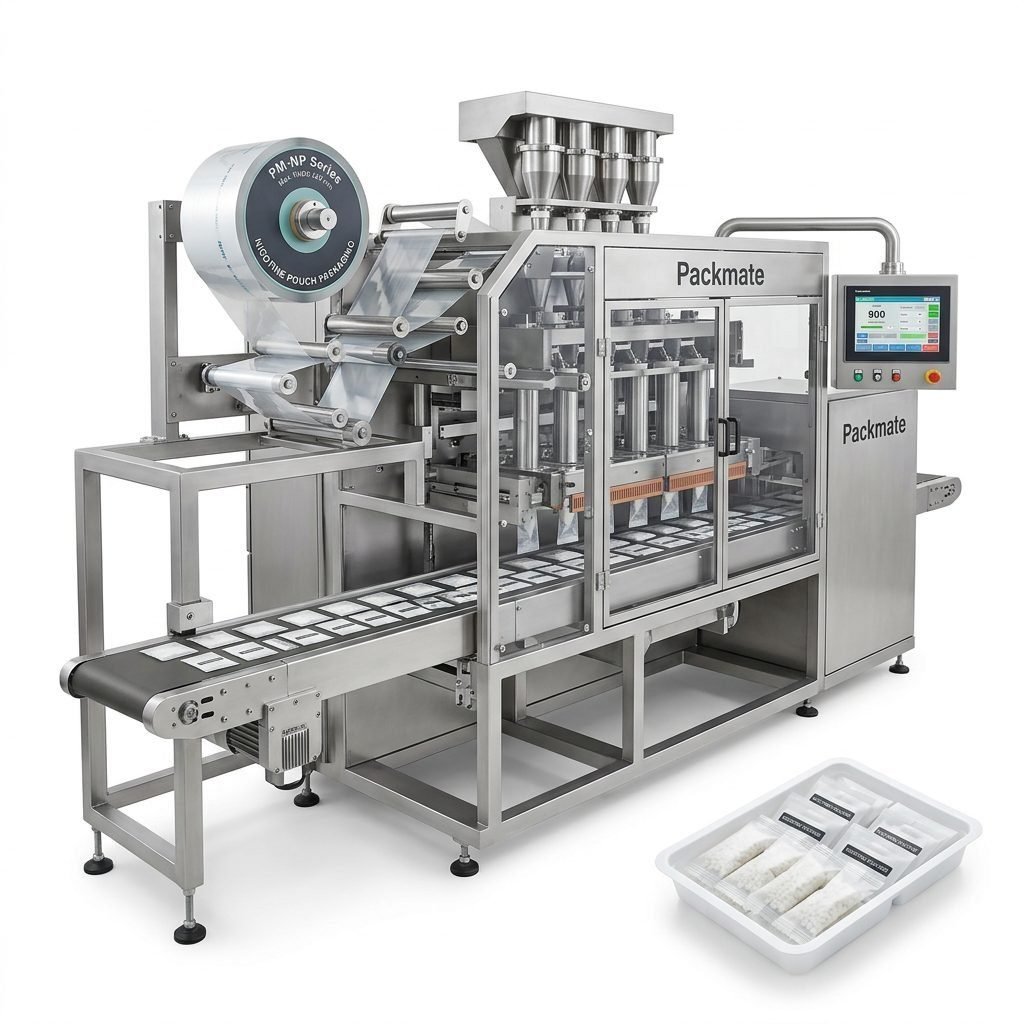
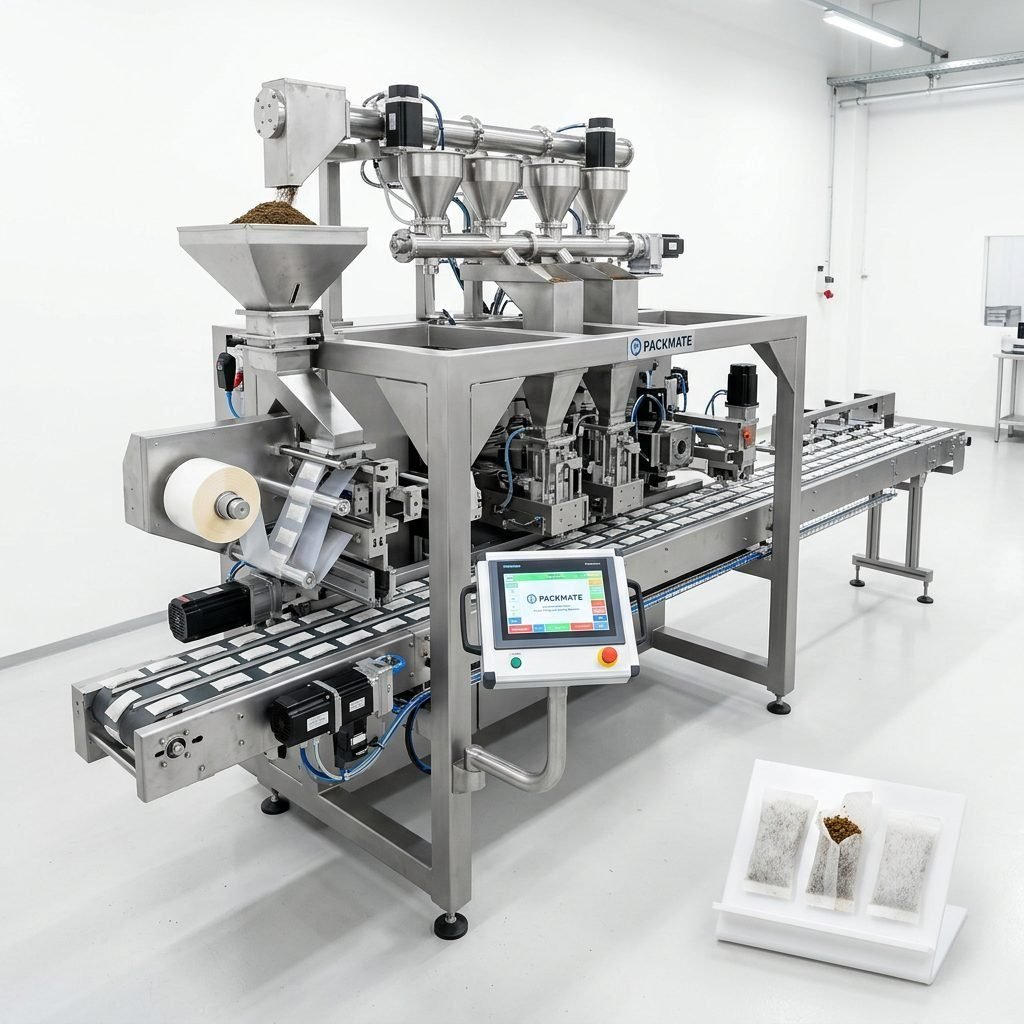
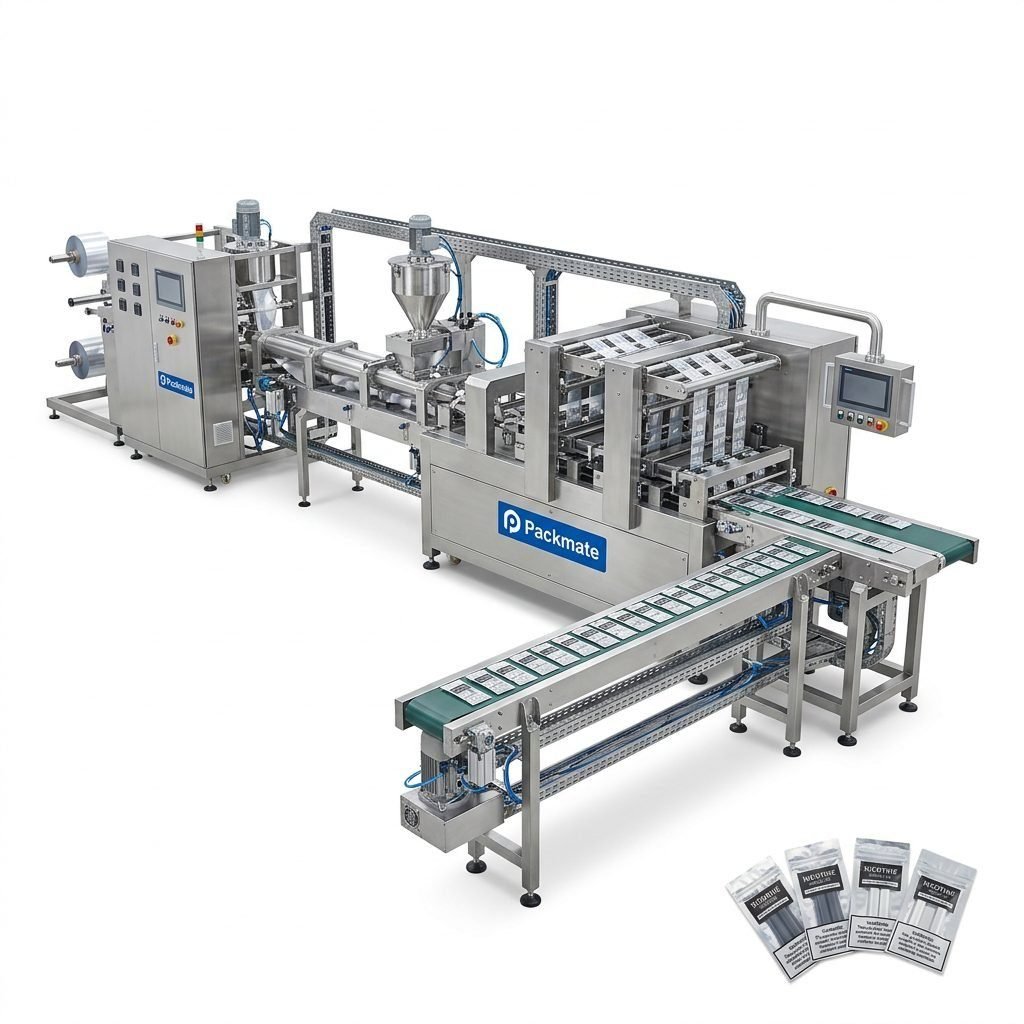
Choosing the right nicotine packaging machine supplier in Switzerland requires a careful blend of technical evaluation, regulatory understanding, and cultural fit. Swiss buyers value precision, compliance, and long-term reliability — so beyond price, your supplier must demonstrate consistent engineering quality, strong after-sales support, and respect for environmental and regulatory concerns. This guide walks you through practical steps, critical questions, and action-oriented tips to help you select the best snus and nicotine pouch packaging equipment partner for the Swiss market.
Understand Swiss Market Expectations and Local Nuances
Switzerland is known for precision engineering and strict adherence to safety and environmental standards. Local customers expect:
🔧 Quality and Precision: Machines must deliver consistent pouch weight and sealing with very low tolerances.
📜 Regulatory Compliance: Clear documentation for CE, ISO and export compliance — and understanding of Swiss/regional nicotine product rules.
🌱 Environmental Responsibility: Energy efficiency, waste reduction and recyclable materials are highly valued.
🗣️ Multilingual Support: Technical manuals and training in German/French/Italian/English make adoption smoother across Swiss regions.
Why these nuances matter
Swiss buyers often operate small-batch runs, premium products, or under strict retail/distribution rules. A supplier who understands local demands — such as machine hygiene for pharmaceutical-grade pouches, low noise levels for urban facilities, or compact footprints for limited factory space — will reduce integration friction and speed time-to-market.
Core Technical Criteria: What to Evaluate
When comparing suppliers, focus on measurable performance indicators. Here are the most important technical criteria for nicotine pouch/snusa packaging equipment.
Production Capacity & Flexibility
Assess maximum output (pouches/minute), changeover time between SKUs, and whether the machine supports multi-lane production or modular add-ons. In Switzerland, many brands prefer flexible lines that handle premium small batches and scale up for larger runs.
Filling Accuracy & Weight Control
Look for advanced dosing systems and integrated weighing controls. Consistency in dose ± tolerance affects product compliance and consumer satisfaction. Verify real-world accuracy by reviewing factory test reports and sample pouches.
Sealing Quality & Material Compatibility
Good sealing systems reduce spoilage and ensure long shelf life. Confirm that seals hold across your intended pouch films and that the machine supports foil, biodegradable laminates, or barrier films depending on your sustainability goals.
Automation, Controls & Data Integration
Modern PLC/HMI systems with recipe memory, remote diagnostics, and OEE reporting save time. Swiss operations often integrate packaging lines into MES/ERP systems — ensure the supplier provides robust communication protocols and cybersecurity awareness.
Vendor Capability & Trust: What to Verify
Technical specs are critical, but supplier capability and reputation determine long-term success. Verify these dimensions:
✅ Manufacturing Strength: A large, modern factory and advanced CNC centers demonstrate production consistency.
✅ Track Record: At least several years serving nicotine/snusa markets and case studies from Europe or similar regulatory environments.
✅ Certifications: CE, ISO and other relevant certificates show compliance commitment.
✅ After-Sales & Spare Parts: Fast availability of spare parts and local or remote technical support to minimize downtime.
Ask for demonstrable proof
Request factory acceptance test (FAT) recordings, client references, and sample pouches. Reliable vendors will offer machine demos, engineering drawings, and references in Europe. You can explore Packmate’s detailed product range and case studies to evaluate suitability:
Snus & Nicotine Packaging Machines,
Case, and
About Packmate.
Regulatory Compliance & Documentation
Swiss and EU regulations for nicotine products are strict and evolving. Ensure the supplier can provide:
- Complete CE and ISO certificates for machinery safety and quality management.
- Component traceability and material safety datasheets for contact materials.
- Validation support: FAT/SAT protocols, IQ/OQ documentation, and acceptance criteria.
- Clear labeling and serialization options if required by regulators or distributors.
Documentation language and format
Swiss teams appreciate documentation in German, French, or English. Request electronic manuals, wiring diagrams, and a parts list to simplify maintenance and audits. A supplier that provides multilingual training shows readiness for Swiss deployment.
Service, Training & Spare Parts — The True Differentiators
Downtime is costly. Prioritize suppliers offering fast spare part supply, remote troubleshooting and on-site commissioning. Consider these commitments:
⏱️ Response Time: Contractual SLAs for remote support and spare shipments.
📚 Training: On-site operator and maintenance training, plus training videos and manuals.
🔩 Spare Parts Kit: A recommended spare kit for critical wear parts and consumables to keep lines running.
🌍 Local Presence: A local reseller or service partner in Europe/Switzerland reduces logistics and language friction.
Commercial Terms, Lead Time & Total Cost of Ownership (TCO)
Price is only one part of the decision. Calculate TCO considering energy, maintenance, spare parts, consumables (films, adhesives), and expected production uptime. Verify payment terms, warranty scope, and training cost.
Negotiable items to consider
Delivery incoterms, acceptance criteria at delivery, warranty extension options, and bundled service agreements. Swiss firms often prefer clear, conservative SLAs and documented acceptance tests before final payment.
Factory Visit & Acceptance Testing
If feasible, inspect the manufacturer’s facility. Look for a modern workshop, CNC machining capability, and organized assembly lines. During FAT, confirm the supplier can run your target SKUs and provide signed test reports.
Remote FAT when travel is restricted
Request high-quality video demonstrations, a live walkthrough with engineering, and recorded performance data. Trusted vendors can manage remote FATs and provide detailed test logs to match in-person validation.
Customization, Upgrades & Future-Proofing
Your supplier should support modular upgrades: extra lanes, automation add-ons, or new dosing heads. Choose suppliers with a product family that allows incremental upgrades to protect your investment as product lines evolve.
Integration with existing lines
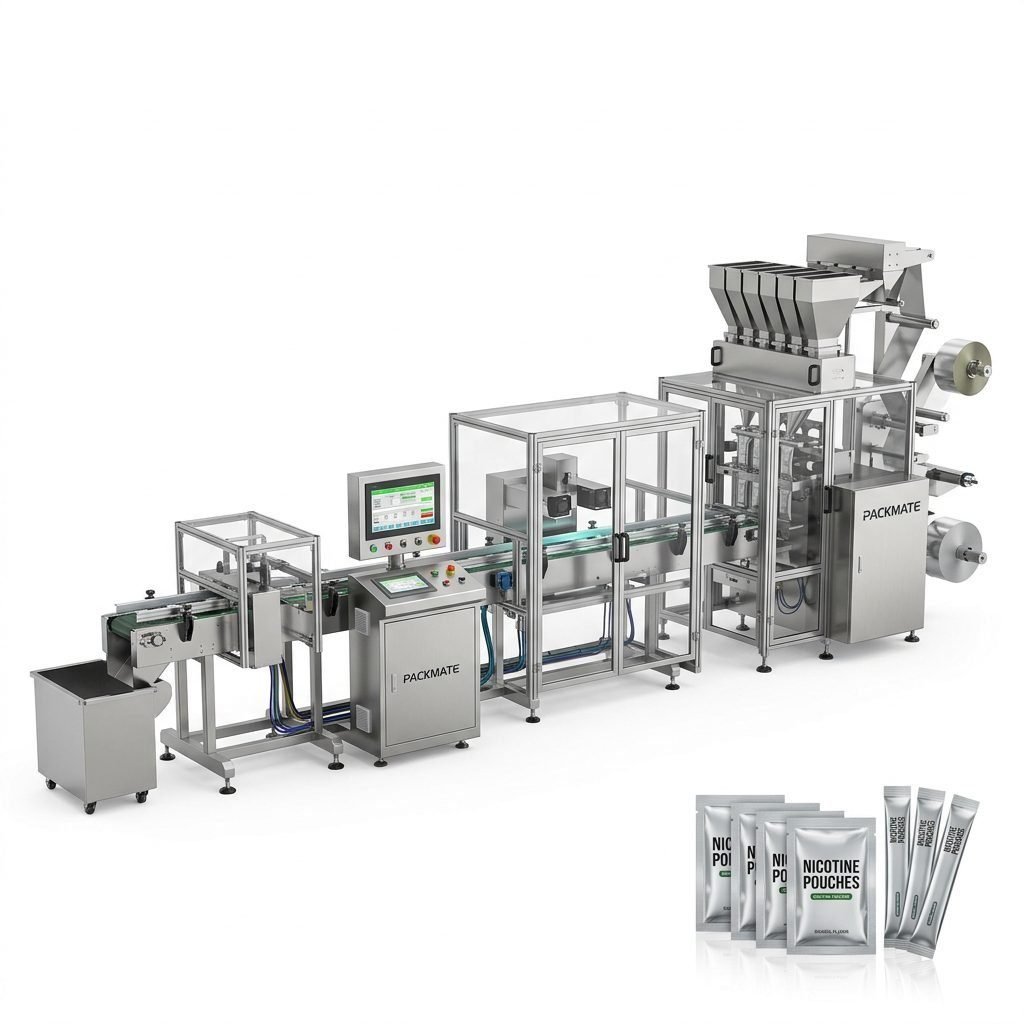
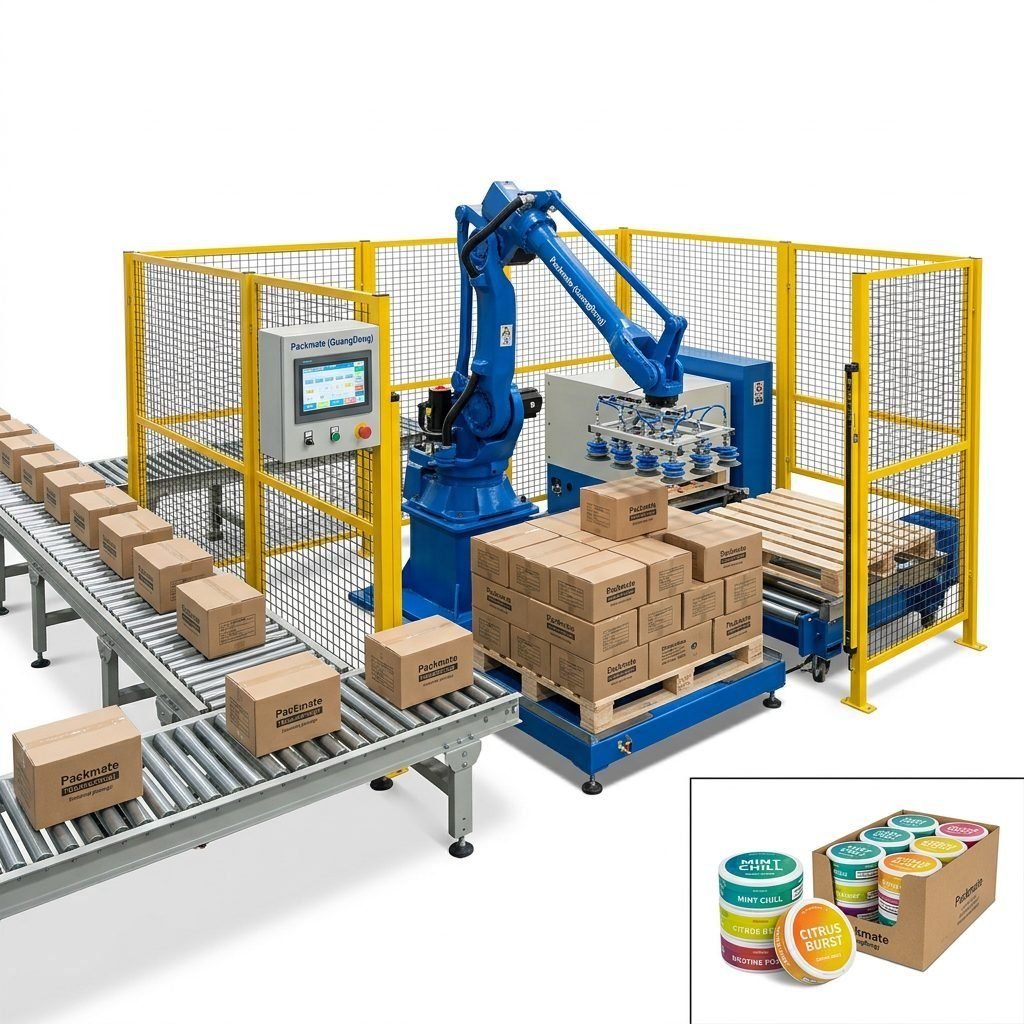
Consider conveyors, checkweighers, and secondary packaging. Suppliers that offer full-line solutions or compatible auxiliary equipment reduce integration effort — see options for Weighing & Packaging Systems and Auxiliary Packaging Equipment.
Decision Checklist — Quick Buyer’s Scorecard
Use this short checklist to score each potential supplier:
1. Machine accuracy & production rate verified (FAT data)?
2. CE/ISO documentation and traceability provided?
3. Spare parts & response SLA acceptable?
4. Local language manuals/training or multilingual support?
5. Clear TCO overview and upgrade path?
Why Packmate Could Be a Strategic Choice
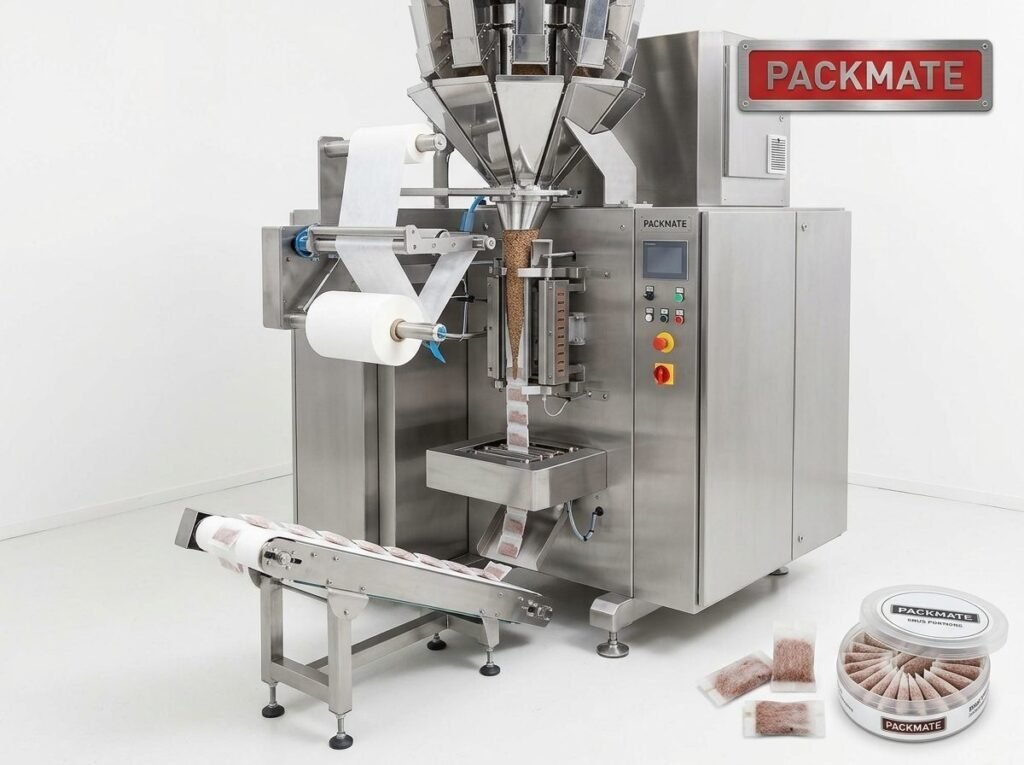
A vendor with decades of experience in snus/nicotine pouch machines can shorten adoption time. Packmate offers a broad product portfolio and manufacturing strength to support Swiss buyers seeking reliable, high-precision packaging lines. Learn more about their product catalog and services:
Explore the full Snus & Nicotine Packaging Machines range, consult the Catalog, or contact the team directly via Contact Us to request FAT, references, or a quote.
Practical Next Steps for Swiss Buyers
Follow this roadmap to finalize your supplier selection:
- Define production targets, pouch materials, and compliance needs.
- Request detailed specs, FAT data, and written warranty terms from shortlisted vendors.
- Score suppliers with the decision checklist above and ask for references in Europe.
- Negotiate a clear SPI/Delivery, acceptance criteria, and remote support SLA.
- Plan installation, training, and spare parts consumption before delivery to avoid delays.
Conclusion
Selecting a nicotine packaging machine supplier in Switzerland means choosing more than a machine: it’s selecting a partner that understands precision, regulation, and sustainability. Prioritize proven manufacturing capability, comprehensive documentation, strong after-sales support, and a willingness to adapt systems to local preferences. With the right evaluation steps — FAT validation, TCO analysis, and service commitments — you can secure a reliable packaging line that supports product quality, regulatory compliance, and operational efficiency.
Frequently Asked Questions
1. What certifications should I require from a nicotine packaging machine supplier?
Ask for CE and ISO certificates as a baseline, plus material safety and traceability documents for parts in product contact. If you export to the EU, verify EU compliance and labeling support as well.
2. How important is a factory acceptance test (FAT)?
FAT is essential. It validates actual production speed, dosing accuracy, and sealing quality before shipment. Insist on recorded FAT results and a signed acceptance protocol.
3. How do I ensure fast spare parts delivery in Switzerland?
Negotiate spare parts SLAs in the contract, ensure a stocked spare kit is shipped with the machine, and prefer suppliers with European distribution or local service partners to minimize lead times.
4. Should I buy a modular or fully integrated packaging line?
Modular lines offer flexibility and lower initial investment; fully integrated lines can improve throughput and reduce integration effort. Base your choice on expected SKU diversity, floor space, and long-term scaling plans.
5. Where can I find reliable machine case studies and product info?
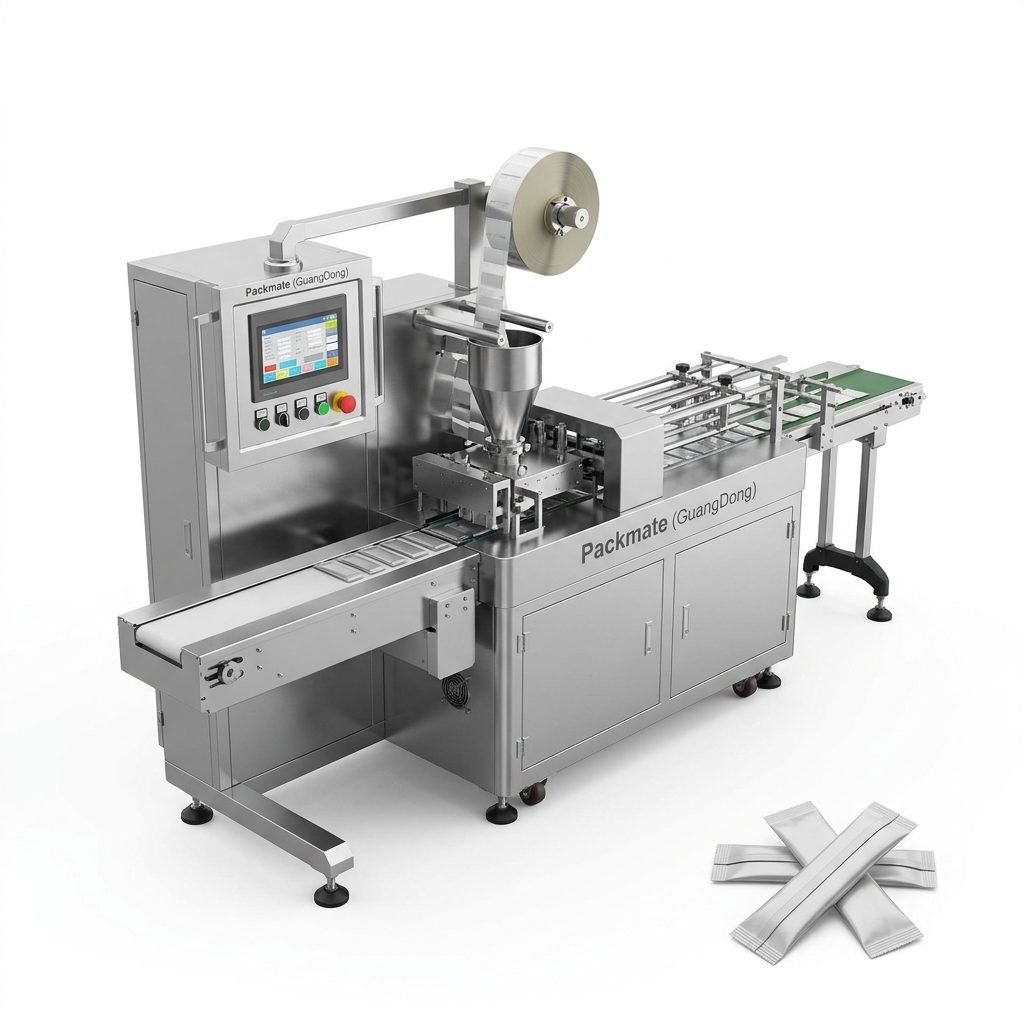
Review supplier case pages and catalogs for real-world examples. For further reference, see Packmate’s Case page and product listings like Sachet & Stick Pack Machines.