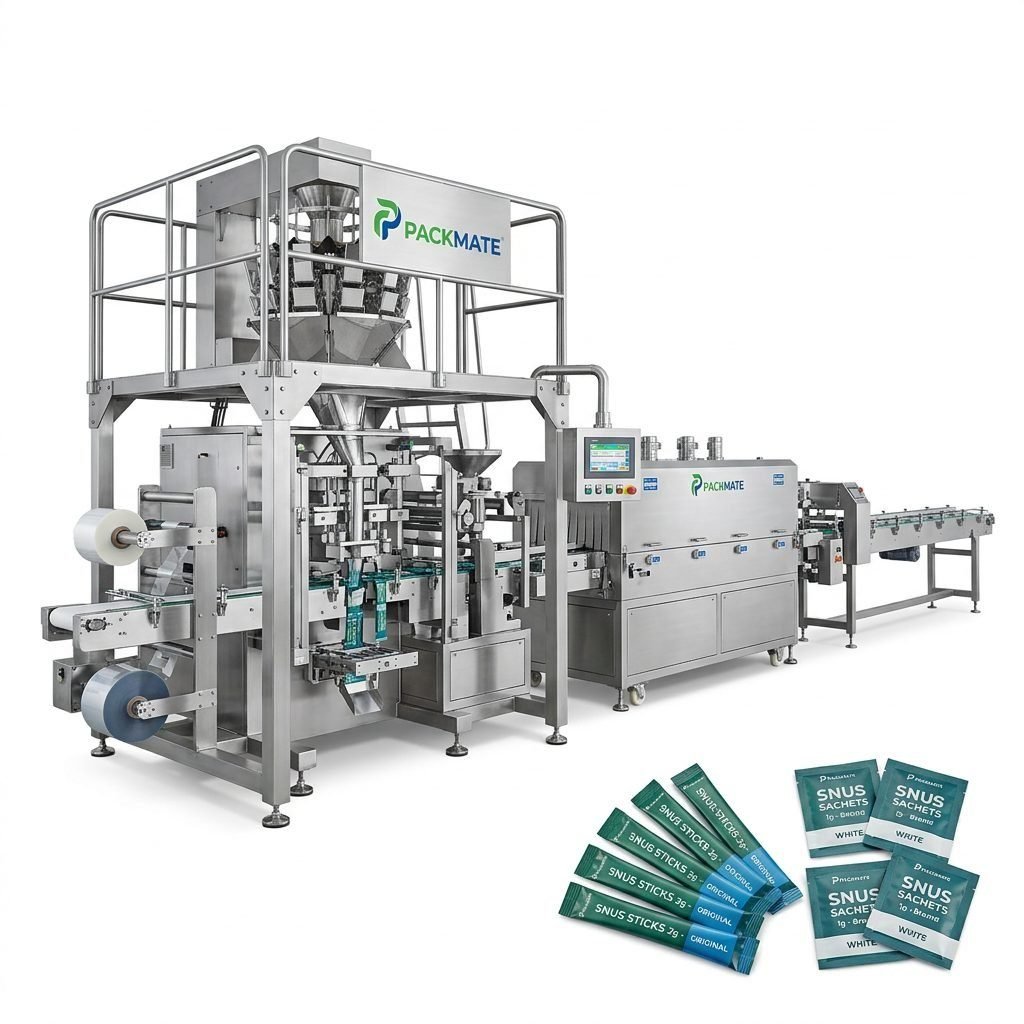
Choosing the right nicotine pouch (snus) packaging machine for operations in Niger means balancing local market realities, regulatory compliance, and the technical performance of equipment. This guide walks you through practical steps to evaluate machines, compare suppliers, and plan for installation and long-term operation so your investment delivers consistent output, product safety, and a fast return on investment.
Understanding the Niger Market and Regulatory Context
Niger’s market for nicotine pouches and related products is sensitive to evolving regulations and import controls. Before selecting equipment, confirm local approvals and labeling requirements. Work with local legal counsel or a regulatory consultant to ensure your packaging format, materials, and labeling meet any tobacco-control legislation or public health rules. Early compliance checks avoid expensive retrofits.
Key considerations
📌 Import permits and customs duties can affect total cost. Confirm classification codes and taxable values with your freight forwarder.
⚖️ Check any advertising or packaging restrictions that may apply to nicotine products in Niger or in countries you export to.
Types of Nicotine Packaging Machines and Which Is Right for You
Different production needs call for different machine types. Below is a summary of common solutions and their typical use cases.
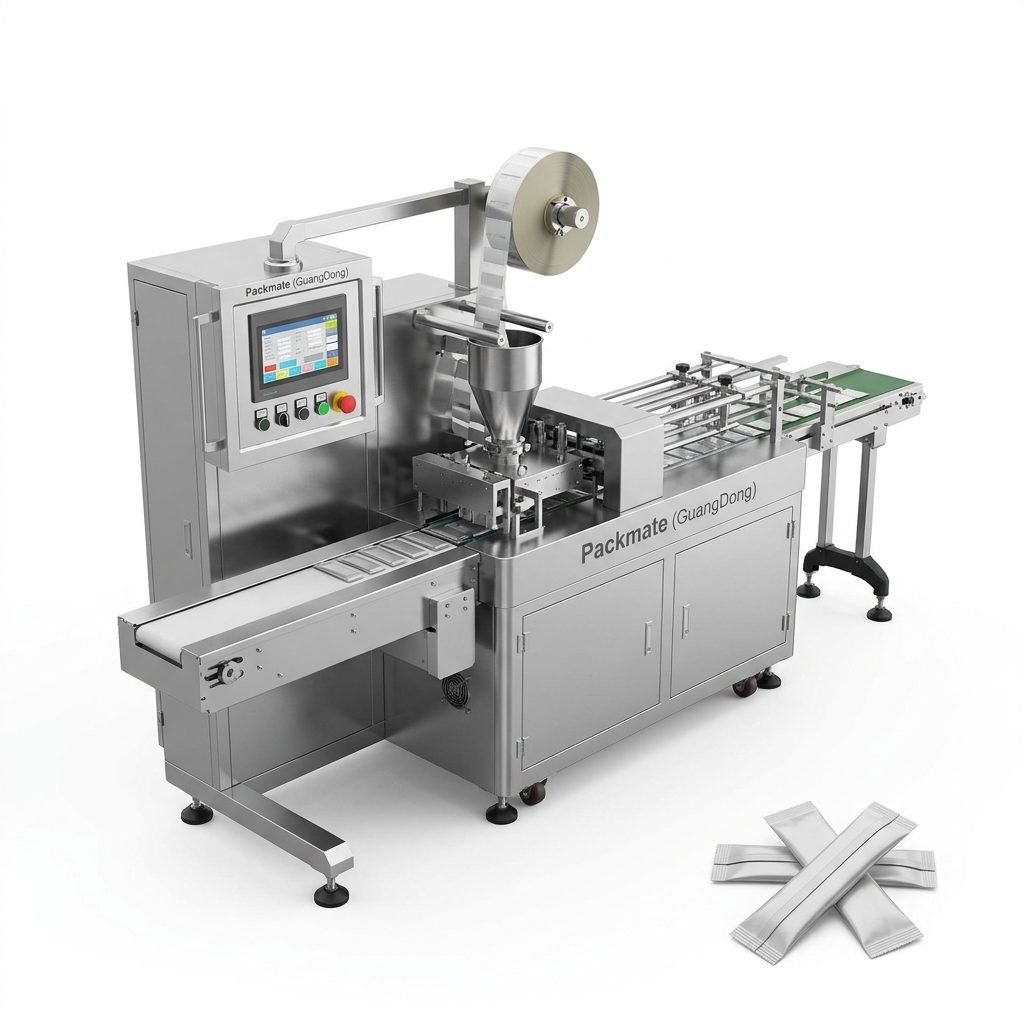
Sachet & Stick Pack Machines
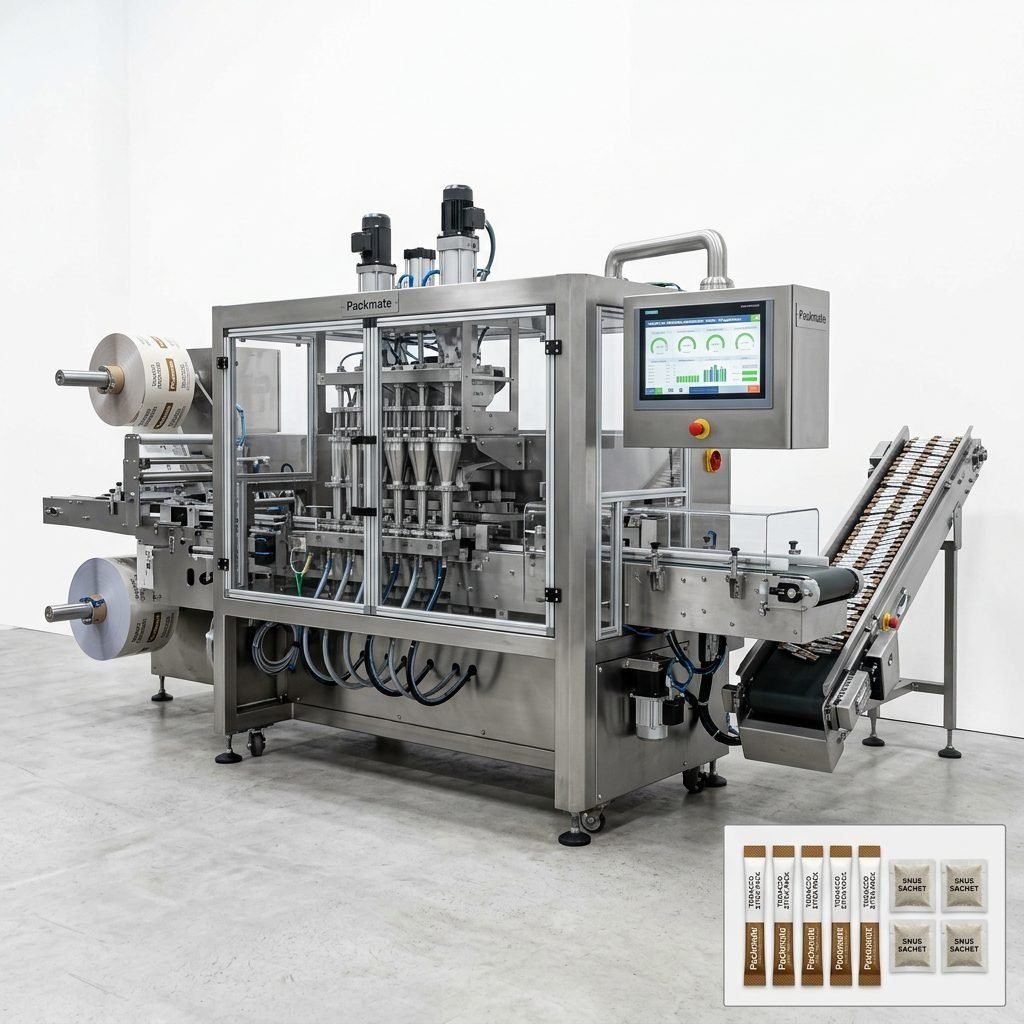
Ideal for single-dose nicotine pouches or trial packs. These machines are compact and often more affordable for smaller operations. They can produce sealed sachets that protect product freshness and are well-suited to low- to medium-speed lines. See examples of Stick Pack and Sachet models for design inspiration at Sachet & Stick Pack Machines.
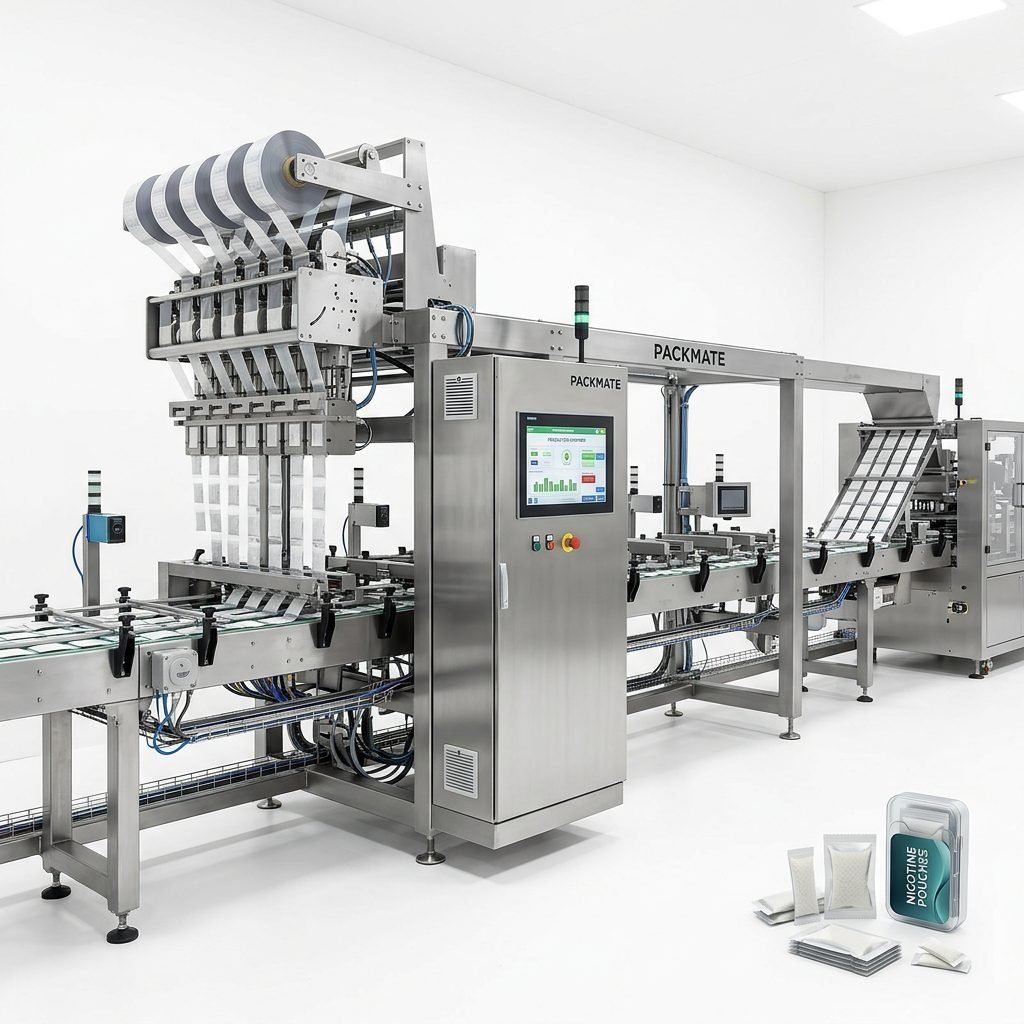
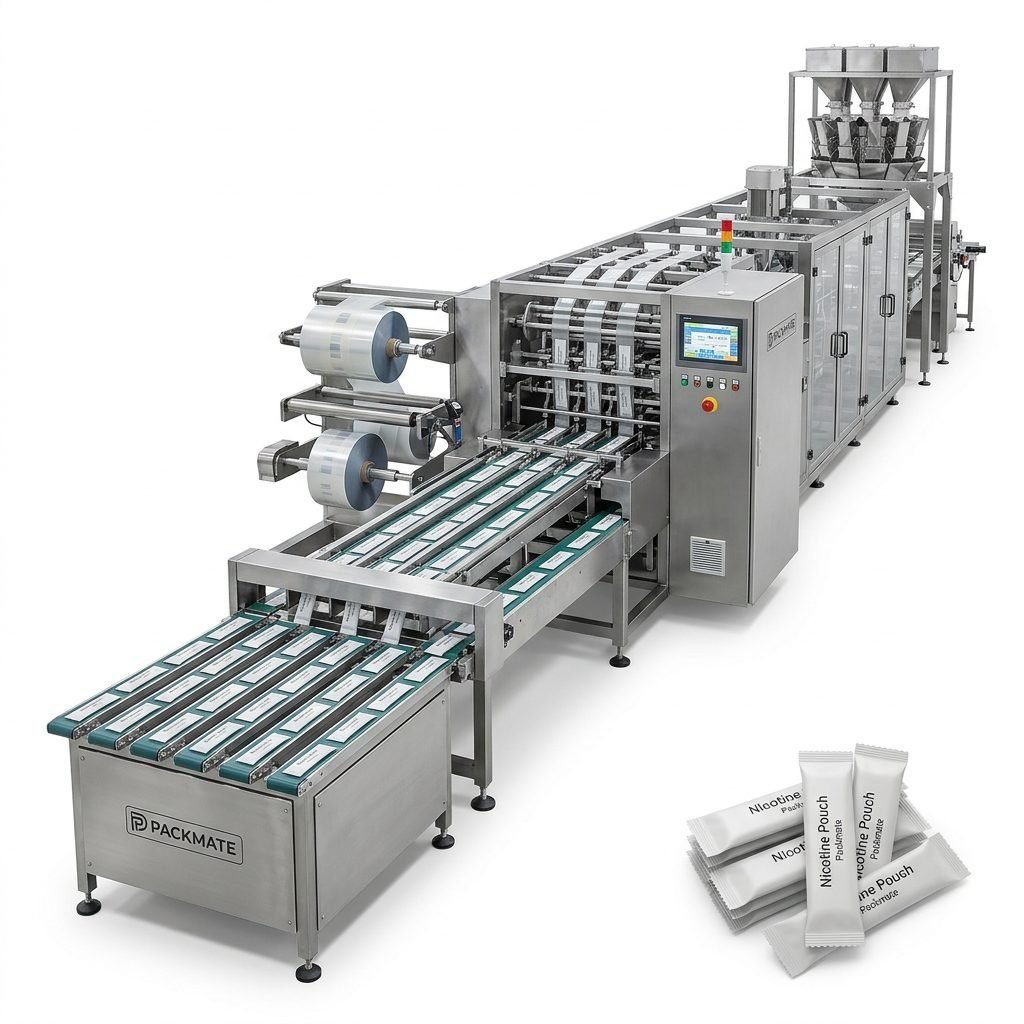
Multi-Lane Snus / Nicotine Packaging Machines
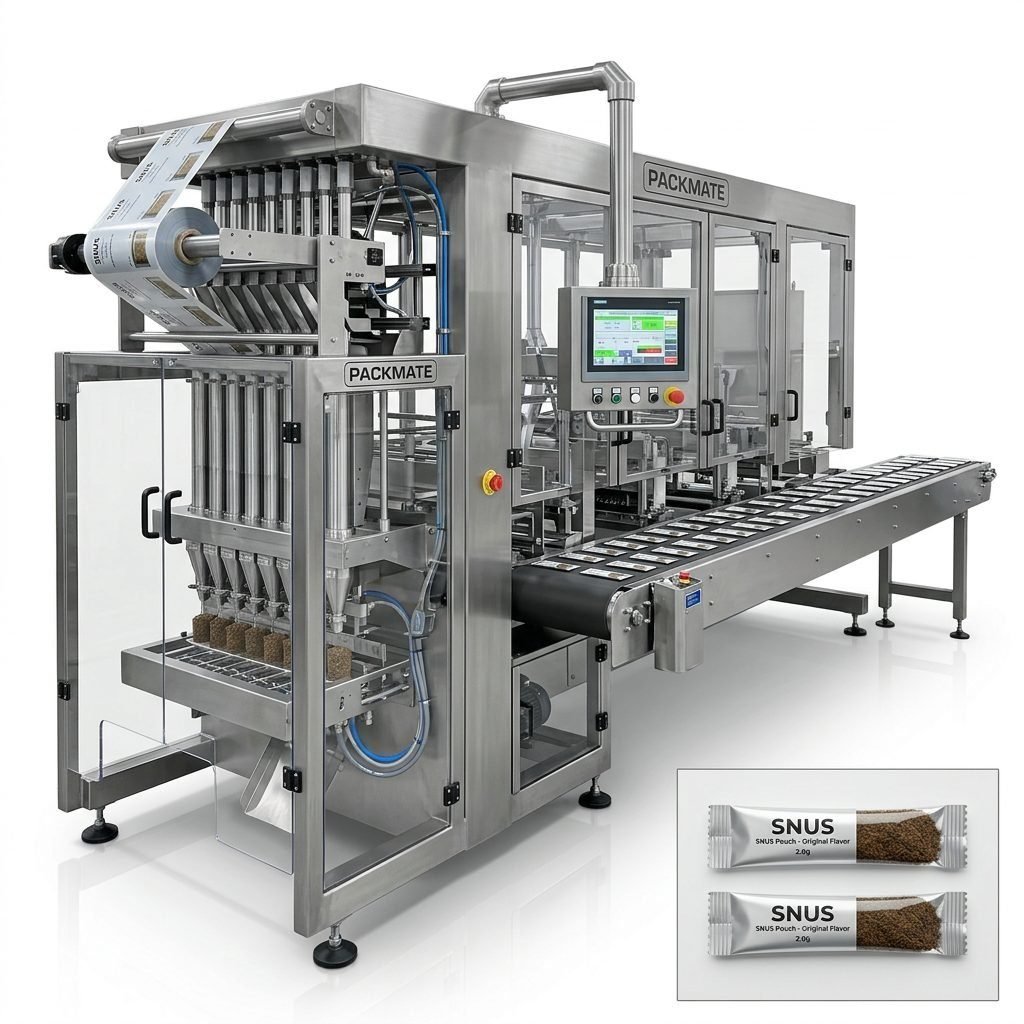
For high-throughput manufacturing of small-dose pouches, multi-lane systems deliver the best capacity per footprint. These machines are frequently used in dedicated nicotine pouch facilities. For full product lines, explore Snus & Nicotine Packaging Machines.
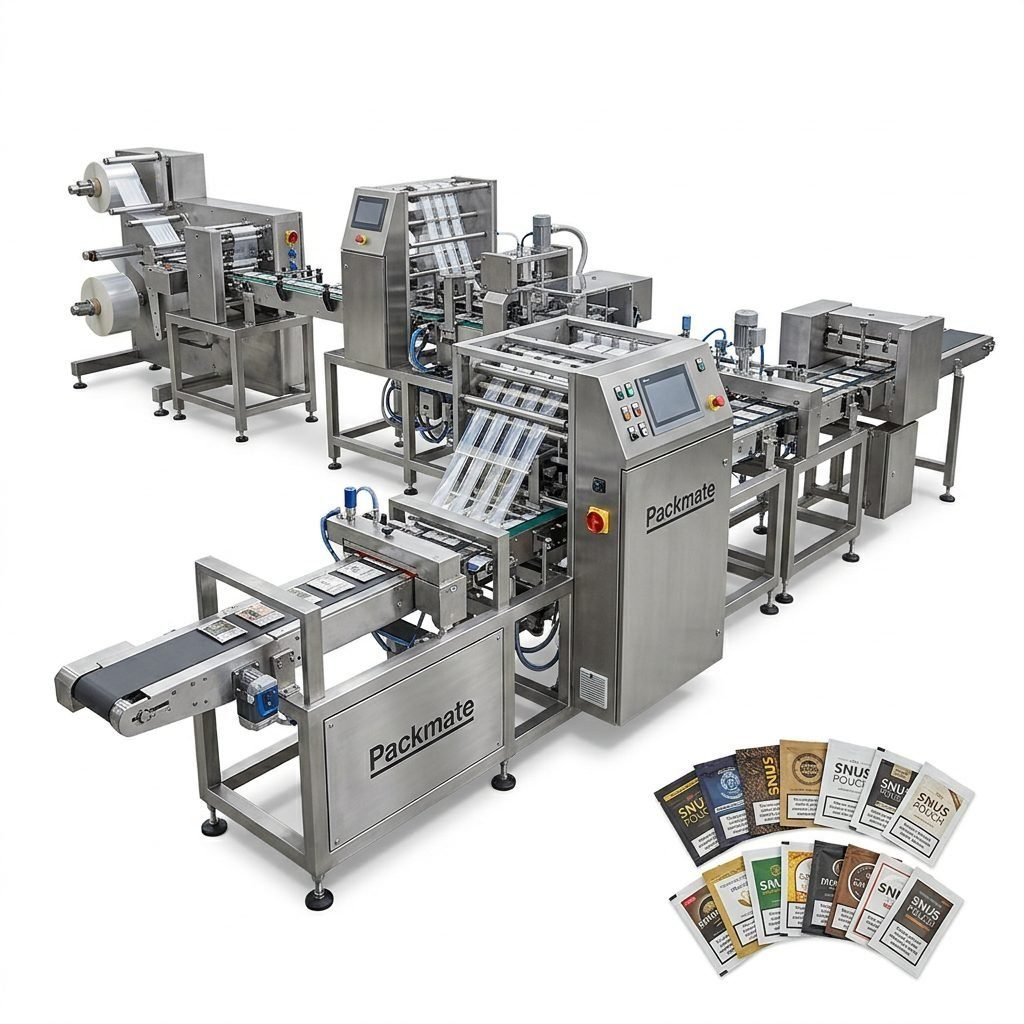
Bag & Pouch Packaging Machines
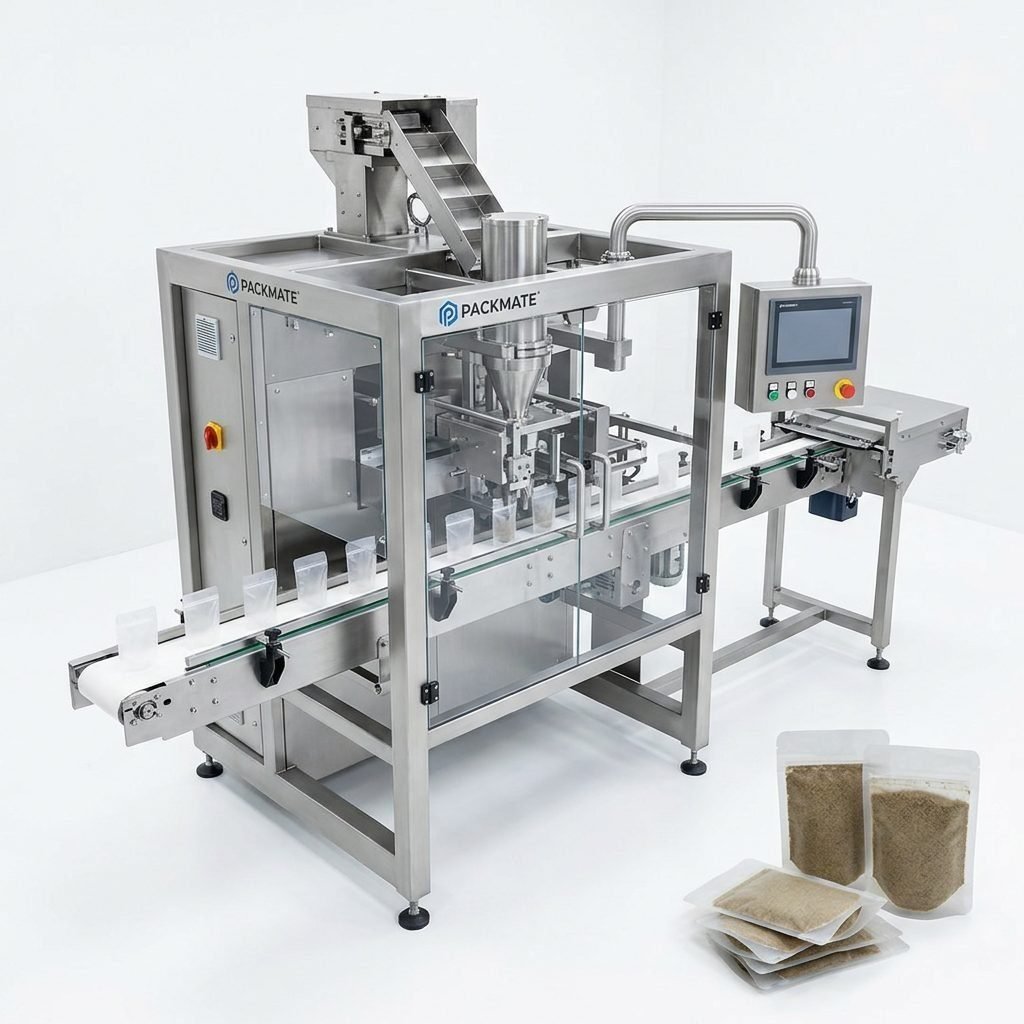
If your product line includes multi-pouch bags or retail-ready pouches, choose bag/pouch machines that perform horizontal/vertical sealing and zipper insertion. These systems are listed under Bag & Pouch Packaging Machines.
Technical Specifications to Prioritize
When comparing machine models, focus on the specifications that affect product quality, throughput, and maintainability.
-
Production speed (pouches/min) and lane count — higher lanes increase throughput without a proportional footprint increase.
-
Filling accuracy — look for precision weighing or volumetric dosing suitable for small-dose nicotine pouches.
-
Sealing quality and heat control — robust sealing systems ensure shelf life and tamper evidence.
-
Changeover time — quicker tool-free changeovers reduce downtime for SKU switches.
-
Material compatibility — confirm the machine handles your film laminates, paper, or biodegradable materials.
-
Automation level — PLC and HMI control, servo drives, and remote diagnostics improve uptime and ease operation.
🔧 Tip: Ask suppliers for typical OEE (Overall Equipment Effectiveness) metrics from existing installations similar to your planned capacity.
Evaluating Suppliers: What to Ask and Verify
A reliable supplier reduces risk. Use this checklist when contacting manufacturers.
Quality & experience
Select a manufacturer with proven experience in snus and nicotine pouch equipment. For example, companies with decades in machine engineering and multi-lane line experience typically deliver more stable equipment and better spare parts support. Review the supplier’s factory and capability pages to confirm scale and tooling capacity.
Certifications & Compliance
Check CE, ISO, and other relevant certifications. Certified machines tend to adhere to international safety and electrical standards, which matters for export and for on-site safety in Niger. See manufacturer credentials and certificates at Certificate.
After-sales support
After-sales service determines long-term uptime. Confirm spare parts lead time, remote support options, training packages, and availability of field engineers. Reliable suppliers often provide installation and commissioning, operator training, and preventive maintenance plans. Visit supplier service pages such as Service and Contact Us for direct inquiries.
✅ Factory visits or verified video demos are invaluable — they let you inspect welding, assembly, and final testing practices before purchase.
Estimating Total Cost and ROI
Purchase price is only part of the cost equation. Include installation, shipping, customs, spare parts, tooling, operator training, and utilities in your total cost of ownership. Estimate daily output, yield loss, and labor to calculate payback horizon. Higher initial investment in automation often yields lower labor cost and improved yield—accelerating ROI.
Hidden cost factors
-
Energy consumption and compressed air usage
-
Frequency of consumable replacements (cutters, seals)
-
Downtime impact on customer commitments
Installation, Commissioning, and Training
Plan for a structured installation and commissioning period with the supplier. A typical schedule includes site preparation, mechanical and electrical installation, dry runs, test runs with product, and staff training. Remote setup support via secure connection can shorten on-site time — but always schedule an initial on-site commissioning for final validation.
Training priorities
Operator training should cover daily checks, changeovers, and quality inspections. Maintenance training must include preventive routines, lubrication schedules, and spare parts identification.
Spare parts & manuals
Get a recommended spare parts list and printed manuals in English or local language. Digital copies are helpful for quick referencing and remote troubleshooting.
Customization and Turnkey Solutions
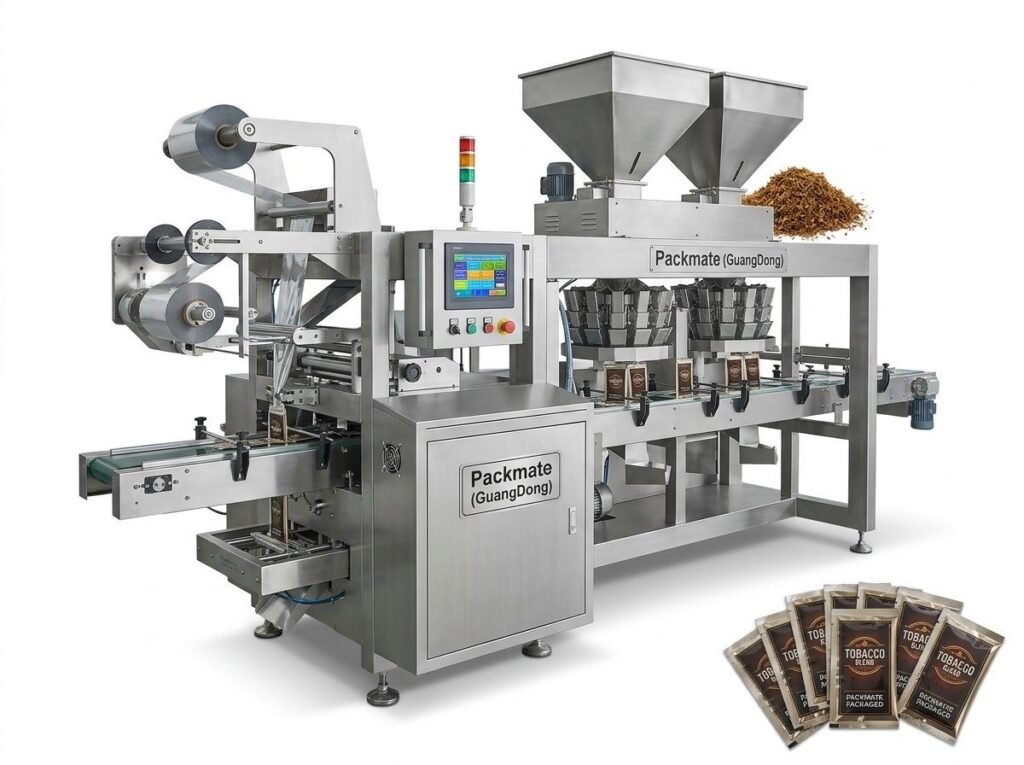
If you need a complete production line — from weighing and dosing to primary packaging and final case packing — consider a turnkey provider who integrates all subsystems and performs factory acceptance testing (FAT). Providers with strong engineering backgrounds and large assembly facilities can deliver robust integrated lines: explore integrated solutions on the Filling & Packaging Lines and Weighing & Packaging Systems pages.
Practical Buyer’s Checklist
📋 Before you sign:
-
Confirm throughput and lane configuration meet projected volumes.
-
Request machine drawings and layout to check factory floor fit and utilities.
-
Ask for FAT video and performance data from similar installations.
-
Clarify warranty, spare parts kits included, and lead times for critical components.
-
Negotiate training, commissioning, and first-year remote support in the contract.
Case Studies & Proven Use
Look for supplier case pages showing installations in climates and markets similar to Niger. Real-world case studies demonstrate handling of local logistics, training, and spare parts provisioning. For examples of field projects and customer stories, refer to supplier case pages like Case.
Exhibitions and Live Demonstrations
Attend relevant trade shows or request virtual demos to see machine performance under live conditions. Suppliers commonly showcase specialist lines at international exhibitions; check their exhibition schedule to plan a visit or book a live demo: Our Exhibition.
Final Recommendations
Invest time in supplier audits, verify performance data, and prioritize machines with modular designs and strong service networks. For operations in Niger, plan for spare parts inventories, local technician training, and clear service-level agreements. Consider manufacturers with decades of experience in snus machinery and multi-lane systems for the lowest long-term risk and the best production stability.
💡 Quick action checklist: Factory audit, FAT review, spare parts agreement, commissioning & operator training schedule, and post-installation support plan.
Learn more about the manufacturer
If you want to evaluate a proven manufacturer with extensive experience in snus/nicotine pouch lines, review the company profile and capabilities at About Packmate. Contact their team directly to request specifications, case studies, and a customized proposal.
Frequently Asked Questions
Q1: How long is delivery and installation for a medium-sized multi-lane snus line?
A1: Typical delivery depends on customization and production queue; plan 12–20 weeks for manufacturing plus 1–3 weeks for shipping and customs. Installation and commissioning usually take 1–2 weeks on site with supplier engineers.
Q2: What certifications should I verify before purchase?
A2: Verify CE and ISO certifications at minimum. For export customers, ensure electrical components meet international standards. Ask suppliers for certification documents and machine compliance statements.
Q3: How much spare parts inventory is recommended?
A3: Stock consumables for at least 3 months of production (cutters, seals, fuses, belts), and critical wear parts for 6–12 months based on expected production. A supplier spare kit and clear lead times are essential.
Q4: Can machines be upgraded later for higher throughput?
A4: Many modern machines are modular and support lane expansion or additional automation. Confirm upgrade paths with the manufacturer and request estimated costs for future upgrades.
Q5: Where can I get technical answers and support resources?
A5: Use the supplier’s technical support, FAQ pages, and service contacts for prompt assistance. For example, see general support resources at FAQs and contact the team directly via Contact Us.