Choosing the right nicotine packaging machine supplier in Lithuania is a strategic decision that affects production efficiency, regulatory compliance, and long-term costs. Whether you are launching a new nicotine pouch brand for the Baltic market or upgrading an existing line, understanding technical capabilities, local customs, and service expectations will help you select a partner who delivers reliable machines and turnkey solutions.
Understand Your Production Needs
Begin by defining your current and near-future production targets. Are you focused on small-batch artisan runs for local Lithuanian retailers, or do you plan higher-volume exports across the EU? Key parameters to document include target pieces per minute, daily throughput, number of lanes required, pouch formats (e.g., nicotine pouch, sachet, stick pack), and average run lengths. Having a clear production brief makes technical comparisons meaningful and avoids over- or under-investment.
Important operational items to note: required filling accuracy, acceptable downtime, expected product changeover frequency, and the types of materials you will run (papers, laminated films, foil-lined pouches). These will determine whether you need multi-lane systems, integrated weighing solutions, or specialized sealing technology.
Why Choose a Supplier That Understands Lithuania?
Lithuania is an EU member with industry norms shaped by both European regulation and Baltic business culture. Suppliers who are familiar with EU CE requirements, cross-border logistics in the Baltics, and local labeling expectations (Lithuanian language requirements for consumer products, multilingual labeling for export) will eliminate many headaches during commissioning and market launch.
Business etiquette in Lithuania tends to value punctuality, transparency, and documented agreements. Many Lithuanian buyers also appreciate partners who can support fast response times and clear after-sales plans — especially given the smaller network of local spare-parts vendors compared to larger EU markets.
Quick selection guide:
✔️ Define capacity and pouch formats
✔️ Require CE and ISO certifications
✔️ Verify multi-lane and weighing precision
✔️ Confirm spare parts & local service plan
Technical Specifications to Compare
Production Capacity & Speed
Look for machines rated at the speeds you need during peak production, not just nominal speeds under ideal conditions. Vendors should provide real-world performance data for nicotine pouches — including multi-lane throughput numbers and typical uptime percentages. Ask for video demonstrations of machines running similar products to yours.
Pouch Types & Format Flexibility
Nicotine products come in many pack styles. Confirm whether the supplier offers machines that handle the specific pouch sizes and sealing methods you require (e.g., valve pouches, tear notches, flow-wrapped sachets). Flexibility reduces long-term capital expenditure when you expand SKUs or adapt packaging for different markets.
Accuracy & Weighing Systems
Filling accuracy is crucial for nicotine dosing and regulatory compliance. Integrated high-precision weighing systems and checkweighers minimize product giveaway and ensure consistent pouch weights. Ask potential suppliers about the type of weighing technology used, calibration intervals, and tolerance ranges.
Material Compatibility & Hygiene
Materials used in nicotine pouches can be hygroscopic and require gentle handling. Ensure the machine design protects product integrity (low-shear feed systems, stainless-steel contact parts, and easy-to-clean surfaces). Sanitation-friendly design reduces downtime during cleaning cycles and supports compliance with food/pharma hygiene standards.
Assessing Supplier Capabilities & Factory Strength
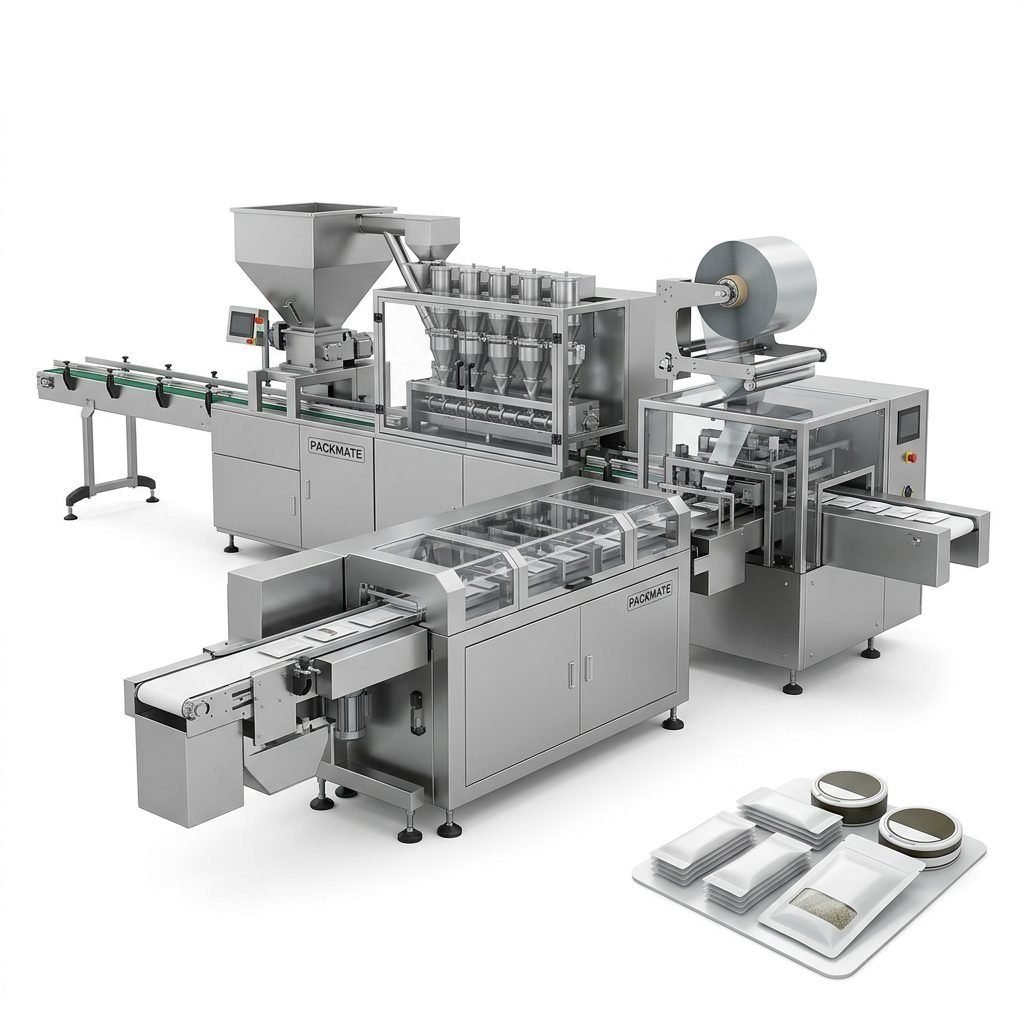
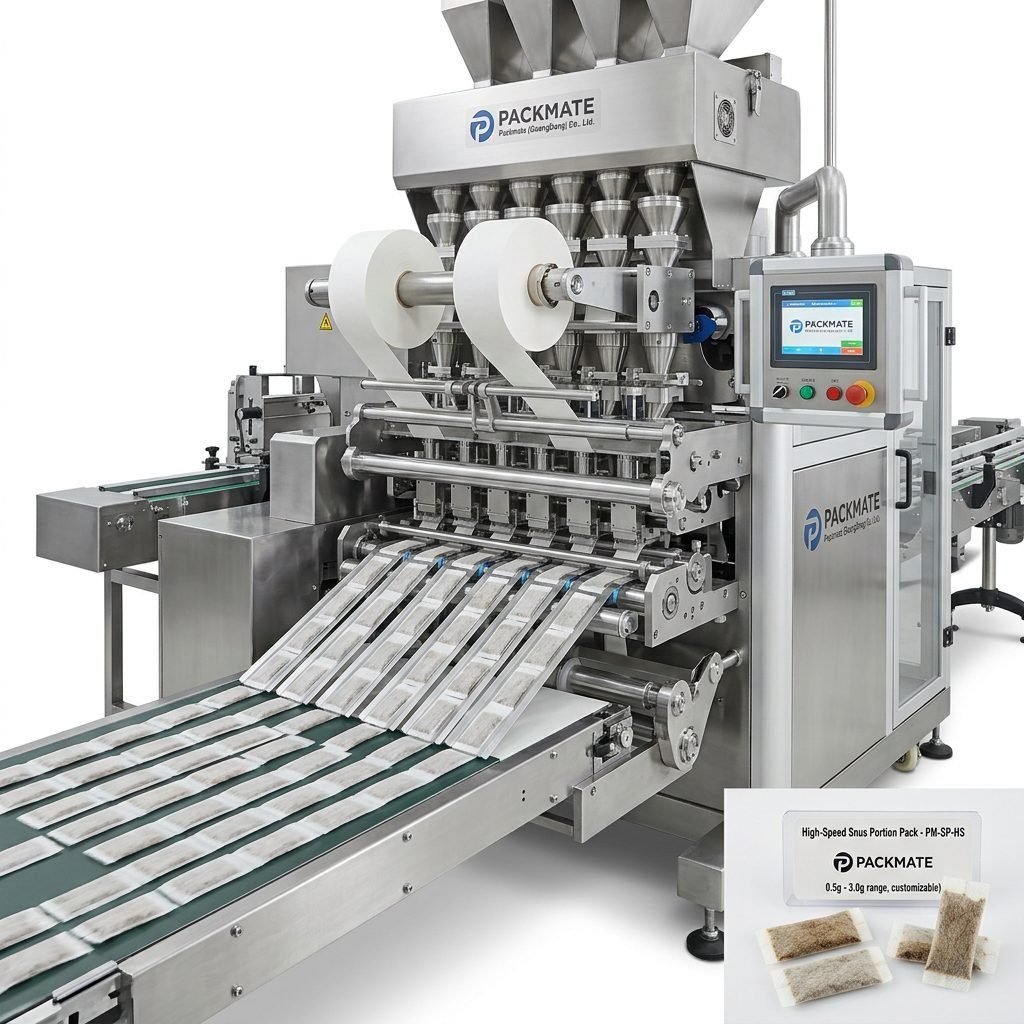
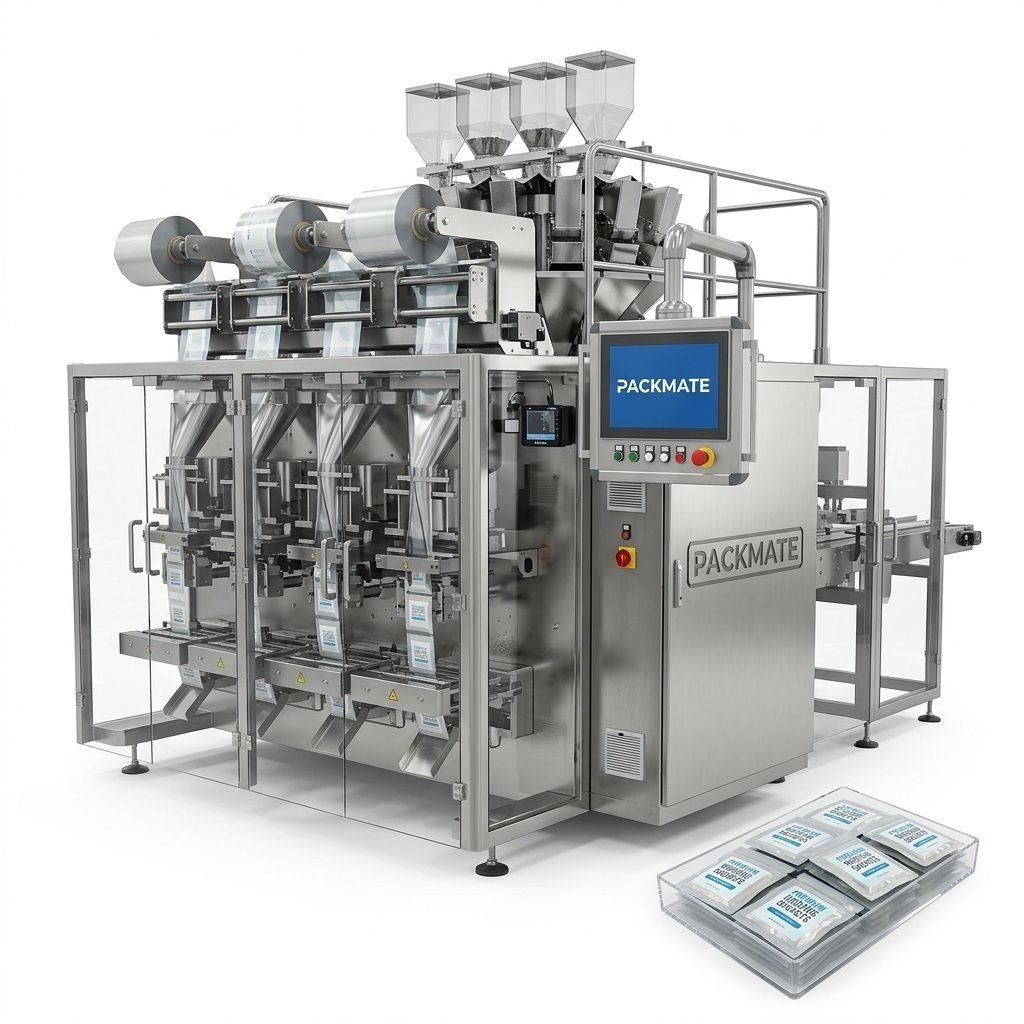
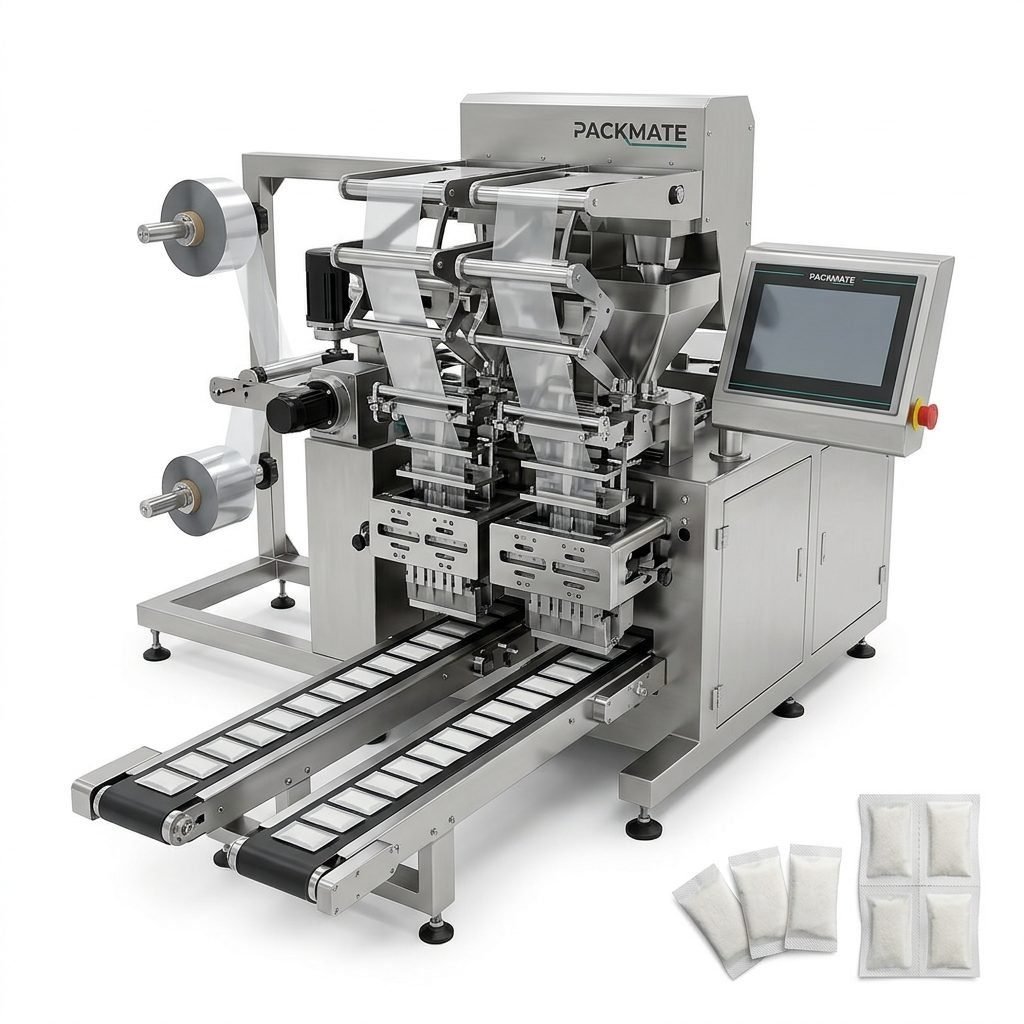
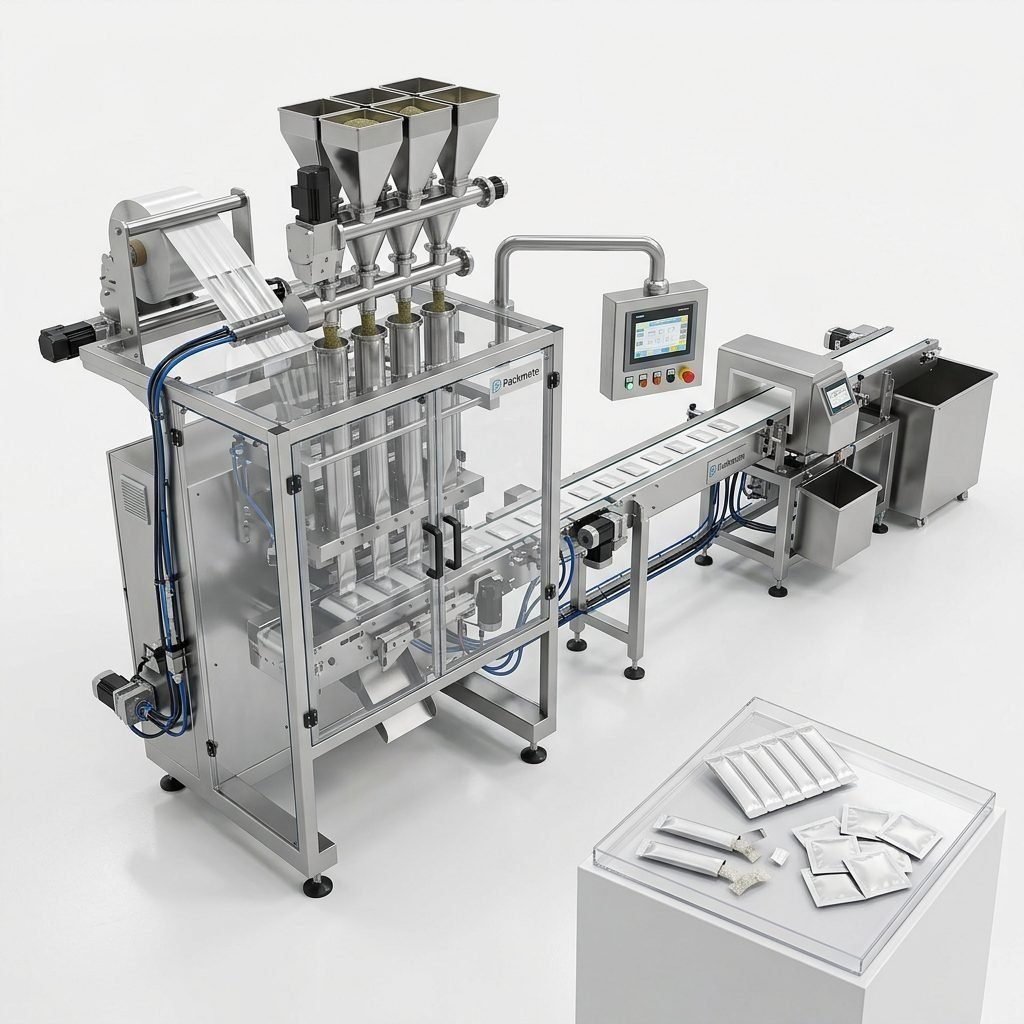
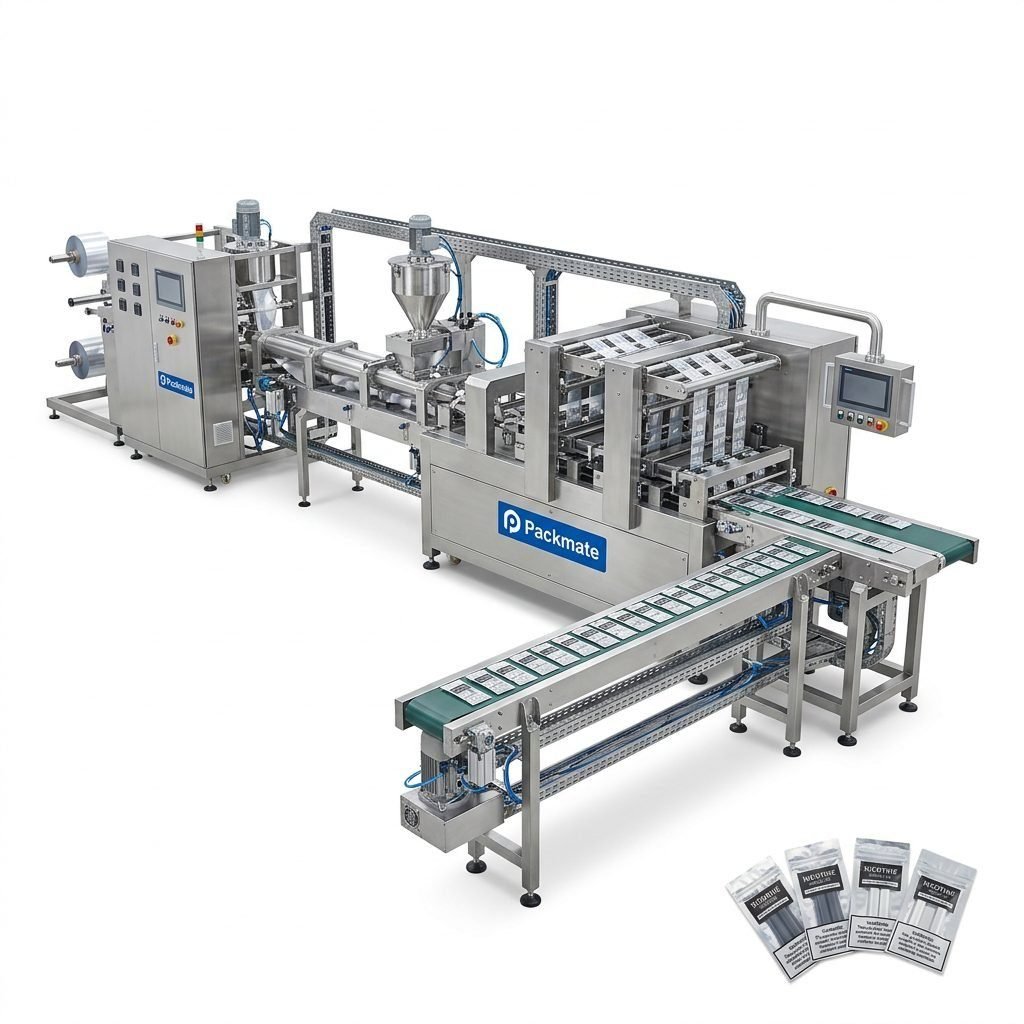
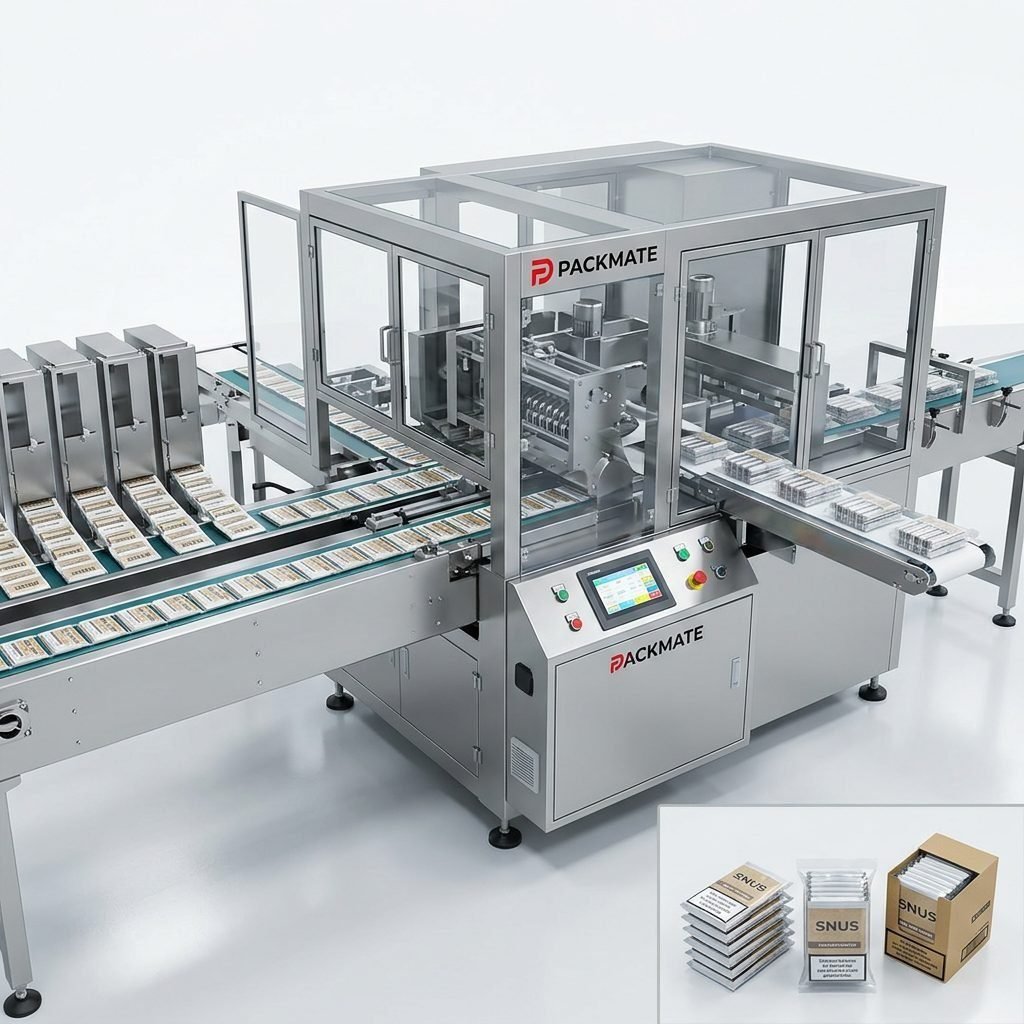
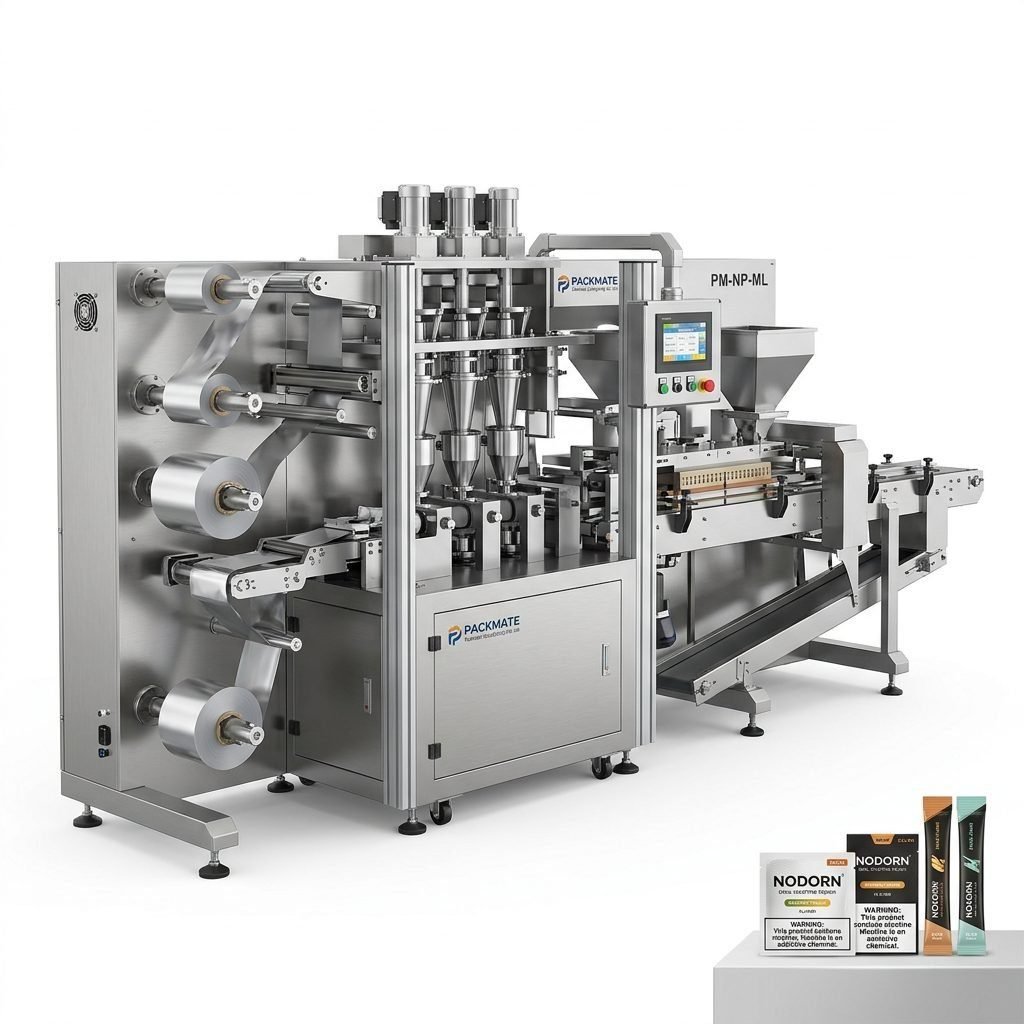
A supplier’s manufacturing capability and engineering history are indicators of long-term reliability. For example, Packmate Snus Machine highlights 30+ years of engineering experience, a 20,000㎡ factory with advanced CNC machining, and a portfolio of 50+ machine models — features that suggest strong in-house design and production capacity. When you evaluate suppliers, request factory tour options (virtual or in-person), production timelines, and evidence of precision assembly processes.
Explore product families and technical spec sheets to ensure their machine models match your needs. You can review product categories such as Snus & Nicotine Packaging Machines, Sachet & Stick Pack Machines, and Filling & Packaging Lines for compatible solutions.
Quality, Certification & After-sales Support
Prioritize suppliers that can demonstrate CE and ISO compliance, as well as documented quality controls. Certification is particularly important for EU markets like Lithuania where safety declarations and conformity assessments are standard. Verify the availability of spare parts, typical lead times for replacements, and whether the supplier offers training, remote support, and periodic maintenance contracts.
A good supplier should offer multilingual technical documentation and on-site commissioning support. If you expect to communicate in Lithuanian or English, confirm the language capabilities of the service team to avoid misunderstandings during setup or troubleshooting.
Must-haves from your supplier:
🔧 CE & ISO certification documentation
📌 Clear spare parts inventory & delivery time
✔️ On-site commissioning and operator training
Red Flags to Watch For
Beware of vendors who provide vague performance data, avoid factory visits, or cannot provide customer references in similar industries. Long, unexplained lead-times for spare parts and a lack of after-sales infrastructure in Europe can translate into costly downtime.
If pricing is significantly below market rate, request details on component origins and warranties. Cheap initial costs may hide higher lifetime expenses due to frequent repairs or inefficient machines.
Purchasing Process & Cost Considerations in Lithuania
When budgeting, include machine cost, shipping, customs duties, VAT, insurance, installation, and staff training. Lithuania’s location in the EU simplifies customs clearance for intra-EU suppliers, but imports from outside the EU require accurate HS codes and compliance documentation to avoid delays.
Request total landed cost estimates from the supplier and compare multiple quotes. Negotiate on warranty terms, spare parts packages, and bundled training sessions. Some suppliers offer modular upgrades — a cost-effective way to start with a base machine and add lanes or automation later.
Installation, Training & Local Service
Confirm whether installation is included and whether the supplier will send engineers for commissioning. Insist on operator training that covers routine maintenance, cleaning, and basic troubleshooting. For Lithuanian operations, ask about remote diagnostics options and whether local technicians can be trained to service machines, reducing response times.
Determine the availability of local spare parts stock or European distribution partners to shorten downtime for critical components. A clear spare parts plan is essential for continuous production.
Real-World References & Demonstrations
Request case studies and customer references — ideally in the nicotine pouch, tea, or food sectors. Suppliers showcasing live demos or exhibition participation provide a tangible sense of machine performance. Check exhibitor history and live demos on supplier exhibition pages to see machines in action.
Learn from documented installation case studies and ask for contactable references. You can review supplier examples and success stories on the Case page and learn about exhibition appearances at Our Exhibition.
Checklist Before You Order
📎 Detailed production brief (speeds, lanes, formats)
📎 Factory acceptance test (FAT) schedule and acceptance criteria
📎 Spare parts list & delivery times (critical spares identified)
📎 Warranty, service contracts, and training specifics
📎 Compliance documentation (CE, material certificates)
Why Packmate & What You Can Expect
Packmate Snus Machine is positioned as a specialist in snus and nicotine pouch machinery with over 30 years of engineering experience, a 20,000㎡ factory footprint, and 50+ machine models. Their focus on multi-lane, high-precision systems and global turnkey solutions is a strong match for Lithuanian companies seeking reliable, scalable production lines. For more technical product detail, review the Snus & Nicotine Packaging Machines listings and the wider Bag & Pouch Packaging Machines portfolio.
If you are ready to proceed, request a catalog and technical datasheet to compare models precisely. Access Packmate’s resources including Catalog, About Packmate, and direct contact options via Contact Us.
Final tip: treat the supplier relationship as a long-term partnership. Machines are capital investments; the right partner helps you scale, optimizes uptime, and supports regulatory compliance for Lithuania and the wider EU market.
Frequently Asked Questions (FAQs)
Q1: How do I determine the right speed and lane configuration for my nicotine pouch line?
A1: Start with your target daily output, SKU mix, and run lengths. Translate daily targets into pieces per minute and choose lane configurations that balance speed with changeover flexibility.
Q2: Are nicotine pouch machines regulated differently in Lithuania compared to other EU countries?
A2: Lithuania follows EU directives and national laws. Ensure your packaging meets CE requirements and local labeling rules; consult local regulatory advisors for nicotine-specific guidance.
Q3: What warranty and spare parts support should I require?
A3: Ask for a clear warranty period, parts availability guarantees, and optional service contracts. Prioritize suppliers who stock critical spares in Europe or offer fast shipping to Lithuania.
Q4: Can suppliers provide on-site commissioning and operator training in Lithuania?
A4: Reputable suppliers typically include commissioning and training. Confirm language support (Lithuanian or English) and the number of training days included.
Q5: Where can I see machine examples and real case studies?
A5: Review supplier case pages and exhibition demos to see machines in action. Packmate provides case references and exhibition details on their site to evaluate real-world performance.