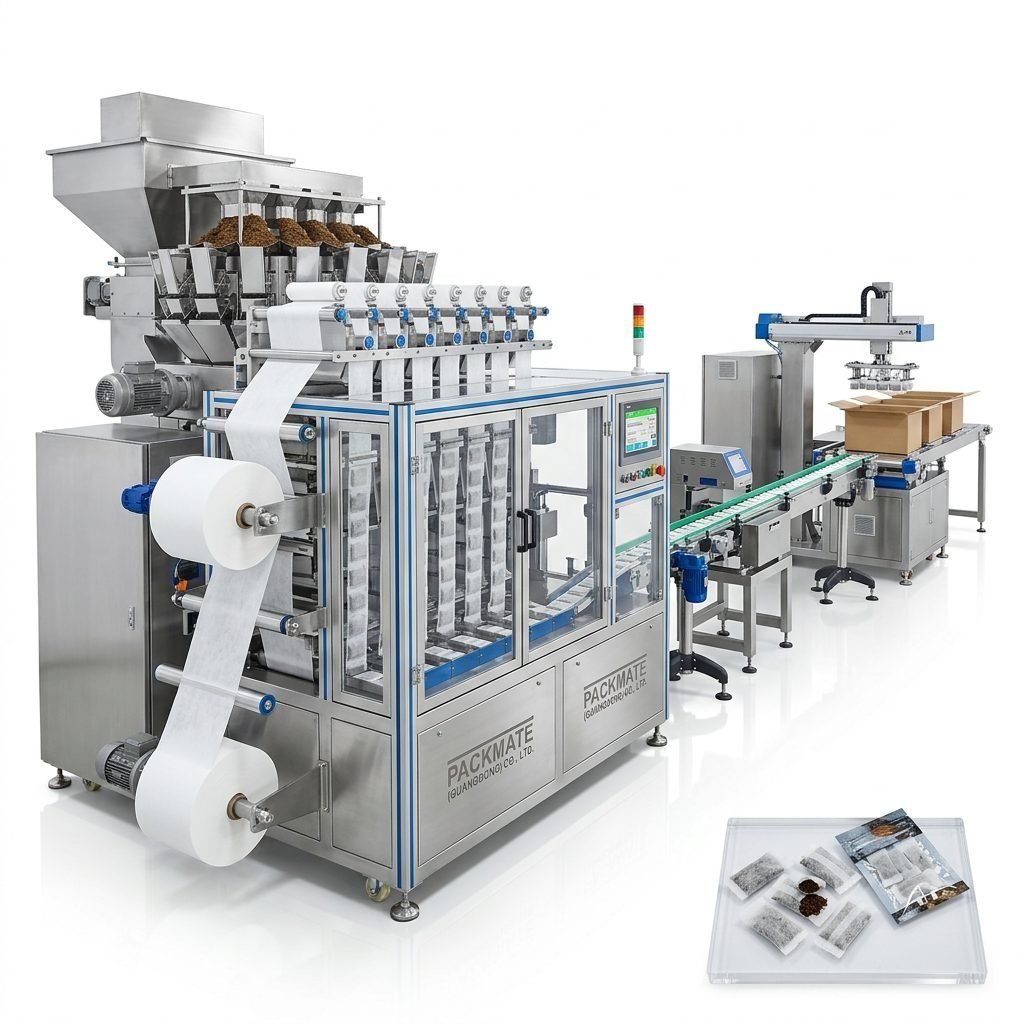
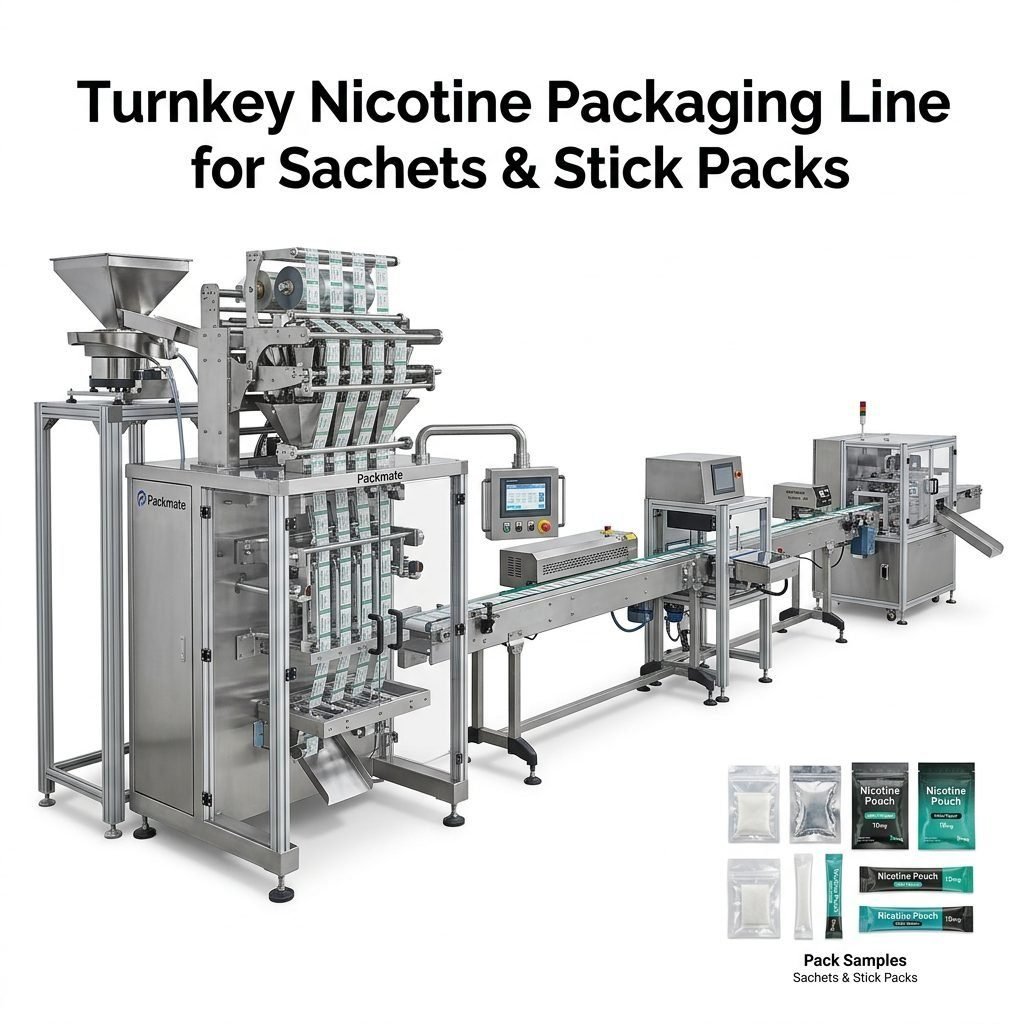
Entering the snus and nicotine pouch market in Togo requires more than a great product idea — it requires the right packaging machinery partner. Choosing the best snus packaging machinery supplier will determine your production quality, compliance with international standards, and the longevity of your operation. This guide gives practical, market-specific advice for Togolese entrepreneurs and importers to evaluate, select, and work successfully with a snus packaging machinery supplier.
Why the Right Supplier Matters in Togo
Togo’s consumer market and distribution networks have their own characteristics: French is the dominant business language, logistics routes often rely on the Port of Lomé, and small-to-medium manufacturers value reliable after-sales service and easy spare parts access. In this environment, picking a supplier who understands local realities is as important as the machine specs. Important factors include durability in humid climates, availability of technical support, and clear documentation in French or English.
Key supplier strengths to look for:
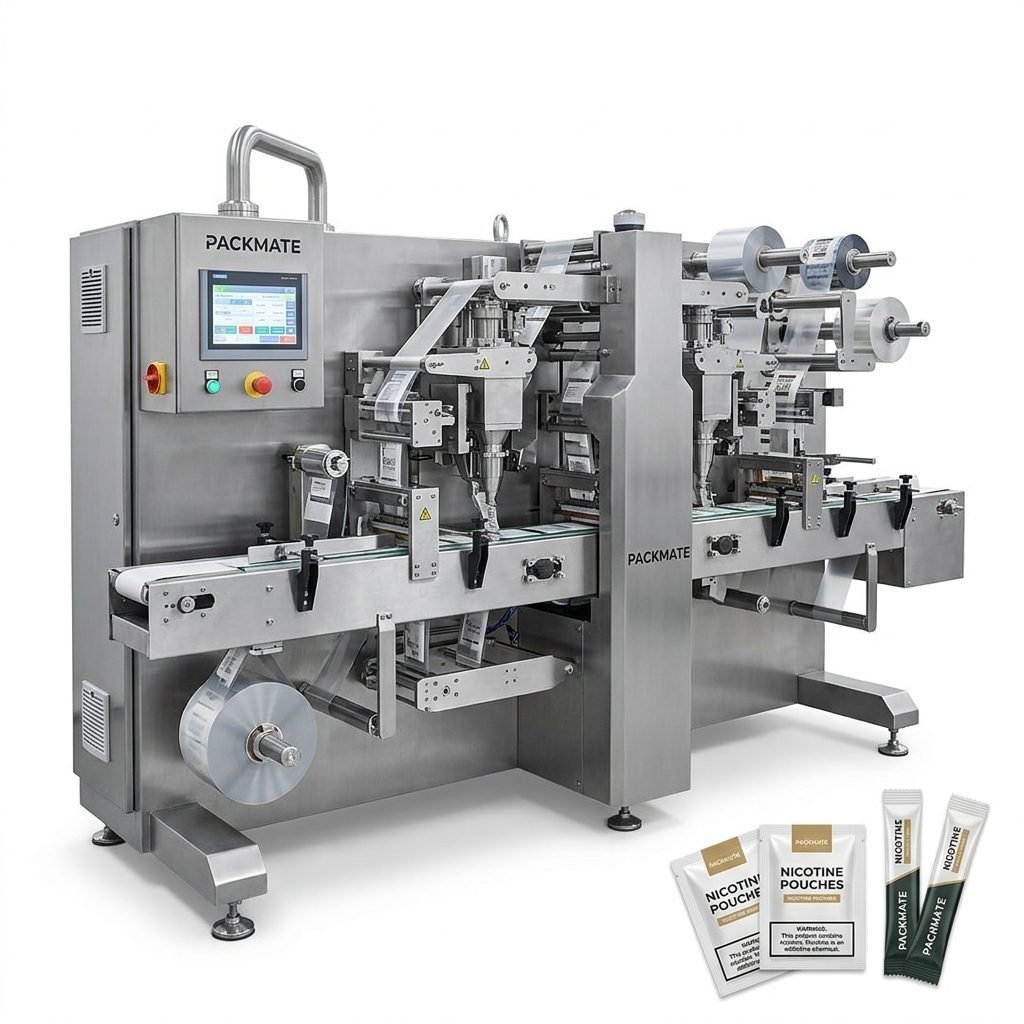
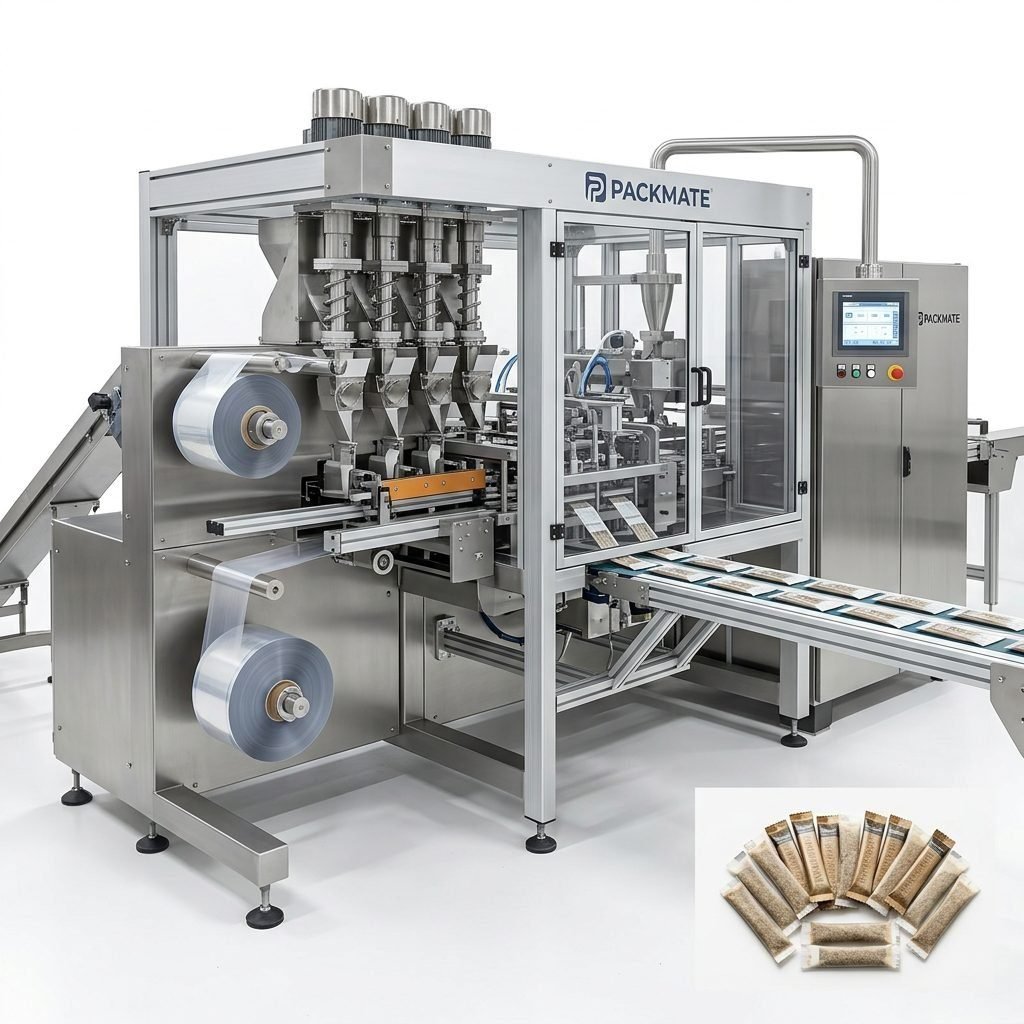
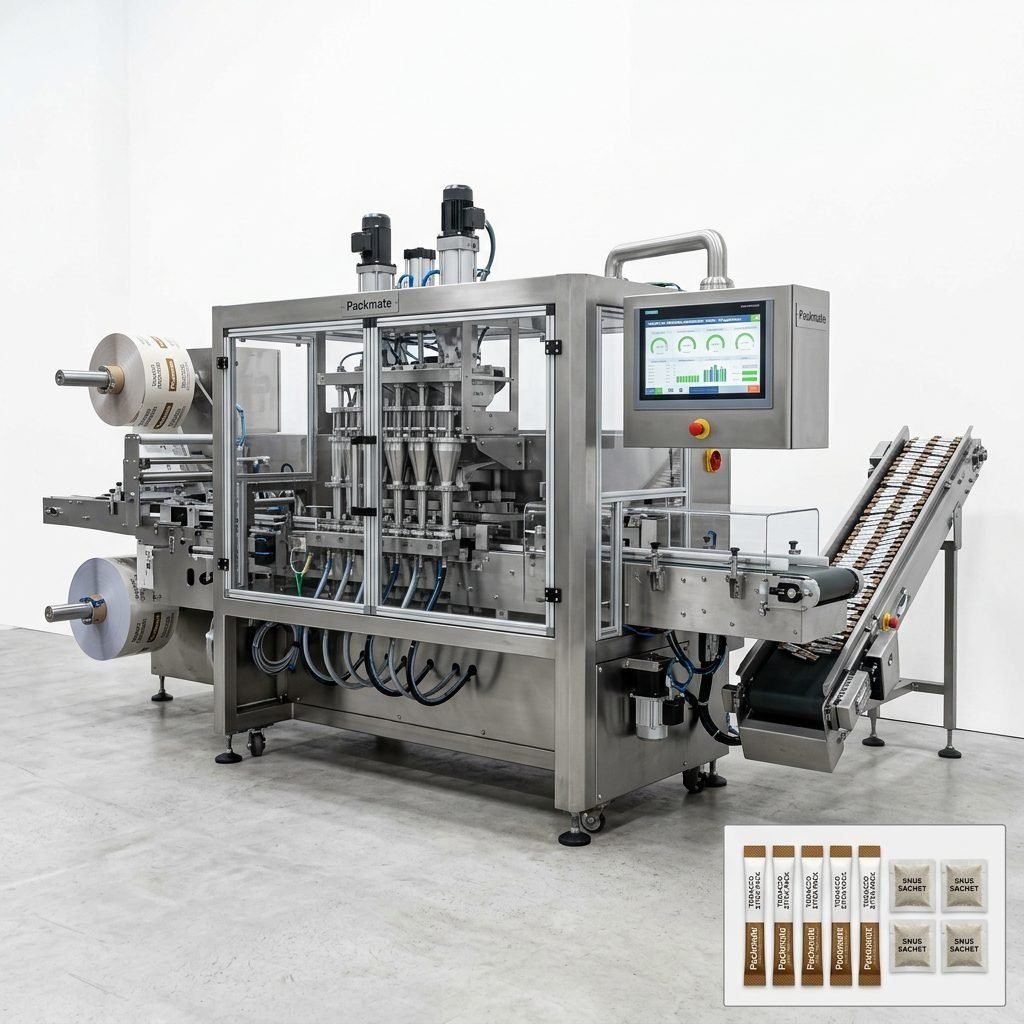
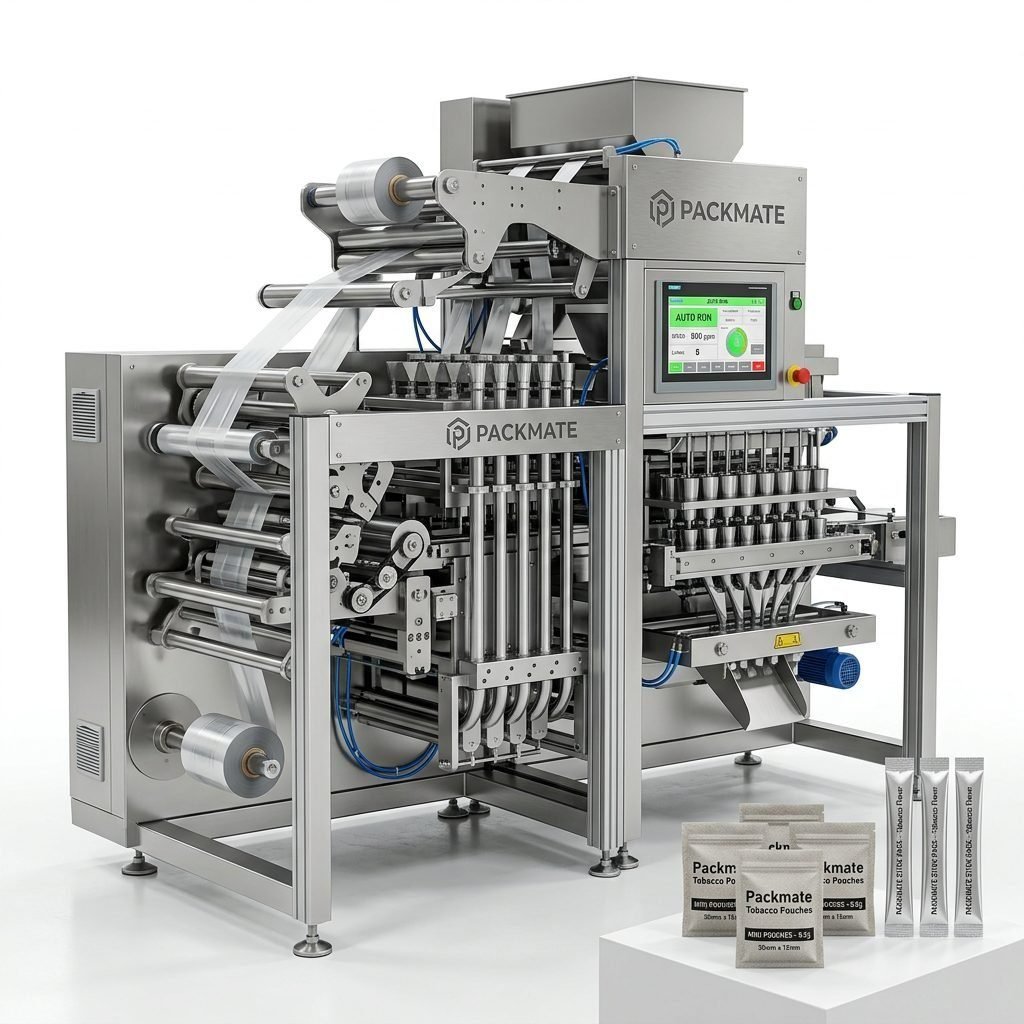
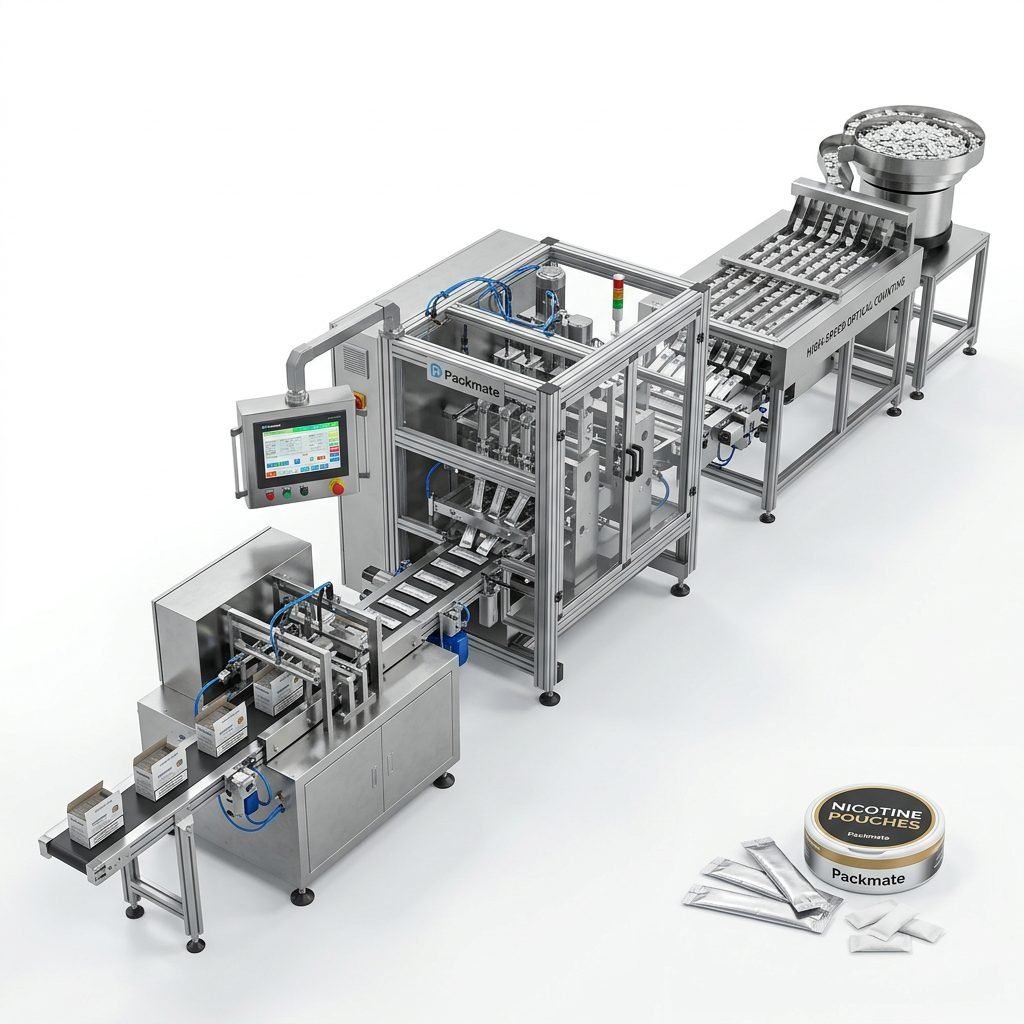
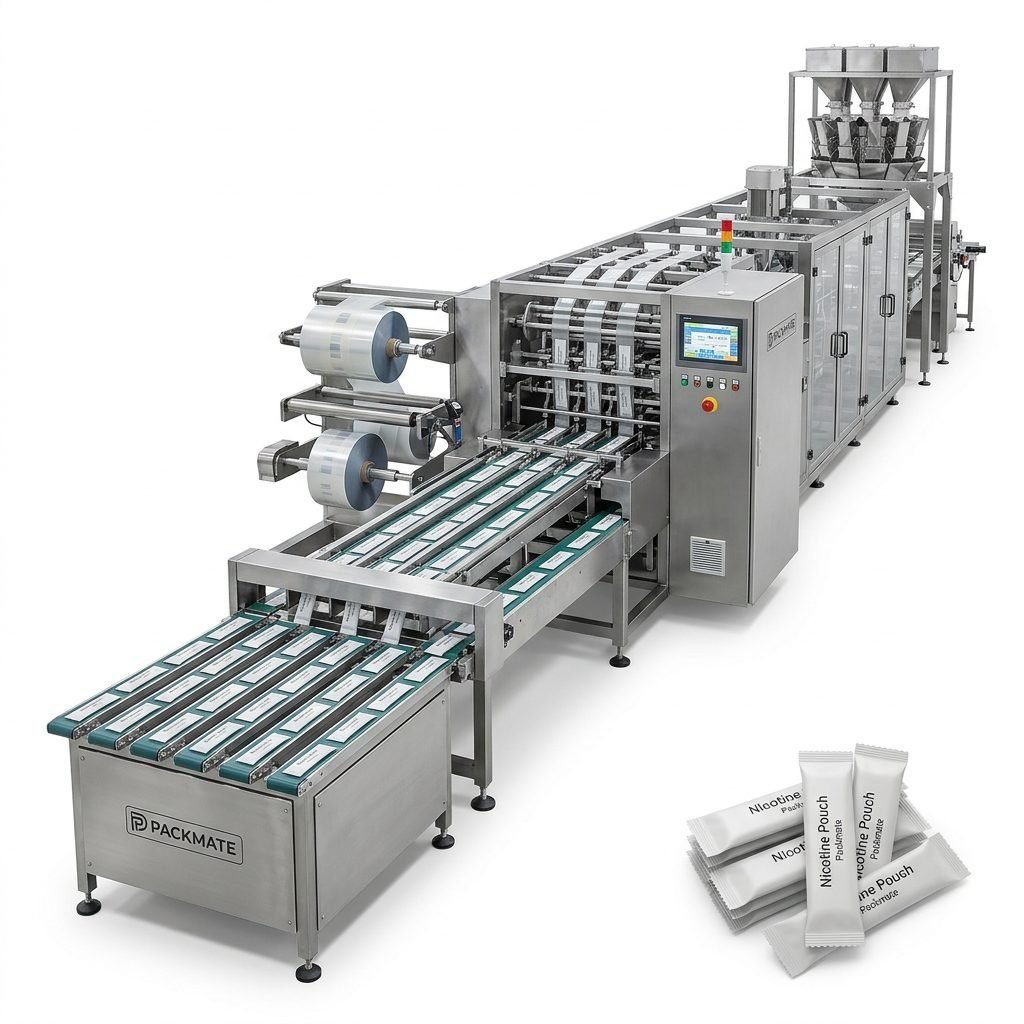
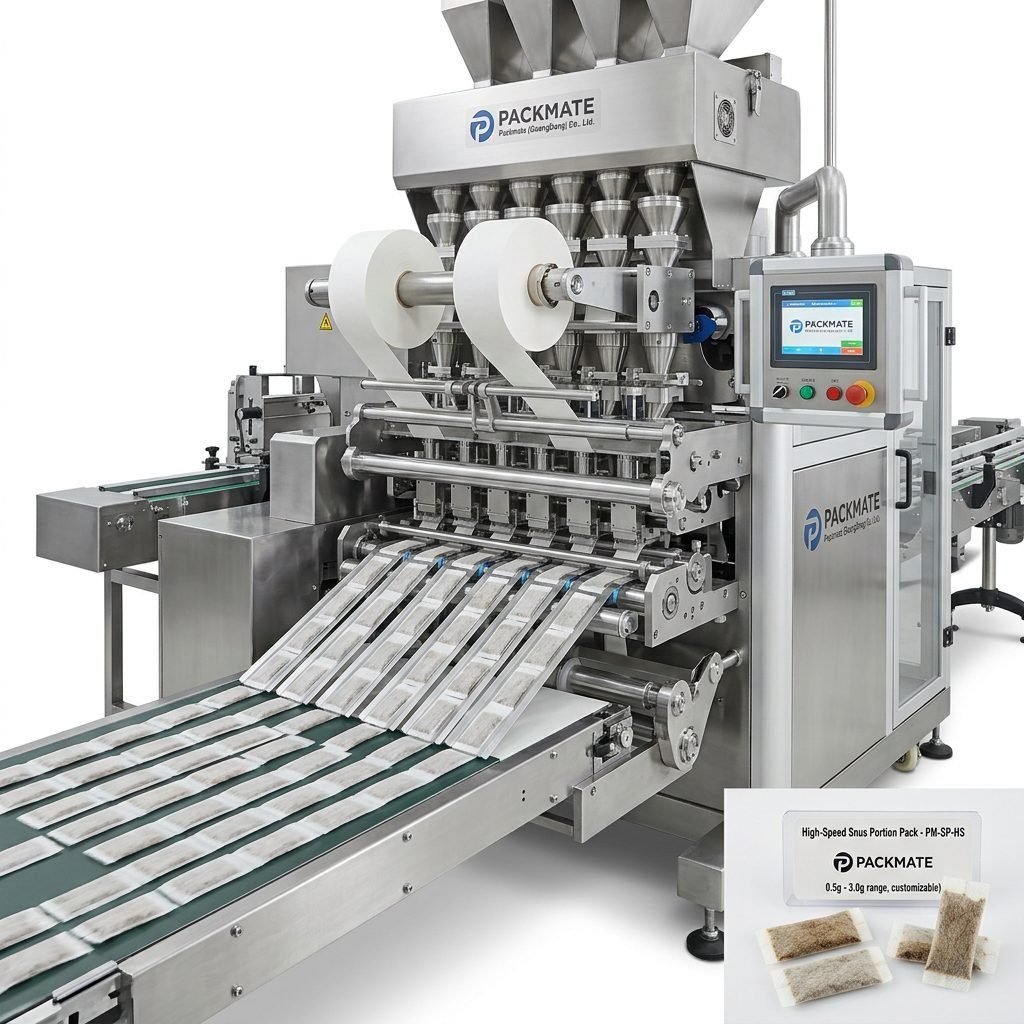
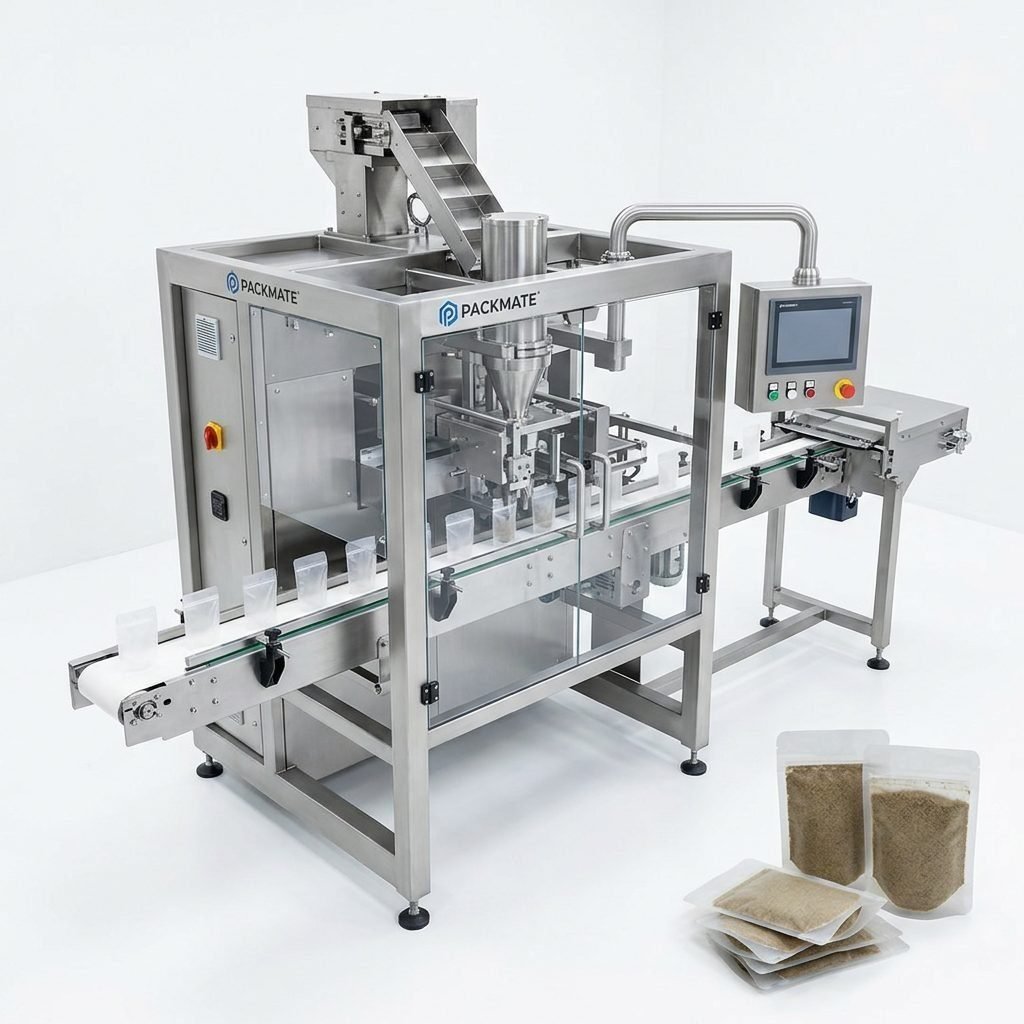
- Proven experience in snus and nicotine pouch lines (multi-lane systems, sachet and stick pack machines).
- Manufacturing capacity and quality control — CNC machining, precision assembly, and testing.
- International certifications (CE, ISO) and global references.
- Turnkey solutions including auxiliary equipment, weighing, and filling lines.
Tip: If you want to explore a supplier with these competencies, check their product range such as Snus & Nicotine Packaging Machines and Filling & Packaging Lines.
Technical Criteria: What to Evaluate
Machines for snus and nicotine pouches vary in design and complexity. Focus on the following technical elements when comparing suppliers:
Production format and flexibility
Choose equipment that matches your product format — sachets, stick packs, or multi-lane small-dose pouches. Multi-lane systems are ideal for high-volume, small-dose nicotine pouches, while stick pack machines can be cost-effective for simpler formats. Look for modular designs that allow future upgrades.
Capacity, speed and uptime
Evaluate machines by hourly output and reliability. A machine that achieves high speed but requires frequent adjustments may reduce overall throughput. Ask for OEE (Overall Equipment Effectiveness) data, mean time between failures (MTBF), and average maintenance intervals.
Material compatibility and barrier needs
In Togo’s humid climate, barrier packaging and heat-sealing reliability are crucial. Ensure the supplier’s equipment can handle the films and laminates you plan to use (EVOH, aluminum foil layers, laminates) and offers tight control of sealing temperature and pressure.
Automation and control systems
Modern PLC and HMI control systems reduce operator errors and facilitate format changeovers. Check if the control interface supports multiple languages and if remote diagnostics or Industry 4.0 features are available for easier troubleshooting.
Quick checklist (technical):
- Production range (units/min, lanes)
- Sealing quality for barrier films
- Changeover time and ease
- Spare parts availability and lead times
Commercial, Regulatory and Local Considerations in Togo
Beyond the machine itself, commercial terms and regulatory compliance are critical. Here are Togo-specific aspects to consider:
Customs, duties and import logistics
The Port of Lomé is a major West African logistics hub, but import processes still require accurate documentation and clear Incoterms. Work with a supplier experienced in shipping turnkey lines and with a freight forwarder that understands Togolese clearance to avoid delays and extra costs.
Labeling, language and consumer preferences
Product labeling must meet local regulations and consumer expectations. French-language instructions and health warnings are commonly expected. Additionally, Togolese consumers often prefer familiar branding and compact formats suitable for pocket carrying — consider pouch formats that fit local usage habits.
Regulatory stance on nicotine products
Nicotine-related regulation varies across West Africa. Before ordering machinery, confirm import and sale regulations for nicotine pouches in Togo and neighboring markets you may target. Compliance is essential to avoid shipments being detained or destroyed.
Evaluating the Supplier: Practical Checklist
When you narrow your supplier list, use this practical checklist during vendor assessment:
- Factory visit or virtual tour: Verify production capability, CNC machining centers, and assembly lines.
- Certifications: Ask for CE, ISO certificates and inspection reports.
- Reference customers and case studies: Request contacts in similar markets or industries. See example references on their Case page.
- Spare parts policy: Stock levels, delivery times to Togo, and local distributors or agents.
- Training and commissioning: On-site engineers, local language support, and documentation availability.
- Warranty and service contracts: Clear definitions of response time and parts coverage.
- Testing: Factory Acceptance Test (FAT) and video of line running with your film and product.
Must ask the supplier:
How do they support customers in West Africa? Can they provide French-language manuals or training? Do they have experience with humidity-control packaging?
Commercial Terms: Pricing, Financing and Delivery
Negotiate clear commercial terms. Key contract items should include lead time, payment schedule, Incoterms, spare parts list, and acceptance criteria. For many Togolese buyers, financing options or phased payments can smooth cashflow. Suppliers often offer leasing partners, deferred payments, or letters of credit. Confirm insurance during transit and clearly specify packaging to protect sensitive equipment from moisture.
Installation, Training and After-Sales Support
A reliable after-sales plan is essential to maintain uptime. Confirm these details:
- On-site installation and commissioning with acceptance tests.
- Operator and maintenance training for your staff — ideally in French.
- Local spare parts stock or fast shipping options to Lomé.
- Remote support and diagnostic tools for faster troubleshooting.
- Availability of periodic maintenance contracts and upgrades.
If you want machines designed as part of an integrated line, review the supplier’s portfolio for complementary equipment such as weighing systems and auxiliary devices: Weighing & Packaging Systems and Auxiliary Packaging Equipment.
Comparing Suppliers: Local Agents vs. Overseas OEMs
Working through a local agent can shorten response time and simplify documentation, but direct purchase from a reputable OEM often brings better pricing and full technical knowledge. Consider a hybrid approach: buy from the OEM and contract a local agent for importation and on-site support. Verify the OEM’s global support network and exhibition presence — seeing machines at trade shows builds confidence; check their Our Exhibition info for opportunities.
Step-by-step purchase flow (recommended):
- Define product format, target output and materials.
- Request quotations and FAT with your product sample.
- Visit factory or arrange a virtual audit.
- Sign contract with clear delivery & acceptance terms.
- Organize shipping, customs clearance and local installation.
Case Examples and References
Suppliers with broad industry experience can often share case studies of installations in similar climates or product categories. Request references and performance metrics from past projects — many manufacturers maintain a catalog of success stories which can be found on their Case page. This helps validate their promises on yield, uptime, and service.
Practical Tips for Togolese Buyers
- Language: Ensure manuals and training are available in French or have a translator in place.
- Power: Togo typically uses 220V/50Hz — confirm machine compatibility and plan for stable power or UPS for sensitive controls.
- Climate protection: Request additional protective packaging for transit to prevent moisture damage.
- Pilot run: Start with a pilot production run to verify film sealing, dosing accuracy, and final packaging aesthetics before scaling up.
Why Choose an Experienced OEM like Packmate
Suppliers with decades of engineering experience bring proven designs and reliable support. When you evaluate a supplier, consider their manufacturing footprint, toolrooms, and quality control systems. For example, an established manufacturer can offer 50+ machine models, advanced CNC machining centers, and turnkey production lines covering snus packaging, sachets, stick packs, and auxiliary systems. See more about the company on the About Packmate page.
When to walk away from a supplier:
- No willingness to demonstrate FAT with your materials.
- Unclear spare parts pricing or excessive lead times.
- Lack of documented references or certificates.
Getting Started: A Practical Action Plan
1) Define your product and monthly volume targets. 2) Request solutions and FAT videos from shortlisted suppliers. 3) Validate regulatory compliance for nicotine products in Togo. 4) Budget for shipping, installation, and initial spare parts. 5) Plan a pilot launch and feedback loop with early customers.
Conclusion
Selecting the best snus packaging machinery supplier for your business in Togo requires balancing technical fit, local regulatory knowledge, and dependable after-sales support. Focus on suppliers with proven snus experience, robust manufacturing capabilities, clear FAT procedures, and a strong spare parts policy. With careful evaluation and a structured commissioning plan, you can build a reliable production line that meets both consumer expectations and regulatory requirements.
Frequently Asked Questions
Q1: Do these machines meet international safety and quality standards?
A1: Most reputable suppliers provide CE and ISO certifications. Always request copies of certificates and test reports to verify compliance.
Q2: What about nicotine regulations for importing and selling pouches in Togo?
A2: Regulations can change — consult local authorities or legal advisors before importing. It’s also wise to check neighboring markets if you plan regional distribution.
Q3: How long is the typical lead time and delivery process?
A3: Lead times depend on customization and current factory schedules. Standard delivery ranges from 8 to 16 weeks after order confirmation; complex turnkey lines may take longer. Confirm FAT and shipping timelines in the contract.
Q4: Will the supplier provide on-site installation and operator training?
A4: Good suppliers include on-site commissioning and training in their quotes. Ensure language support (French) and a clear training syllabus are part of the offer.
Q5: Where can I find more product and service details?
A5: For detailed product information and support options, visit supplier product pages such as Bag & Pouch Packaging Machines and their Contact Us page to start a conversation.