Choosing the right nicotine packaging machinery supplier in Trinidad and Tobago is a strategic decision that affects product quality, regulatory compliance, production uptime, and your ability to scale. Whether you are launching a local brand of nicotine pouches or expanding a manufacturing line to serve Caribbean markets, understanding supplier capabilities, local market dynamics, and technical requirements will help you select a partner that supports long-term growth.
Understand the Trinidad and Tobago Market Context
Trinidad and Tobago has a compact but vibrant consumer market with strong cultural emphasis on festivals, nicotine product preferences, and seasonal demand. Retail outlets range from small convenience shops to modern supermarkets; distribution logistics across islands can be influenced by port schedules and customs clearance. When evaluating suppliers, prioritize those who understand Caribbean logistics, can advise on packaging designs suited for tropical humidity and high temperatures, and can support staggered deliveries that match local sales cycles such as Carnival and holiday demand peaks.
Why climate and culture matter
In a hot, humid climate, sealing integrity and barrier materials are critical. A supplier that offers machines capable of precise temperature-controlled sealing and recommends appropriate film laminates will reduce spoilage and customer complaints. Also, packaging aesthetics that reflect local tastes — vibrant colors, clear labeling in English with health warnings placed correctly — will help shelf appeal and regulatory compliance.
Key Technical Criteria to Evaluate
Selecting a machine involves more than price. Consider the following technical dimensions when comparing suppliers:
🔹 Production capacity: Match machine throughput (packs per minute) to your forecasted demand with headroom for growth. For multi-SKU operations, multi-lane systems can increase output without expanding floor space.
🔹 Precision and consistency: Look for machines with high-precision dosing and repeatable pouch formation to ensure consistent weight and appearance — essential for regulatory checks and brand reputation.
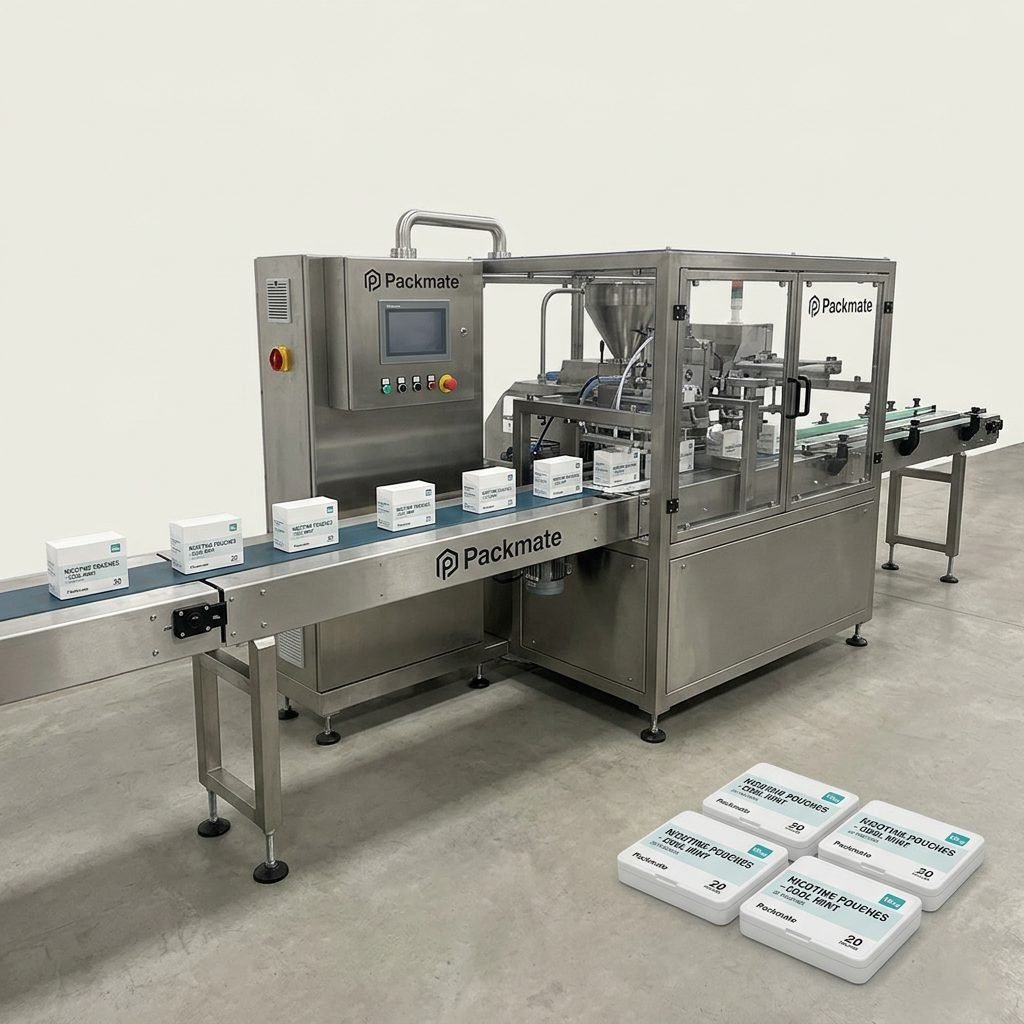
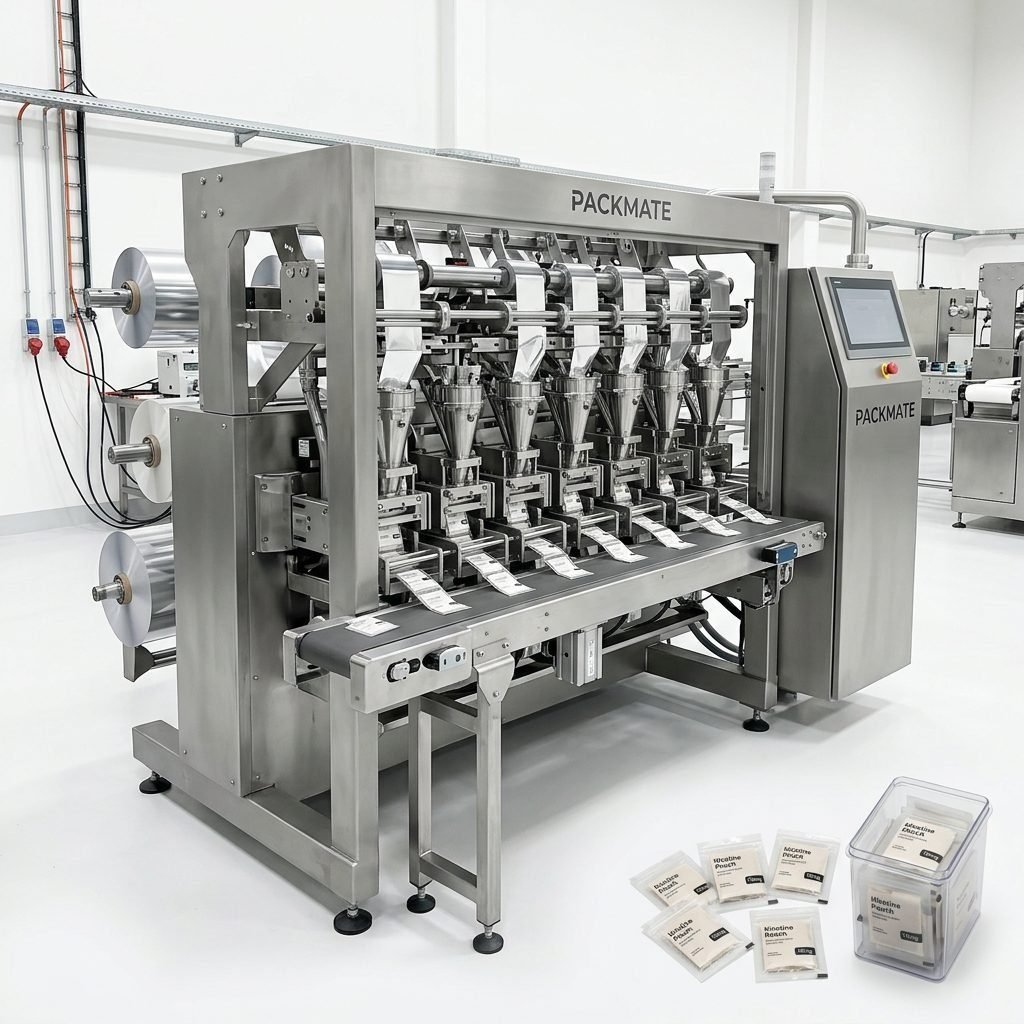
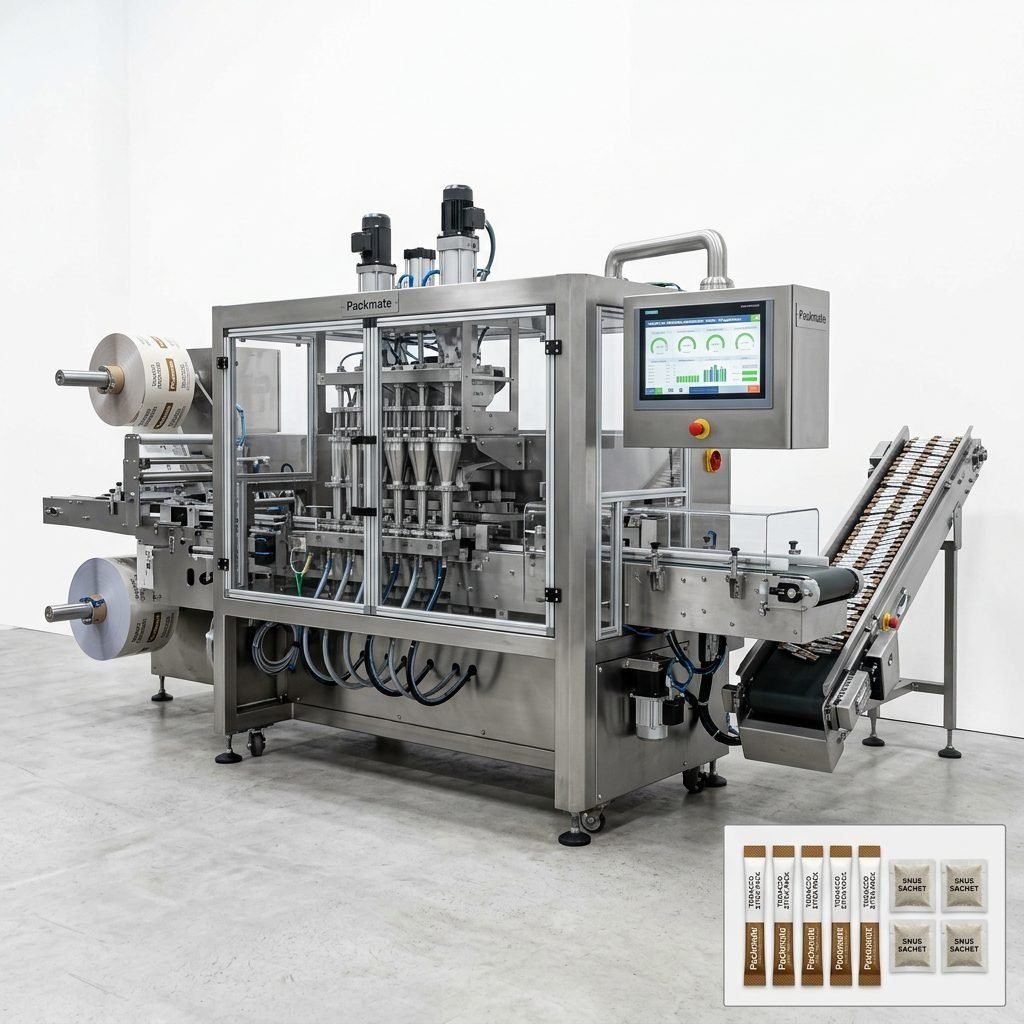
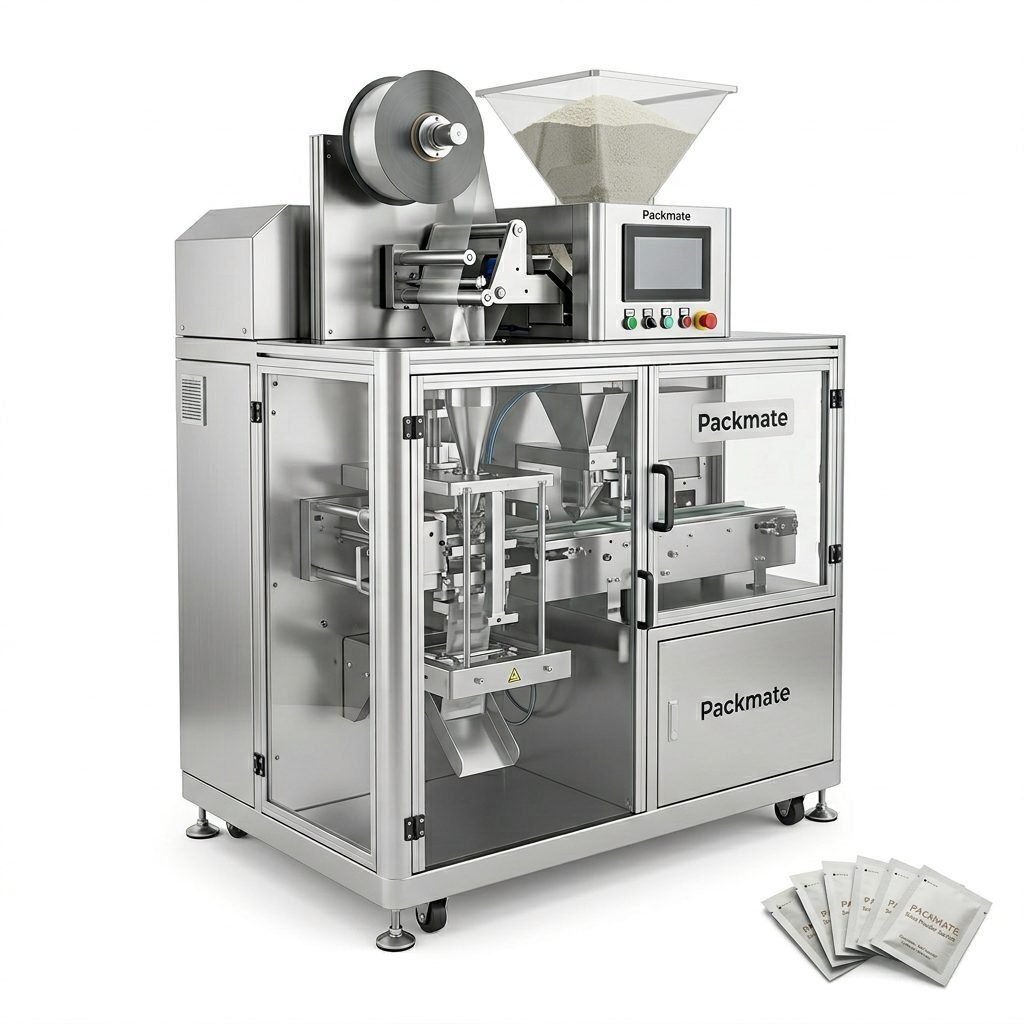
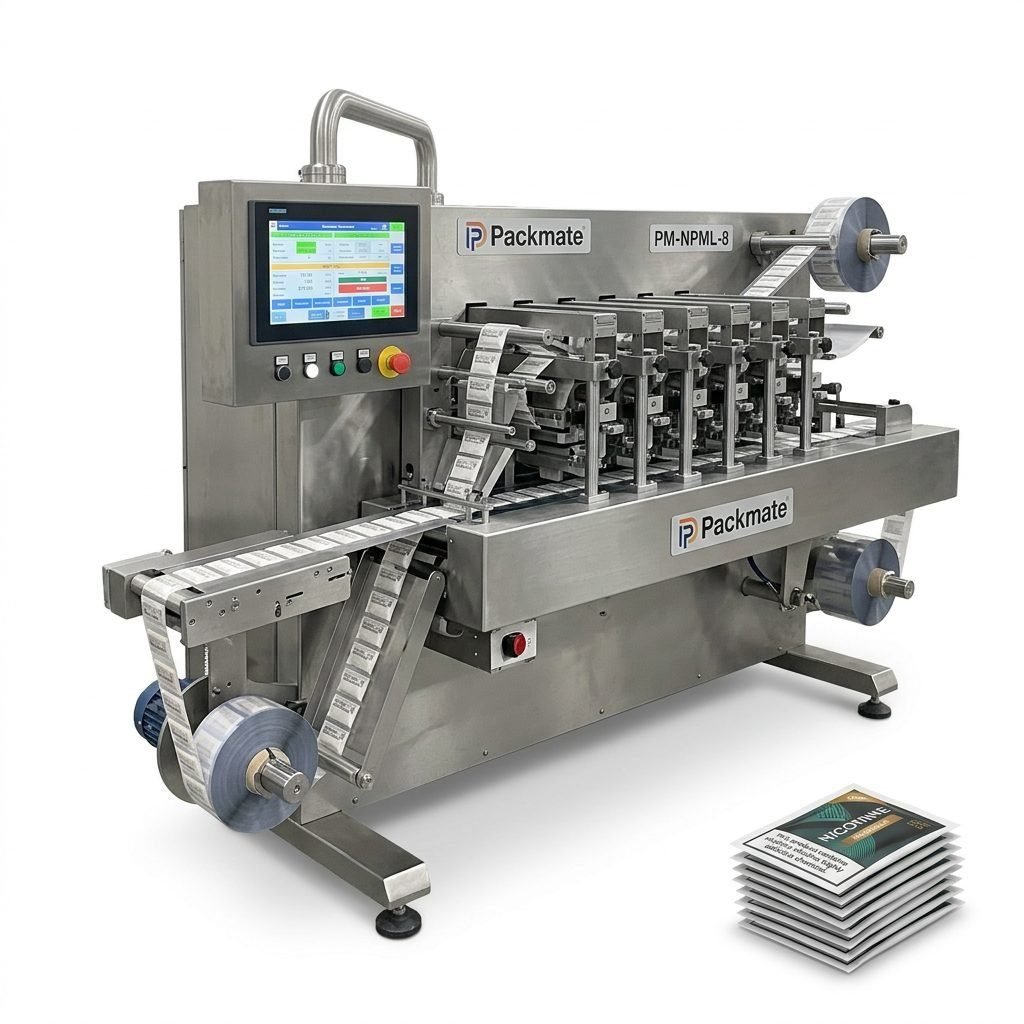
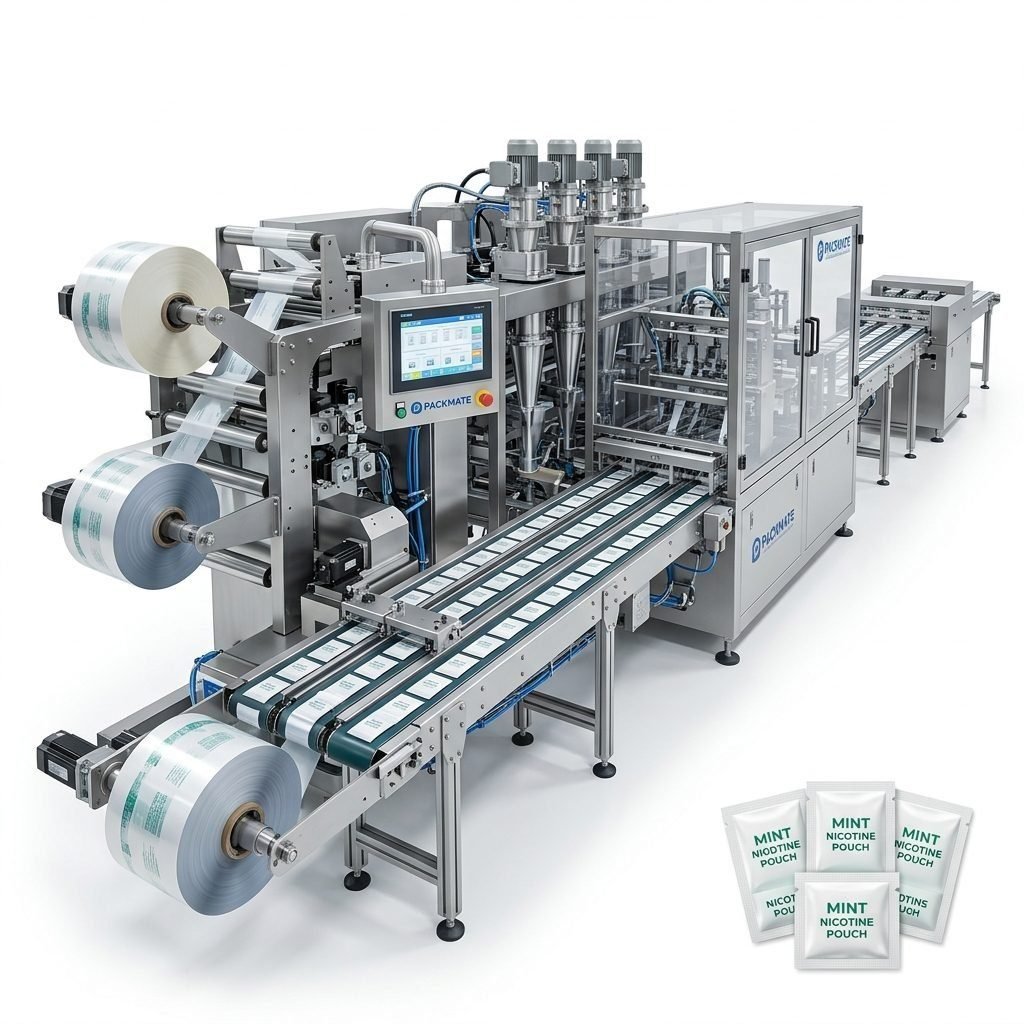
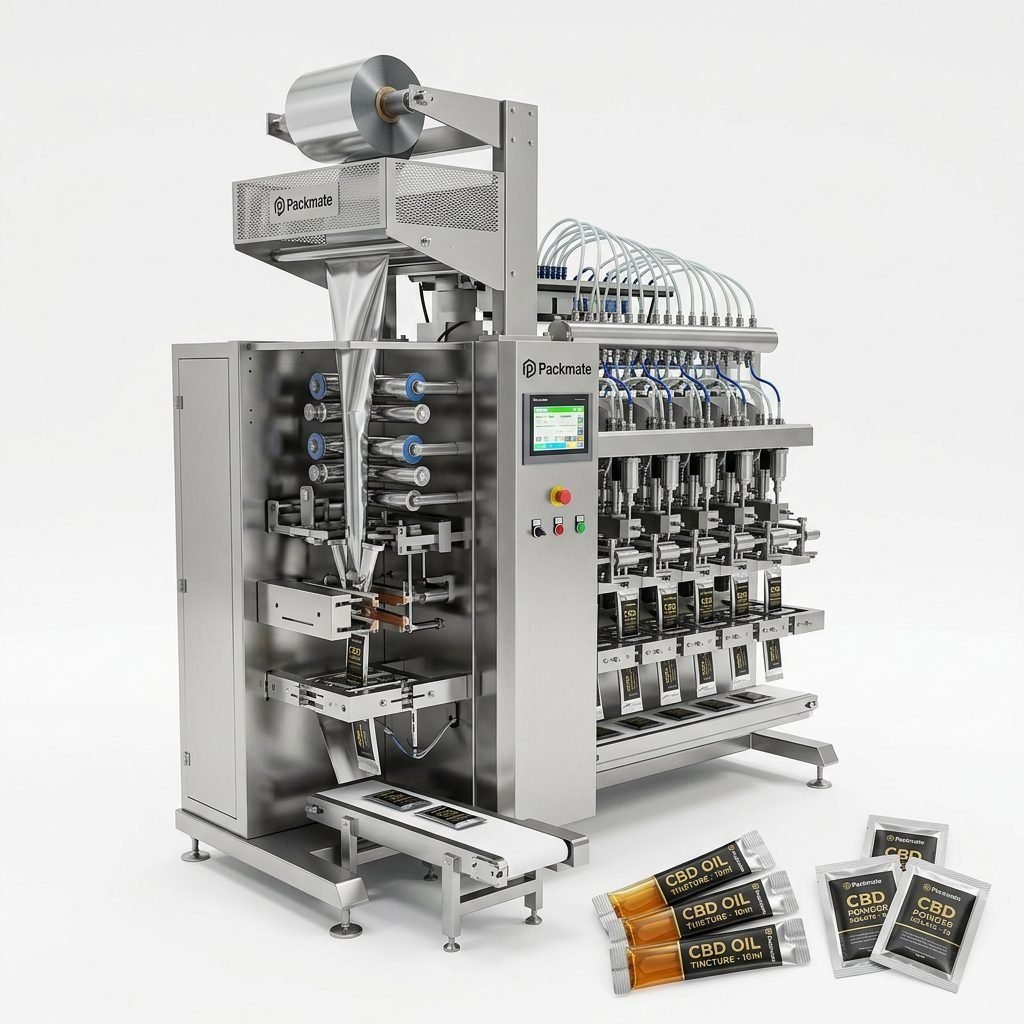
🔹 Flexibility and format range: If you plan to run nicotine pouches, sachets, stick packs, or multi-lane small-dose pouches, choose a supplier offering modular solutions or multiple models (stick pack, sachet, multi-lane lines) that can be customized. See examples of machine categories for reference.
Supplier Credentials and Factory Strength
A supplier’s background reveals a lot about reliability. Look for manufacturers with extensive industry experience, modern workshops, and a transparent production process. For example, suppliers with decades of engineering history and sizeable manufacturing facilities typically have robust quality control and the ability to supply spare parts quickly.
✅ Factory capacity: A large factory footprint with CNC machining and precision assembly lines suggests stable production and quicker lead times for customizations.
For real-world reference, you can review manufacturer portfolios and machine families such as Snus & Nicotine Packaging Machines or Sachet & Stick Pack Machines to evaluate design philosophies and available options.
Certifications, Compliance, and After-sales Support
Regulatory compliance in packaging (CE, ISO) and reliable after-sales service are non-negotiable. Ensure the supplier provides:
⚠️ Certifications: CE and ISO certifications demonstrate adherence to international safety and quality standards — useful when seeking insurance, financing, or third-party audits.
🔧 After-sales service: Confirm training, remote diagnostics, spare parts availability, and maintenance contracts. Suppliers who provide on-site commissioning and operator training make the startup period smoother.
Local support and spare parts logistics
For customers in Trinidad and Tobago, ask whether the supplier has local agents, regional spare parts points, or proven export logistics experience to the Caribbean to minimize downtime caused by shipping delays.
Customization, Turnkey Solutions, and Integration
Many projects require integration of weighing systems, filling lines, and packaging lines into a seamless production floor. Suppliers offering turnkey solutions and multi-disciplinary systems reduce the headaches of coordinating multiple vendors.
🔹 Turnkey benefits: A single point of responsibility for snus/nicotine pouch lines, weighing & packaging systems, and auxiliary equipment simplifies commissioning and ongoing support. Explore integrated product lines and auxiliary equipment options.
If you want to evaluate full production lines or case studies of similar installations, checking detailed project pages can provide insight into real implementations and performance metrics.
Total Cost of Ownership (TCO) vs. Upfront Price
While the initial machine price is important, calculate TCO: energy consumption, maintenance intervals, spare parts pricing, training costs, expected lifetime, and potential downtime impacts. A cheaper machine with frequent breakdowns will cost more over its lifecycle than a higher-end, robust system.
✅ Pro tip: Request service log examples, mean time between failures (MTBF), and references from current customers, especially those in similar climates or supply chains.
Factory Acceptance Tests (FAT) and Site Acceptance Tests (SAT)
Insist on FAT to witness machine performance under simulated production conditions before shipment. SAT after installation verifies performance in your factory environment. These steps reduce surprises and ensure contractual performance standards are met.
FAT should include full-speed runs, packaging integrity tests, and electrical safety checks. SAT should validate packaging quality with your chosen films and nicotine pouch formulations in the tropical environment.
Local Regulations, Labeling, and Import Considerations
Nicotine products face strict rules around labeling, health warnings, and distribution. Work with suppliers knowledgeable about international and Caribbean regulations, and consult local customs brokers for proper HS codes and duty estimates to avoid clearance delays.
🔹 Local labeling: Ensure machines can print or apply correct labels and batch codes. Traceability features integrated into the machine control system simplify recalls and quality records.
Installation, Training, and Knowledge Transfer
A competent supplier will provide comprehensive installation, operator training, and maintenance education. For Trinidad and Tobago operations where skilled technicians may be scarce, remote training and clear documentation in English are especially valuable.
Evaluate whether documentation includes electrical and pneumatic diagrams, spare parts lists, and troubleshooting checklists. Ask about remote monitoring options and whether the control system supports multiple languages and easy-to-use HMI screens.
Financing, Warranties, and Payment Terms
Discuss warranty length, coverage details, and options for extended service contracts. Some suppliers can offer staged payments tied to FAT and SAT milestones, reducing front-loaded capital requirements.
🔑 Negotiation tip: Link payments to delivery, FAT, and successful SAT to protect your investment and ensure timely fulfillment.
How to Vet Suppliers: Practical Checklist
Use this checklist to compare suppliers objectively:
1) Experience & references: Years in the snus/nicotine business, case studies, and customer references in similar climates.
2) Factory tour & FAT: Ability to perform FAT, transparent factory processes, and evidence of CNC machining and precision assembly capabilities.
3) Certifications: CE, ISO, and documented safety testing.
4) After-sales & spare parts: Local or regional support, fast spare parts shipping, and remote diagnostic capabilities.
5) Customization & integration: Ability to provide turnkey lines including weighing, filling, and auxiliary packaging equipment.
Case Studies and Proven Solutions
Review supplier case pages and exhibition records to confirm real-world performance. Many reputable manufacturers publish detailed case studies showing how multi-lane systems solved small-dosage production needs and how custom sealing solutions improved shelf stability in humid climates.
For more detailed examples and to evaluate specific machine types, explore product pages such as Snus & Nicotine Packaging Machines, Bag & Pouch Packaging Machines, and Filling & Packaging Lines.
Working with International Suppliers: Logistics Tips for Trinidad and Tobago
When sourcing overseas, create clear shipment plans including incoterms, customs paperwork, and port handling details for Port of Spain. Budget extra time for customs inspections and arrange local crane or forklift services for unloading heavy equipment. Partnering with a supplier familiar with Caribbean exports streamlines the process.
Final Recommendation: What to Ask During Supplier Meetings
In your meetings, ask direct, measurable questions:
• Production rates: Provide target SKUs and ask for expected output, changeover times, and typical yield.
• Film compatibility: Confirm which films, laminates, and sealants have been tested for high-humidity environments.
• Spare parts lead time: Get exact lead times for critical wear parts and a recommended spare parts kit for the first year.
Why Packmate-like Suppliers Are Worth Considering
Manufacturers with deep experience in snus and nicotine pouch equipment, large factories with CNC machining centers, and a wide range of models often deliver stable machines and comprehensive support. Suppliers who supply multi-lane systems, have global turnkey case studies, and participate in international exhibitions can provide proven solutions and ongoing technical collaboration.
Learn more about company capabilities, certifications, and exhibition presence on pages such as About Packmate, Our Exhibition, and Certificate.
Conclusion
Selecting the best nicotine packaging machinery supplier in Trinidad and Tobago means blending technical fit, supply chain reliability, local regulatory knowledge, and strong after-sales support. Prioritize suppliers that demonstrate experience with snus/nicotine lines, offer turnkey and integrated solutions, and can adapt machines for tropical conditions. Insist on FAT/SAT, verify certifications, and plan spare parts logistics to ensure continuous production and product safety.
Frequently Asked Questions
Q1: How important are CE/ISO certifications for nicotine packaging machinery?
CE and ISO certifications are crucial as they indicate the machine meets international safety and quality standards. They also simplify insurance, financing, and regulatory inspections in Trinidad and Tobago.
Q2: Can machines be adapted for the Caribbean climate?
Yes. Choose suppliers who recommend suitable films, sealing temperatures, and humidity controls. Machines with adjustable sealing and temperature regulation are best for hot, humid environments.
Q3: What after-sales services should I require?
Require installation, operator training, remote diagnostics, spare parts availability, and a clear warranty. Regional or local support options are highly valuable to reduce downtime.
Q4: Should I ask for FAT and SAT?
Absolutely. FAT verifies performance before shipment; SAT confirms proper operation in your facility. Both are essential safeguards.
Q5: Where can I find more detailed machine options and case studies?
Explore detailed product and case pages to compare solutions and real installations: Snus & Nicotine Packaging Machines, Case, and Contact Us for direct inquiries.