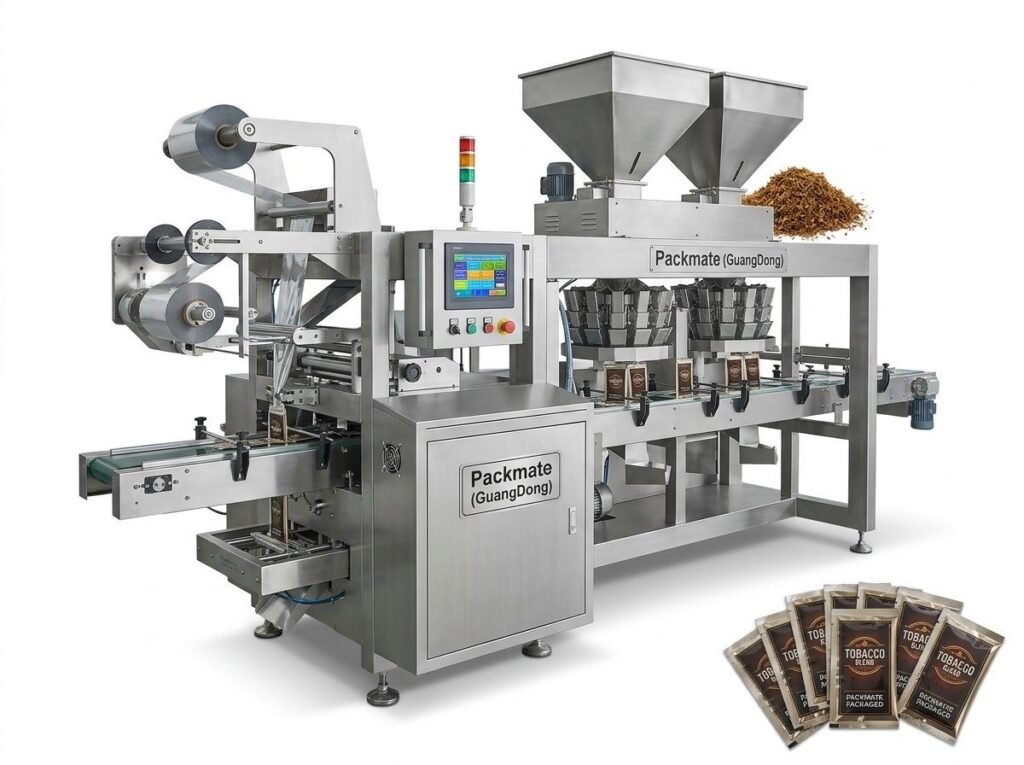
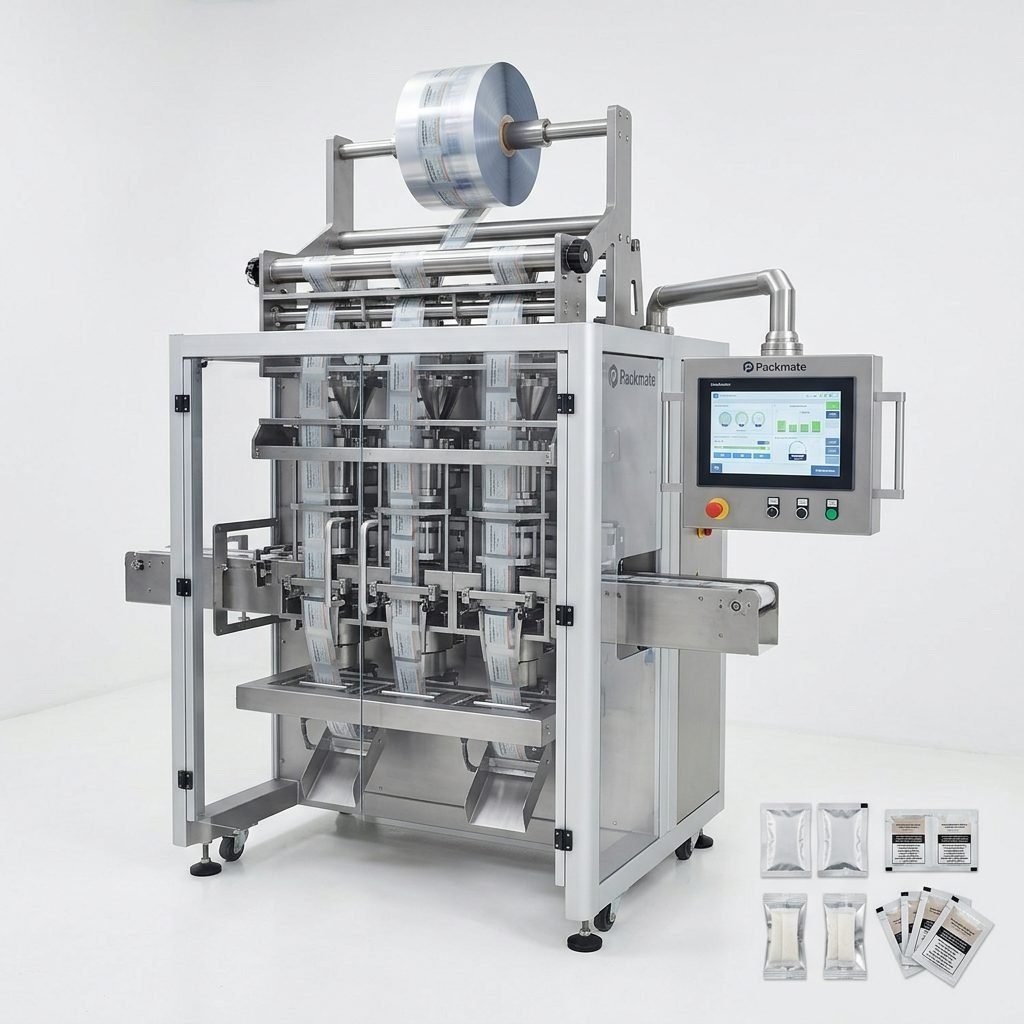
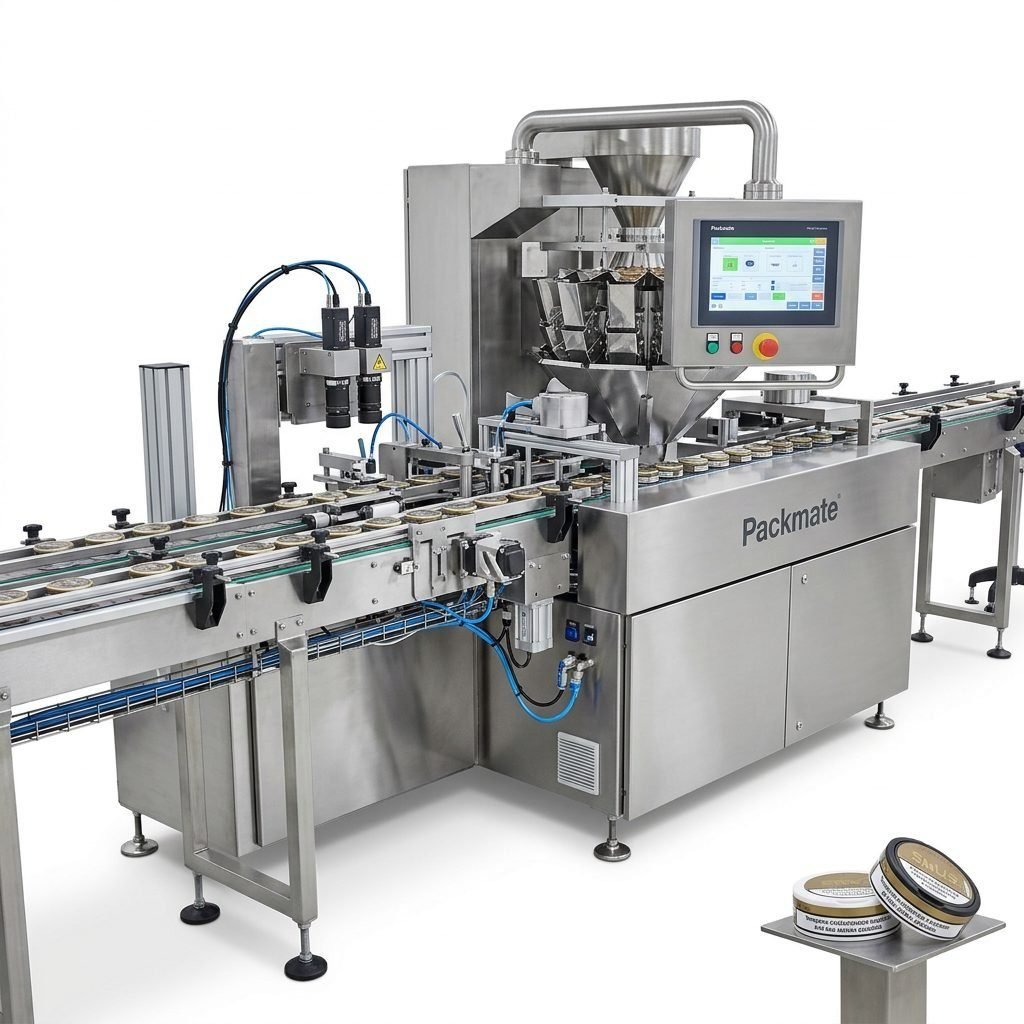
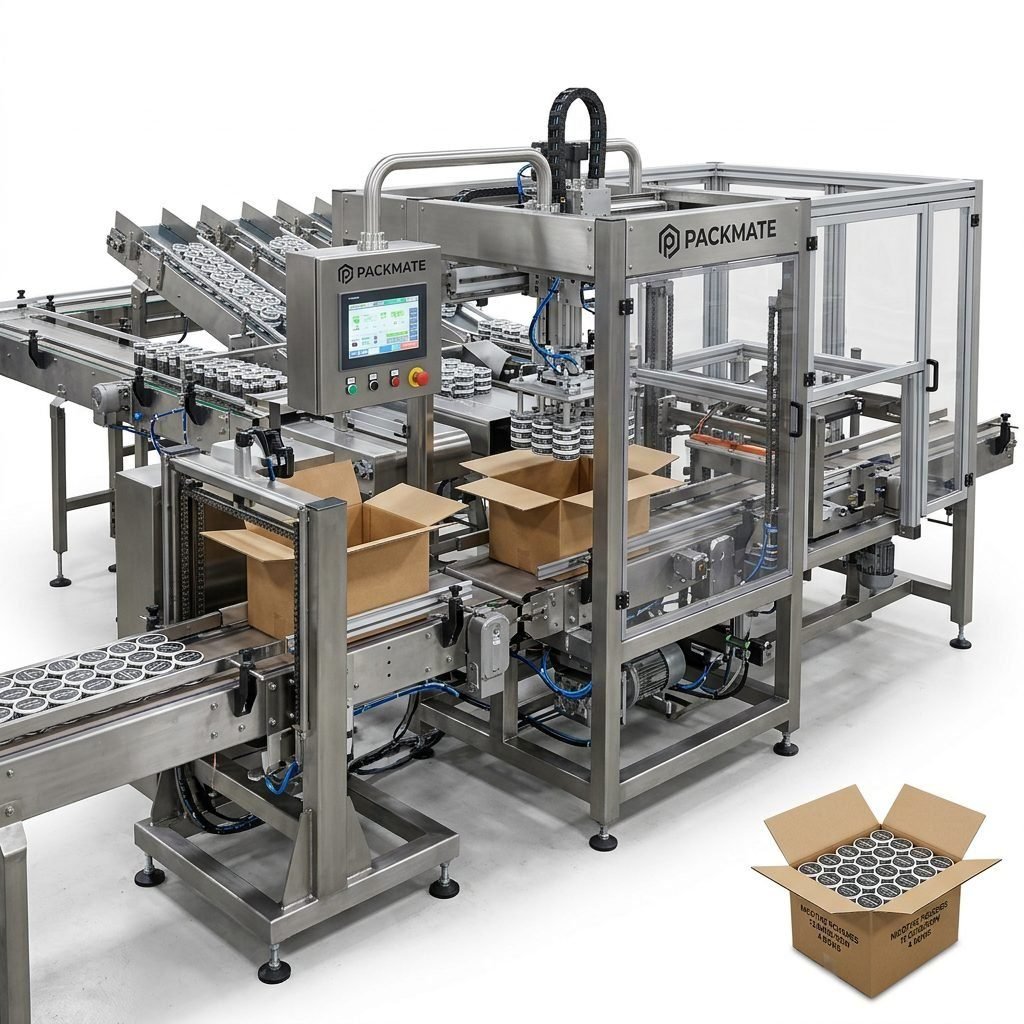
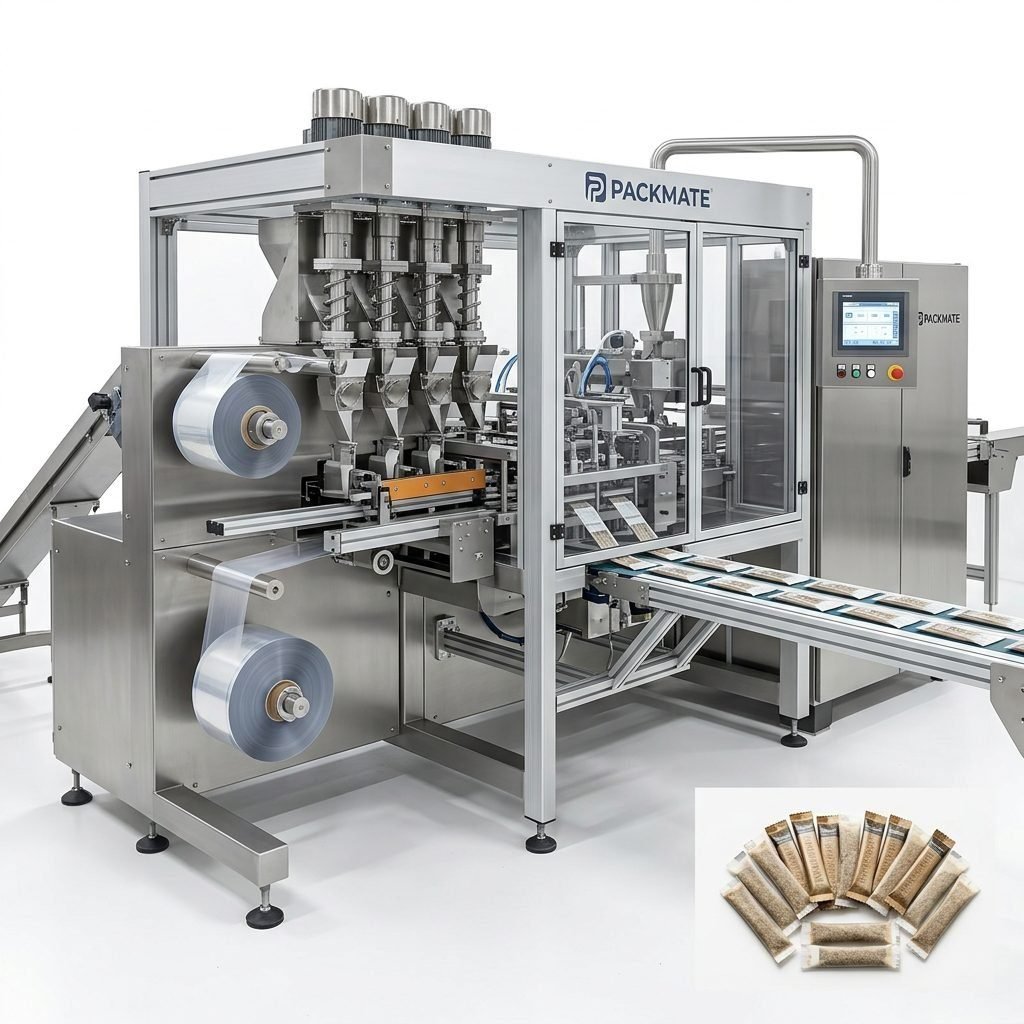
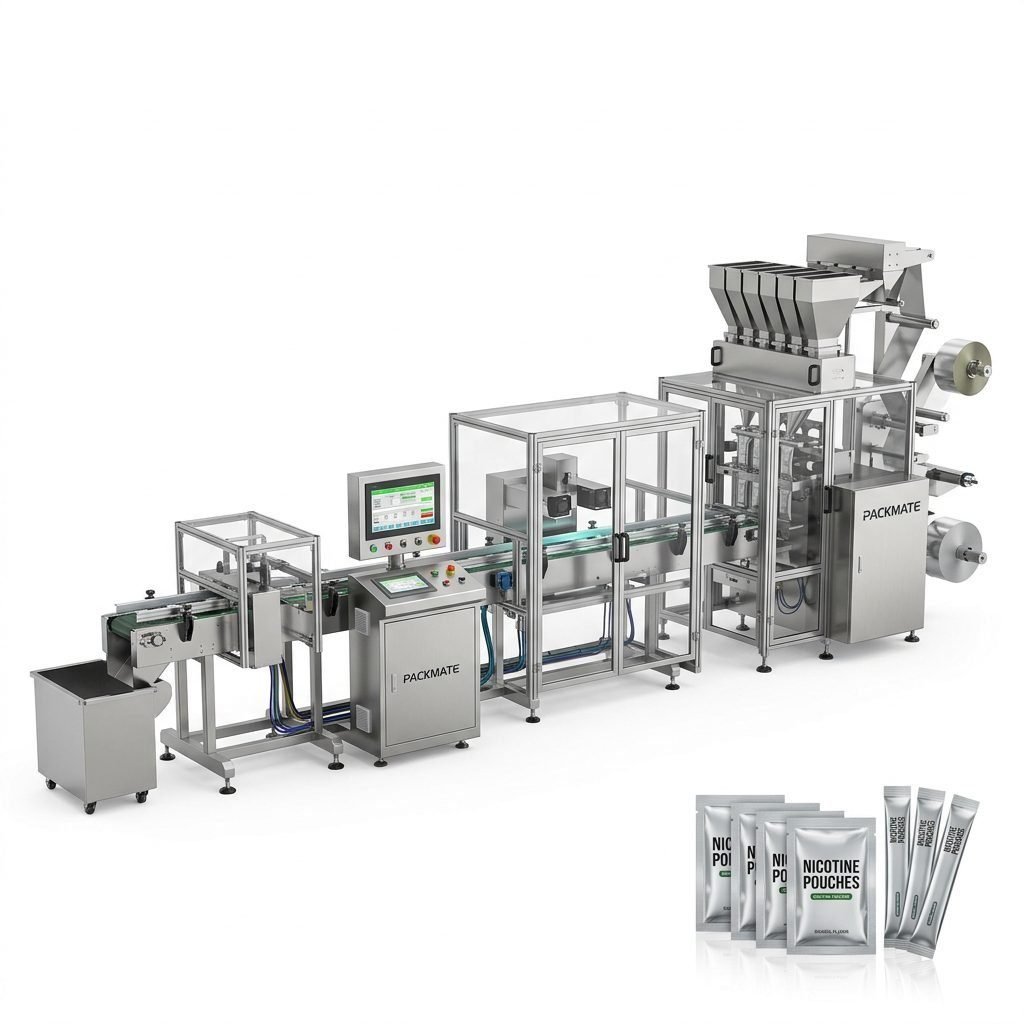
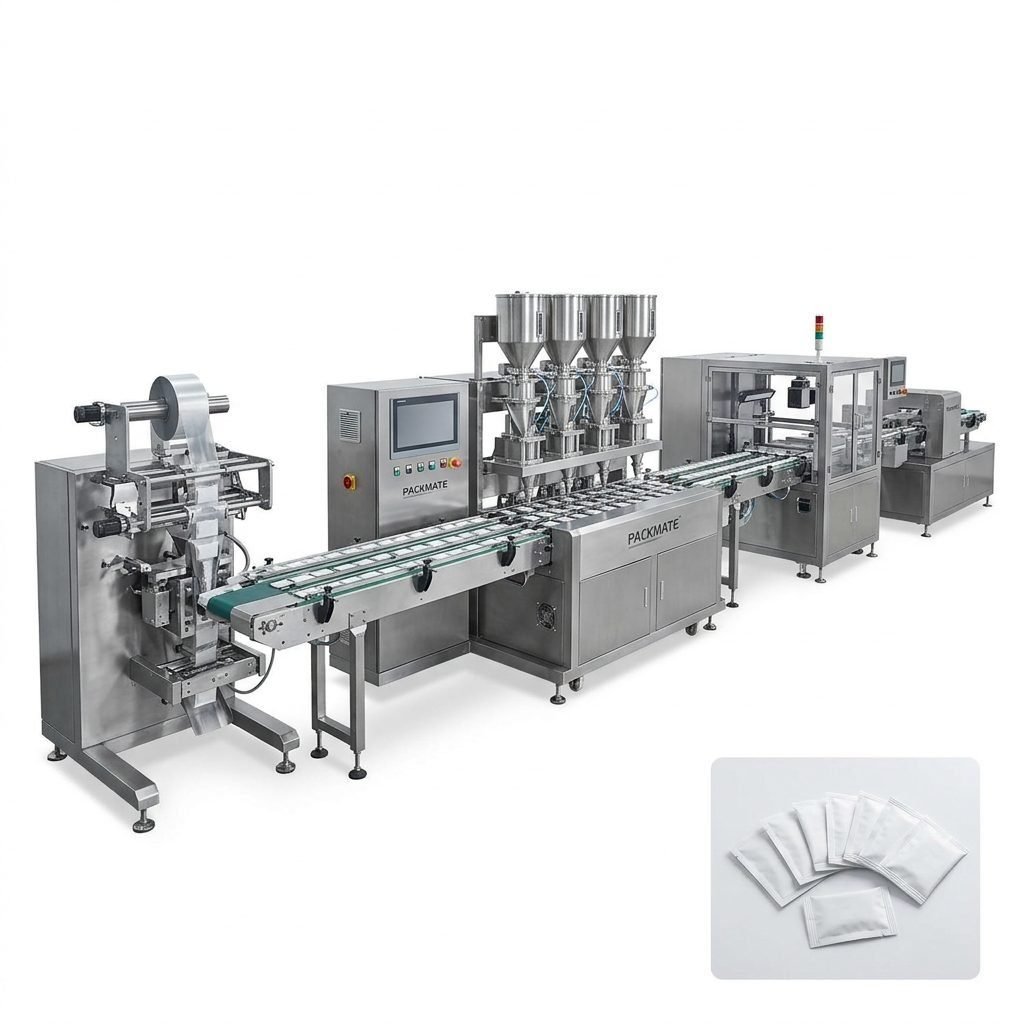
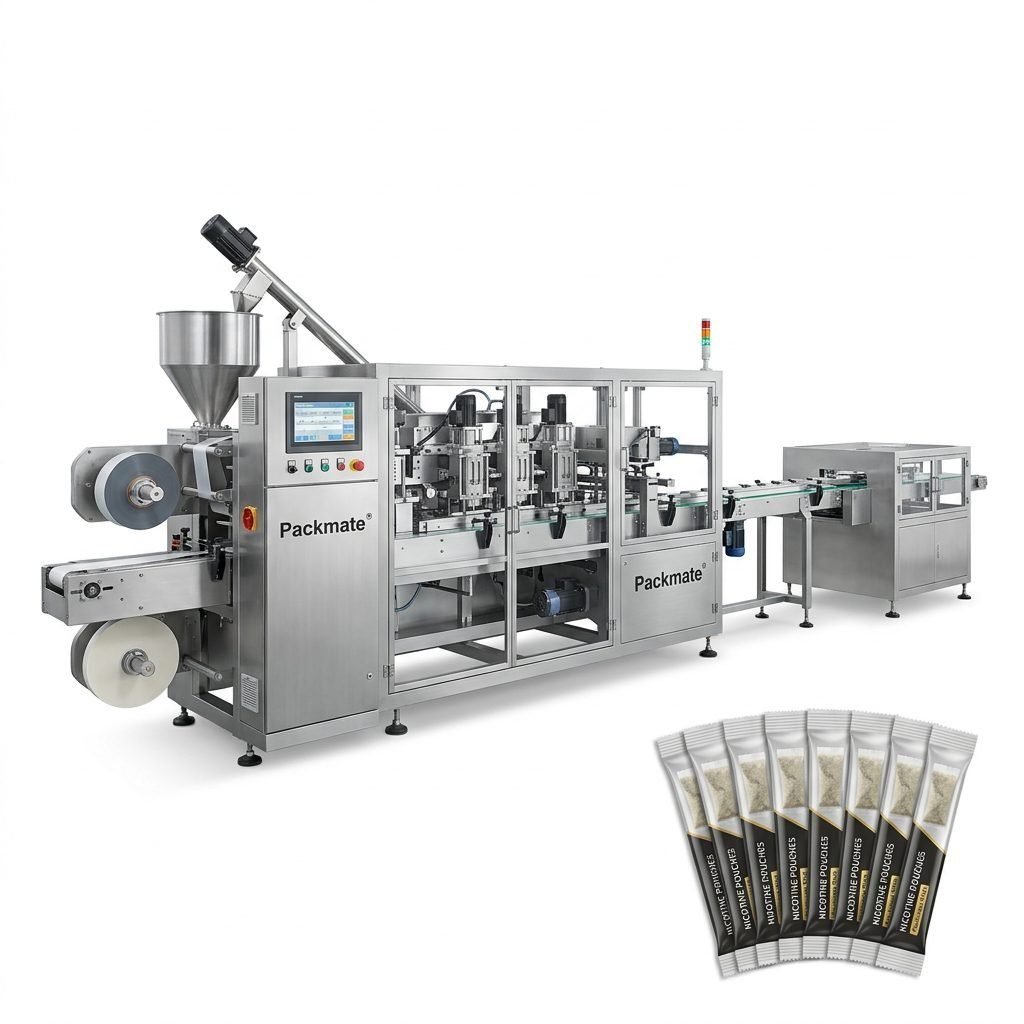
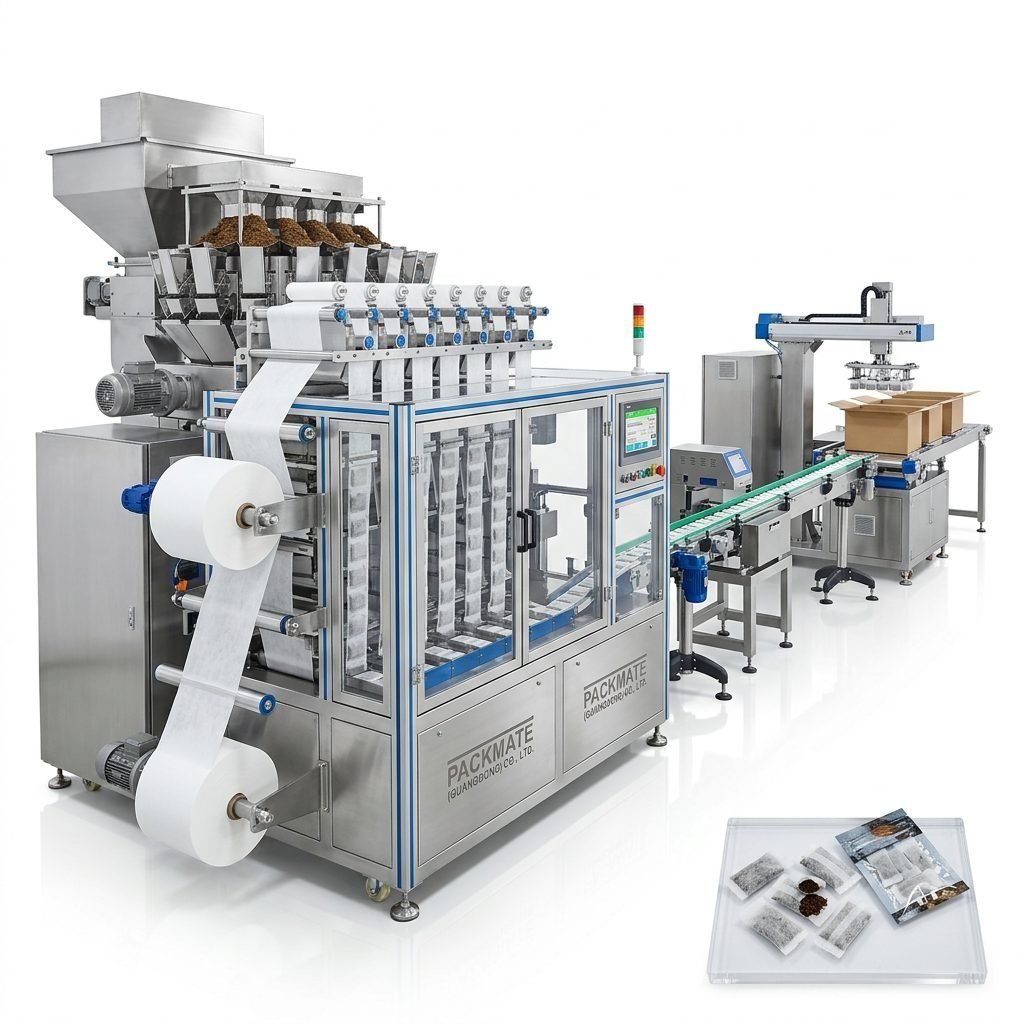
Choosing the right nicotine packaging machinery manufacturer is a critical decision for any company entering or scaling in the nicotine pouch and snus market. The right partner delivers machines that meet regulatory expectations, protect product quality, maximize uptime, and scale with your production goals. This guide lays out practical, actionable criteria and a step-by-step checklist to help packaging managers, procurement teams, and business owners confidently select the best manufacturer for nicotine packaging equipment in the United States market.
Why the Manufacturer Matters More Than the Price
In nicotine pouch production, machine reliability, precision dosing, and hygienic packaging are not optional. A lower upfront price may hide long-term costs: downtime, inconsistent fill weights, regulatory non-compliance, and poor after-sales service. Focus on total cost of ownership, not just purchase price.
Key point: A reputable manufacturer reduces risk by providing validated systems, clear documentation, spare parts, and local support options — all of which protect your production continuity.
Core Technical Criteria
Before you contact vendors, assemble technical requirements for your line: target throughput (pouches/min per lane), pouch formats (stick, sachet, or multi-lane snus pouch), fill types (powder, granule, liquid), and required packaging materials. These define the machine family you need and narrow down qualified manufacturers.
Production capacity and scalability
Select machines that meet current demand with clear upgrade paths. Multi-lane systems allow small-dose nicotine pouches to be produced at high aggregate speeds while maintaining low per-unit cost. Ask manufacturers about modular upgrades and spare-lane options.
Filling accuracy and consistency
For nicotine pouches, dosing tolerance is critical. Look for precision feeders, gravimetric or volumetric dosing systems, and feedback controls. Manufacturers should offer test certificates and sample run data demonstrating consistent fill weights.
Hygiene, Materials and Regulatory Compliance
Machines must be designed for easy cleaning, validated for food-grade contact where applicable, and built from approved materials (stainless steel where required). Confirm that the supplier understands US regulatory contexts and can supply relevant documentation.
Regulatory check: Ask for CE/ISO certificates and any test reports. Even if CE is an international mark, it often indicates mature engineering and quality systems.
Service, Support and Local Presence
After-sales support frequently determines whether a line becomes a long-term asset or a recurring headache. Consider lead time for spare parts, remote troubleshooting capability, training offerings, and whether the manufacturer has a regional partner or service team in/near the United States.
Ask vendors: What is the average lead time for common spare parts? Do they offer remote diagnostics and routine preventive maintenance contracts? Are installation, operator and maintenance training included?
Documentation, Validation and Traceability
Comprehensive documentation is essential: electrical and pneumatic diagrams, SOPs, validation reports, and change control records. Traceability features (batch coding, serialization options) will help you meet downstream compliance or retailer requirements.
Factory Capability and Quality Assurance
Evaluate the manufacturer’s factory scale, machining capability, and quality control processes. A factory with advanced CNC centers and precision assembly lines suggests they can produce reliable, repeatable parts and reduce field failures.
Packmate Snus Machine, for example, highlights a 20,000㎡ manufacturing facility with advanced CNC machining centers and precision assembly lines—indicators of robust in-house capability and repeatable quality.
Certifications and Industry Reputation
Check for ISO, CE, and other relevant certifications. Verify references and case studies: installations in markets with strict standards or similar product profiles are especially valuable. Manufacturer participation in major exhibitions and public case studies signals an established global reputation.
You can review real-world examples and reference lines on the manufacturer’s case pages to validate performance and longevity.
Useful links: Snus & Nicotine Packaging Machines, Case, and About Packmate.
Red flag: If a supplier cannot provide traceable case studies or refuses to share factory capabilities and inspection processes, treat their bid cautiously.
Customization and Turnkey Solutions
Your nicotine product line may need tailored solutions: specific pouch shapes, nicotine dosing systems, integrated weighing, or secondary packaging and cartoning. Manufacturers who provide turnkey lines and system integration save time and reduce vendor management complexity.
Consider suppliers who can deliver a complete production line: packaging machine, weighing systems, filling lines, and auxiliary equipment. This integrated approach simplifies commissioning and improves compatibility.
Related product categories to evaluate: Sachet & Stick Pack Machines, Filling & Packaging Lines, and Weighing & Packaging Systems.
Turnkey benefits
Turnkey suppliers often assume system validation, line balancing, and integration testing. They can reduce start-up time and ensure that each piece of equipment communicates reliably with upstream/downstream systems.
Commercial Terms and Risk Allocation
Clear commercial terms protect both parties. Key elements: warranty length, spare parts kit, performance guarantees, acceptance testing, payment milestones, and shipping/installation responsibilities. Insist on an acceptance test performed at the manufacturer’s factory with your product or a validated simulation.
Must-have contract items: Factory acceptance test (FAT) criteria, spare parts lead-time guarantees, and clearly defined warranty coverage.
Practical Vendor Evaluation Checklist
Use this checklist during RFP and supplier visits to benchmark vendors consistently:
✅ Production capacity and upgrade path
✅ Filling accuracy and dosing validation data
✅ Factory and QA capabilities (CNC, assembly, testing)
✅ Certifications (ISO, CE) and documentation completeness
✅ Spare parts inventory and lead-times
✅ Training, remote support, and on-site commissioning plan
✅ References, case studies, and exhibition presence
✅ Contract terms: FAT, warranty, penalties for non-performance
Real-World Considerations When Deploying in the US
When importing equipment for use in the United States, consider freight, customs, and import duty timelines. Work with suppliers who have experience exporting to the US and who can advise on packaging methods, shipping documentation, and local regulatory nuances.
Additionally, consider local support: Is there a local agent, certified technician, or regional warehouse for spare parts? These make the difference when you face production-critical issues.
Training and SOP transfer
A good manufacturer will provide operator and maintenance training and deliver SOP templates that you can adapt for your QA system. Ask for hands-on training during FAT and commissioning.
Selecting the Final Supplier — Decision Matrix
Score vendors across technical fit, quality, support, price, and delivery. Weigh criteria to match your priorities (e.g., 30% technical fit, 25% support/network, 20% price, 15% quality systems, 10% lead-time). This structured approach reduces bias and supports defensible procurement decisions.
Tip: Ask shortlisted suppliers to perform a sample run using your materials and provide video documentation and weight distribution reports.
Why a Specialized Snus/Nicotine Equipment Supplier Adds Value
Suppliers focused on snus and nicotine pouch equipment bring domain expertise: they understand pouch geometry, dosing constraints, and packaging materials commonly used in this product category. Specialized vendors often offer multi-lane machines and small-dose handling expertise that general packaging machine builders may lack.
If you want to evaluate specialized solutions quickly, review specific product portfolios that demonstrate focused development for nicotine pouch production.
Explore Packmate’s specialized lines: Bag & Pouch Packaging Machines and their auxiliary equipment options.
Final Recommendation
Selecting the best nicotine packaging machinery manufacturer requires balanced attention to technical capability, factory quality, documentation and compliance, after-sales support, and contractual protections. Prioritize vendors that demonstrate validated performance with nicotine pouch applications, offer modular and scalable solutions, and provide strong service commitments for the US market.
Actionable next step: Shortlist 3 suppliers, request FAT with your materials, verify references, and confirm spare-parts logistics to minimize start-up risk.
Where to find more information and support
For additional details about turnkey packaging solutions and component systems, review manufacturer materials and technical catalogs or contact suppliers directly to request detailed specifications and factory test records. Manufacturer exhibition presence and service pages can provide useful confirmation of global support structures.
Useful links: Auxiliary Packaging Equipment, Service, and Contact Us.
Frequently Asked Questions (FAQ)
Q1: How important are factory acceptance tests (FAT) and what should they include?
A1: FATs are essential. They should include a full functional run with your product or a validated simulation, measured dosing accuracy, cycle-rate confirmation, safety checks, and documentation handover. FAT reduces surprises at site acceptance.
Q2: Should I buy from a local US vendor or an overseas specialist?
A2: Both models work. Overseas specialists may provide superior domain expertise and price; local partners may offer faster support. Prioritize suppliers with proven export experience to the US and established spare-parts pathways.
Q3: What warranty and spare parts strategy is recommended?
A3: Seek at least a 12-month warranty, a spare-parts starter kit, and defined lead-times for critical parts. Consider stocking high-wear items locally and negotiating expedited shipping options.
Q4: How do I validate dosing accuracy for nicotine pouches before purchase?
A4: Request dosing data from the vendor, run sample material during FAT, or commission a third-party test. Review statistical distribution and compliance with your internal tolerances.
Q5: What documentation should accompany my machine delivery?
A5: Complete electrical and pneumatic diagrams, BOM, maintenance manuals, SOP templates, validation/commissioning reports, spare parts list, software licenses, and FAT records.