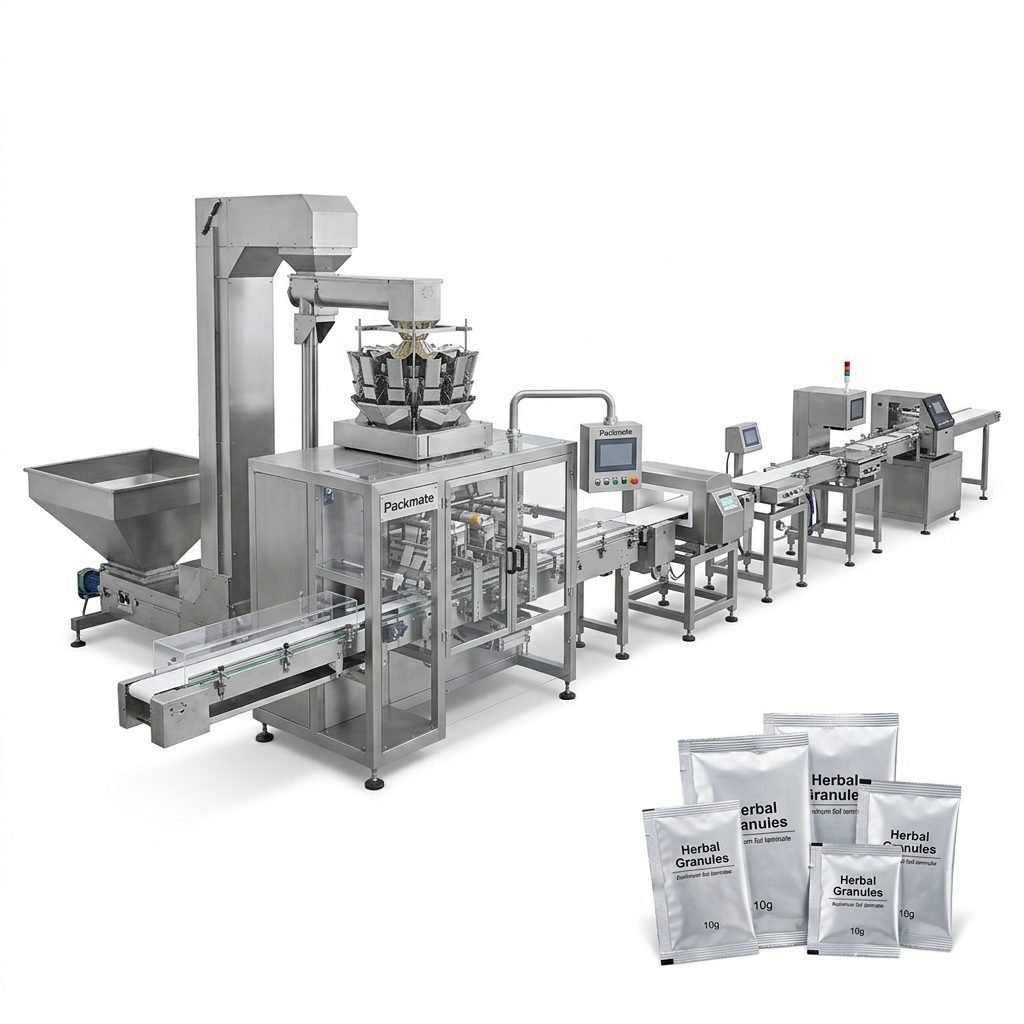
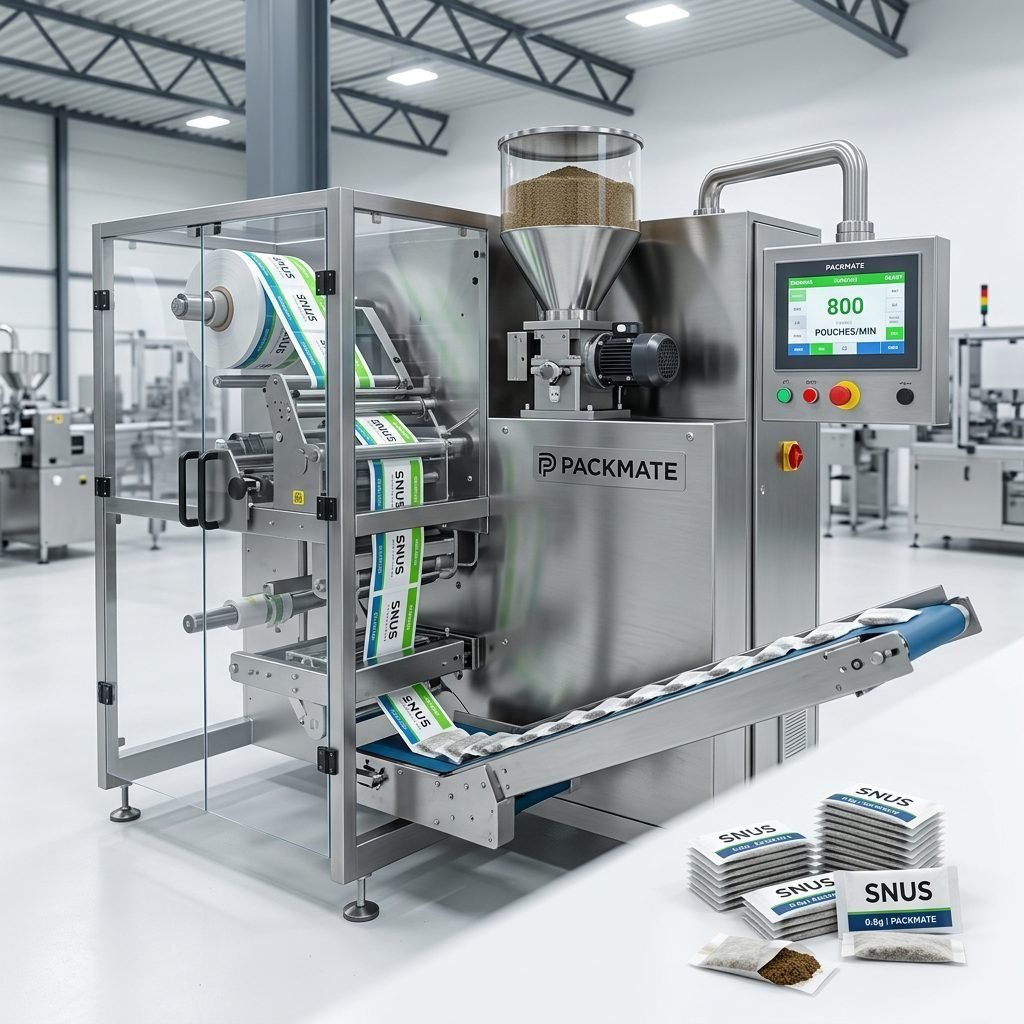
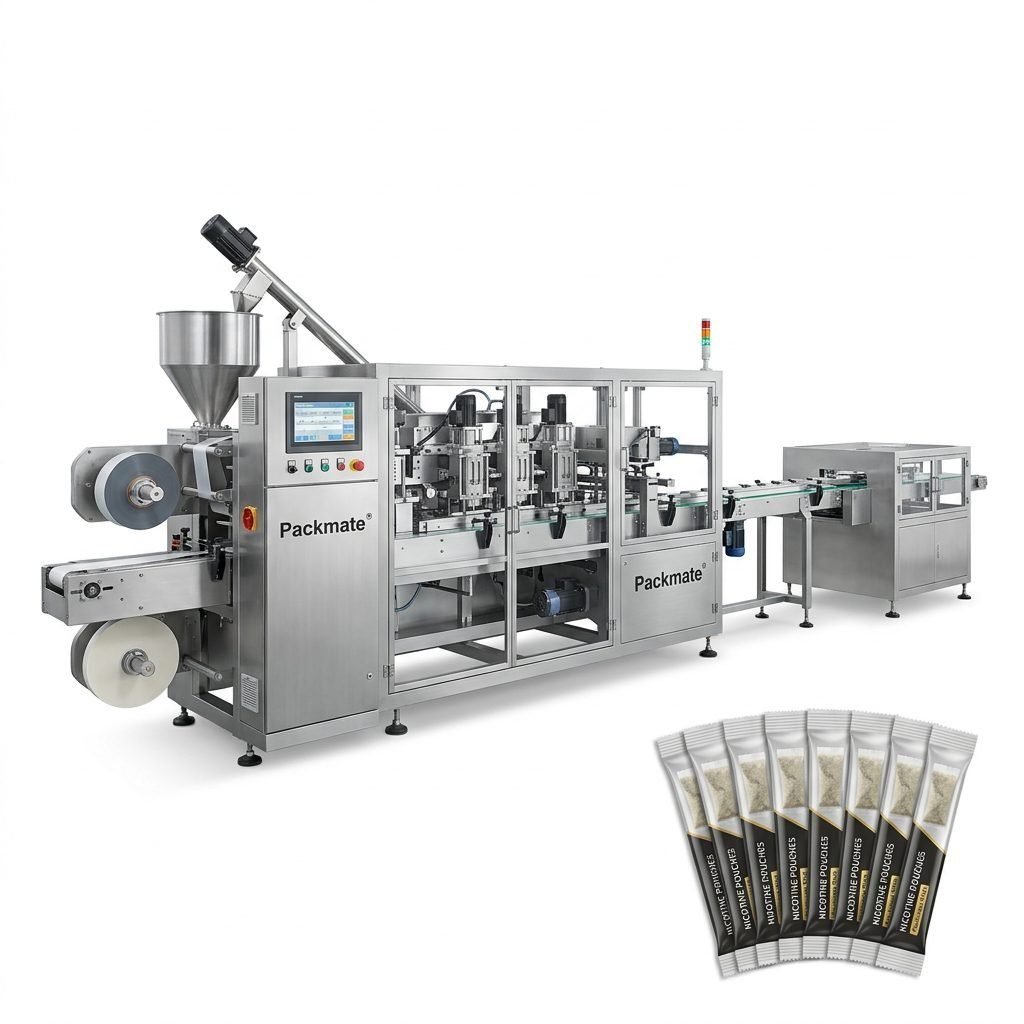
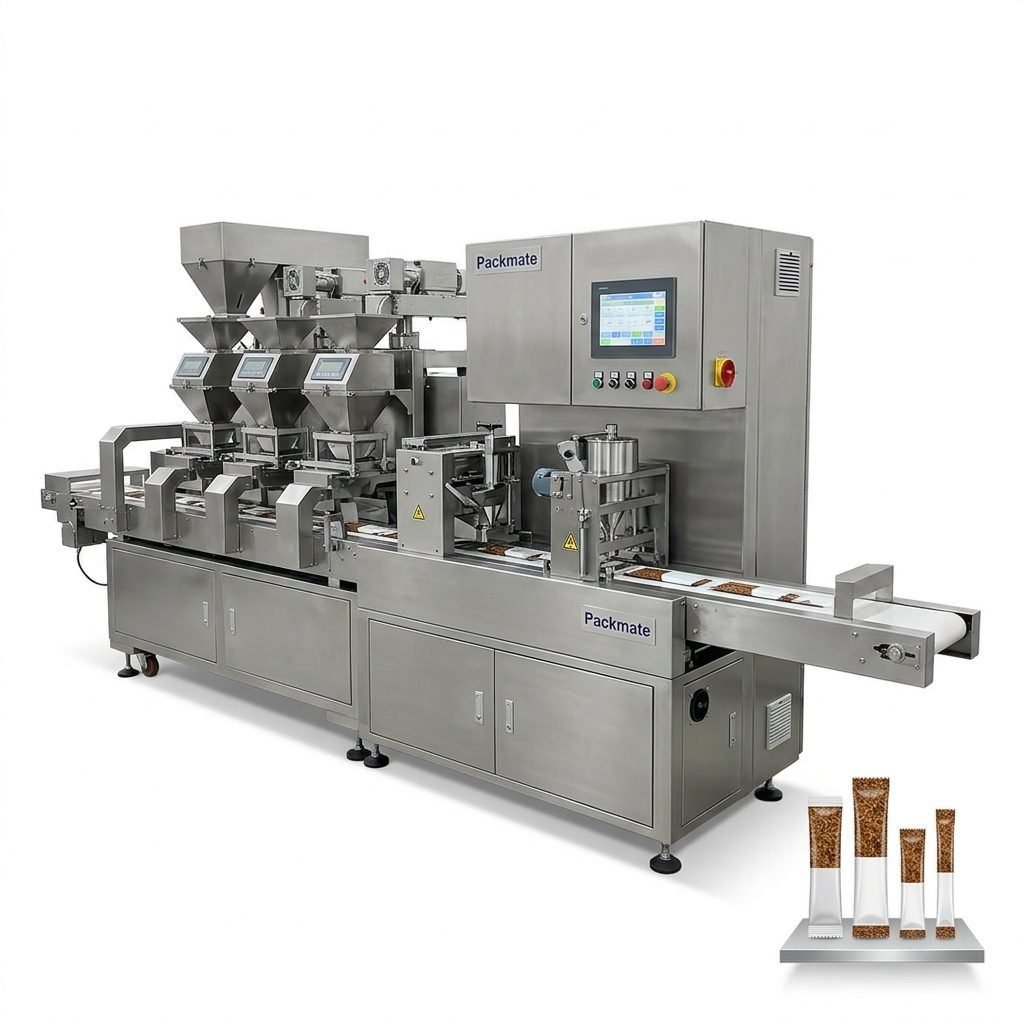
Choosing the right nicotine packaging machinery supplier for your business in Kenya is a critical decision that affects product quality, regulatory compliance, production costs, and time-to-market. Whether you plan to produce nicotine pouches, snus, sachets, or stick packs for urban markets like Nairobi and Mombasa, or for distribution through local kiosks and pharmacies, this guide will walk you through practical steps, local considerations, and supplier evaluation criteria to help you make an informed choice.
Understand the Kenyan Market and Local Customs
Kenya has a young, growing urban population and an expanding retail landscape. Consumers often buy small-format products from informal retail channels, so flexible packaging formats and multi-lane production options are especially valuable. In addition, Kenyan businesses value strong relationships and reliable after-sales support; suppliers who provide prompt phone or on-site support and clear training tend to build long-term partnerships. Be mindful of local regulatory frameworks such as the Tobacco Control Act and excise procedures — working with a supplier who understands documentation and certification needs will save time and reduce risk.
Key Local Factors to Consider
✔ Distribution channels: Support for small sachets and single-use stick packs for convenience stores and kiosks.
✔ Local service expectations: On-site installation, operator training, and spare parts availability are critical.
✔ Compliance: Machines and processes that facilitate labeling, batch tracking, and sealing integrity to meet regulatory checks.
Define Your Production Goals and Product Types
Start by listing your intended product formats (nicotine pouches, snus sachets, stick packs), daily output targets, and expected expansions. A clear production brief helps suppliers propose appropriate machines — for example, single-lane sachet machines for niche runs, or high-speed multi-lane systems if you expect rapid scaling. If moisture control, powder dosing precision, or heat sealing are critical, emphasize these in your requirements so the supplier recommends appropriate auxiliary systems.
Production Checklist
🔧 Product format: nicotine pouch / snus / stick pack / sachet
📦 Target throughput: units per minute / hour / day
⚙️ Required integration: weighing, filling, sealing, labeling, carton packing
🔁 Flexibility needs: multi-lane capability or quick changeovers
Evaluate Supplier Technical Expertise and Machine Range
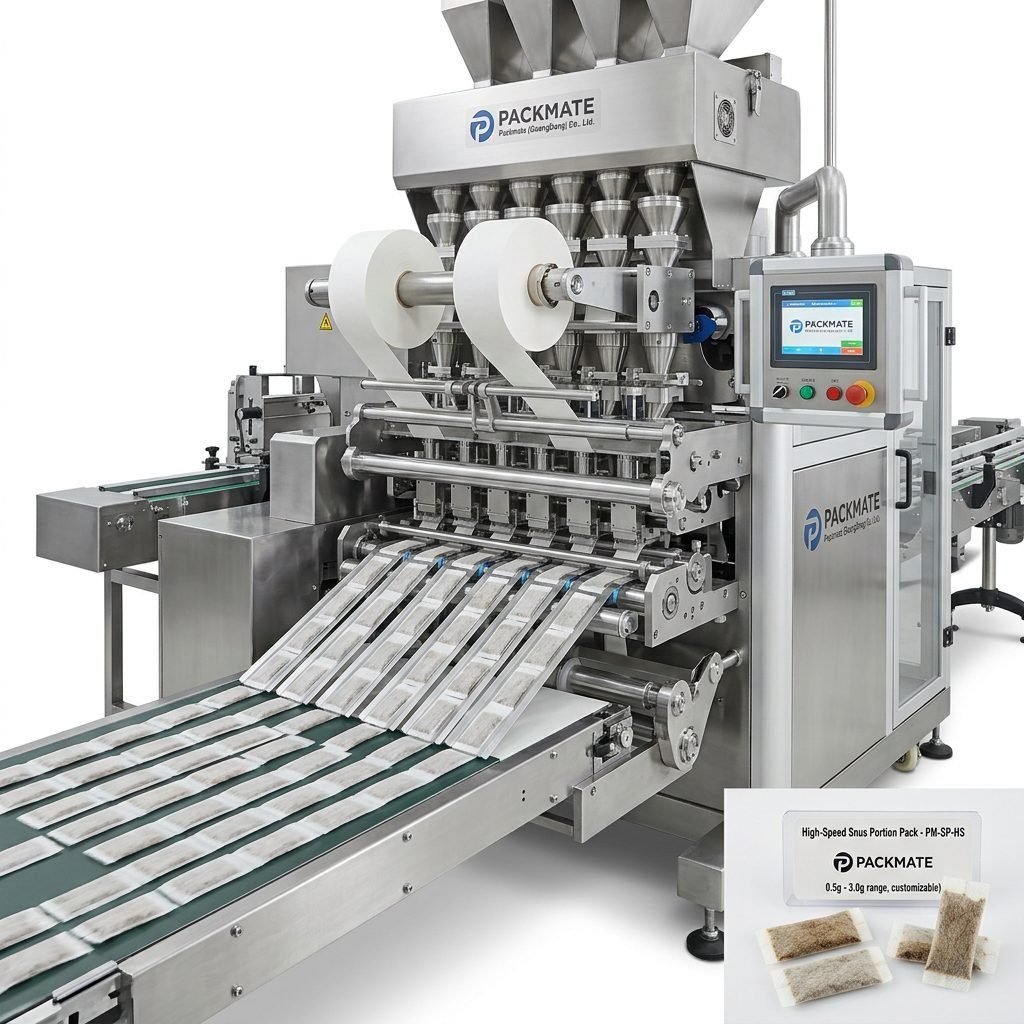
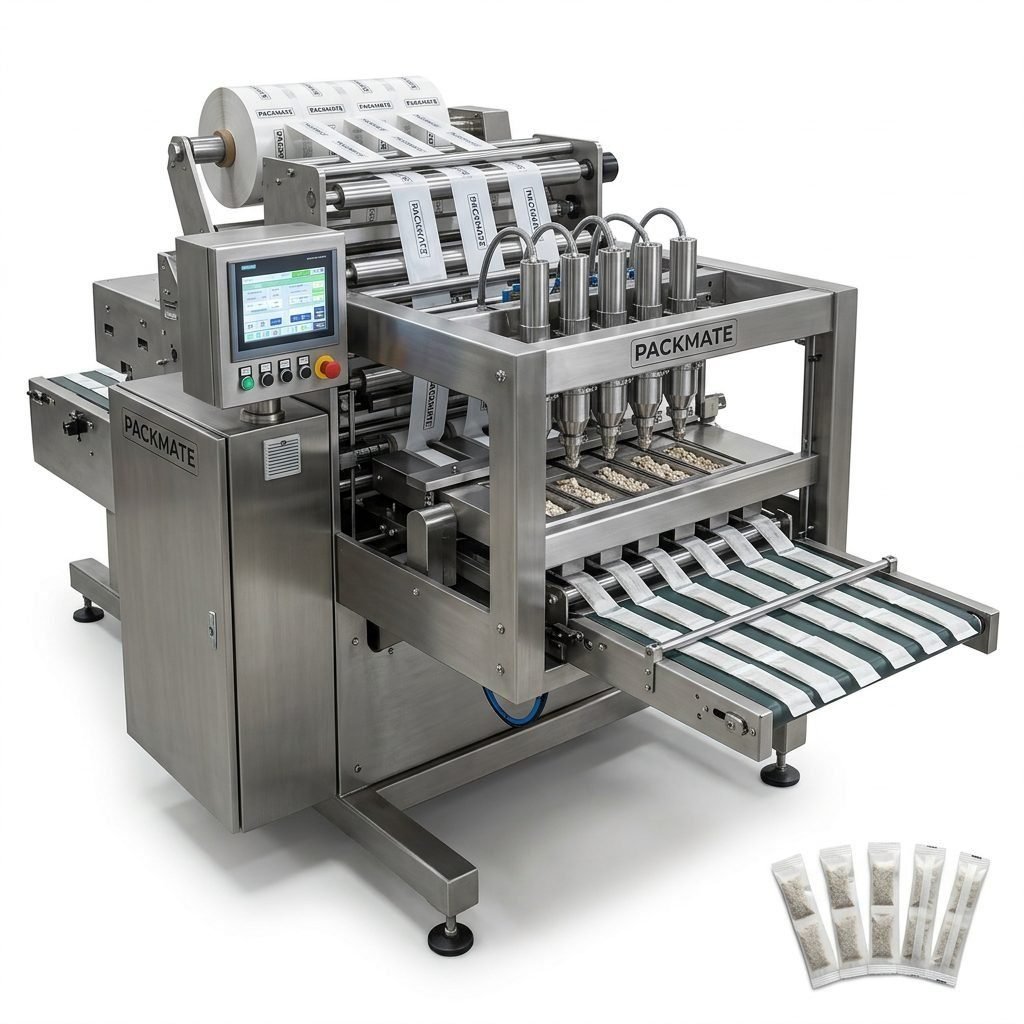
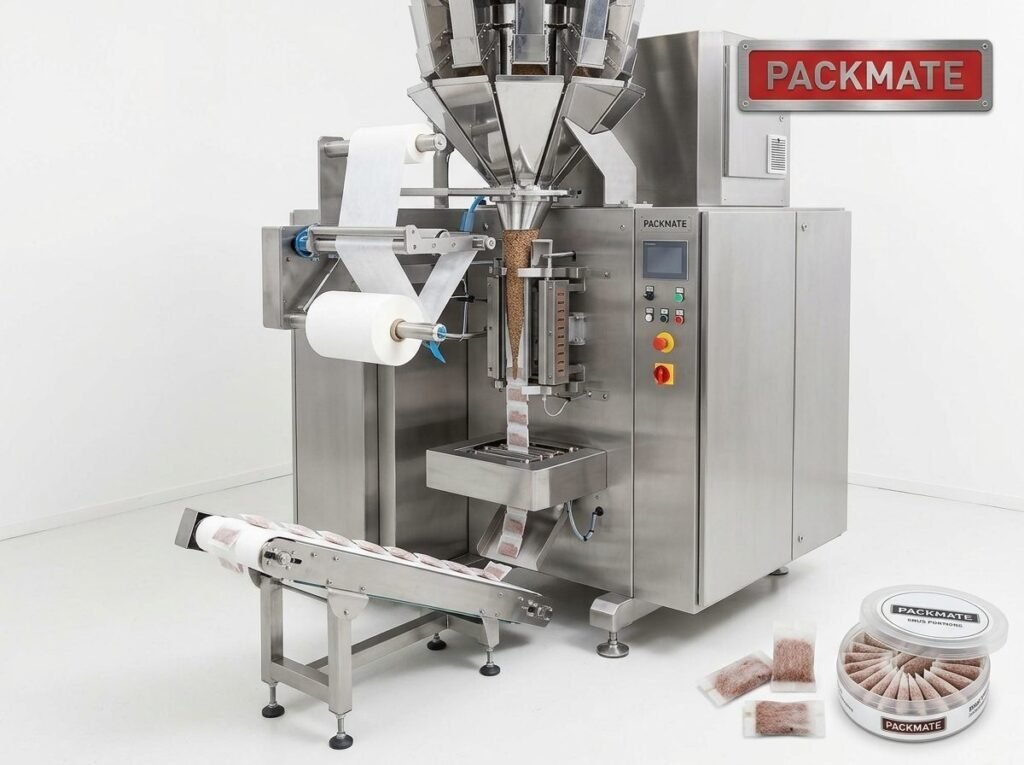
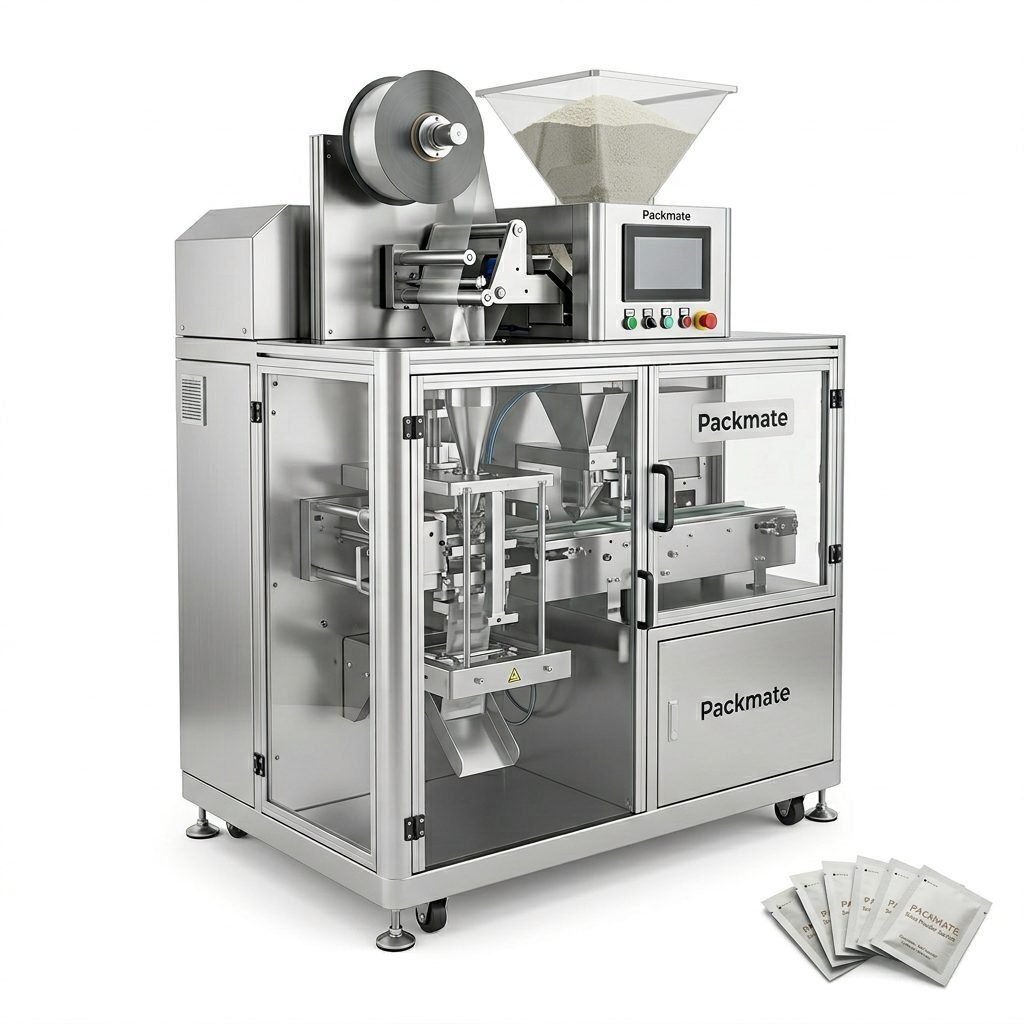
Look for suppliers with a deep specialization in snus and nicotine pouch packaging because these products require tight process control and contamination management. Suppliers that offer a wide range of machines — from sachet & stick pack machines to complete filling and weighing packaging systems — can provide tailored turnkey solutions as your business grows. For example, Packmate Snus Machine has decades of experience building multi-lane systems and complete lines for nicotine pouch production, which is useful when you need integrated solutions.
Explore specific machine families such as Snus & Nicotine Packaging Machines, Sachet & Stick Pack Machines, and Weighing & Packaging Systems when comparing technical capabilities.
Technical Evaluation Points
✔ Machine uptime & MTBF (Mean Time Between Failures) statistics
✔ Precision of dosing & consistency for nicotine contents
✔ Available formats: single-lane vs multi-lane, stick vs sachet
✔ Ability to integrate auxiliary equipment such as feeders, cartoners, or labellers
Check Manufacturing Strength and Certifications
Manufacturing capability matters for quality and delivery. A supplier with a sizable factory, advanced CNC machining centers, and precision assembly lines will typically deliver more reliable machines. Certifications like CE and ISO indicate adherence to international quality and safety standards — important for Kenyan import clearance and local acceptance. Verify factory size, production capacity, and the supplier’s testing routines to ensure machine consistency.
For reference, suppliers that publish factory details, quality control processes, and certification pages (for example, see Packmate’s certificates) often demonstrate transparency and mature manufacturing practices.
Service, Spare Parts and Local Support
In Kenya, quick access to spare parts and responsive technical support are essential. Ask potential suppliers about:
🔧 Stock levels for critical spare parts and lead times for replacements
📞 Remote troubleshooting options: video calls, PLC remote access, and bilingual manuals
🚚 Local partners or service agents in Africa/East Africa for faster on-site response
🛠 Training programs for operators and maintenance technicians
Assess Total Cost of Ownership (TCO), Not Just Purchase Price
Low initial price can hide high long-term costs. Estimate TCO by including energy consumption, spare parts, preventive maintenance, downtime risk, delivery and installation costs, and training. A reliable supplier will provide clear documentation of consumables, warranty coverage, and expected service intervals to help you model realistic costs over 3-5 years.
TCO Components to Request
– Estimated energy usage per shift; spare part list with typical lifetimes; recommended preventative maintenance schedule; warranty terms; optional extended service agreements.
Factory Visits, Machine Trials and References
Whenever possible, arrange a factory visit or attend a trade show demonstration to inspect machine build quality and watch live runs. If travel is difficult, request a live video trial of the machine producing your product format. Ask for customer references, especially from companies in Africa or similar markets — a supplier with proven global cooperation cases and exhibition presence tends to be more trustworthy.
Contract Terms, Delivery and Installation
Agree on clear contract terms that include delivery lead times, shipping responsibilities (Incoterms), installation scope, VAT and duties, and acceptance testing criteria. For turnkey solutions, confirm that the supplier provides full line integration, on-site commissioning, operator training, and initial product runs. Clarify penalties or remedies for missed milestones.
Customization and Future-Proofing
Your product mix may change. Choose suppliers who can adapt machines for new pouch sizes, multi-layer packaging materials, or new dosing systems without major rework. Modular designs and accessible spare parts make upgrades simpler and less costly. A supplier with R&D history and product catalogs shows capability to deliver tailored solutions.
Useful Resources and Links
Explore technical product ranges and company information to compare options: Bag & Pouch Packaging Machines, About Packmate, and contact details for inquiries at Contact Us.
Red Flags to Watch For
⚠️ Lack of verifiable references or factory information
⚠️ Vague warranty terms or unwillingness to provide spare parts lists
⚠️ No clear scope for installation, training, or commissioning
⚠️ Overly generic equipment that cannot be demonstrated with your product
Decision Checklist Before You Sign
Use this final checklist to validate your choice:
- Supplier provides machine demonstrations and customer references.
- Factory capacity, CNC and assembly capabilities are documented.
- Certifications (CE, ISO) and export experience are confirmed.
- Clear spare part, warranty, and service agreements exist.
- Delivery, installation and acceptance testing are written into the contract.
- Supplier can integrate auxiliary systems (weighing, filling, cartoning).
Final Thoughts
Selecting the best nicotine packaging machinery supplier in Kenya requires a balance of technical capability, local service support, regulatory awareness, and clear commercial terms. Prioritize suppliers who demonstrate transparency, offer real-world references, and can tailor solutions to the Kenyan market’s distribution and consumer habits. A strong partner will not only deliver the machine but will support your business as you scale.
Frequently Asked Questions
Q1: How important is on-site support in Kenya?
On-site support is highly important due to logistics and the necessity for fast repairs. Suppliers who provide regional agents or reliable remote troubleshooting save downtime and reduce costs. Training local technicians is a smart investment.
Q2: What certifications should I ask for?
Request CE and ISO certificates as a baseline. Also ask for material and electrical compliance documentation, test reports, and any export certificates helpful for Kenyan customs clearance.
Q3: Can suppliers handle turnkey lines including filling and cartoning?
Yes. Many specialized suppliers offer full filling and packaging lines. Review examples or case studies of completed lines to verify integration skills and commissioning processes.
Q4: How do I manage spare parts and consumables?
Obtain a spare-parts list with suggested inventory levels, and discuss shipping lead times. Consider stocking critical wear parts locally to reduce potential downtime.
Q5: Where can I learn more about machine options and company history?
Review product pages and company information online for detailed machine specifications and background. For manufacturer references and product catalogs, visit Packmate’s product sections and about pages linked earlier.