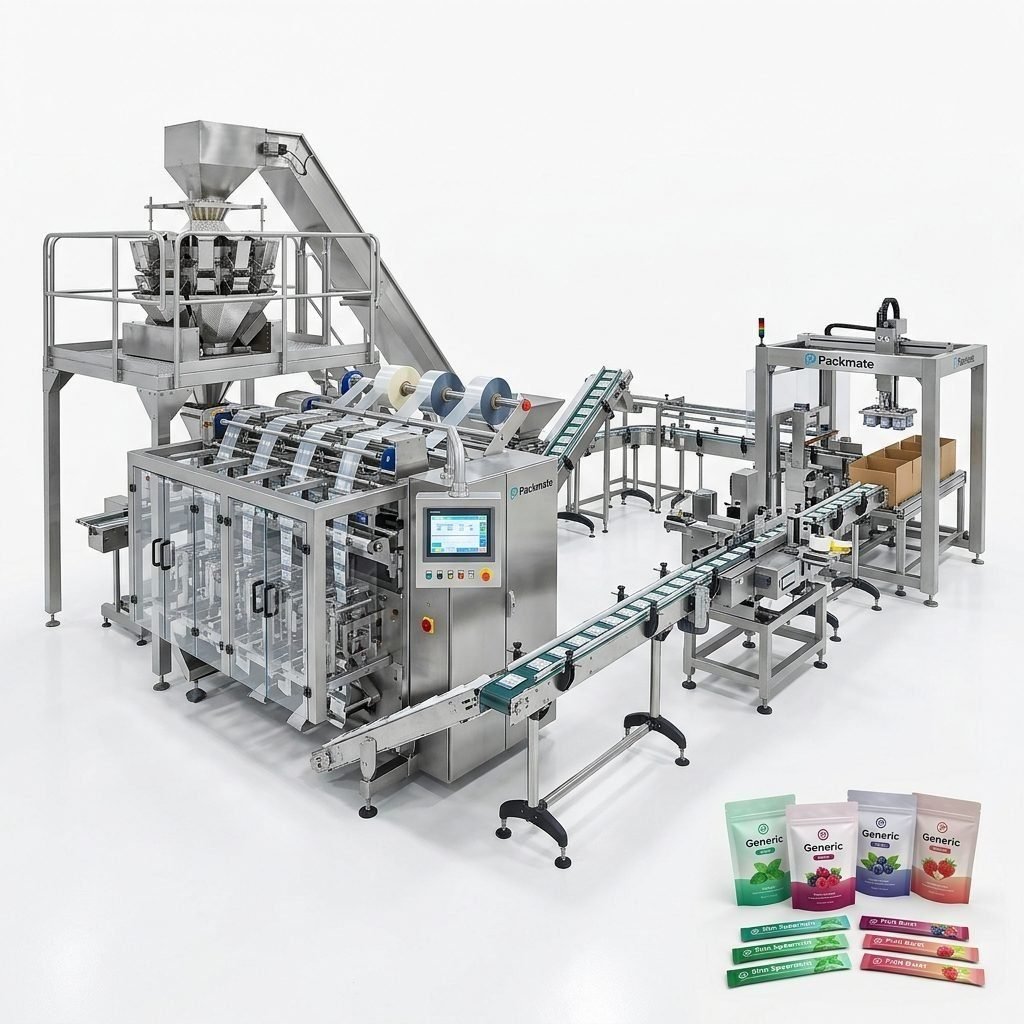
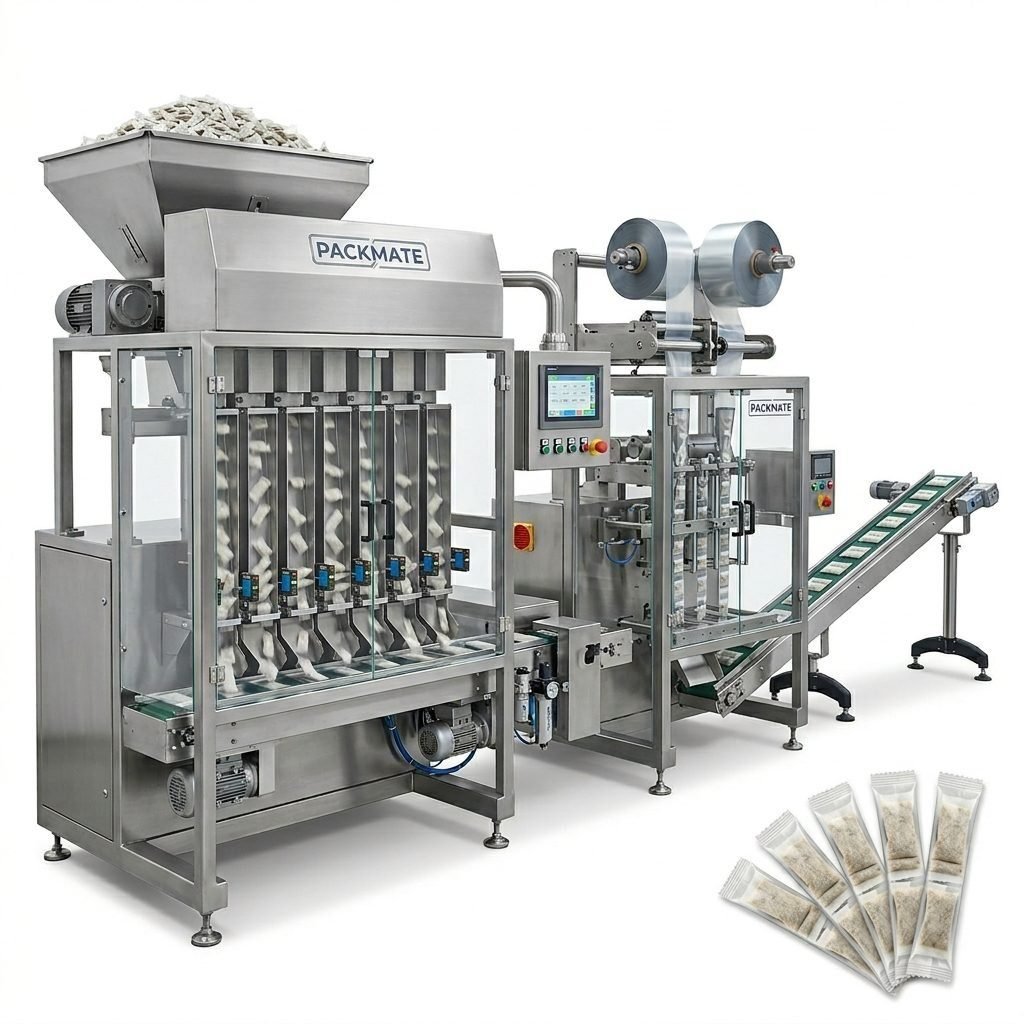
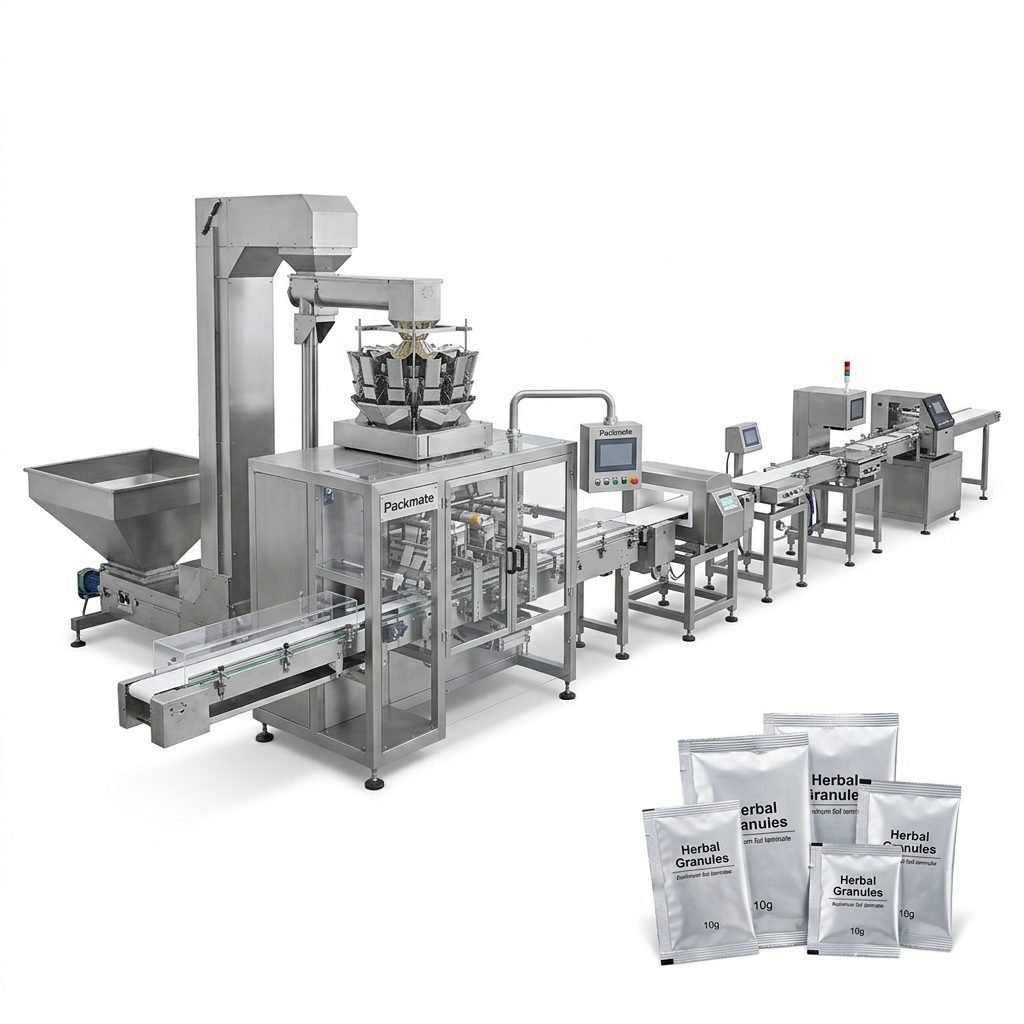
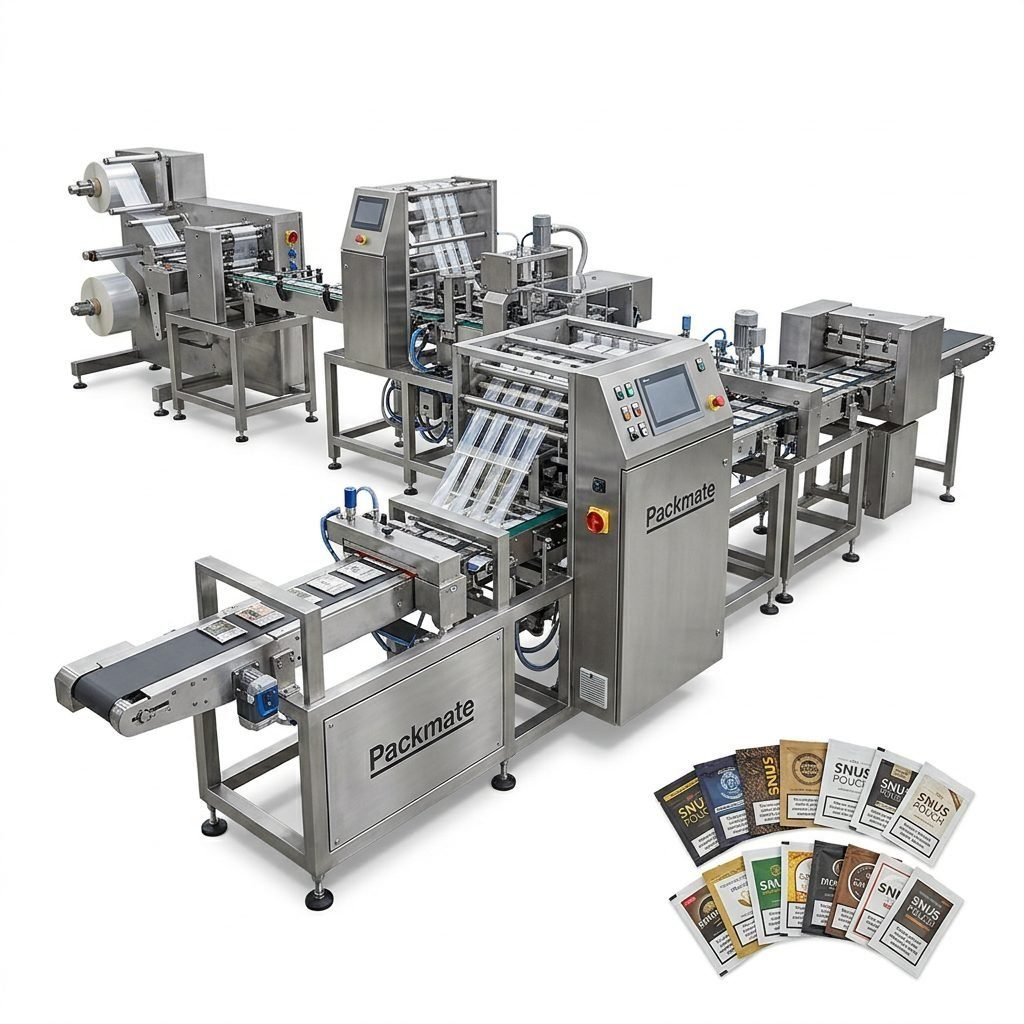
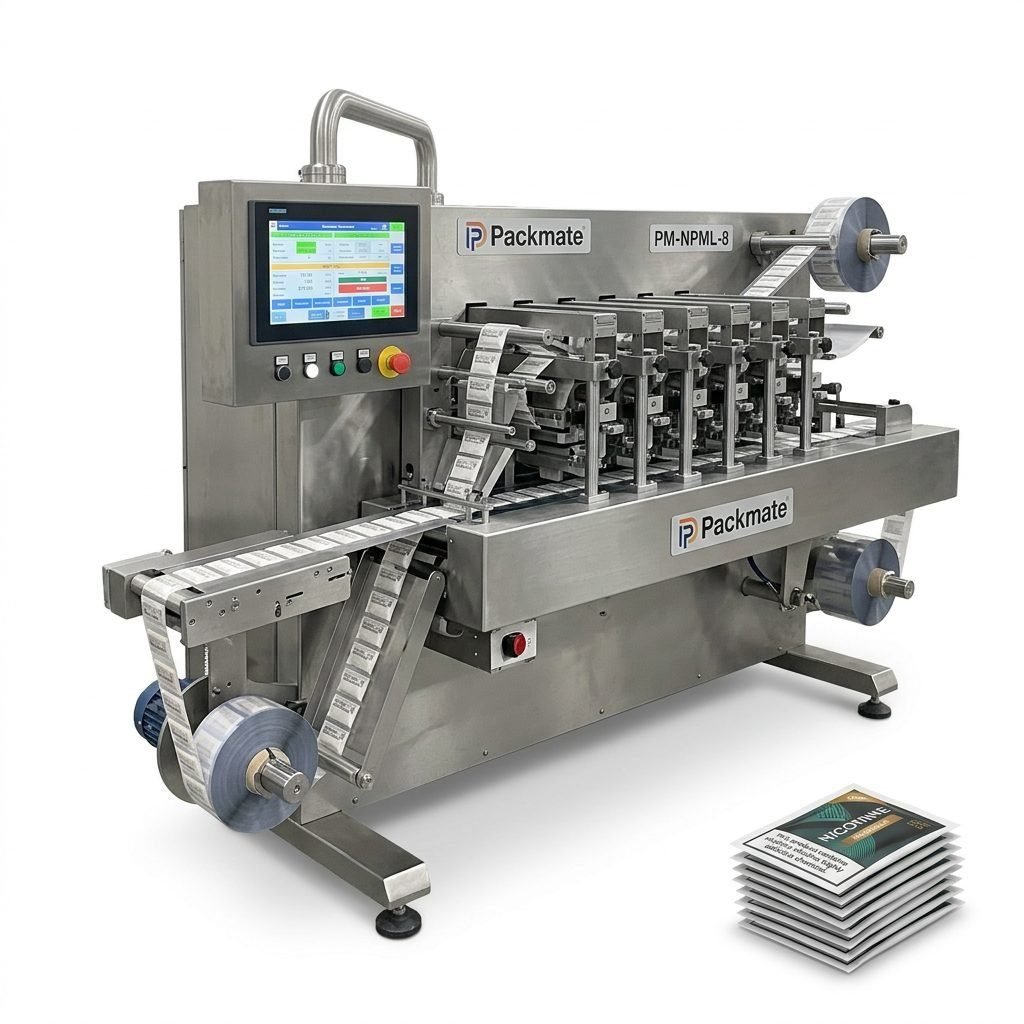
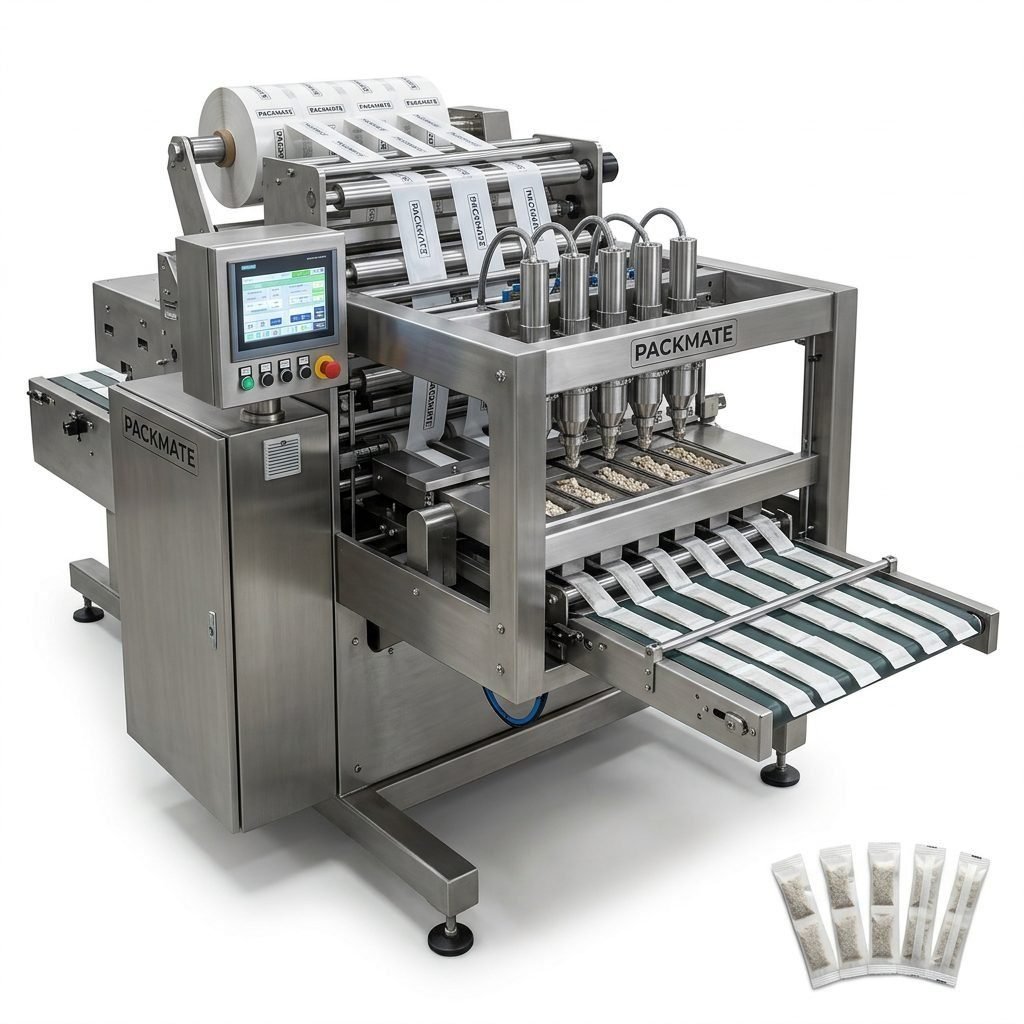
Choosing the right nicotine packaging machinery manufacturer in Cameroon is a strategic decision that affects product quality, regulatory compliance, and long-term profitability. Whether you are a local entrepreneur in Douala, an importer in Yaoundé, or a production manager supplying regional markets, understanding technical capabilities, after-sales service, and local business practices will help you select a partner who delivers reliable performance and growth support.
Understand Local Market & Cultural Context
Cameroon is a bilingual country (French and English) with diverse consumer habits across regions. Business communication often values clear documentation in both languages and personal trust. When assessing manufacturers:
⚠️ Local preference: Suppliers who provide bilingual manuals, local installation support, and flexible payment terms tend to build stronger relationships with Cameroonian customers.
Regulatory & Compliance Considerations
Nicotine products fall under tight health and import regulations in many African markets. Verify that any equipment you buy is compatible with local labeling, packaging size limits, and hygiene standards. Manufacturers with international certifications (CE, ISO) and export experience can simplify customs clearance and reduce regulatory risk.
Key Technical Factors to Evaluate
Selecting a machine is more than price — it’s about output quality, uptime, and adaptability. Focus on five core technical areas:
1. Machine Performance & Precision
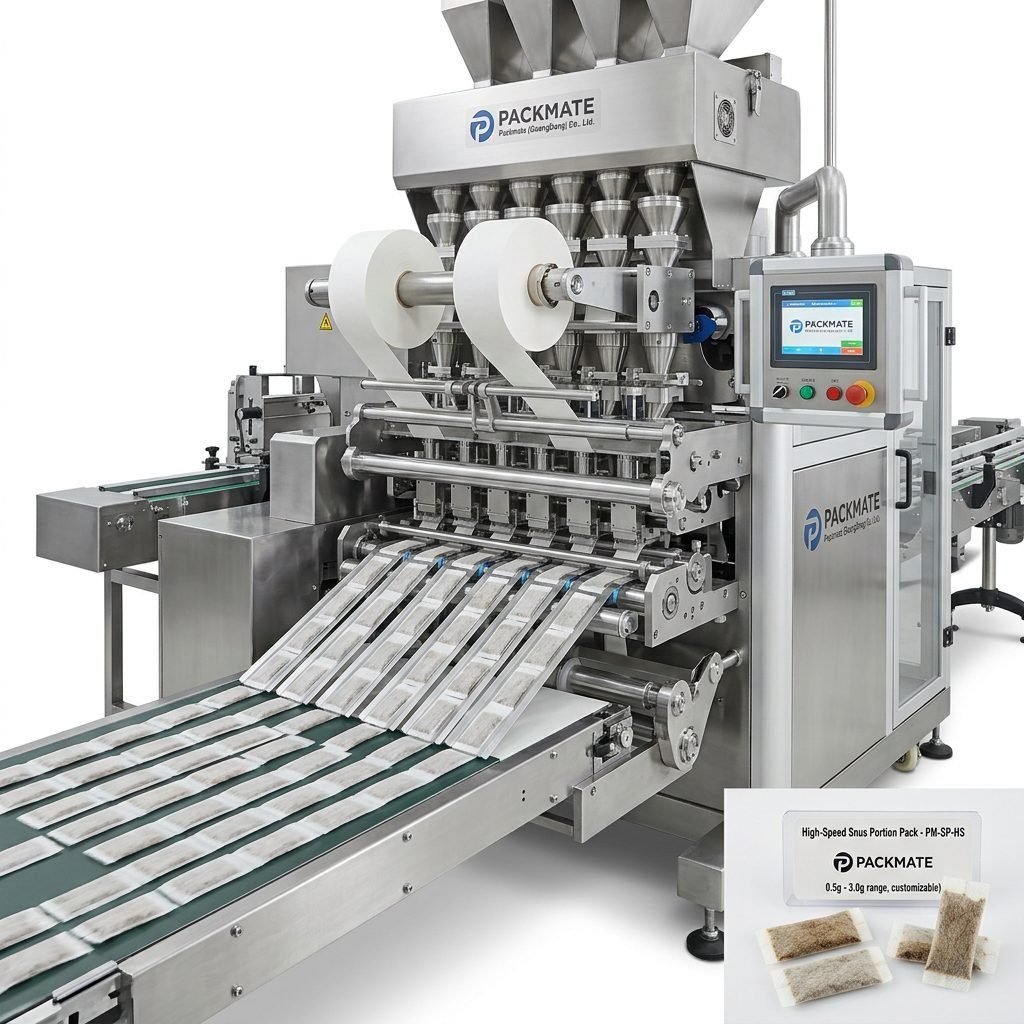
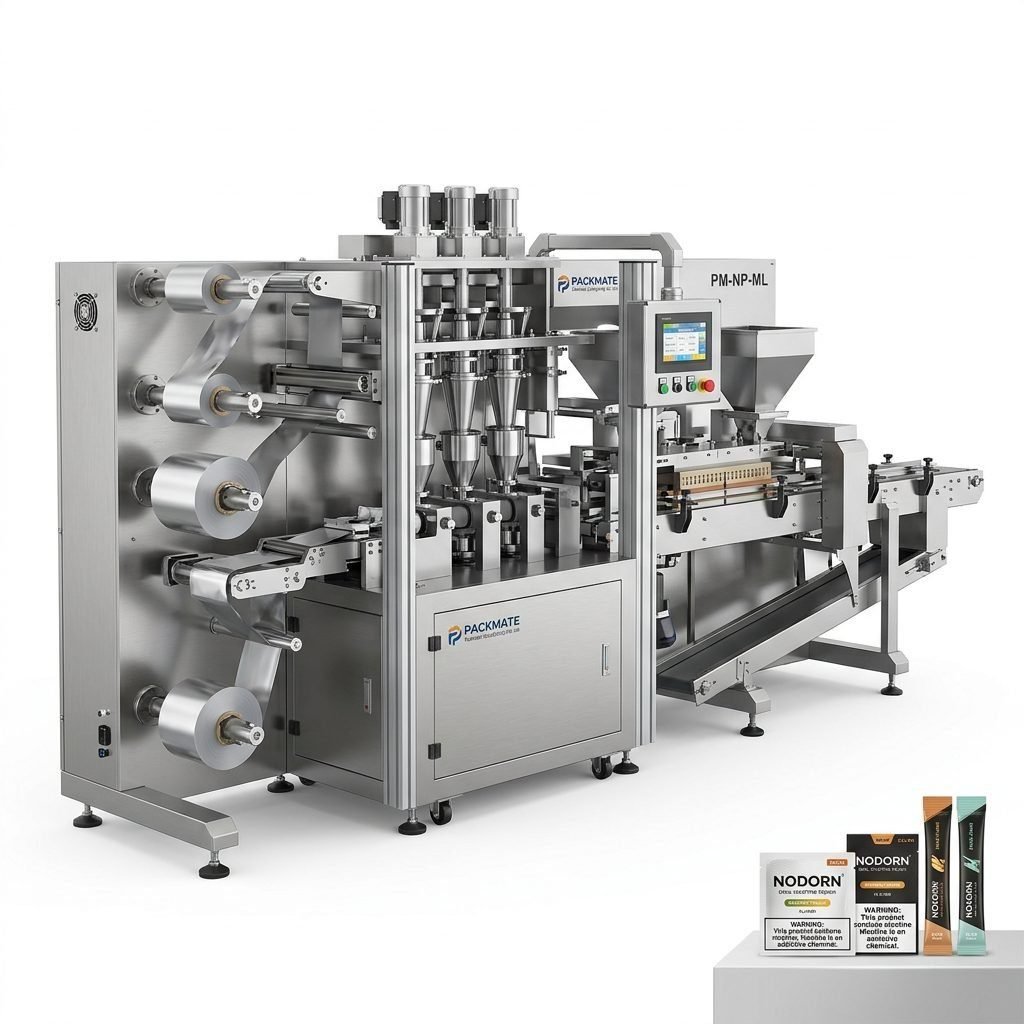
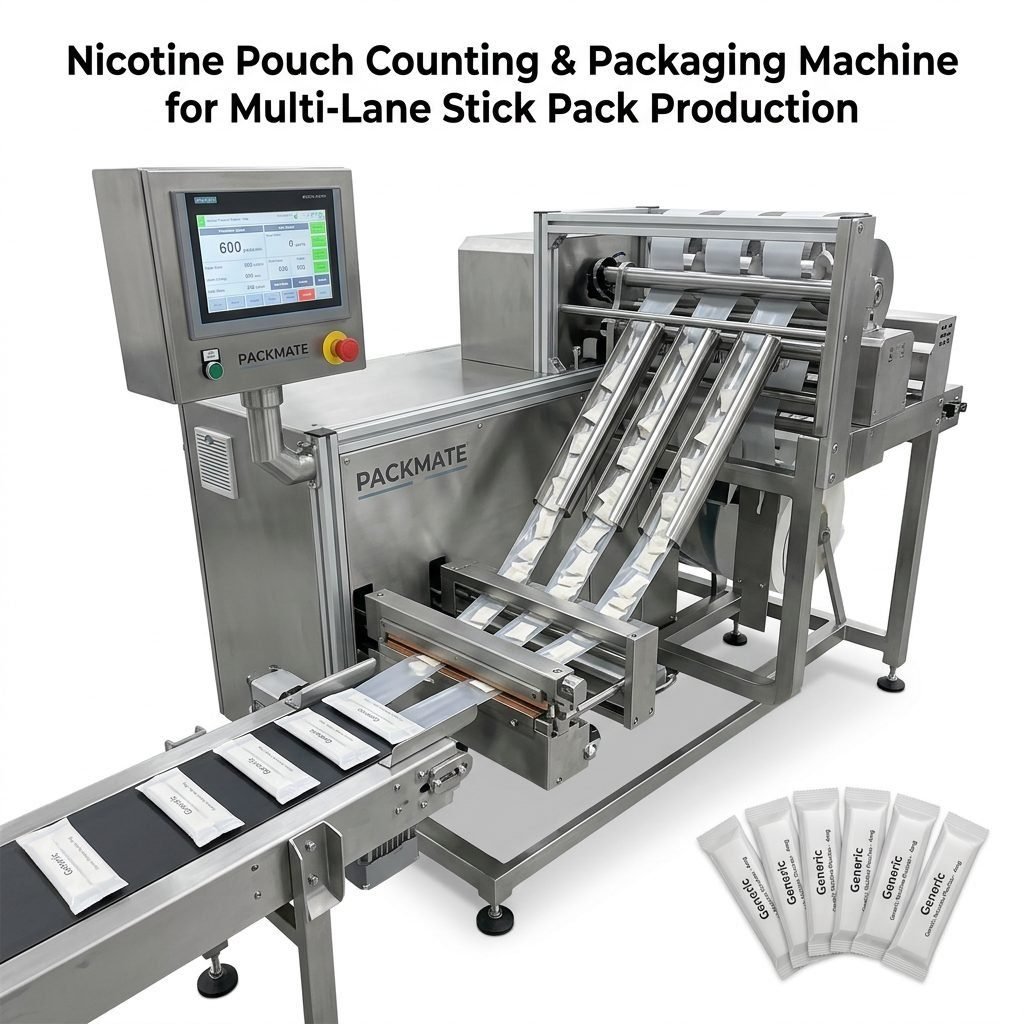
For nicotine pouch and snus packaging, consistent fill weight and seal integrity are critical. Choose manufacturers with proven multi-lane systems and precise dosing mechanisms. Look for stable speed control, minimal variation in pouch weight, and adjustable lane options to scale production without redesigning your line.
2. Versatility and Model Range
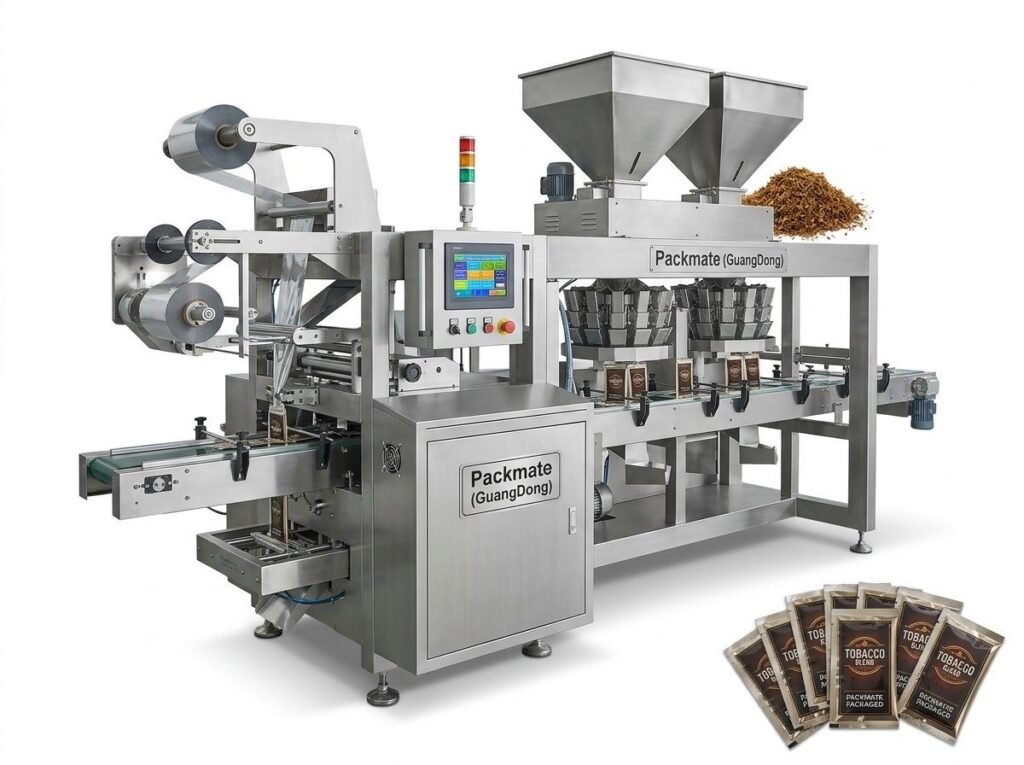
A supplier offering a broad range of models — from single-lane sachet machines to high-speed multi-lane lines — gives you growth flexibility. If you expect to diversify into stick packs, sachets, or powder systems, prioritize manufacturers who design modular lines accommodating different pouch types.
🔧 Tip: Ask for a product portfolio and case studies showing similar installations in developing markets. For reference, review product categories like Snus & Nicotine Packaging Machines and Sachet & Stick Pack Machines.
3. Build Quality & Local Conditions
Cameroon’s humid climate and variable mains power mean machines should be robust and serviceable. Evaluate:
- Corrosion-resistant materials and protective electrical enclosures
- Simple, modular components for local maintenance
- Compatibility with local power conditions or available stabilizers
4. Automation & Integration
Look beyond a single machine: proven turnkey lines that include filling, weighing, packaging, and auxiliary equipment reduce compatibility problems. Manufacturers offering integrated systems and clear PLC/HMI interfaces can cut commissioning time and training costs.
See examples of comprehensive solutions under Filling & Packaging Lines and Weighing & Packaging Systems.
Supplier Capabilities & Factory Strength
A manufacturer’s workshop size, machining capabilities, and quality control processes directly impact product reliability. When evaluating suppliers, prioritize:
📦 Manufacturer check: A 20,000㎡ factory with advanced CNC centers and precision assembly lines indicates strong manufacturing capacity and consistent quality control.
Factory Visits & References
Whenever possible, visit the factory or request a live video demonstration. Ask for references and documented case studies of installations in climates and markets similar to Cameroon. Manufacturers with global turnkey experience can better anticipate customs, installation, and training needs.
After-Sales Support & Spare Parts
After-sales service is often the decisive factor in long-term machine performance. Consider these service attributes:
- Local or regional service partners and technicians
- Clear spare parts lists with price and lead time guarantees
- Remote troubleshooting, PLC backups, and training programs
Look for companies that publish service offerings and have accessible contact channels — for instance, Service and Contact Us pages that include multilingual support.
Commercial Terms & Financing
Competitive pricing matters, but total cost of ownership (TCO) matters more. Assess:
- Warranty length and scope (mechanical, electrical, software)
- Availability of local spare stocks to reduce downtime
- Support for training, installation, and commissioning in Cameroon
Customization & Turnkey Solutions
Many Cameroonian companies need specific packaging sizes, multilingual labeling options, or custom conveyor layouts. Manufacturers with design flexibility and turnkey capabilities can deliver a production line that fits your factory footprint and business model. Check their portfolio for turnkey cases to confirm capability — review project examples like those in their Case section.
✅ Key selection checklist:
• Proven multi-lane systems suitable for small-dose nicotine pouches
• CE/ISO certifications and export experience
• Clear after-sales and spare parts plan for Cameroon
Negotiating Installation, Training & Local Partnerships
In Cameroon, successful equipment adoption often depends on hands-on training and a trustworthy local contact. Negotiate:
- On-site commissioning and operator training in English/French
- Spare parts consignment or express shipping options
- Agreed response time for repairs and remote diagnosis
Local Agents & Distribution
Partnering with an established local agent can accelerate customs clearance, provide cultural mediation, and ensure faster service. Ask suppliers about authorized agents or distributors in West/Central Africa.
Practical Steps to Select a Manufacturer
Follow a structured approach:
- Define your production targets, pouch formats, and budget.
- Request technical proposals, performance data, and references.
- Verify factory capacity and certifications (ask for photos or video tours).
- Confirm spare parts availability and service SLAs for Cameroon.
- Negotiate training, commissioning, and payment terms (letter of credit, escrow, or stage payments).
Why Packmate Snus Machine Is a Consideration
Packmate Snus Machine (Packmate) brings 30+ years of expertise in snus and nicotine pouch machinery, offering a wide product range and a large manufacturing footprint backed by advanced CNC machining, strict quality control, and global turnkey experience. Their portfolio includes snus/nicotine packaging machines, sachet and stick pack systems, and full filling & packaging lines — resources that can reduce your time-to-market and technical risks.
For those seeking more details about the company, their background can be reviewed in the About Packmate section and certification proof is available via their Certificate page.
Final Recommendations for Cameroon Buyers
In summary, Cameroonian buyers should prioritize machine reliability, bilingual documentation and training, local service options, and a supplier with export and turnkey experience. Engage potential manufacturers with a clear request for proposal, verify references, and secure a warranty and spare parts plan that fits local logistics. Strong local partnerships and clear communication will make the difference between a functioning line and a costly downtime.
Next Steps
When you are ready, request detailed quotations including layout drawings, electrical requirements, spare parts lists, and training plans. Use the supplier’s case studies and contact channels to validate lead times and installation commitments.
📌 Helpful links:
Snus & Nicotine Packaging Machines
Case Studies
Contact Us
Frequently Asked Questions
Q1: How long does installation and commissioning typically take?
A: Installation time depends on line complexity; a single machine can be commissioned within days, while a full turnkey multi-lane line may require several weeks for installation, testing, and operator training.
Q2: Are spare parts readily available for imported machines?
A: Reputable manufacturers provide spare parts lists with lead times and can arrange parts consignment or express shipping. Negotiate critical spare availability before purchase.
Q3: Do manufacturers offer bilingual documentation and training?
A: Many experienced exporters offer manuals and training in multiple languages. Confirm English/French support for Cameroon during contract discussions.
Q4: How can I verify a supplier’s claims about machine performance?
A: Request on-site factory visits, video demonstrations, and customer references. Review case studies with similar product types and environmental conditions.
Q5: What payment and warranty terms should I expect?
A: Typical terms include stage payments (deposit, balance before shipment), and a warranty covering core components for 12 months. Clarify warranty coverage for electrical parts, software, and wear items.