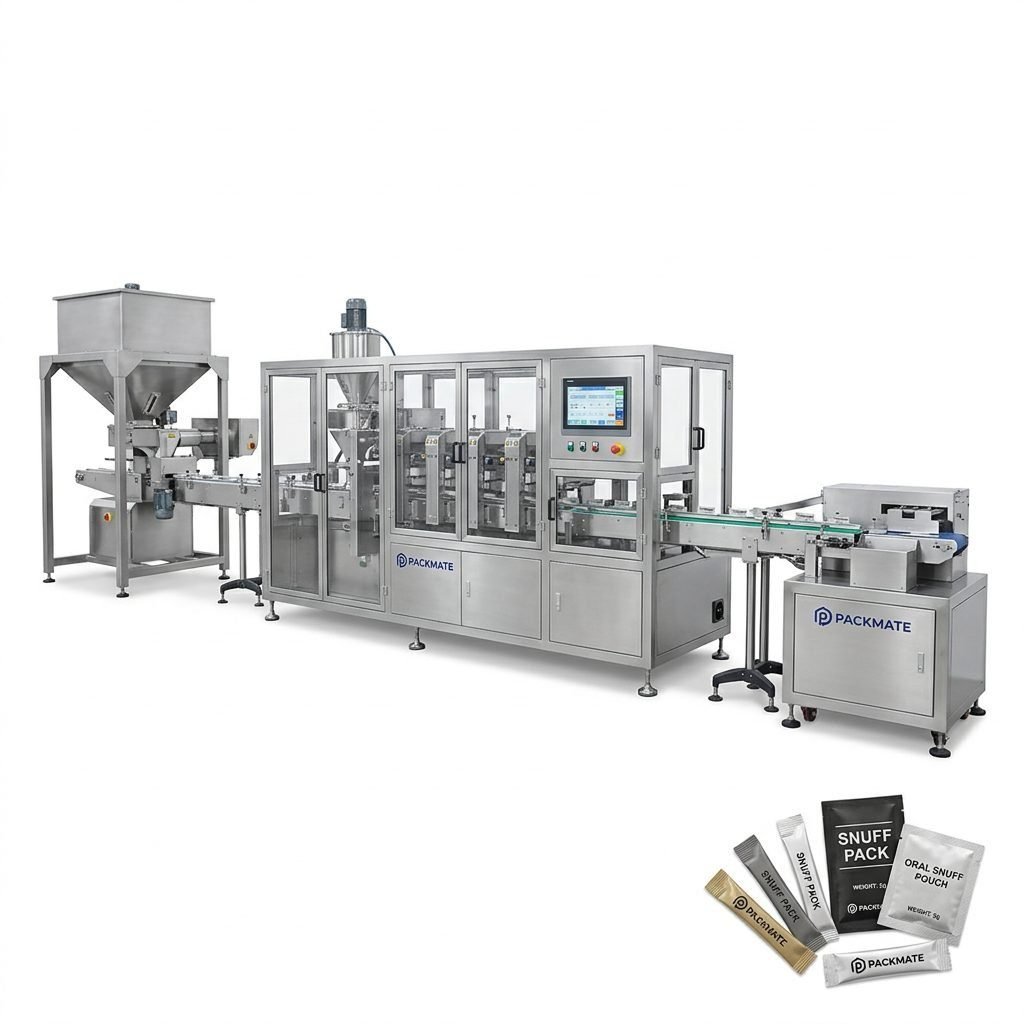
Choosing the right nicotine packaging machinery supplier is one of the most important decisions for a company entering or expanding in Malaysia’s nicotine pouch and snus market. This guide walks you through practical steps and local considerations—regulatory, cultural, technical, and commercial—to help you select a supplier who can deliver reliable machines, localised support, and a predictable return on investment.
Understand the Malaysian Market and Local Requirements
Before you evaluate suppliers, understand the regulatory and cultural environment in Malaysia. Malaysia has a multi-ethnic population (Malay, Chinese, Indian and others) and a majority Muslim community. For nicotine-related products, you must verify local legal status, labeling rules, and any restrictions on sales and advertising. Work with legal counsel or local consultants to confirm whether nicotine pouches are classified under tobacco, pharmaceutical, or controlled goods for import, manufacture, and sale.
Practical points to check:
🔎 Legal classification: Is your product treated as tobacco, a pharmaceutical, or a consumer product in Malaysia? Confirm registration needs and health warnings.
📜 Labeling & languages: Malay and English are commonly accepted—labels should reflect required health statements and ingredient lists in local languages.
☁ Climate resilience: Malaysia’s hot, humid climate affects packaging film choice and machine sealing parameters; ensure machines can adjust to local conditions.
Key Criteria to Evaluate a Packaging Machinery Supplier
Use a structured checklist when assessing potential suppliers. Prioritize long-term reliability, local after-sales support, and machine configurability for small-dose, multi-lane nicotine pouch lines.
1. Product Fit and Machine Types
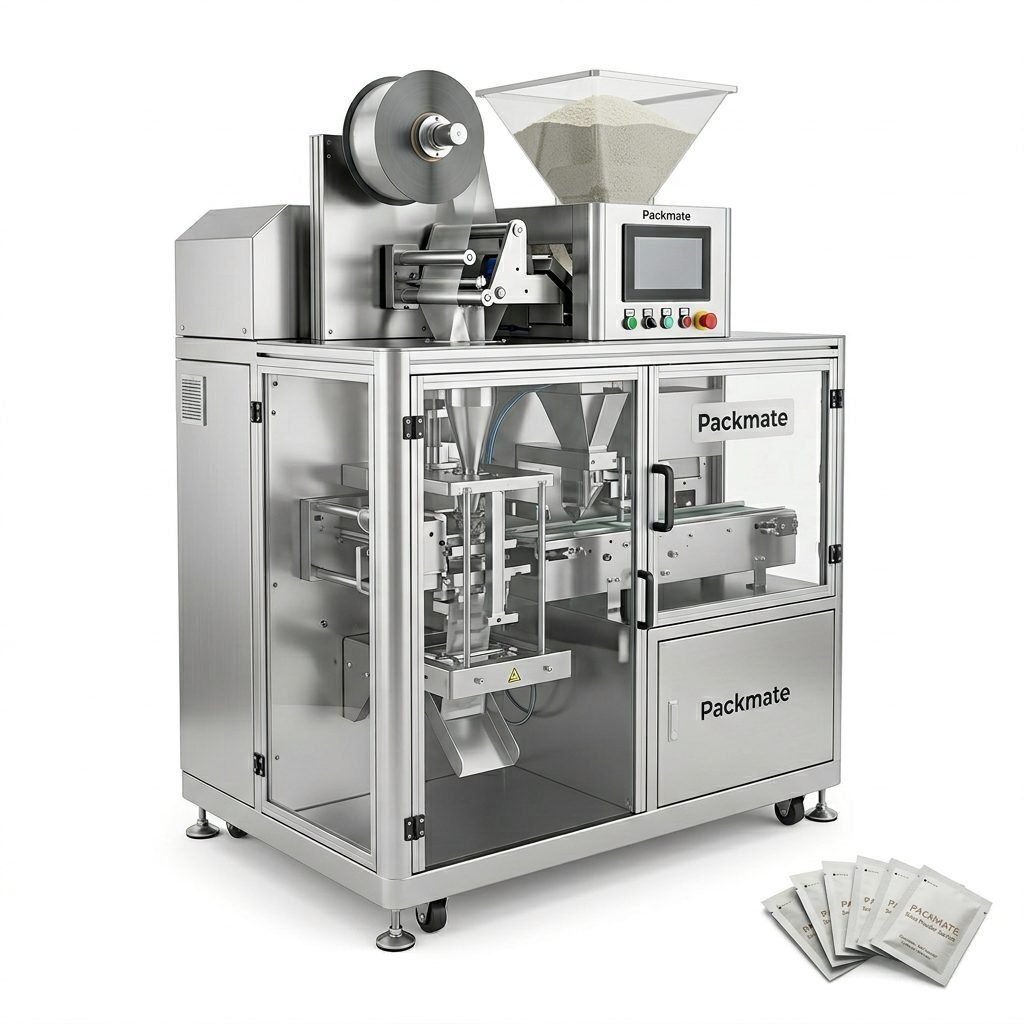
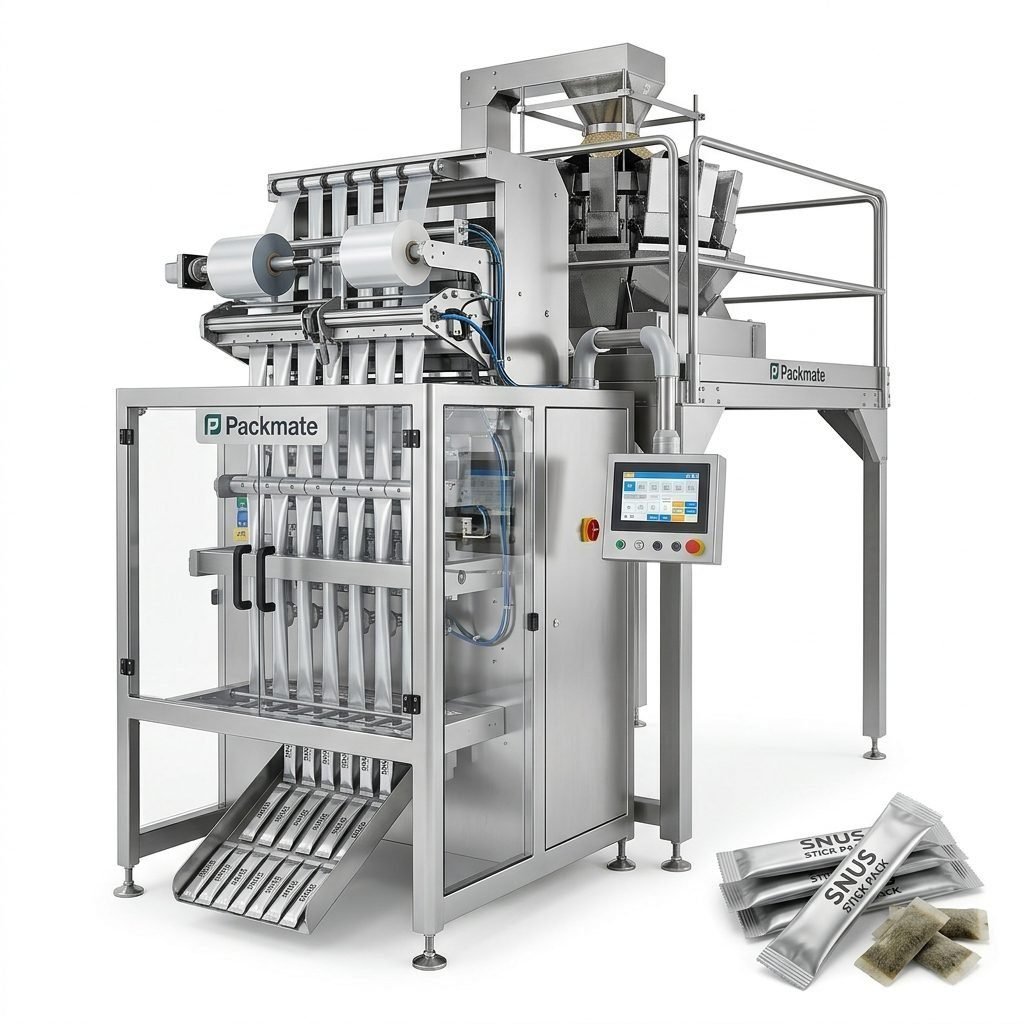
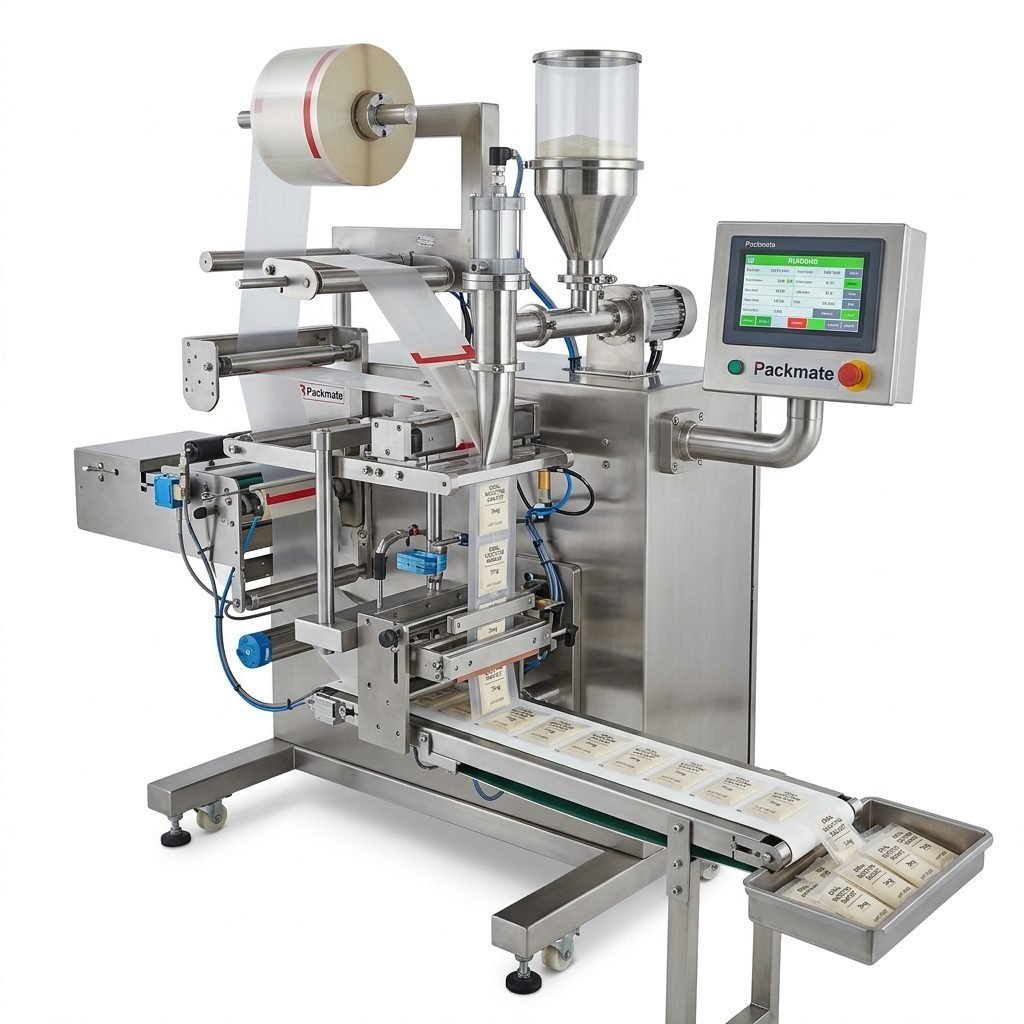
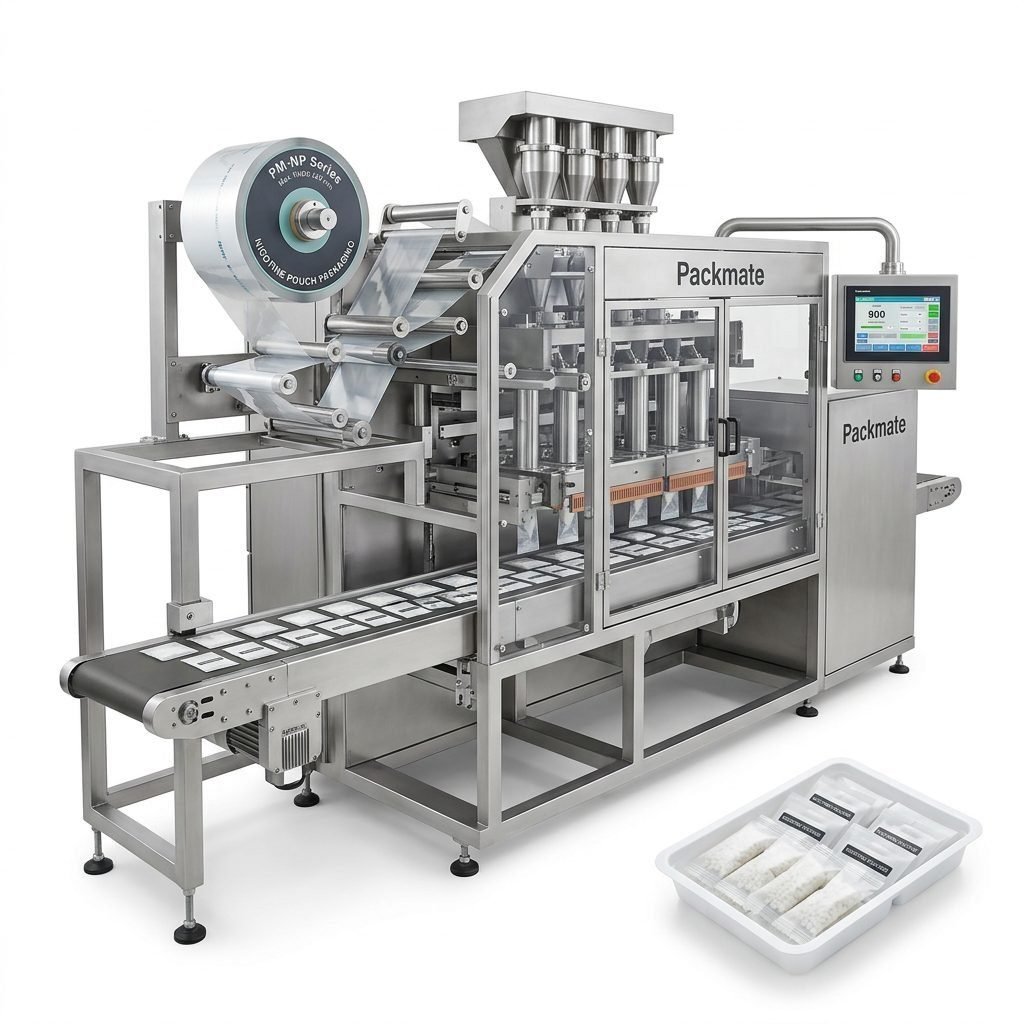
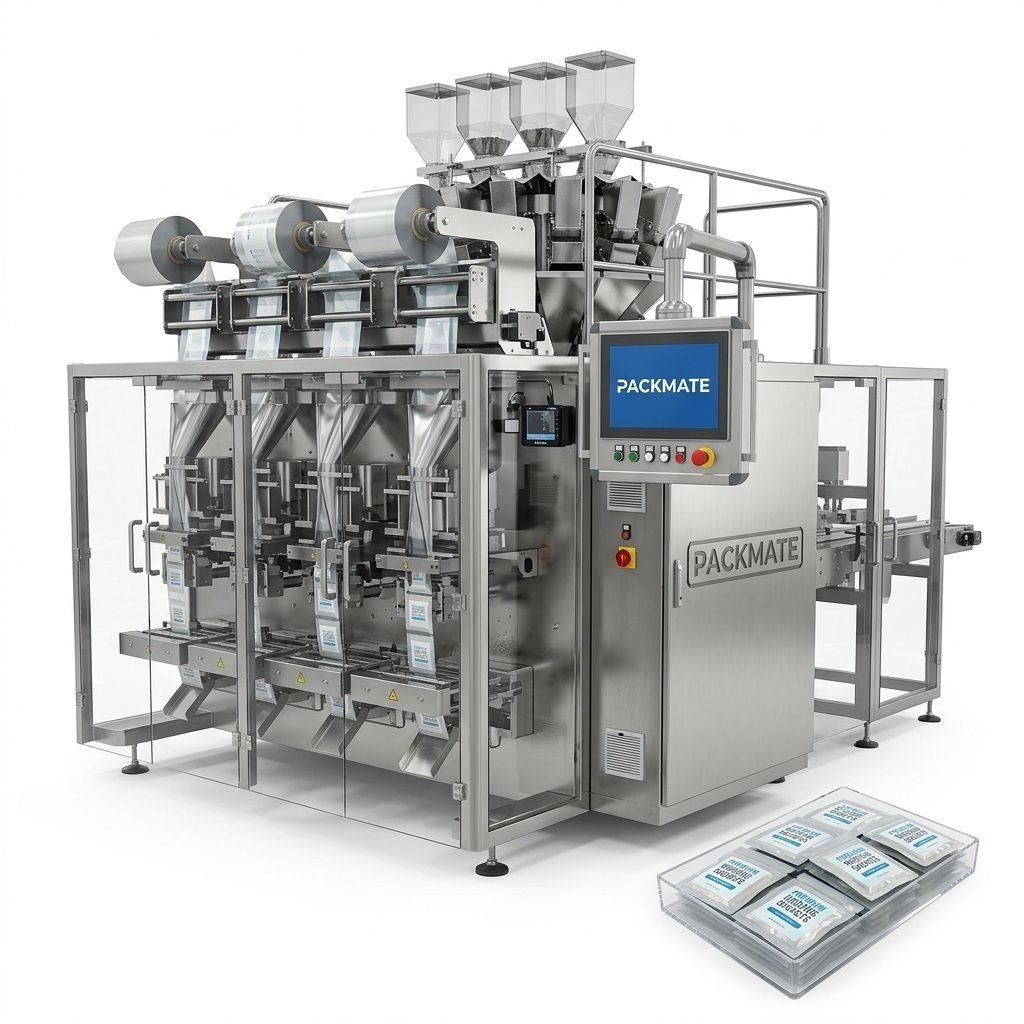
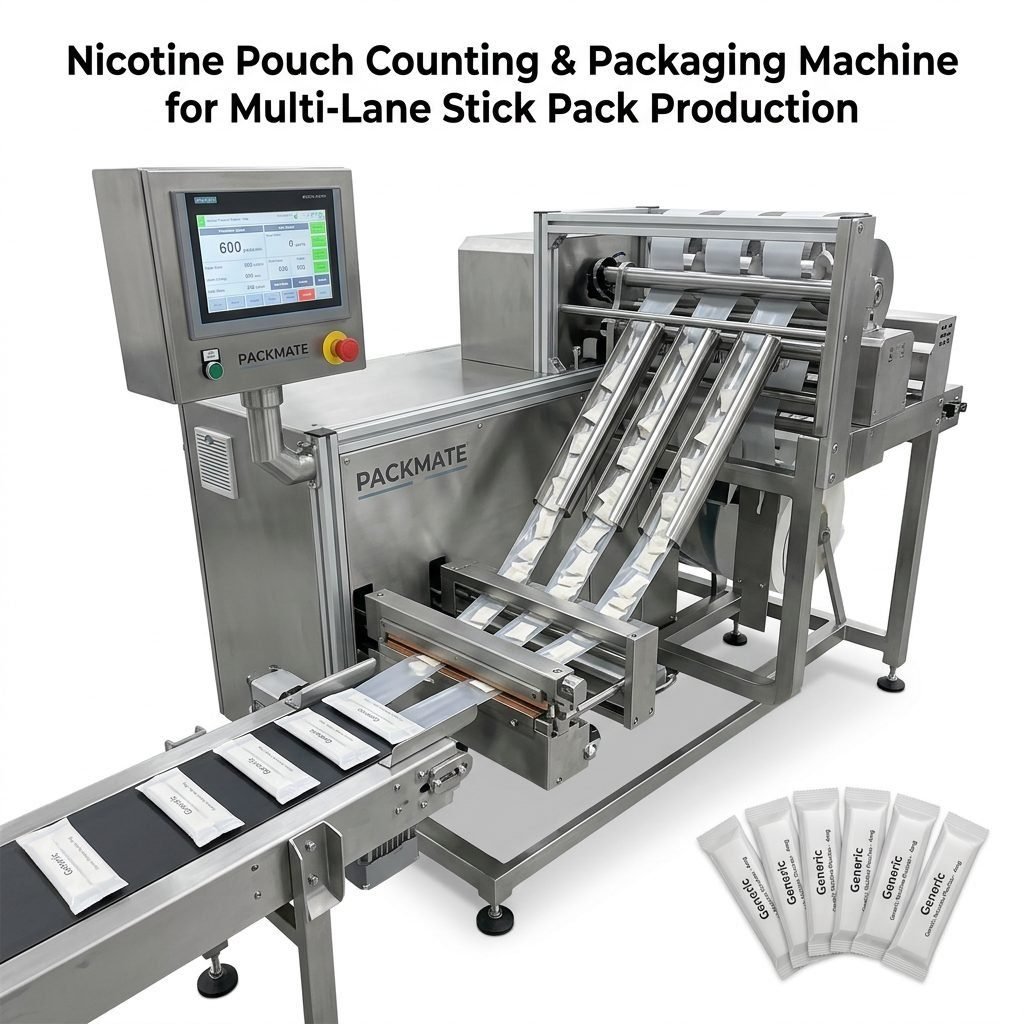
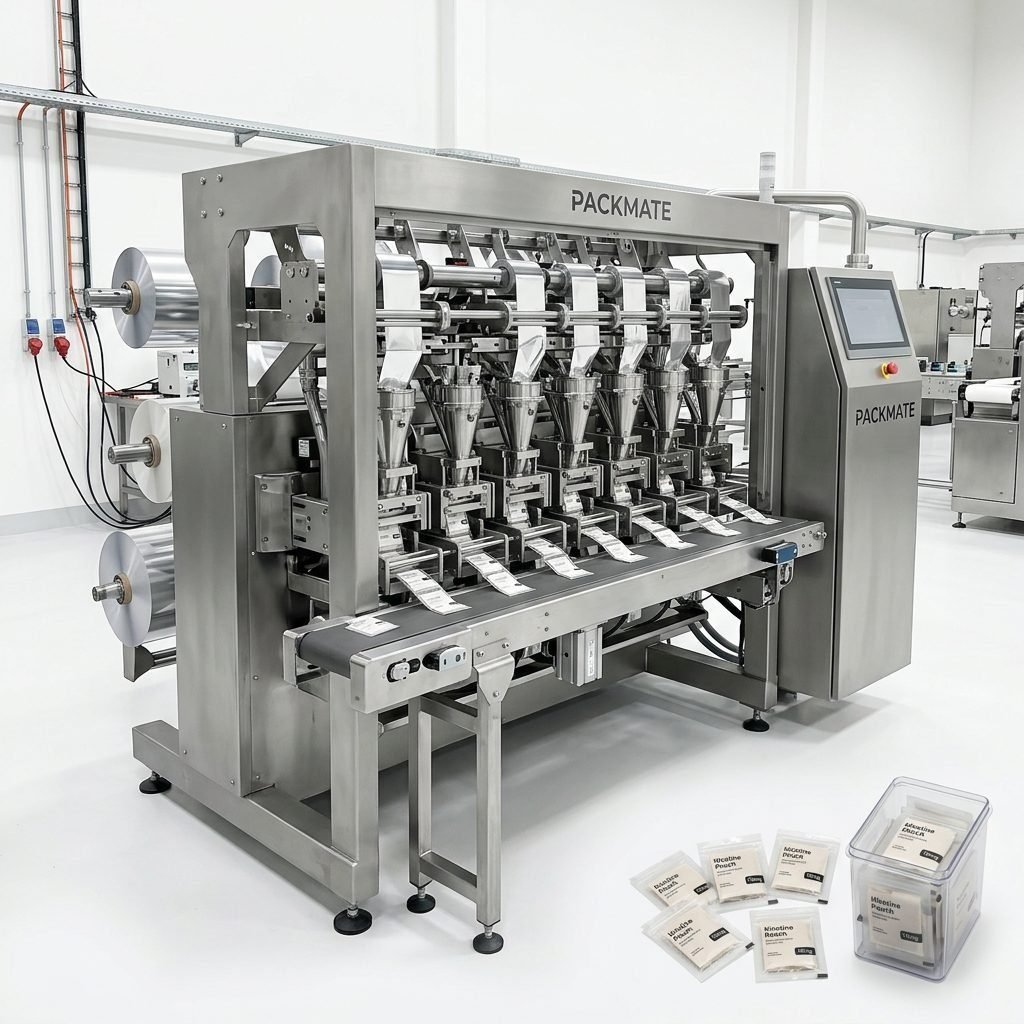
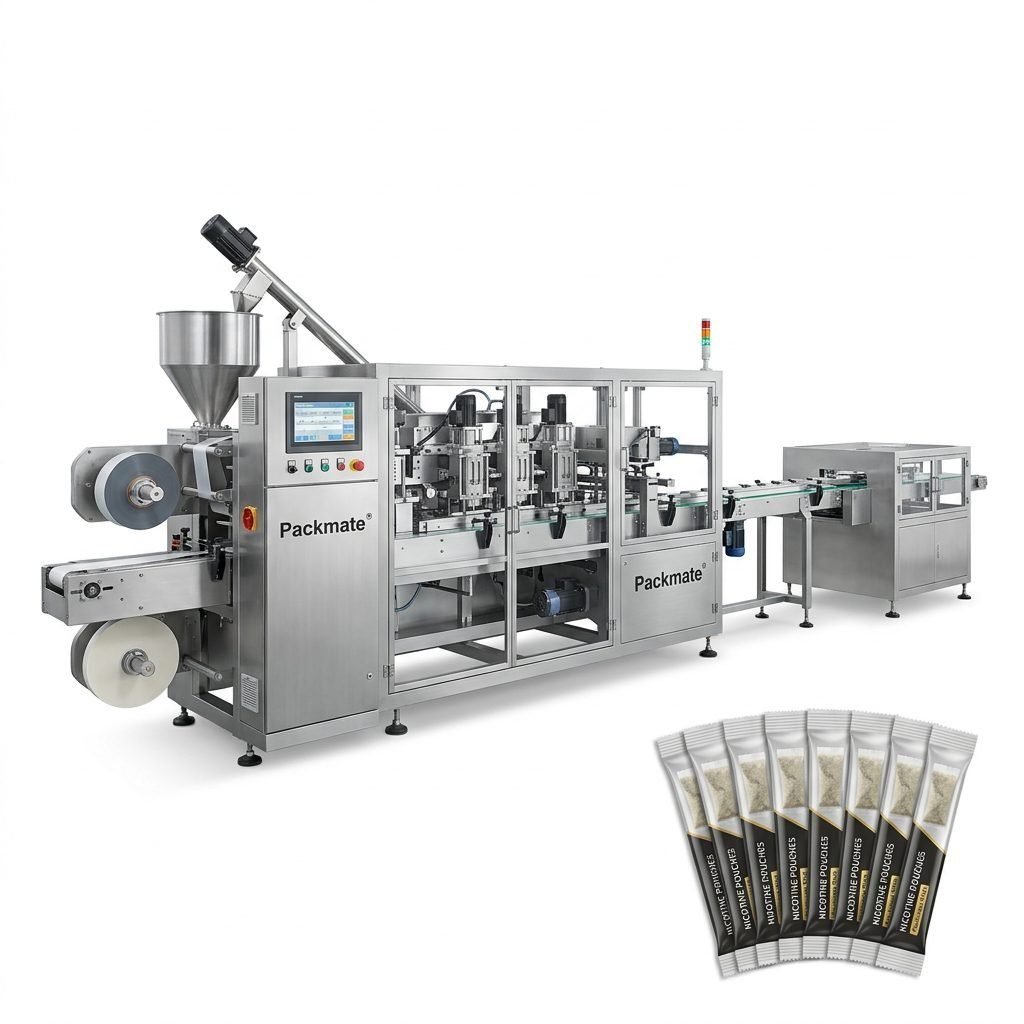
Select suppliers offering machines optimized for nicotine pouches, such as stick packers, sachet machines, and multi-lane snus pouch lines. Look for accurate dosing systems for low-weight pouches and modular multi-lane setups that allow scale-up without a complete line rebuild. See examples of relevant equipment such as Snus & Nicotine Packaging Machines and Sachet & Stick Pack Machines for product-fit ideas.
2. Proven Industry Experience and Certifications
A supplier with decades of packaging expertise and international certifications (CE, ISO) is preferable. Experience with nicotine pouch lines, powder/granule feeding, and multi-lane systems is especially valuable. Suppliers who exhibit at global shows and provide case studies across regions indicate maturity and reliability. (Example references: About Packmate and Our Exhibition.)
3. Quality of Manufacturing and Factory Capability
Inspect manufacturing capabilities: CNC machining centers, precision assembly lines, and test labs are signs of robust quality control. If possible, request factory walkthroughs or video tours to verify production standards and assembly processes. Suppliers with a wide model range and turnkey solutions are better equipped to customise lines to your needs.
📌 Tip: A supplier offering both primary packaging machines and auxiliary equipment (weighing, filling, conveyors) helps create smoother integration and fewer third-party compatibility issues.
Technical Factors: Performance, Materials, and Flexibility
Verify machine speed, dosing accuracy, material compatibility, and ease of changeover. Nicotine pouches often require precise micro-dosing and delicate pouch handling—make sure the supplier’s machines are designed for such specifics.
Machine performance metrics
Ask for validated metrics: pouch-per-minute rates in single and multi-lane setups, dosing tolerance (mg), downtime averages, and mean time between failures (MTBF). Suppliers should provide machine test reports and references with similar product profiles.
Material and sealing technology
Packaging film selection affects shelf life and stability in humid climates. Suppliers who can advise or supply compatible laminates, barrier films, and optimized sealing jaws for humid environments will give you an operational advantage in Malaysia.
Commercial & Contractual Considerations
Beyond the machine spec sheet, commercial terms determine your long-term success. Negotiate clear warranties, spare-parts lead times, performance guarantees, and penalty clauses for missed delivery or underperformance.
After-sales service and spare parts
Local or regional service presence reduces downtime—seek suppliers with Malaysian agents, regional warehouses, or authorised service partners. Confirm spare part pricing, recommended spare kits, and lead times for major components.
Testing, FAT and Installation
Require a Factory Acceptance Test (FAT) with your actual product or a close simulation. FAT documentation should include production speeds, sample outputs, and video evidence. Agree on an Installation and Commissioning (I&C) plan including onsite training for Malaysian operators and technicians.
✔ Key clause to include: A defined acceptance criterion after commissioning, e.g., sustained run at X% of guaranteed speed for Y hours, signed off by both parties.
Localisation: Labels, Certifications, and Cultural Sensitivity
In Malaysia, localisation goes beyond language. Consider cultural norms, Muslim consumer sensitivities, and common retail packaging expectations. If you intend to market to local consumers, think about halal considerations—even if nicotine products rarely obtain halal certification, transparency about ingredients and manufacturing standards can affect customer perception.
Label translation and compliance
Work with suppliers who can help implement local-language labels and standardized warning panels. Machines that can apply labels, print batch codes, and handle variable data printing (QR codes, lot numbers) will simplify compliance.
Operational Readiness: Training and Ongoing Support
Operator competence is critical for the consistent production of small-dose pouches. Ensure your supplier provides structured training for operators, technicians, and maintenance staff. Ask about multilingual training materials and the availability of local language support.
Remote support and spare part kits
Evaluate suppliers’ remote diagnostics capability and spare parts kits tailored for first-line troubleshooting. Fast response times for critical failures are vital to protect production uptime.
Financial Analysis: Cost, ROI and Scalability
Look at total cost of ownership (TCO) rather than just the purchase price. TCO includes installation, training, spare parts, consumables (films, adhesives), energy use, and downtime costs. A modular, multi-lane approach can lower unit cost as demand grows.
📈 ROI Consideration: Model a conservative ramp-up scenario—target realistic initial volumes given Malaysian market entry limits and marketing timelines.
Supplier Selection Checklist
Use the following checklist during supplier evaluation meetings:
- ⚙️ Machine type compatibility with nicotine pouch specs
- 📊 Proof of performance (FAT reports, references)
- 🏭 Factory capability & certifications (CE, ISO)
- 🔧 After-sales network or regional agent in Southeast Asia
- 📦 Spare parts availability and recommended spare kits
- 📚 Training, manuals, and language support
- 💼 Commercial terms: warranty, penalties, delivery schedule
- 🌡 Adaptability to Malaysia’s humid climate (sealing & film advice)
Why Packmate Snus Machine Could Be a Strong Candidate
A supplier with deep experience in snus and nicotine pouch equipment offers a strategic advantage. Packmate Snus Machine, for example, specialises in snus packing machines with over 30 years of engineering history and a broad portfolio including multi-lane systems, stick pack, and sachet machines. Their factory capabilities, CE/ISO compliance, and global turnkey solutions make them a practical option if you prioritise industry-focused engineering and complete line delivery. You can explore more on Snus & Nicotine Packaging Machines and related product lines such as Bag & Pouch Packaging Machines and Filling & Packaging Lines.
Steps to Finalise Your Supplier Choice
Follow a disciplined procurement process:
- Shortlist suppliers based on product fit and experience.
- Request technical proposals and perform FAT with your product.
- Obtain detailed commercial proposals (TCO, warranty, spare parts).
- Visit the factory or request a virtual factory tour; check references.
- Clarify installation, training, and local service commitments before signing.
🔔 Pro tip: If your supplier offers live demo videos or documented case studies in similar climates or markets, that evidence often beats theoretical specs.
Implementation: From Installation to Scale
Plan for a phased ramp-up. Start with a pilot line, validate product stability, packaging integrity, and consumer acceptance. Once formulations and packaging specs are stable, scale by adding lanes or additional machines. Make sure the supplier supports replication of the setup to maintain product consistency across lines.
Useful Resources
To explore product offerings and supplier credentials, check Packmate’s product pages and company profiles. Useful links include:
– Snus & Nicotine Packaging Machines
– Bag & Pouch Packaging Machines
– About Packmate and Contact Us for direct inquiries.
Conclusion
Choosing the best nicotine packaging machinery supplier for Malaysia requires a balance of technical fit, regulatory understanding, localised support, and commercial transparency. Prioritise suppliers with proven nicotine pouch experience, flexible multi-lane designs, strong manufacturing capabilities, and a clear after-sales network. Factor in Malaysia’s climate and cultural nuances when specifying materials, labels, and operational procedures. With the right partner, you can build a reliable production line that supports safe, compliant, and scalable growth in the Malaysian market.
Frequently Asked Questions
Q1: Are nicotine pouches legal to manufacture and sell in Malaysia?
A1: Legal status can change and depends on local classification; consult Malaysian regulatory authorities or legal advisors before production and distribution.
Q2: What environmental factors should influence machine selection for Malaysia?
A2: High humidity, heat, and salt air in coastal areas mean you should choose sealing technologies, films, and machine materials that resist corrosion and maintain barrier performance.
Q3: How important is local spare part availability?
A3: Very important—fast access to critical spares shortens downtime. Prefer suppliers with regional warehouses or partners who can supply parts promptly.
Q4: Should I start with a single-lane or multi-lane machine for nicotine pouches?
A4: Start with a configuration matching your initial volume forecast; multi-lane systems are efficient for scale-up but may require higher initial investment. A modular approach is often best.
Q5: What documentation should I request from a supplier before purchase?
A5: Technical specifications, FAT reports with similar products, warranty terms, spare parts list, installation plan, training syllabus, and references from customers in similar markets.