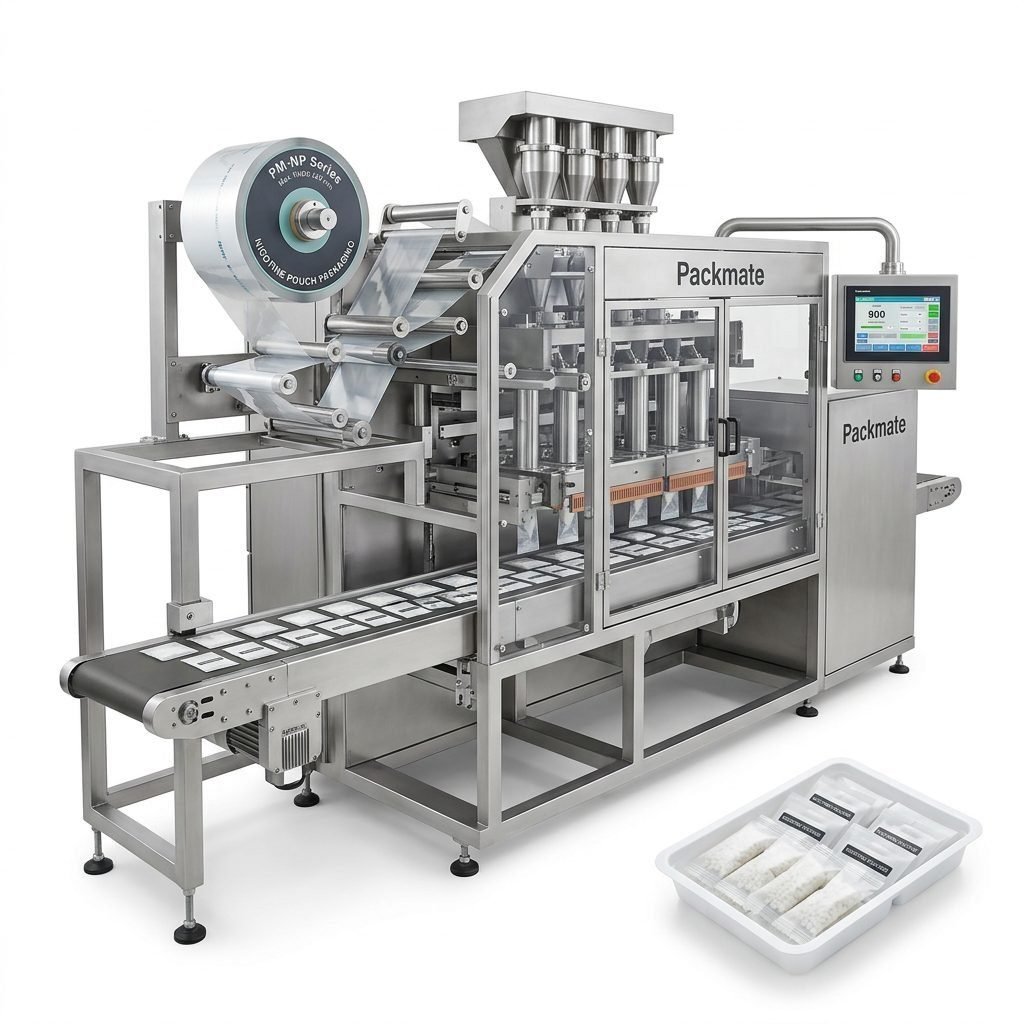
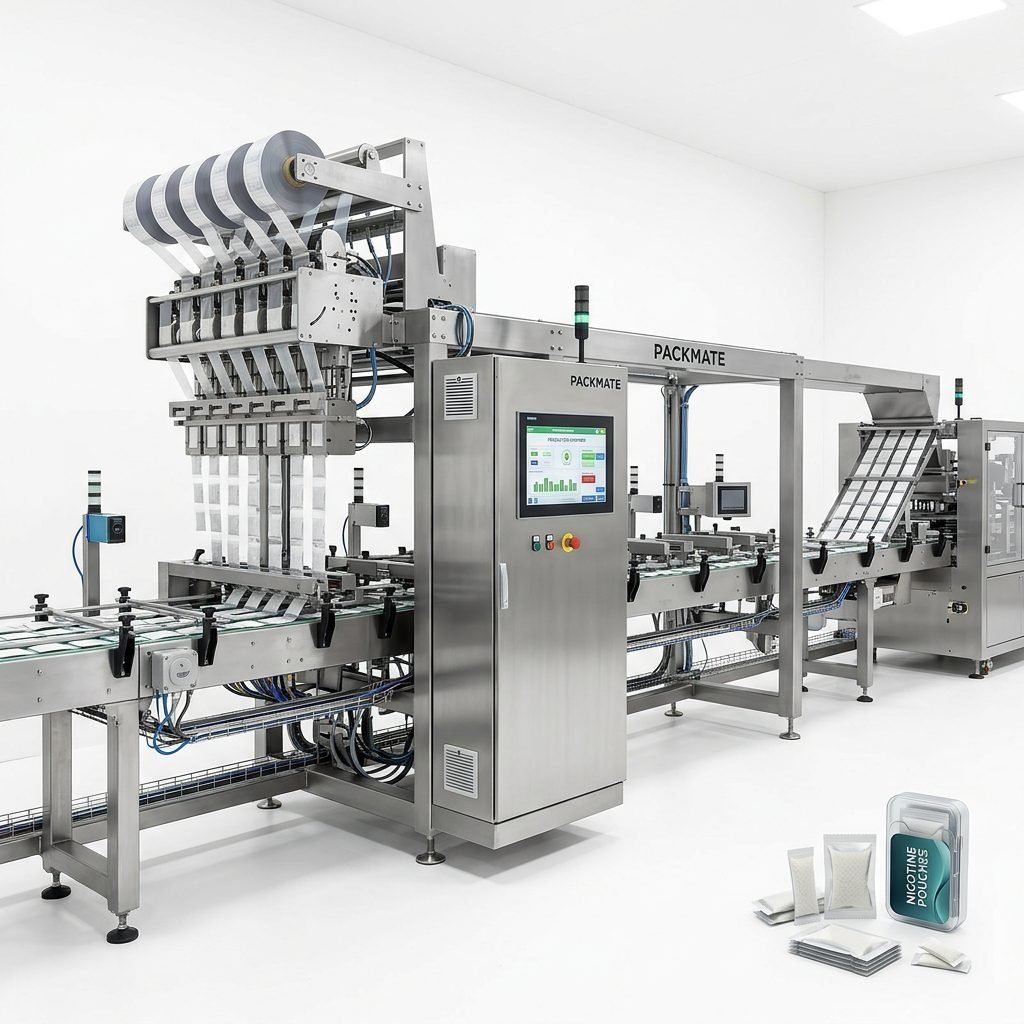
For manufacturers and brand owners focused on efficient, compliant, and high‑throughput snus or nicotine pouch production, investing in a fully automatic portion snus packaging line is a strategic decision. This article explores what makes a professional snus packaging line supplier stand out, the technical features to prioritize, real-world performance metrics, customization options, and post‑purchase support considerations. Whether you are scaling a startup operation or upgrading an industrial line, the guidance below will help you evaluate suppliers and the right packaging equipment for your needs.
🏭 Why choose a specialized snus packaging line supplier?
Snus and nicotine pouches present unique packaging challenges: small portion sizes, multi‑lane feeding, strict hygiene demands, and diverse formats (stash tins, sachets, stick packs, or multi‑dose bags). A supplier focused on snus packaging offers engineering depth across these requirements. A professional vendor brings:
✔️ Proven multi‑lane solutions that minimize dose variation and maximize throughput.
✔️ Experience with materials and sealing technologies that preserve product stability and moisture profile.
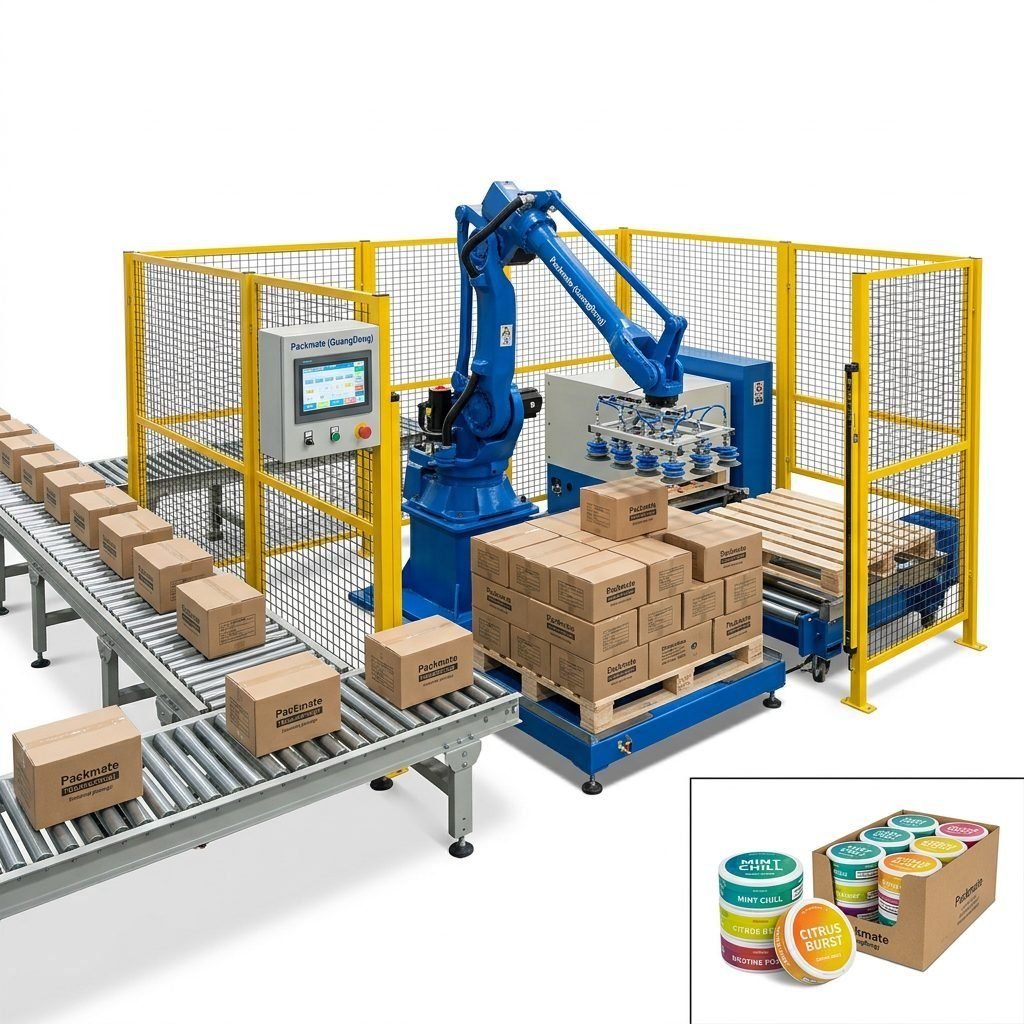
✔️ Turnkey integration of upstream weighing/filling and downstream collection, stacking, or secondary packaging.
🌍 Global compliance and manufacturing standards
Reputable suppliers design machines to meet international standards such as CE and ISO. This ensures not only operator safety and electrical compliance but also consistency for global export. When evaluating suppliers, look for documented certification, traceable quality control steps, and clear factory capabilities including CNC machining and precision assembly.
Key factory metrics: 30+ years of engineering experience, a 20,000㎡ manufacturing facility, and 50+ machine models demonstrate the scale and depth needed for consistent delivery and customization.
⚙️ Core technologies in modern snus packaging lines
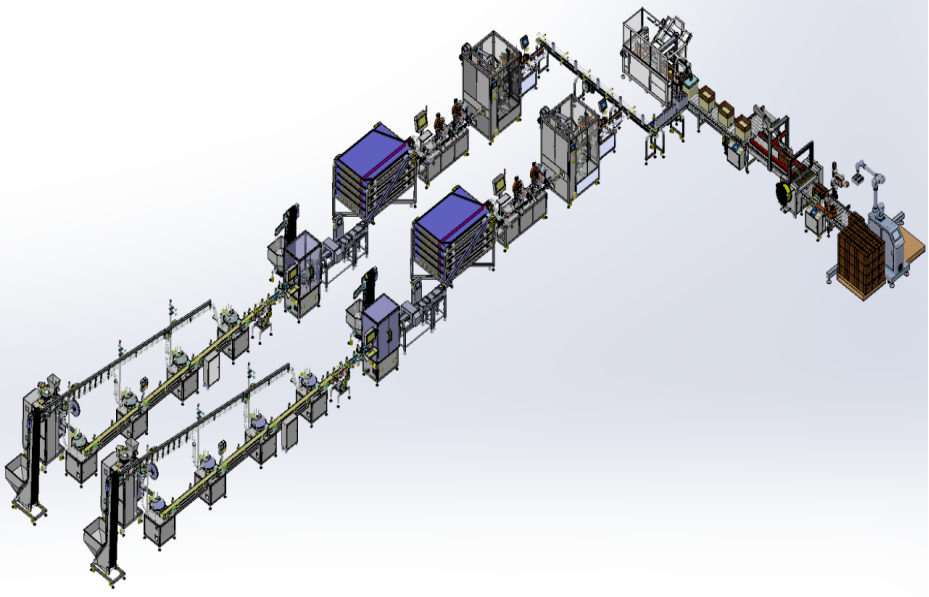
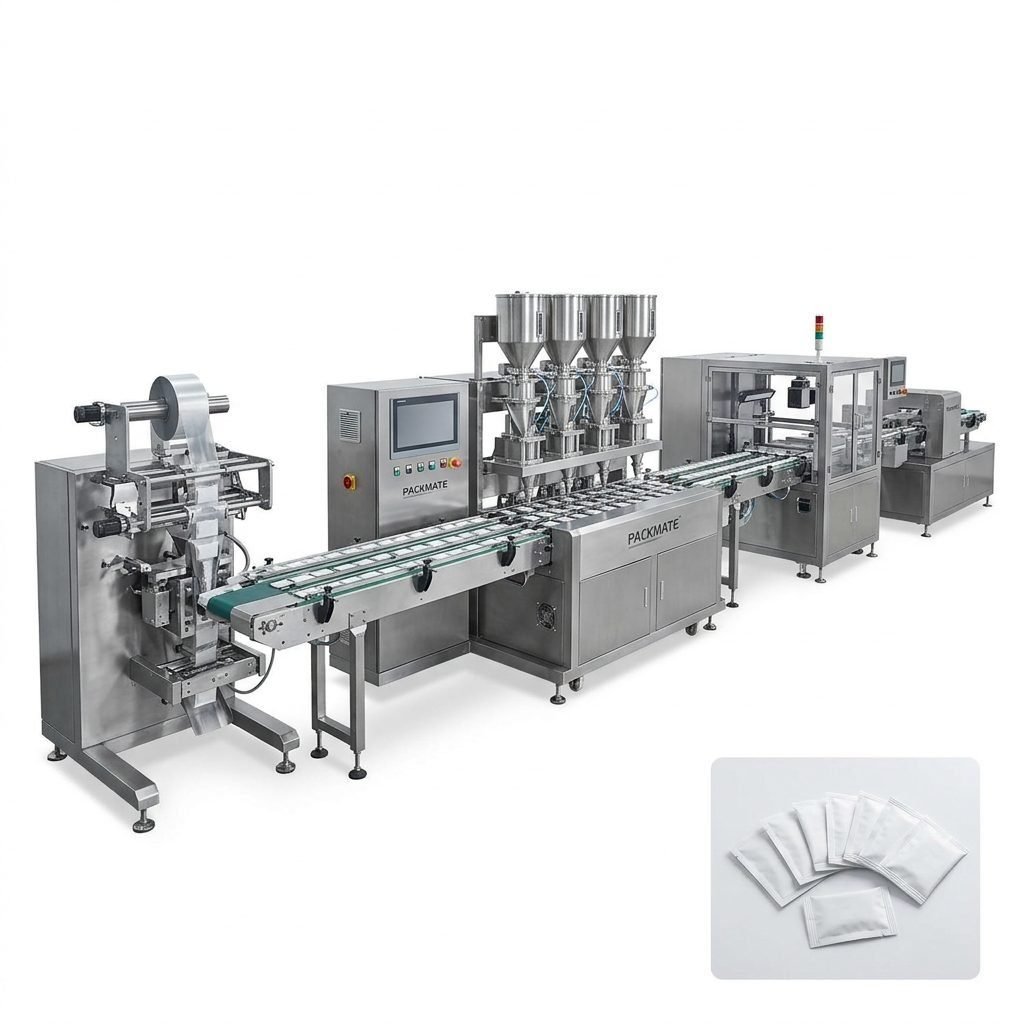
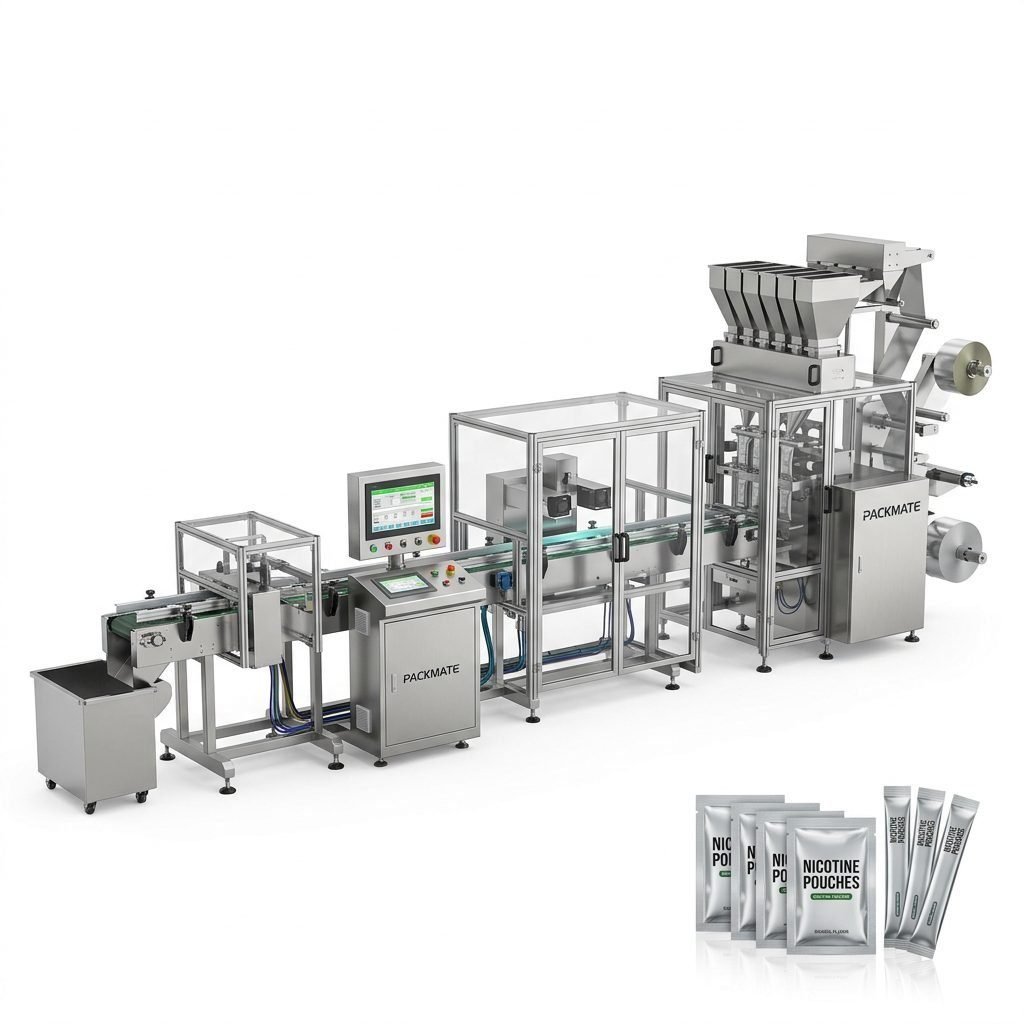
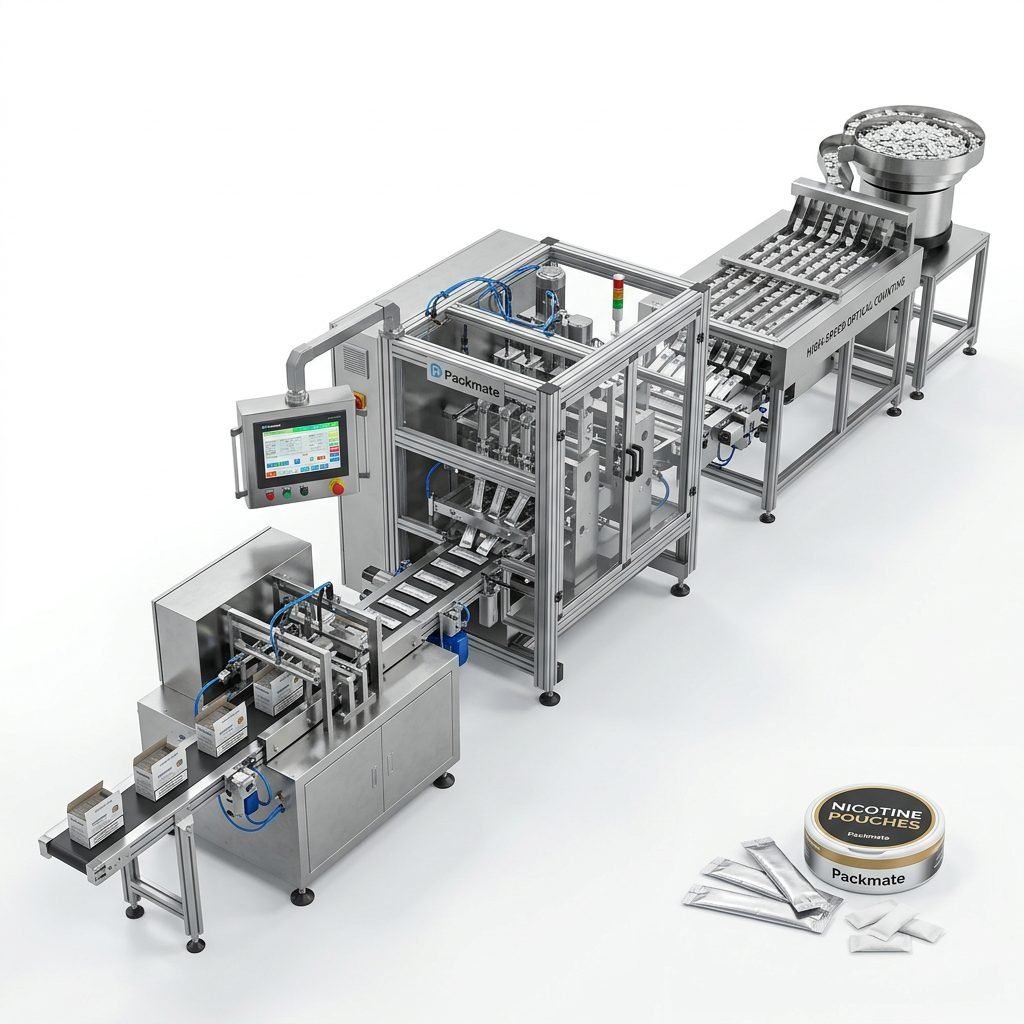
A complete automated portion snus packaging line is a sequence of specialized modules: dosing/weighing, multi‑lane pouch former, portion metering, sealing, date/lot printing, and downstream packing. Each module must communicate with the line PLC for synchronized motion and minimal downtime.
• Dosing & weighing: Gravimetric or volumetric systems, often integrated as high‑speed multi‑head weighers, provide dose accuracy for nicotine pouches and fillers. See integrated options under Weighing & Packaging Systems.
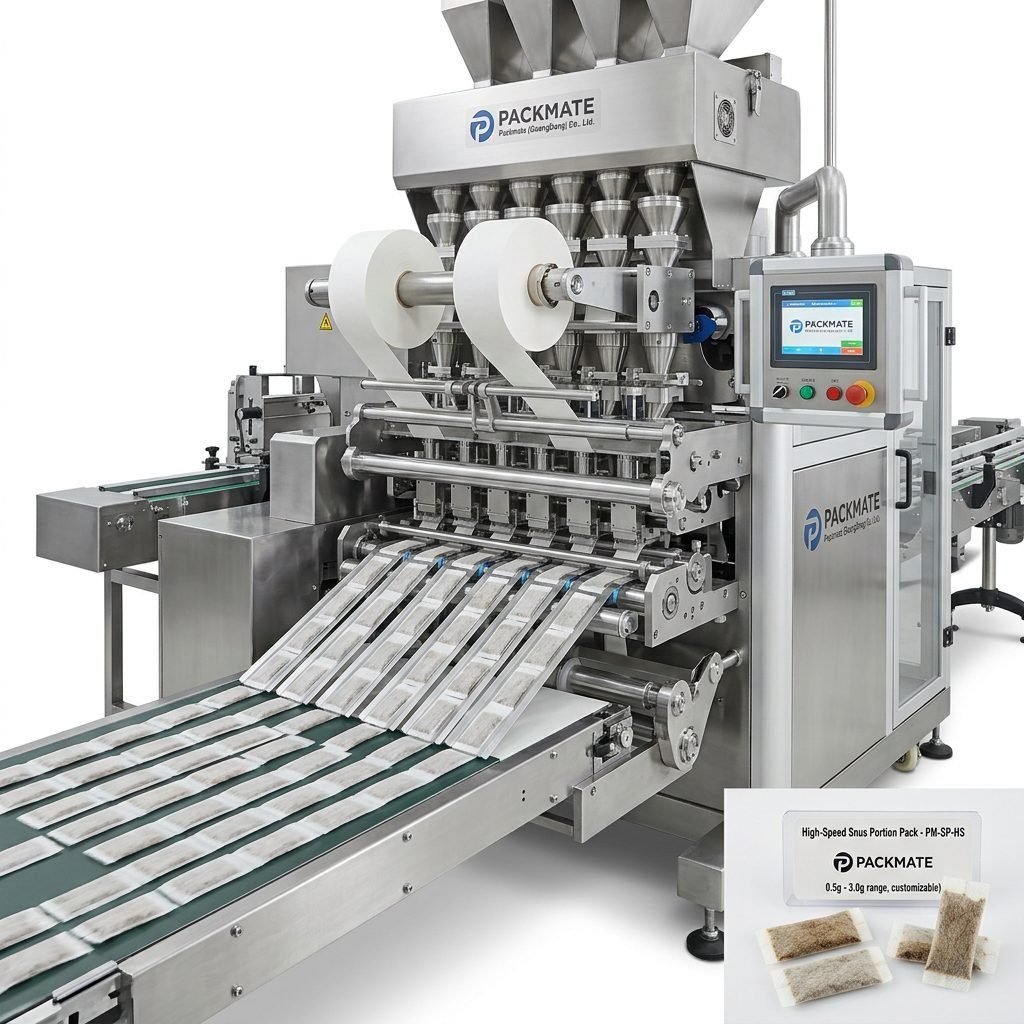
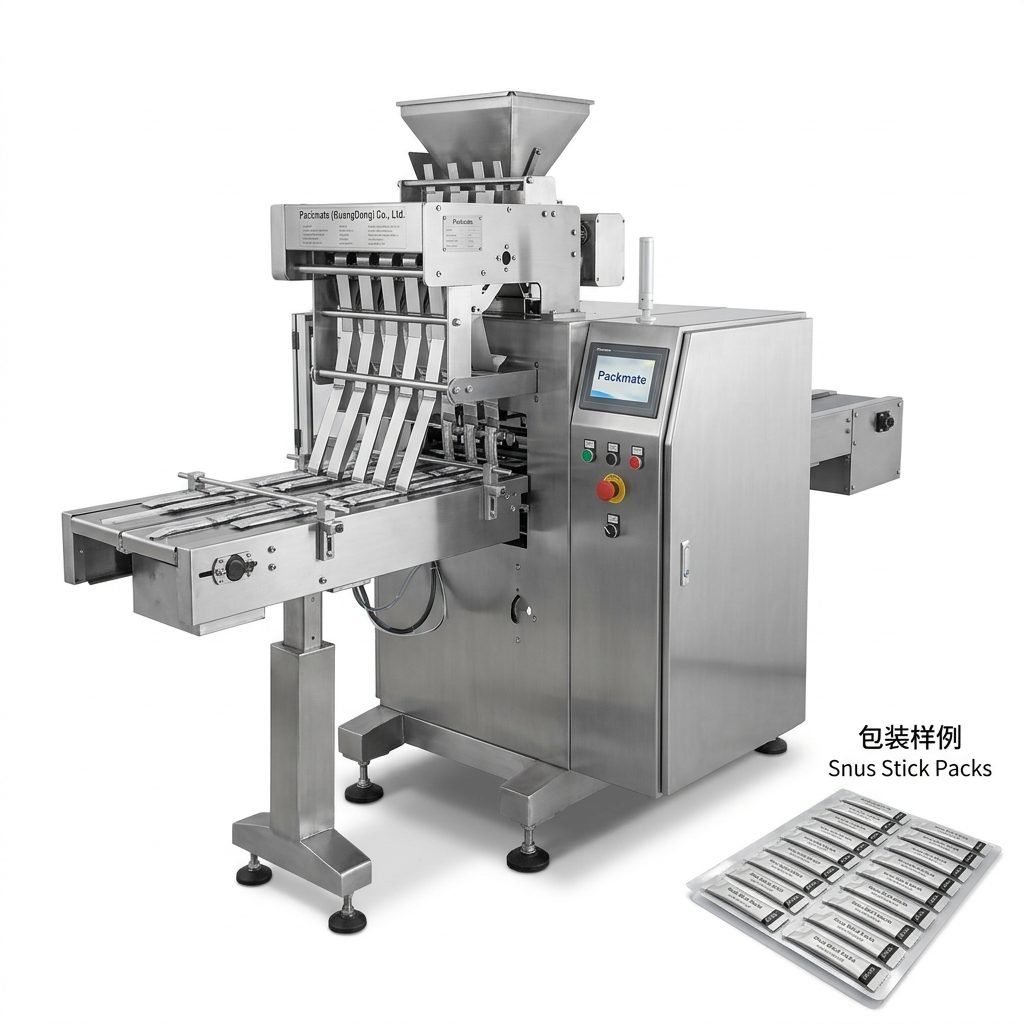
• Multi‑lane pouch forming: Precision tooling and servo control enable multiple lanes of identical pouches or stick packs, dramatically boosting output without compromising portion uniformity.
• Sealing & inspection: Advanced thermal or ultrasonic sealing with inline vision systems and metal detection ensures package integrity and regulatory compliance.
Performance highlight: Multi‑lane systems can multiply line output by 4x–8x versus single‑lane machines, reducing footprint cost per pouch while maintaining high precision.
🔧 Automation & control features to demand
Modern lines use servo drives, touchscreen HMI, recipe management, and remote diagnostics. Prioritize suppliers that offer:
– Recipe recall for quick changeovers.
– Remote support and spare parts logistics.
– Modular design for phased upgrades and easy cleaning-accessible frames for GMP compliance.
📈 ROI considerations: speed, accuracy, and TCO
When evaluating total cost of ownership (TCO), consider throughput (units/hour), yield (waste rate), maintenance intervals, energy consumption, and spare parts availability. Faster equipment that sacrifices accuracy or increases rejects will hurt margins. A balanced supplier design emphasizes:
Accuracy: tight dose control reduces nicotine variance and regulatory risk.
Reliability: longer MTBF (mean time between failures) reduces downtime costs.
Serviceability: rapid access to critical spares and remote troubleshooting.
🔍 Real-world metrics to request from suppliers
Ask for documented cycle times, rejection rates, seal strength test results, and references from similar installations. Visiting a running line or receiving video demonstrations can validate claims and reveal practical performance under continuous operation.
Supplier proof points often include on‑site factory acceptance tests (FAT), CE/ISO certificates, and case studies. For more machine types and specifications visit Snus & Nicotine Packaging Machines.
🛠 Customization & turnkey integration
Every snus operation has different product formats, raw material behaviors, and end‑packaging preferences. A strong supplier offers bespoke tooling, automated infeed solutions, and compatibility with downstream cartoning or secondary packing. Typical customization includes:
– Custom pouch sizes and multilayer film handling.
– Special dosing heads for differing filler textures (powder, granules, micro‑pouches).
– Integration with upstream mixers, conditioners, and downstream counting or rework stations.
For turnkey projects, ensure the supplier manages PLC/HMI programming, FAT/SAT (site acceptance test), operator training, and documentation—minimizing commissioning time and risk.
📦 Example line configurations
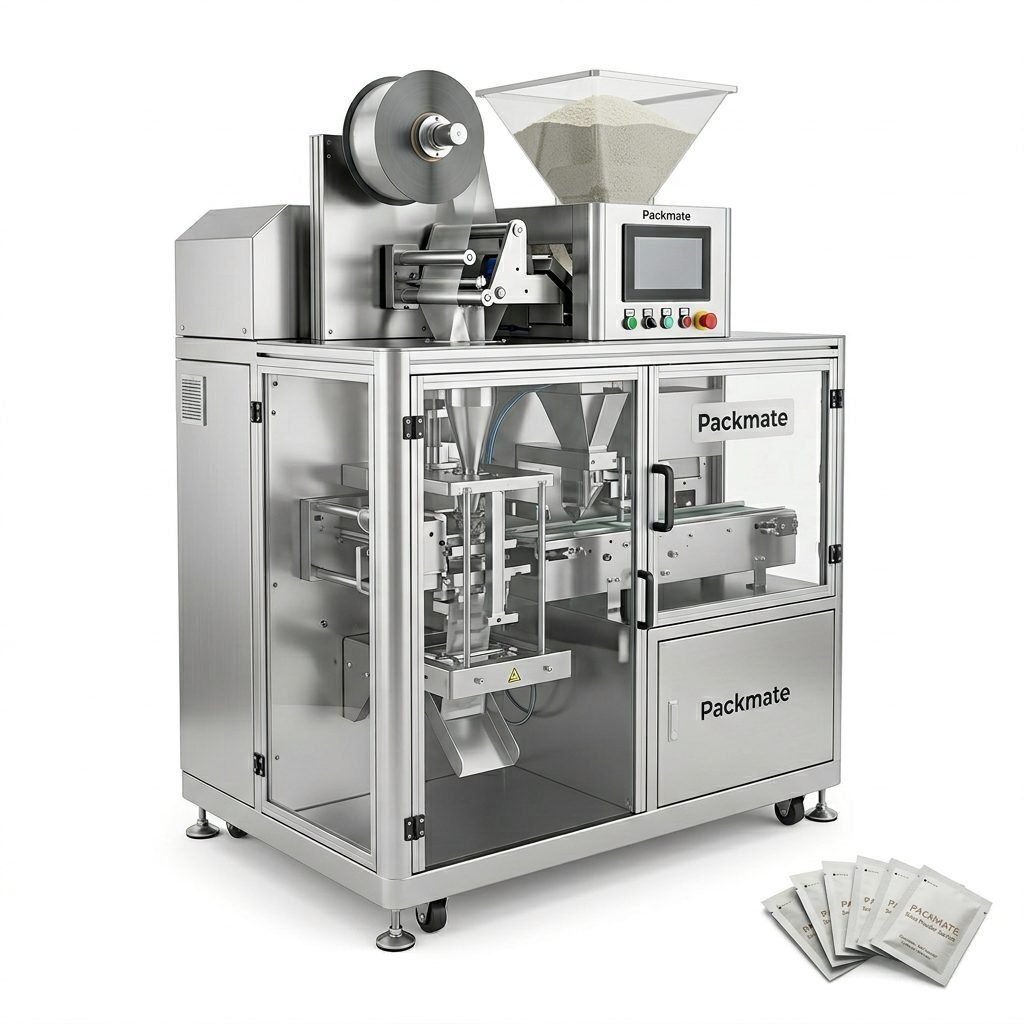
Typical configurations range from compact single‑lane machines for small brands to fully automated multi‑lane lines with upstream weighers and downstream box packing. Explore related machine families at Sachet & Stick Pack Machines and Bag & Pouch Packaging Machines.
🔁 After‑sales support & spare parts strategy
Post‑purchase service is where many procurement decisions succeed or fail. Evaluate supplier capabilities in:
– Spare parts lead times and stocking levels.
– Remote diagnostics and software updates.
– Training programs for operators and maintenance staff.
– Local presence or channel partnerships for rapid response.
Tip: Contractual SLAs for response times, critical spare lists, and remote support channels should be negotiated up front to protect production uptime.
🔬 Quality assurance and materials handling
The packaging material—and how it interacts with sealing heads and printing stations—affects shelf life and aesthetics. Key QA items include package leak tests, seal integrity verification, and print legibility under production speed. Machines designed for snus often include humidity control and easy‑clean surfaces to meet hygiene requirements.
📚 Case studies & proven deployments
Leading suppliers will provide case studies showing deployments across Europe, Asia, and the Americas. Look for examples with products similar in dose, particle size, and final format to your own—this is the best predictor of success. For inspiration and real projects, visit the supplier’s case library: Case.
📞 Choosing the right partner: questions to ask
When you engage prospective suppliers, ask direct operational and contractual questions:
• What is the typical commissioning timeline and FAT process?
• Can you provide MTBF, rejection rates, and energy consumption data for comparable lines?
• What spare parts are considered critical and what are their lead times?
• Do you offer operator and maintenance training on site, and what documentation is provided?
• What warranty and service packages are available?
Action item: Request a reference visit to a similar running line or a live video demonstration. Real operational evidence reduces procurement risk.
🔎 Why Packmate Snus Machine stands out
Packmate Snus Machine brings three decades of engineering experience, a 20,000㎡ factory with advanced CNC and precision assembly, and a broad portfolio (50+ models) tailored for snus and nicotine pouch lines. Their global turnkey solutions cover snus / nicotine pouch machines, stick packs, sachets, powder and liquid filling systems, and auxiliary equipment—providing a single vendor path from raw material to boxed product.
For more about Packmate’s company profile and mission, see About Packmate, and to request direct contact, use Contact Us.
✅ Final selection checklist
Use this checklist to finalize your supplier selection:
1. Verified production references and FAT videos/test reports.
2. Clear spare parts and service SLA commitments.
3. Compatible multi‑lane design and dosing accuracy within your tolerances.
4. Turnkey project capabilities including control integration and training.
5. Certifications (CE/ISO) and documented QA processes.
Remember: The best supplier is not only selling a machine; they are delivering predictable production, reliable uptime, and a path to scale.
❓ Frequently Asked Questions
Q1: How fast can a multi‑lane snus packaging line run?
A1: Typical multi‑lane lines can achieve several thousand pouches per minute aggregated across lanes, depending on pouch size and dosing system. Ask suppliers for specific throughput numbers based on your product format.
Q2: What maintenance should be planned for long‑term reliability?
A2: Regular maintenance includes lubrication of mechanical drives, periodic replacement of wear parts (seals, cutters, belts), calibration of dosing heads, and inspection of electrical components. A preventive maintenance schedule provided by the supplier will maximize MTBF.
Q3: Can the line handle different pouch materials and prints?
A3: Yes—most modern lines support a range of film materials and inline printing/printing registration systems. Validate with material trials during FAT to ensure seal compatibility and print durability.
Q4: What is the lead time for a custom turnkey snus line?
A4: Lead time varies by complexity; standard models may ship within months while customized turnkey lines (including upstream/downstream integration) can take longer. Discuss timelines early and confirm factory capacity.
Q5: Where can I see live demonstrations or get a quote?
A5: Request FAT visits or live demos from the supplier, and obtain a detailed quotation that includes spare parts, installation, training, and service terms. For machine portfolios and options, visit relevant product pages such as Filling & Packaging Lines.