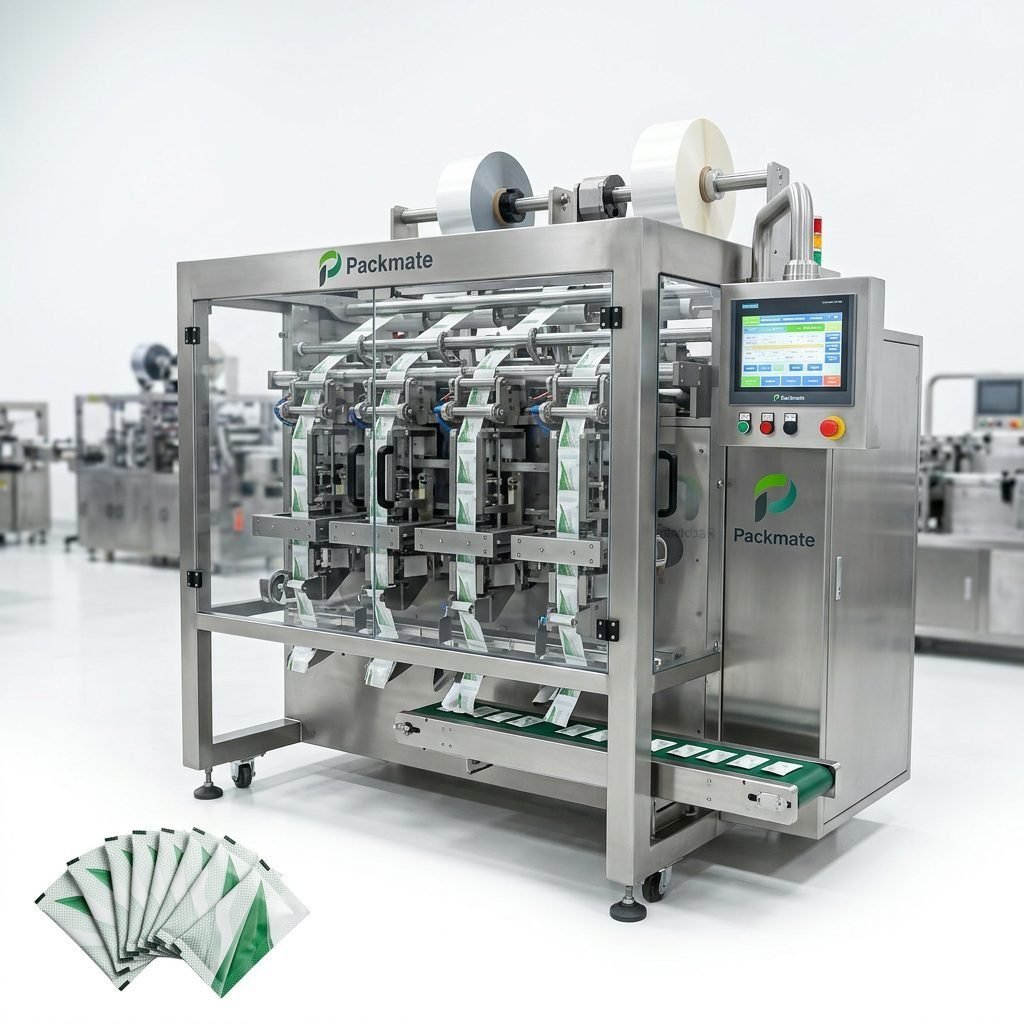
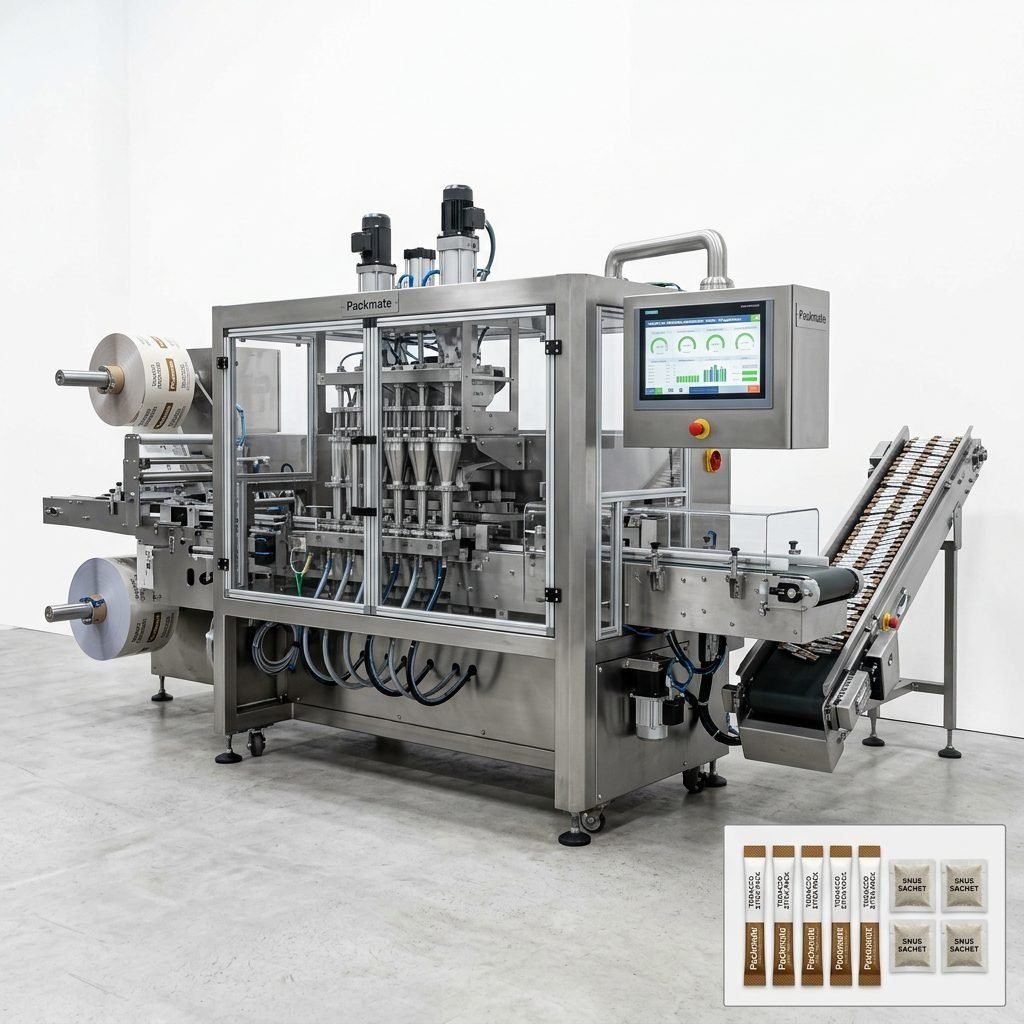
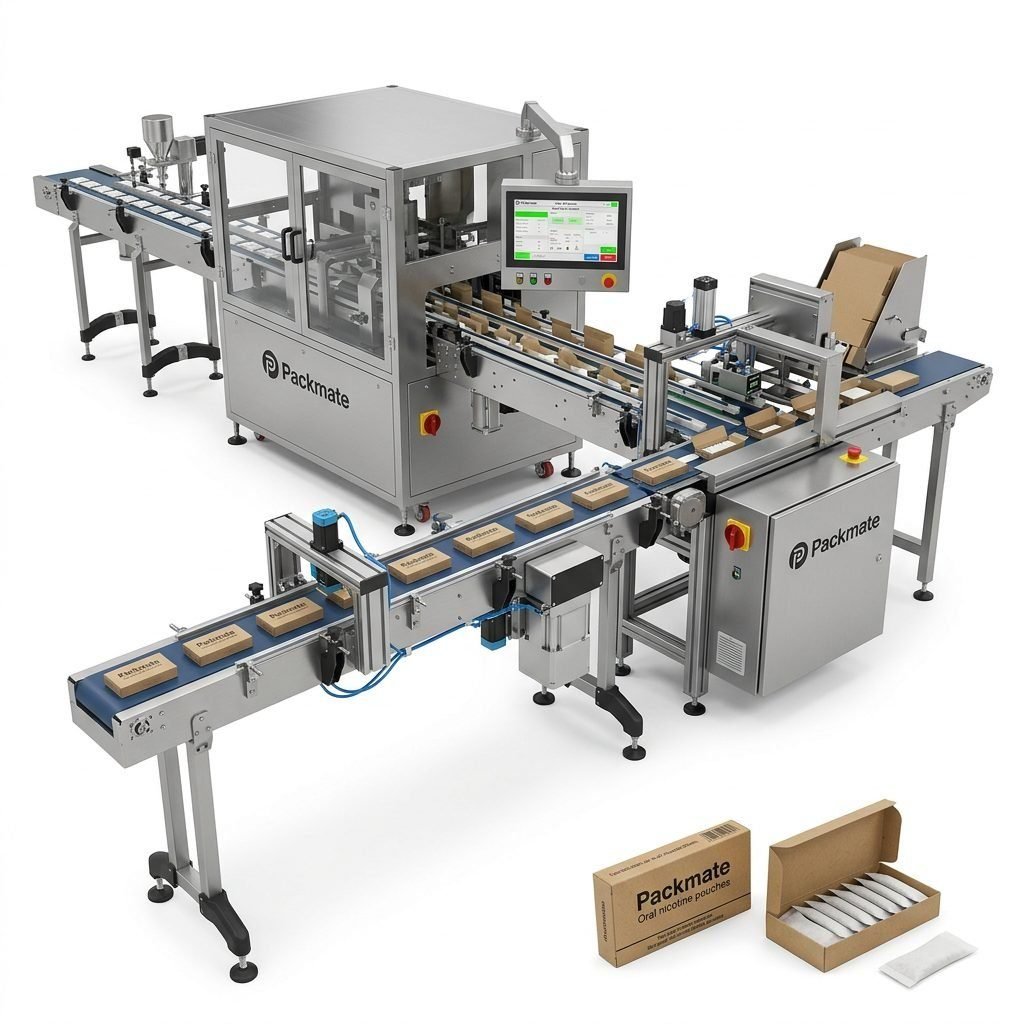
Choosing the right nicotine packaging machinery supplier in Malawi is more than a procurement decision — it’s a strategic step that affects product quality, regulatory compliance, production costs, and your ability to scale. This guide walks through the practical factors Malawi-based manufacturers, importers, and distributors should consider when selecting a supplier for snus and nicotine pouch packaging equipment, with actionable advice on technical specs, local business customs, logistics, and after-sales support.
Understand Malawi’s Market Context and Local Customs
Malawi’s economy has deep ties to tobacco farming and export, yet consumer trends are evolving towards modern nicotine alternatives in urban centers. When evaluating suppliers, account for Malawi-specific realities:
- 🔍 English is an official business language, but using Chichewa for local teams can smooth installation and operator training.
- 📦 Logistics: transport infrastructure to inland cities (e.g., Blantyre, Lilongwe) can be slower; plan lead times and customs clearance carefully.
- 💡 Power reliability: many factories rely on backup generators — ask suppliers about tolerant electronics and power conditioning options.
- 🏷️ Price sensitivity: Malawian buyers often balance upfront cost vs long-term reliability; emphasize total cost of ownership (TCO).
Technical Capabilities: What Your Machine Must Deliver
Not all packaging machines are equal. For nicotine pouches and snus, you need precision, hygiene, and repeatability. Prioritize these technical attributes:
- ✅ Filling accuracy and weight control — essential for regulatory compliance and customer satisfaction.
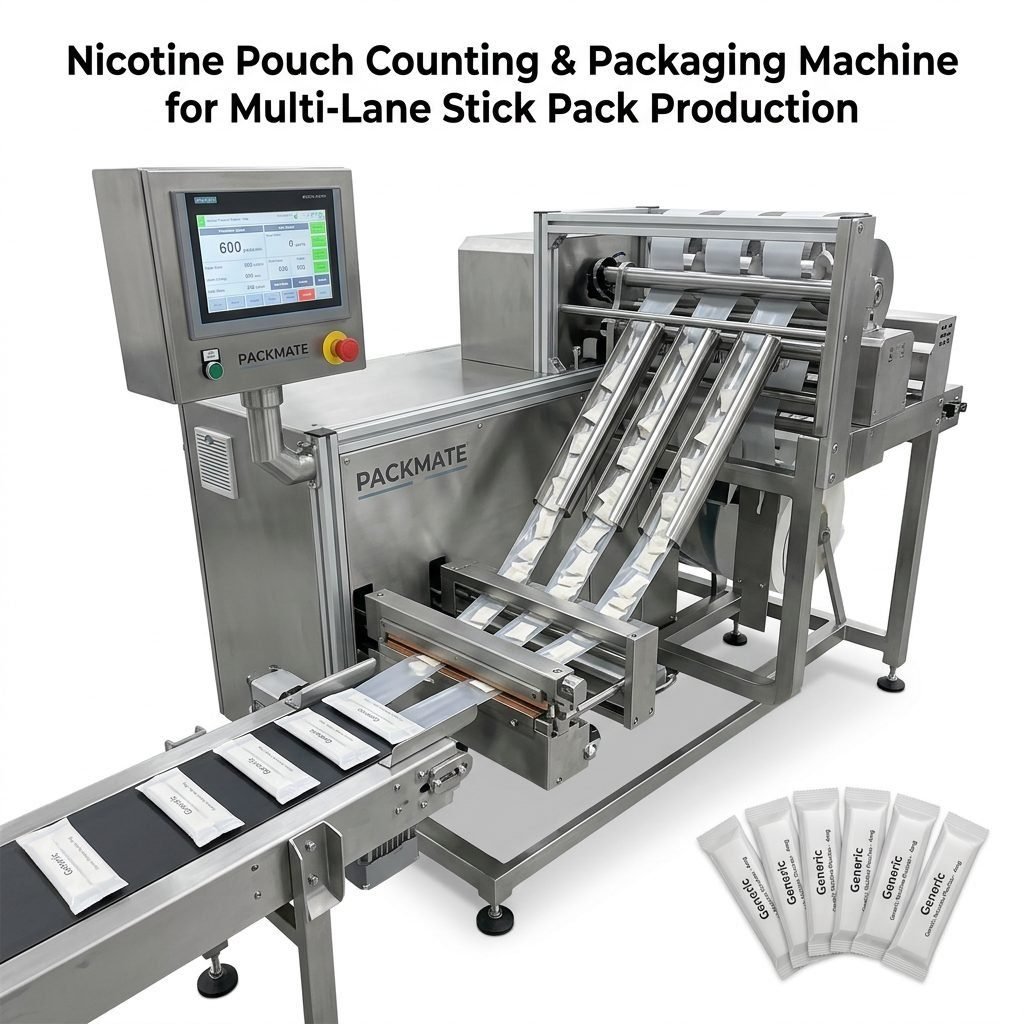
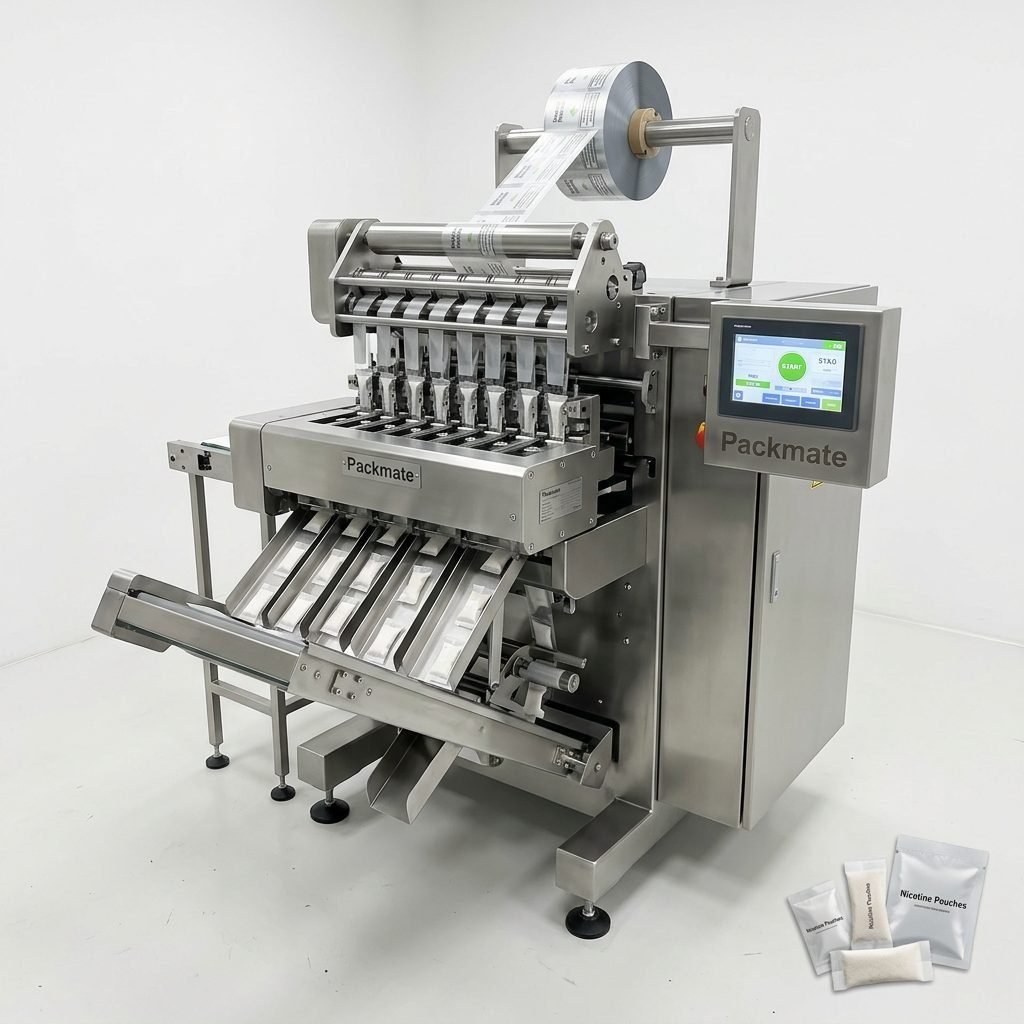
- ✅ Multi-lane capability for small-dose pouches if you plan high throughput with compact footprints.
- ✅ Flexibility for different pouch sizes and materials (foil, paper, heat-seal laminates).
- ✅ Hygienic design and materials compatible with nicotine product handling, including easy cleaning access.
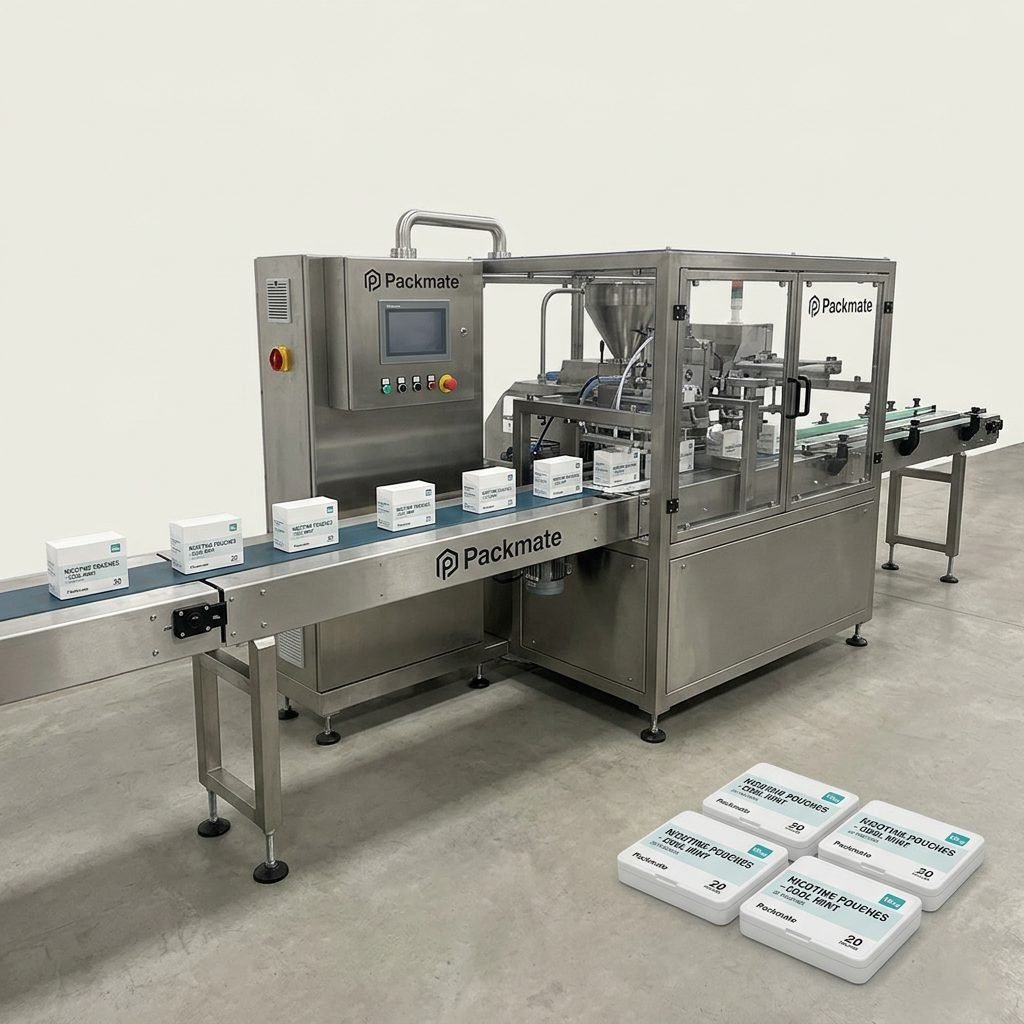
- ✅ Integration with upstream weighers and downstream packing and cartoning lines.
When comparing suppliers, ask for production metrics (pouches per minute, lane count) and verification reports showing tolerance ranges for fill weight. Request references or case studies from similar product lines.
Why Certifications and Standards Matter
Look for equipment that complies with international standards. CE and ISO certifications indicate design and manufacturing quality — valuable for imports and local approvals. Packmate Snus Machine, for example, highlights compliance with CE and ISO, which is helpful when presenting equipment to Malawian regulators and banks.
After-Sales Support: A Make-or-Break Factor
Effective after-sales service reduces downtime and secures production continuity. In Malawi, where onsite technical specialists are less common than in developed markets, a supplier’s support model is critical:
- 📞 Remote support capability (video-guided troubleshooting, PLC remote access).
- 🛠️ Spare parts availability and estimated lead times to Malawi ports — verify commonly needed items are stocked.
- 👷 Training packages for operators and maintenance staff; bilingual or translated manuals are a big plus.
- ⏱️ Warranty terms and guaranteed response times for emergency visits.
Supply Chain and Logistics Considerations
Shipping heavy machinery to Malawi requires careful planning. Questions to address with prospective suppliers:
- 🚢 Export packing standards for ocean freight and inland transit.
- 📑 Assistance with documentation for customs clearance and import duties.
- 🏗️ Onsite installation needs: do you need cranes, forklifts, or local technicians?
- 💲 Incoterms and payment terms: negotiate terms that protect both parties (e.g., FOB, CFR, CIF).
Working with a supplier experienced in African logistics (or one that partners with freight forwarders familiar with Malawi) simplifies delivery and lowers the chance of delays.
Financing and Total Cost of Ownership
Beyond the purchase price, evaluate:
- Energy consumption and spare parts cost.
- Projected maintenance schedule and costs.
- Potential upgrades for increased capacity or new bag formats.
- Resale value and availability of refurbished components in the region.
Customization and Turnkey Solutions
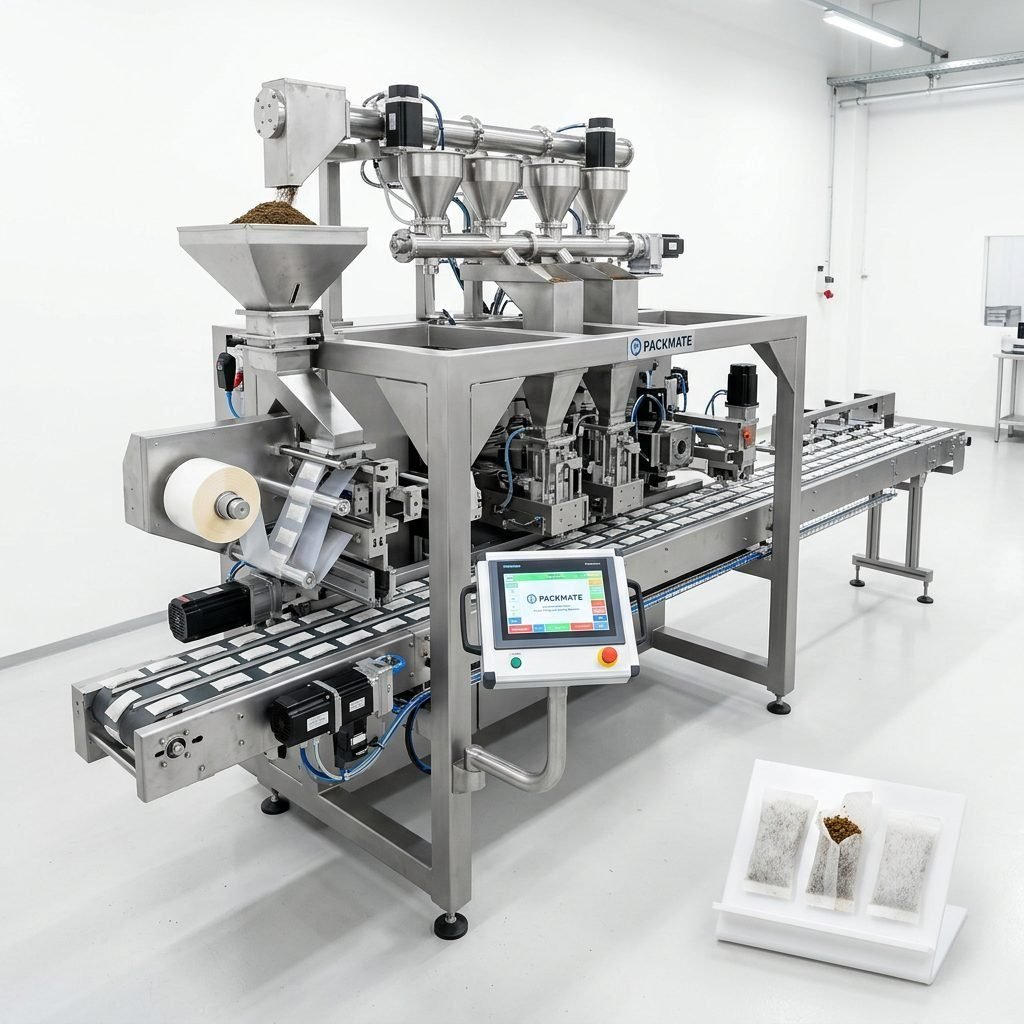
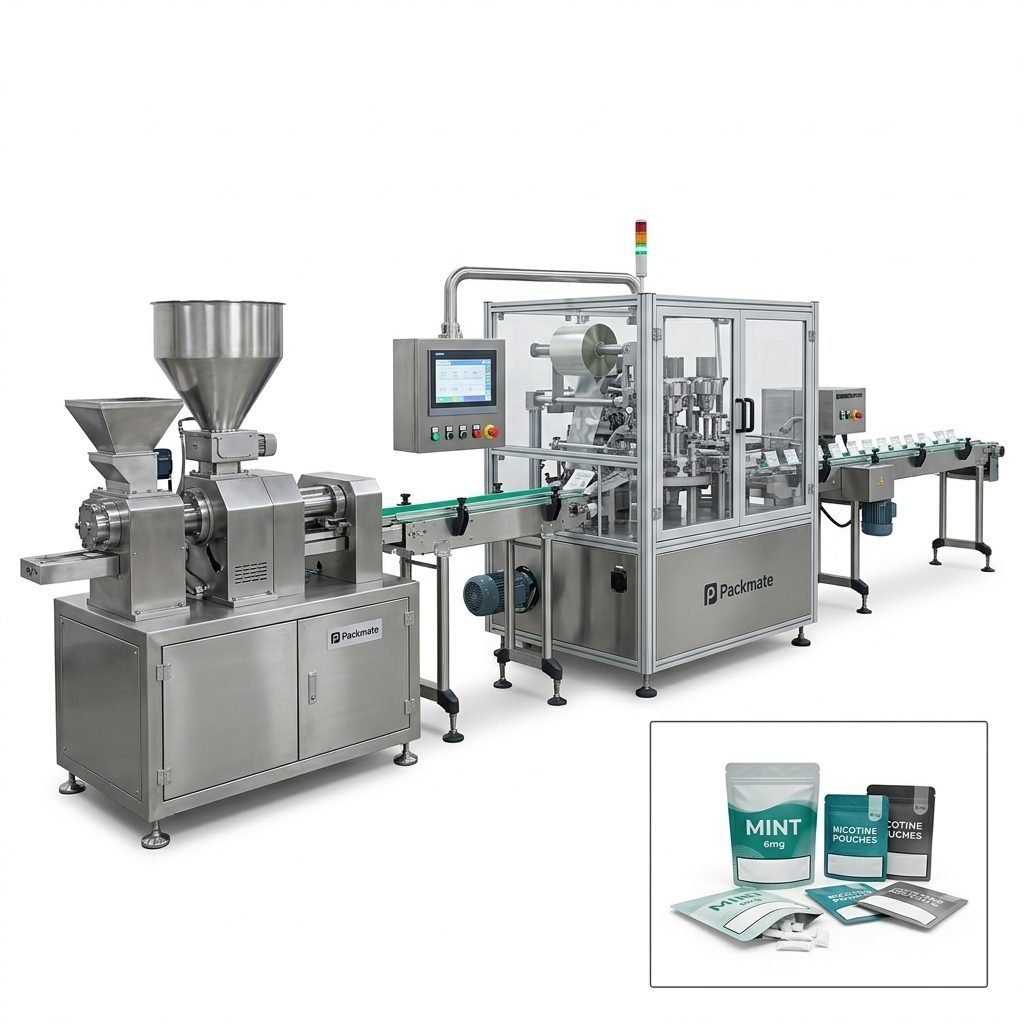
If you need tailored solutions — multi-lane pouch systems, specific sterilizable components, or integrated weighing and cartoning lines — choose suppliers with proven customization experience. Packmate, with 30+ years of engineering history and 50+ machine models, offers turnkey packaging lines for nicotine pouches and related products, reducing integration headaches.
Check examples or case studies that match your use case. Suppliers who show documented projects in similar industries or geographies give you confidence their designs will work in Malawi’s operational context.
Integration with Existing Lines
If you already have filling, weighing, or cartoning equipment, ask about compatibility: electrical interfaces, conveyor heights, PLC protocols, and footprint. A supplier who can provide modular solutions saves time and costs.
Evaluating Supplier Reputation and References
Reputation is measurable. Request:
- 📁 References from other nicotine pouch producers or companies that export to Africa.
- 🎯 Machine acceptance reports and performance testing documents.
- 🏷️ Factory capability information: manufacturing area, CNC centers, and assembly lines.
For quick exploration of a supplier’s product range and company profile, review online catalogs and exhibition history. (Example resources: Snus & Nicotine Packaging Machines, About Packmate.)
Negotiation Points and Contract Tips
Key contractual elements to confirm:
- ⏳ Lead times, milestones, and penalties for missed delivery.
- 🔧 Warranty scope, spare parts list, and service response time guarantees.
- 📚 Training deliverables and language of technical documentation.
- ⚖️ Acceptance testing criteria (Factory Acceptance Test and Site Acceptance Test).
- 💳 Payment schedule and escrow arrangements if necessary.
Working with Local Regulations and Compliance
Nicotine products are subject to different regulations across countries. In Malawi:
- 🔎 Verify product labeling requirements and local health regulations with Malawi’s Ministry of Health and trade authorities.
- 📋 Ensure your supplier can accommodate labels, batch coding, and serialization needs.
- 🧾 Keep documentation for components and materials to help with regulatory inspections.
A supplier experienced with international markets often provides the paperwork needed for import approvals and can adapt machines to meet labeling and traceability requirements.
Technology Trends to Consider
As you plan for future-proofing, watch for these features:
- IoT-enabled monitoring for predictive maintenance.
- Modular design for fast format changeovers.
- Energy-efficient drives and PLCs that handle power fluctuations.
Suppliers such as Packmate show a track record in evolving technologies, offering multi-lane systems and turnkey solutions that combine filling, weighing, and packaging into one line. See examples at Weighing & Packaging Systems and Filling & Packaging Lines.
Making the Final Decision
Bring together technical fit, supplier reputation, after-sales capability, logistics readiness, and commercial terms. Score suppliers against key categories (performance, service, cost, compliance, delivery) and involve your operations, quality, and finance teams in the evaluation.
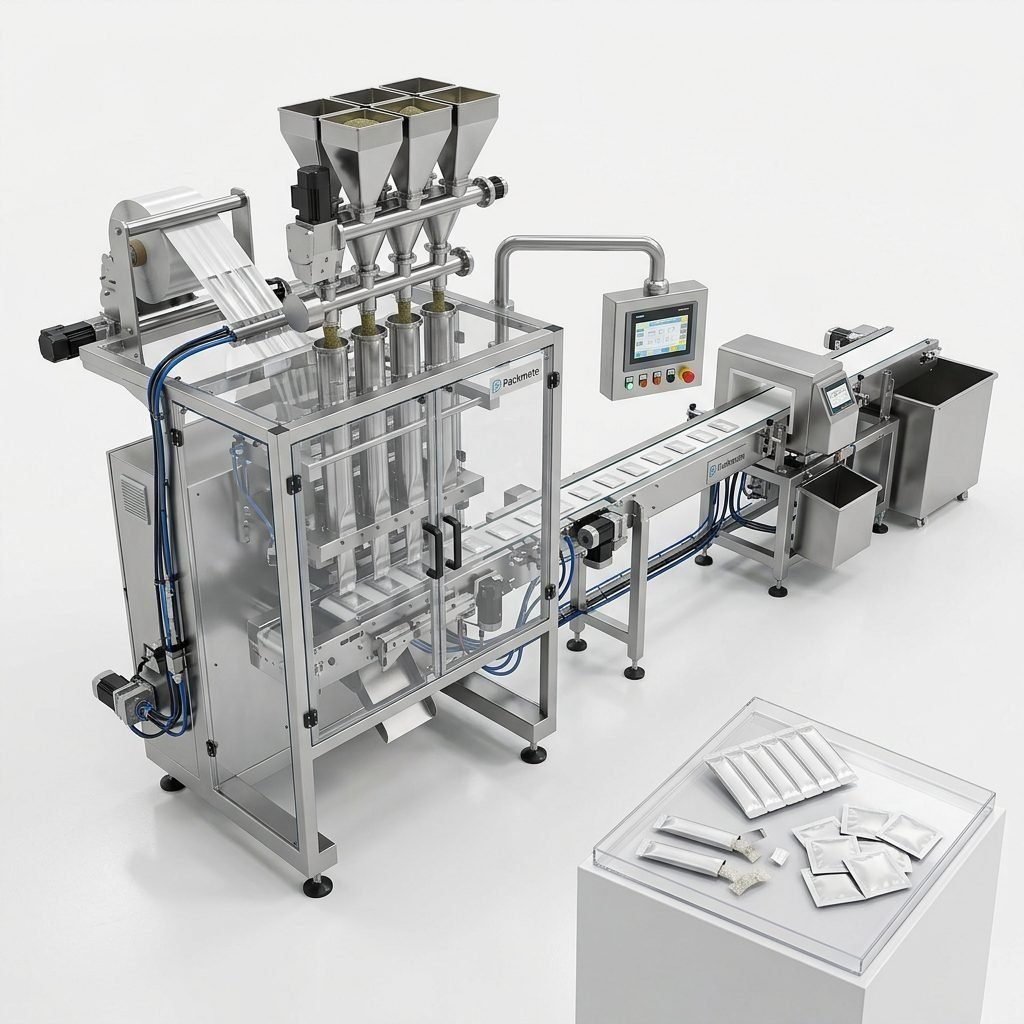
If you want to learn more about supplier capabilities, equipment models, or request a quote, check the manufacturer’s product pages and contact their sales or service teams directly: Sachet & Stick Pack Machines, Service, or Contact Us.
Common Questions (FAQs)
Q1: What certifications should I require?
A1: Ask for CE and ISO certifications for machinery design and manufacturing, plus documentation related to material safety and electrical compliance. These help with import and bank financing.
Q2: How long will installation and commissioning take in Malawi?
A2: Typical timelines vary by machine complexity — a single-line system may need 2–4 weeks onsite for installation and validation. Confirm schedules and local resource needs with the supplier.
Q3: How do I ensure spare parts availability?
A3: Negotiate a recommended spare parts list and stocking plan, ideally with local or regional warehouses. Verify lead times for critical items before finalizing purchase.
Q4: Can suppliers provide operator training in Malawi?
A4: Yes — many experienced suppliers include or offer paid training packages. Insist on hands-on training and translated manuals if needed to ensure operator competency.