Choosing the right nicotine packaging machinery supplier in Oman requires more than just price comparison. From understanding local regulations and market preferences to verifying equipment performance and after-sales support, this comprehensive buyer’s guide walks you through every critical step. Whether you are a small producer in Muscat or a larger operation in Sohar Free Zone, the right partner can significantly improve production efficiency and product quality.
Understanding the Omani Market and Cultural Context
Oman is a market with growing interest in modern nicotine pouch products. Business customs tend to favor long-term relationships, transparency, and trust. Timing matters—during Ramadan and other religious observances, production schedules and shipments may shift. Local import and customs procedures, free zone benefits (like Sohar and Salalah), and compliance with health regulations all influence supplier choice. Keep in mind that personal meetings and reliable communication are often valued; a supplier who demonstrates responsiveness and respect for local norms will usually win more trust.
Why local customs and timing matter
📌 Suppliers must accommodate local holidays and customs. For example, shipment lead times might be longer around Eid or national holidays. Plan orders earlier to avoid production bottlenecks. Strong local logistical planning reduces the risk of delayed product launches or stockouts.
Key Omani market points at a glance
✓ Respect business etiquette and build relationships.
✓ Plan around religious and national holidays.
✓ Consider free zone advantages for imports and taxes.
✓ Ensure suppliers understand local labeling and health requirements.
Technical Requirements: Match Machinery to Your Product
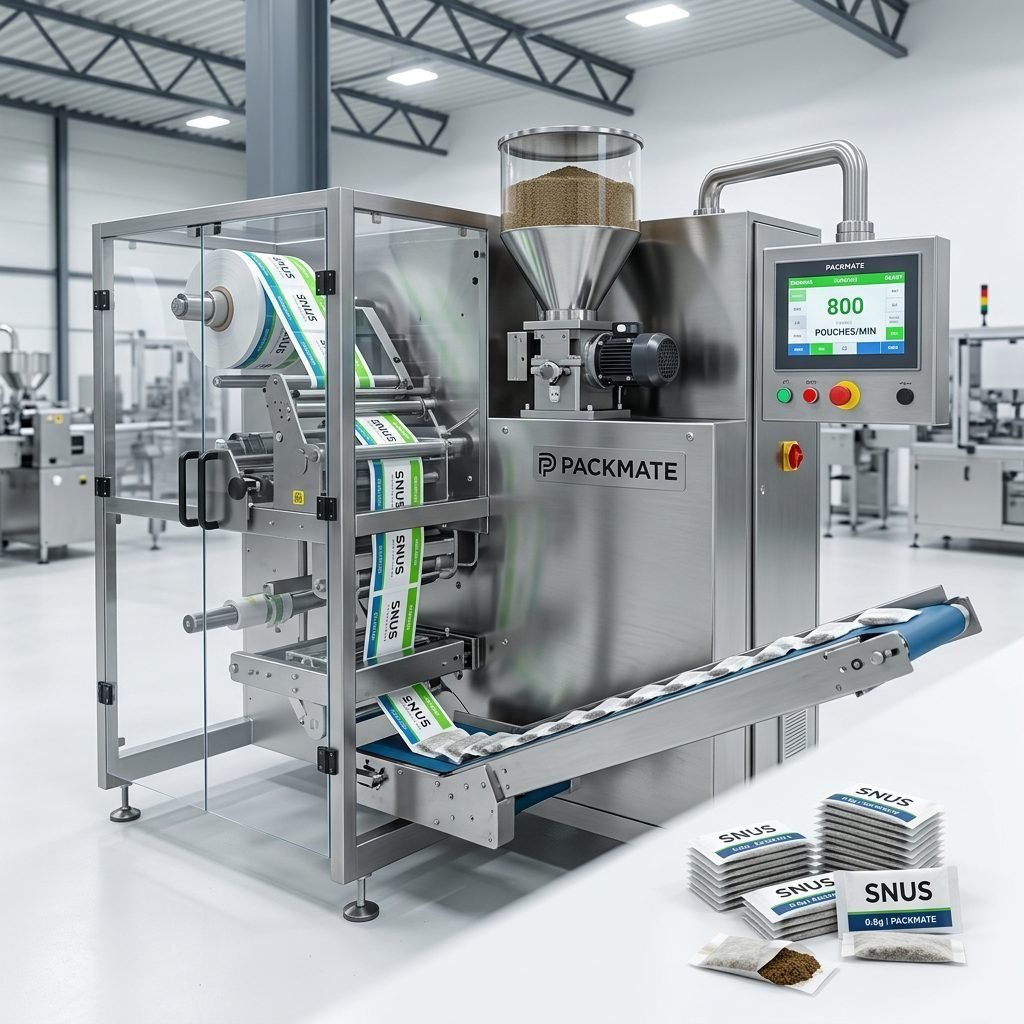
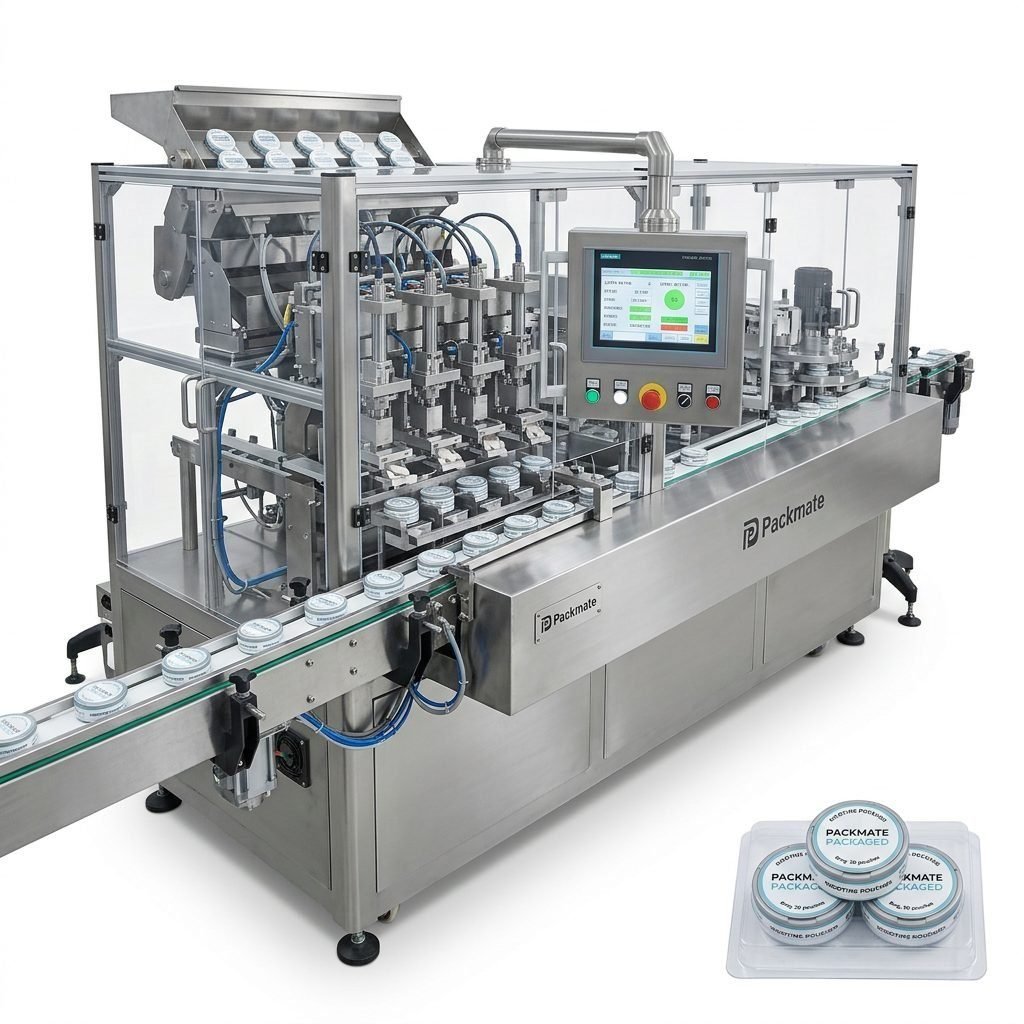
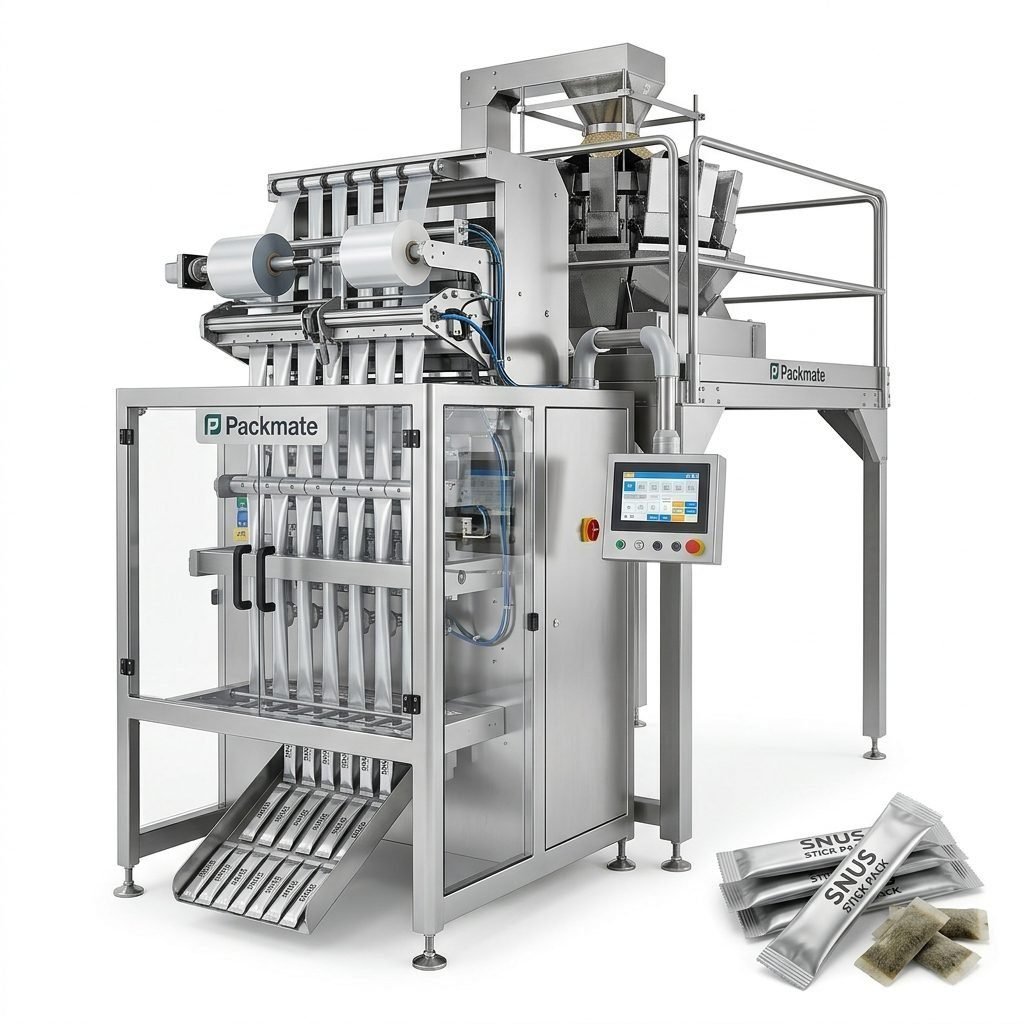
Selecting the right machinery starts with defining your product format: nicotine pouches, snus, stick packs, sachets, or multi-lane small-dose systems. Each format requires specific filling, sealing, and indexing solutions. For nicotine pouches, stability, precision dosing, and consistent pouch formation are crucial to protect product quality.
Performance metrics to prioritize
🛠️ Production speed (pouches per minute), dosing accuracy (mg variance), downtime rates, and changeover flexibility are core metrics. Insist on testing data and real-world production samples from the supplier to verify claims.
Types of systems to consider
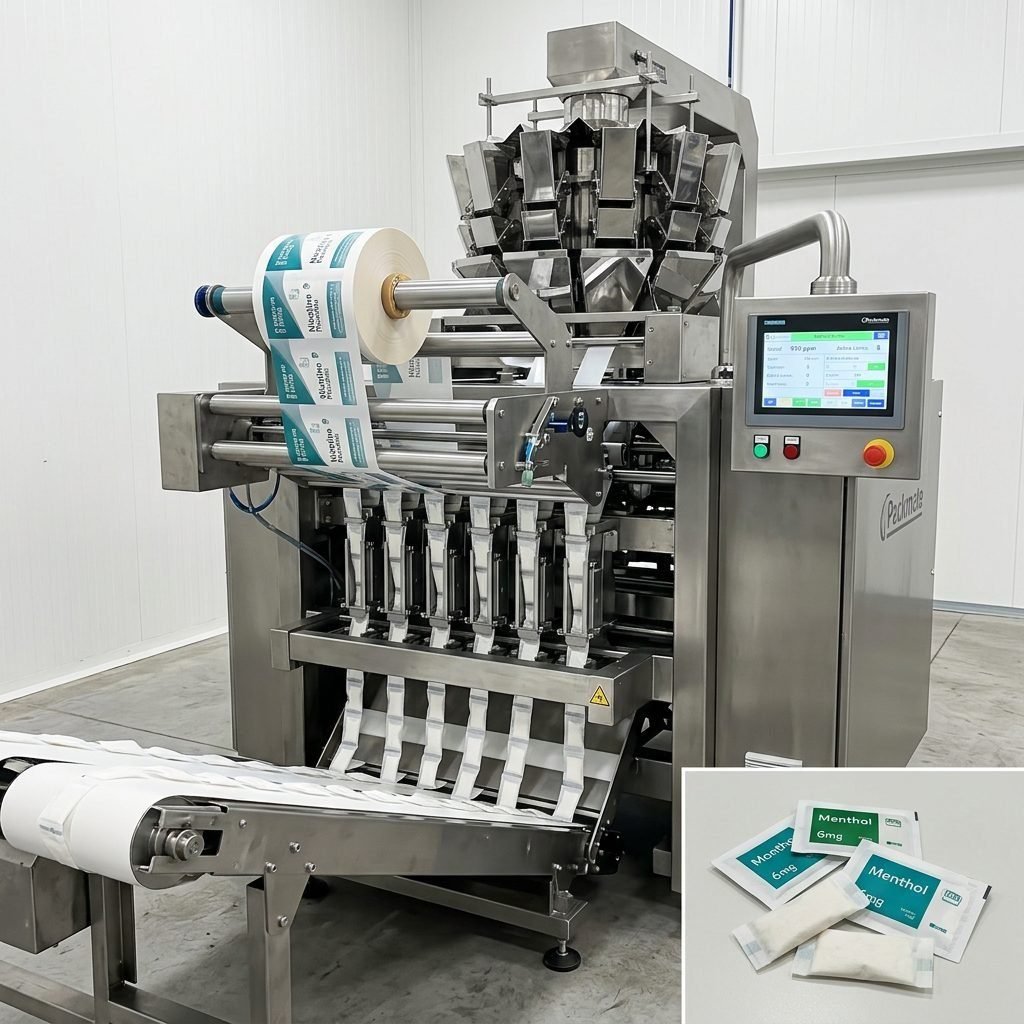
– For high-speed, small-dose nicotine pouches: multi-lane pouch machines with precision dosing.
– For consumer-ready single-serve items: stick pack and sachet machines with integrated printing and cutting.
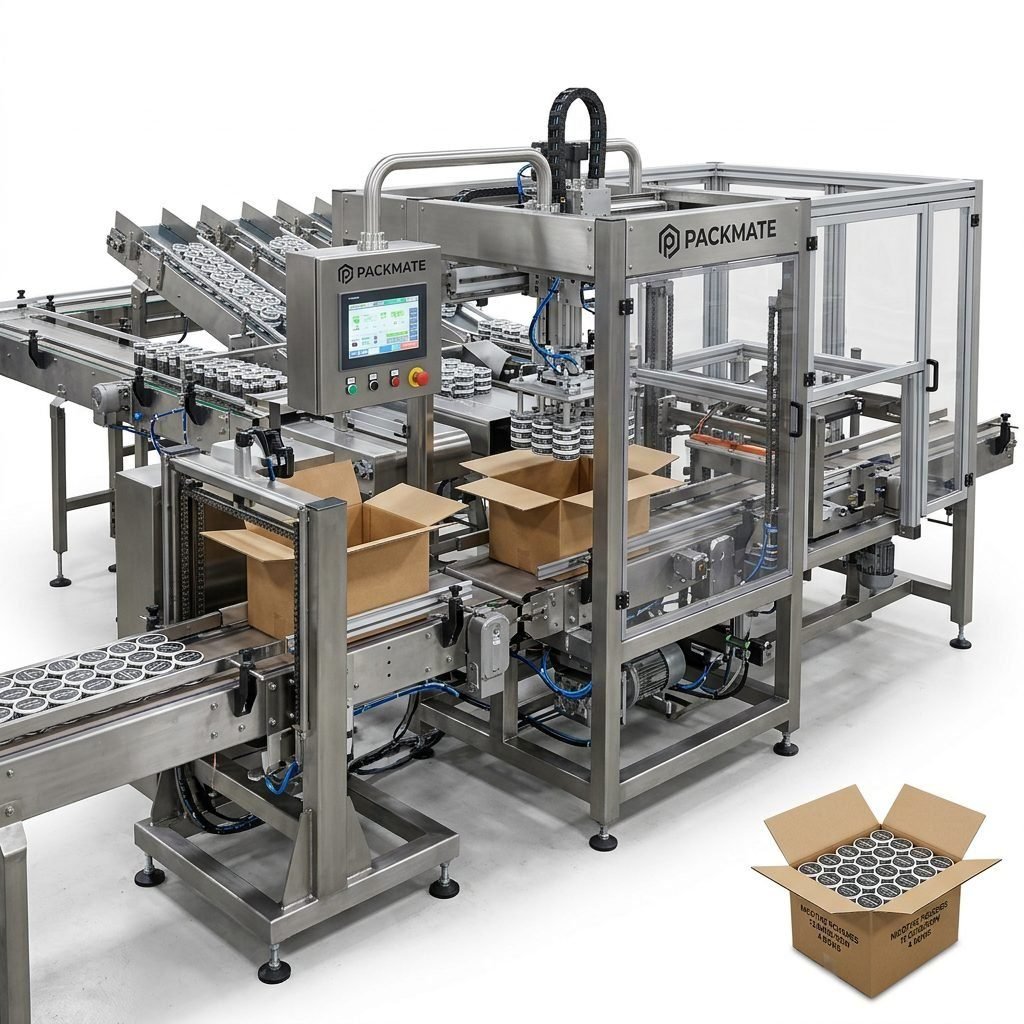
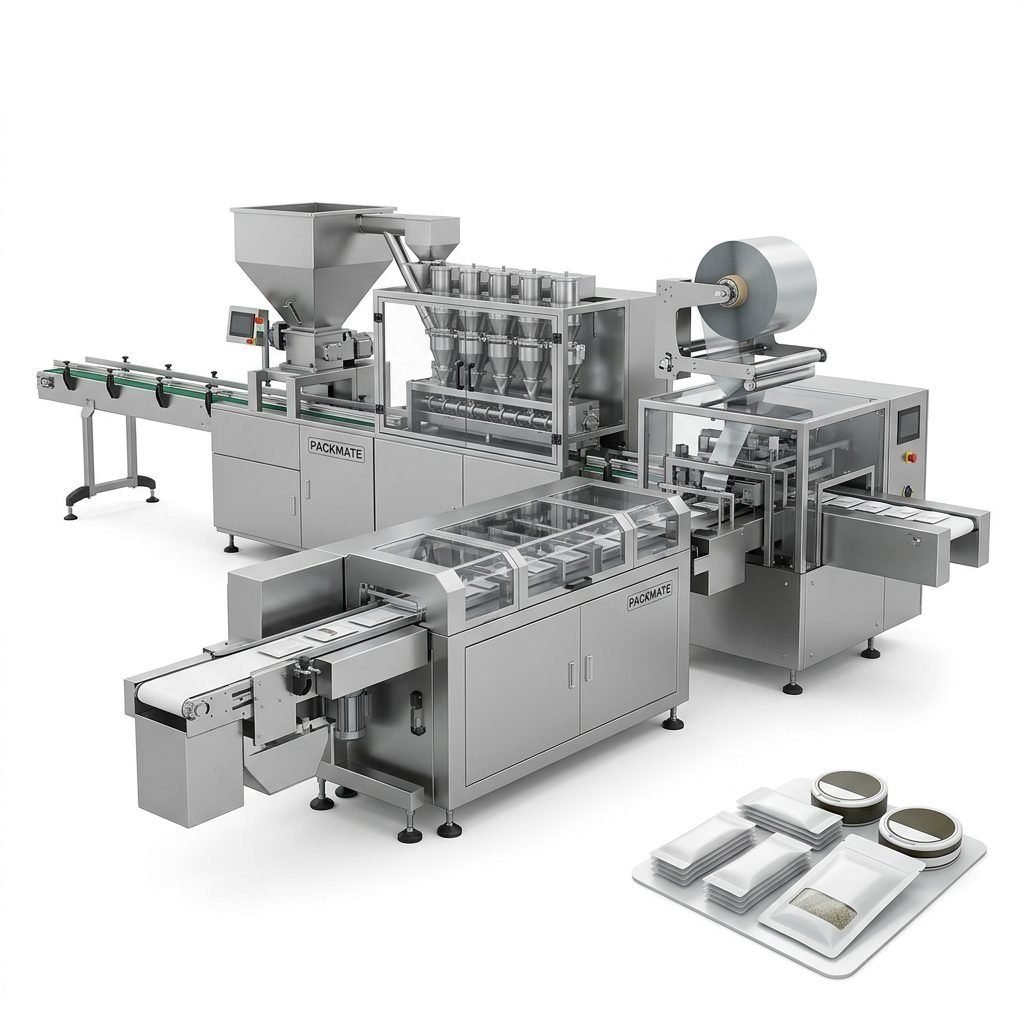
– For integrated production: complete filling & packaging lines that combine weighing, filling, sealing and case packing.
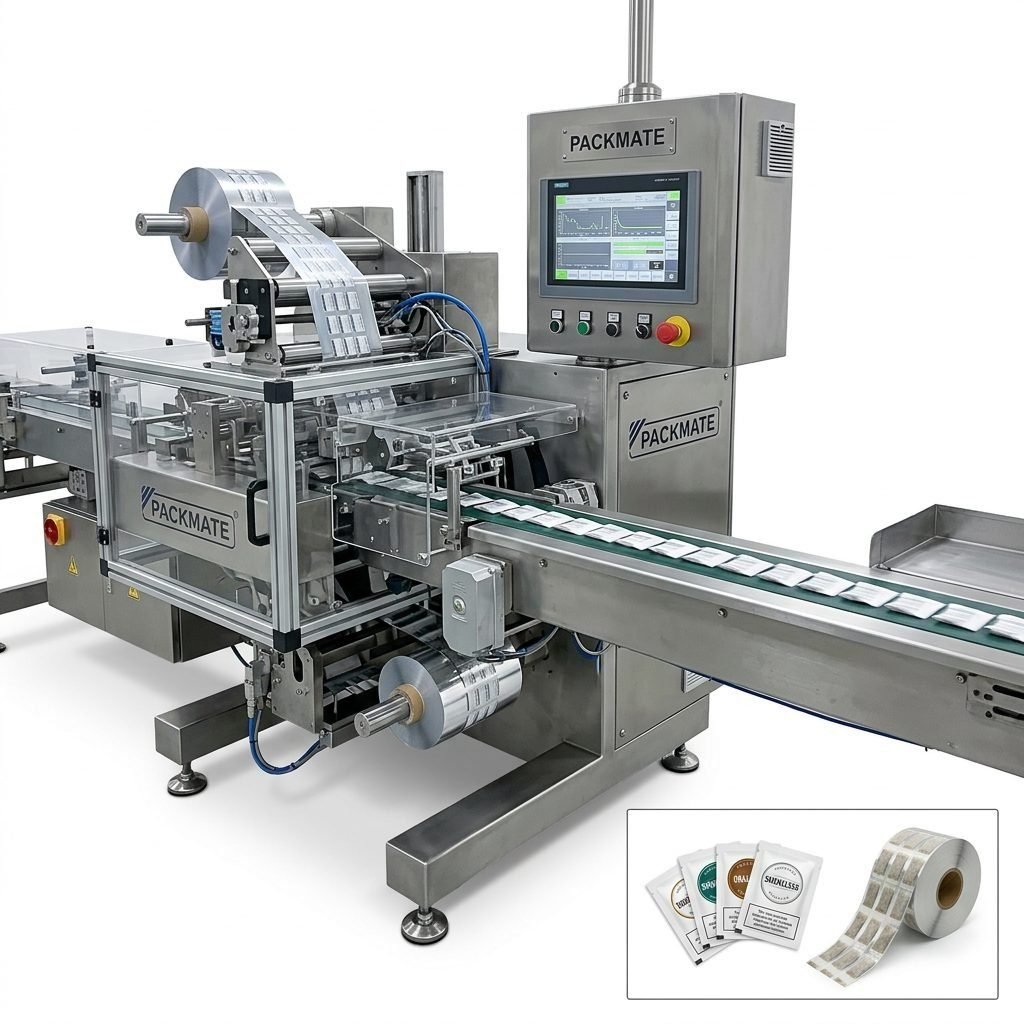
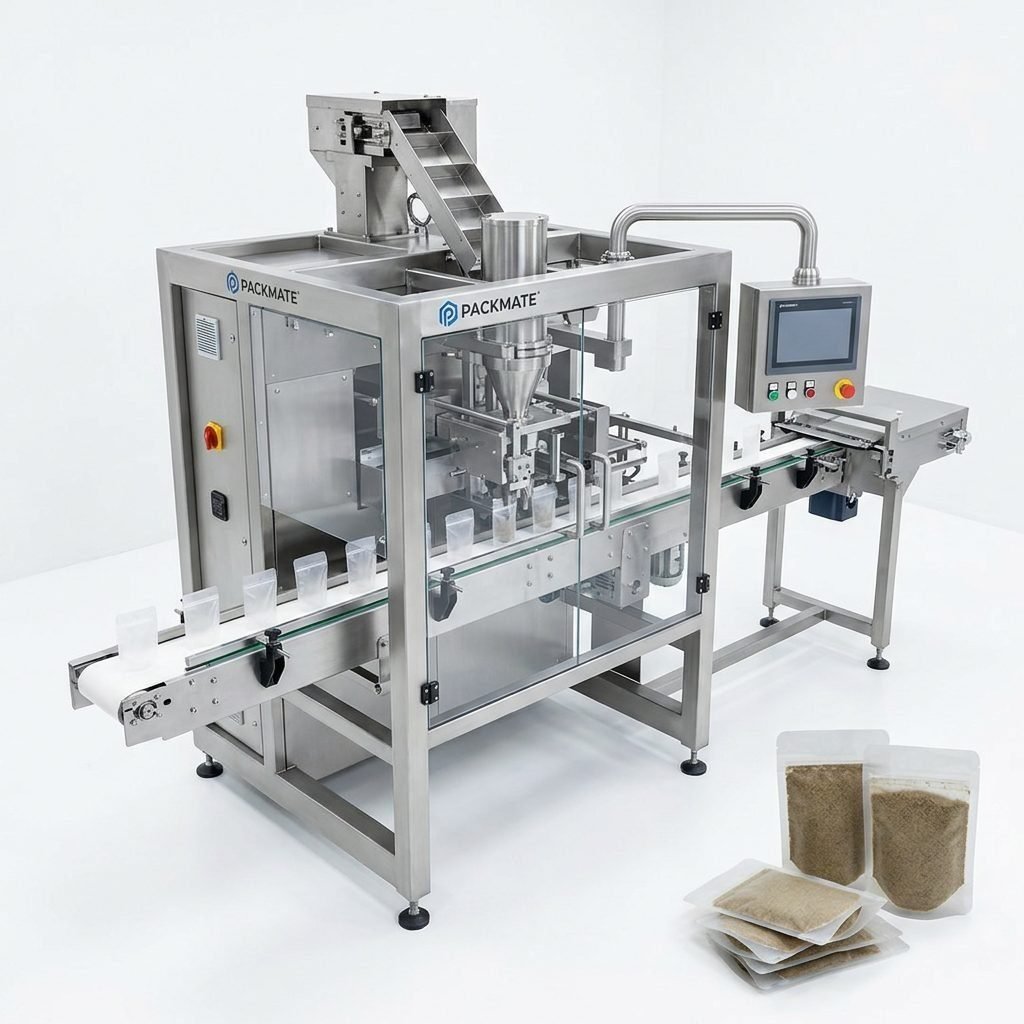
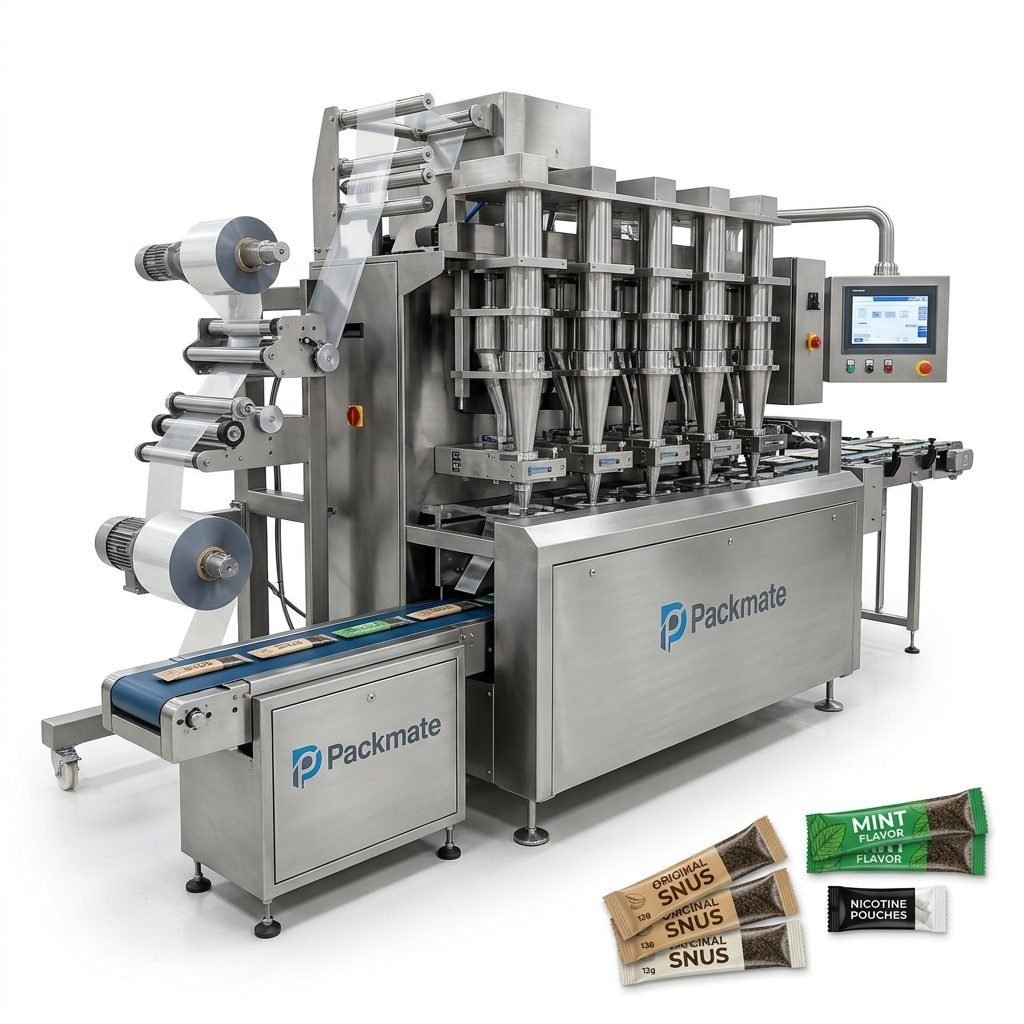
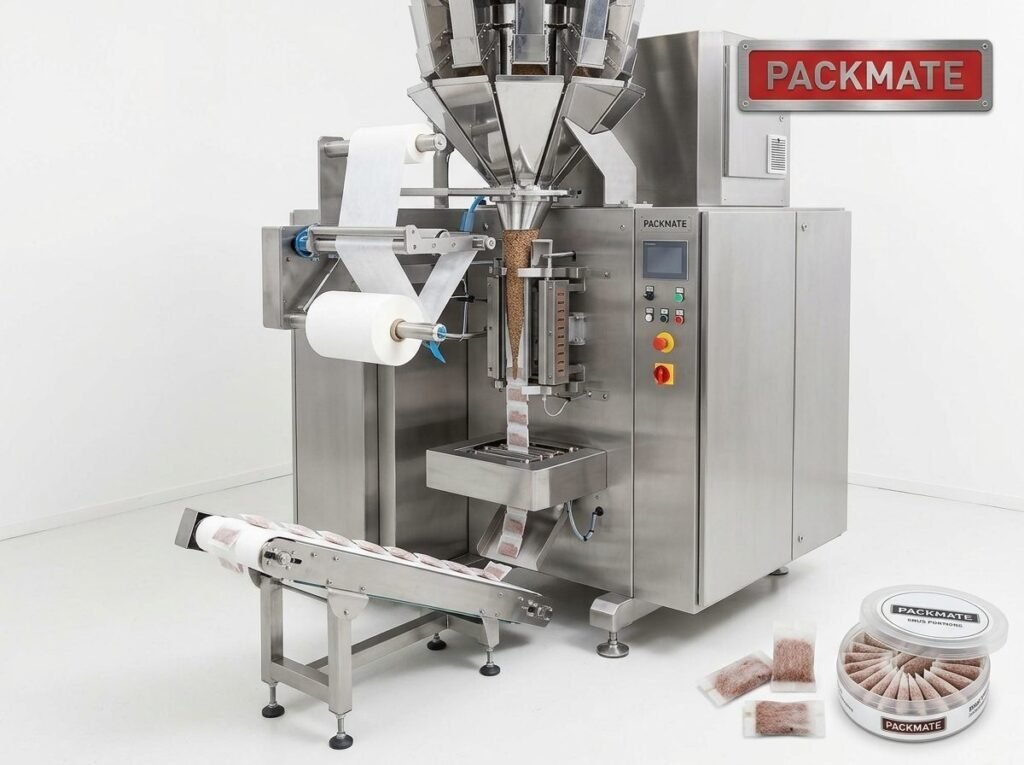
Explore machine families such as Snus & Nicotine Packaging Machines and Bag & Pouch Packaging Machines to match your needs. For instance, systems shown in the Packmate product range include multi-lane snus packing modules that deliver consistent pouch formation and accurate filling across lanes:
Snus & Nicotine Packaging Machines.
Evaluating Supplier Capabilities and Track Record
Past performance and manufacturing strength are strong predictors of future reliability. Look for suppliers with decades of engineering experience, robust manufacturing facilities, and a history of delivering turnkey solutions worldwide.
What to verify in supplier evaluation
⚙️ Manufacturing facility size and capabilities (CNC centers, precision assembly).
📁 Certifications such as CE and ISO for international regulatory compliance.
🌍 Global deployment cases and exhibition presence—these demonstrate international acceptance and support networks.
Packmate Snus Machine, for example, has over 30 years of engineering experience and a 20,000㎡ factory with advanced CNC machining and precision assembly. Reviewing case studies and visiting references or exhibition demonstrations can confirm a supplier’s claims. See real examples and cooperation cases here:
Case.
Quality, Testing, and Certification
Quality assurance covers machine durability, component selection, and rigorous testing prior to shipment. Machines used for nicotine pouches must maintain hygiene standards and consistent dosing. Ask for factory test reports, runtime videos, and certification documents.
Key documents to request
📄 Acceptance Test Procedure (ATP) reports, CE/ISO certificates, spare parts lists, and electrical schematics. These documents simplify customs clearance in Oman and help your maintenance team prepare.
After-Sales Support: Local Spare Parts & Technical Service
After-sales support is often more crucial than initial price. In Oman, the ability to get fast spare parts and remote or on-site technical service will minimize downtime and protect margins. Suppliers who offer training, spare parts kits, and preventative maintenance schedules are preferred.
Support checklist
✅ Local or regional service partners and stock of critical spare parts.
✅ Remote diagnostics and software support to reduce on-site visits.
✅ Training programs for operators and maintenance staff.
✅ Clear warranty terms and service level agreements (SLA).
If the supplier provides global technical coverage, exhibition appearances and an active service page can be good indicators of ongoing support capability. Learn more about a supplier’s service approach and documentation here:
Service.
Customization, Integration and Turnkey Solutions
Many nicotine pouch producers need customized packaging lines that integrate weighing, filling, sealing, labeling, and cartoning. A supplier offering turnkey solutions reduces the complexity of integrating multiple vendors and ensures better overall system compatibility.
What to expect from turnkey providers
🧩 Single-point accountability for design, installation, and commissioning.
🧾 Integration of auxiliary equipment such as weighing systems, conveyors, and case packers.
🔧 Project management to coordinate electrical, mechanical, and automation aspects.
For a complete lineup, including weighing and filling equipment, you can review the wider product categories such as Weighing & Packaging Systems and Filling & Packaging Lines:
Weighing & Packaging Systems |
Filling & Packaging Lines.
Cost Considerations and Total Cost of Ownership (TCO)
The lowest purchase price rarely equals the lowest total cost. Account for installation, training, spare parts, energy consumption, downtime risk, and long-term service contracts. A reliable machine with slightly higher capex may save costs through higher uptime and reduced rework.
TCO factors to evaluate
💰 Initial purchase price and shipping/import duties.
🔁 Expected uptime, mean time between failures (MTBF), and spare parts costs.
⚡ Energy efficiency and consumables.
🧑🏭 Training and labor requirements for operation and maintenance.
Contract Terms, Warranties and Payment Options
Carefully review the purchase contract for warranty length, scope, exclusions, and dispute resolution. Payment terms can vary—negotiating staged payments tied to milestones (factory acceptance test, shipping, commissioning) reduces risk.
Negotiation tips
⚖️ Ask for a performance guarantee tied to production speed and dosing accuracy.
🔒 Secure spare parts pricing commitments for the first two years.
📅 Include commissioning and operator training in the contract.
Factory Acceptance Tests and On-Site Commissioning
Factory Acceptance Tests (FAT) verify machine performance before shipment. Ensure FAT includes running your actual product or the closest formulation possible. Once machines arrive in Oman, a thorough on-site commissioning must validate performance under local utilities and workspace conditions.
Request FAT documentation, runtime videos, and performance reports. If planning to scale capacity, verify how additional lanes or upgrades can be implemented in the future.
Sourcing Checklist: Step-by-Step Guide
1) Define product specs and expected volumes.
2) Shortlist suppliers with relevant nicotine/snus machine experience.
3) Verify factory capabilities, certifications, and case studies.
4) Request FAT, spare parts lists, and warranty terms.
5) Negotiate TCO, SLAs, and commissioning timelines.
6) Plan for local customs, installers, and training schedules in Oman.
Useful supplier resources
To learn more about a supplier’s company profile and exhibition schedule, check About Packmate and Our Exhibition pages:
About Packmate |
Our Exhibition.
Quick decision rubric (visual)
📌 Technical match: High = proceed.
📌 Support readiness: Local/remote mix = ideal.
📌 Documentation & FAT: Complete = green light.
📌 TCO and warranty: Competitive & clear = sign contract.
Final Steps Before Purchase
Confirm logistics, customs clearance agents in Oman, and installation teams. Ensure spare parts kits and critical consumables are included in the shipment or available locally. Schedule FAT walkthroughs, sign service agreements, and plan operator training weeks in advance to ensure a smooth start-up.
For direct contact and more tailored solutions, reach out to the supplier’s contact page to discuss your project requirements and request a formal proposal:
Contact Us.
Conclusion
Choosing the best nicotine packaging machinery supplier in Oman blends technical evaluation with cultural and logistical awareness. Prioritize suppliers with proven snus and nicotine pouch expertise, global turnkey capabilities, strong after-sales support, and transparent total-cost assessments. By following the steps in this guide—defining needs, verifying factory credentials, insisting on FAT, and negotiating clear service terms—you’ll reduce risk and position your business for reliable, scalable production.
Common Questions (FAQ)
Q: How long does it typically take from order to commissioning in Oman?
A: Lead times vary by machine complexity, factory schedule, and customs clearance. Expect 3–6 months for standard lines; turnkey or customized lines may take longer. Plan around local holidays and shipping windows.
Q: What certifications should we request for nicotine packaging equipment?
A: Ask for CE and ISO certifications, electrical schematics, ATP/FAT reports, and any export compliance documentation. These help smooth customs clearance and ensure machine safety.
Q: Is local spare parts inventory necessary in Oman?
A: Yes. Keeping a kit of critical spares locally reduces downtime. Confirm the supplier’s spare parts lead time and pricing for the first two years.
Q: Can suppliers provide training for Omani operators and technicians?
A: Reputable suppliers include operator and maintenance training as part of commissioning. Confirm language, timing, and whether training occurs at the factory or on-site in Oman.
Q: Where can we view product ranges and technical catalogs?
A: Review product catalogs, machine groups, and exhibition demos on the supplier’s site for detailed specs and machine photos: Catalog.