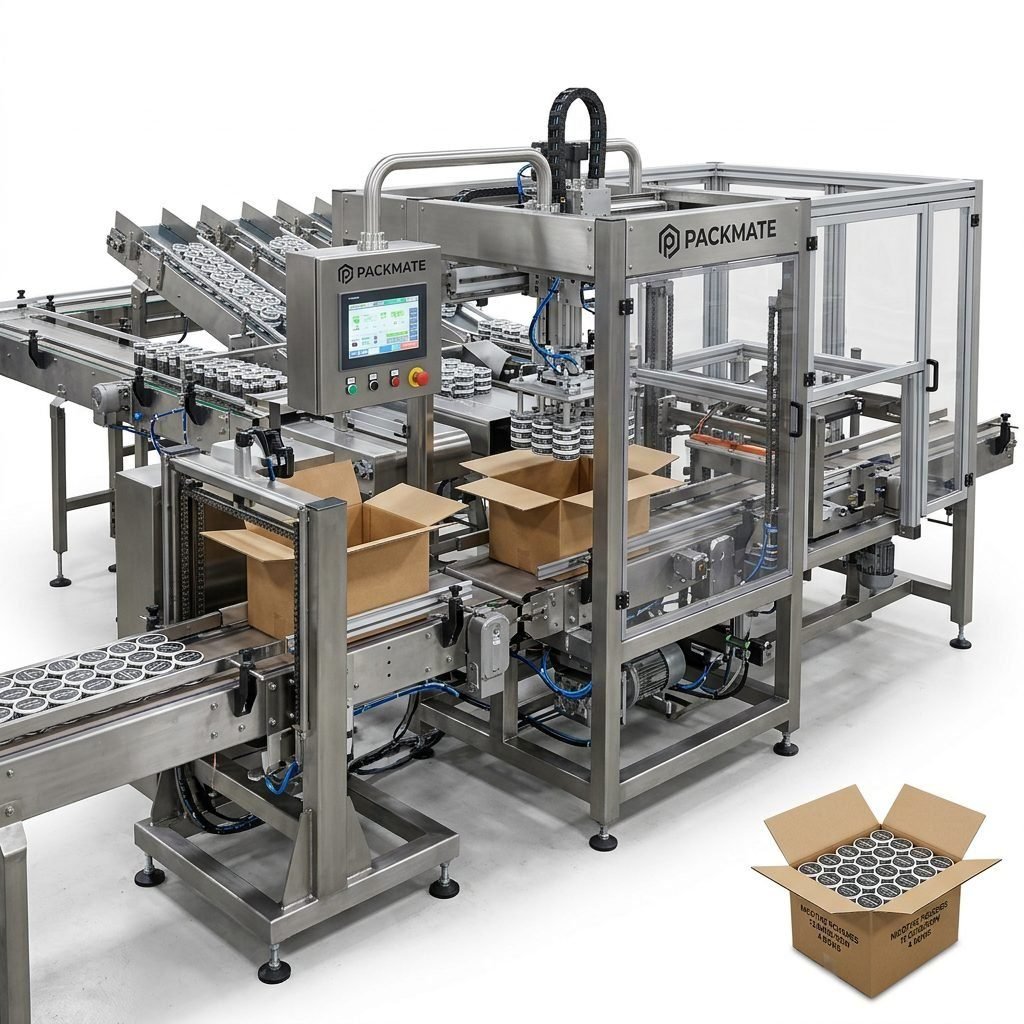
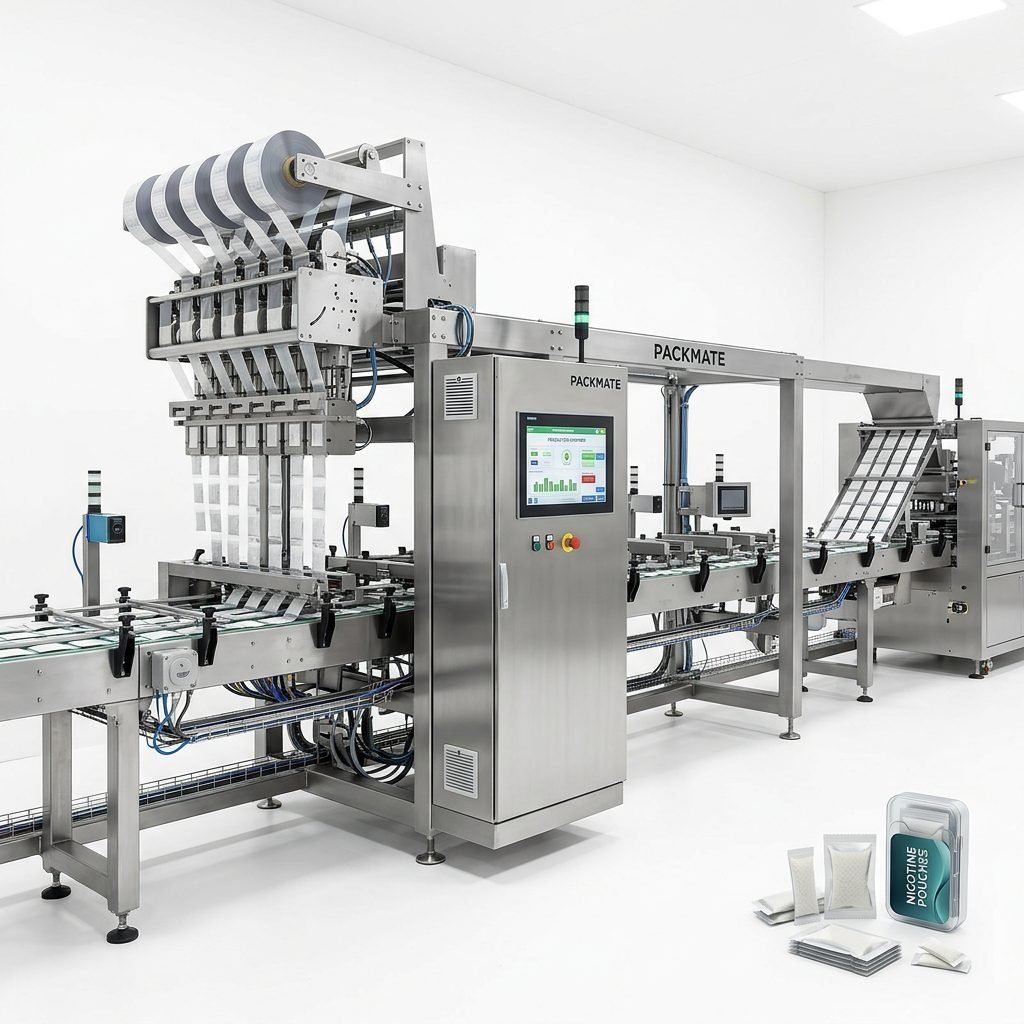
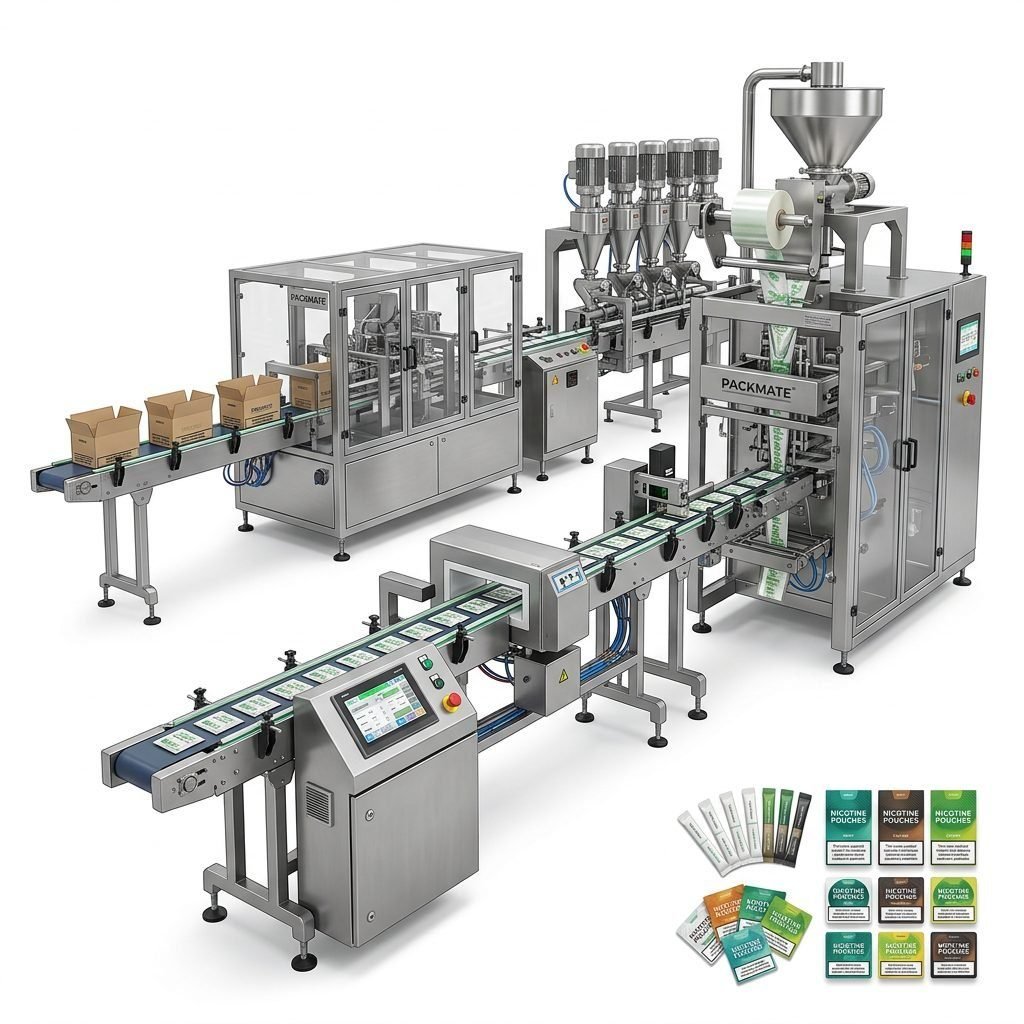
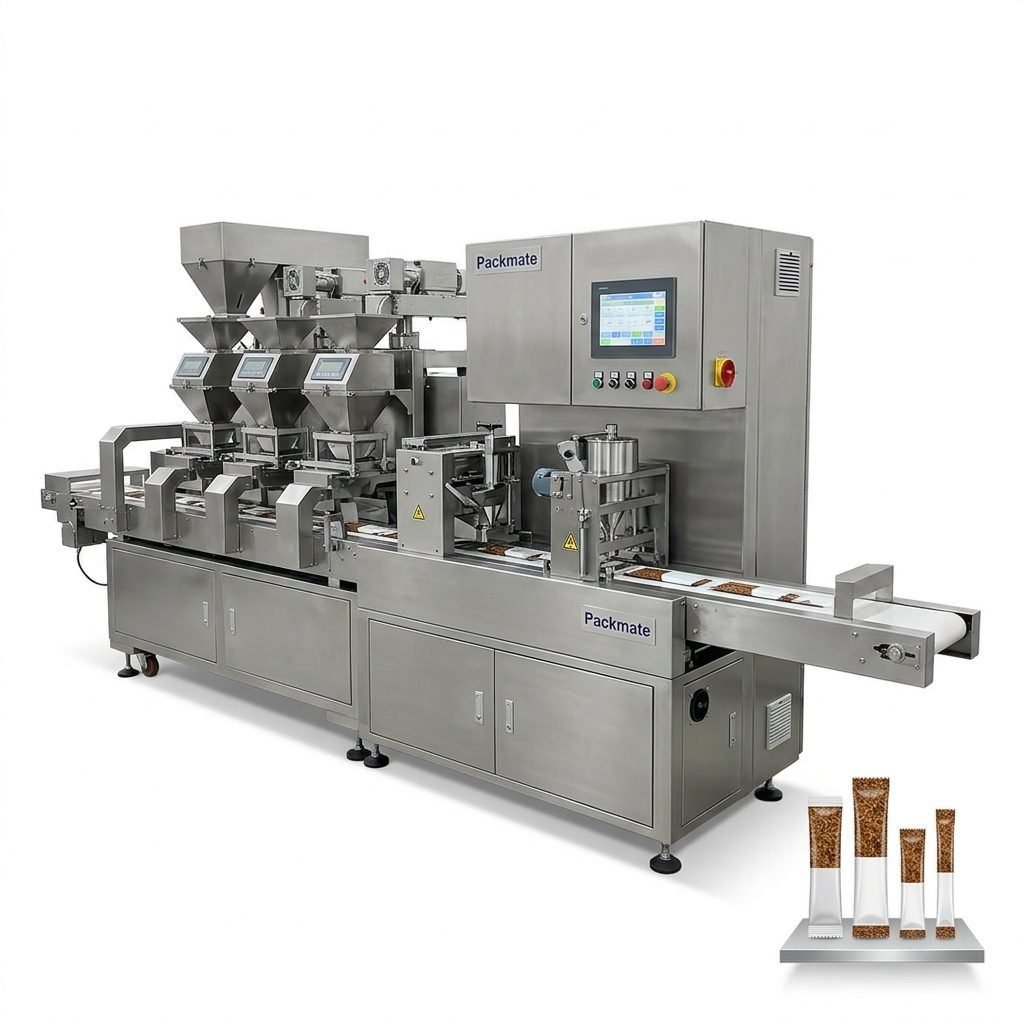
South America’s nicotine pouch and snus market is evolving fast. Whether you are a packaging manager, purchasing director, or a startup entering the region, choosing the right nicotine packaging machinery requires a clear understanding of local demand, regulatory constraints, machine capabilities, and long-term service commitments. This guide breaks down the practical factors to evaluate, machine types to consider, and supplier selection tips so you can make a confident buying decision for South American operations.
Why South America Is an Attractive Market for Nicotine Packaging
Demand for alternative nicotine products, including tobacco-free nicotine pouches, has grown steadily across major South American markets. Urbanization, shifts in consumer preferences, and an expanding retail network have created opportunities for producers. However, regional market entry requires careful planning — from meeting labelling and ingredient disclosure regulations to selecting machines that can reliably run diverse product formats. Manufacturers need equipment that provides both high throughput and excellent dose control for small-dose nicotine pouches.
Core considerations unique to the region
Logistics, local service availability, spare parts lead times, and compliance with national authorities are often decisive in South America. Look for suppliers with a proven export track record, documented certifications, and clear after-sales support plans. Suppliers that demonstrate previous work in international markets reduce risk and shorten ramp-up time.
Types of Nicotine Packaging Machinery and When to Choose Them
Different product formats and throughput targets require distinct machine families. Below is a concise roadmap to match your product strategy to the right equipment.
Snus & Nicotine Pouch Machines (single pouch, multi-lane)
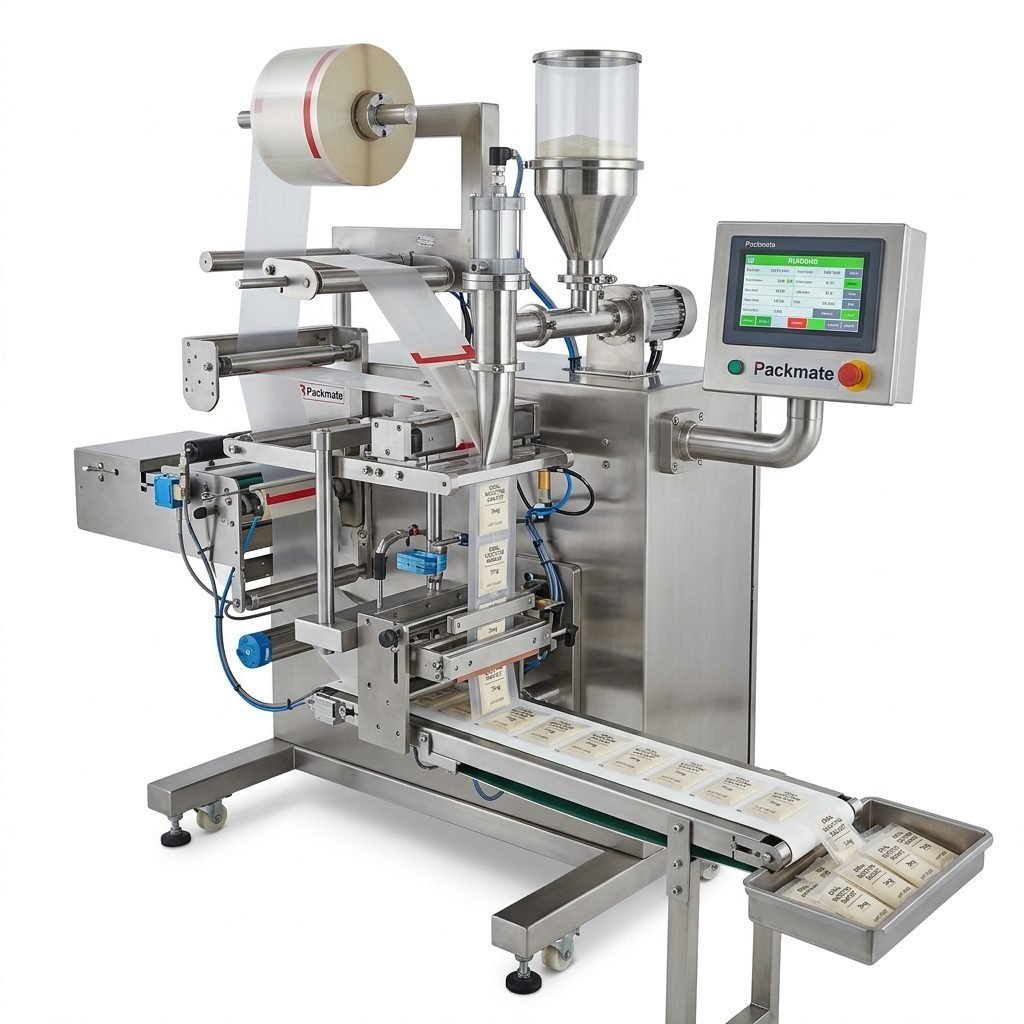
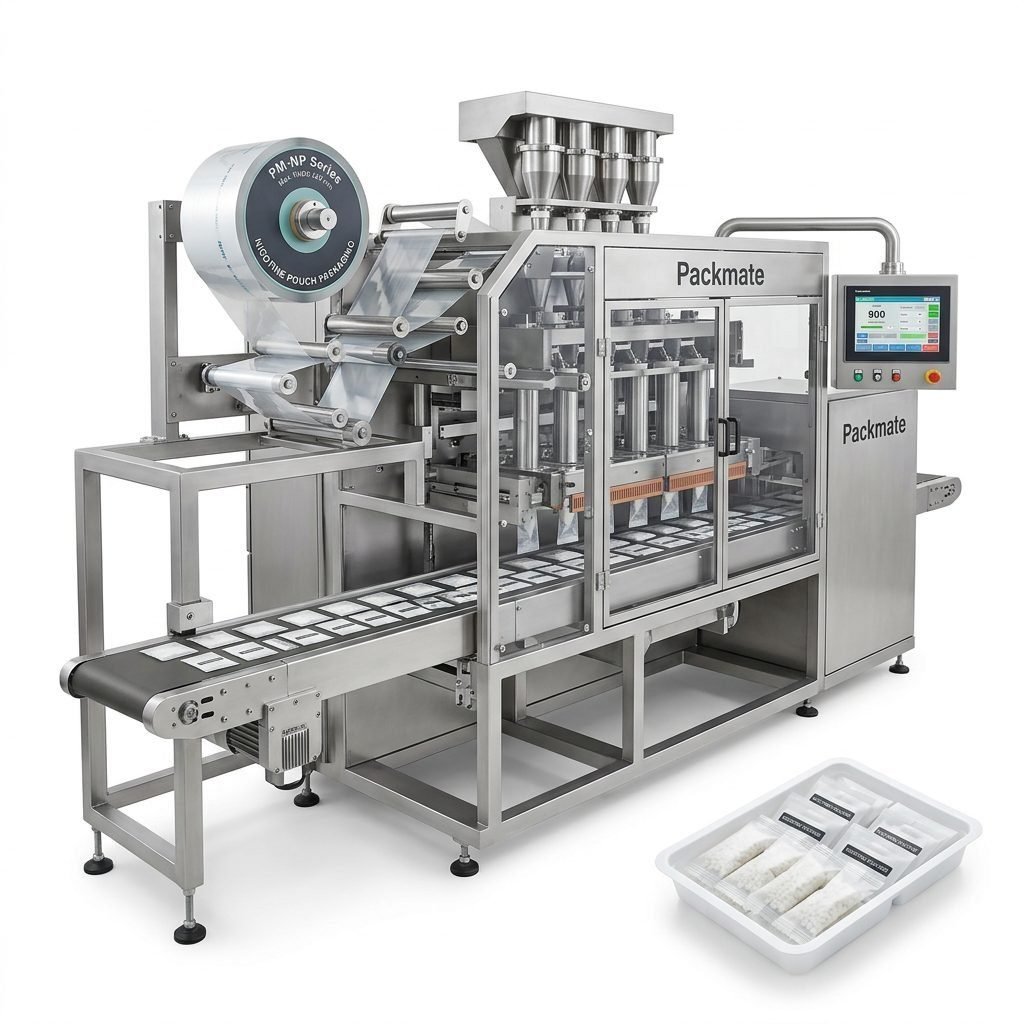
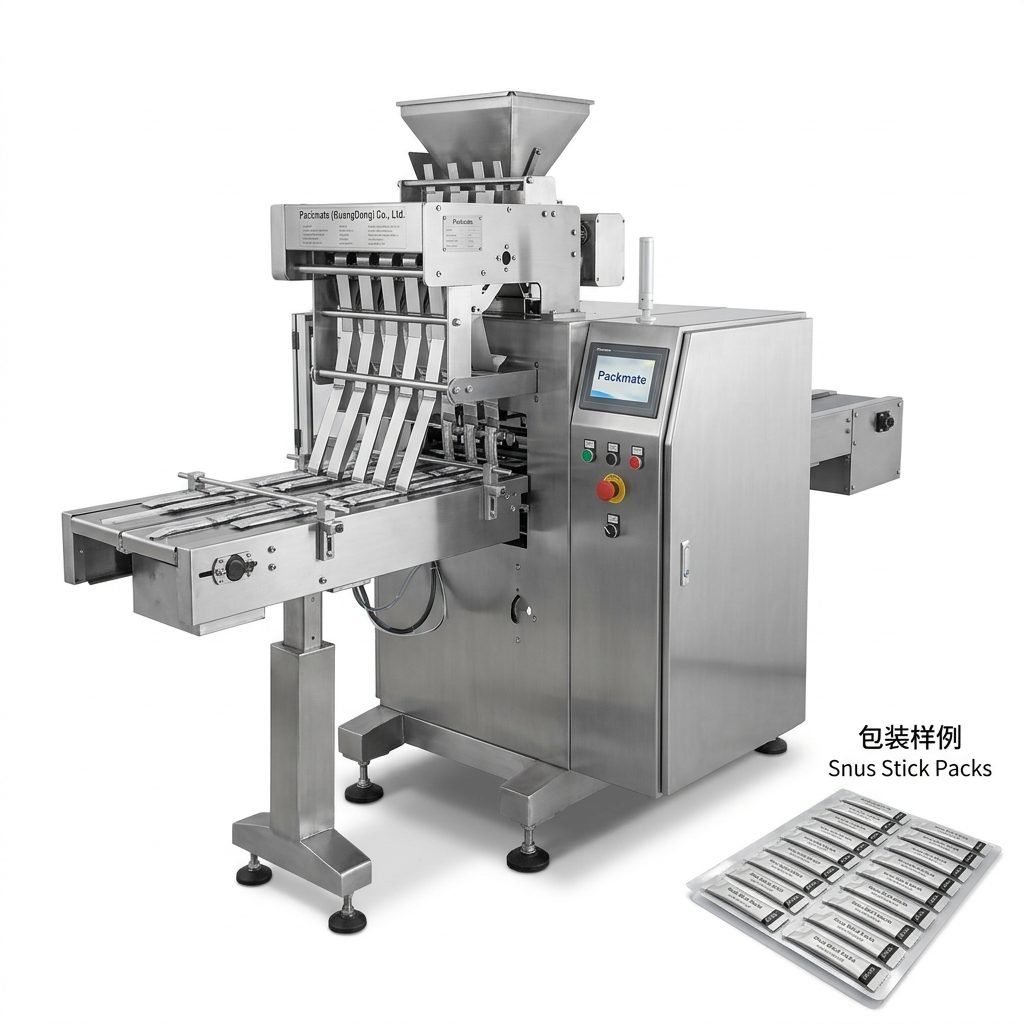
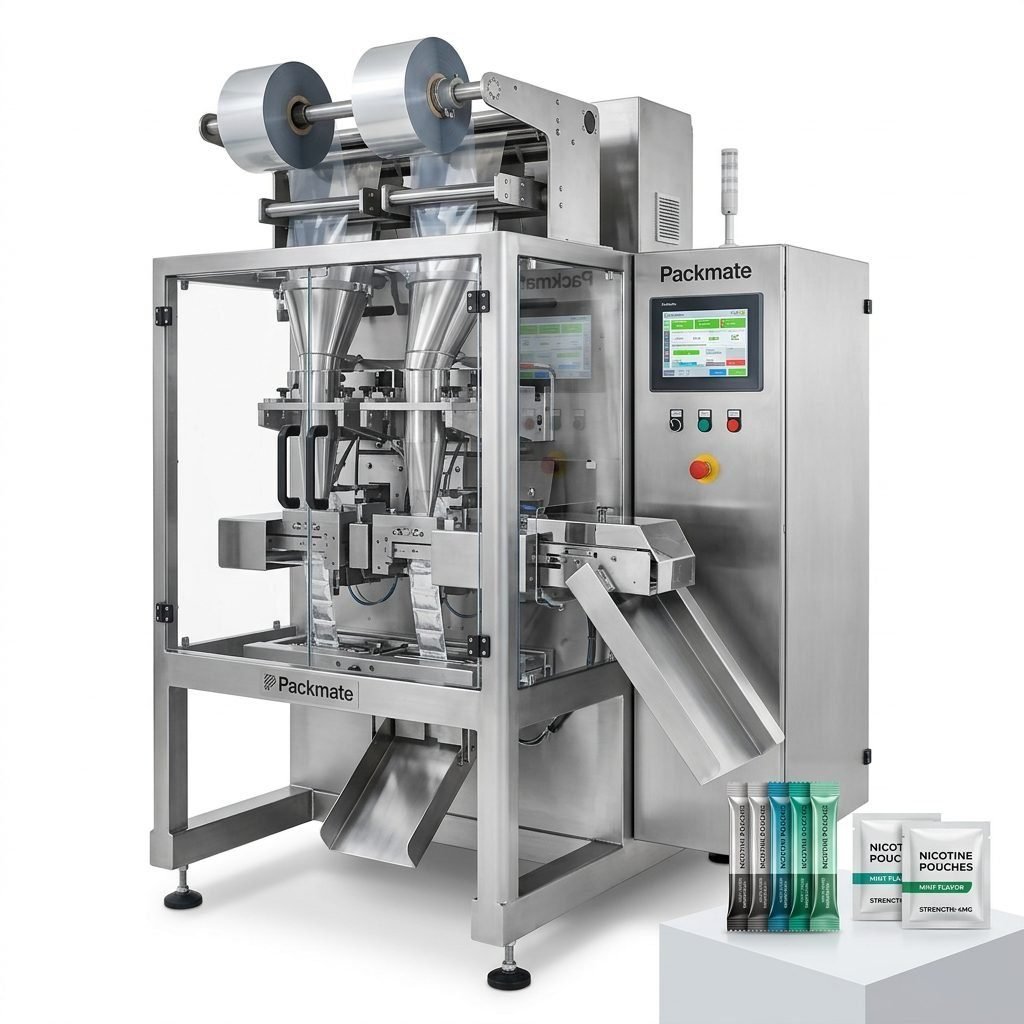
🔧 For producers focused on nicotine pouches and snus, dedicated pouch machines offer controlled dosing, hermetic sealing, and compact single- or multi-lane configurations. These machines are designed for low-dose accuracy and consistent pouch shape — ideal when product feel and dose consistency matter. Explore specialist solutions like those in the Snus & Nicotine Packaging Machines category to compare models and lane configurations.
Sachet and Stick Pack Machines
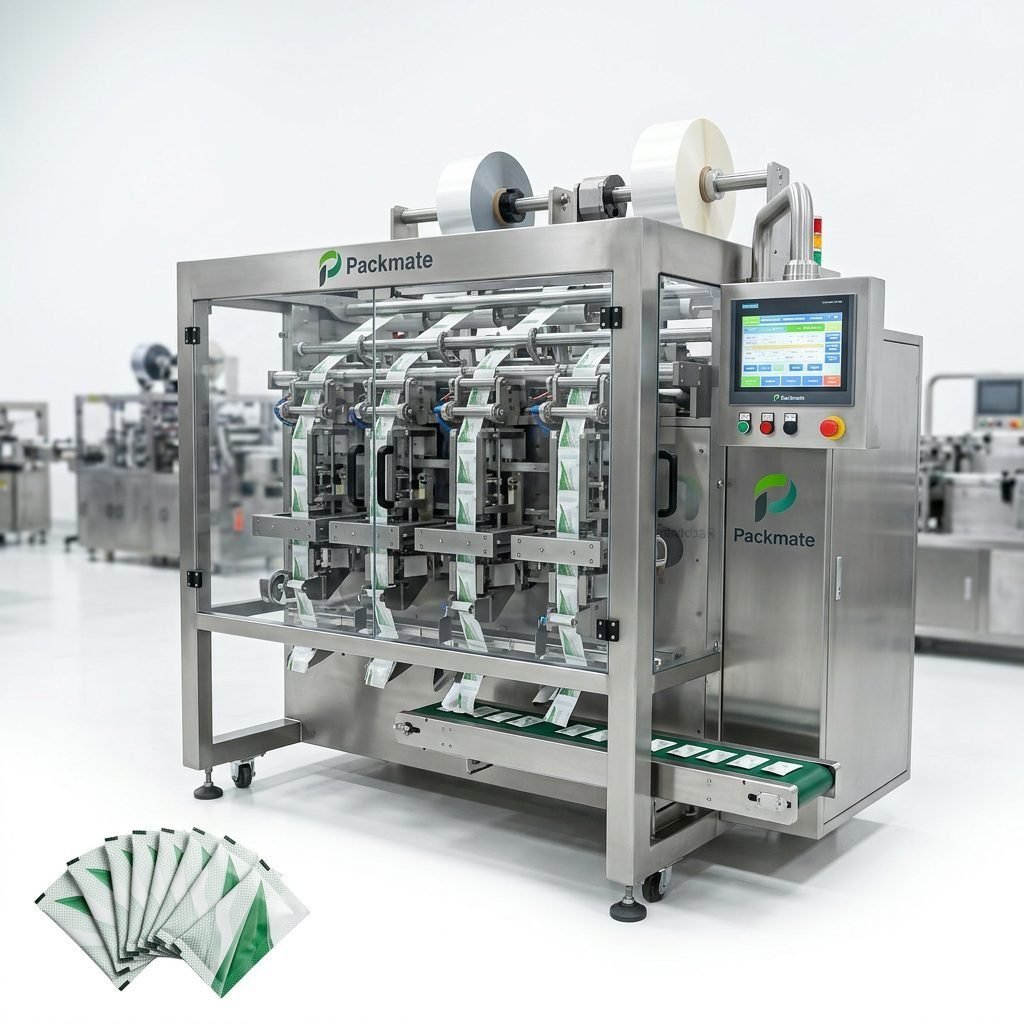
✅ Sachet and stick pack machines are efficient for single-portion and retail-ready packs. They work well for portioned nicotine products that need quick packaging into retail sachets, stick packs, or single-dose pouches. These systems often support high-speed operation and efficient material usage — view practical machine options under Sachet & Stick Pack Machines.
Weighing & Multi-Head Weighing Systems
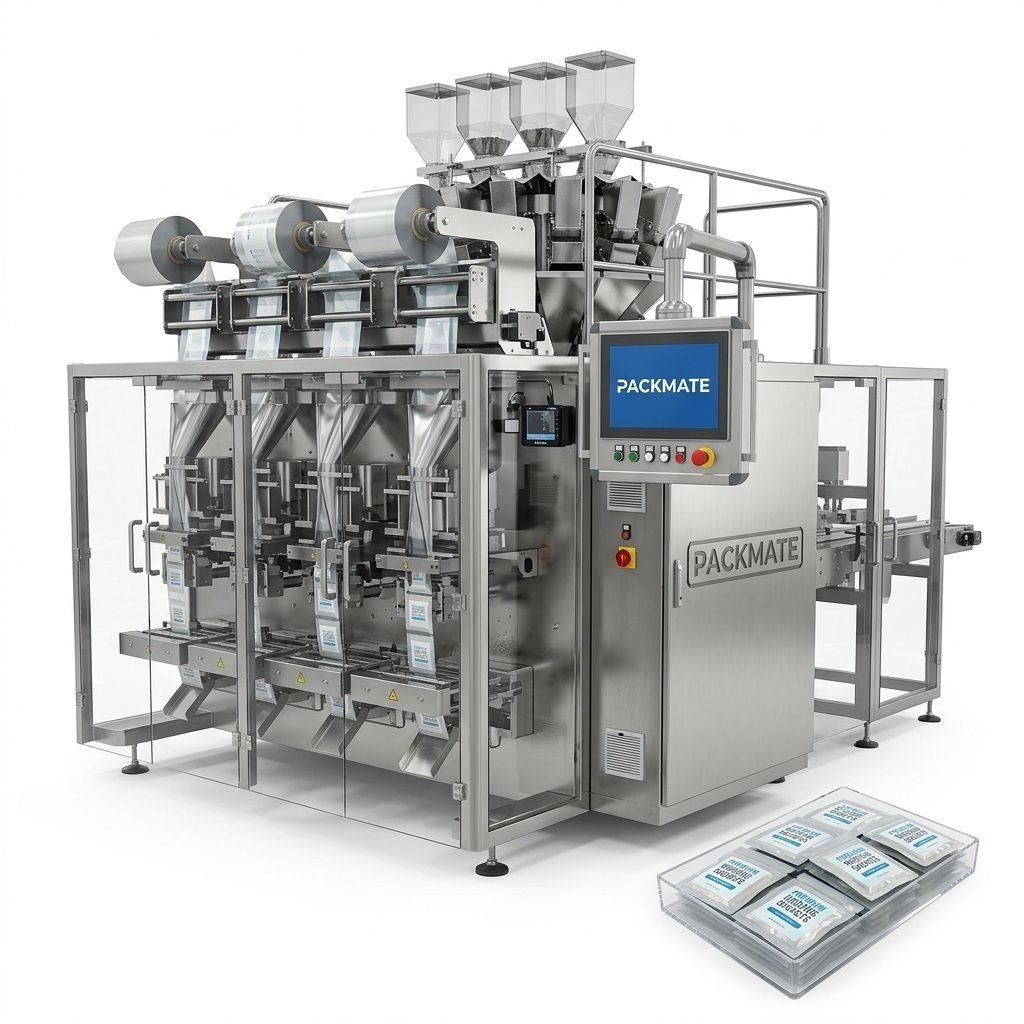
⚖️ For loose-fill nicotine pouches or granule-based blends, precise dosing is critical. Multi-head weighers and integrated weighing-packaging systems help maintain tight tolerance on pouch weight while enabling high throughput. They are essential when dose accuracy directly affects product claims and compliance. Consider integrated solutions listed in Weighing & Packaging Systems.
Critical Selection Criteria — Technical and Commercial
Choosing the right machine involves balancing technical specifications with long-term commercial needs. Below are the most impactful selection criteria.
🔍 Dose accuracy and consistency: For nicotine products, tight dose control is non-negotiable. Look for machines with precision dosing modules, feedback control, and documented accuracy metrics.
⚡ Speed and throughput: Match the machine’s nominal RPM and pouch-per-minute capacity to your production targets, accounting for changeover and maintenance downtime.
🛠️ Build quality and materials: Stainless contact parts, hygienic design, and robust frame construction extend machine life — especially important in humid climates common to parts of South America.
🔁 Changeover flexibility: Quick-format changeovers reduce downtime when you run multiple SKUs. Look for modular tooling, easy-to-adjust feeders, and recipe-based PLC controls.
🧼 Cleaning & maintenance (CIP-ready where applicable): Machines with easy access, hygienic guards, and clearly documented cleaning procedures simplify compliance and reduce labor.
📜 Certifications: Ensure suppliers can provide CE, ISO documentation and support for local regulatory audits. Certified equipment reduces approval time for many buyers.
📦 Spare parts and service network: Confirm availability of critical spare parts and a responsive technical support channel in your country or region.
Regulatory and Compliance Considerations in South America
Regulation of nicotine products varies across South American countries. Review labelling, advertising, ingredient disclosure, and packaging material restrictions before finalizing machine choices — some markets require tamper-evident or child-resistant features that affect bag and closure types. Insist on machine documentation that supports audits and validation, including calibration records and materials declarations. Check supplier certificates and testing documentation early in the buying process to avoid surprises.
⚠️ Quick tip: If your product requires child-resistant or specific barrier properties, communicate these requirements during RFQ. These features can change sealing systems, lamination choices, and speed estimates.
Supplier Evaluation: What to Ask and Inspect
A thorough supplier assessment reduces commercial risk. Use the checklist below during vendor selection, factory visits, and technical reviews.
🏭 Factory capabilities: Verify machining centers, assembly lines, and quality control practices. Suppliers with CNC centers and precision assembly are more likely to deliver consistent machines.
📈 Track record and references: Ask for case studies and customer contacts in similar markets. Reviewing real-world installations helps validate performance claims.
🧾 Documentation and manuals: Check whether technical manuals, electrical diagrams, and spare parts lists are included. Languages available and translation quality matter for South American teams.
✈️ Logistics and export experience: Evaluate shipping packaging, lead times, and customs experience. Suppliers well-versed in international shipping minimize damage and delay risk.
Installation, Commissioning, and Training
Proper installation and thorough commissioning are essential for achieving advertised performance. Negotiate the scope for on-site technicians, startup testing protocols, and operator training. Ensure acceptance tests cover throughput, sealing integrity, and dosing precision. Ask for a warranty that includes clear response times and defined terms for onsite service in your region.
Total Cost of Ownership (TCO) and ROI
Evaluate machines beyond the sticker price. Consider energy consumption, spare parts pricing, predicted uptime, maintenance intervals, and expected lifetime. Machines that save time on changeovers and reduce scrap often produce better ROI than cheaper, higher-maintenance alternatives. When budgeting, include installation, spare parts kits, training, and any necessary local modifications for compliance.
Packmate (Supplier Profile) — Why Factory Strength Matters
When evaluating suppliers, factory size and engineering experience matter. Packmate Snus Machine, for example, operates a 20,000㎡ facility with advanced CNC machining centers, precision assembly lines, and a portfolio of over 50 machine models. A supplier with decades of R&D and turnkey experience can provide tailored multi-lane solutions, spare parts planning, and ongoing technical support. Learn more about company history and capabilities on the About Packmate page.
Practical Buying Checklist (Printable)
🔲 Production targets: target pouches/min and daily throughput
🔲 Dose accuracy: acceptable tolerance (e.g., ±2–5%)
🔲 SKU mix and changeover time expectations
🔲 Material suppliers and preferred film types
🔲 Local support: spare parts stocks and service response time
🔲 Certification needs: CE, ISO, and documentation for audits
After Purchase: Maintenance and Continuous Improvement
Establish a preventative maintenance schedule and keep critical spares on hand based on manufacturer recommendations. Track OEE (overall equipment effectiveness), scrap rates, and downtime causes during the first 90 days to identify improvement opportunities. Many suppliers offer contract-based service or remote diagnostics — negotiate response SLAs to protect production continuity.
Next Steps: Requesting Quotes and Live Demos
Request detailed proposals that include: machine layout drawings, electrical and compressed-air requirements, actual performance test results (with your SKU if possible), spare parts list, installation scope, training plan, delivery lead time, and warranty terms. Whenever possible, visit an exhibition or factory demonstration to see machines running; Packmate and other global suppliers often showcase equipment at industry events — check exhibitor information and case examples to validate claims.
📌 If you want to review real project implementations before contacting suppliers, look through installation examples and client cases to confirm machine reliability under similar operating conditions.
Useful Links and Resources
For specific machine families and technical specifications, review product pages and catalogs on supplier websites. These resources help compare machine models, lane counts, and optional modules prior to RFQ submission.
– Snus & Nicotine Packaging Machines: https://www.snusmachinery.com/products/snus-nicotine-packaging-machines/
– Sachet & Stick Pack Machines: https://www.snusmachinery.com/products/sachet-stick-pack-machines/
– Weighing & Packaging Systems: https://www.snusmachinery.com/products/weighing-packaging-systems/
– About Packmate: https://www.snusmachinery.com/about-us/
Final Recommendation
Invest in machines that prioritize dose accuracy, serviceability, and proven reliability. For South American operations, prioritize suppliers with export experience, clear documentation, and regional support plans. Use trial runs and measured acceptance tests to ensure purchased machinery meets production needs from day one. Selecting the right partner is as important as choosing the right machine — choose a supplier that offers transparent documentation, responsive service, and extensive real-world case experience.
Common Questions (FAQs)
Q: How long does lead time typically take for nicotine packaging machines exported to South America? — A: Lead times vary by model and customization, but typical delivery windows range from 12–20 weeks for standard models and longer if significant customization is required.
Q: What certifications should I verify for export and compliance? — A: Request CE and ISO certificates, materials declarations, and any test reports relevant to your local regulatory authority. Certified suppliers will provide documentation to support audits.
Q: How can I ensure dose accuracy before purchase? — A: Ask for lab testing data and, if possible, a factory acceptance test (FAT) using your exact product formulation to validate dosing, sealing, and speed claims.
Q: What after-sales services should I negotiate? — A: Negotiate response times for critical spare parts, options for remote diagnostics, onsite commissioning, operator training, and agreed SLAs for corrective maintenance.
Q: Are multi-lane machines recommended for small-dose nicotine pouches? — A: Yes, multi-lane machines increase throughput while maintaining consistent dosing, but assess whether lane synchronization and maintenance complexity align with your workforce and maintenance capacity.