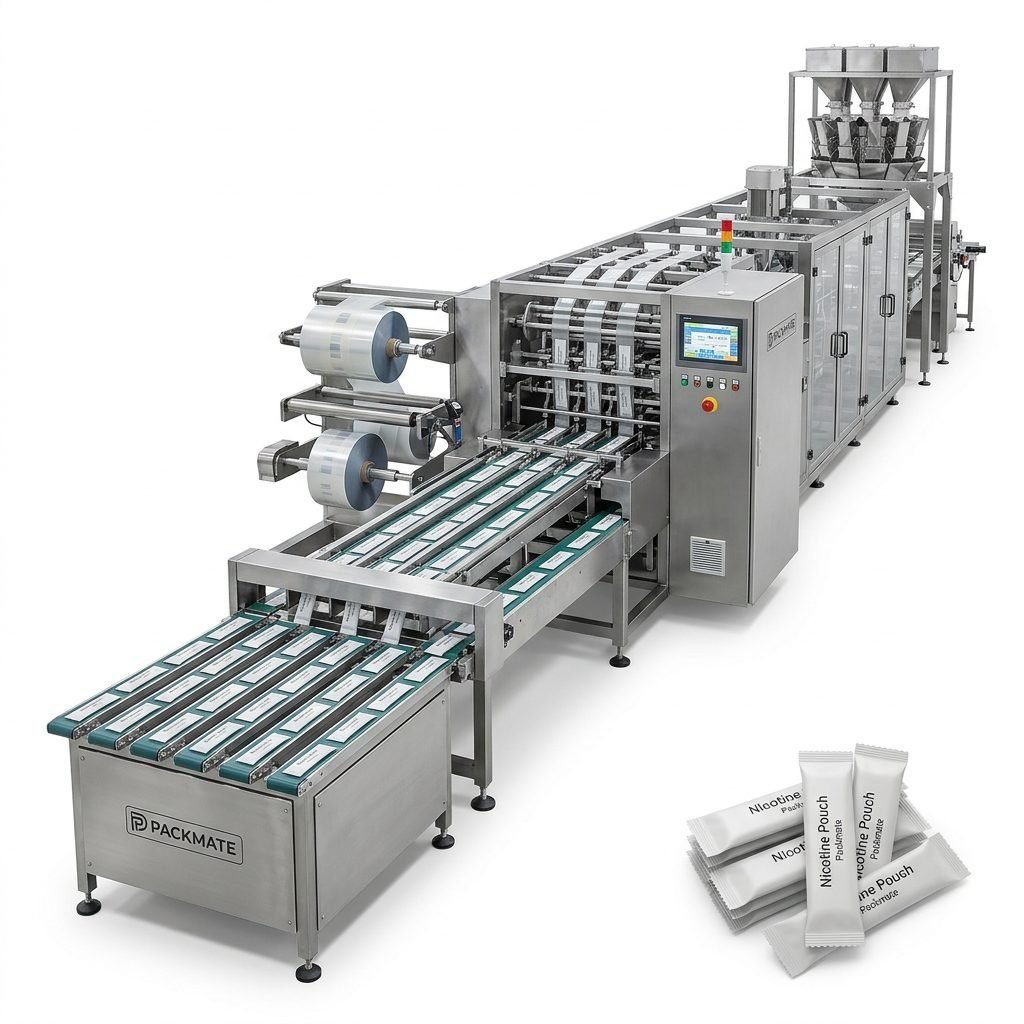
Choosing the right nicotine packaging machinery supplier for your factory in Africa is a strategic decision that affects product quality, production efficiency, and regulatory compliance. This guide walks you through practical considerations—from understanding local market needs and customs to evaluating technical capabilities, after-sales service, and total cost of ownership—so you can confidently select a partner that supports long-term growth.
Understand Local Market Needs and Cultural Context
Africa is not a single market; it is a collection of diverse countries with different regulatory frameworks, consumer preferences, and trade practices. Before engaging suppliers, map the specific countries where you plan to operate and consider local consumption patterns, packaging aesthetics, and labeling language requirements.
In many African markets, durability and climate resilience are essential. Hot, humid conditions and long distribution chains require packaging materials and machinery that maintain seal integrity and prevent degradation. Factor in local customs: in some regions, discreet, compact nicotine pouches are preferred, while in others, value packs or multi-unit formats sell better.
Key Technical Capabilities to Evaluate
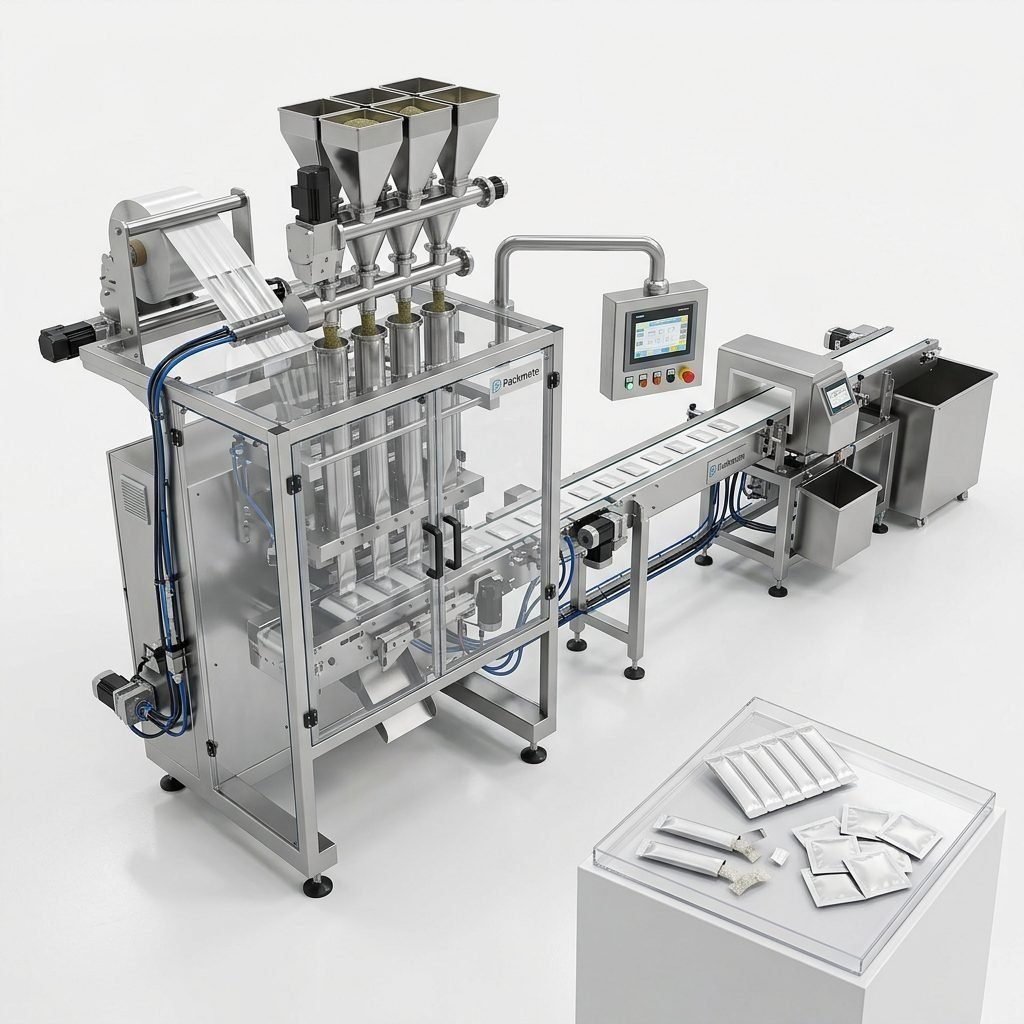
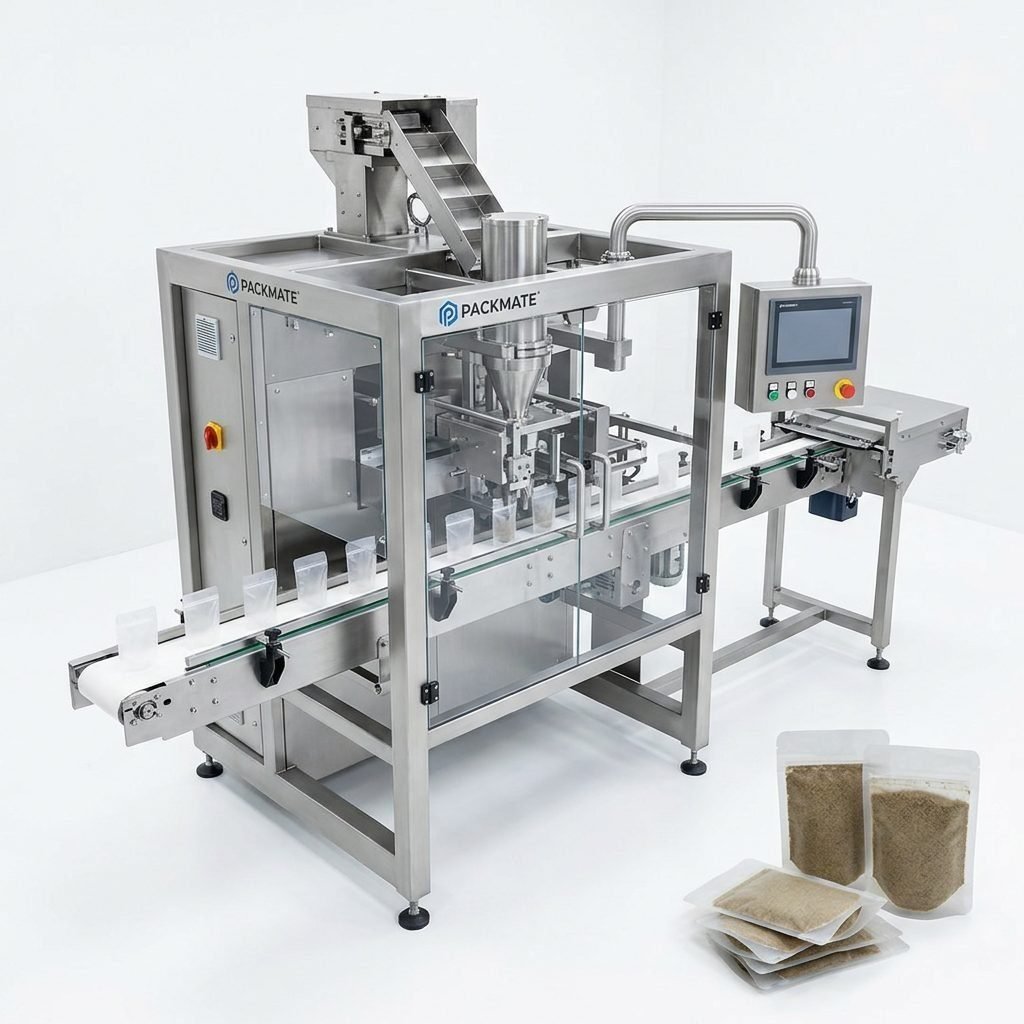
Not all packaging machines are designed for nicotine pouches or snus. Confirm that the supplier has proven experience with nicotine pouch formats, including multi-lane systems and small-dose filling. Look for machines that offer:
✅ Precise dosing ± acceptable tolerance for small-dose products
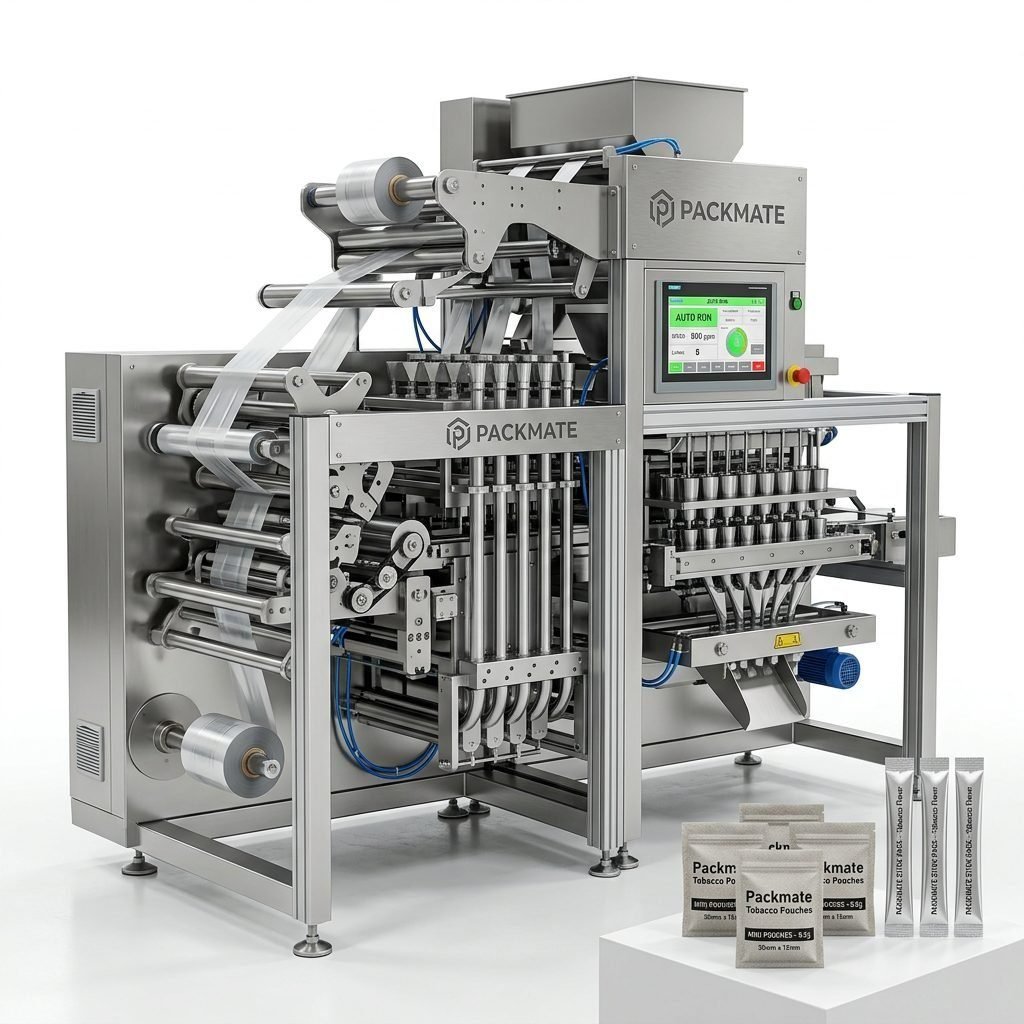
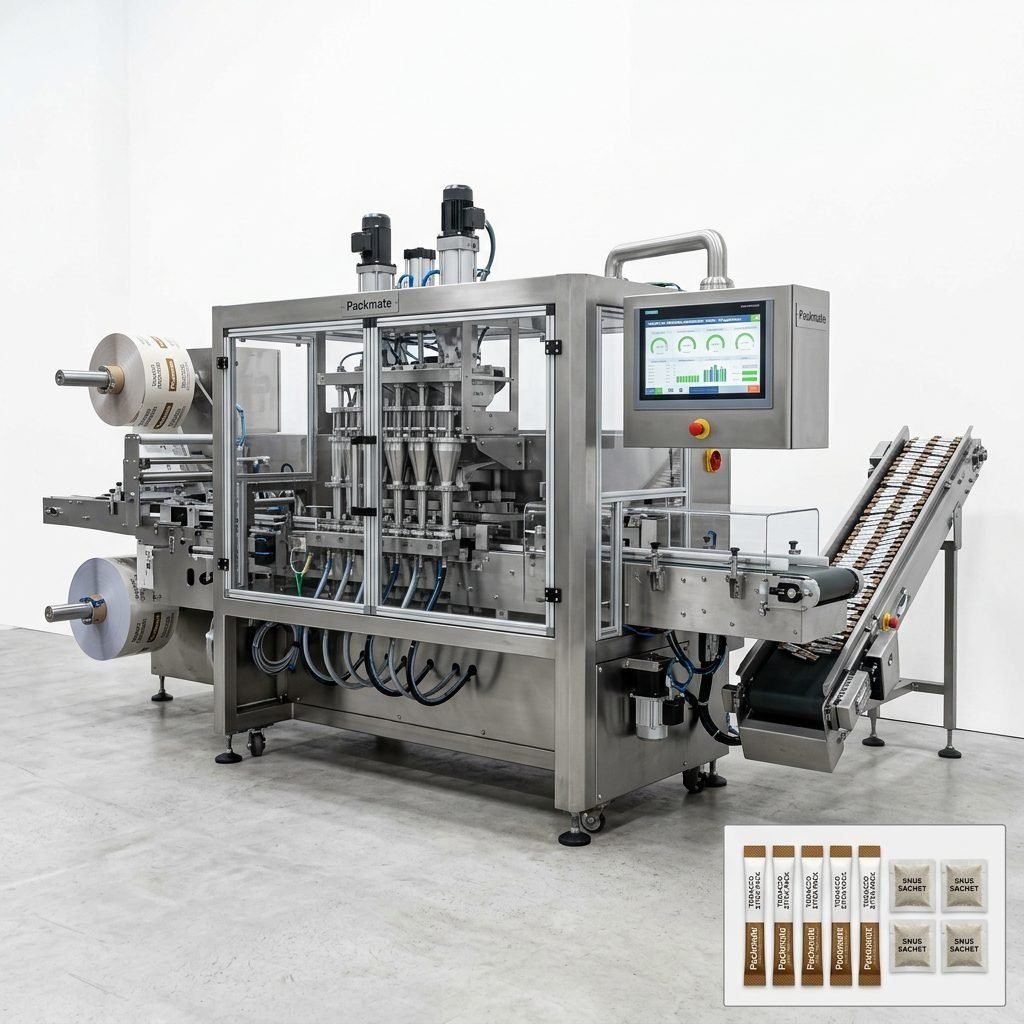
✅ Consistent pouch formation for stick, sachet, or multi-lane pouches
✅ High-speed options with low changeover time
✅ Hygienic design and easy cleaning for regulatory compliance
✅ Compatibility with a variety of film materials and laminate structures
A supplier that manufactures dedicated snus and nicotine pouch equipment will have design details that general-purpose machines lack. For example, precise inline weighing and gentle filling mechanisms reduce powder or granule damage and ensure consistent pouch weight—a critical quality metric.
Assess Manufacturer Experience and Factory Capability
When selecting a supplier for Africa, prioritize manufacturers with substantial industry experience and a robust production facility. Key indicators include:
• Years of engineering background: Look for suppliers with decades of experience in packaging machine R&D and production rather than startups with limited track records.
• Factory scale and equipment: A modern facility with CNC machining centers and precision assembly indicates consistent quality control.
• Product range: Availability of multiple models and customizable turnkey lines shows flexibility to adapt to your plant layout and product mix.
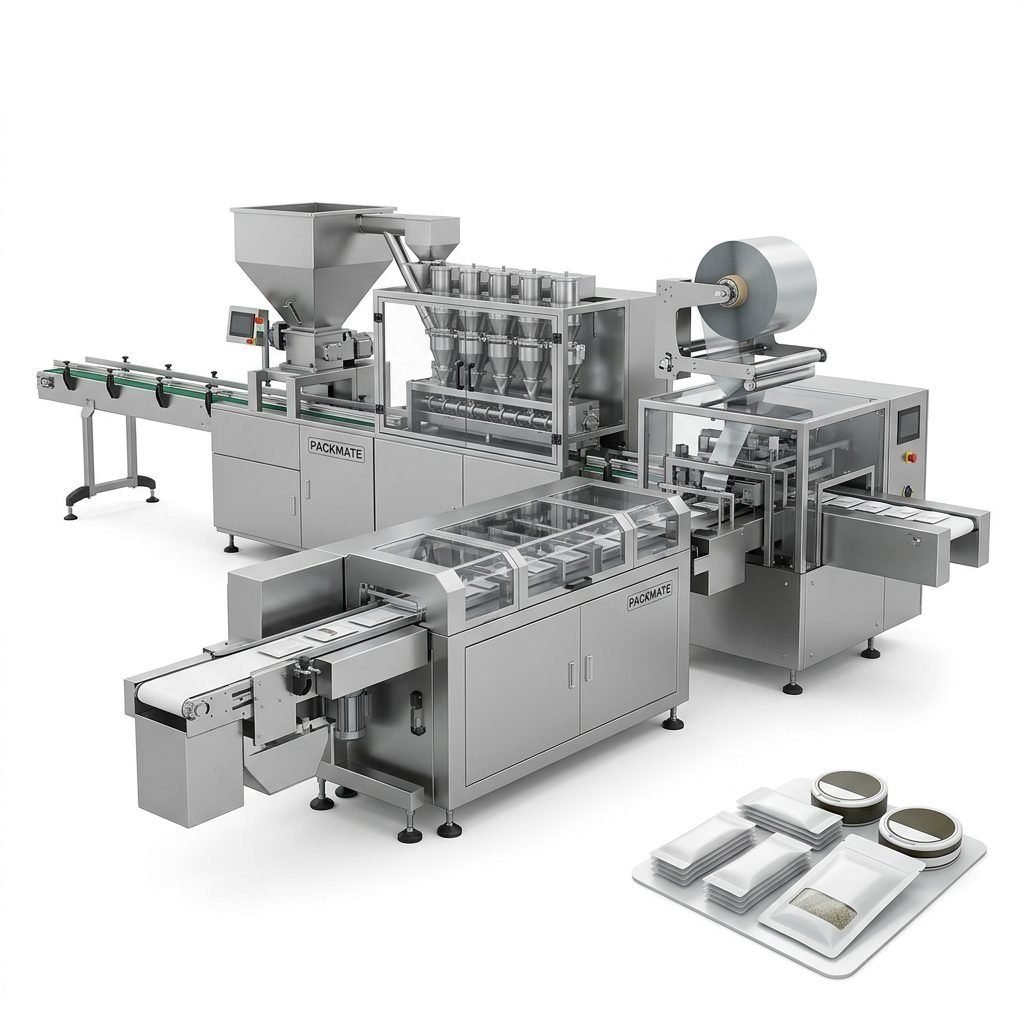
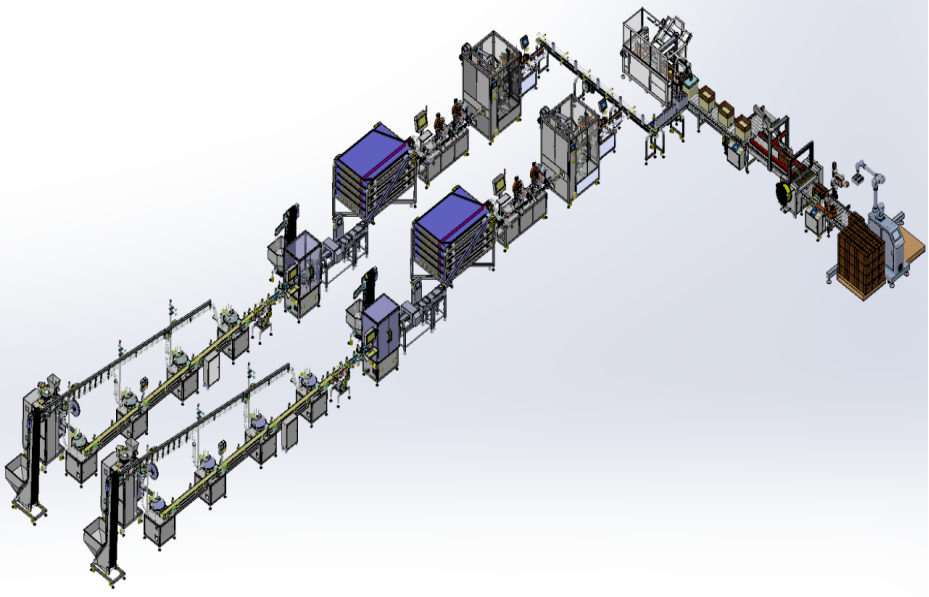
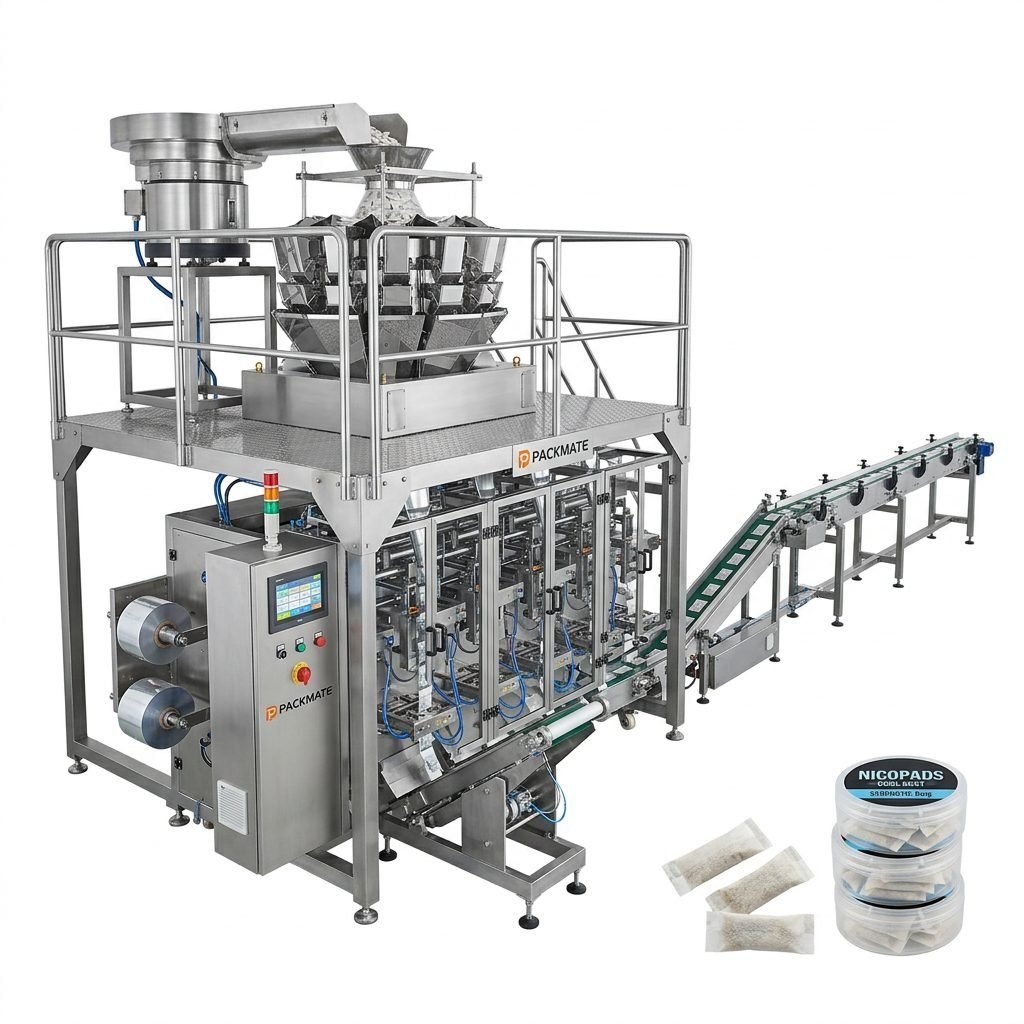
For reference, experienced manufacturers typically offer full production lines, including weighing systems, filling equipment, and auxiliary devices—reducing integration headaches and single-point accountability.
Pro Tip:
Inspect factory photos, videos, and case studies. If available, request a virtual demonstration or machine trial. Seeing a machine run with your product or a close analogue is the best way to validate claims.
Certifications, Compliance and Safety Standards
Regulatory compliance differs across African countries. Choose suppliers whose machines meet international standards such as CE and ISO, and who can provide documentation for electrical safety, material contact compliance, and machine hygiene. This simplifies import clearance and local regulatory approvals.
⚠️ Important: Confirm that spare parts and consumables comply with local material restrictions and that firmware/software meets data logging or traceability requirements in your region.
After-Sales Service: Local Support and Spare Parts
After-sales service is often the difference between a successful investment and production downtime. When evaluating suppliers, ask about:
– Local or regional service partners and the supplier’s willingness to train your technicians.
– Typical lead time for critical spare parts and whether parts are stocked regionally.
– Remote support options (video troubleshooting, PLC/servo remote access) and language support that matches your team.
Manufacturers with global case experience can often coordinate field service across continents. Always request a service-level agreement (SLA) covering response times and parts replacement policies.
Total Cost of Ownership (TCO) Over Initial Price
Focus beyond the purchase price. Calculate the TCO including energy consumption, spare parts, maintenance frequency, operator training, and expected uptime. A slightly higher upfront investment in robust equipment often yields lower long-term costs through fewer stoppages and better product yield.
Tip: Request lifecycle cost estimates from the supplier and compare them across shortlisted vendors—include warranty periods, preventive maintenance schedules, and consumable replacement intervals.
Customization and Flexibility for African Factories
African factories often require adapted solutions: humidity control in production areas, power-stable designs to tolerate voltage fluctuations, and simplified electronics that local engineers can maintain. Ask suppliers about:
– Customizable machine frames and guarding that suit your shop floor.
– Options for local sourcing of ancillary components to reduce import dependency.
– Training packages that include language translation and practical hands-on modules.
Case Example
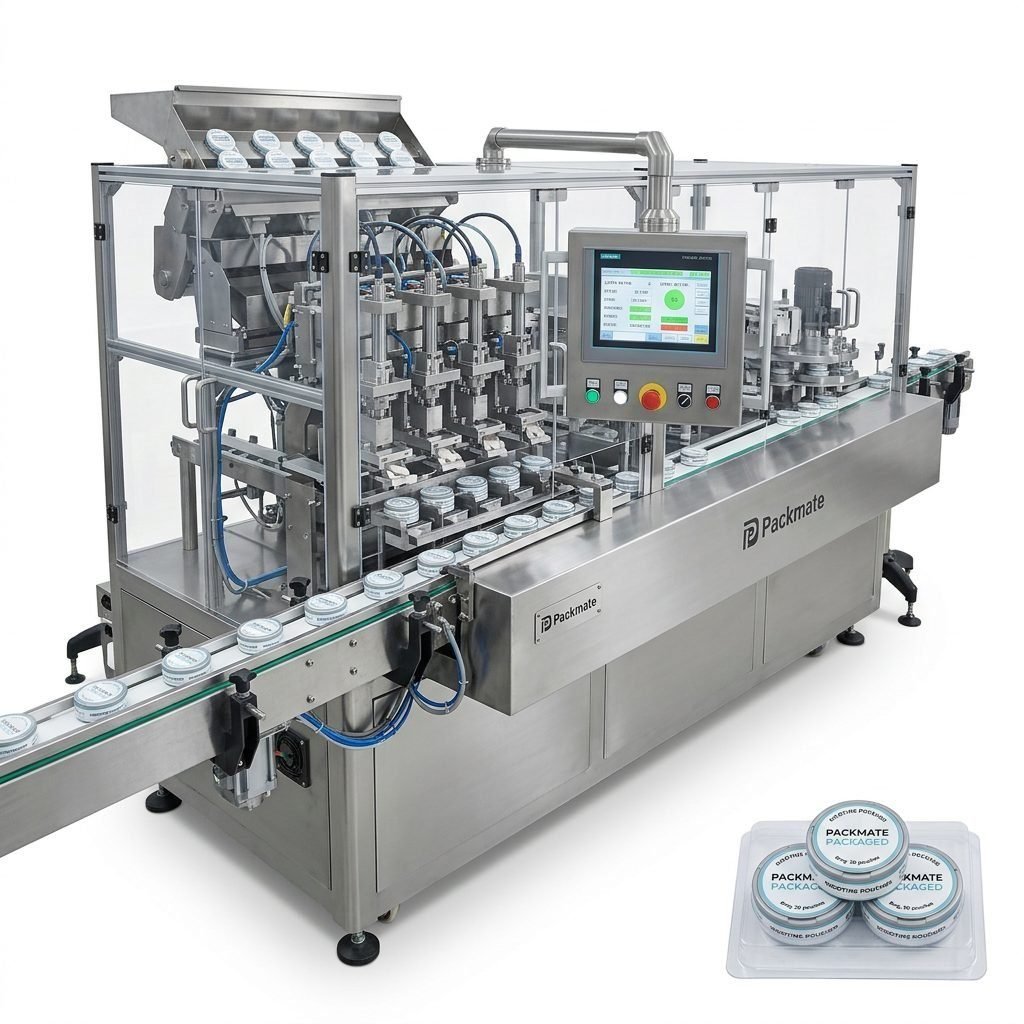
A supplier who provides turnkey solutions—combining filling machines, multi-lane pouchers, and weighing systems—reduces integration complexity. For example, Packmate Snus Machine offers full lines for snus and nicotine pouches, which can be tailored to local distribution and product formats. See detailed product lines here: Snus & Nicotine Packaging Machines.
Visit, Demonstration and Validation
Whenever possible, arrange a factory visit or remote demonstration. Watching a machine run a similar product provides insight into build quality, ease of use, and actual throughput. If a visit is not possible, request video demonstrations and references from clients in similar markets.
Ask for technical documentation: P&I diagrams, electrical schematics, parts lists, and maintenance manuals. Well-documented machines mean easier maintenance and faster troubleshooting when issues arise.
Contract Terms, Warranty and Training
Negotiate clear contract terms that cover delivery timelines, acceptance tests (FAT/SAT), warranty coverage, and penalties or remedies for missed milestones. Ensure training is part of the package—operator and maintenance training should be formalized with competency checks.
If local installation is required, confirm the supplier provides qualified engineers for startup and optimization. A supplier that commits to a successful ramp-up will help you meet production targets sooner.
Sustainability and Energy Efficiency
Energy costs and environmental concerns are increasingly important. Evaluate machine designs for energy efficiency, recyclability of packaging materials, and waste minimization features. Suppliers that optimize both the product and process help reduce your environmental footprint and operating costs.
Supplier Reputation and Customer References
Reputation matters. Request case studies and references from the supplier—especially installations in regions with similar logistical and regulatory challenges. A strong track record with turnkey projects and international clients is a reliable indicator of performance.
You can review supplier credentials and product portfolios on official pages. For detailed offerings across packaging lines, see: Bag & Pouch Packaging Machines, Sachet & Stick Pack Machines, and integrated Weighing & Packaging Systems.
Practical Checklist for Supplier Selection
Use this checklist in supplier discussions and site evaluations:
• Proven nicotine/snuss pouch experience
• Factory capabilities: CNC, assembly lines, QA systems
• Compliance: CE/ISO and documentation for import
• After-sales network and spare parts lead times
• Training programs and availability of local technicians
• TCO and energy efficiency data
• Case studies and client references in similar markets
Why Consider Packmate and What to Ask Them
Packmate Snus Machine (Packmate) is an example of a supplier with deep experience in snus and nicotine pouch machinery. With decades of engineering history, a large manufacturing facility, and turnkey solutions, they represent the type of partner many African factories look for when scaling production.
When contacting suppliers like Packmate, ask for:
– Recent projects in your targeted region and contactable references.
– Details on machine models suitable for your expected production volumes.
– Spare part kits for critical wear items and typical replenishment intervals.
– Remote diagnostic capabilities and training options. For company background, you can learn more here: About Packmate. To contact them for inquiries, use: Contact Us.
Final Decision Factors
Weigh technical fit, cultural and regulatory suitability, long-term support, and total lifecycle cost. The best supplier is not always the cheapest—it’s the one that reduces risk, shortens time-to-market, and supports consistent product quality under local operating conditions.
Quick Links & Resources
Explore product categories and cases for real-world examples: Filling & Packaging Lines, Case. These pages illustrate turnkey installations and provide a sense of the supplier’s global footprint.
🔍 Summary: Prioritize suppliers who combine nicotine pouch expertise, robust factory capabilities, clear compliance documentation, accessible after-sales service, and transparent TCO analysis.
By following these steps and asking detailed questions, your factory in Africa can select a nicotine packaging machinery supplier that will be a reliable partner for years to come, helping you deliver quality products consistently and cost-effectively.
Frequently Asked Questions
Q1: What documentation should I request before buying a nicotine pouch machine?
A1: Request CE/ISO certificates, FAT reports, electrical schematics, materials-of-contact documentation, machine manuals, parts lists, and reference installation reports.
Q2: How important is local spare parts availability in Africa?
A2: Very important. Local or regional stocking reduces downtime. If parts must be imported, ensure clear lead times and consider stocking critical wear parts yourself.
Q3: Should I choose a turnkey line or integrate machines from different suppliers?
A3: Turnkey solutions simplify accountability and integration, especially for first-time nicotine pouch producers. However, if you have existing equipment or specific preferences, modular integration may be appropriate.
Q4: How can I verify a supplier’s performance remotely?
A4: Request live demos, video tours, machine run tests with similar products, client references, and remote walkthroughs of the factory and QA processes.
Q5: What are realistic lead times for delivery and installation?
A5: Lead times vary by model and customization. Standard machines may ship in a few months; customized turnkey lines typically require longer. Confirm timelines in the contract and include acceptance testing schedules.