Choosing the right nicotine packaging machinery supplier is a strategic decision that affects product quality, compliance, and long-term costs. For businesses operating in Lithuania — a market shaped by European regulations, careful consumer preferences, and a growing interest in alternative nicotine products — selecting a reliable partner requires a clear checklist, local understanding, and a focus on after-sales support. The sections below walk you through practical criteria, local considerations, technical questions, and supplier selection tips to help you make a confident investment.
Understanding the Lithuanian Market and Local Customs
Lithuania is part of the European Union and follows EU directives that shape nicotine and tobacco product policy. While consumer interest in modern nicotine products (such as nicotine pouches and snus-style products) grows, businesses must be mindful of local regulations, taxation, and retail expectations. Lithuanian distributors and retailers value high product consistency, clean packaging aesthetics, and clear labeling in their native language. Building a partnership that respects local compliance, packaging language requirements, and retail preferences is essential.
Regulatory and compliance reminders
Before purchasing equipment, confirm the legal status of your product format in Lithuania and the EU. Regulations can affect allowed nicotine concentrations, ingredient declarations, and packaging warnings. Consult local legal counsel or authorities, and ensure that your supplier can provide documentation for machine hygiene standards, material contact safety, and compliance with EU machine directives.
🔶 Quick tip: Ask any prospective supplier for CE/ISO certificates and material-contact certifications — these documents are often mandatory for import and factory audits in EU markets.
Key Criteria to Evaluate a Nicotine Packaging Machinery Supplier
1. Industry Experience and Track Record
Experience matters. Suppliers with decades of engineering know-how and a history of supplying snus and nicotine pouch lines are more likely to deliver reliable, high-performance machines. Look for evidence of long-term manufacturing history, a diverse machine portfolio, and case studies showing installations in similar markets.
2. Range of Machine Types and Customization
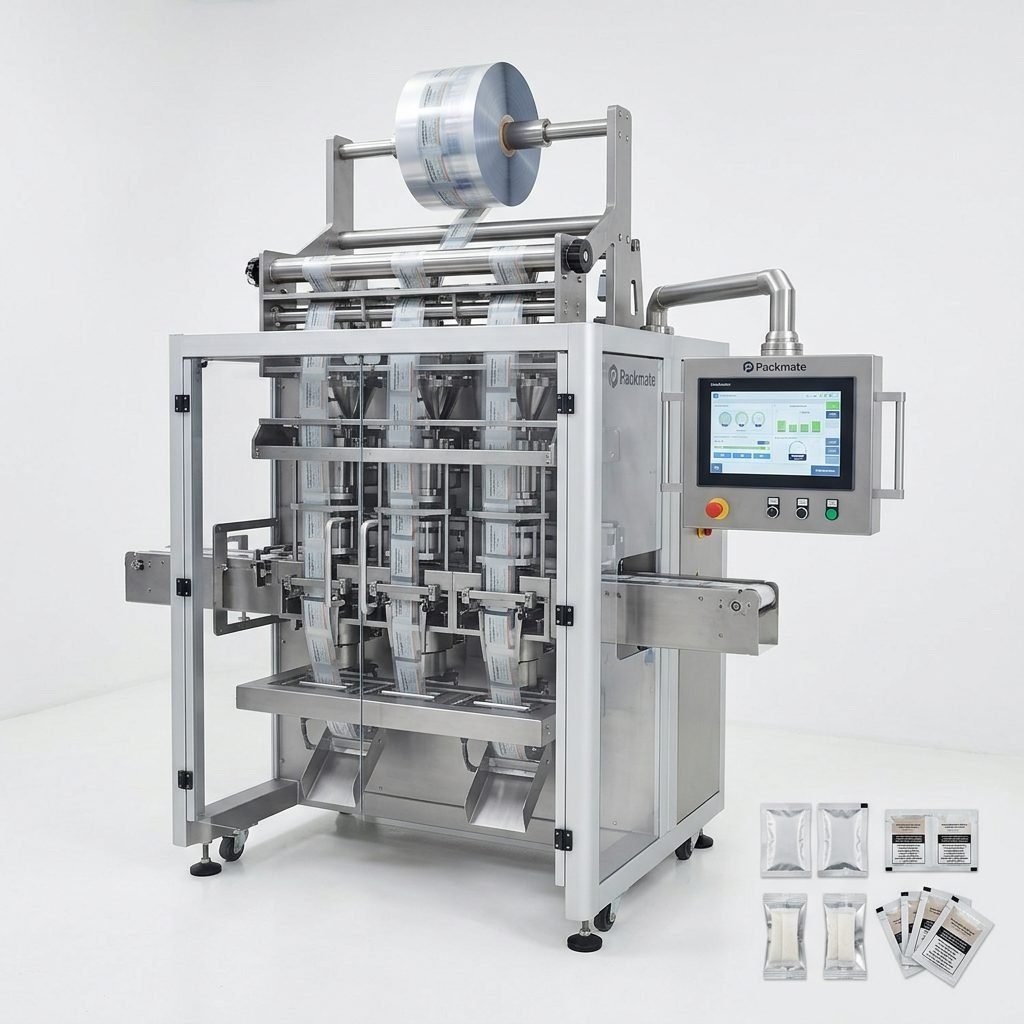
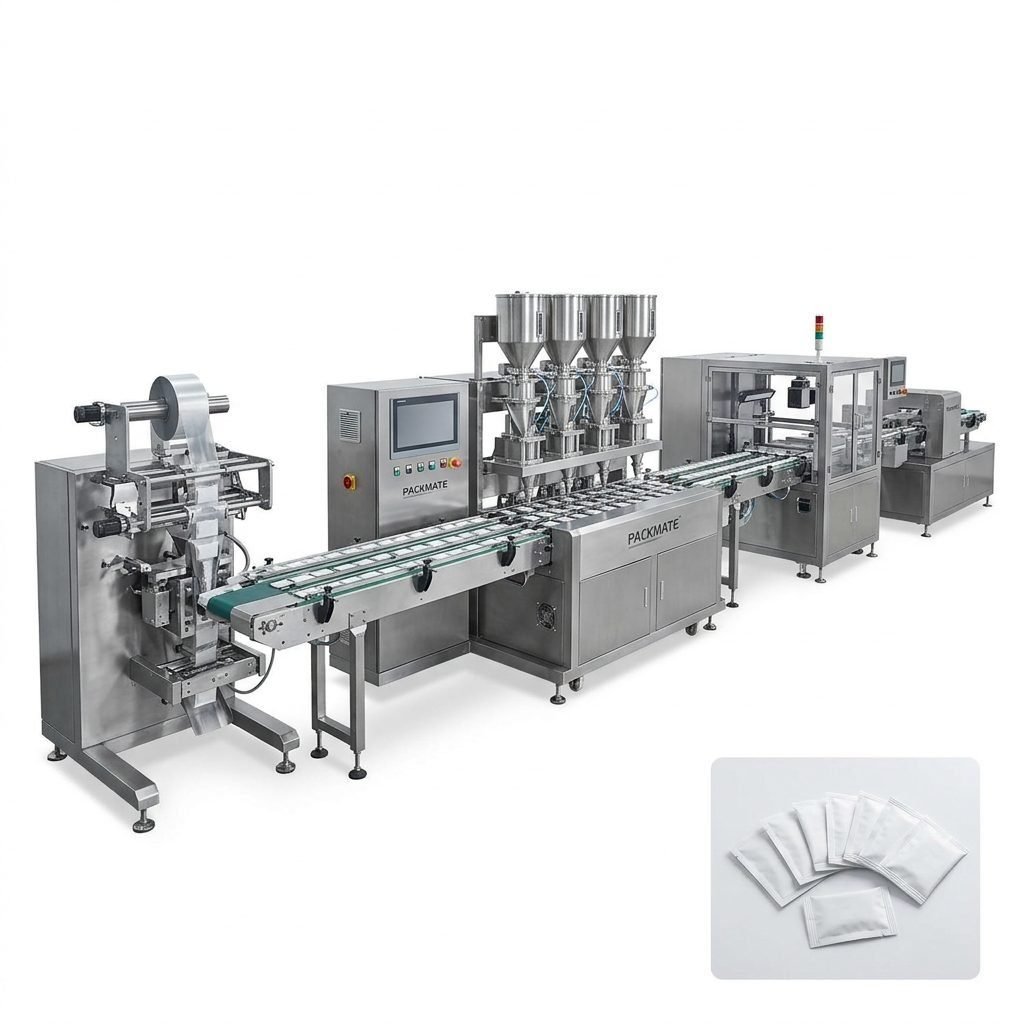
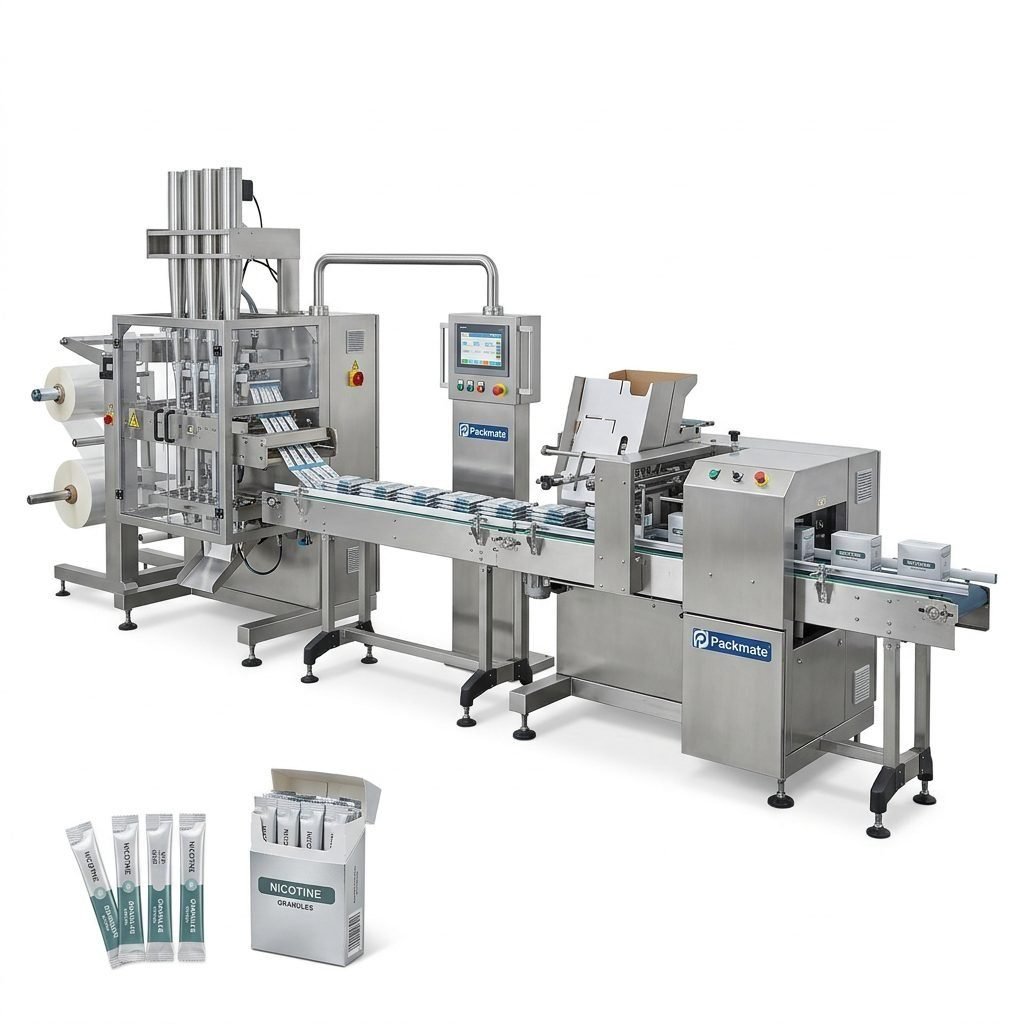
Your requirements may include stick pack, sachet, multi-lane nicotine pouch systems, weighing systems or full filling lines. A supplier offering multiple models and customization options allows you to scale production or switch formats without changing vendors. Modular design and PLC-and-HMI-based controls aid future upgrades and recipe management.
3. Factory Capability and Quality Control
Verify the supplier’s manufacturing footprint, CNC capabilities, and quality testing procedures. A modern factory with precision assembly lines and documented testing protocols reduces the risk of downtime and ensures repeatable performance for small-dose pouch production.
✅ Must ask: Request factory photos, a list of inspection tests, and details on spare parts availability for at least 3 years.
4. Certifications and Conformity
Confirm CE, ISO, and relevant hygiene or safety certifications. Certified machines are easier to clear through customs and more likely to meet EU safety expectations. Ask for certificates and ensure they’re up-to-date.
5. After-Sales Support and Spare Parts
In Lithuania, the availability of fast, knowledgeable technical support is a competitive advantage. Evaluate response times, remote troubleshooting capabilities, and the supplier’s spare parts inventory policy. Consider suppliers who can offer remote diagnostics and local service partners or fast shipping of critical spares.
6. Total Cost of Ownership (TCO)
Beyond the purchase price, calculate installation costs, training, spare parts, consumables, energy use, and expected lifetime. A slightly higher initial investment can pay off if machines are more efficient, require fewer interventions, and deliver consistent yields.
Technical and Operational Questions to Ask Every Supplier
When speaking with potential suppliers, have a checklist of technical questions ready. These will help you compare proposals on an apples-to-apples basis.
- What are the standard and maximum speeds for the model we’re evaluating?
- Can we see performance data or videos showing the machine running with similar materials?
- What tolerances and fill accuracies can you guarantee for small-dose pouches?
- How modular is the design for format changeovers and multi-lane expansion?
- What are the installation, training, and commissioning timelines?
⚠️ Note: Ask for a site acceptance test plan (SAT) and a factory acceptance test (FAT) report before shipment — these documents protect your investment.
Why a Specialized Supplier Matters: The Packmate Example
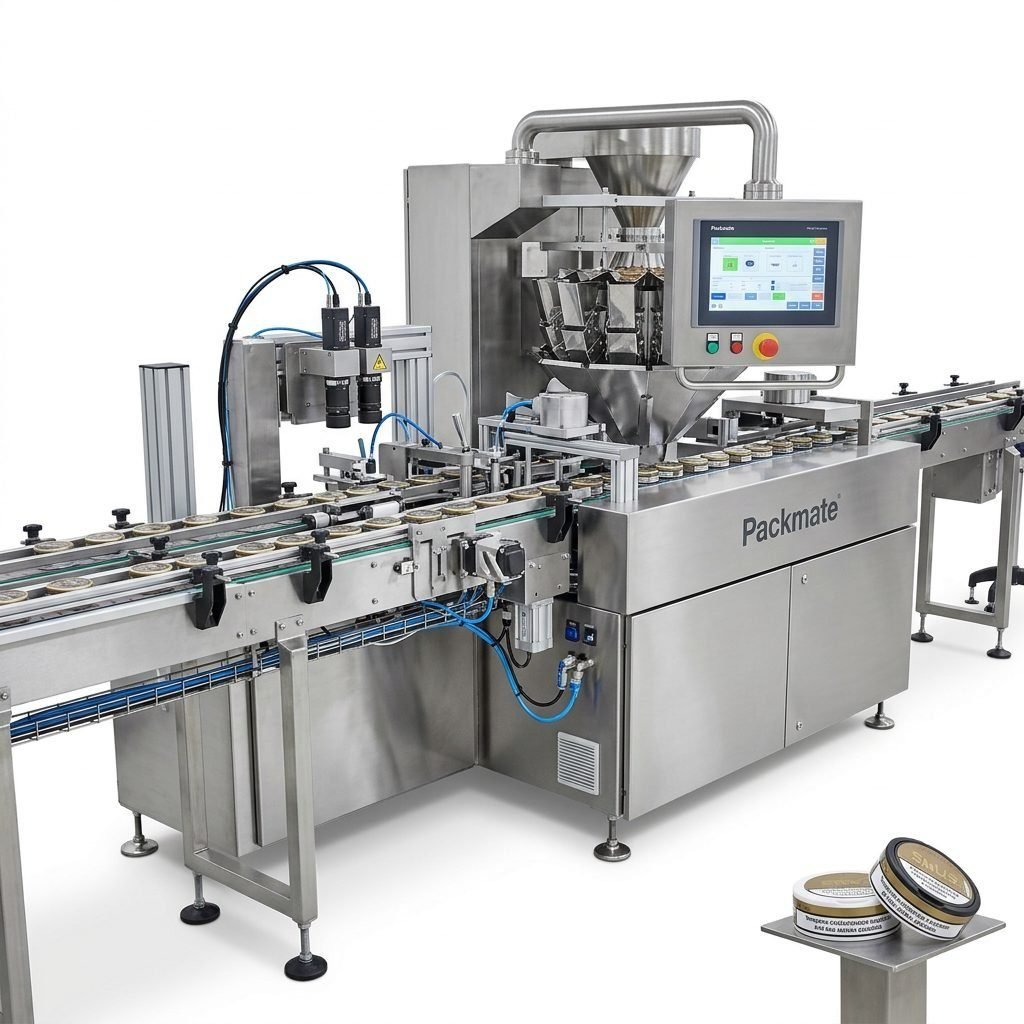
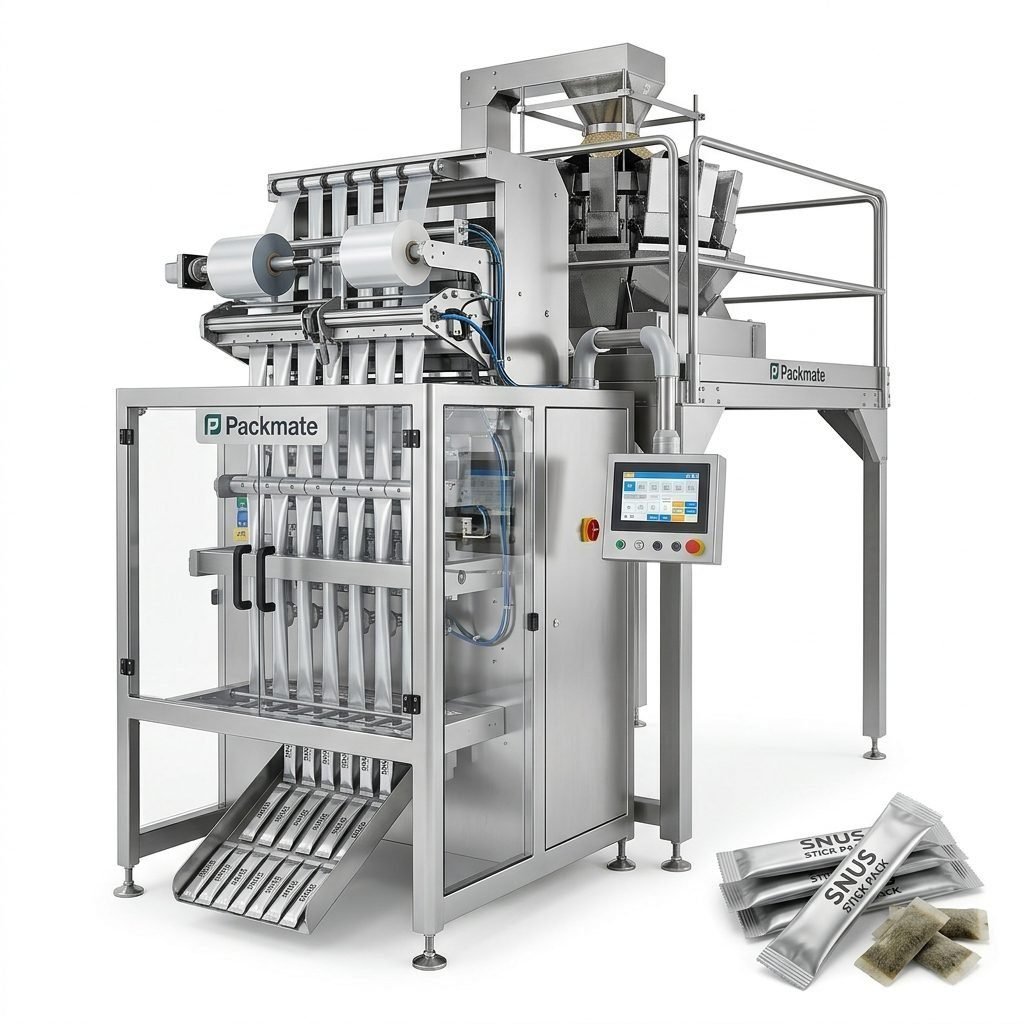
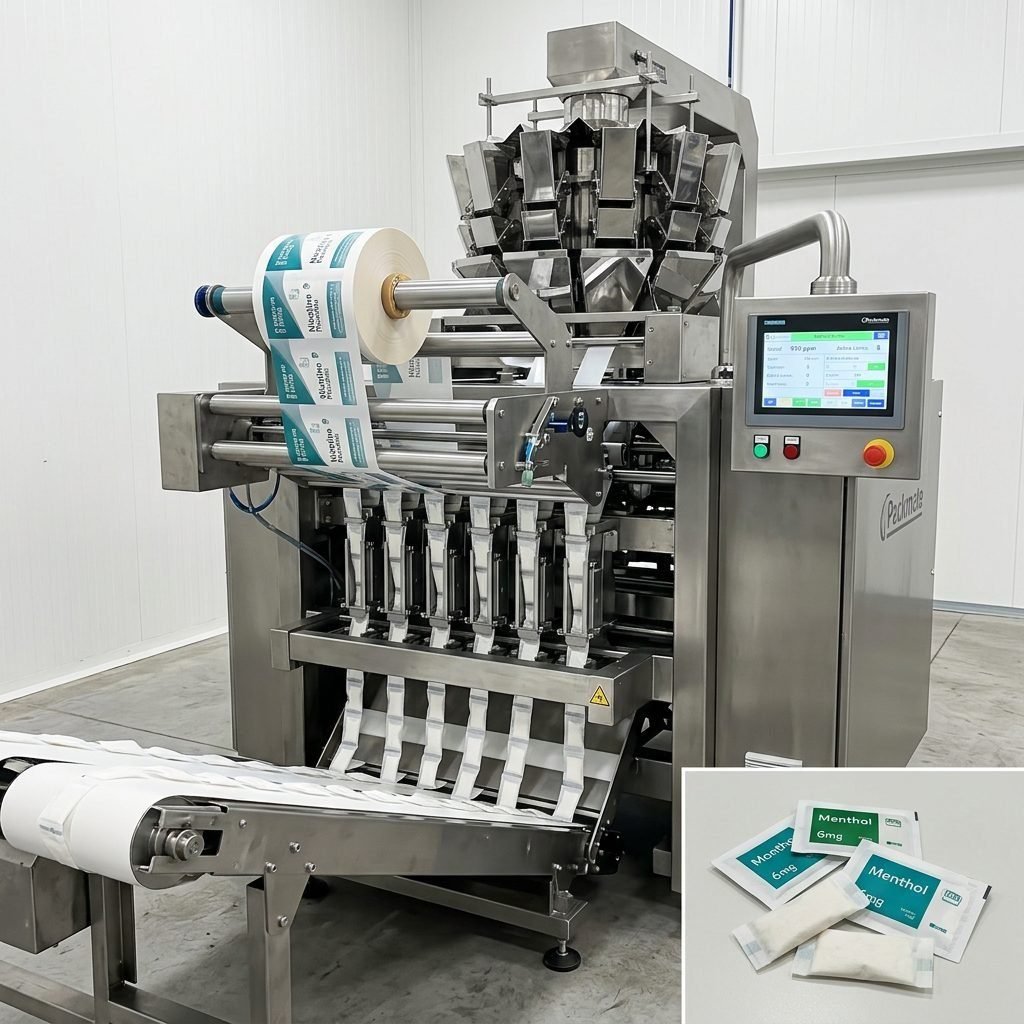
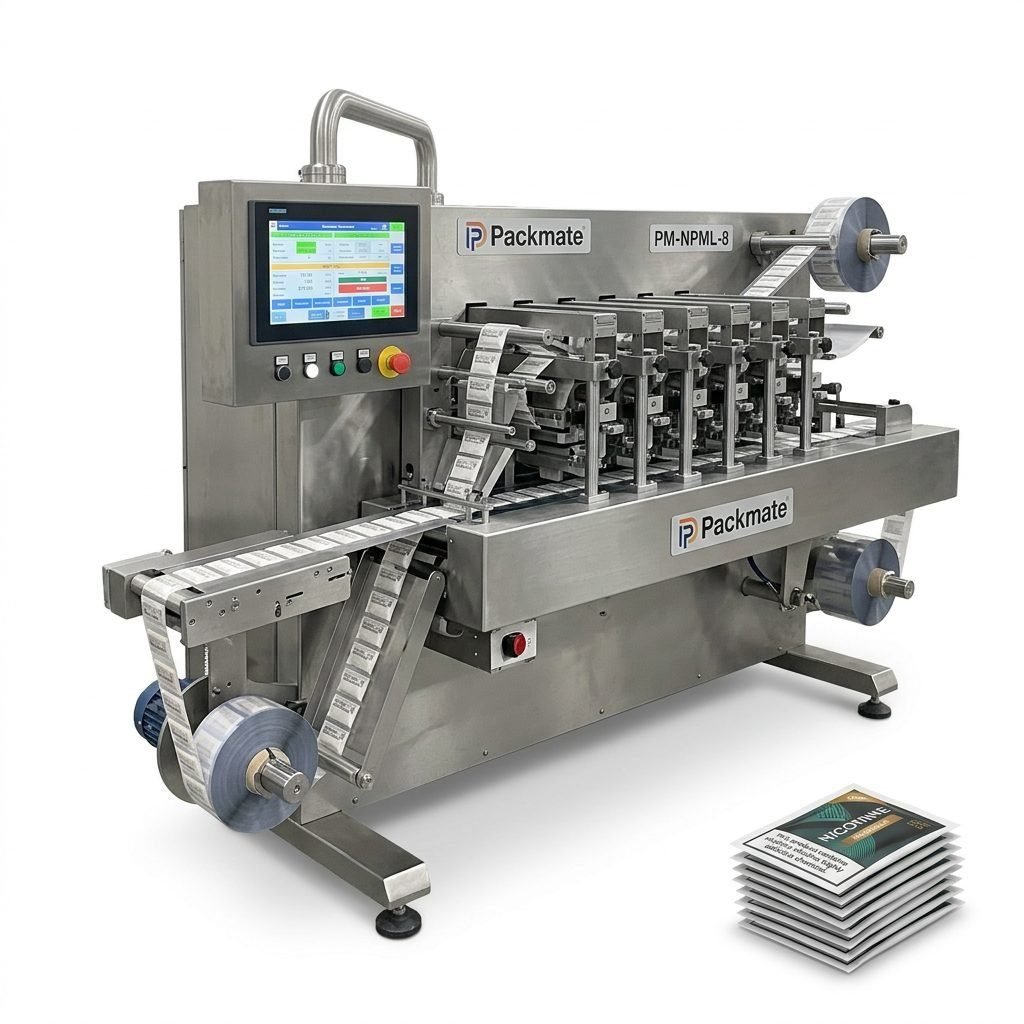
Suppliers focusing on snus and nicotine pouch packaging bring domain-specific design decisions that general packaging machine vendors might miss. For example, Packmate Snus Machine has over 30 years of experience delivering high-performance snus pouch packaging lines, including stick pack, sachet, and multi-lane systems. Their product range and factory capabilities can be explored to evaluate fit for Lithuanian operations:
– Snus & Nicotine Packaging Machines: https://www.snusmachinery.com/products/snus-nicotine-packaging-machines/
– Bag & Pouch Packaging Machines: https://www.snusmachinery.com/products/bag-pouch-packaging-machines/
– About the manufacturer: https://www.snusmachinery.com/about-us/
Factory strength and global support
A supplier with a modern 20,000㎡ facility, advanced CNC capabilities, a range of machine models, and experience in turnkey lines is better positioned to meet complex needs and deliver consistent quality. Look for suppliers that document their development timeline, certifications, and exhibition presence — these elements signal transparency and global market trust.
Installation, Commissioning and Local Partnerships
Smooth installation requires planning. Confirm the supplier offers:
- Pre-shipment FAT and documented results
- On-site commissioning and training for operators and maintenance staff
- Clear electrical, pneumatic and foundation requirements
- Remote support and a service escalation path
If the supplier has local partners or can help arrange local installation crews in Lithuania, that is a significant advantage for faster ramp-up and compliance with local standards.
Logistics, Shipping, and Customs Considerations
Large packaging lines require careful logistics planning. Confirm whether the supplier handles:
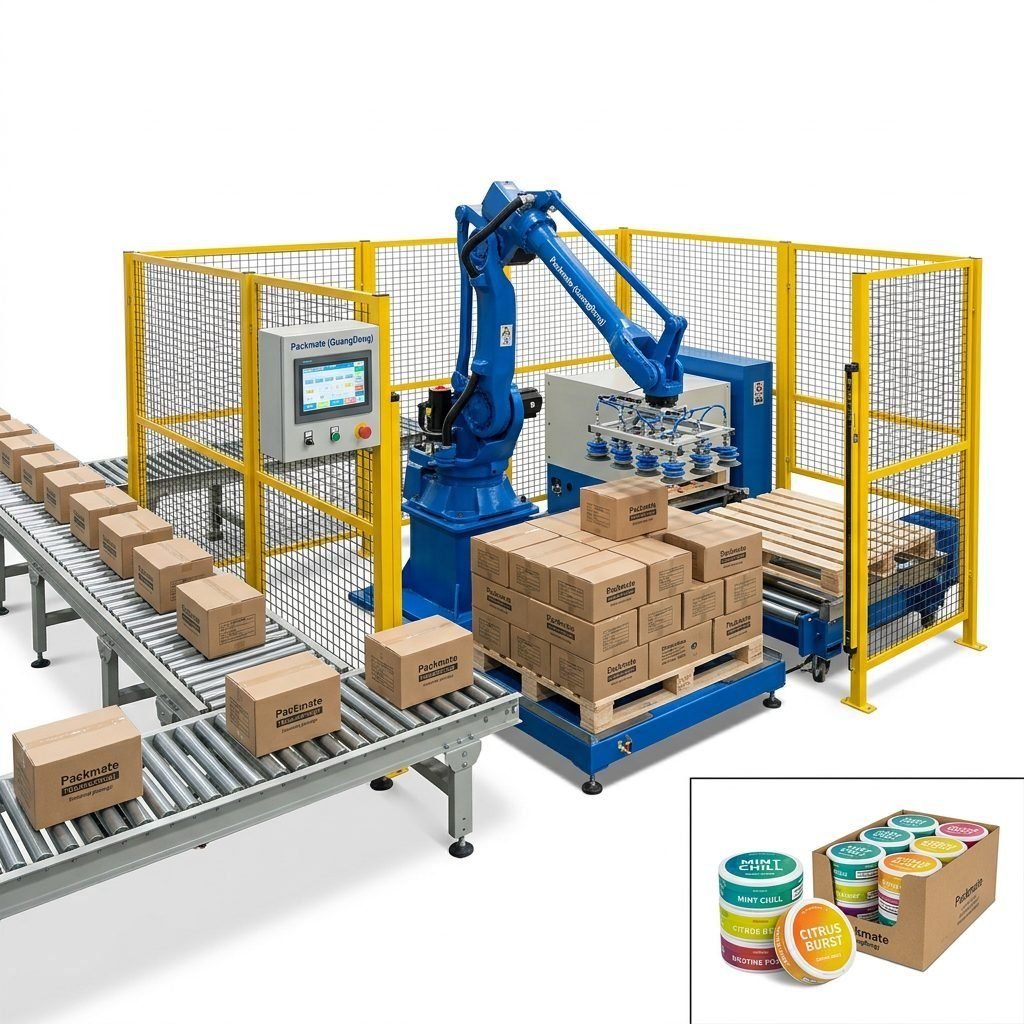
- Packing for sea/air transport and shock protection
- Assistance with customs documentation and CE declarations
- Insurance options during transit
🔶 Logistics tip: Request a full packing list and weight/volume breakdown to prepare local freight and handling in Lithuania.
Training, Documentation and Knowledge Transfer
Comprehensive documentation (operation manuals, electrical drawings, spare parts lists) and structured operator training are critical. Verify language options for manuals — Lithuanian or English documentation improves operator safety and reduces errors on the line.
Financing, Warranty and Aftercare
Ask about warranty length, scope (parts and labor), and whether extended warranties or service contracts are available. Some suppliers provide financing options or leasing which can ease capital expenditure burdens.
Final selection checklist
Use this quick checklist to compare proposals:
- Technical fit: Do machine specs meet your output, accuracy, and format needs?
- Compliance: Are CE, ISO and material contact certifications provided?
- Support: Is on-site commissioning and remote support guaranteed?
- TCO: Have you evaluated energy, spare parts, downtime, and consumables?
- References: Can the supplier provide relevant case studies or customer contacts?
Useful links and next steps
When you’re ready to evaluate suppliers and request quotes, prepare a clear Request for Quotation (RFQ) that includes product specs, desired throughput, packaging formats, and regulatory constraints. For reference on machine models and capabilities, start with product pages and contact forms:
– Filling & Packaging Lines: https://www.snusmachinery.com/products/filling-packaging-lines/
– Contact the manufacturer for quotations and service details: https://www.snusmachinery.com/contact-us/
– Review real-world installations and references: https://www.snusmachinery.com/case/
✅ Action step: Prepare a one-page summary of your product (format, net weight, desired output, and regulatory notes) to speed up meaningful vendor replies.
Conclusion
Selecting the best nicotine packaging machinery supplier for Lithuania requires combining technical assessment, regulatory due diligence, and local operational readiness. Prioritize suppliers with proven snus/nicotine pouch expertise, strong factory capabilities, clear certification, and a commitment to after-sales support. By following the selection checklist above and engaging with suppliers who provide transparent documentation and local assistance, you’ll minimize risk and accelerate your production start-up.
Frequently Asked Questions
Q1: How important is CE certification for machines imported into Lithuania?
A1: CE certification is very important — it demonstrates conformity with EU safety and machine directives and simplifies customs clearance and local compliance reviews.
Q2: Can suppliers help with local installation and operator training in Lithuania?
A2: Many established suppliers offer on-site commissioning and training. Confirm language options and whether they use local partners to reduce travel time and costs.
Q3: What lead time should I expect for a custom multi-lane nicotine pouch line?
A3: Lead times vary by complexity, but plan for several months from order to delivery for custom multi-lane systems. Confirm FAT/SAT schedules up front.
Q4: How do I verify a supplier’s spare parts availability?
A4: Request a spare parts list, stock levels for critical components, and guaranteed shipping timelines. Ask about kits for routine wear parts.
Q5: Where can I see real machine examples and references?
A5: Request case studies and visit exhibition appearances or video demos. You can also view product lines and cases on the supplier’s website to validate their global experience.