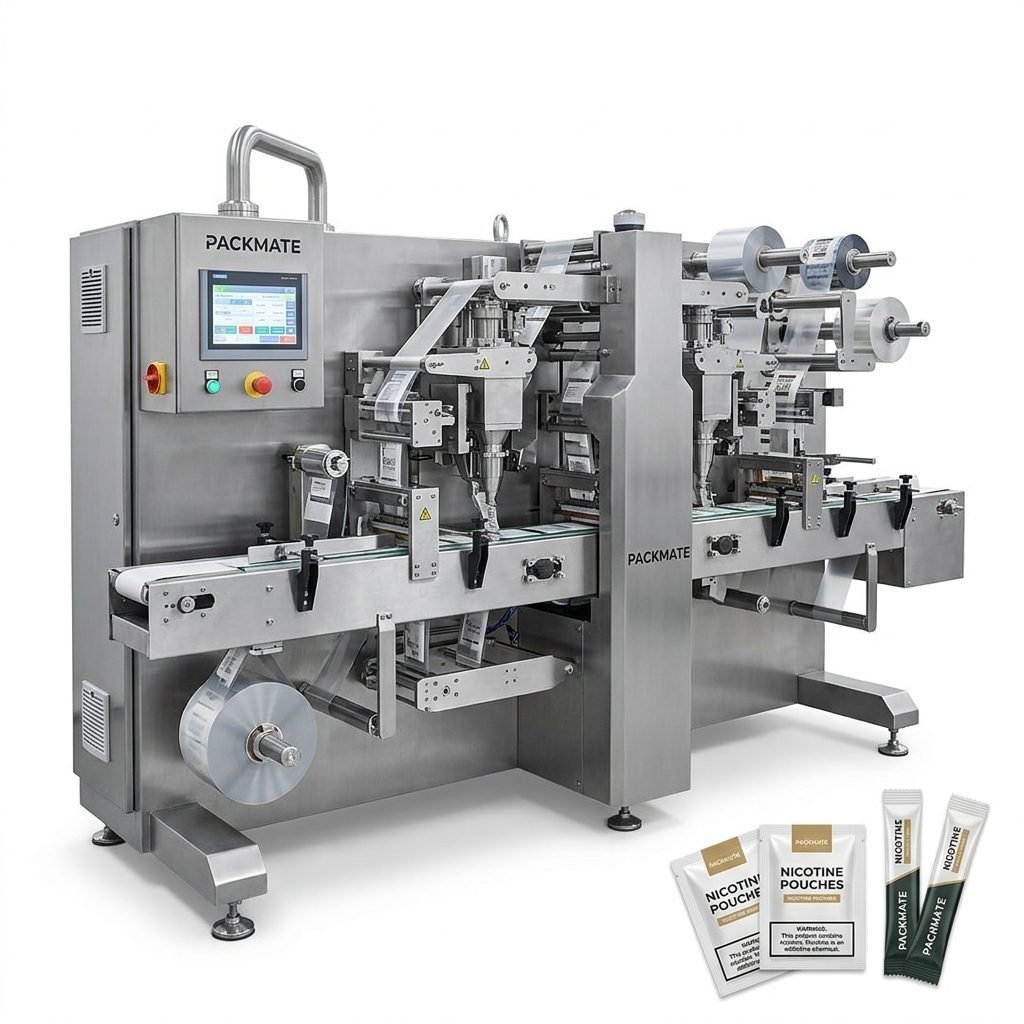
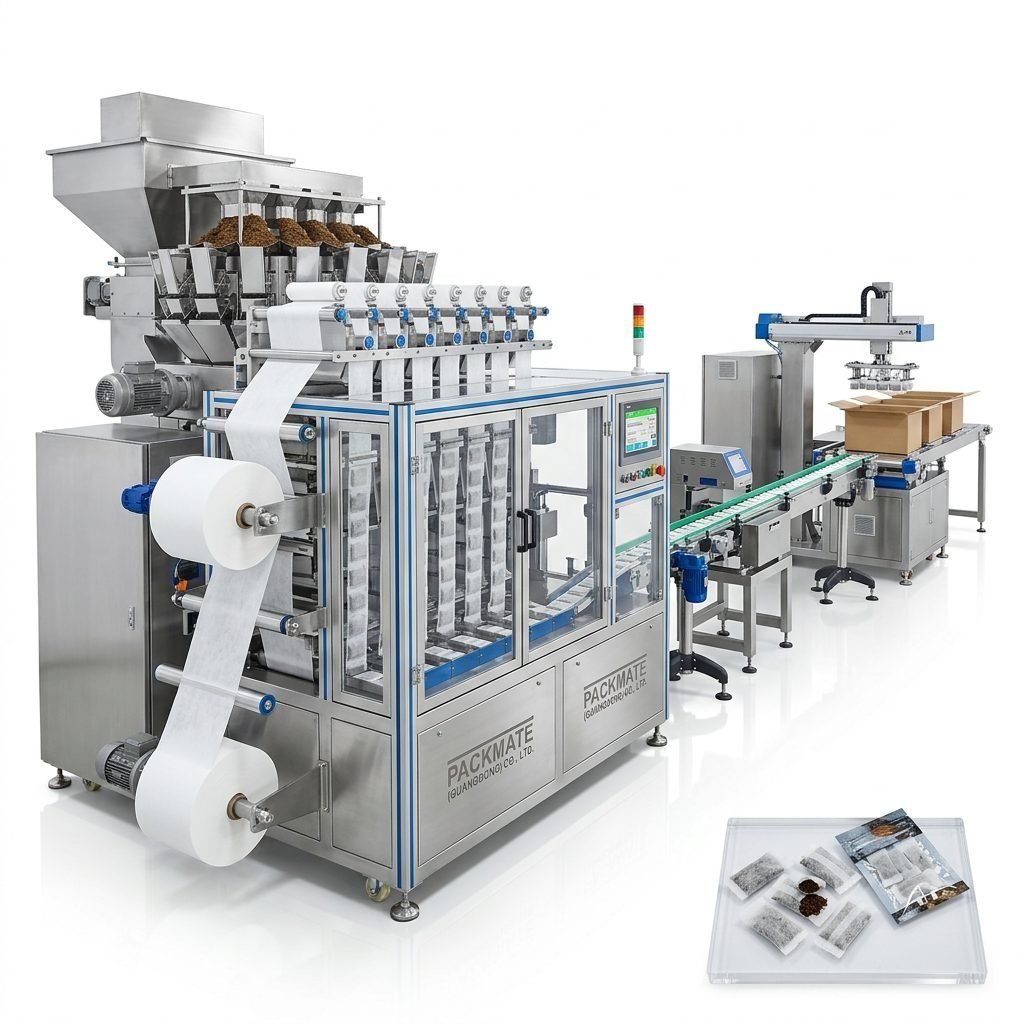
Choosing the right nicotine packaging machinery supplier in Chile can determine the speed, compliance, and profitability of your business. Whether you are launching a nicotine pouch brand, expanding production, or replacing aging equipment, the selection process should balance technical performance, local regulatory needs, reliable service, and long-term partnership. This guide explains what to evaluate, which questions to ask, and how to get the most value from suppliers like Packmate Snus Machine when operating in the Chilean market.
Understand the Chilean Market and Local Preferences
Chilean consumers and regulatory authorities have specific expectations. Business culture values personal relationships and trust; many buyers prefer suppliers who offer Spanish-speaking support, clear documentation, and on-site training. Additionally, Chile enforces product safety and import regulations — you should verify compliance with local health and packaging rules before committing to a machine purchase. Keep in mind that logistics and customs in South America may introduce longer lead times, so strong local coordination is critical.
Key local considerations
🔍
Regulatory alignment: Confirm that your supplier can deliver machines compliant with international standards (CE, ISO) and provide documentation suitable for Chilean import and health reviews.
🤝
Local support: Spanish-speaking technicians and training materials dramatically reduce onboarding time and help build trust with production staff.
🚚
Logistics & spare parts: Plan for spare-part availability and customs lead times to avoid long production interruptions.
Top Criteria to Evaluate a Nicotine Packaging Machinery Supplier
When selecting a supplier, evaluate across technical capability, company stability, service network, and cost-effectiveness. Use the checklist below during vendor comparisons to make objective decisions.
Technical and Product Capabilities
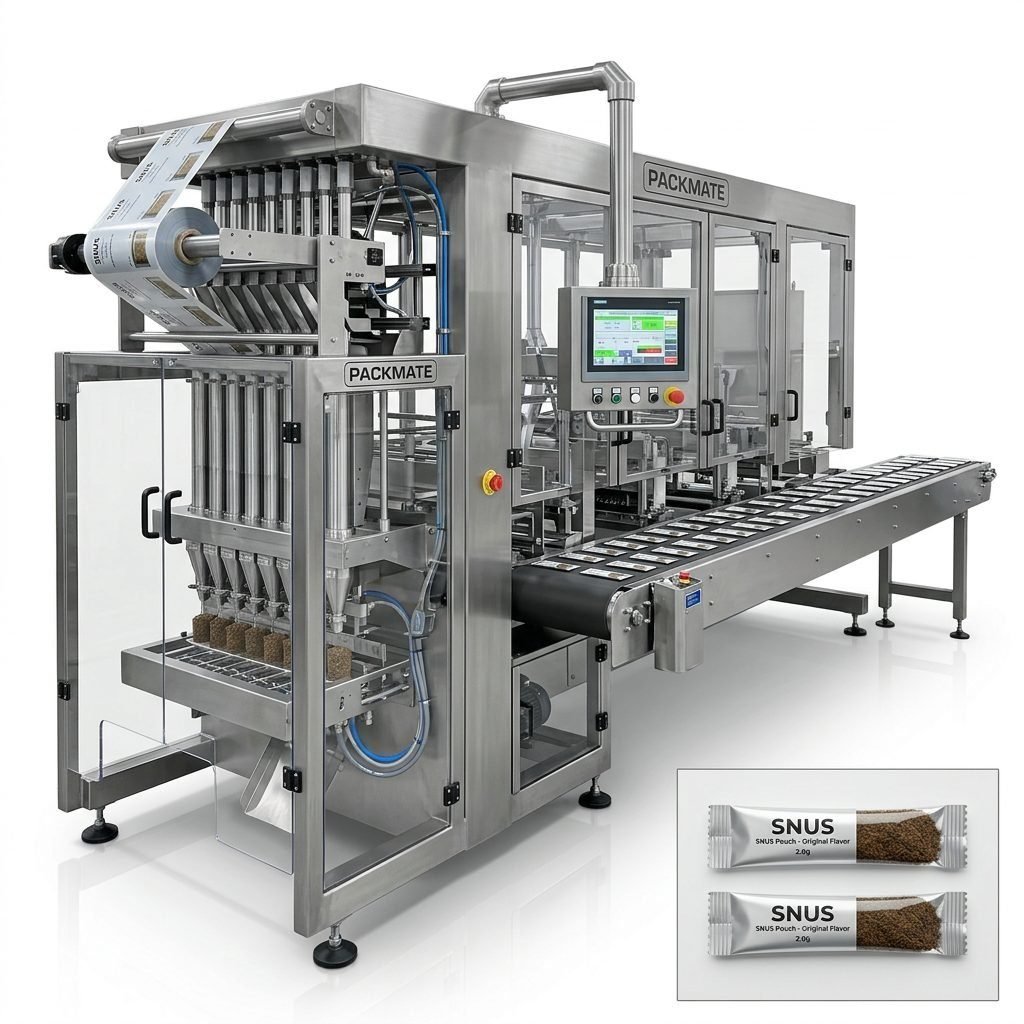
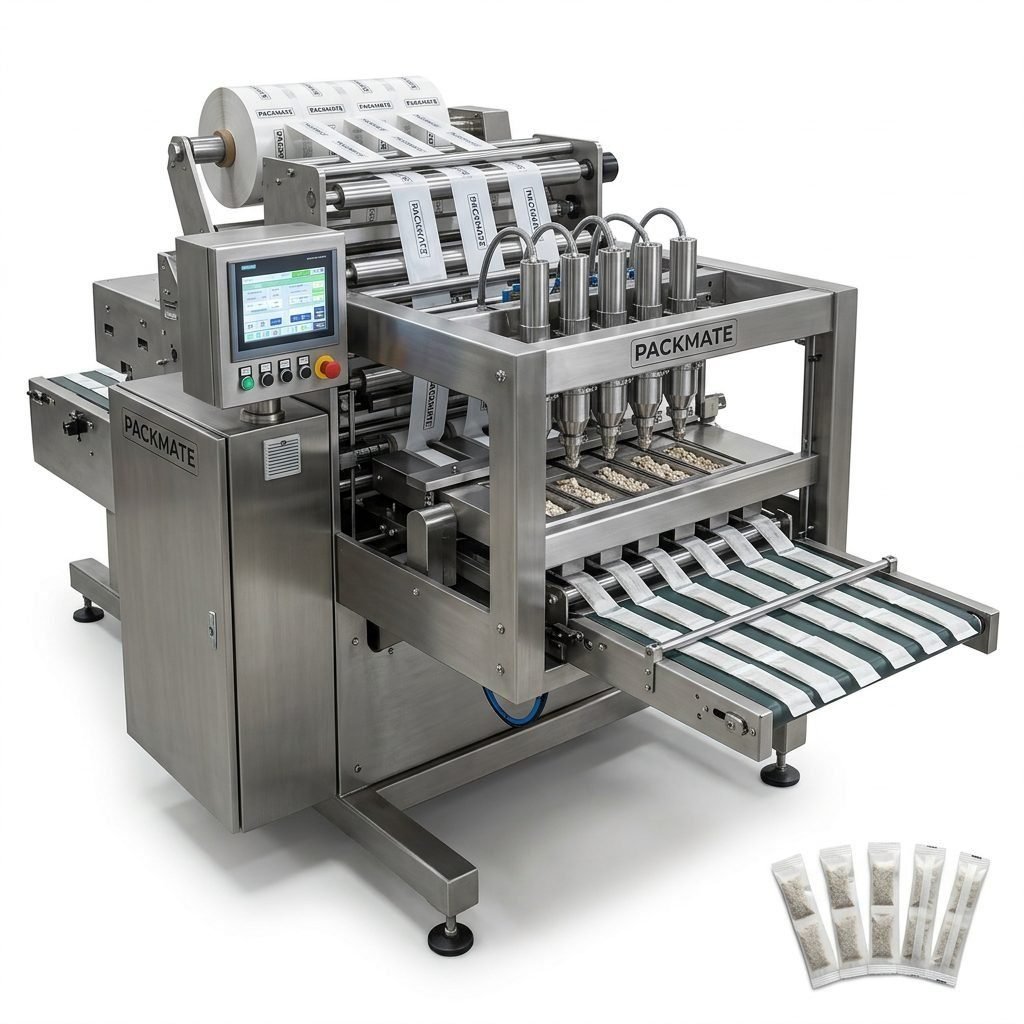
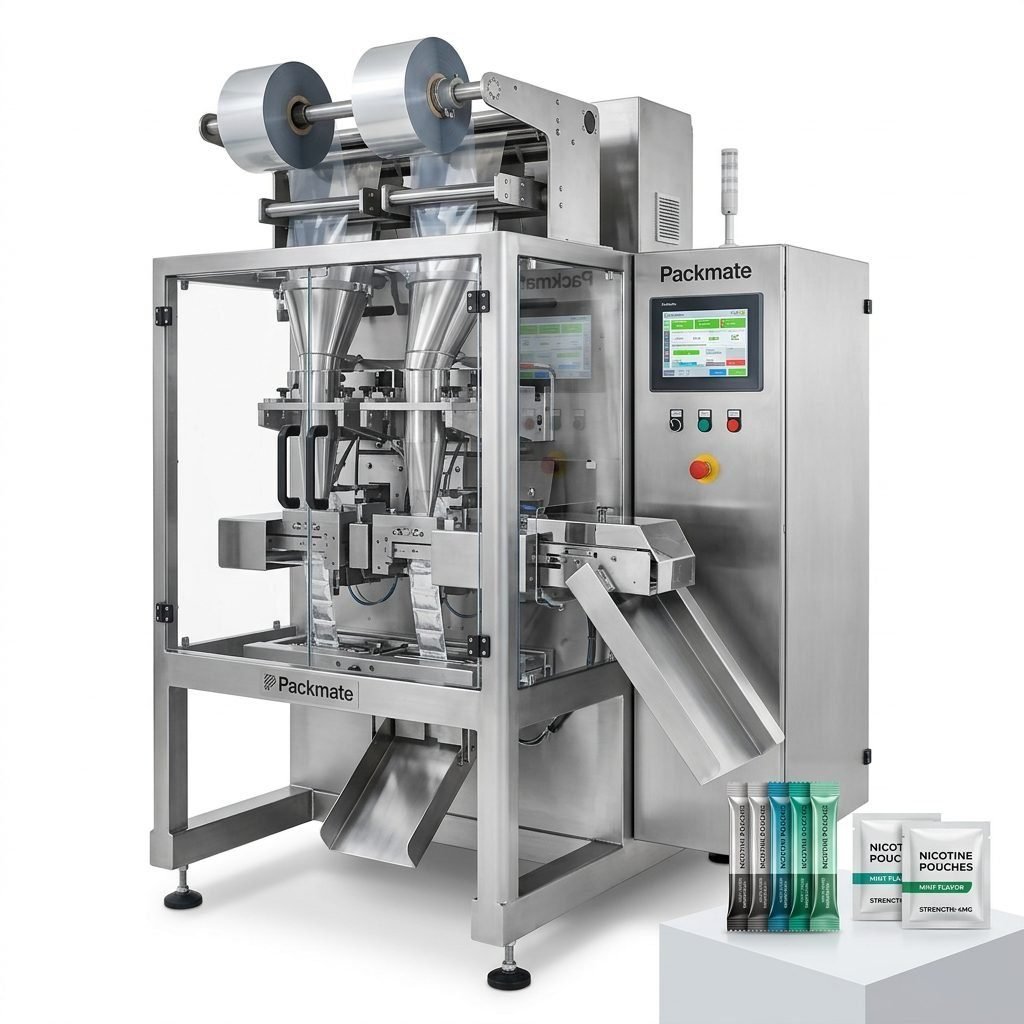
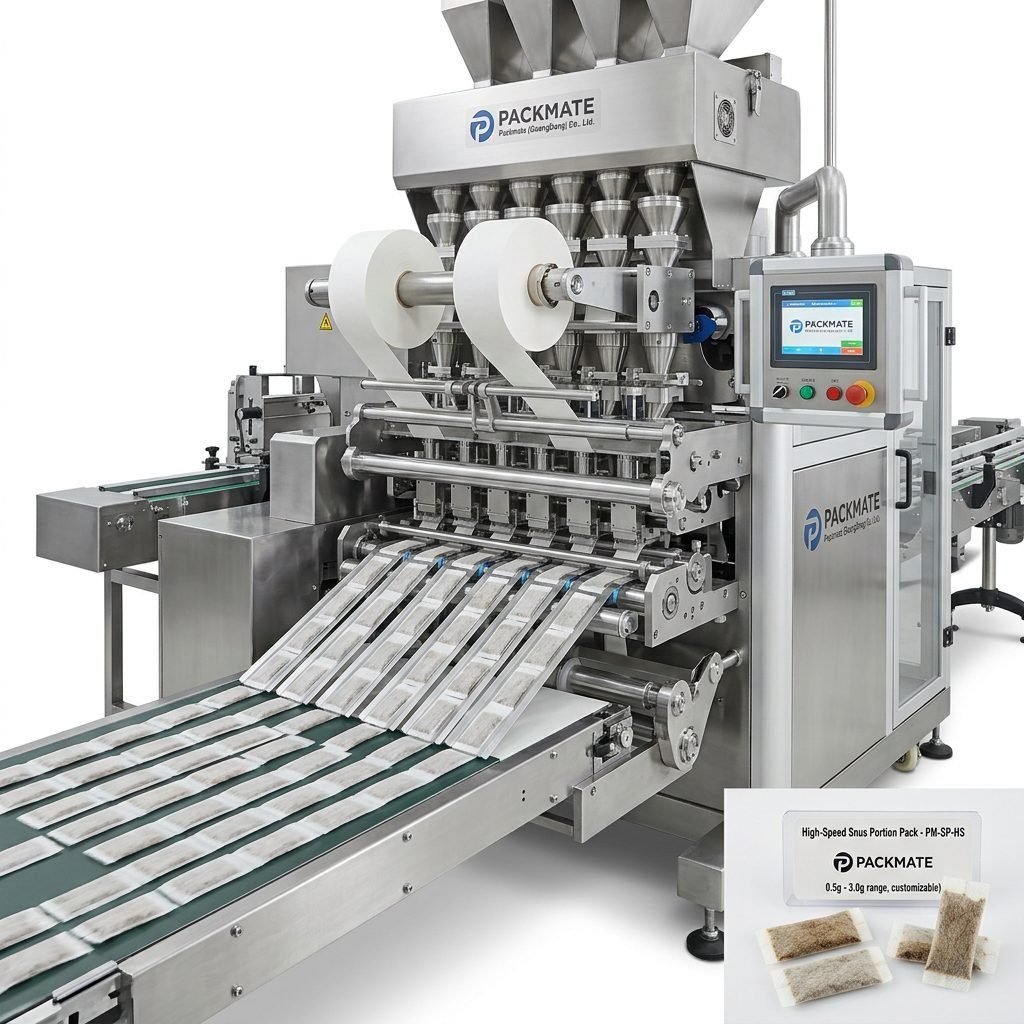
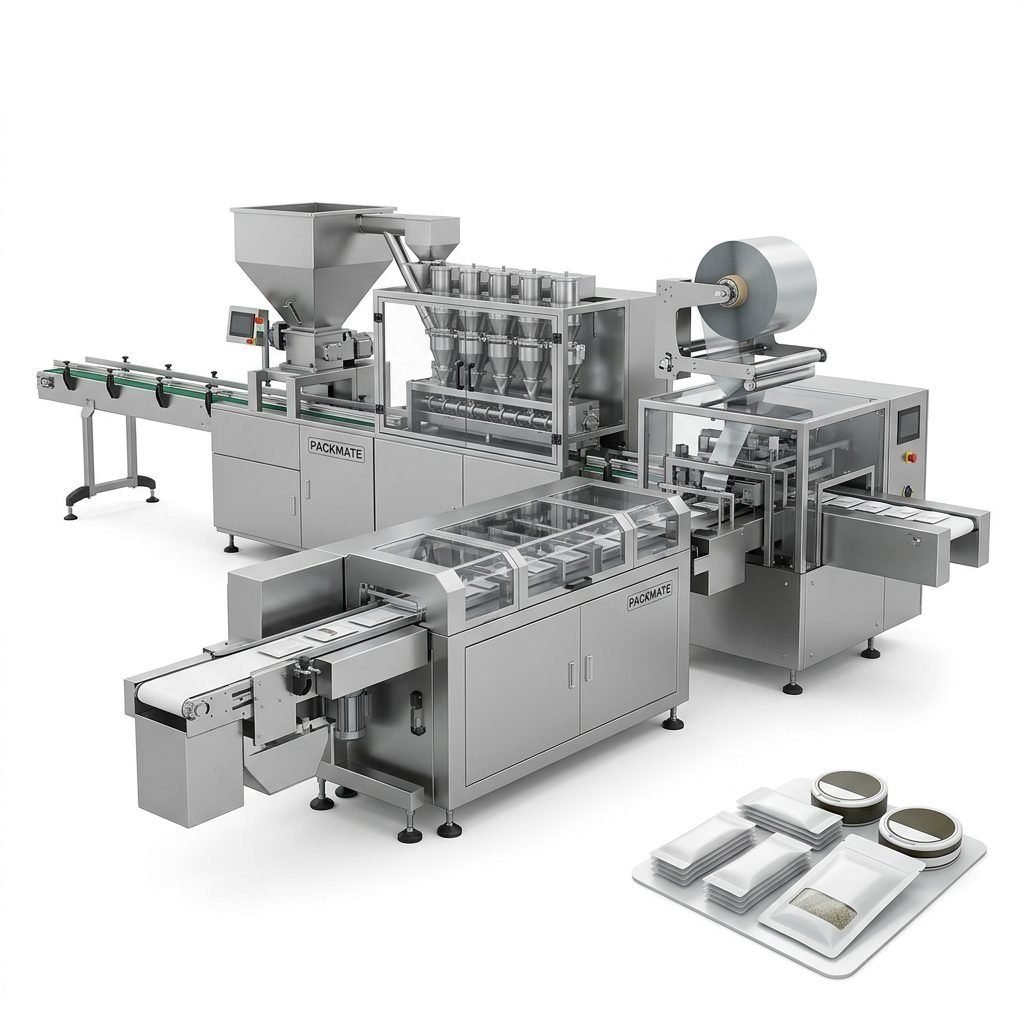
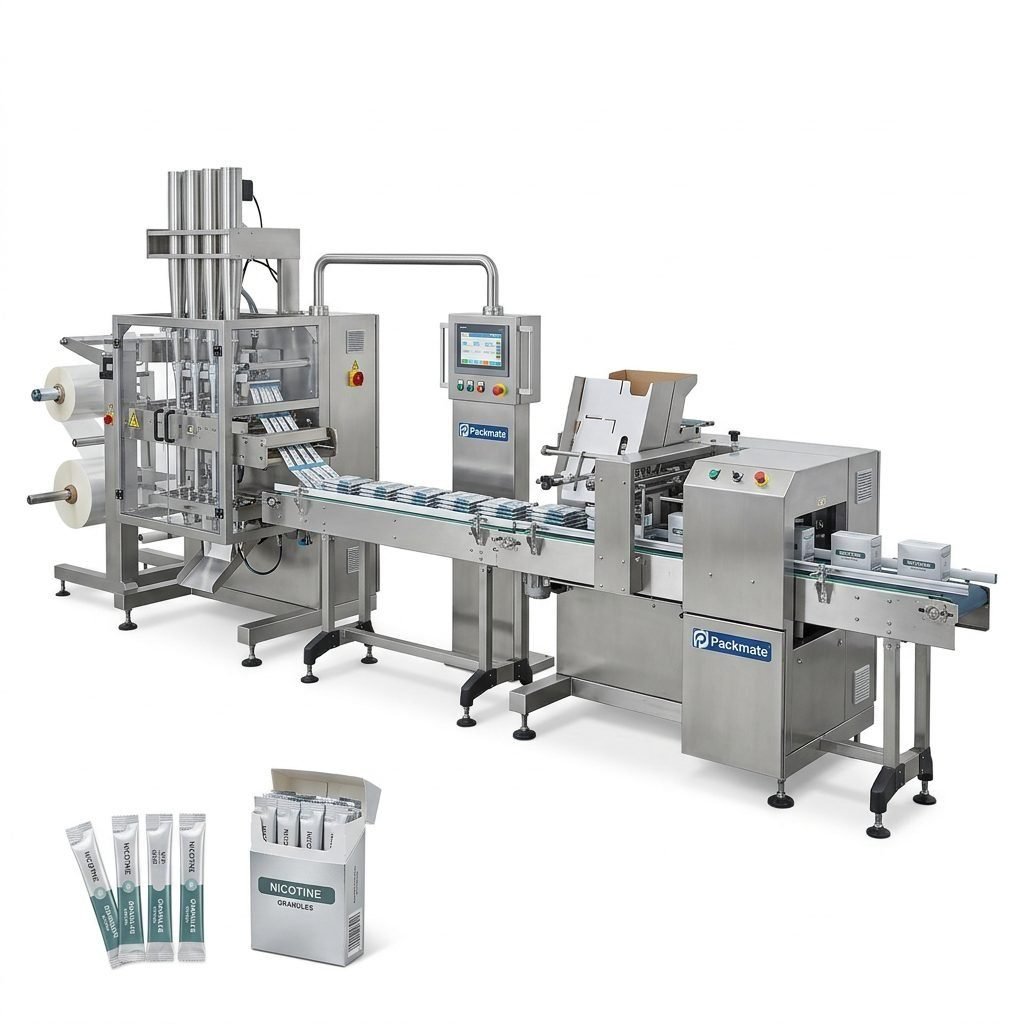
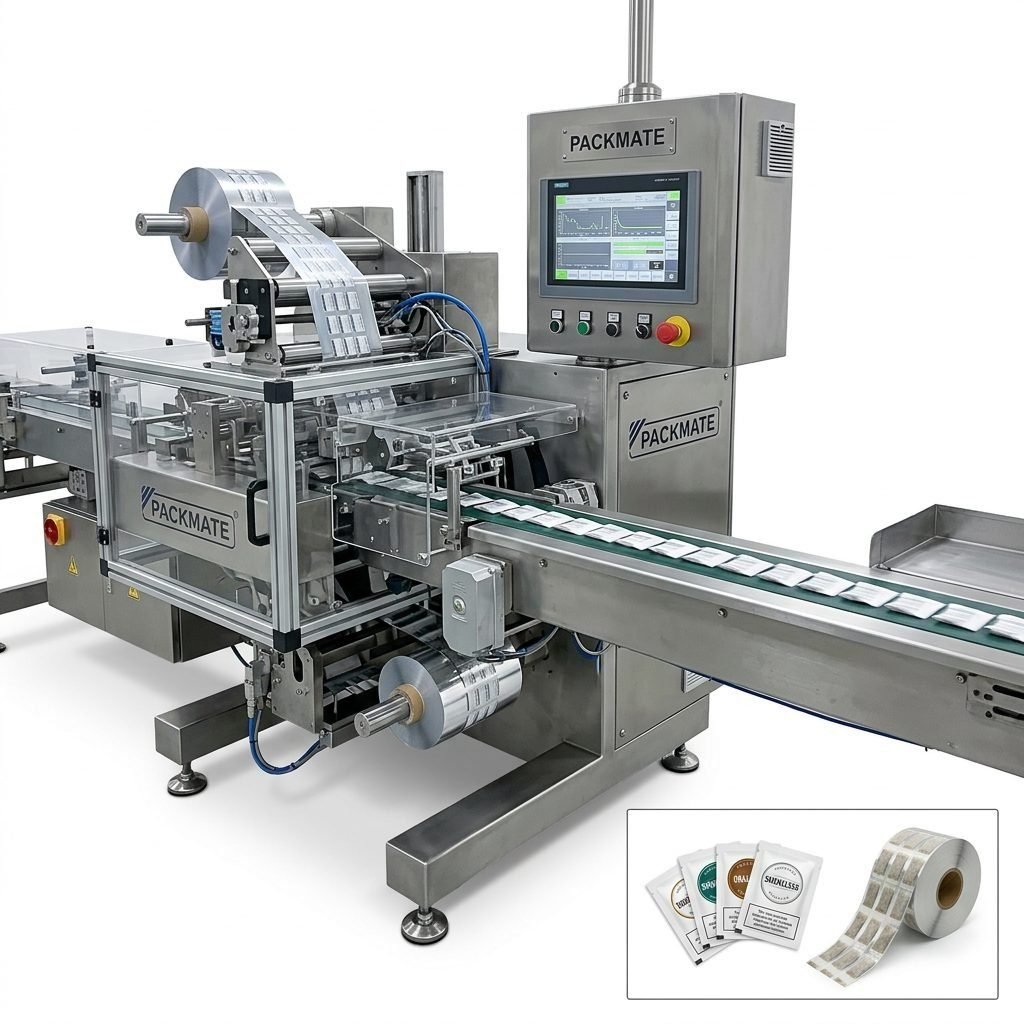
Look for suppliers that offer proven solutions for nicotine pouches and snus, such as precision multi-lane pouch machines, powder dosing systems, and modular lines that can scale with your business. Suppliers with a wide model range and customization options can adapt to different pouch sizes, materials, and production speeds.
- ✓ Proven multi-lane systems for small-dose pouch packaging.
- ✓ Accurate weighing and dosing integration for nicotine consistency.
- ✓ Materials handling compatible with tobacco-free nicotine and hygroscopic blends.
Company Track Record and Certifications
Choose suppliers with decades of engineering experience, documented project cases, and relevant certifications. A manufacturer with a proven history reduces risk — they know how to handle production challenges and regulatory paperwork. For example, Packmate has over 30 years of industry experience and offers CE and ISO-compliant equipment, along with turnkey packaging lines across multiple industries.
Explore product ranges such as Snus & Nicotine Packaging Machines and assess whether the supplier has relevant case studies or exhibition demonstrations to validate performance.
Questions to Ask Potential Suppliers
❓
What is the machine’s production capacity and yield? Ask for real-world throughput figures and sample production results.
📄
Can you provide compliance documentation and test reports? Ensure documents are suitable for Chilean import/customs and health inspections.
🛠️
What support is included for installation and after-sales? Confirm language capabilities, remote support, and spare parts lead times.
Evaluate Manufacturing Strength and Customization
A supplier with a modern manufacturing facility and advanced CNC capabilities typically delivers more reliable and serviceable machines. Inspect their factory credentials, production capacity, and whether they offer tailored solutions such as multi-lane conveyor systems, custom pouches, and integration with weighing or secondary packaging systems.
Learn about the supplier’s factory size and equipment: for instance, manufacturers with a 20,000㎡ facility and multiple precision assembly lines can better guarantee consistent machine quality and faster turnaround.
Customization matters for nicotine pouch production
Nicotine products often require precise dose control, humidity management, and special packaging films. Ask if the supplier can provide tailored dosing units, humidity-controlled conveyors, and film handling registers that reduce pouch defects and preserve product quality.
Assess Service, Warranty, and Training
For long-term operations in Chile, prioritize suppliers who commit to comprehensive service: pre-shipment FAT (Factory Acceptance Testing), on-site installation, operator training in Spanish, and a structured warranty with clear parts replacement policies.
- ⚙️ FAT and SAT procedures to validate performance before shipment and after installation.
- 📦 Clear spare-parts kits and recommended inventory levels for critical wear items.
- 🌐 Remote diagnostics and software updates to minimize downtime.
Financials, Delivery, and Risk Management
A competitive price is important, but total cost of ownership (TCO) matters more. Factor in installation, commissioning, spare parts, training, shipping, customs duties, and anticipated energy use. Negotiate payment terms and consider phased payments tied to delivery milestones and acceptance tests.
💡
Tip: Ask for a detailed proposal that breaks down TCO for 3–5 years, including expected maintenance intervals and spare-part consumption rates.
Factory Visits, References, and Case Studies
Request references and visit existing installations if possible. A credible supplier will share case studies, performance videos, and client testimonials. You can also check exhibition appearances and live demos to see machines in action. For more examples and project references, review supplier case materials and exhibition presence to validate reliability.
Visit the supplier’s case page or exhibition schedule to confirm live demos: Case and Our Exhibition.
Integration With Your Production Line
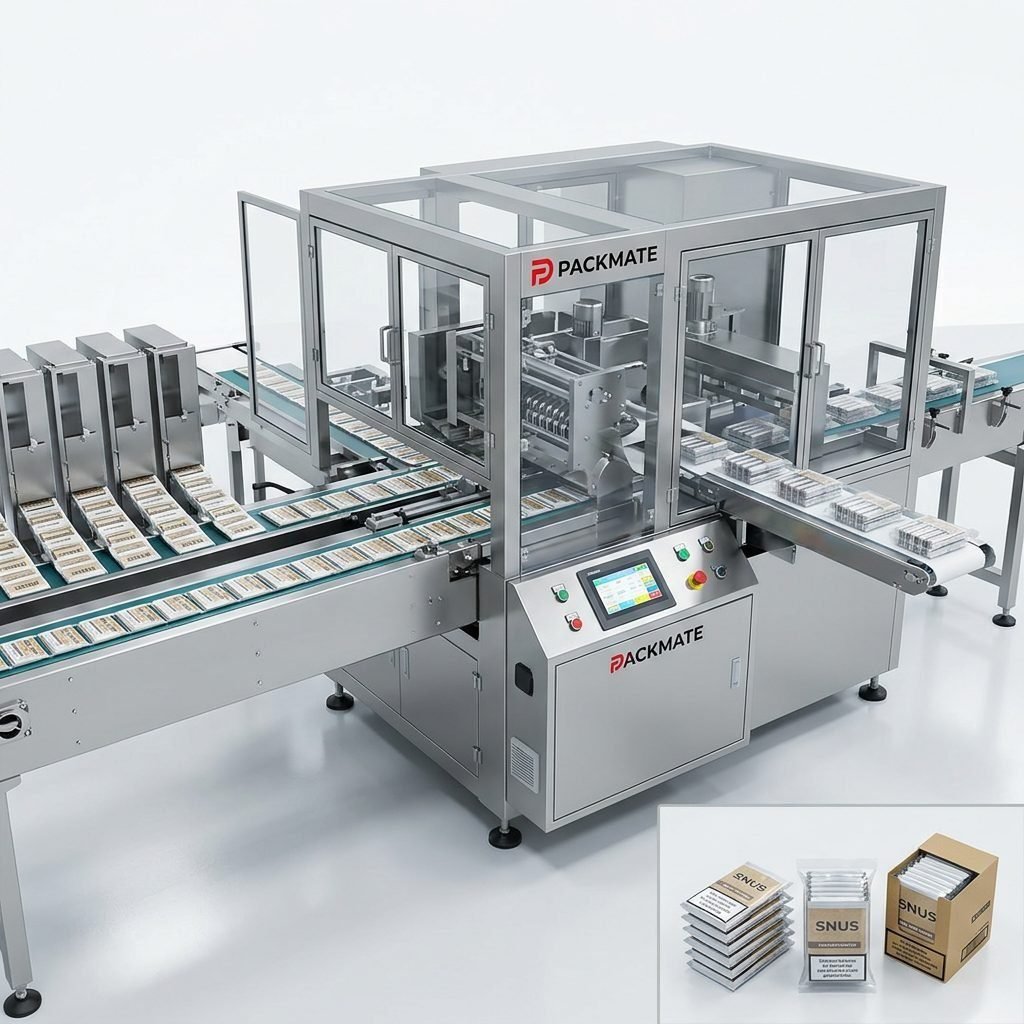
Nicotine pouch manufacturing typically involves multiple stages: pre-mixing, dosing, pouch forming/sealing, secondary wrapping, and case packing. Choose a supplier who offers complete filling & packaging lines and auxiliary equipment that integrate smoothly. This reduces interface issues and allows for synchronized control across the line.
Consider suppliers that provide modular solutions such as Weighing & Packaging Systems and Filling & Packaging Lines to streamline procurement and technical support.
Installation, Commissioning and Operator Training
Contractually define the supplier responsibilities for installation, commissioning, and operator training. Insist on Spanish-language manuals and training sessions to ensure Chilean operators can run and maintain equipment confidently. Confirm remote-training options and on-site follow-ups in the first months of production.
After-Sales Service and Spare Parts Strategy
Long-term uptime depends on quick access to spare parts and support. Negotiate a spare-parts package on purchase and establish SLAs for response time. Prioritize suppliers with global parts distribution or local partners to minimize downtime for your Chilean operations.
Checklist before signing
✔️ Detailed technical specification and guaranteed throughput.
✔️ FAT acceptance criteria and shipment hold points.
✔️ On-site Spanish training and documentation included.
✔️ Spare-parts kit and defined delivery time for replacements.
Why Packmate Might Be a Strong Candidate
Suppliers with long histories, large manufacturing facilities, and an established product range can be good partners for Chilean customers. Packmate Snus Machine, for example, offers over 30 years of engineering experience, a broad portfolio of nicotine and snus packaging machines, and factory capabilities that include advanced CNC machining and precision assembly lines. Learn more about the company background and certifications here: About Packmate and Certificate.
If you want to discuss specific machines or request a quote, use the supplier’s contact page to start a conversation: Contact Us.
Practical Steps to Finalize Your Decision
- Shortlist 2–3 suppliers based on technical fit and references.
- Request proposals with TCO breakdown, FAT criteria, and warranty terms.
- Conduct virtual or in-person factory visits and review case references.
- Negotiate payment milestones tied to performance and delivery.
- Plan a phased acceptance with training and spare parts stocked locally.
📌
Final reminder: Prioritize clear contracts that include FAT/SAT terms, language of documentation, and a defined spare-parts strategy to protect production continuity in Chile.
Next Steps
Start by collecting technical datasheets and arranging demonstrations. Compare supplier proposals mainly on availability of Spanish support, compliance documentation, and spare-part logistics. If you need turnkey line options that integrate filling, weighing and packaging, explore solutions that combine these modules into a single supplier offering to simplify responsibility and support.
Resources
For product details and further reading, review the supplier’s product categories such as Sachet & Stick Pack Machines and Bag & Pouch Packaging Machines.
Common Questions from Chilean Buyers (FAQs)
Q1: How long does delivery and installation usually take for a full packaging line?
Typical lead times depend on customization level, factory schedule, and shipping. Standard machines may be delivered in 8–14 weeks, while turnkey lines often take 12–24 weeks including FAT. Allow extra time for customs clearance and local installation planning in Chile.
Q2: What documentation is required for importing nicotine packaging equipment into Chile?
You will need commercial invoices, packing lists, CE/ISO certificates if applicable, testing reports, and user manuals. Suppliers who provide clear documentation and assist with export paperwork reduce delays at customs.
Q3: How can we ensure after-sales support in Spanish?
Confirm language availability during commercial negotiations, request Spanish manuals, and request a local or remote technical contact. Prioritize suppliers that offer on-site Spanish training at commissioning.
Q4: What spare parts should we stock locally to minimize downtime?
Stock critical wear parts such as sealing jaws, belts, dosing nozzles, sensors, and PLC spare modules. Ask your supplier for a recommended spare-parts kit and typical consumption rates based on your planned production volume.
Q5: Can suppliers provide references from Latin America or similar markets?
Yes. Request references and case studies that show performance in similar climates and regulatory environments — suppliers with proven projects across Europe, Asia, and the Americas often have transferrable experience for Chilean operations.