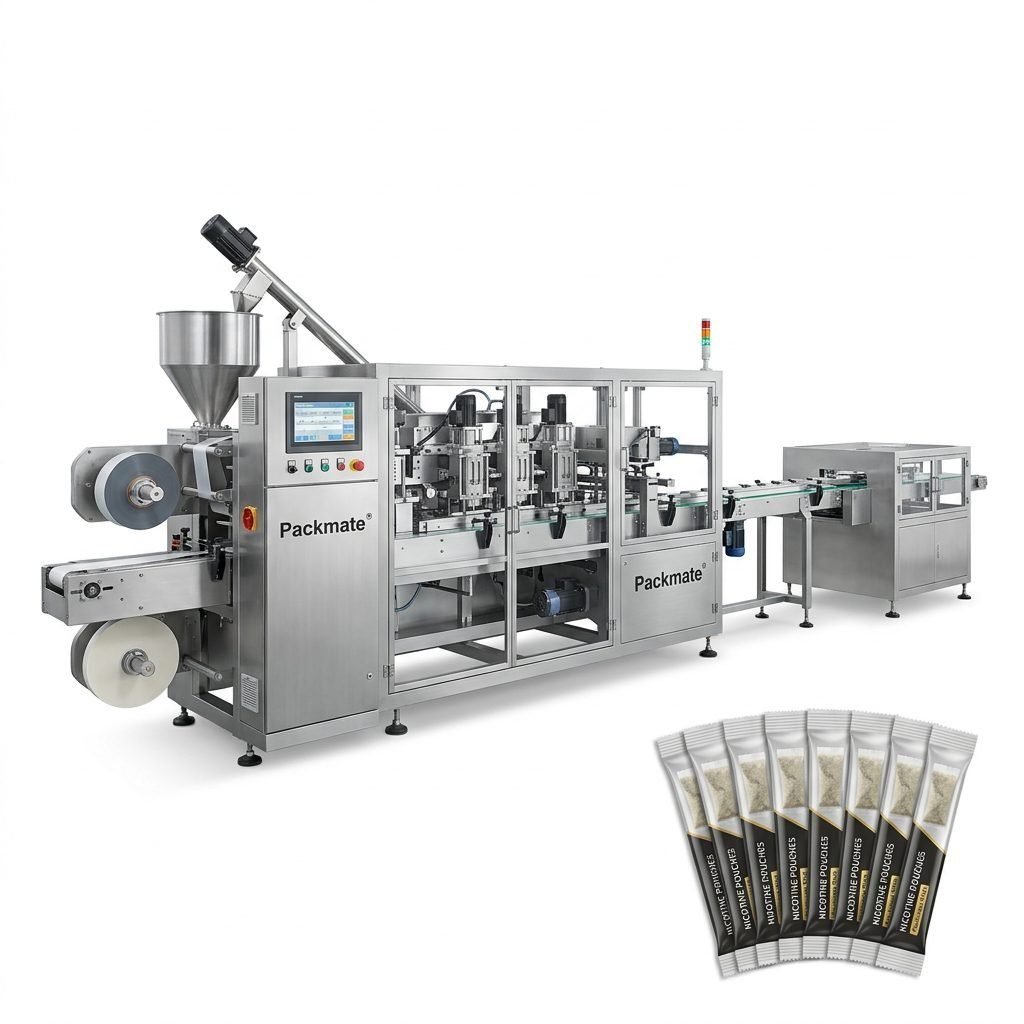
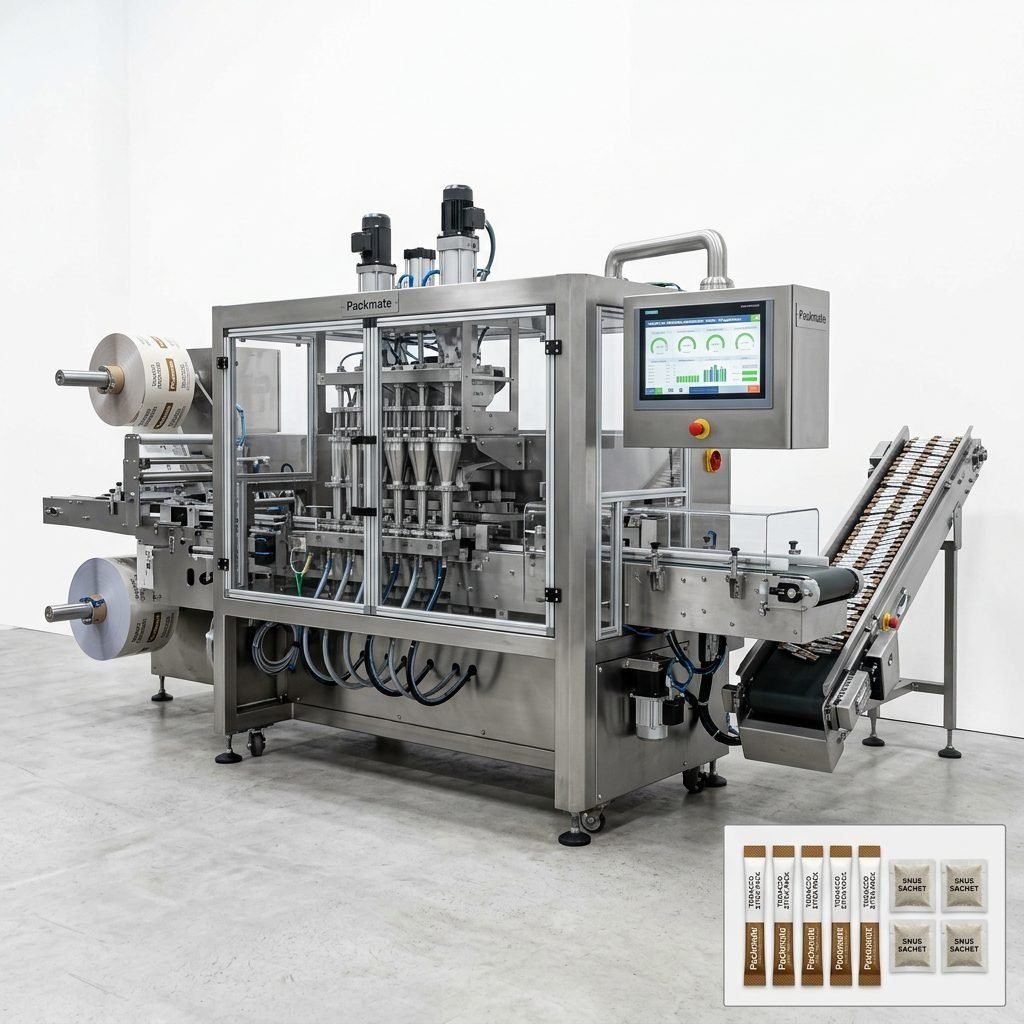
Jamaica’s market for nicotine pouches and snus is evolving quickly. Whether you are a small manufacturer supplying local retailers in Kingston or a distributor targeting tourists in Montego Bay, choosing the right snus packaging machinery requires technical knowledge and a clear view of local preferences. This buyer’s guide breaks down practical factors you must consider to purchase equipment that performs reliably in Jamaica’s tropical conditions and matches local consumer habits.
Why the right machine matters in Jamaica 🇯🇲
Selecting the wrong packaging solution leads to moisture damage, inconsistent fills, high downtime, and customer complaints. In Jamaica’s humid climate, packaging integrity is critical — pouches must resist humidity and preserve flavor. Beyond technical specs, your choice should reflect consumer tastes: discreet portions, fruit or menthol flavors, and travel-friendly packs are popular among visitors and locals alike.
Key decision areas at a glance
Focus on these core areas when evaluating machines: type of packaging, throughput, material compatibility, climate resilience, local compliance, and after-sales support. The following sections unpack each item with practical tips.
1. Choose the right packaging format
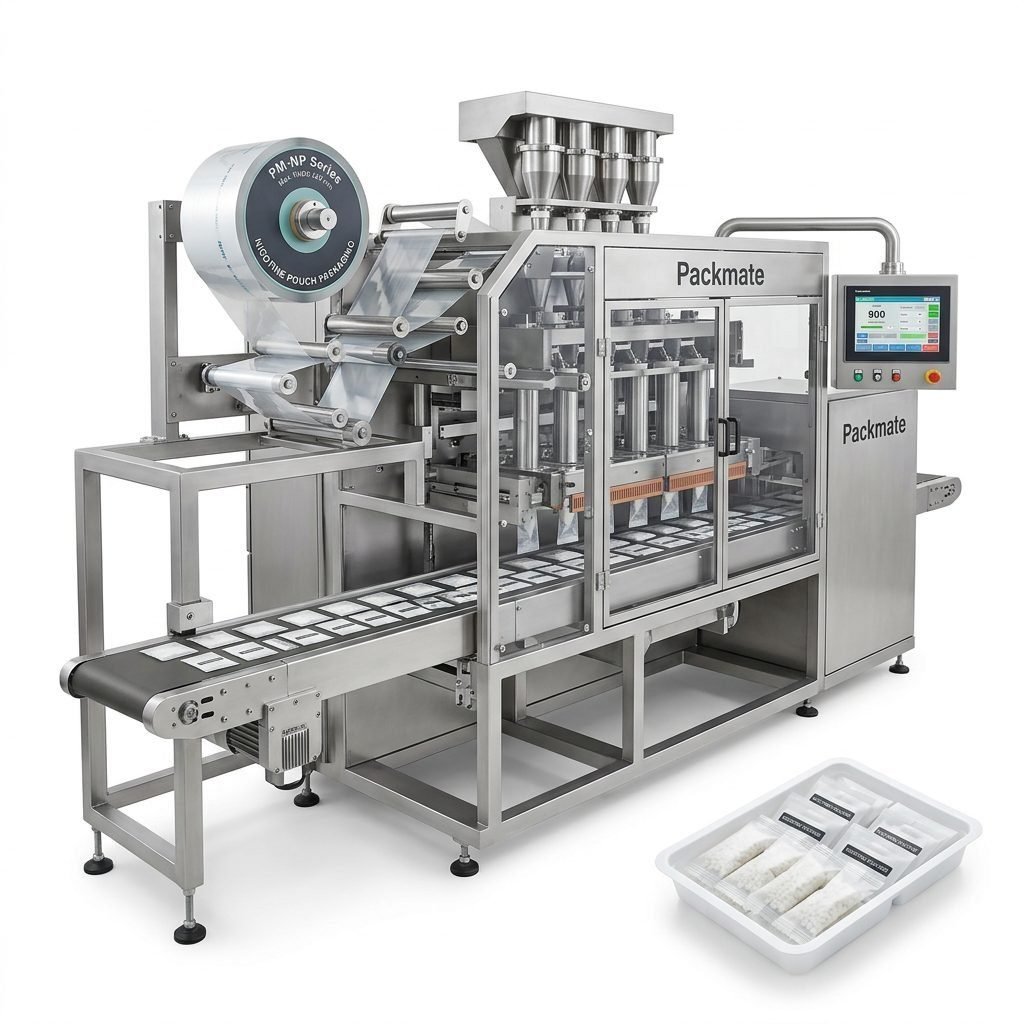
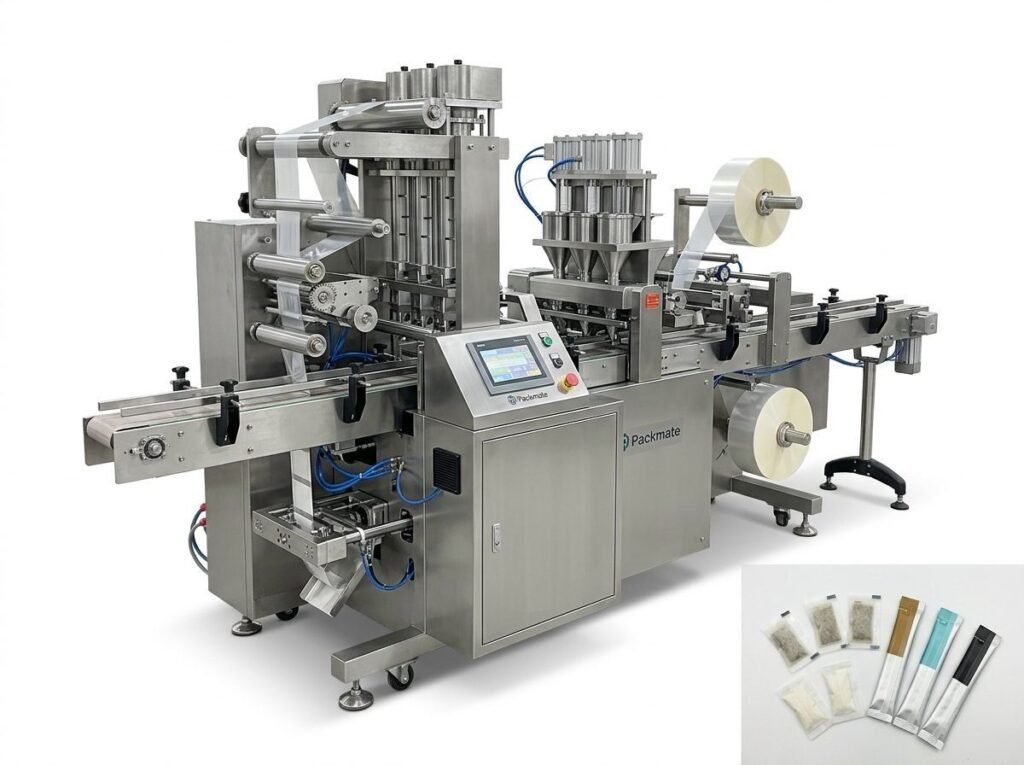
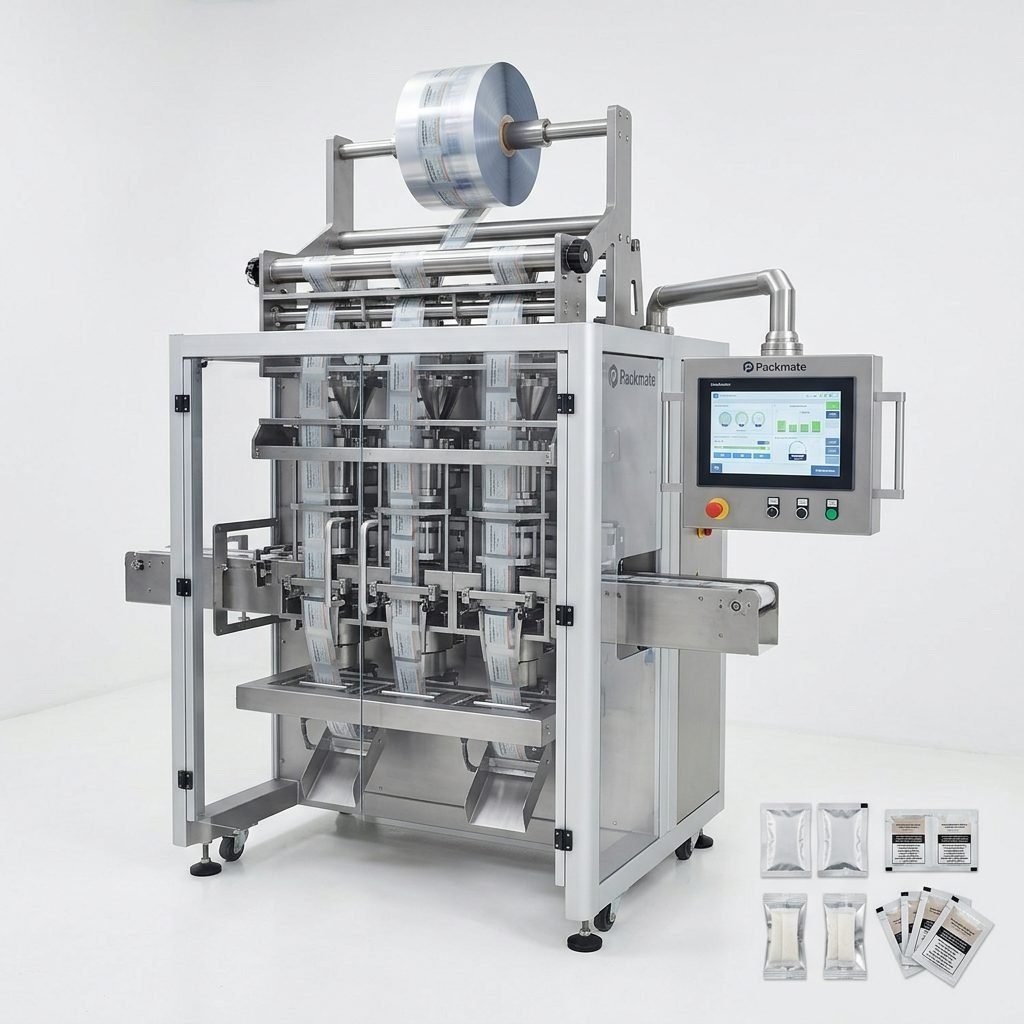
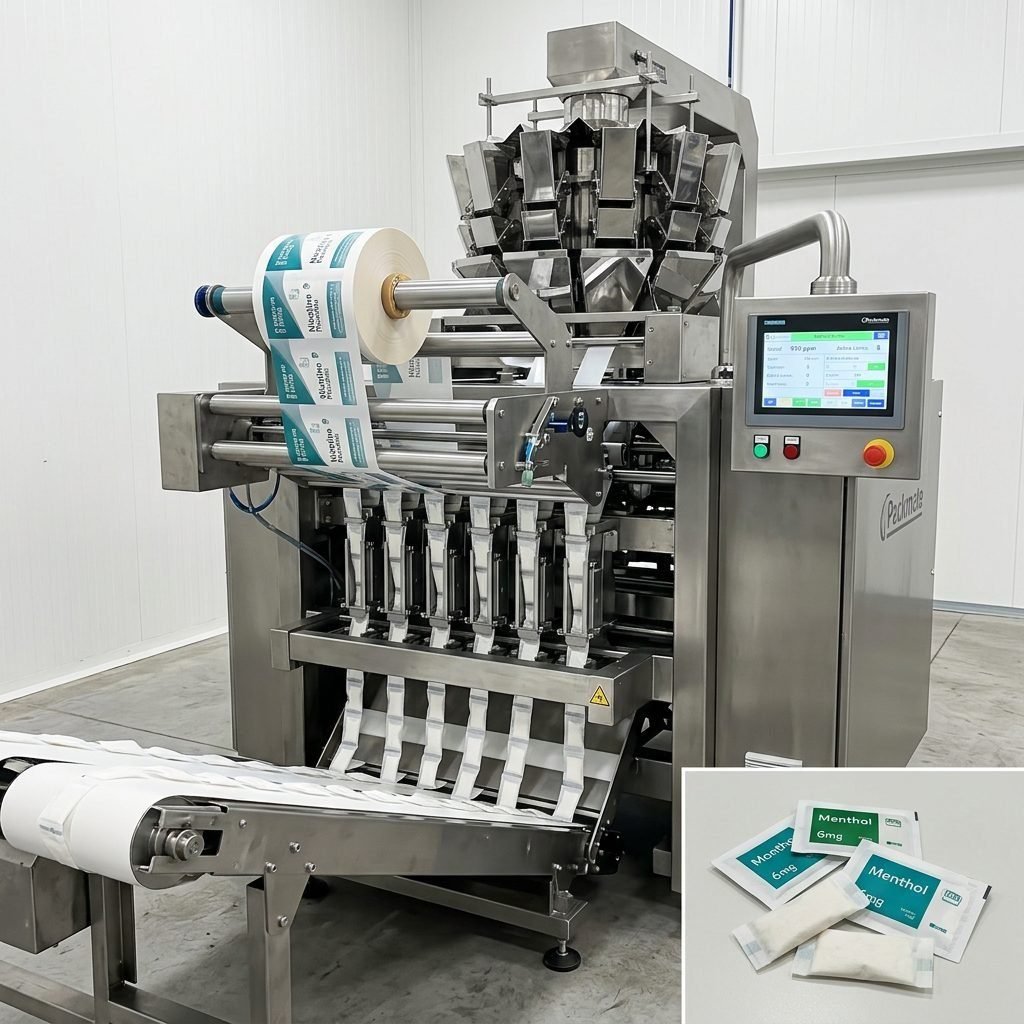
Snus and nicotine pouches can be packaged in stick packs, sachets, or multi-lane small-dose pouches. Match machine capabilities to the formats you plan to offer:
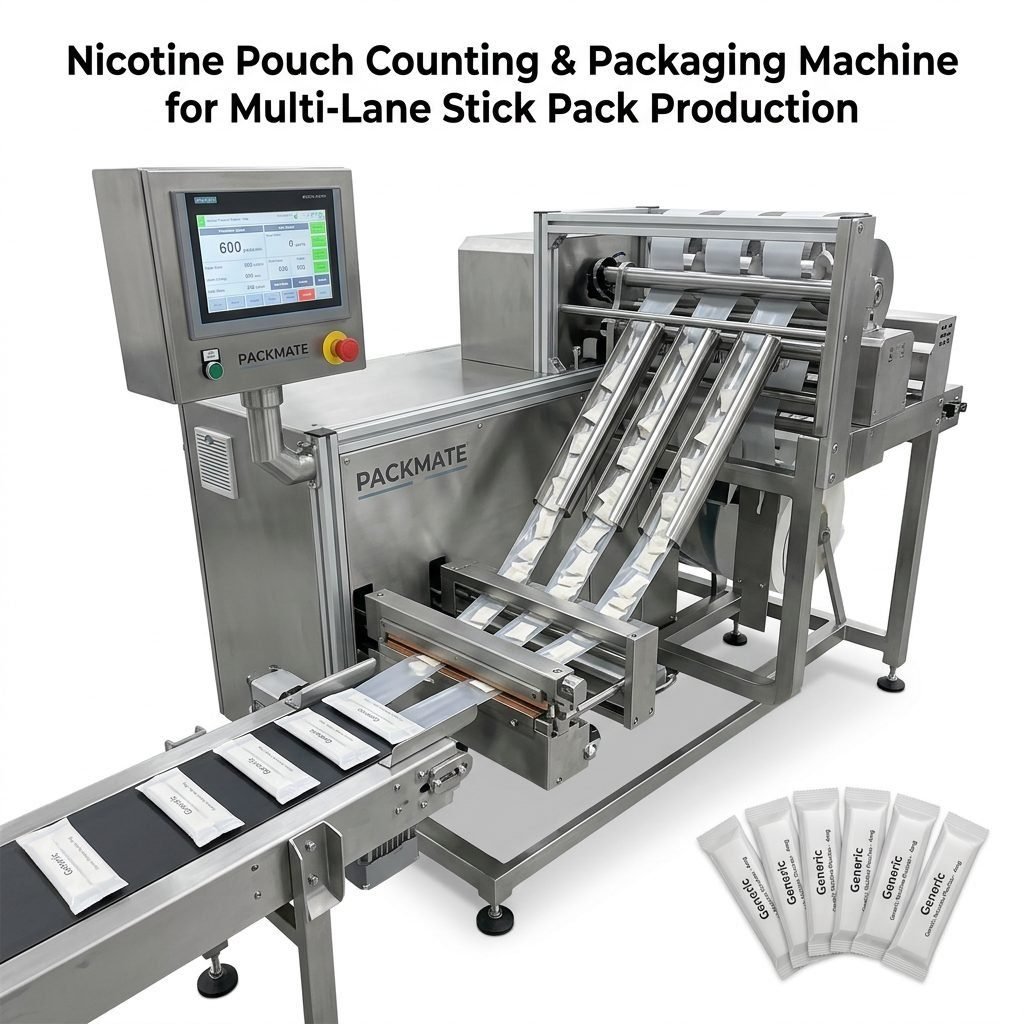
– Stick pack machines are ideal for single-portion, slim retail packs.
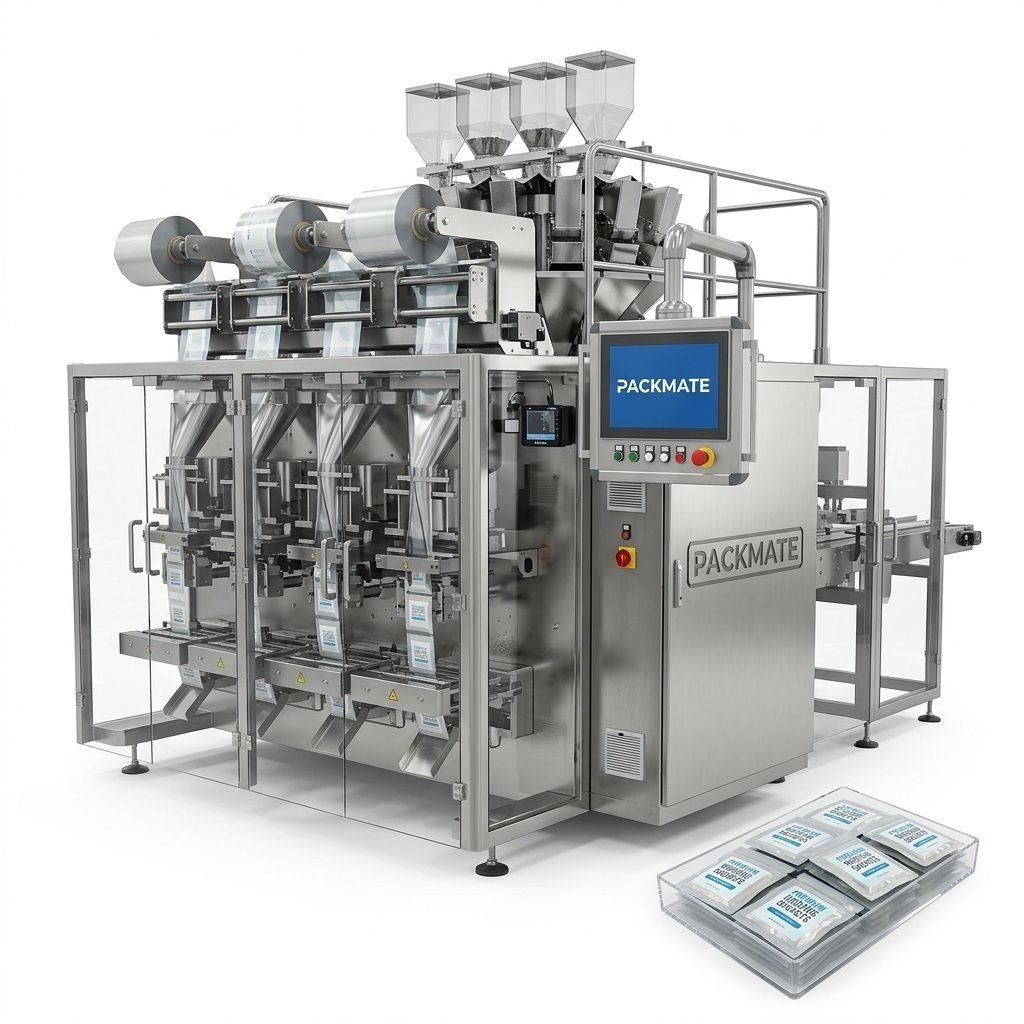
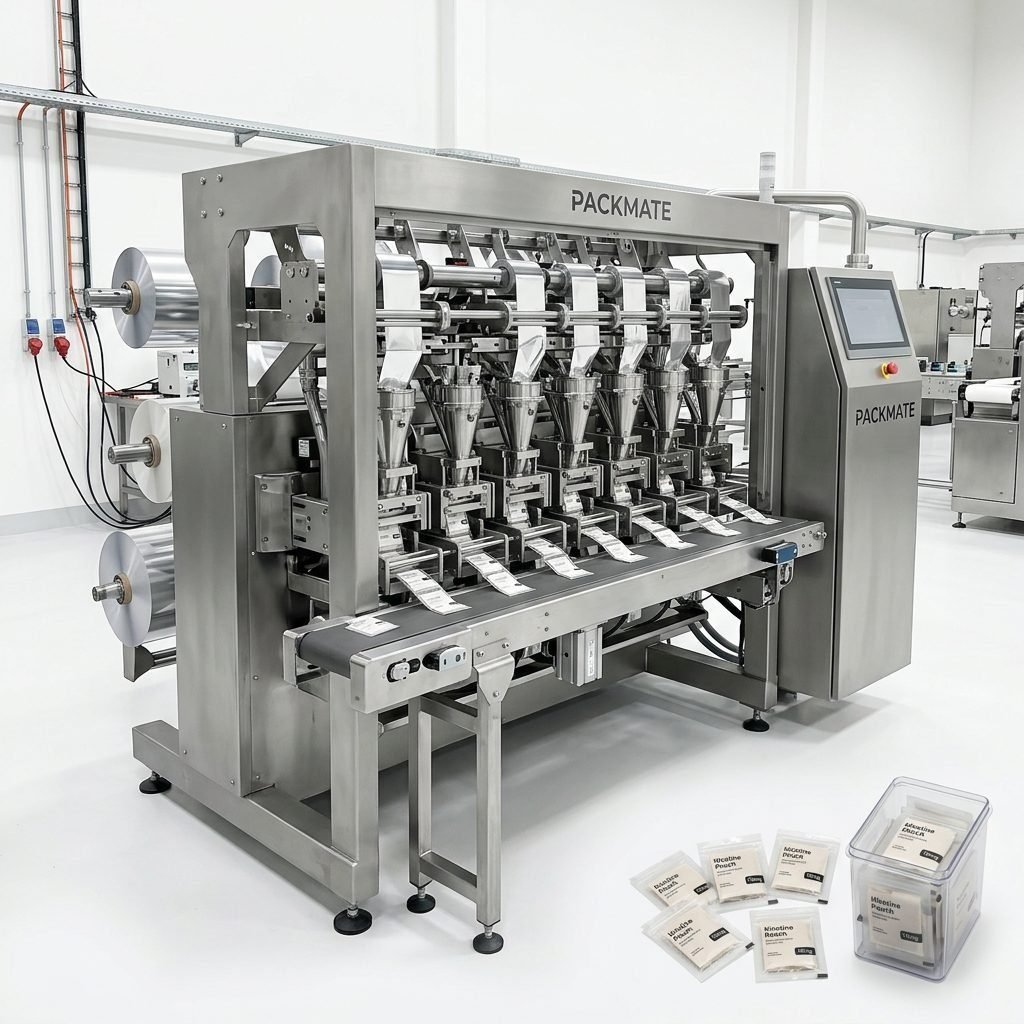
– Sachet machines work well for single-use or trial packs.
– Multi-lane pouch systems are best for high-volume production of small-dose pouches.
Tip: If you plan tourist-targeted lines (vacation-sized packs), prioritize flexible machines that can switch between stick and sachet formats quickly.
2. Throughput, lanes and scalability
Understand current demand and forecast growth. Machines are specified by pouches per minute (ppm) and number of lanes. A multi-lane system increases output without expanding floor space. For Jamaica, consider seasonality — tourism peaks may require higher short-term throughput.
Choose equipment that lets you scale: add lanes or modules rather than replacing the whole machine. This protects your capital investment and keeps upgrade downtime minimal.
3. Material compatibility and barrier requirements
Jamaica’s humidity accelerates flavor and moisture loss. Select pouch films with high moisture and oxygen barrier properties. Your machine must handle laminated films, aluminum foils or barrier composites without compromising seal integrity.
Machines with precise temperature control and robust jaw sealing systems are crucial for consistent heat seals on barrier films.
4. Corrosion resistance and food-contact materials
In a coastal, tropical environment, equipment must resist corrosion. Look for stainless steel (304 or 316 where applicable) frames, sealed bearings, and anti-corrosion coatings on vulnerable parts. Food and nicotine-contact surfaces should comply with international hygiene standards and be easy to clean.
Important: ask suppliers for material certificates (stainless grade, surface finish) and recommended cleaning protocols suitable for tropical conditions.
5. Power, controls and local serviceability
Confirm electrical compatibility with Jamaican utilities and available onsite power configurations. Machines with standard PLC controls, touchscreen HMI and remote diagnostic options simplify operation and troubleshooting. Ensure local technicians can be trained quickly or that the vendor provides timely spare parts and technical support.
Spares and quick fixes
Keep a list of critical spare parts (seals, sensors, belts) and request lead times during procurement. Consider stocking 3-6 months of fast-moving spares for the first year of production.
6. Compliance, labeling and local regulations
Jamaica’s regulations for nicotine products may include labeling, health warnings, and ingredient disclosure. Use machines capable of printing batch codes, expiration dates, and variable data directly onto film or labels. Always verify current legal requirements with local authorities and legal counsel before launching a product.
7. Ease of operation, hygiene and shift training
Prioritize user-friendly controls and tool-less changeovers where possible. Jamaican labor markets often value cross-trained operators — choose machines that minimize training time and allow quick lane changes, cleaning and sanitation between shifts.
8. Maintenance agreements and local partnerships
Negotiate a maintenance contract that includes remote support, spare kits and preventive maintenance schedules. If the supplier has regional partners or a global service network, that reduces downtime and shipping delays for parts.
9. Customization: branding, portion sizes and packaging aesthetics
Jamaica’s retail scene includes small kiosks, duty-free shops and resort boutiques. Consider machines that support different portion sizes and decorative printing or pre-printed films for premium lines. Custom molds and cutting tools allow unique pack shapes that can elevate shelf appeal.
10. Cost of ownership and ROI
Evaluate total cost, not just the purchase price. Include installation, training, spare parts, utility consumption, downtime risk, and expected throughput. Use realistic sales forecasts for Jamaican distribution channels to model payback period.
Practical pre-purchase checklist
Use this checklist when assessing suppliers and machines on site:
– Verify ppm and number of lanes; request a video of the same or similar model running.
– Confirm film compatibility (laminates, foils) and sealing method.
– Inspect contact materials and corrosion protections.
– Ask for CE/ISO certificates and hygiene approvals.
– Confirm spare part lists, lead times and optional service packages.
– Request references and case studies in tropical or coastal markets.
Checklist Highlight: see the supplier run a production test using your chosen film and recipe. Nothing replaces live-process verification.
How to evaluate suppliers — practical tips
– Request factory photos or a virtual tour to verify manufacturing capacity.
– Ask for long-term customer references in similar climates.
– Confirm training plans and the availability of English-language manuals for local staff.
– Negotiate warranty terms and define acceptable uptime levels and remedies for prolonged downtime.
Packmate capabilities and partnership fit
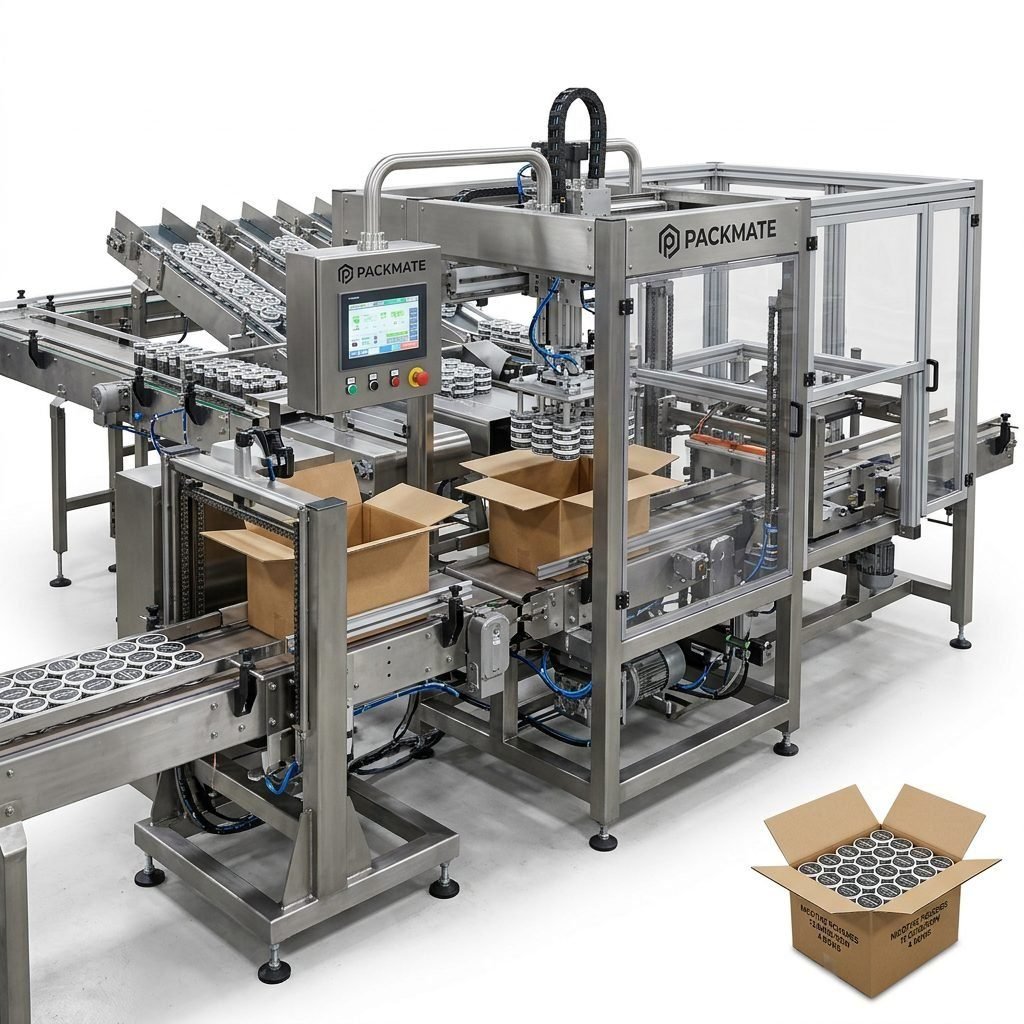
Packmate Snus Machine brings decades of experience in snus and pouch lines, offering multi-lane systems and turnkey packaging solutions. If you want to explore specific models or turnkey options for Jamaica, view product offerings and case references to confirm fit and scalability.
Product and solution links for deeper research:
– Snus & Nicotine Packaging Machines
– Bag & Pouch Packaging Machines
– Service
– Contact Us
Installation & facility planning in Jamaica
Plan for dehumidified production zones, suitable ventilation, and easy access for maintenance. Coastal plants should consider HVAC and controlled storage to protect raw materials and finished packs. Prepare electrical layouts, compressed air quality specs, and floor load plans prior to equipment arrival.
Training and operational readiness
Schedule operator and maintenance training before startup. Include session plans, SOP templates, and quick-reference guides in English. Plan overlap time for pilot runs, recipe tuning and optimization for local film suppliers and ingredients.
Common real-world pitfalls and how to avoid them
– Buying for today’s demand without a scale-up path.
– Neglecting film testing and relying on supplier claims alone.
– Underestimating downtime due to lack of local spares or service.
– Choosing machines with poor sealing performance in high humidity.
Avoidance Strategy: require sample production runs on your chosen film and conduct an acceptance test that includes humidity stress testing.
Next steps to finalizing your purchase
1) Shortlist vendors based on machine type and references.
2) Request factory acceptance testing (FAT) and sample runs.
3) Confirm warranty, spare parts lists, and training schedules.
4) Plan for installation, power, compressed air and environmental controls.
5) Finalize delivery, customs and local support arrangements.
Useful resources from Packmate
Learn more about product families, view project cases, and check certifications to verify supplier credibility:
– Case
– About Packmate
– Certificate
Final considerations — purchasing with confidence
Buying snus packaging equipment for Jamaica requires balancing technical performance, climate suitability, and strong local support. Focus on machines that deliver reliable sealing, corrosion-resistant construction, and flexible formats. Prioritize vendors who provide clear FAT processes, spare parts availability, and training so your line hits the market fast and consistently.
Need personalized advice?
If you want tailored recommendations for production scale, format mix, or a turnkey line suitable for Jamaican markets, reach out to suppliers that can demonstrate relevant case experience and offer pre-shipment testing on your materials.
Frequently Asked Questions (FAQs)
Q: What kind of film should I use for Jamaica’s humidity?
A: Choose laminates with high moisture and oxygen barrier layers (e.g., metalized films or aluminum foil laminates). Validate heat seal compatibility with the chosen machine and run humidity stability tests.
Q: How important is stainless steel grade for machines in coastal locations?
A: Very important. Prefer 304 stainless for general use and 316 for parts with higher corrosion exposure. Confirm surface finish and protective coatings for prolonged coastal exposure.
Q: Can I start with a single-lane machine and upgrade later?
A: Yes — many suppliers offer modular systems or multi-lane add-ons. Confirm the upgrade path, mechanical compatibility and spare capacity in your initial investment.
Q: What after-sales services should I demand?
A: Insist on clear spare parts lists, remote diagnostic capabilities, training programs, and defined SLA response times for critical failures.
Q: Where can I see real-world examples before buying?
A: Request case studies and factory acceptance videos. Check supplier case references and exhibition demos to confirm machine performance under real production conditions.