Choosing the right snus packaging machine for a growing business in Haiti requires more than picking the fanciest model. You must balance local market habits, regulatory constraints, production volume, and after-sales support. This guide walks you through the technical and commercial decisions—so you can select a machine that fits Haitian conditions, supports local languages (French/Creole), and scales with demand.
Understand the Haitian Market and Local Habits
Haiti’s tobacco and nicotine products market is unique. While traditional smoked tobacco has been prevalent, nicotine pouches and modern oral products are emerging in urban centers. Consider these local realities when choosing equipment:
🔎 Consumer preference: small-format sachets and single-dose pouches often sell better in local kiosks and small shops. Portability and discreet packaging are key.
🌍 Cultural & language: packaging machines with multilingual HMI (French/Creole/English) make operator training and day-to-day use smoother in Haiti.
⚖️ Regulation & import: check Haiti’s customs rules for nicotine products, and ensure labeling meets local requirements before ramping up production.
Key Machine Types and Why They Matter
Selecting the right machine type is the first technical step. The most common systems for snus and nicotine pouches include:
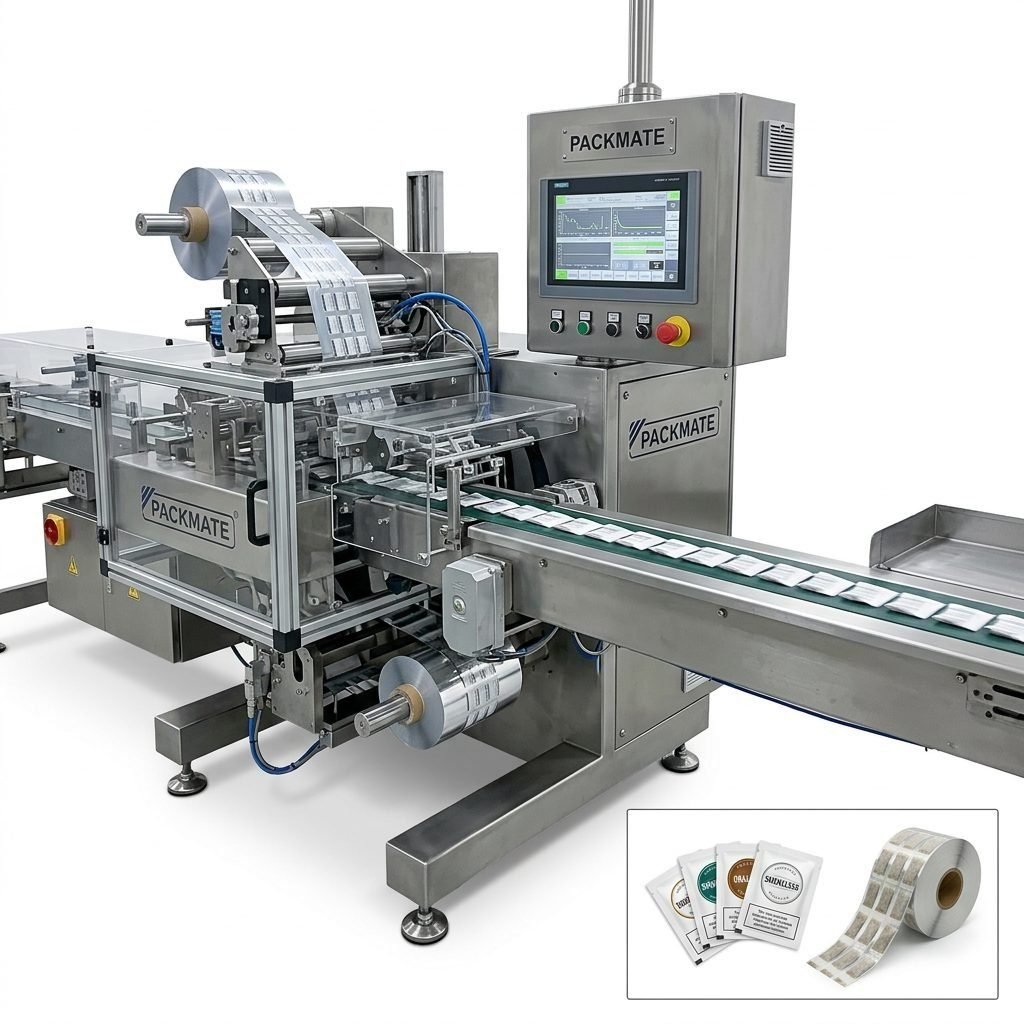
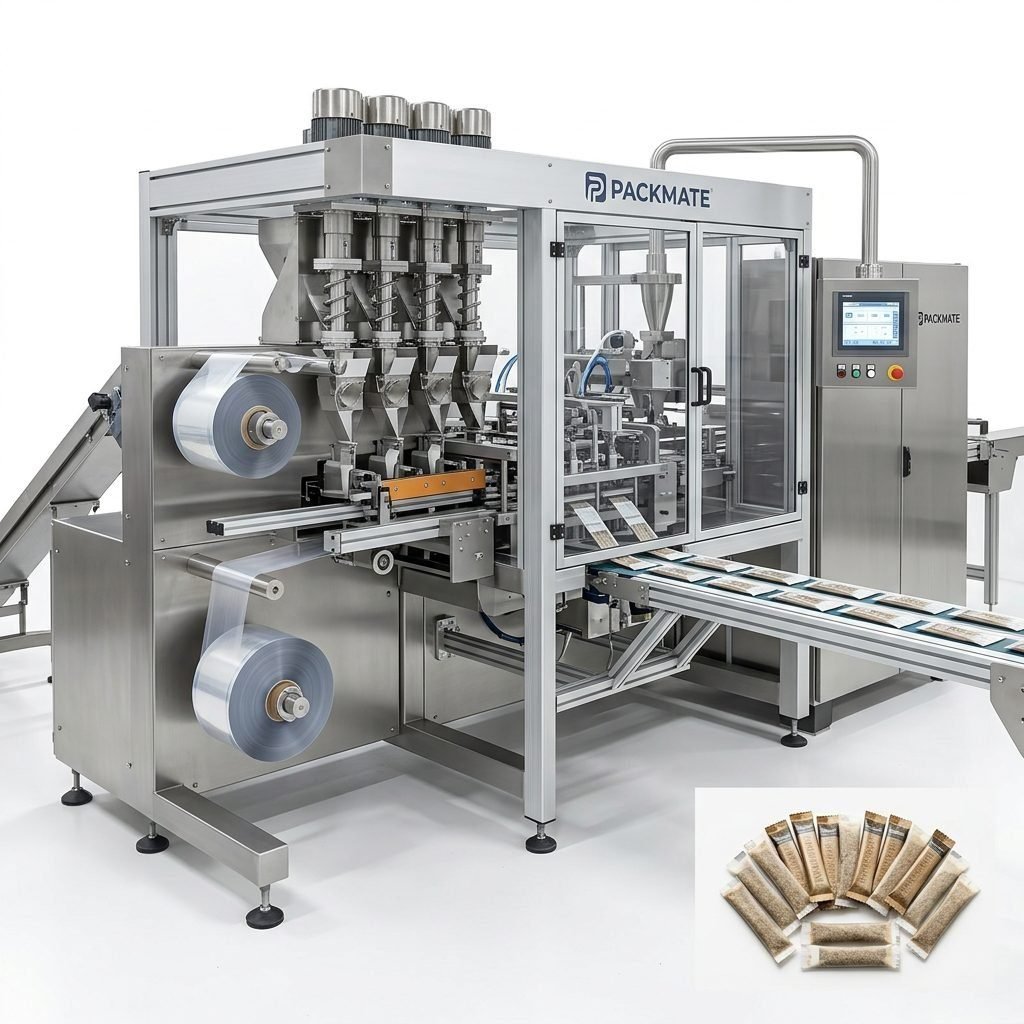
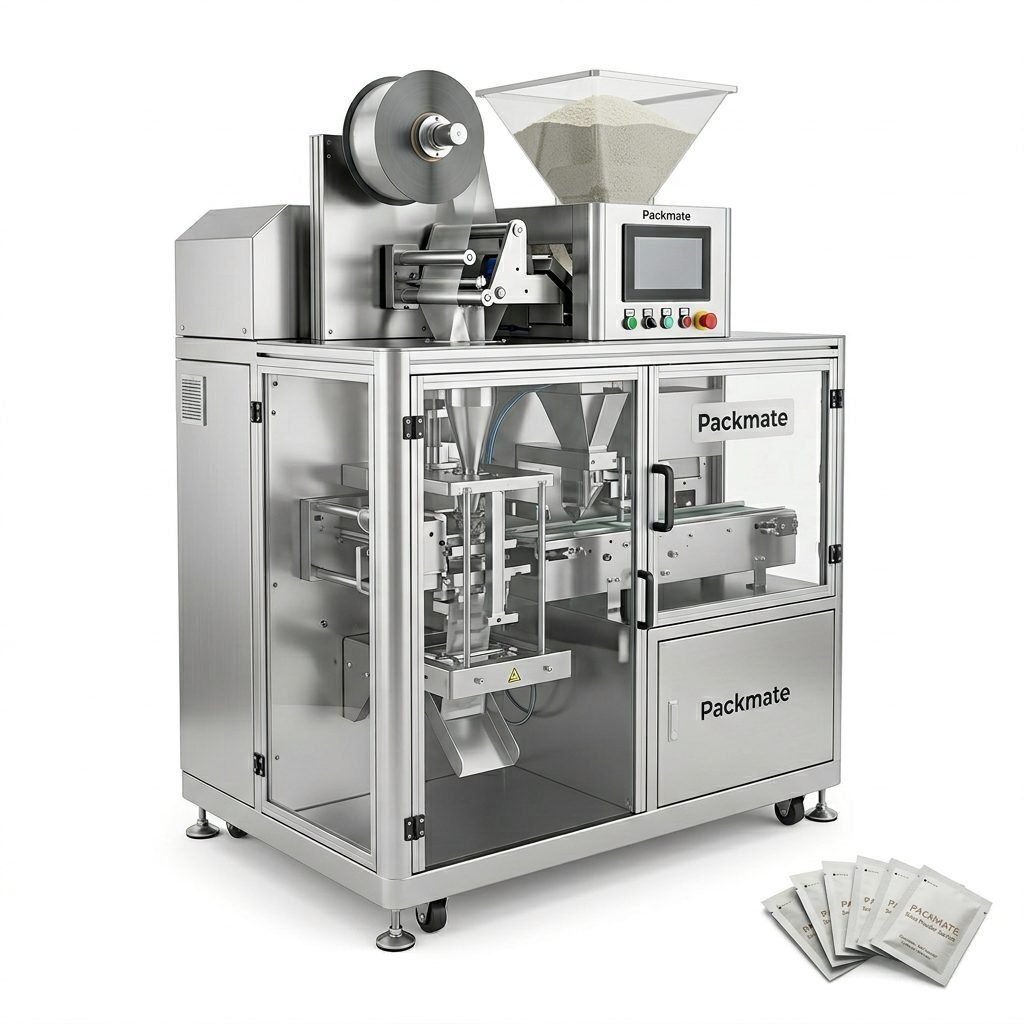
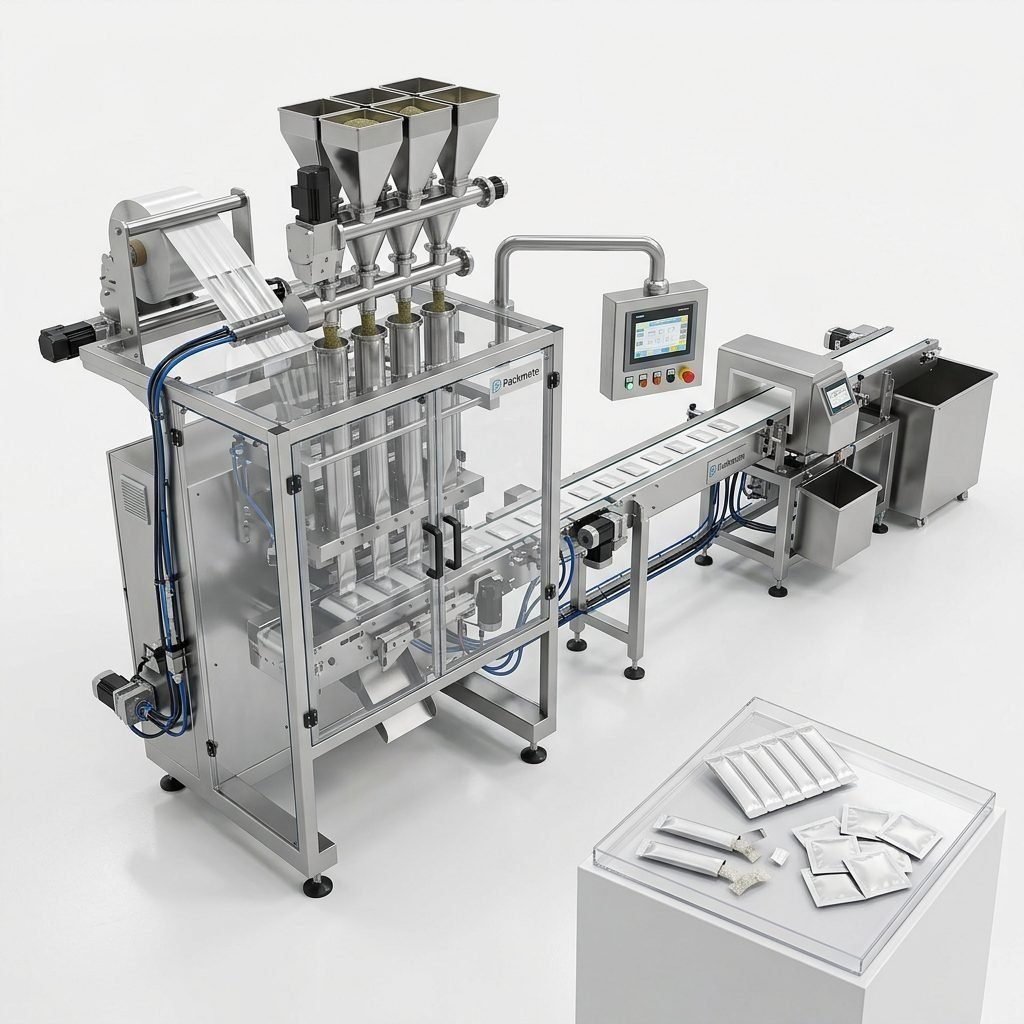
• Sachet & Stick Pack Machines — ideal for elongated single-dose formats; good for low to medium output and flexible flavors.
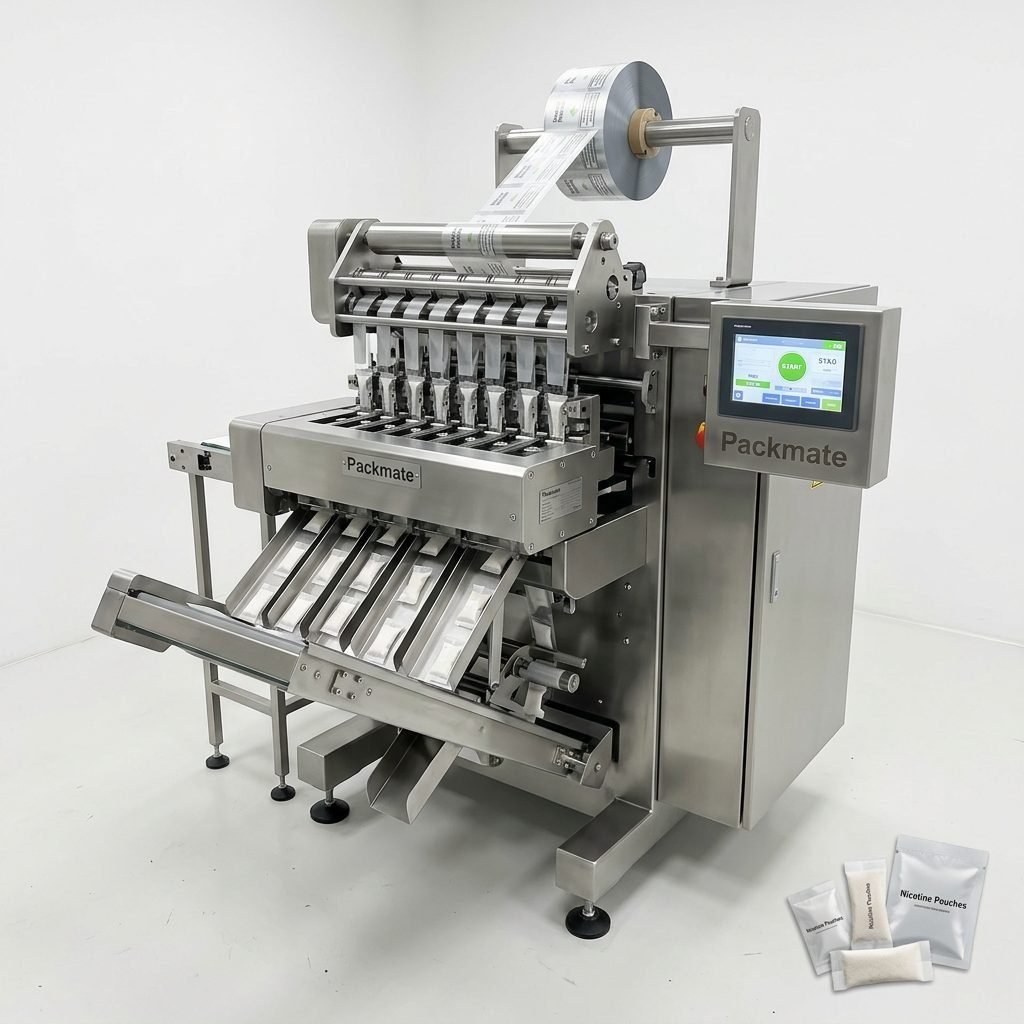
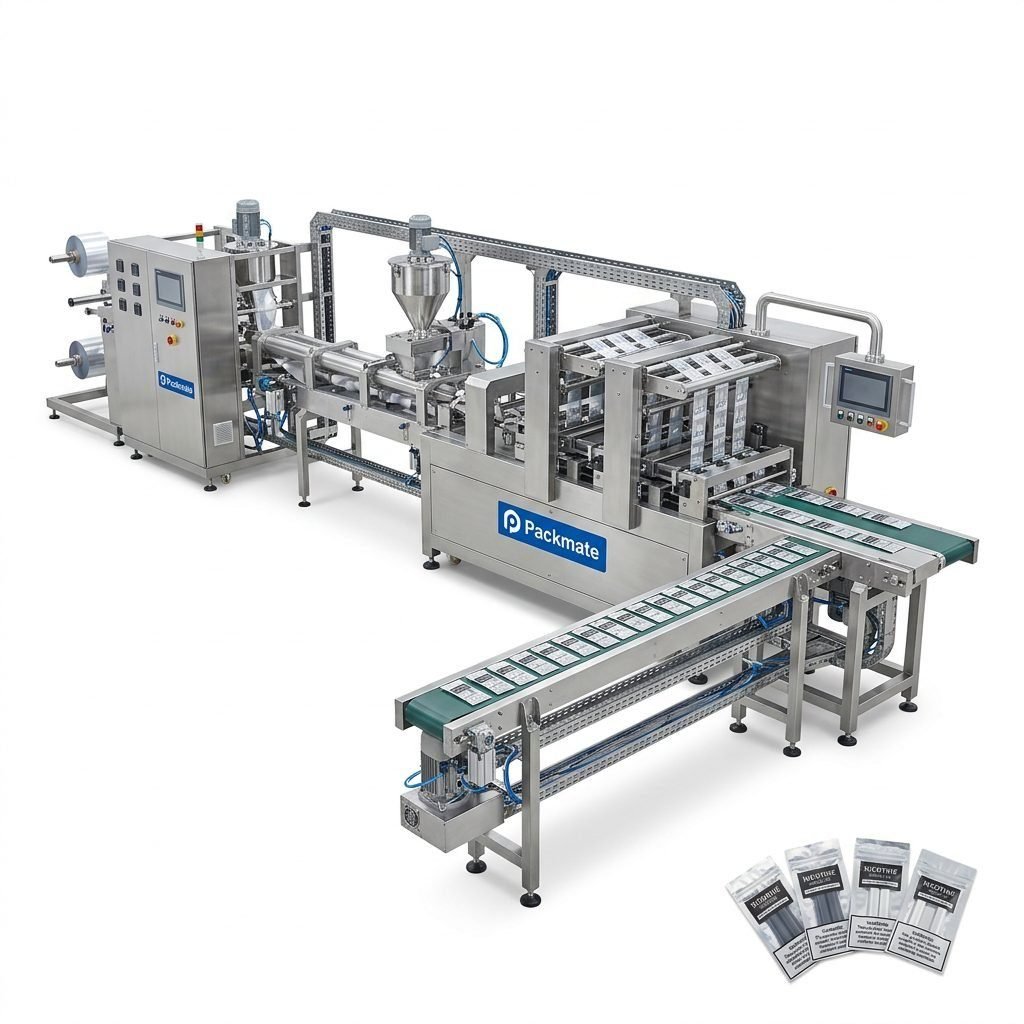
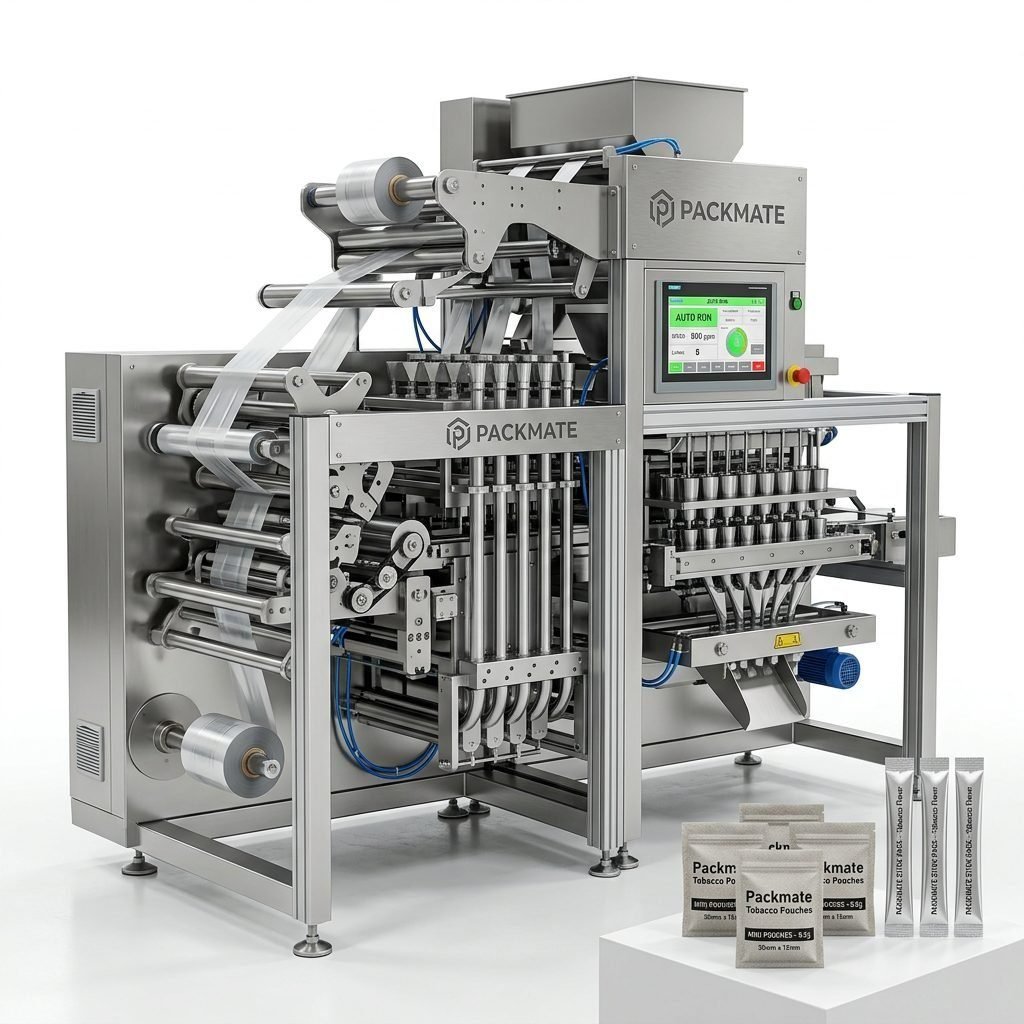
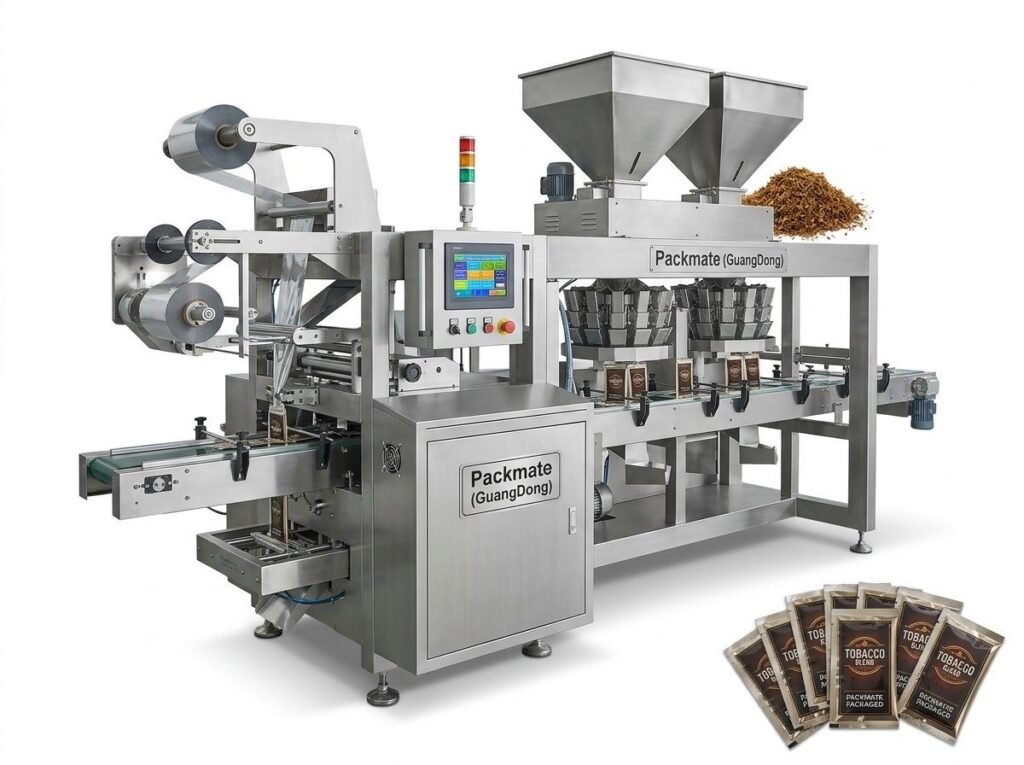
• Multi-lane Snus / Nicotine Pouch Machines — high throughput for sachet or pillow-style pouches; best for medium to large scale production and export-oriented businesses.
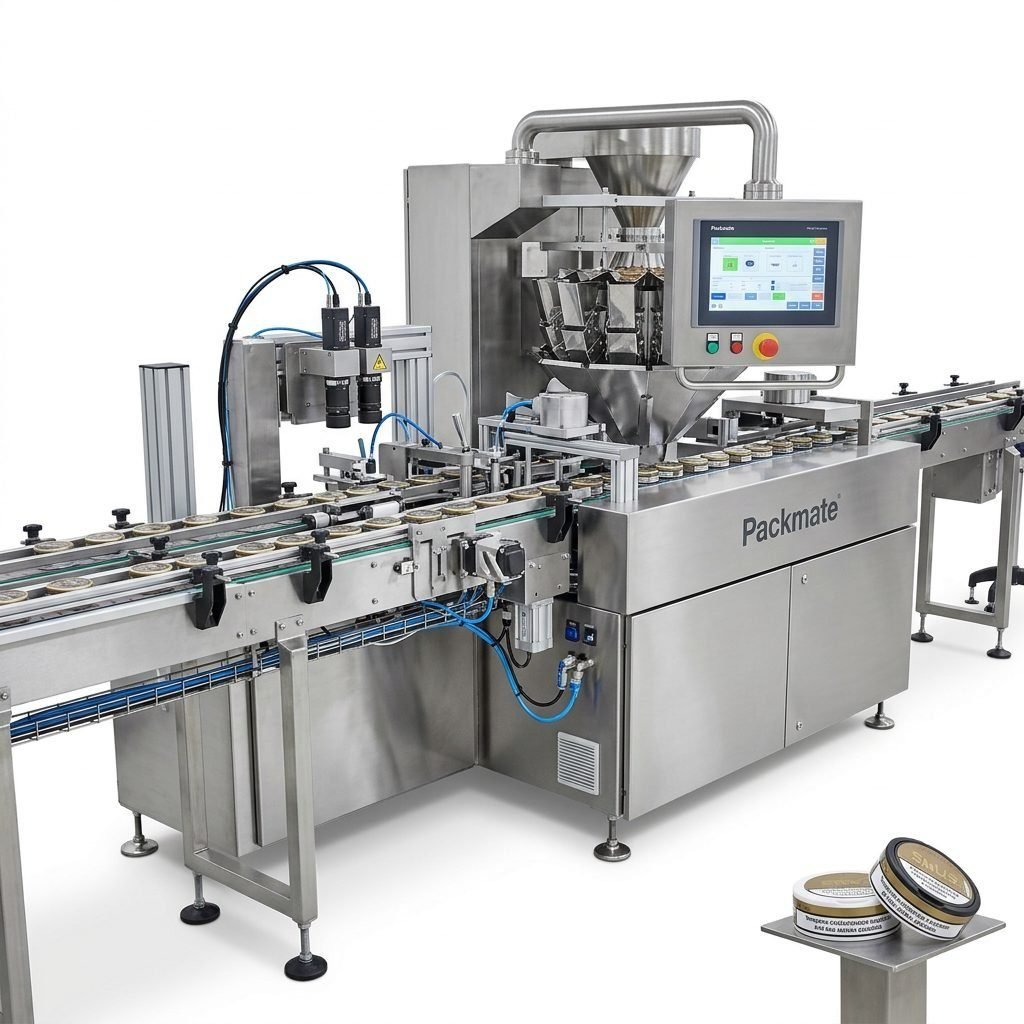
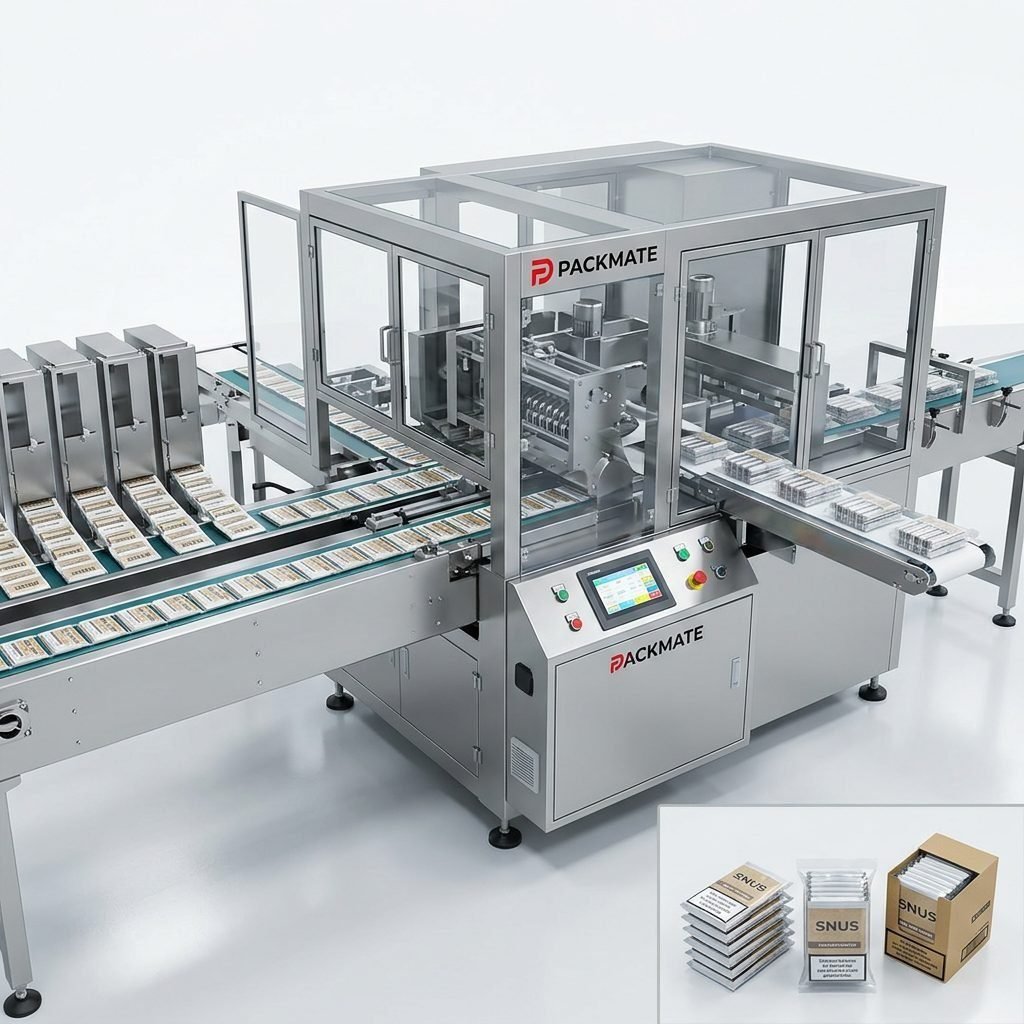
• Bag & Pouch Packaging Systems — for outer packaging and stand-up pouches; useful when offering retail-ready multipacks.
For machine selections and model overviews, see the manufacturer’s product pages: Snus & Nicotine Packaging Machines, Sachet & Stick Pack Machines, and Bag & Pouch Packaging Machines.
Production Capacity: Match Machine Speed to Demand
Capacity planning avoids over-investing. Estimate weekly demand from local shops and potential exports. Key metrics:
• Output per lane (pouches/min): Multi-lane machines multiply capacity—choose lane count to match forecasted sales.
• Changeover time: Fast format changes reduce downtime for small-batch flavors preferred in local markets.
• Packaging material compatibility: ensure the machine handles local film types (heat-seal, cold-seal, biodegradable options).
Example Capacity Scenarios
Small Haitian startup: a single-lane sachet machine producing 50–100 pouches/min. Urban regional supplier or export brand: a 4–8 lane snus machine delivering multiple thousands of pouches/hour.
Automation, Controls and Local Usability
Automation reduces labor cost but consider local workforce skills. Prioritize:
• Intuitive HMI: touchscreen with French/Creole menus shortens training time and reduces operator errors.
• Remote diagnostics: vital for Haiti where on-site service may be limited—remote support helps troubleshoot quickly.
• Modular design: modular sections simplify maintenance and spare part replacement, reducing downtime.
🔧 Quick tip: Request localized operator manuals and control language packs. Packmate offers multilingual support and factory training options—learn more at About Packmate.
Hygiene, Material Choices and Product Stability
Snus and nicotine pouches require careful handling to maintain moisture balance and flavor. Pay attention to:
• Filtration & dust control: powder handling sections should include filtration to protect machine components and product quality.
• Packaging film barrier properties: choose high-barrier films for longer shelf life in tropical climates; consider humidity-resistant options.
• Controlled dosing systems: accurate dosing is essential for small-dose nicotine products—gravimetric or volumetric dosing must be validated.
Certifications, Compliance and Documentation
Buying machines with internationally recognized certifications reduces regulatory risk and eases export:
• CE & ISO certification: indicates electrical safety and quality management—useful for Haitian import documentation and bank financing.
• Detailed FAT & SAT reports: factory acceptance testing and site acceptance testing records ensure performance before shipment and after installation.
After-Sales Support, Spare Parts and Local Service
Strong after-sales capabilities are essential for Haitian operations where international travel and shipping delays can be significant. Evaluate:
• Spare parts availability: confirm critical spares can be shipped quickly or stocked locally.
• Remote support & training: remote commissioning and training reduce installation time. Packmate provides global technical support and remote diagnostics.
• Local partners: having a local engineering partner or regional agent in the Caribbean accelerates response times.
Case Reference
Packmate’s global experience—see customer examples in the Case section—shows how modular machines and dedicated support reduce downtime for remote customers.
Logistics: Shipping, Customs and Power Considerations for Haiti
Shipping packaging machinery to Haiti requires planning:
• Crating & transport: request robust export crating for sea freight and confirm port handling availability at Port-au-Prince or alternate Caribbean ports.
• Power compatibility: ensure machine electrical specifications match local supply or plan transformers; verify motor voltages and frequency.
• Customs documentation: obtain full packing lists, certificates of origin, and CE/ISO documents to avoid clearance delays.
Total Cost of Ownership & ROI Analysis
Look beyond the purchase price. TCO includes installation, training, spare parts, consumables, and expected uptime. Important factors:
• Energy consumption: efficient drives and optimized dosing save long-term operating costs.
• Yield & waste rate: machines with accurate dosing and gentle handling minimize material waste and improve margins.
• Service contracts: negotiate annual maintenance plans and spare parts kits—predictable costs improve ROI calculations.
📈 Investment tip: run a pilot batch with a manufacturer-provided setup to validate production metrics before full-scale purchase.
Choosing a Supplier: Why Factory Strength and Experience Matter
A reliable manufacturer brings engineering know-how, documentation, and a tested product line. When evaluating suppliers, consider:
• Years of experience & model range: a supplier with 30+ years and 50+ models indicates depth of engineering capability.
• Manufacturing facility: advanced CNC centers and precision assembly (e.g., a 20,000㎡ factory) point to consistent quality.
• Global references & exhibitions: attending international shows and sharing case studies signals an established global presence.
For more supplier information and services, visit Service and Our Exhibition.
Practical Checklist Before You Buy
Use this checklist to compare machines:
✓ Production speed & lanes — matches projected demand
✓ Material compatibility — film and dosing accuracy
✓ Certifications & test reports — CE, ISO, FAT documentation
✓ Local usability — HMI language, operator training, spare parts
✓ Logistics & installation plan — crating, shipping, customs, power
Final Steps: Trial Runs, Contracts and Commissioning
Before final payment, require a trial run at the factory or a full FAT report. Confirm:
• Training schedule: onsite or remote for operators and maintenance staff.
• Spare parts kit: critical wear parts included for first 6–12 months of operation.
• Warranty & service agreement: clearly defined SLA for response times and spare shipments.
When you are ready to request a quote or discuss custom lines, contact the manufacturer via Contact Us.
Summary Checklist — Quick Buyer Guide
• Market fit: choose formats Haitians buy locally (single-dose sachets, small packs).
• Capacity: match lanes and speed to expected sales.
• Support: ensure multilingual HMI, remote diagnostics, and fast spare parts.
• Compliance: CE/ISO documents and clear FAT/SAT reports.
• Logistics: plan shipping, power adaptation, and customs paperwork.
Frequently Asked Questions (FAQs)
Q1: What machine type is best for a small Haitian startup? — For small runs, a single-lane sachet or stick-pack machine with quick changeovers is usually best. It keeps initial costs lower and fits small-batch production favored by local retailers.
Q2: How do I manage spare parts and service in Haiti? — Work with suppliers who offer spare kits and remote diagnostics. Ask about regional warehouses or partner agents. Negotiate shipping times for critical parts.
Q3: Are there special packaging considerations for Haiti’s climate? — Yes. High-barrier films and humidity-resistant sealing methods help preserve product stability. Consider desiccants or modified atmosphere options if necessary.
Q4: What certifications should I require from the manufacturer? — Request CE and ISO certifications, FAT reports, and installation/commissioning documentation. These help with customs and ensure machine reliability.
Q5: Where can I see real machine examples and get detailed specs? — Visit the product pages and case studies such as Snus & Nicotine Packaging Machines and the Case library to review real-world implementations and specifications.