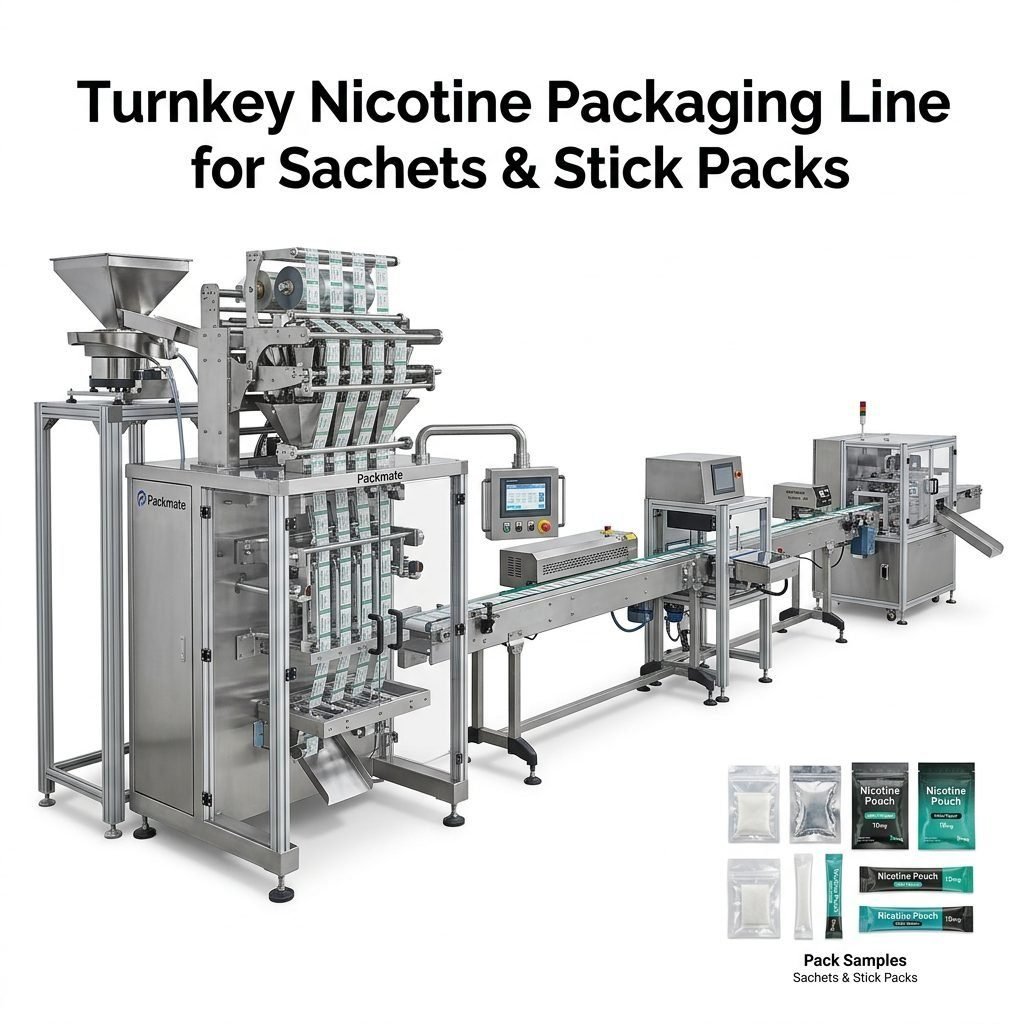
Choosing the right snus packaging machinery manufacturer for your business in Kiribati requires more than price comparison — it demands a careful assessment of machine reliability, after‑sales support, compliance with international standards, shipping logistics to island nations, and the supplier’s experience in nicotine pouch production. The following guide walks you through practical steps and decision points so you can confidently select a partner that meets capacity, quality, and regulatory needs.
Understand Your Production Needs First
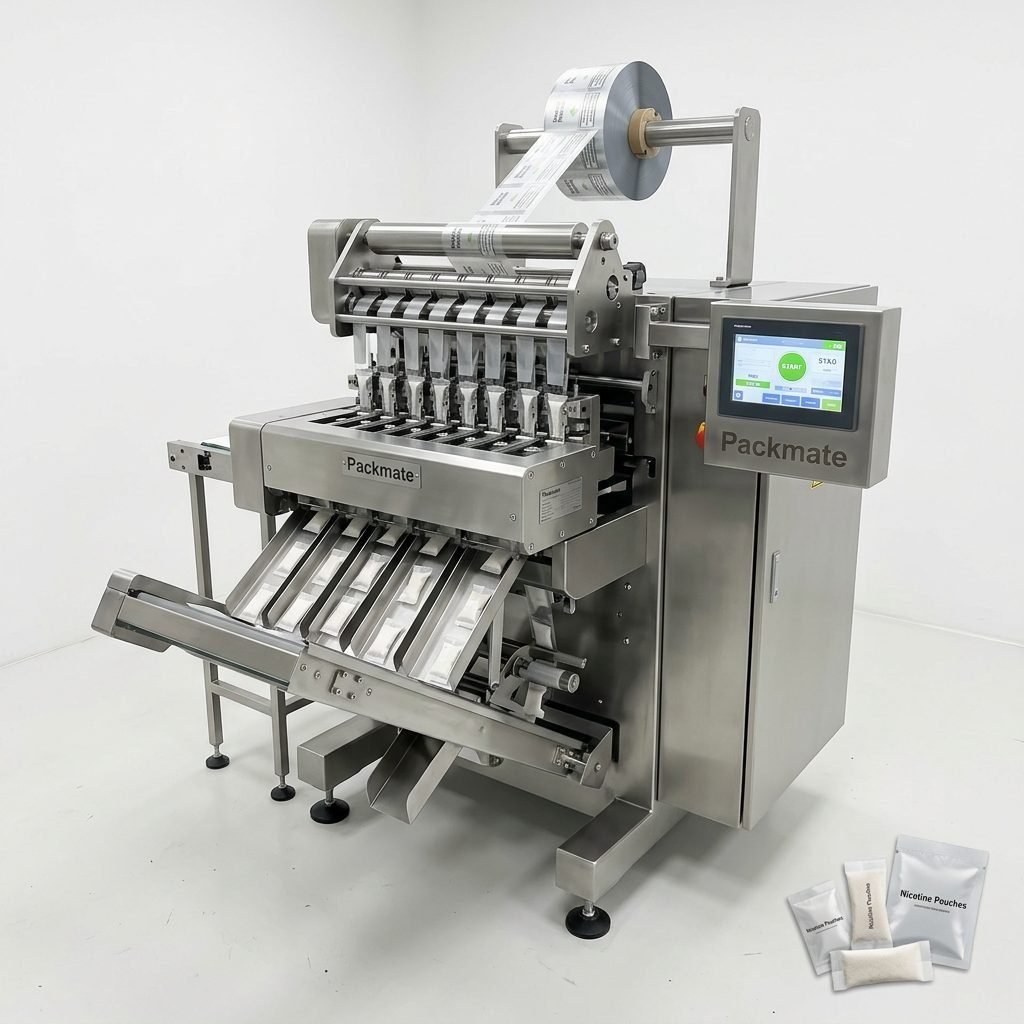
Before contacting suppliers, map out your current and forecasted production: daily pouch volume, pouch formats (stick, sachet, multi‑lane small-dose pouches), filling types (powder, granule, liquid), and required automation level. For businesses in Kiribati, consider seasonal demand swings, storage limitations, and workforce availability. Selecting a machine with scalable lanes or modular add-ons can save cost and downtime as you grow.
Key specifications to define
• Target output (pouches per minute) · • Pouch sizes and materials · • Filling accuracy tolerance · • Multi‑lane capability · • Integration with upstream weighing or downstream packaging lines.
Prioritize Proven Experience in Snus & Nicotine Packaging
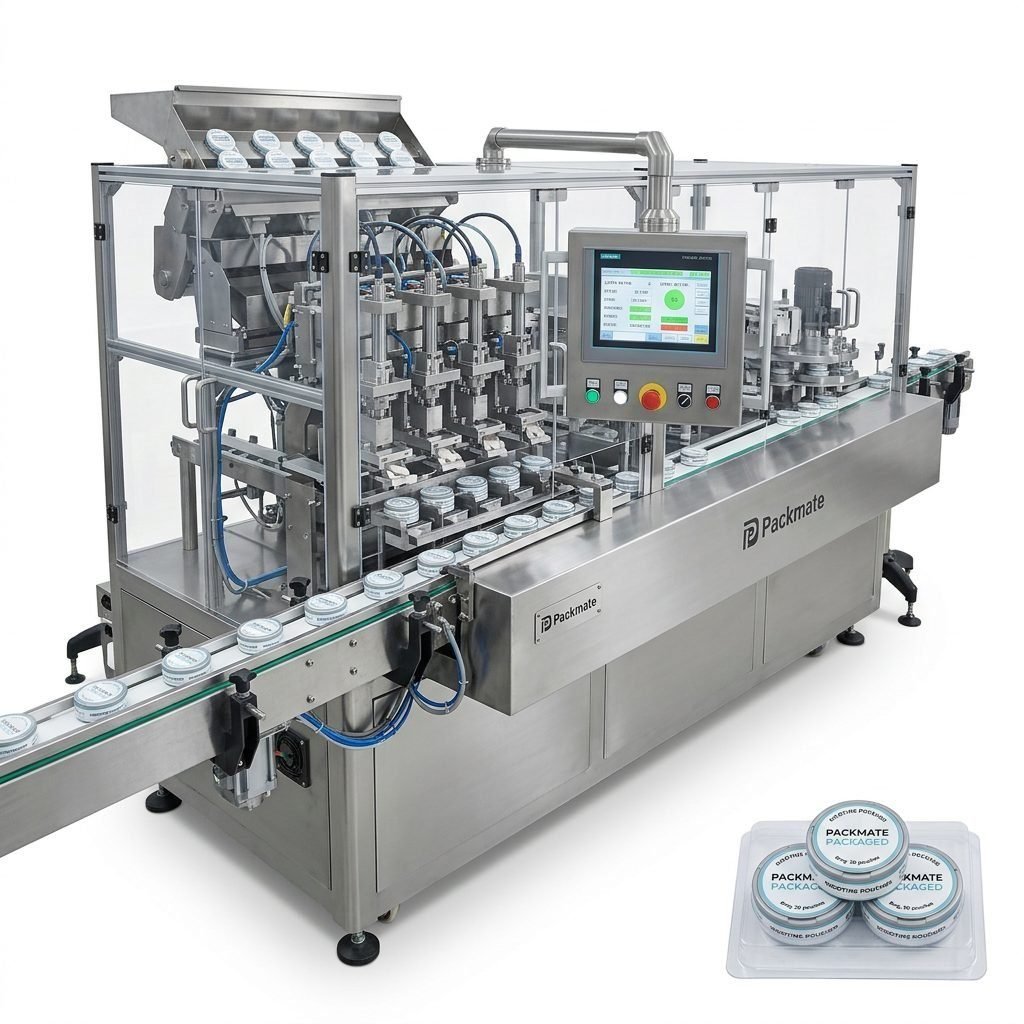
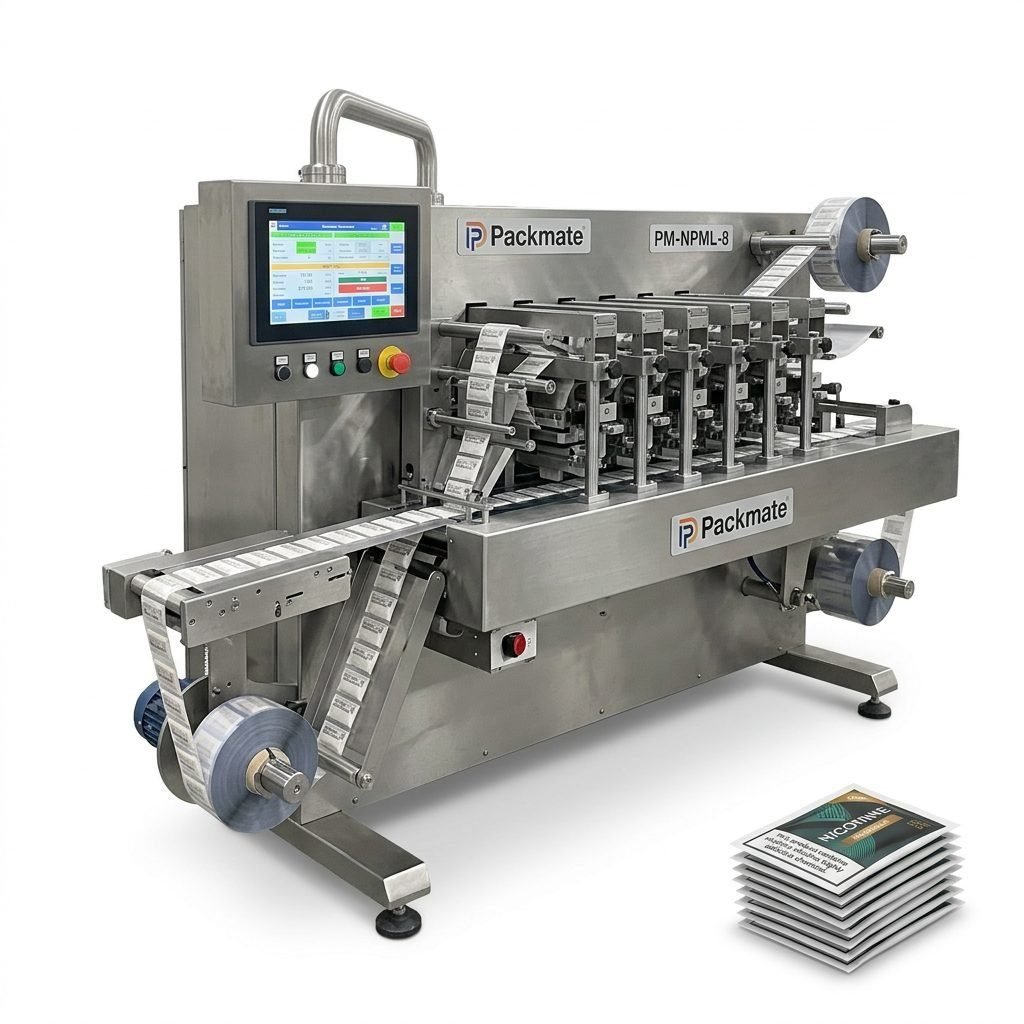
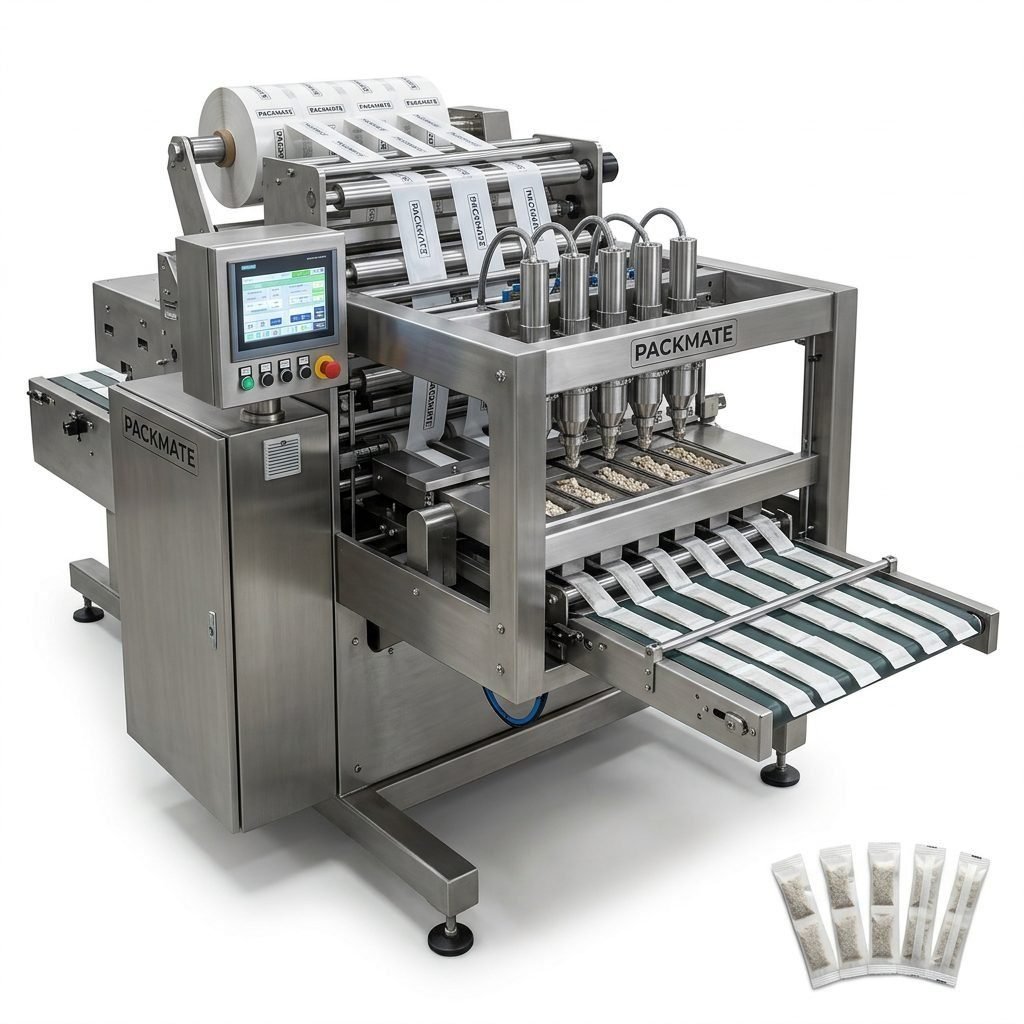
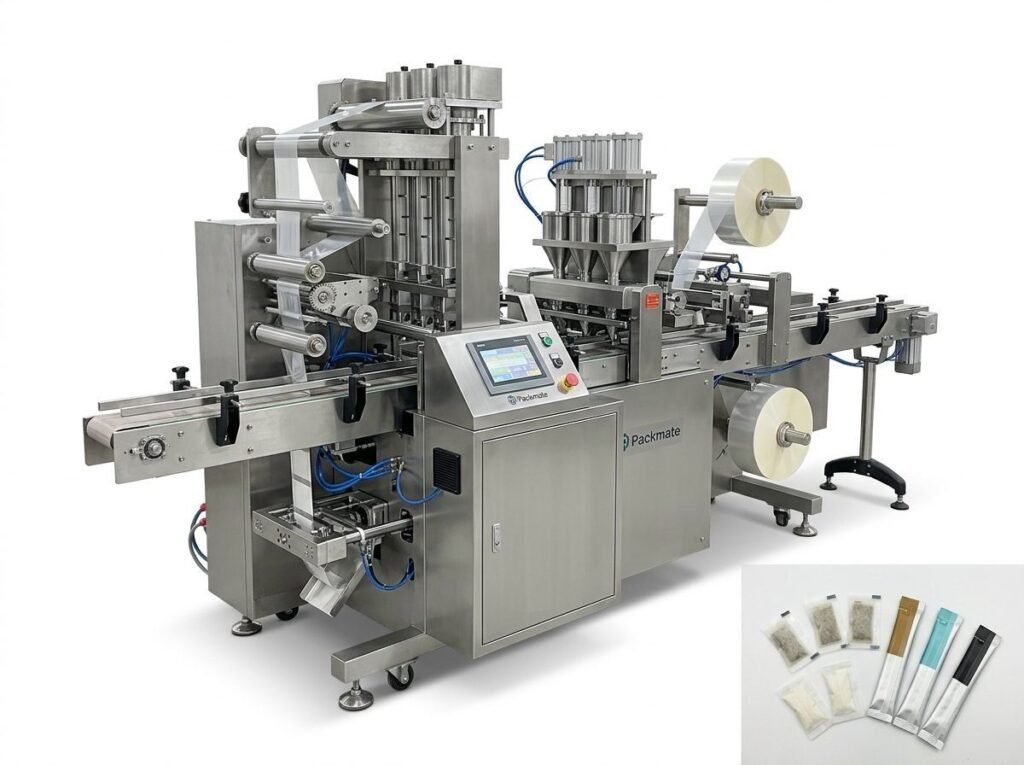
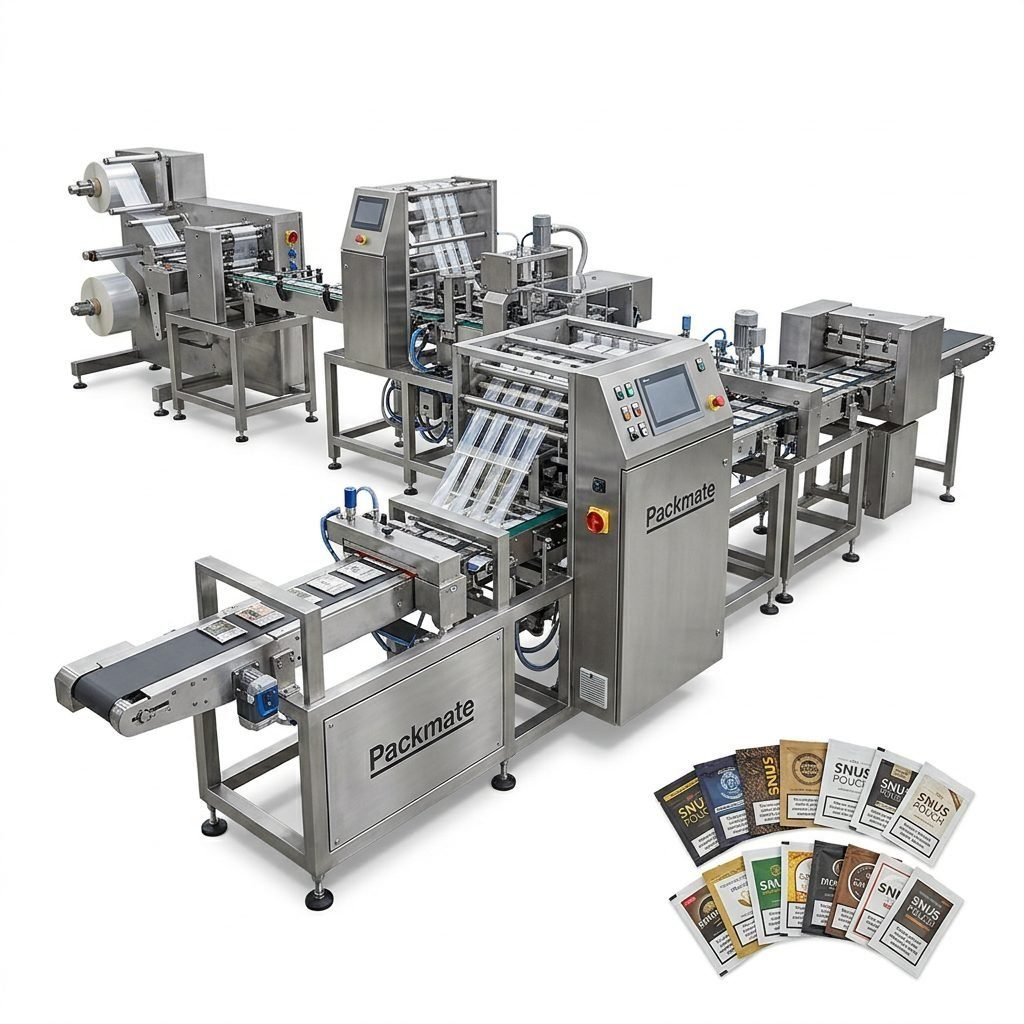
Snus and nicotine pouch packaging have specific handling, hygiene, and dosing requirements. Choose manufacturers with a demonstrated record in this field. Look for product pages and case studies describing snus solutions — for example, review specialized offerings like Snus & Nicotine Packaging Machines to understand available machine types and configurations.
🔧
Why sector experience matters: Manufacturers who specialize in snus equipment understand dust control, static management, anti‑cross contamination designs, and dosing for very small nicotine pouch formats — all critical for product consistency and regulatory compliance.
Verify Factory Strength and Quality Systems
A manufacturer’s production capacity and quality control practices determine machine reliability. For larger or customized snus lines, confirm that the supplier has modern CNC machining centers, precision assembly lines, and strict QC checks. Packmate’s 20,000㎡ manufacturing base and advanced systems are examples of scale that supports consistent quality.
Ask for the following evidence
Factory photos, assembly process descriptions, certificate copies (CE, ISO), model lists, and references from other international customers. If available, request video demonstrations or virtual factory tours to assess workmanship and machine build quality.
Evaluate Compliance, Certifications, and Safety
Ensure the equipment meets internationally recognized standards and safety regulations. CE and ISO compliance are important indicators. Ask for certification documents and confirm the company’s approach to electrical safety, sanitary design for food/pharma contact parts, and traceability for spare parts.
After‑Sales Support and Spare Parts Supply — Critical for Island Markets
For Kiribati businesses, timely access to spare parts and remote troubleshooting is vital because shipping delays are common. Confirm the manufacturer offers clear warranty terms, stocked spare parts, remote diagnostics, training packages, and local or regional service partners. Strong service offerings minimize downtime and save costs long-term.
✅
Checklist for after‑sales: spare part lead times, online support hours, technician training, preventive maintenance schedules, and long‑term parts availability.
Logistics, Packaging Materials and Local Regulations
Shipping large machines to Kiribati involves sea freight, customs clearance, and local handling. Discuss crating standards, weight and volume, and import documentation. Also evaluate compatibility with locally available packaging films and materials — some machines require specific film properties or sealing temperatures. Finally, confirm compliance with Kiribati import controls and nicotine product regulations before procurement.
Customization and Turnkey Solutions
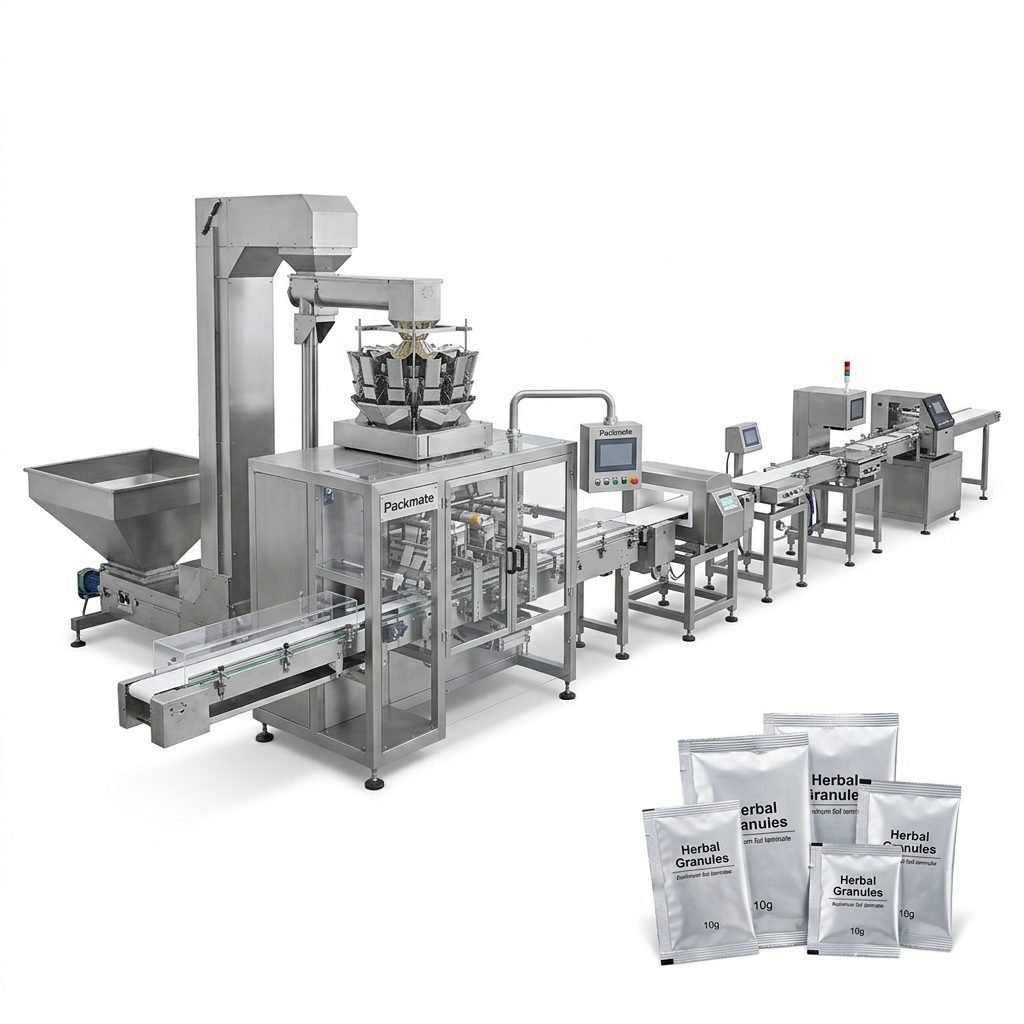
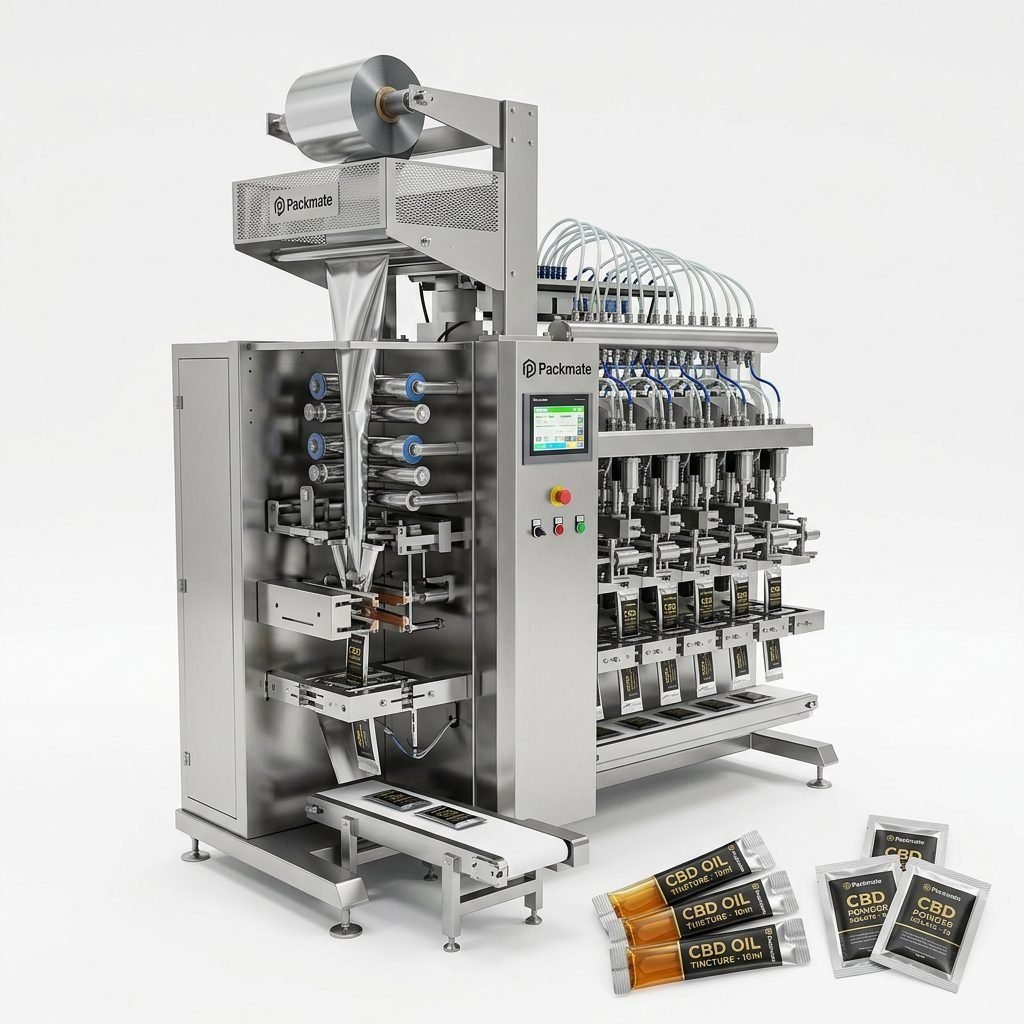
If you need a full production line — from dosing and weighing to primary pouch forming and secondary case packing — a turnkey supplier can reduce integration risk. Check whether the manufacturer offers complete solutions such as weighing systems, filling lines, and auxiliary equipment. Packmate lists integrated options across product categories like Weighing & Packaging Systems and Filling & Packaging Lines.
Assess Total Cost of Ownership (TCO) Over Initial Price
The cheapest machine upfront can be the most expensive over time. Evaluate energy consumption, maintenance intervals, mean time between failures (MTBF), spare part costs, and expected service life. Machines with higher initial precision often reduce product waste and rework, improving long‑term margins.
TCO factors to compare
• Energy usage and air consumption · • Consumables compatibility · • Labor required for operation and cleaning · • Expected spare parts replacement schedule · • Resale and upgradeability.
Factory Acceptance Testing (FAT) and Site Acceptance Testing (SAT)
Insist on FAT with representative materials and speeds before shipment. A thorough FAT validates performance, counts, and electrical/instrumentation functions. Plan for SAT upon arrival in Kiribati to ensure installation, alignment, and final acceptance. Remote FAT via video can be acceptable if an in‑person visit is not practical.
⚠️
Important: FAT should include tests at full line speed and with the actual pouch material you will use. Unverified performance can lead to costly on‑site adjustments.
References, Case Studies and Exhibition Visits
Request references and case studies, especially from tropical or island clients if possible. Visiting the manufacturer at trade shows or arranging machine demonstrations can reveal product maturity and engineering depth. Check published customer cases for similar snus or nicotine pouch lines — for example, review the company’s project examples at Case.
Contracts, Warranties and Payment Terms
Negotiate clear delivery schedules, penalties for late delivery, warranty coverage, and acceptance criteria. For international orders, consider letters of credit, staged payments tied to FAT and SAT, and clear responsibilities for installation and commissioning. A reputable supplier will outline spare parts lists, response times, and escalation paths in the contract.
Local Partnering and Training
Assess whether the supplier can provide operator and maintenance training, either onsite in Kiribati or remotely. Partnerships with regional agents for installation and support reduce lead times for service calls. Explore the supplier’s service page for training and support offerings: Service.
How to Shortlist Suppliers — A Practical Approach
1) Start with manufacturers experienced in snus packaging and nicotine pouch lines. 2) Request machine specifications, factory capabilities, and FAT videos. 3) Evaluate after‑sales service and spare parts logistics for Kiribati. 4) Compare TCO, not just price. 5) Check references and certifications. Finally, validate contractual terms and delivery timelines.
Where to find manufacturer background
Explore the vendor’s About page to understand their history and mission: for more information, see About Packmate. Also check certificates and exhibition participation for credibility: Certificate and Our Exhibition.
📞
Tip: Request a single point of contact for technical questions and shipping coordination to simplify communications during procurement and installation. Use direct contact links like Contact Us for formal inquiries.
Making the Final Decision
Balance technical fit, long‑term support, logistics, and TCO. A trusted manufacturer will be transparent with lead times, test reports, and spare parts availability. For Kiribati buyers, prioritize suppliers who demonstrate experience shipping to remote locations, provide robust remote support, and can train your team effectively.
Final validation checklist
• Signed FAT & SAT acceptance criteria · • Written warranty and spare parts lead times · • Remote support SLA · • Training plan and documentation · • Shipping and installation responsibilities clearly defined.
Next steps
Compile your production brief and reach out to shortlisted suppliers with specific questions. Use demo requests and FAT videos to compare real performance. If you need customizable snus lines, explore product pages for machine options or contact specialists directly to discuss turnkey solutions.
🔎
Quick links for more details: product galleries and technical specs can be explored at Snus & Nicotine Packaging Machines, and for turnkey integration see the Bag & Pouch Packaging Machines section.
Common Questions
Q1: How long does it take to receive a snus packaging line in Kiribati?
A1: Typical manufacturing lead times vary by customization level; standard models often ship in 8–16 weeks after FAT, but shipping to Kiribati adds sea transit and customs time — plan for additional 4–8 weeks. Confirm exact timelines with your supplier.
Q2: What support is available if a machine breaks down on the islands?
A2: Look for manufacturers offering fast spare part shipments, remote diagnostics, and training of local technicians. Many suppliers provide prioritized spare parts kits and step‑by‑step troubleshooting guides to minimize downtime.
Q3: Can machines be adapted to locally available pouch films and nicotine pouch formats?
A3: Yes, reputable manufacturers provide material compatibility tests and can adjust sealing profiles, servo settings, and dosing systems to match your packaging film and pouch designs.
Q4: What certifications should I expect?
A4: CE and ISO certifications are common and indicate compliance with safety and quality management standards. Request copies of certificates and check machine documentation for conformity.
Q5: How can I evaluate a supplier remotely?
A5: Request detailed technical documentation, FAT videos with production samples, references from similar projects, virtual factory tours, and a clear service plan. A transparent supplier will willingly share these materials.