Choosing the right snus packaging machine in Guinea-Bissau can be the difference between a thriving small-batch manufacturer and a costly supply-chain headache. This detailed buyer’s guide walks you through local considerations, machine types, technical specs, compliance, installation, and after-sales support — all tailored to the realities of operating in Guinea-Bissau and the wider West African market.
Why the right machine matters in Guinea-Bissau
Guinea-Bissau is an emerging market with a unique mix of cultural influences (Portuguese language, Crioulo culture, and regional trade links across West Africa). Logistics, humidity, and local consumer preferences shape the best choices for packaging equipment. A machine selected with these realities in mind reduces downtime, avoids costly import delays, and delivers packaging that travels well across regional distribution channels.
Key local factors to consider
🔍 Power & Climate: Frequent voltage fluctuations and high humidity require machines with robust electrical protection, sealed electronics, and corrosion-resistant parts.
🚚 Logistics: Port handling and inland transport often add transit time; choose equipment that can be shipped modularly or in containers with clear installation manuals.
🌍 Language & Labels: Labels and manuals in Portuguese (and optionally French/English) make local operations smoother and improve regulatory acceptance.
👥 Market Size & Distribution: Niche markets and small retailers favor flexible, smaller-lot production with quick changeovers rather than large industrial lines.
Types of snus packaging machines and when to choose each
There are several machine families relevant to snus and nicotine pouches. Selecting the right class depends on product format, production volume, and budget.
Sachet & stick-pack machines
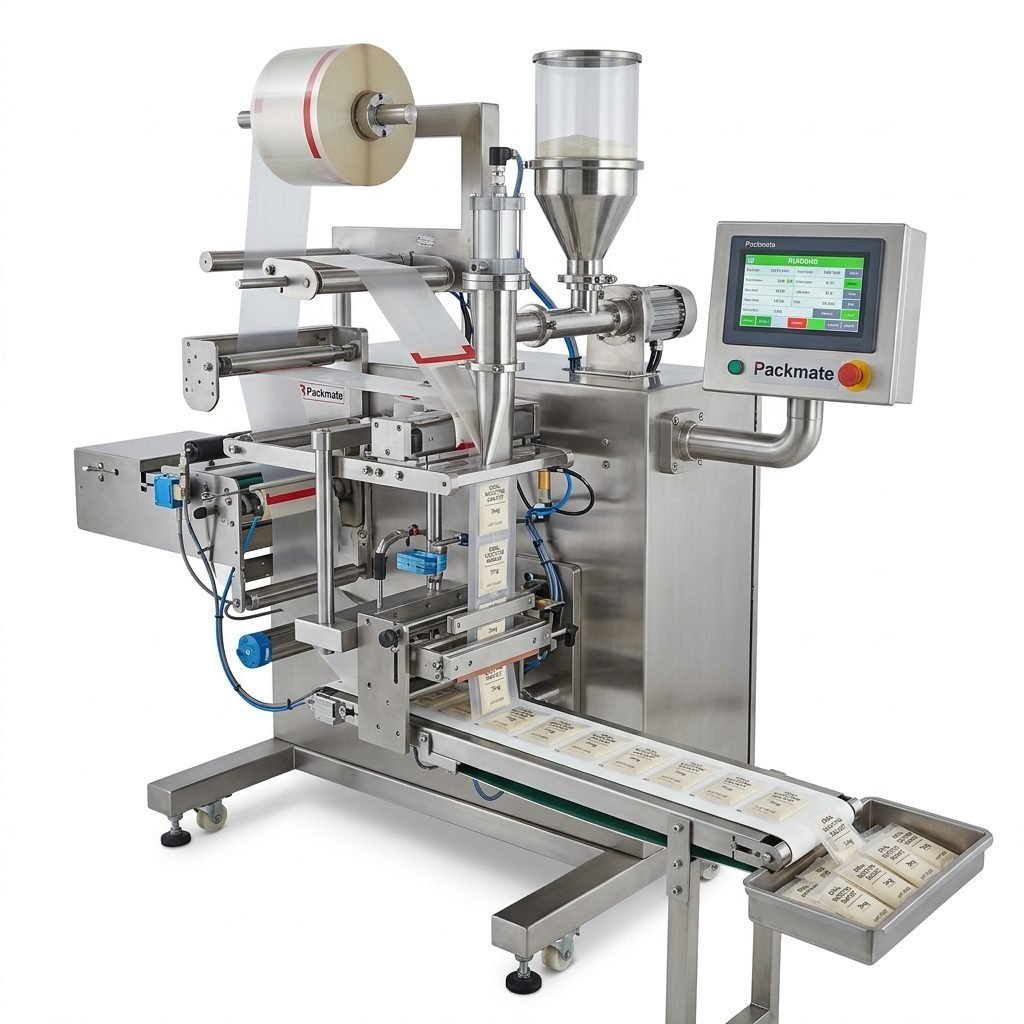
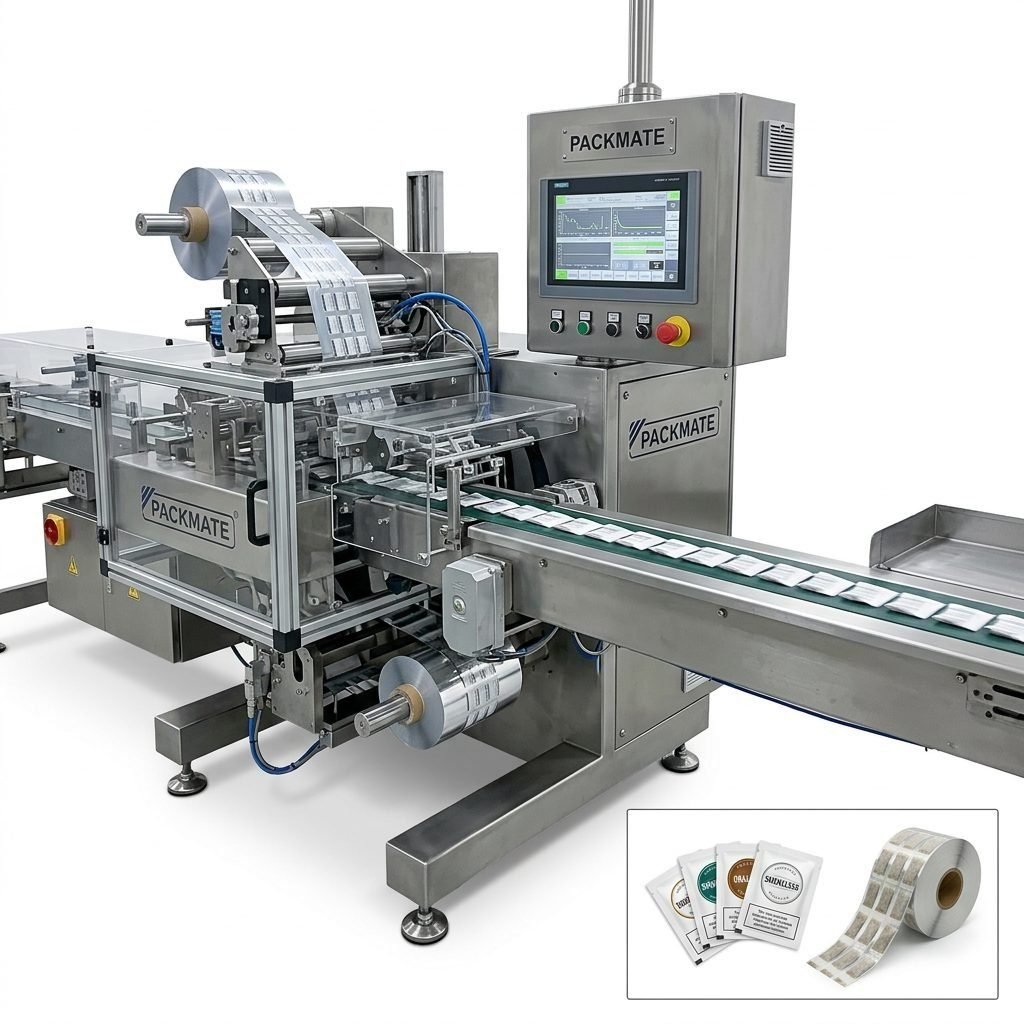
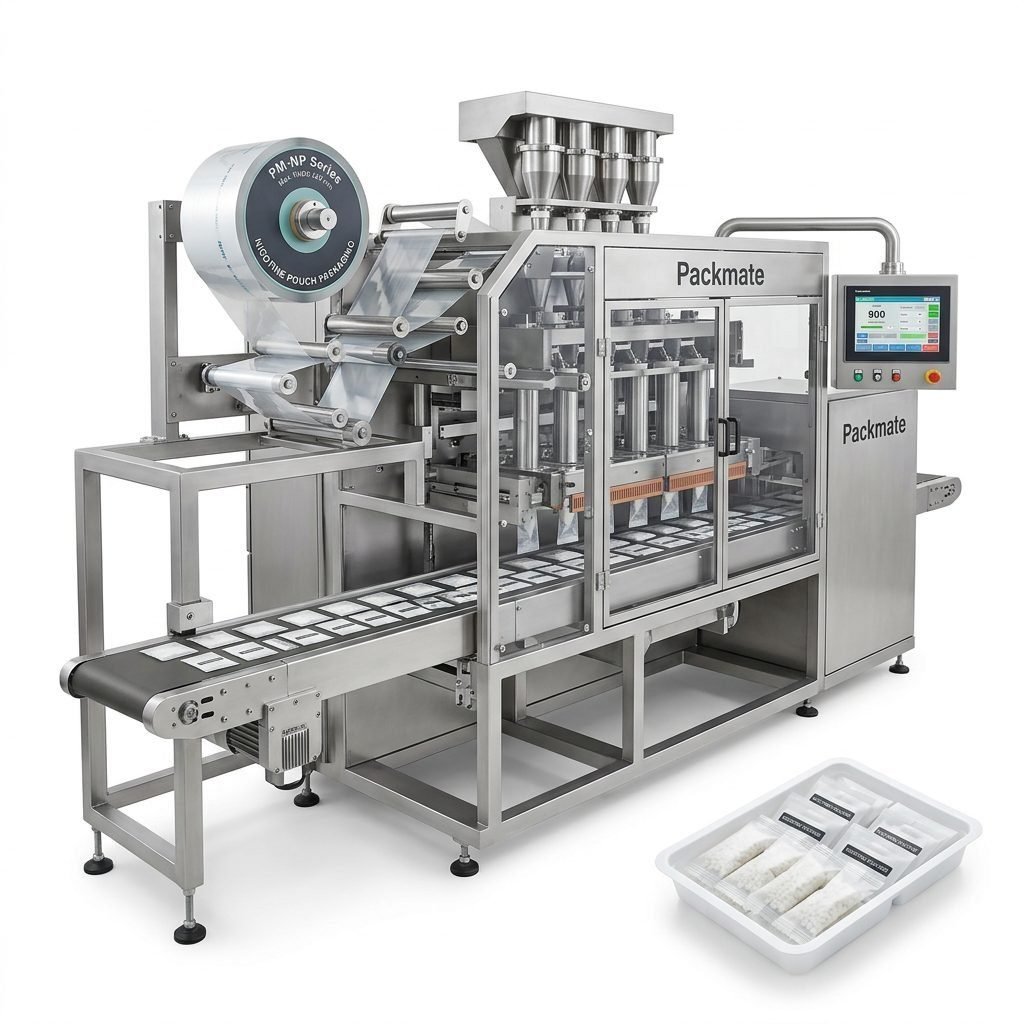
Sachet and stick-pack machines are ideal for single-dose sachets and slim sticks often used for single-use nicotine pouches. These systems are compact, versatile, and suitable for promotional packs or seasonal demand.
✅ Best for: Small to medium volumes, high packaging speed for simple pouch formats, lower initial investment. Check models that support tear-notches and easy-open options for consumer convenience.
Multi-lane snus pouch machines
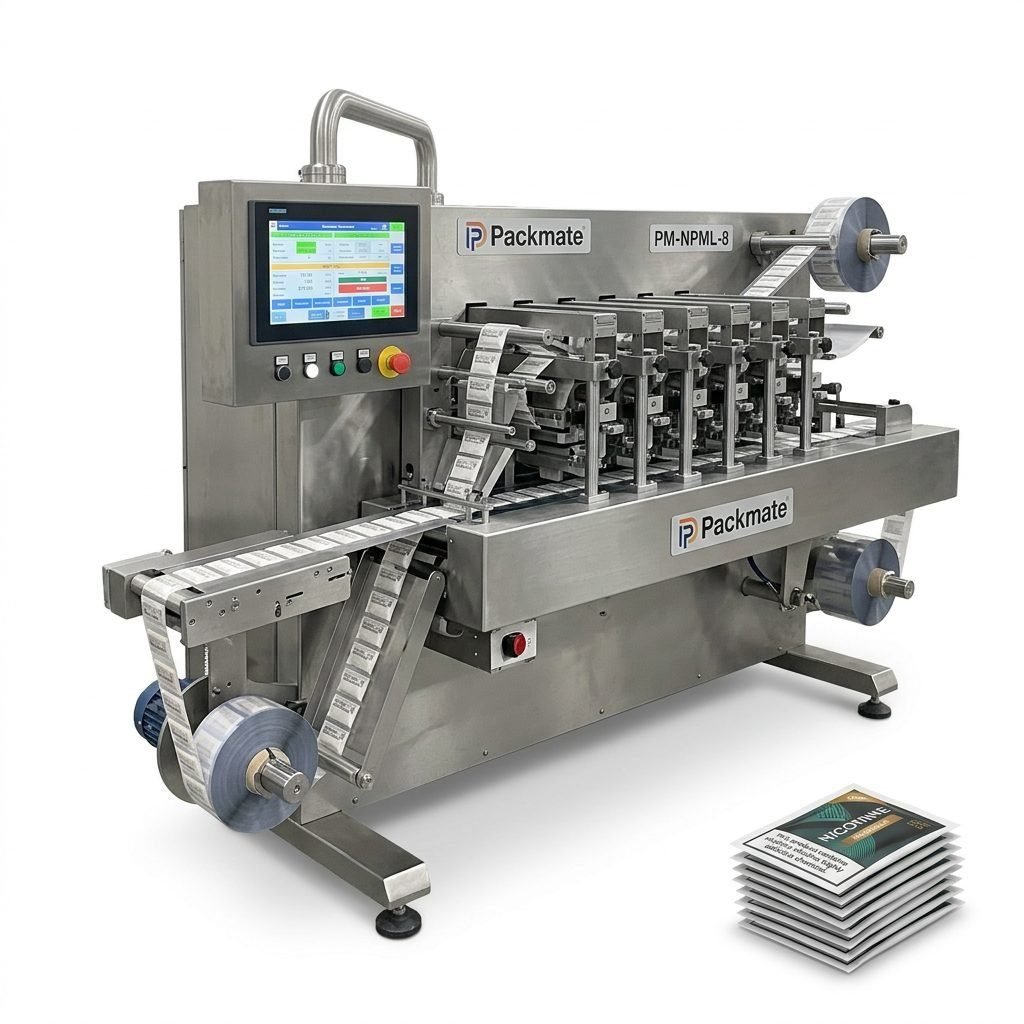
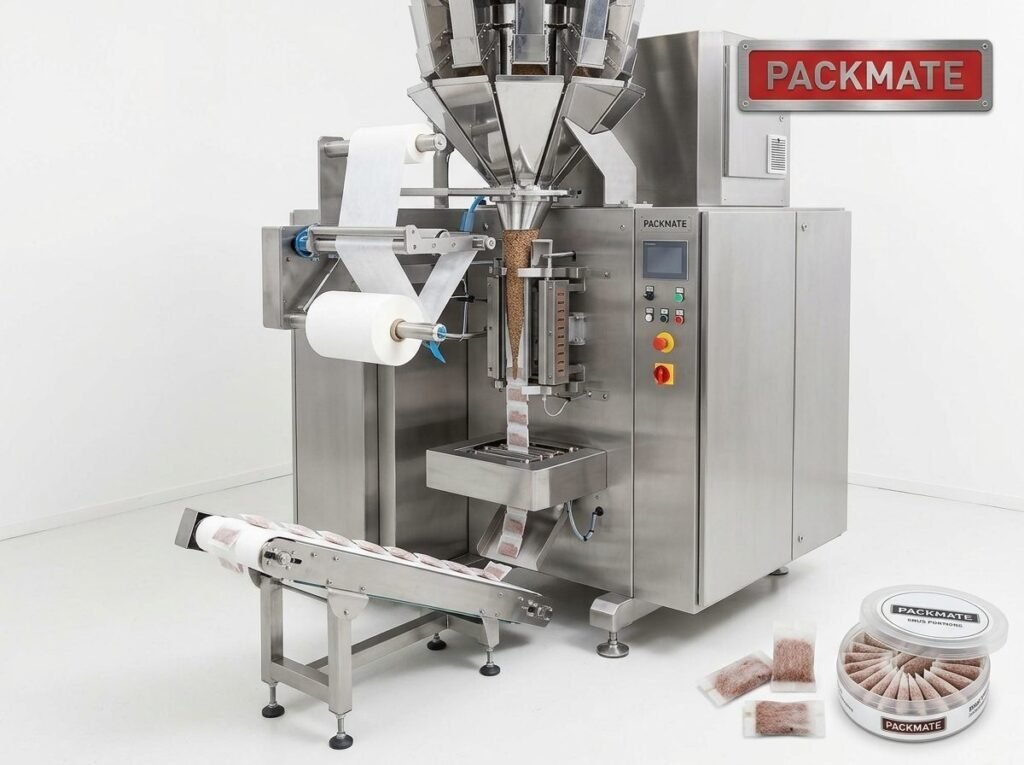
Multi-lane lines produce multiple pouches per cycle, boosting throughput while keeping per-unit costs down. They suit manufacturers targeting regional retail chains and exports across West Africa.
✅ Best for: Medium-to-high volumes, stable product formulas, manufacturers aiming for regional distribution with consistent packaging quality.
Automated filling & integrated lines
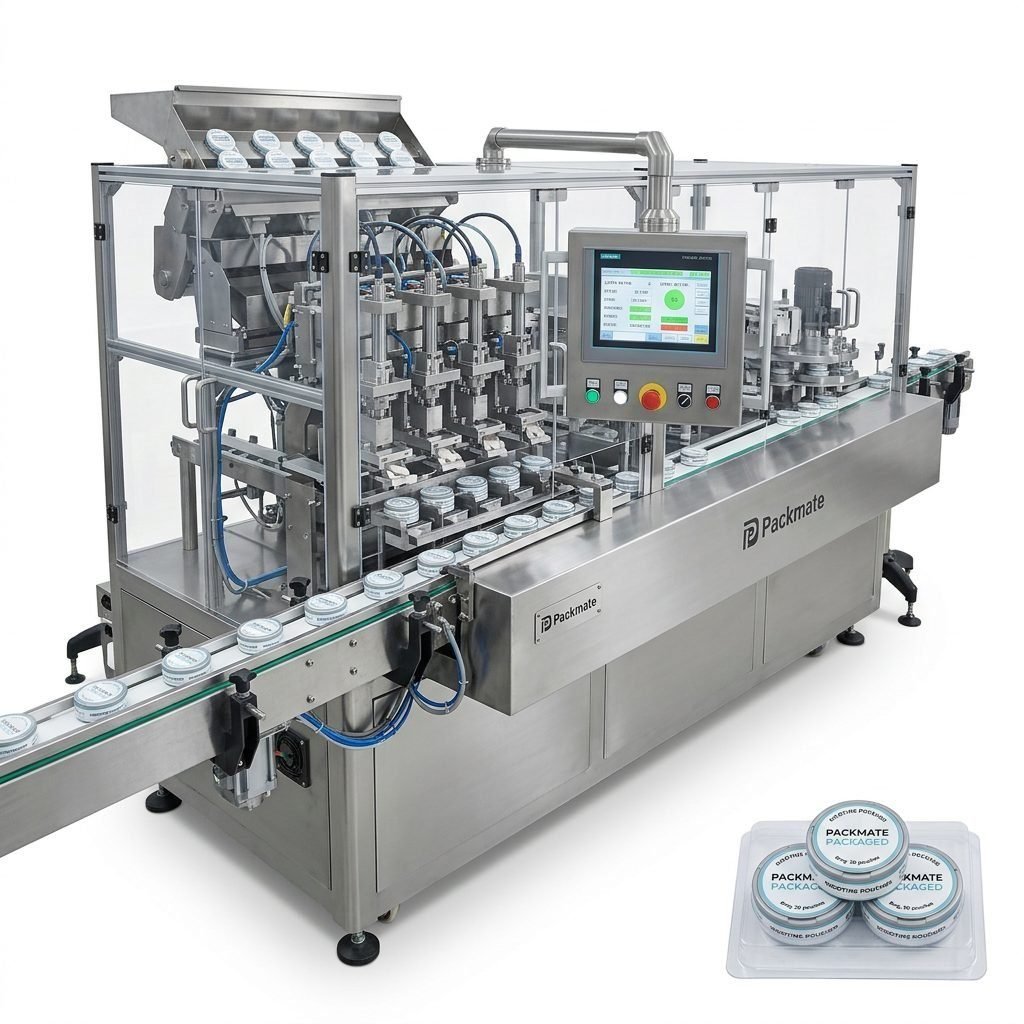
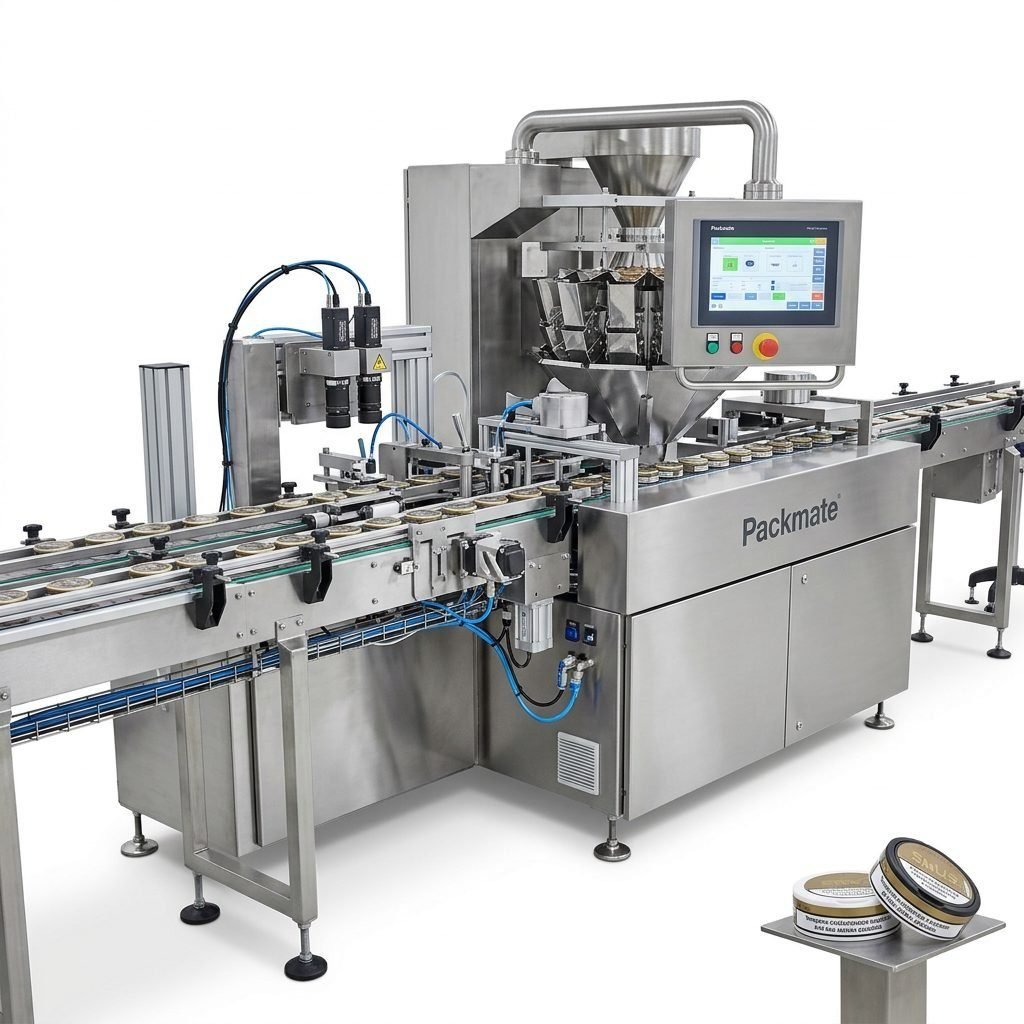
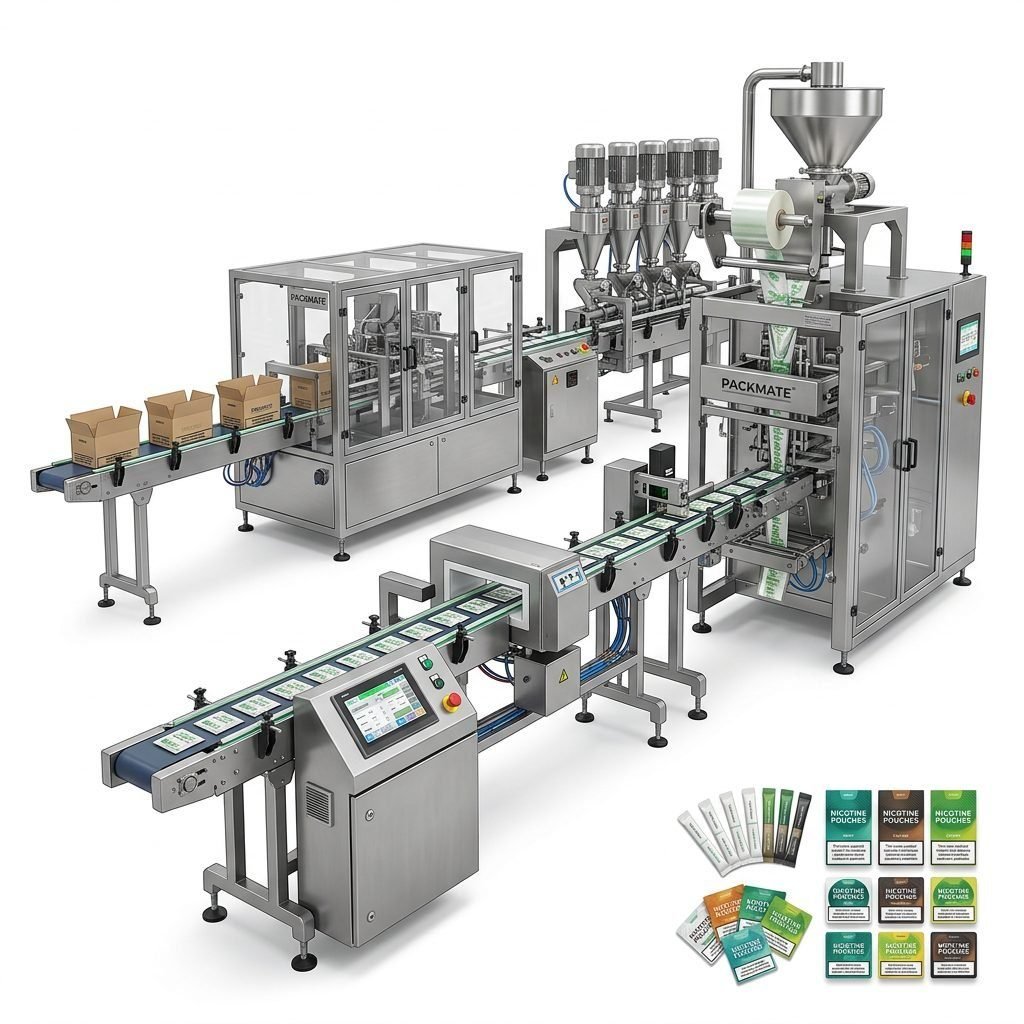
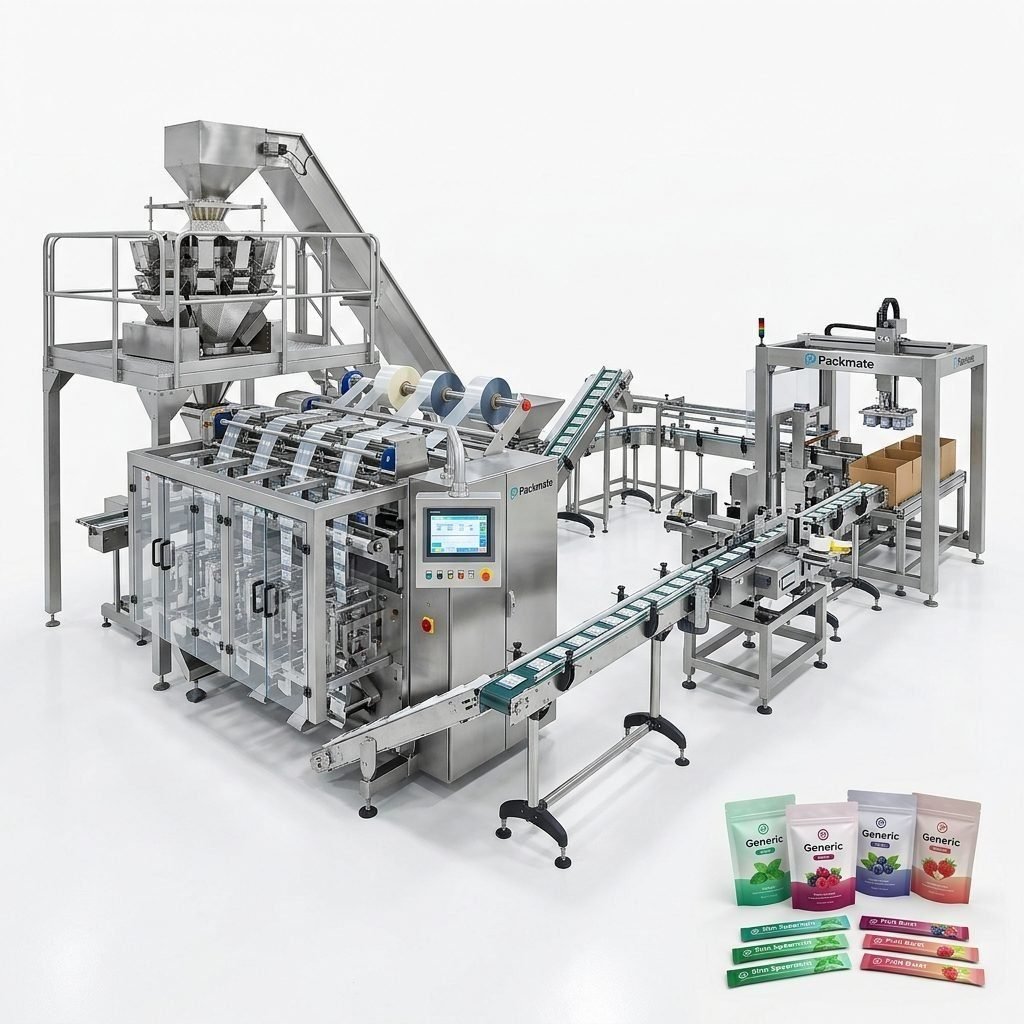
Integrated solutions combine feeding, weighing, pouch forming, sealing, and secondary packaging. They minimize manual handling and contamination risk, essential for nicotine-related products that require precise dosing.
✅ Best for: Brands seeking consistent output, full traceability, and compliance with international buyers or export requirements.
Technical specifications that affect performance
When evaluating machine models, review these technical specs carefully — they directly impact operating costs and product quality.
⚙️ Speed & Throughput: Measure pouches per minute and consider realistic throughput after changeovers and quality checks.
🔩 Accuracy & Weighing: Tight dosing tolerance is crucial for nicotine pouches — use built-in checkweighers or high-precision dispensers.
🛡️ Materials & Sealing: Food-grade stainless steel (304/316) and reliable heat/induction seals prevent leaks and maintain shelf life in humid climates.
📦 Flexibility: Tool-less changeover, adjustable lanes, and programmable recipes reduce downtime between SKUs.
🔌 Electrical & Controls: PLC + HMI systems with voltage stabilization options and remote diagnostic capability reduce on-site troubleshooting time.
Compliance, certifications and export readiness
For nicotine products, regulatory compliance is a complex but essential area. International certifications like CE and ISO are signals of quality and help with cross-border sales throughout West Africa and beyond.
⚠️ Important: Confirm that machine suppliers provide documentation for CE/ISO where required, clear machine safety documentation, and assistance for customs clearance. Packmate Snus Machine provides internationally recognized certificates and turnkey solutions that simplify compliance; learn more on the About Packmate page.
For product labeling and local approvals, prepare Portuguese-language labels, ingredient declarations, and safety instructions that respect local consumer habits and legal requirements.
After-sales support and spare parts — the lifeline of operations
Local technical support, fast spare-part shipments, and training are decisive factors for long-term uptime.
🔧 Spare Parts Availability: Ensure the manufacturer has a clear spare-parts catalog and international shipping options, or maintains regional partners for faster delivery.
🧑🏫 Training & Manuals: Request on-site commissioning and operator training in Portuguese or with a translator; detailed manuals and video guides reduce dependence on external technicians.
🌐 Remote Diagnostics: Machines with remote connectivity allow vendor engineers to diagnose issues quickly and deliver firmware or parameter updates.
Practical purchasing checklist for Guinea-Bissau buyers
Use this checklist to compare suppliers, technical proposals, and total landed cost.
-
Production needs: Required throughput (pouches/min), SKU mix, desired automation level.
-
Technical specs: Materials (SS304/316), electrical protection, sealing methods, accuracy.
-
Compliance & docs: CE/ISO certificates, machine test reports, spare parts lists.
-
Service & logistics: Training, warranty, spare-part lead-times, shipping mode, installation support.
-
Total cost: Machine price + shipping + customs + installation + spare parts for first year.
Financing, ROI and scaling strategy
Smaller manufacturers in Guinea-Bissau often start with lower-capacity or multi-purpose machines to establish the brand before investing in multi-lane high-speed lines. Build an ROI model that includes local labor savings, reduced product loss, and expected distribution expansion into neighboring markets like Senegal and Guinea.
Tip: Consider staged investments: start with a flexible sachet/stick pack machine and upgrade to a multi-lane pouch machine when order volumes justify the capital expense.
Packaging materials and shelf life in tropical climates
Material selection is critical in humid, hot climates. Barrier films with moisture and oxygen protection extend shelf life and reduce product degradation.
Material choices: Laminated aluminum foil pouches, metallized films, or high-barrier polymer laminates work best for nicotine pouches.
Sealing quality: Reliable heat-seal control prevents micro-leaks which can rapidly ruin contents in high humidity.
Why work with an experienced manufacturer — Packmate as a reference
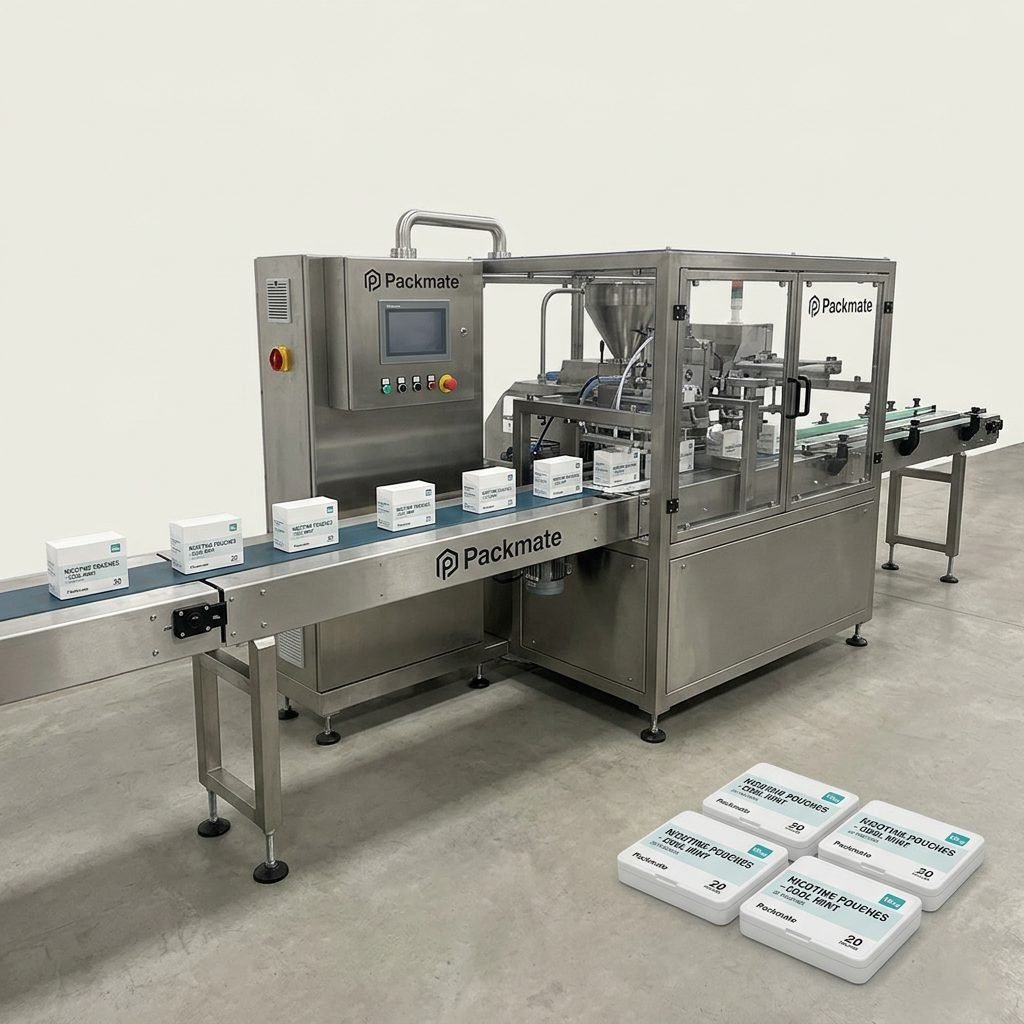
Manufacturers with decades of experience and a full factory setup can deliver consistent quality, customization, and faster lead times. Packmate Snus Machine is an example: over 30 years of engineering experience, a 20,000㎡ factory, and 50+ machine models support turnkey packaging solutions for nicotine pouches, sachets, and multi-lane systems. Explore product options such as Snus & Nicotine Packaging Machines and Bag & Pouch Packaging Machines for detailed model information.
🔗 Useful links: Browse Packmate’s product categories to identify compatible systems: Snus & Nicotine Packaging Machines, Bag & Pouch Packaging Machines, and view the company profile on About Packmate. When ready, contact the supplier via Contact Us to request a quote and discuss shipping options to Guinea-Bissau.
Installation, commissioning and training in Guinea-Bissau
Plan for on-site commissioning and operator training in Portuguese or Crioulo where possible. Local technicians will benefit from hands-on sessions during installation, as well as spare parts training to reduce mean time to repair (MTTR).
Action steps: Arrange for a pre-shipment inspection, confirm electrical harmonics compatibility, schedule an installation window that accounts for port clearance, and request bilingual manuals or video guides.
Maintenance best practices
Routine maintenance extends machine life and ensures consistent output. Create a simple maintenance log in Portuguese with weekly, monthly, and quarterly tasks (lubrication points, belt inspections, sensor cleaning). Keep a small inventory of critical spare parts such as belts, sensors, and heating elements locally.
🕒 Daily: Clean forming areas and remove debris; check seals for residue.
🔁 Weekly: Check belt tension, inspect electrical connectors for corrosion, and run test pouches for weight accuracy.
🔧 Quarterly: Replace wear parts, verify PLC backups, and update spare part lists.
Common pitfalls and how to avoid them
Avoiding predictable mistakes saves time and money. Below are common pitfalls for buyers in Guinea-Bissau and practical mitigation measures.
-
Assuming one-size-fits-all: Don’t buy a high-speed line without confirming local power reliability and staff skill level.
-
Ignoring spare-part logistics: Local stocking of critical parts reduces downtime; negotiate parts bundles during purchase.
-
Skipping language needs: Ensure manuals and training are in Portuguese or include clear visual instructions for local operators.
Next steps for buyers
If you are ready to evaluate models and get a tailored proposal, prepare product samples, expected monthly volumes, desired shift patterns (single / double shift), and the shipping address/port in Guinea-Bissau. Share this information with suppliers to receive a realistic installation and shipping timeline.
For a deeper look at turnkey solutions including weighing and full packaging lines, see Packmate’s Weighing & Packaging Systems and Filling & Packaging Lines sections to match upstream and downstream automation to your production plan.
Summary
• Choose machines that are robust to humidity and voltage fluctuations.
• Prioritize suppliers with proven export experience, spare parts support, and multilingual training.
• Start with flexible, lower-capacity systems and scale to multi-lane lines as market demand grows.
Frequently Asked Questions
Q1: What machine type is best for a small snus brand in Guinea-Bissau?
A1: For a small brand, a sachet or stick-pack machine provides low-cost entry, flexibility for multiple SKUs, and simpler maintenance. These machines allow quick market testing and smaller investment while ensuring professional packaging quality.
Q2: How do I handle spare parts and technical support locally?
A2: Negotiate spare-part kits at purchase, request a list of critical parts to keep locally, and ensure the supplier provides remote diagnostics. If possible, arrange regional partners or a local technician training program for faster response times.
Q3: What certifications should the machine have for international trade?
A3: CE and ISO certifications are highly recommended for machines destined for export markets. These certifications indicate compliance with international safety and quality standards and ease customs clearance in many jurisdictions.
Q4: How important is packaging material selection in West Africa?
A4: Extremely important — high-barrier films and reliable sealing prevent moisture ingress and product spoilage in tropical climates. Investing in better packaging materials often yields higher shelf life and better consumer satisfaction.
Q5: Where can I view machine models and request quotes?
A5: Visit product pages such as Snus & Nicotine Packaging Machines and Bag & Pouch Packaging Machines, or contact the manufacturer directly through their Contact Us page to request a tailored quote and lead-time for shipping to Guinea-Bissau.