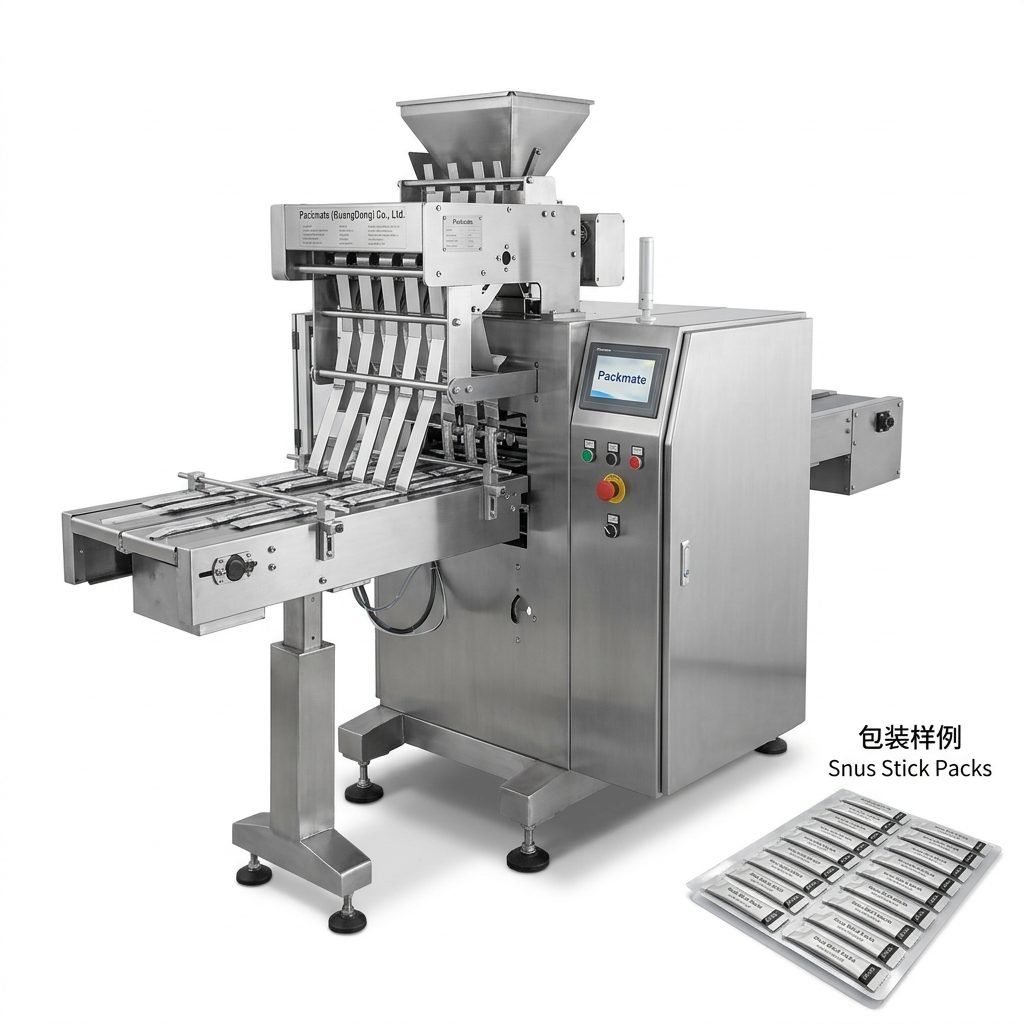
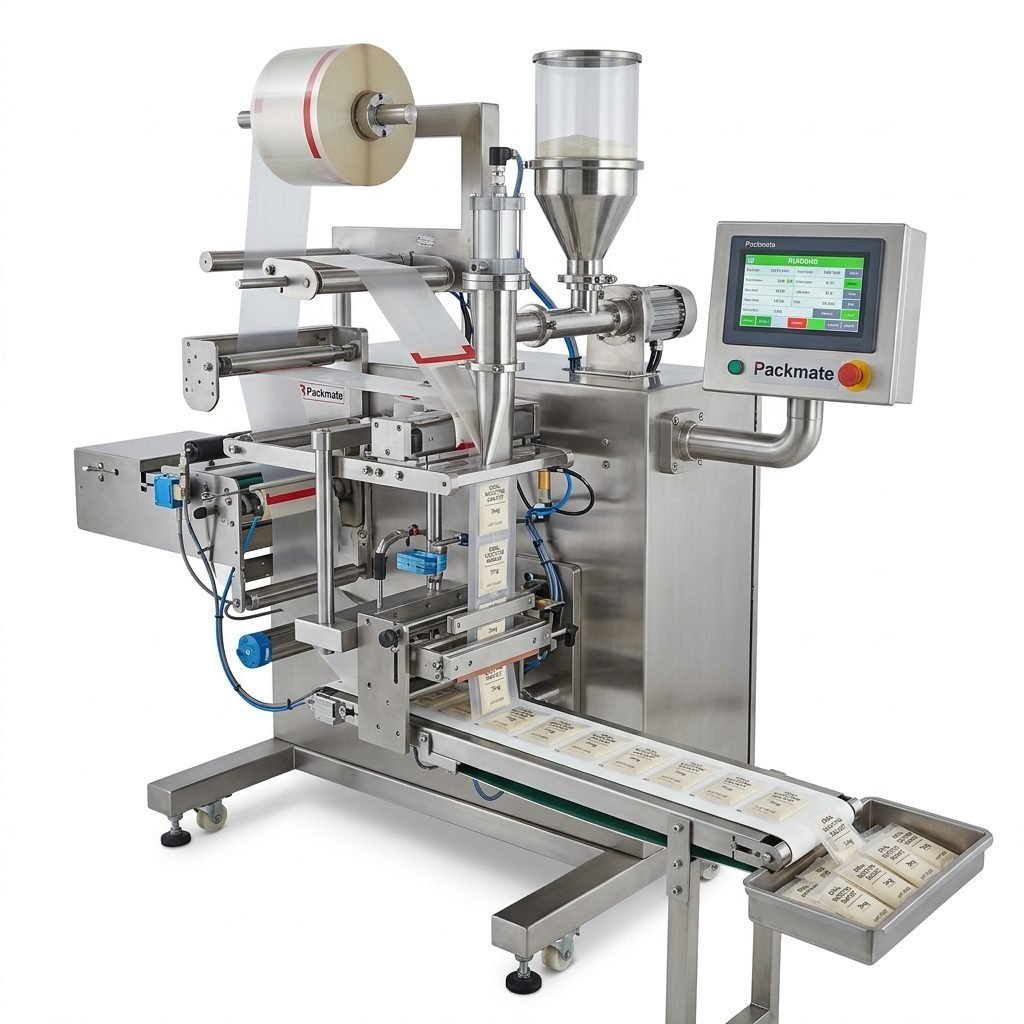
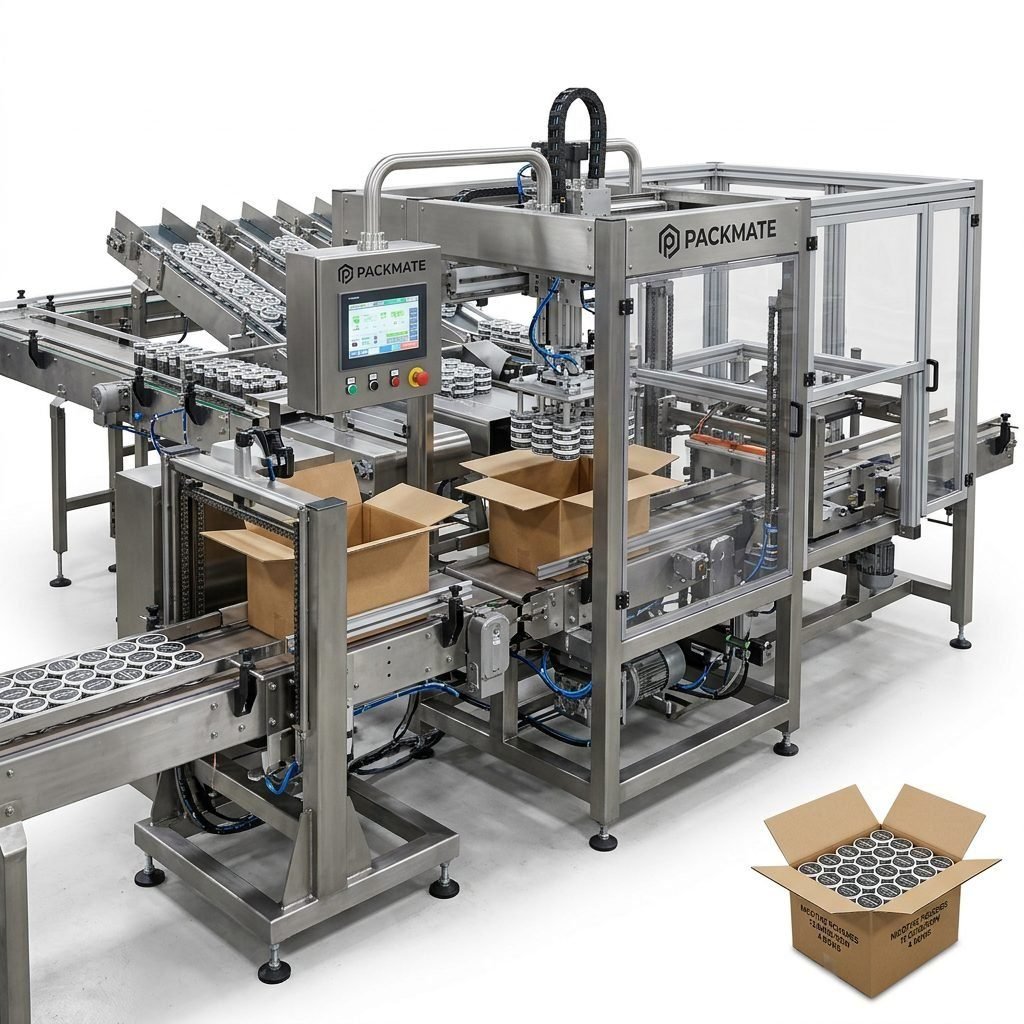
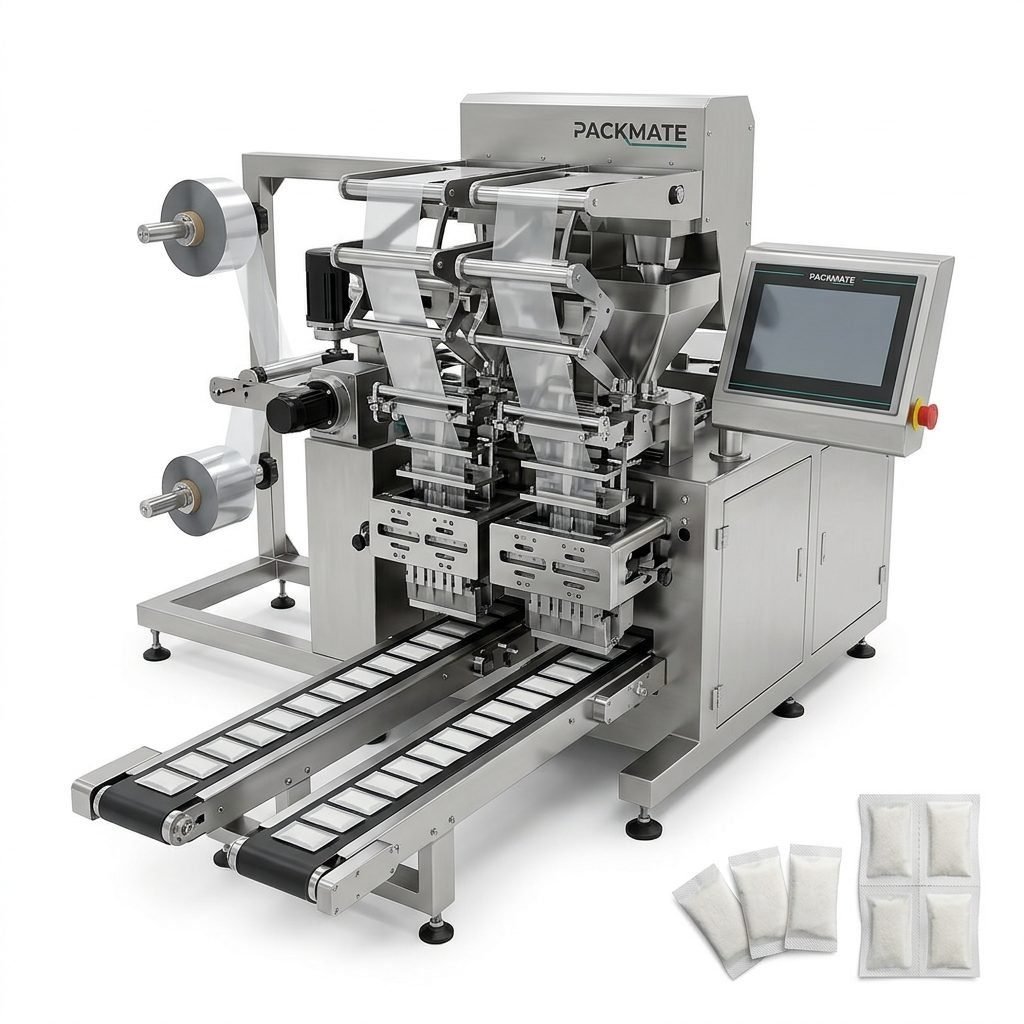
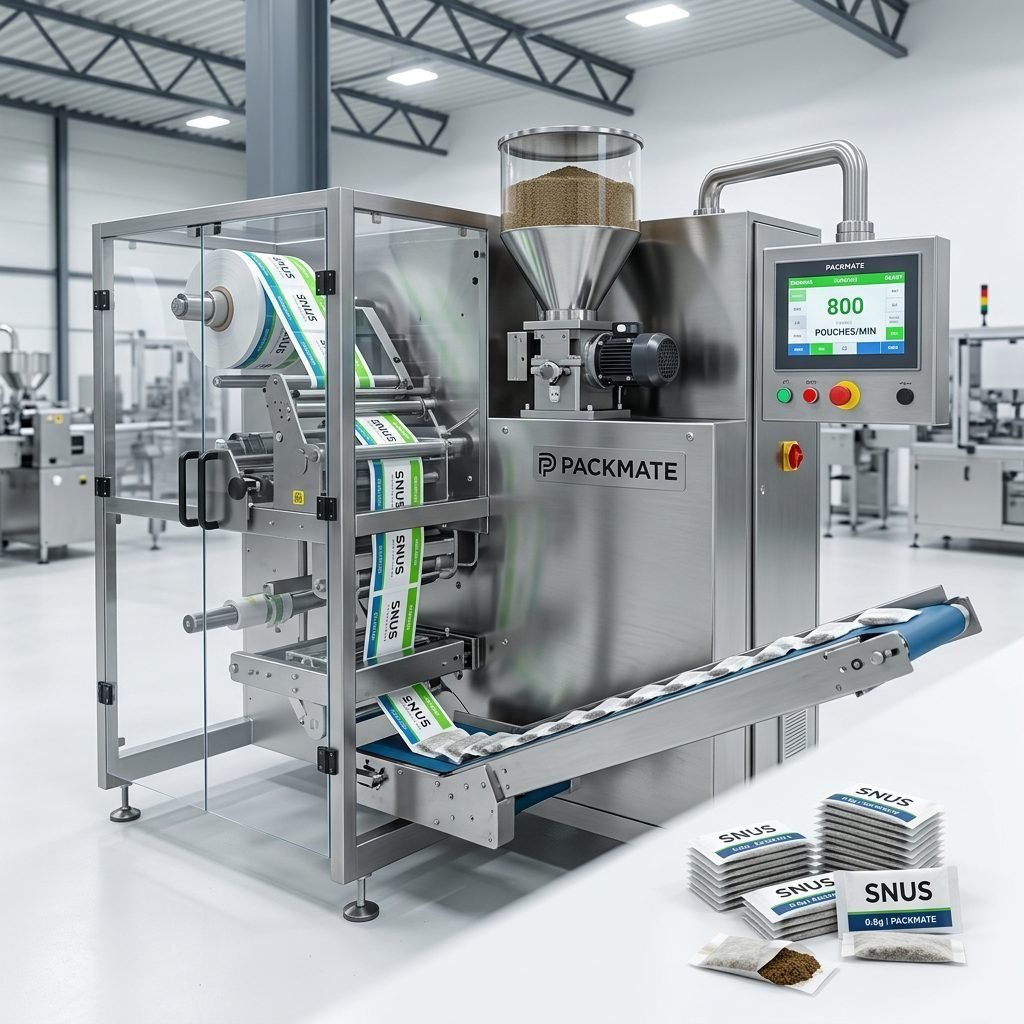
Choosing the right nicotine packaging machinery supplier in Hungary is a critical decision that affects product quality, regulatory compliance, and long-term production costs. Whether you are launching a new nicotine pouch line or scaling an existing snus production, this guide walks you through practical, Hungary-specific considerations and a clear checklist to select a supplier who matches your technical needs, budget, and local business culture.
Understand Hungary’s Market and Regulatory Context
Hungary, as an EU member, follows stringent EU regulations for nicotine products. Local distributors and retailers expect consistent labeling, tamper-evident packaging, and adherence to safety standards. From a cultural perspective, Hungarian businesses value punctuality, clear contracts, and straightforward technical documentation in English or Hungarian. When evaluating suppliers, ensure they can provide CE and ISO documentation, and can support you through customs clearance and local certification processes.
Key regulatory points to verify
Make sure machinery supports compliant labeling (e.g., space for health warnings and batch codes). Confirm that the supplier understands EU Machinery Directive and can provide CE certificates and relevant test reports. If export or import paperwork is needed, ask whether the supplier has experience shipping to Hungary and can provide required customs documentation.
Define Your Production Needs Clearly
Before contacting suppliers, create a detailed production brief. This reduces misunderstandings and allows accurate quotations. Include anticipated daily throughput, pouch formats (single-dose snus, multi-lane stick packs, sachets), product characteristics (powder, granule, paste), and future expansion plans.
Production brief essentials:
✓ Target units per minute/hour/day
✓ Product form and weight range
✓ Desired packaging styles (pouch, stick, sachet)
✓ Cleanroom/food-grade requirements
✓ Automation level (manual, semi, full turnkey)
Technical Specifications: What Matters Most
Not all packaging machines are created equal. Key technical factors that affect performance and cost include speed, dosing accuracy, lane configuration, and changeover time. For nicotine pouches, dosing precision and gentle handling to avoid dusting or deformation are especially important.
Important technical checkpoints
Speed & throughput: Can the machine meet your peak production without frequent downtime?
Dosing accuracy: Verify weighing or volumetric tolerance specifications (e.g., ±X mg).
Multi-lane capability: Multi-lane systems increase output but require precise synchronization.
Material compatibility: Ensure the machine handles powders, granules, or moist fills as needed.
Hygiene & cleanability: Food/pharma-grade surfaces and easy access for cleaning are crucial.
Supplier Evaluation Criteria
When comparing suppliers, combine technical checks with operational, financial, and cultural factors. In Hungary, long-term service relationships and clear spare-part supply chains are highly valued. Look for transparent lead times, clear SLAs, and local or regional support options.
Experience and specialization
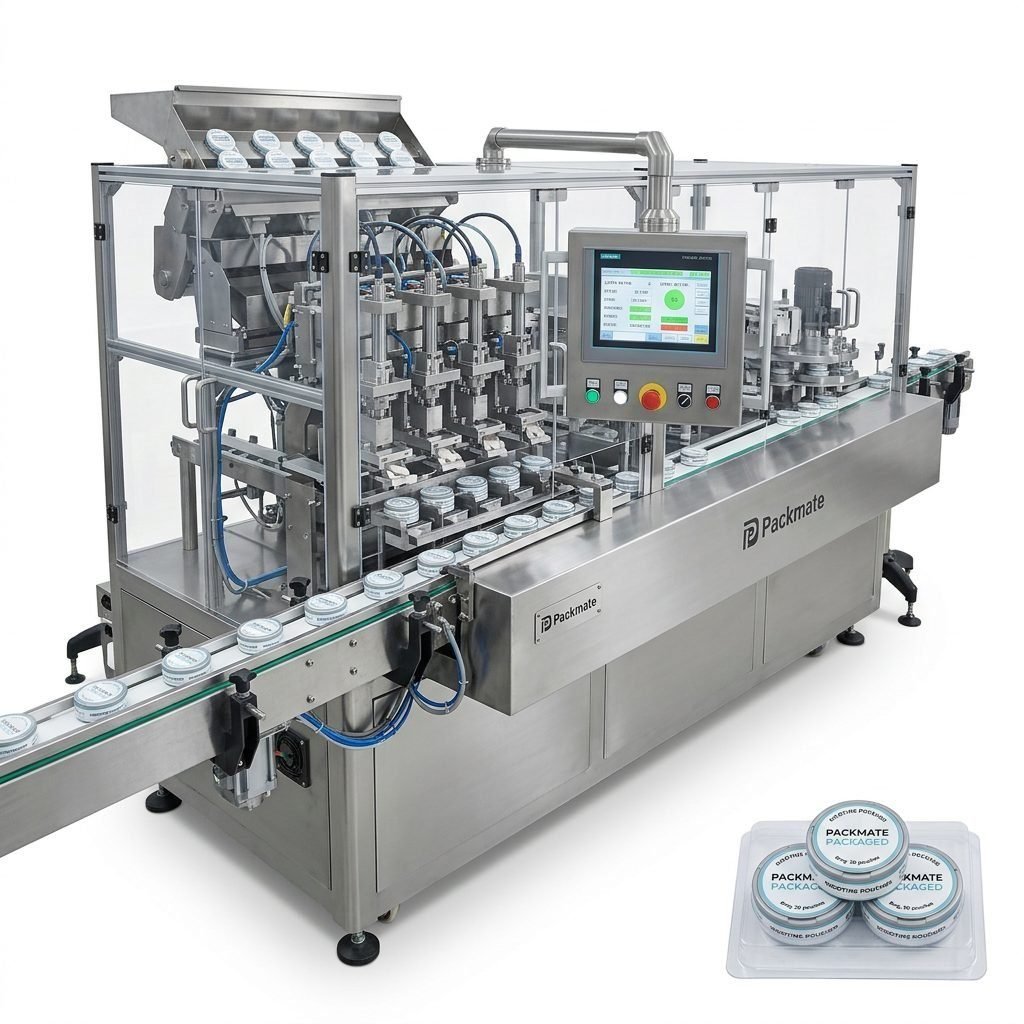
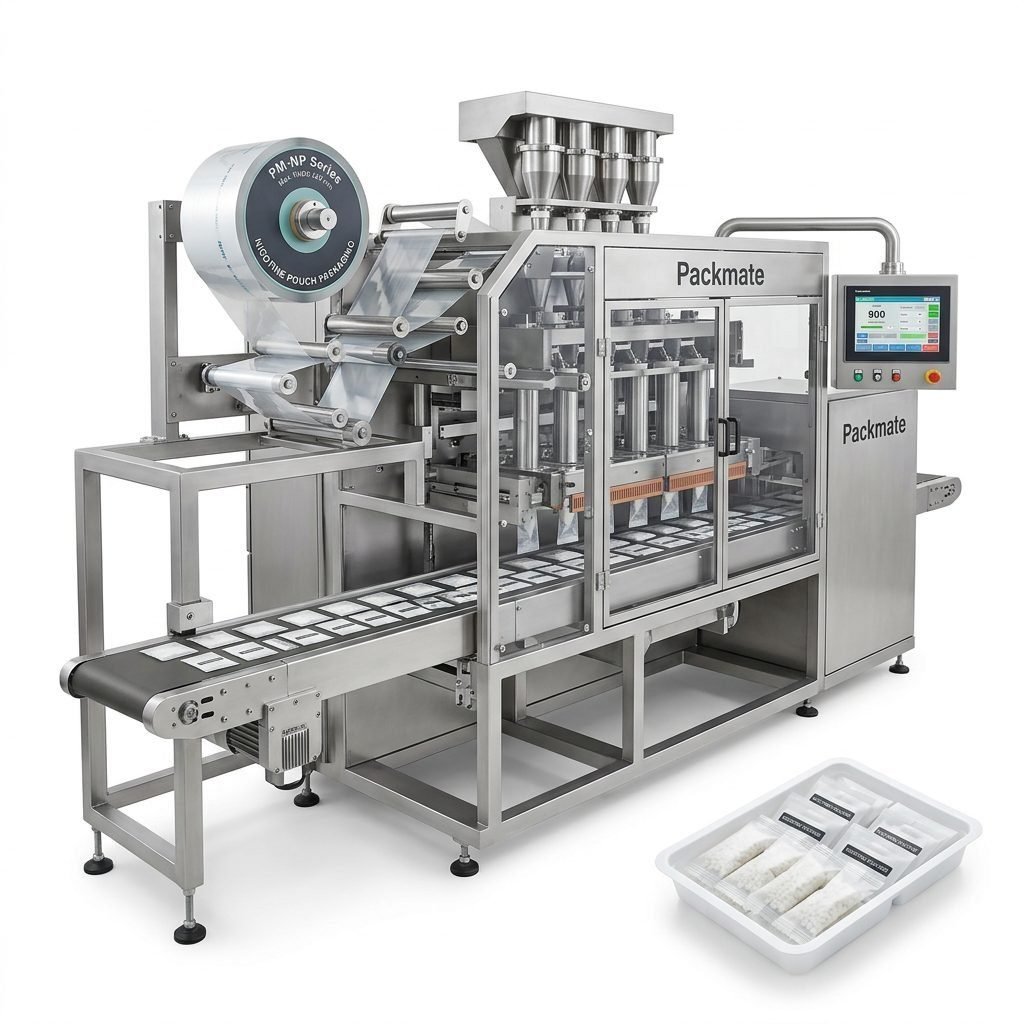
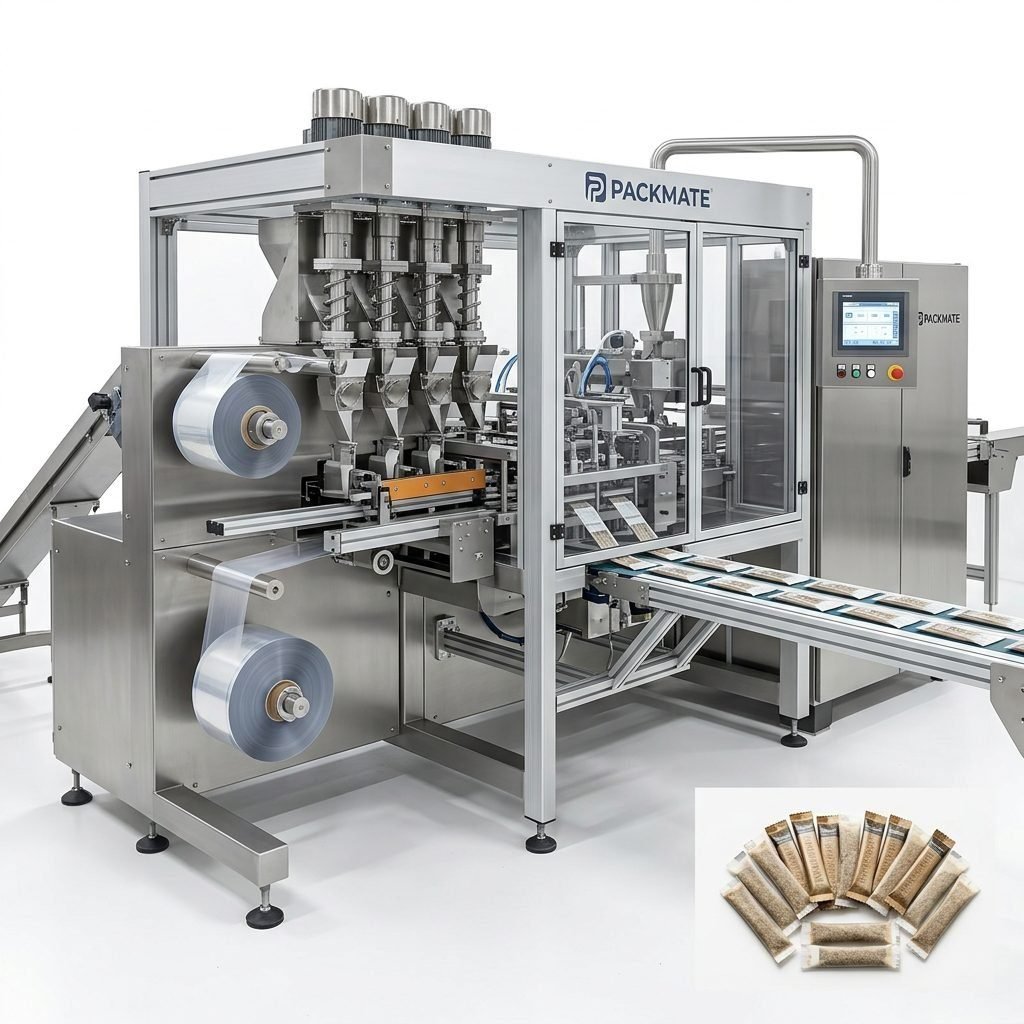
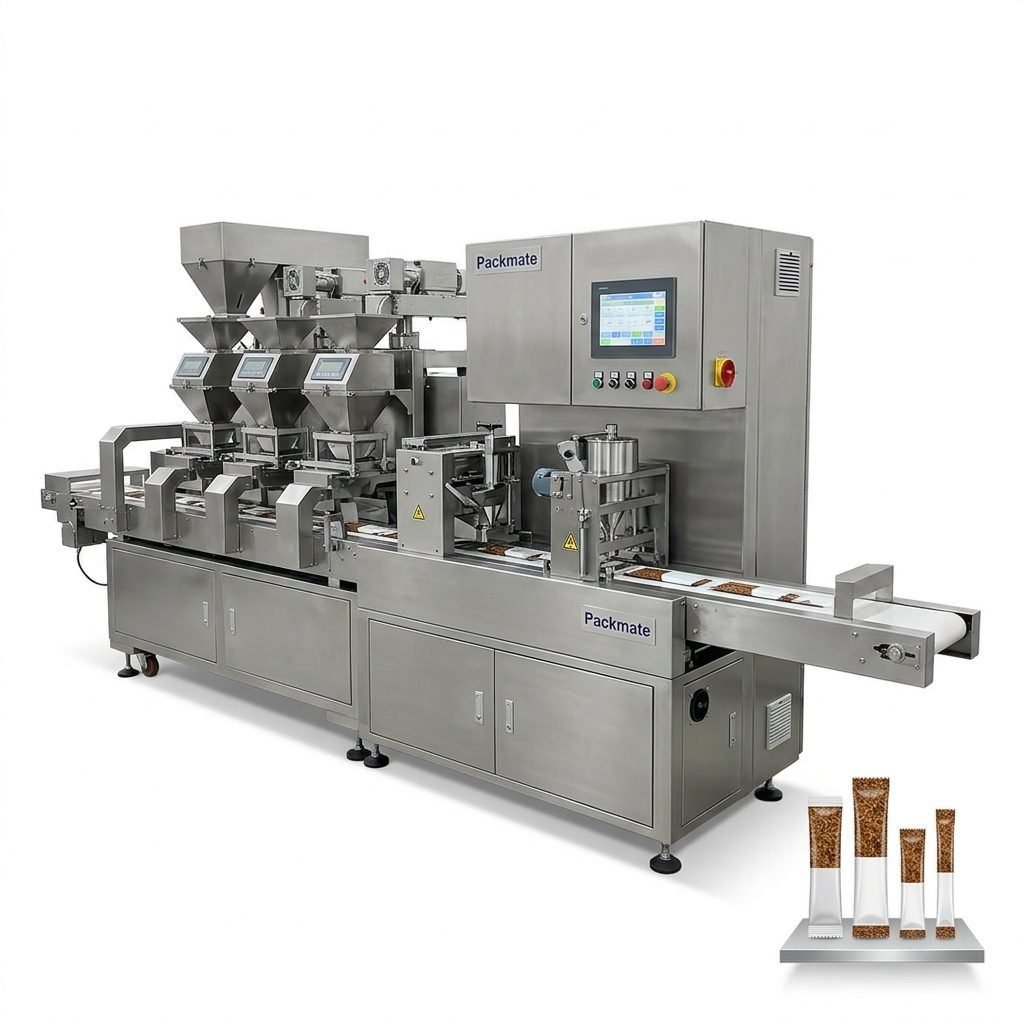
Choose suppliers with proven experience in nicotine pouch or snus packaging lines. Packmate Snus Machine, for example, focuses on snus and nicotine packaging and offers a range of machines from single-lane sachet units to high-speed multi-lane lines. A specialist supplier will better understand product handling nuances.
Factory capabilities & certifications
Inspect or request documentation about factory size, CNC capabilities, and quality systems. Packmate’s 20,000㎡ factory with advanced CNC machining and ISO/CE certifications is an example of the infrastructure you should seek. Strong in-house fabrication often reduces custom lead times and improves quality control.
After-sales service and spare parts
After-sales is where many projects fail. Confirm spare parts availability, typical lead times, and whether the supplier offers remote diagnostics, on-site commissioning, and training. In Hungary, having a supplier that can support EU shipping and regional technicians is a big advantage.
Service checklist before purchase:
📌 Clear spare parts list and recommended spares stock
📌 Training plan (operators and maintenance)
📌 Packaging line commissioning & acceptance tests
📌 Warranty terms and extended service options
Evaluate Total Cost of Ownership (TCO), Not Just Purchase Price
A low upfront price can hide high running costs. Consider energy consumption, maintenance frequency, spare parts costs, and expected machine lifespan. Ask suppliers for operational case studies or references showing real-world uptime and cost per pouch. Also consider local labor costs in Hungary for installation and day-to-day maintenance.
Financial factors to compare
Depreciation & resale: Machines from reputable builders often retain higher resale value.
Spare parts & consumables: Check part life and unit costs.
Downtime cost analysis: Estimate lost production per hour of downtime.
Factory Visit and Factory Acceptance Test (FAT)
Whenever possible, conduct a factory visit or a virtual FAT. This helps verify build quality, control systems, and the supplier’s testing rigour. For international suppliers shipping to Hungary, insist on witnessed FAT and detailed acceptance criteria to reduce risk.
What to inspect during FAT
Performance tests: Throughput at target speed with your product.
Accuracy checks: Dosing and sealing consistency.
HMI & controls: Language options, alarm descriptions, and recipe storage.
Safety features: Guards, interlocks, and emergency stops.
Logistics, Installation, and Local Support in Hungary
Plan for import lead times, customs tariffs, and transport to your factory. Hungarian factories often prefer clear delivery windows and installation schedules. Ask the supplier if they provide installation supervision or certified technicians in the EU. A supplier with an established network and exhibition presence in Europe indicates stronger logistics readiness.
For more details on specific machine types, review manufacturers’ product pages such as Snus & Nicotine Packaging Machines, Sachet & Stick Pack Machines, and Filling & Packaging Lines.
Why Choose a Specialist: Example Supplier Capabilities
Specialist suppliers like Packmate combine decades of experience and purpose-built designs for nicotine pouch production. Their background in snus machinery and turnkey solutions means better product handling, fewer modifications, and more predictable performance. Look for suppliers who offer turnkey lines, auxiliary systems, and referencing materials — these reduce integration headaches.
Explore their company overview and certifications to confirm credibility: About Packmate, Certificate, and customer Case pages.
Quick supplier scoring template (example):
🔧 Technical match: 1–10
🏭 Factory & QC: 1–10
🛠 After-sales & spare parts: 1–10
💶 TCO & financing: 1–10
📌 Local EU logistics & support: 1–10
Cultural Tips for Working with Hungarian Partners
Business relationships in Hungary often value formality and clarity. Use written contracts, agree on delivery milestones, and provide clear technical documentation. Be punctual for meetings, and respect direct but polite communication. Offering product training and manuals in English or a translated Hungarian version demonstrates commitment and builds trust.
Final Checklist Before Signing
Before you finalize a purchase, confirm these items in writing to avoid surprises and protect your production timeline.
Pre-purchase checklist:
✔ Written FAT protocol and acceptance criteria
✔ Detailed spare parts and consumables list with prices
✔ Commissioning plan, training schedule, and on-site support terms
✔ Warranty coverage and response times for EU/Hungary
✔ Clear payment terms, delivery dates, and penalties for delays
Conclusion
Selecting the best nicotine packaging machinery supplier for Hungary combines technical precision, regulatory compliance, and reliable service. Prioritize suppliers with real snus/nicotine expertise, strong factory capabilities, and solid EU support. Use a documented checklist, insist on FAT, and plan for total cost of ownership rather than an initial price point. A transparent supplier with a proven track record helps ensure your production line delivers consistent quality and complies with Hungarian and EU requirements.
Frequently Asked Questions
Q1: How important is CE/ISO certification when buying packaging machines for nicotine pouches in Hungary?
A1: CE and ISO certifications are essential because they demonstrate compliance with EU safety and quality standards. Without them, customs clearance and local acceptance may be problematic.
Q2: Should I choose a local European supplier or an experienced manufacturer from Asia?
A2: Both options are valid. Asian specialists often provide more customization and competitive pricing, while European partners may offer faster on-site support. Choose based on after-sales capability and logistics; many successful European plants use Asian-built turnkey lines with strong EU support networks.
Q3: What is the typical lead time for installing a multi-lane snus packaging line in Hungary?
A3: Lead times vary with customization and capacity, but expect factory production and FAT to take several weeks to months, plus shipping and installation. Plan conservatively and request a detailed timeline from the supplier.
Q4: How can I verify a supplier’s real-world performance?
A4: Request references, performance data, and, if possible, visit an installed site or review case studies. Packmate’s case pages and exhibition participation are good indicators of real-world presence.
Q5: What local considerations in Hungary could affect my packaging project?
A5: Consider customs procedures, local labor for installation, language for manuals/training, and EU regulatory timelines. Having documentation in English and collaboration with local logistics partners eases the process.