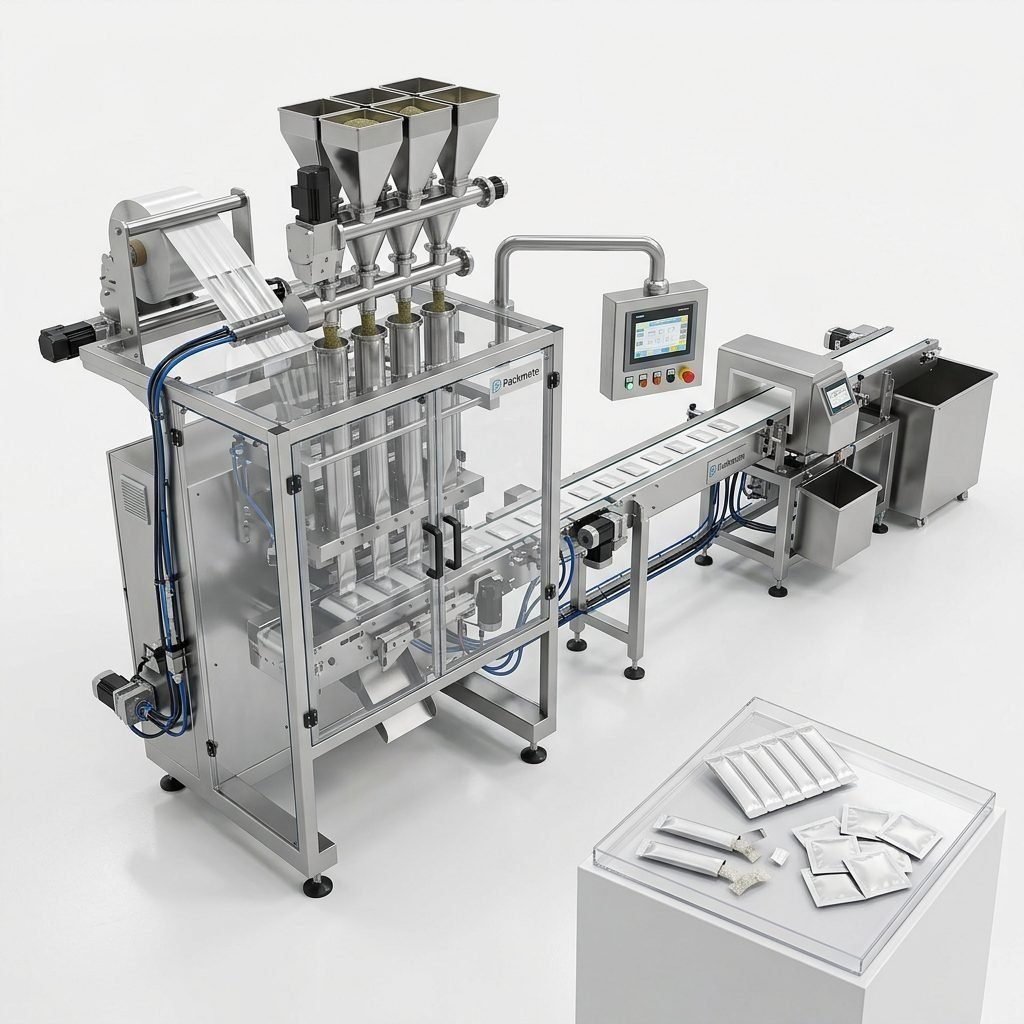
Setting up a nicotine pouch (snus) production line requires careful planning across equipment selection, material handling, dosing accuracy, packaging, quality control, and regulatory compliance. This guide walks manufacturers through each stage of building a robust, high-efficiency production line so you can scale output, maintain product consistency, and meet global standards.
Overview: What a Modern Nicotine Pouch Production Line Includes
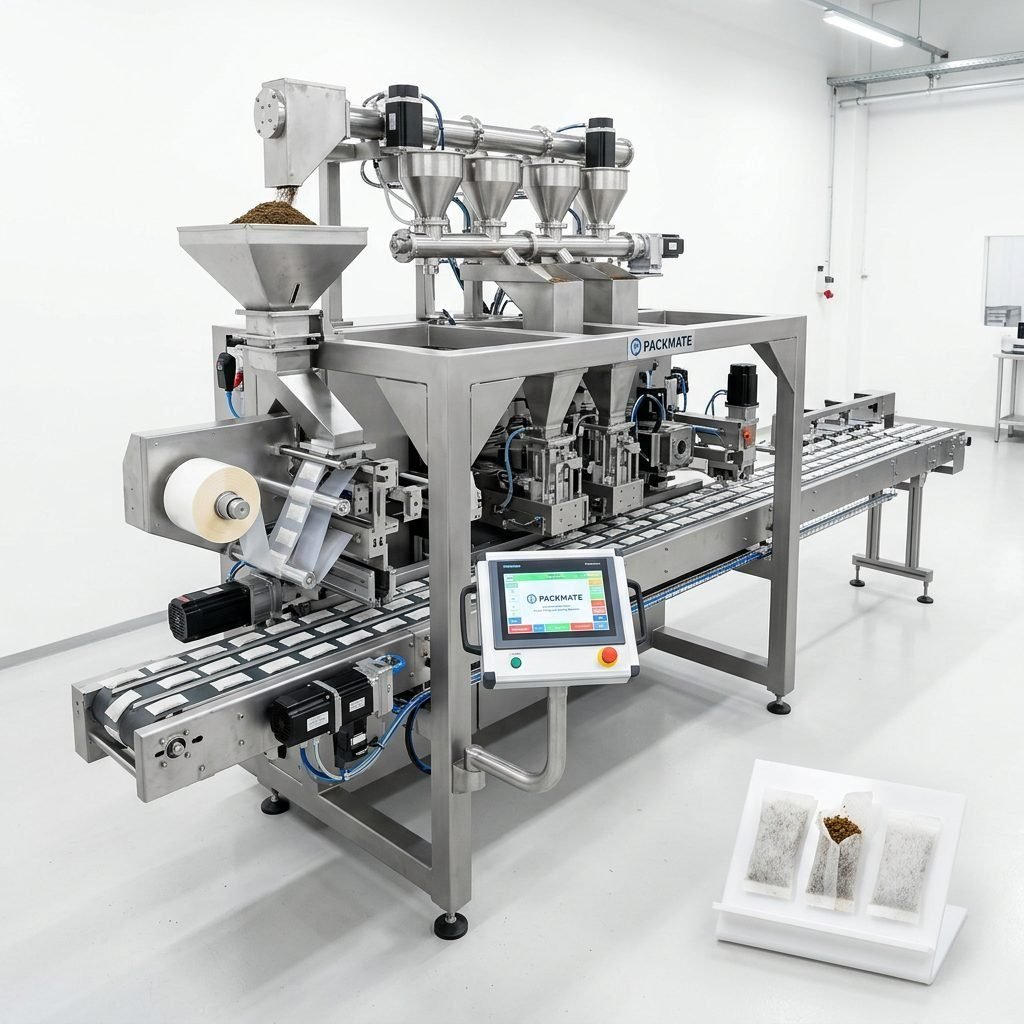
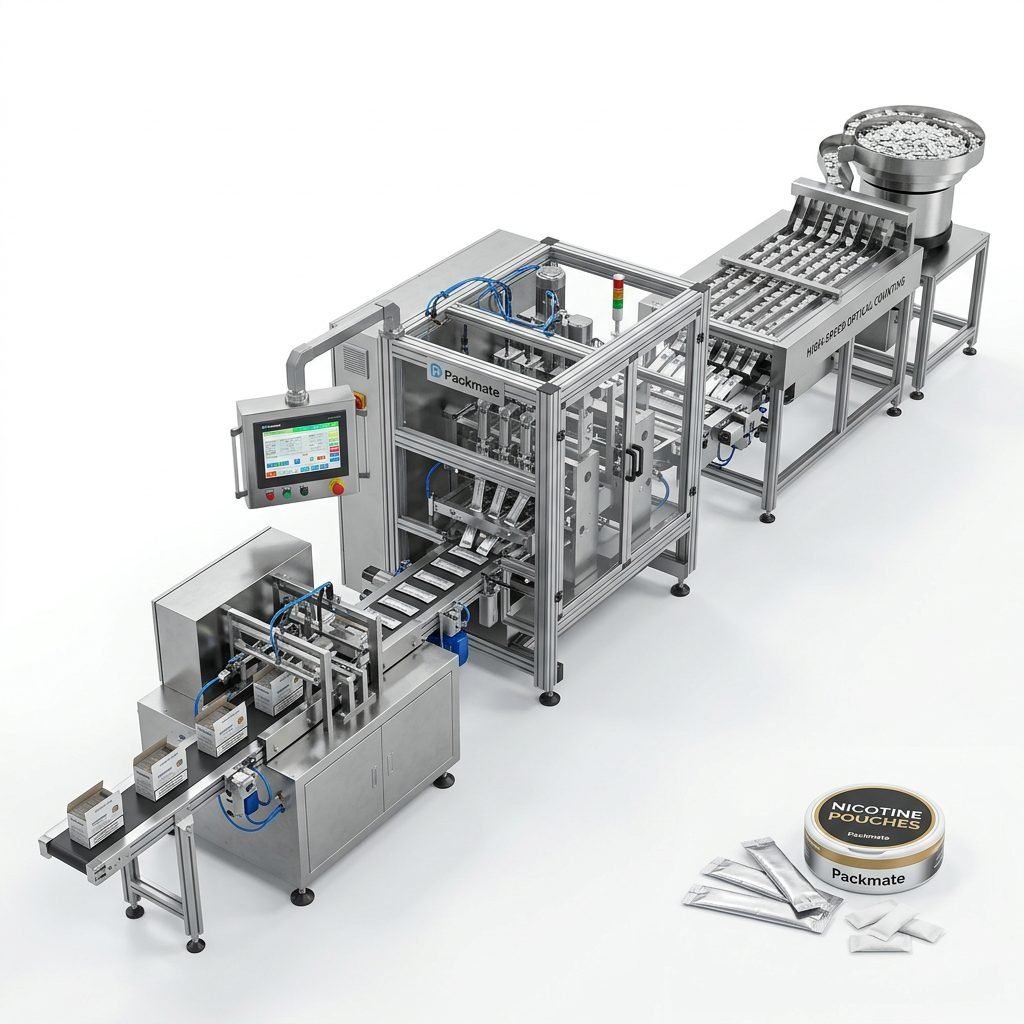
A typical nicotine pouch production line integrates upstream material preparation and filling systems with downstream pouch forming and final packaging. Key components include:
• Raw material handling and blending systems (fiber, filler, nicotine base, flavorings) 🛠️
• Precision weighing and dosing modules to ensure consistent nicotine dose per pouch — critical for compliance and consumer safety
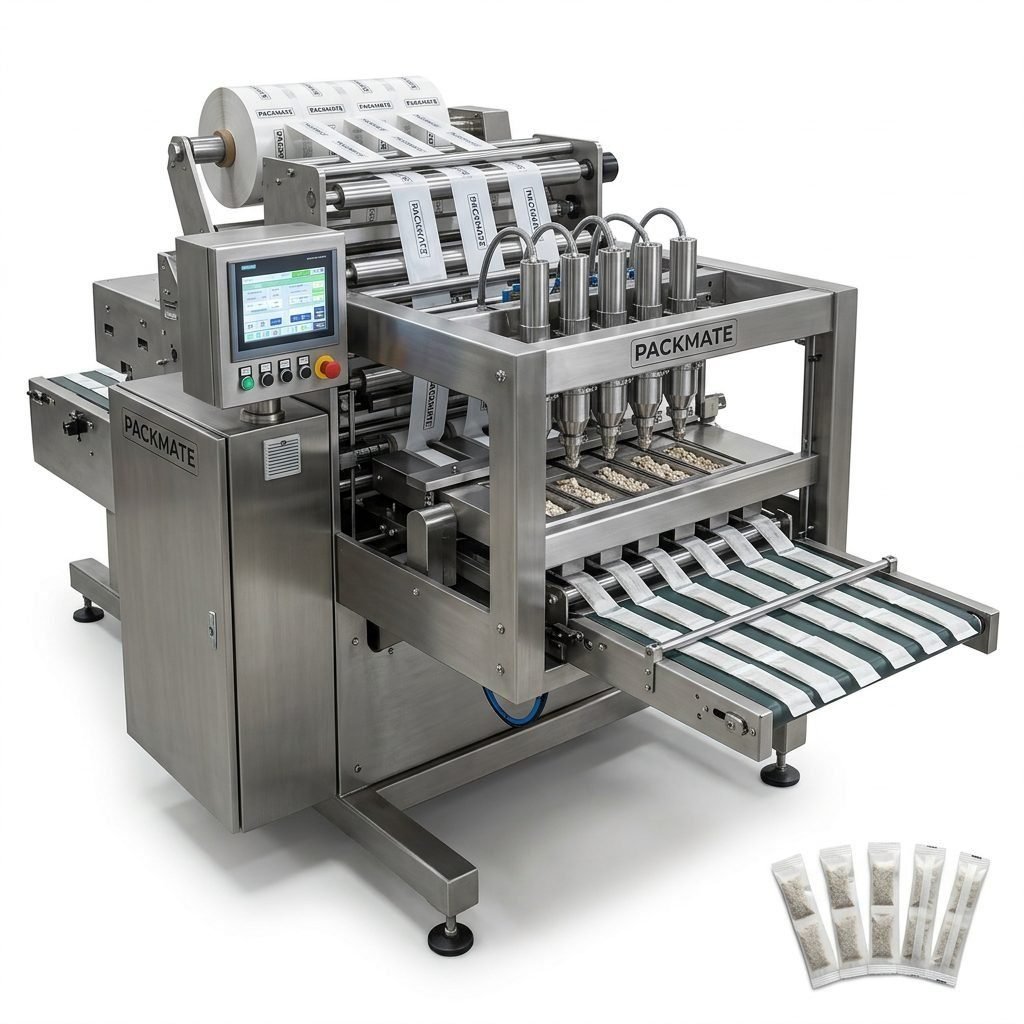
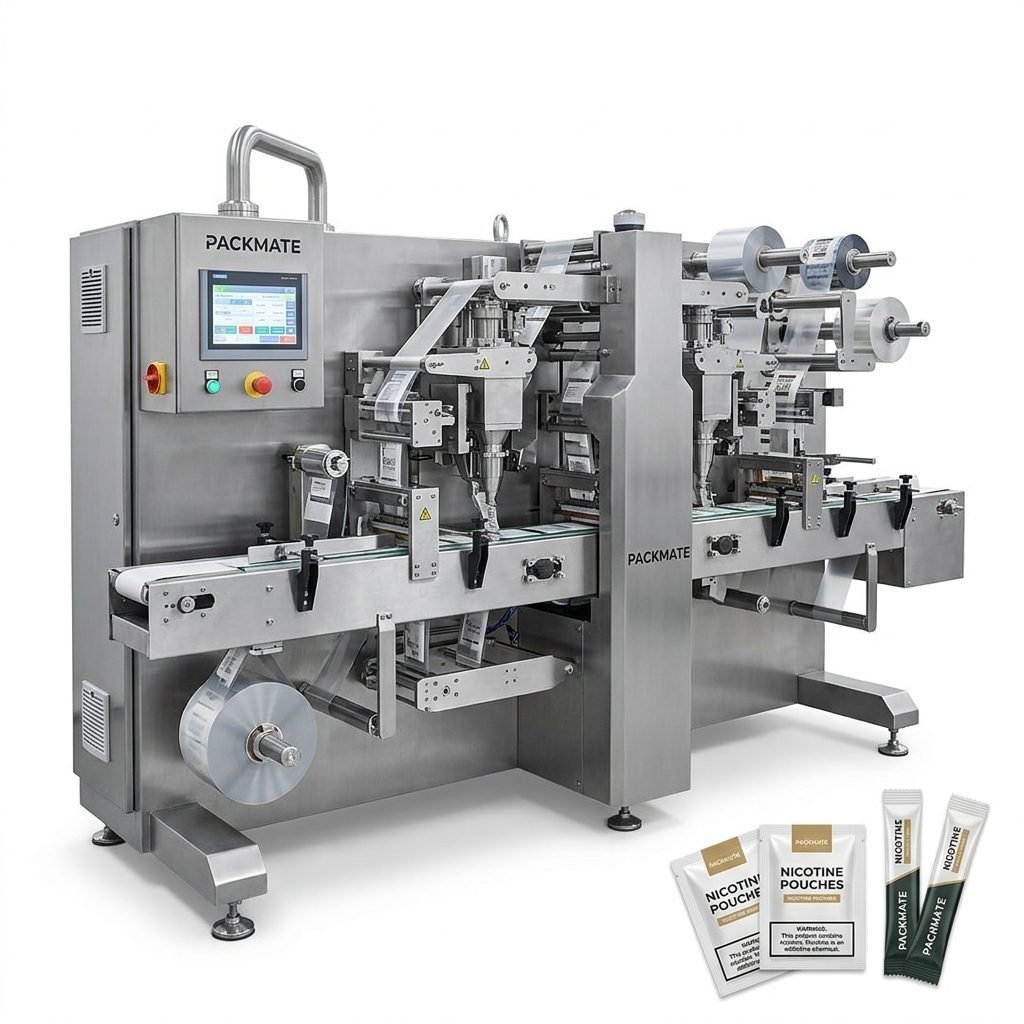
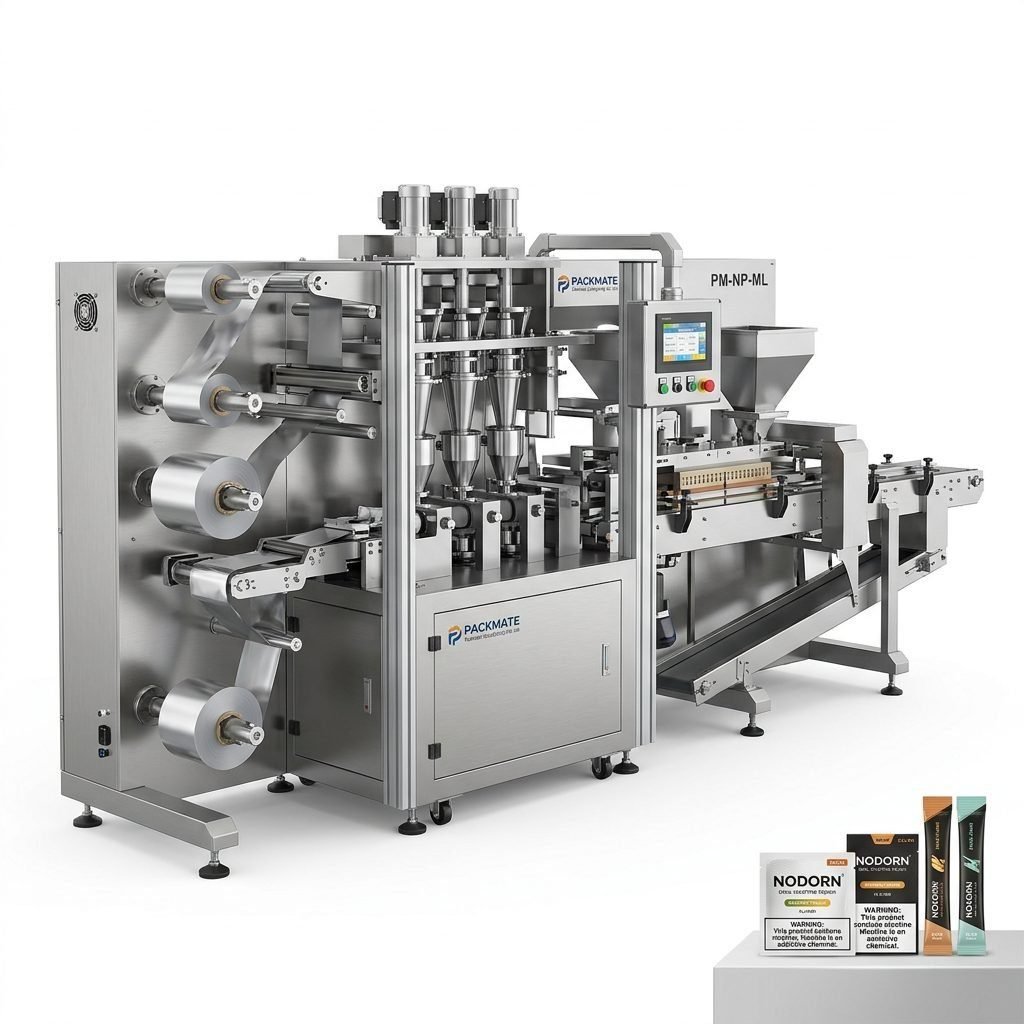
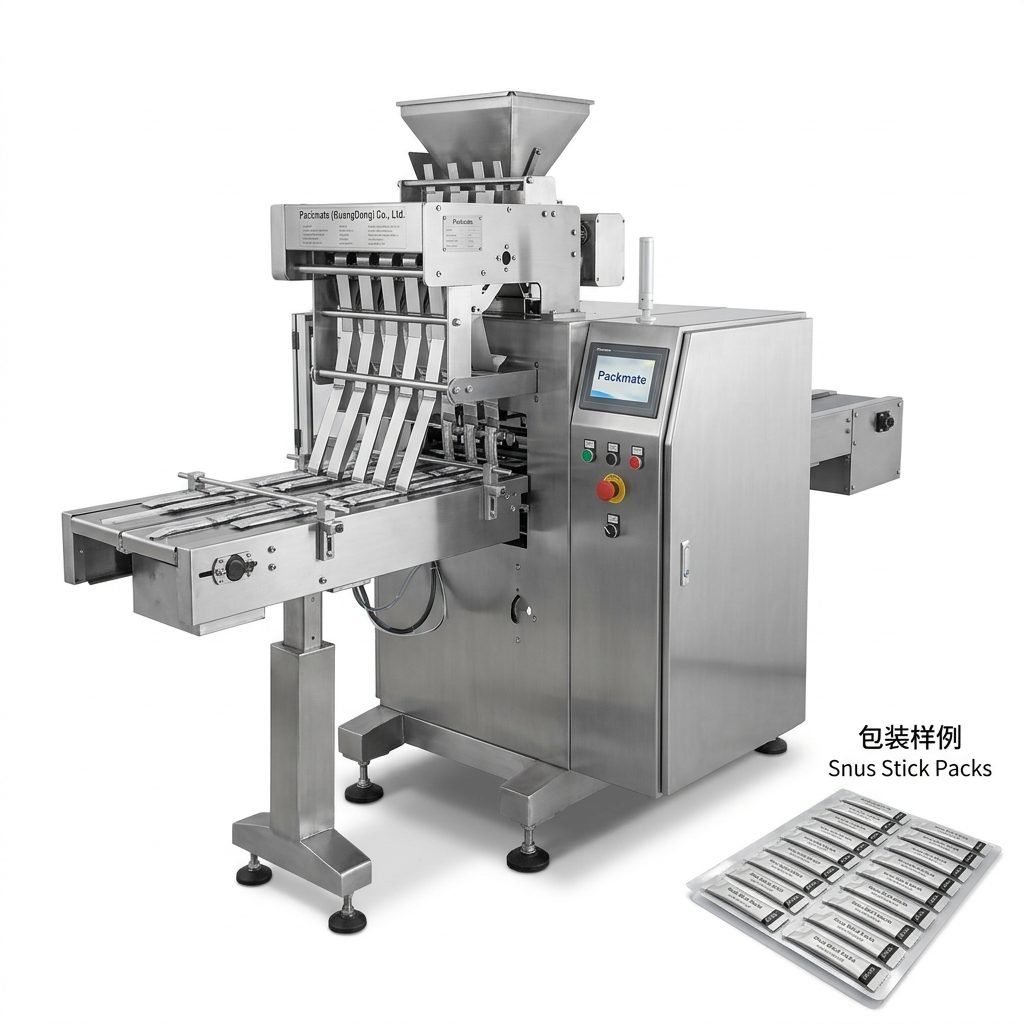
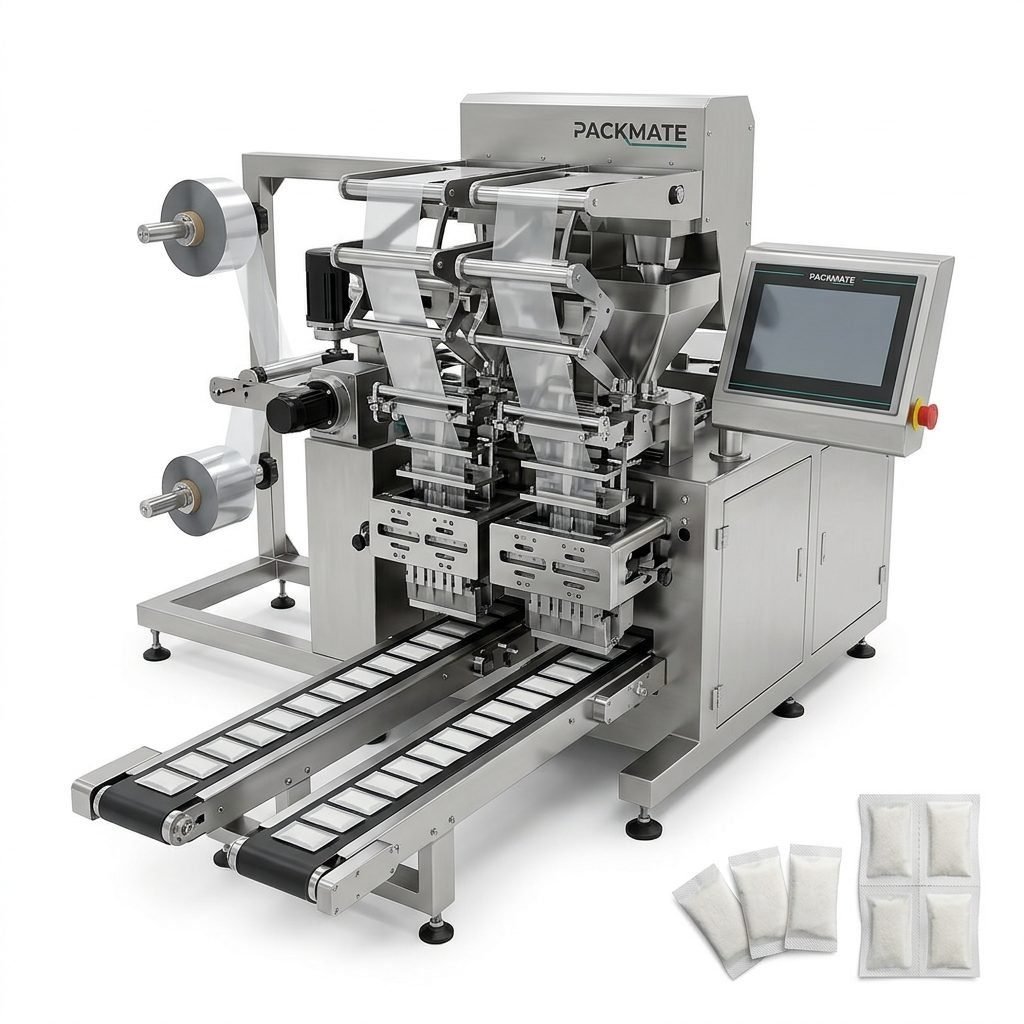
• Pouch forming and sealing equipment (stick pack, sachet, or multi-lane snus machines) — see product options at Snus & Nicotine Packaging Machines
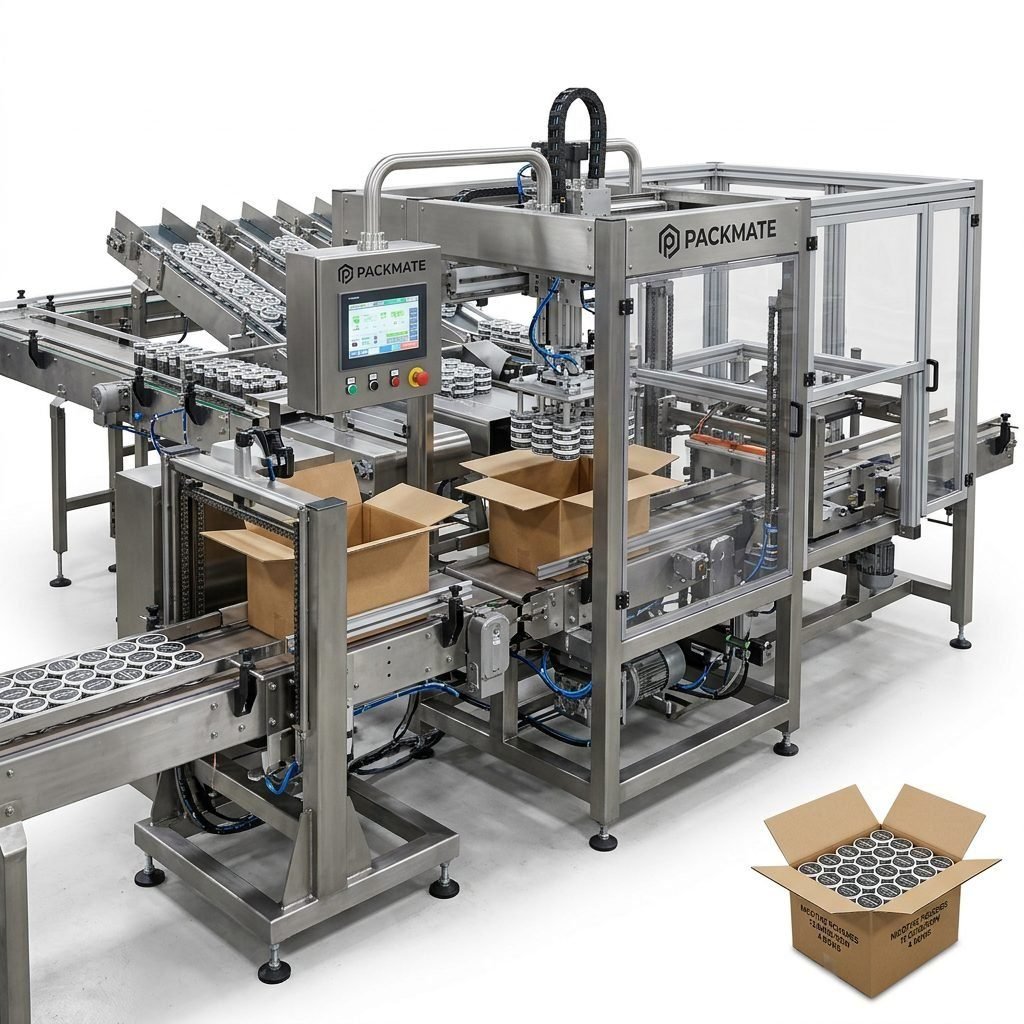
• Secondary packaging and case packing, plus automated inspection and metal detection if required
Step 1 — Planning & Factory Layout
Begin with a detailed layout that considers material flows, hygiene zones, utility access (air, power, water), and maintenance access. Allocate space for raw material storage, mixing, dosing, filling, packaging, QC labs, and spare parts. A well-planned layout reduces cross-contamination risk and improves throughput.
Key layout tips
• Keep raw materials upstream and finished goods downstream. 📌
• Design for linear flow where possible to minimize operator movement and material handling time.
• Reserve space for future expansion and additional lanes or auxiliary equipment.
Step 2 — Choosing the Right Equipment
Equipment choice determines production capacity, product formats, and long-term reliability. Consider machines that are purpose-built for nicotine pouches, offer precise dosing, and support multi-lane production for higher throughput. Explore models under Sachet & Stick Pack Machines and Filling & Packaging Lines.
📌 Must-have features: accurate multi-head weighers, servo-controlled dosing, hygienic design, quick-change tooling, and integrated inspection systems.
Core machines to specify
• Mixing and blending station for base materials and flavors.
• Multi-head weigher or precision auger/volumetric dosing system for the nicotine blend.
• Pouch forming machine (single-lane or multi-lane snus packing machines) — for high-speed production, multi-lane systems are recommended.
• Secondary packaging (cartoner or flow wrapper) and case packer.
Step 3 — Material Handling & Dosing Accuracy
Precise dosing is the backbone of nicotine pouch consistency. Choose systems that deliver repeatable grams-per-pouch accuracy and support recipe storage for rapid product changeovers.
• Use closed conveying systems and hygienic hoppers to reduce contamination risk. 🛡️
• Implement in-process weight checks and automatic rejection of under/overweight pouches. This minimizes waste and regulatory risk.
Step 4 — Automation & Control Systems
A modern PLC/HMI system enables recipe management, quick changeovers, and centralized monitoring of line performance (OEE). Ensure your control architecture supports data logging for traceability and remote diagnostics.
⚙️ Tip: Request SCADA-ready interfaces and Ethernet connectivity for predictive maintenance and performance analytics.
Step 5 — Quality Control & Process Validation
Quality assurance must cover raw material verification, in-line weight and seal checks, and final product inspection. Incorporate sampling plans, stability testing, and regular calibration of weighing systems.
• Install checkweighers and vision systems to detect foreign material, misprints, or incorrect seal profiles.
• Maintain a lab or QC bench to test nicotine concentration, moisture levels, and microbial limits as required by your market.
Step 6 — Utilities, Environment & Factory Requirements
Confirm utility requirements before purchasing equipment: compressed air quality (dry, oil-free), stable three-phase power with appropriate breakers, and temperature/humidity control if your product is humidity-sensitive.
• Plan for maintenance aisles and service access around machines.
• Consider a cleanroom classification for filling areas if your formulation requires low-bioburden conditions.
Step 7 — Installation & Commissioning
Professional installation and FAT/SAT (Factory Acceptance Test/Site Acceptance Test) protocols are essential. Work with the equipment supplier for on-site commissioning, operator training, and performance validation.
• Validate dosing accuracy across different recipes and lane configurations.
• Run endurance tests to ensure continuous operation at target speeds without degradation.
Step 8 — Operation, Maintenance & Spare Parts
Establish standard operating procedures, cleaning schedules, and preventive maintenance tasks. Keep a recommended spare parts kit on-site for critical wear items to minimize downtime.
🛠️ Maintenance checklist: lubrication points, servo parameter backups, cutter/blade inspections, seal rail condition, and calibration logs.
Step 9 — Regulatory Compliance & Safety
Nicotine products are heavily regulated in many markets. Ensure packaging includes compliant labeling, child-resistant features where necessary, and that your production process follows local and international safety standards such as CE and ISO certifications. Packmate’s equipment often complies with these standards; review Certificate and documentation with suppliers.
• Implement safety interlocks, emergency stop systems, and clear operator protections.
Cost Estimation & Return on Investment
Budget for equipment, installation, factory upgrades, staff training, and regulatory testing. Multi-lane systems typically increase output per square meter and reduce per-unit labor cost, improving ROI for medium-to-large volume producers.
• Model multiple scenarios: low-volume with manual secondary packaging versus high-volume with full automation.
Supply Chain & Supplier Selection
Choose suppliers with experience in snus and nicotine packaging. Look for vendors providing turnkey solutions, spare parts availability, on-site training, and long-term support. Packmate (GuangDong) Co., Ltd. has decades of experience and an extensive product lineup — see About Packmate for company background and capabilities.
• Verify references and installation examples in similar markets — review case studies where possible: Case.
Best Practices & Optimization Tips
Continuous improvement drives profitability. Track OEE, reduce changeover times with quick-change tools, and maintain rigorous supplier quality agreements for raw materials.
• Use lot traceability from raw material intake through finished goods to facilitate recalls or investigations.
• Implement employee training programs focused on hygiene, dosing consistency, and machine operation.
Sustainability considerations
• Optimize material usage and reduce packaging waste. Consider recyclable secondary packaging where permissible.
Real-world Example: From Prototype to Turnkey Line
A typical deployment starts with a pilot run to refine formulations and machine settings, followed by phased ramp-up. Suppliers like Packmate provide turnkey solutions that include machine selection, factory layout advice, FAT and commissioning services, and after-sales support — review product categories for appropriate machines: Bag & Pouch Packaging Machines and Weighing & Packaging Systems.
📈 Outcome: Improved yield, consistent dosing, and scalable lanes enabled a mid-size manufacturer to triple output within 18 months after commissioning.
Working with Your Equipment Supplier
Establish clear KPIs, warranty terms, spare parts lead times, and training schedules before purchase. Multi-year service agreements can protect uptime and extend machine life.
• Clarify documentation delivery, CE/ISO certificates, and calibration protocols.
• Ensure the supplier provides detailed electrical and pneumatic schematics for easier integration.
Summary: Key Takeaways for Manufacturers
Launching a nicotine pouch production line is a multi-disciplinary project that blends process engineering, automation, quality systems, and regulatory knowledge. Focus on dosing accuracy, hygienic design, and supplier support to deliver a compliant and profitable operation.
✔️ Remember: prioritize precision dosing, choose multi-lane systems for scalability, and partner with experienced suppliers to reduce risk and accelerate time-to-market.
Frequently Asked Questions
Q1: How long does it take to set up a production line? A typical turnkey installation including commissioning and validation can take 3–6 months depending on customization, site readiness, and regulatory testing.
Q2: What is the typical accuracy for dosing systems? High-quality multi-head weighers and servo auger systems can achieve dosing accuracy within ±1–3% depending on material properties and calibration practices.
Q3: Can I convert an existing pouch line for nicotine pouches? In many cases, yes — but conversion may require hygienic upgrades, different dosing solutions, and revalidation. Consult suppliers like Packmate for compatibility and retrofit options: Contact Us.
Q4: What certifications should I expect from suppliers? Expect CE and ISO compliance, plus documentation for electrical safety and machine guarding. Verify certificates before purchase and request traceable calibration records.
Q5: Where can I learn more about specific machine models and case studies? Review detailed product pages and case studies on the supplier website to compare models and review successful installations: Auxiliary Packaging Equipment and Our Exhibition.