Choosing the right nicotine packaging machine manufacturer is a critical step for any Jamaican business planning to enter or expand in the snus and nicotine pouch market. Local retailers, distributors, and small factory owners in Jamaica must weigh technical performance, local regulations, climate challenges, and supply chain logistics when selecting a partner. The right supplier will not only supply machinery but also deliver reliability, compliance, and long-term support that match Jamaica’s market rhythms and business culture.
Understand the Jamaican Market and Local Needs
Jamaica has a vibrant retail scene, with import-oriented preferences for high-quality manufactured goods, strong influence from tourism-driven demand, and seasonal sales spikes around festivals and events. When evaluating a nicotine packaging machine manufacturer, consider how machines perform under humid tropical conditions, how quickly components can be serviced locally, and how adaptable the line is for different pack formats popular in Jamaican retail (single-dose pouches, small sachets, and multi-pack combos).
- Humidity resistance and corrosion protection for tropical climates ⚙️
- Quick spare parts delivery and local technical support availability 🚚
- Flexibility for small-batch and seasonal production runs 🔁
- Compliance with Jamaican import and tobacco/nicotine regulations ⚖️
1. Technical Capabilities and Product Fit
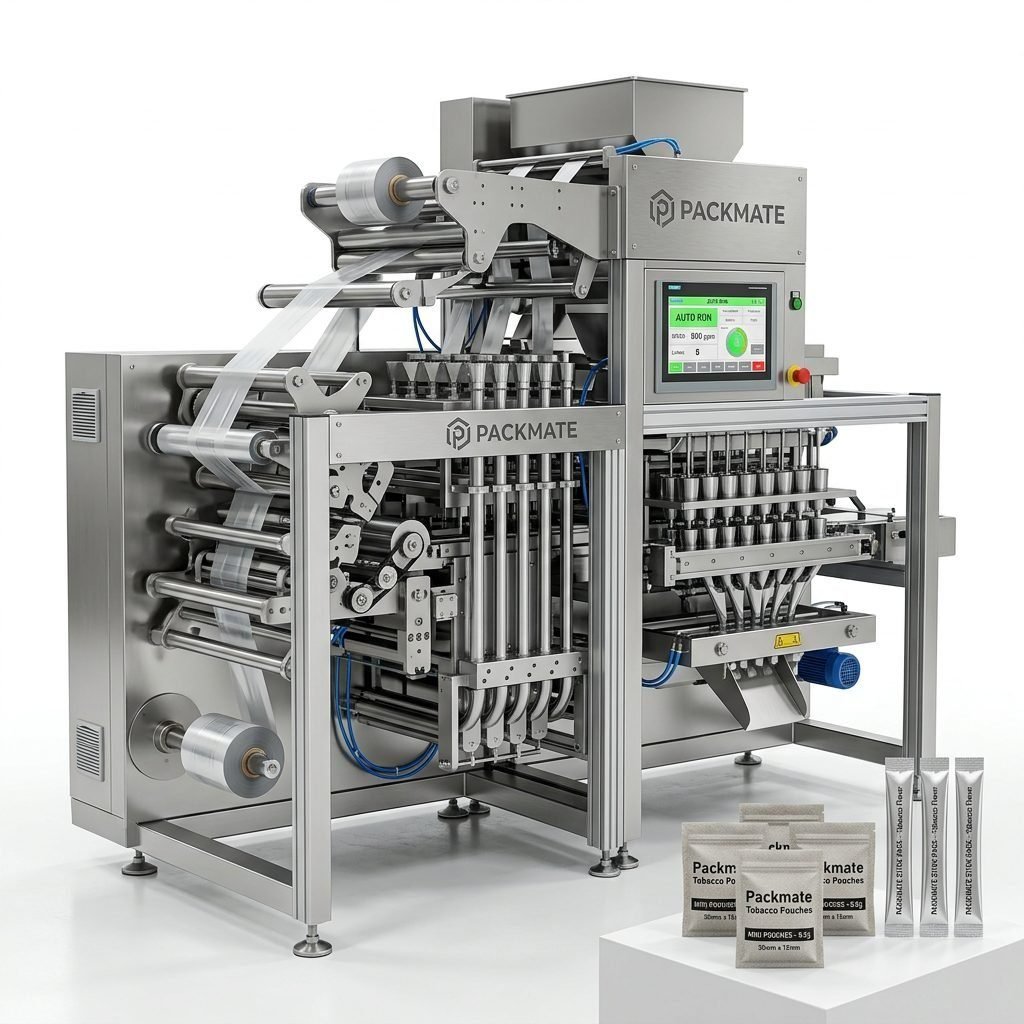
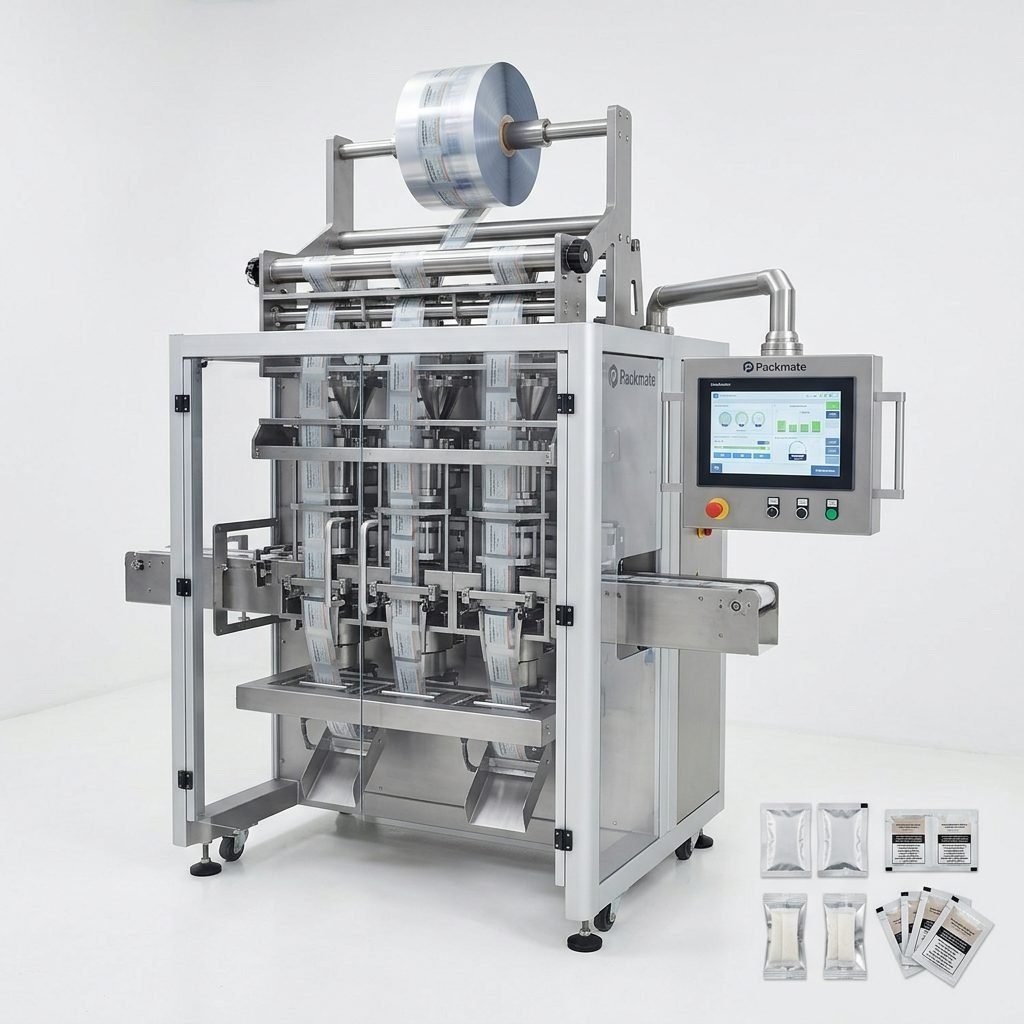
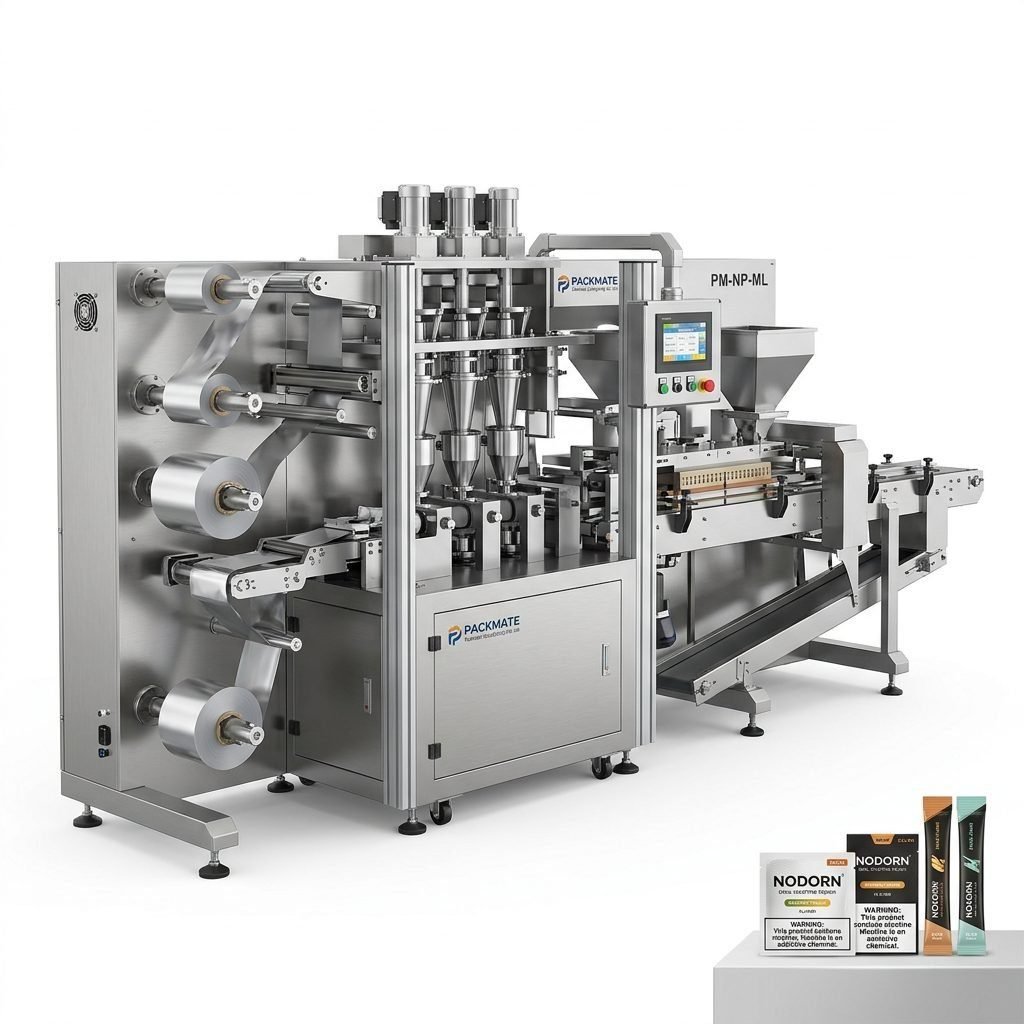
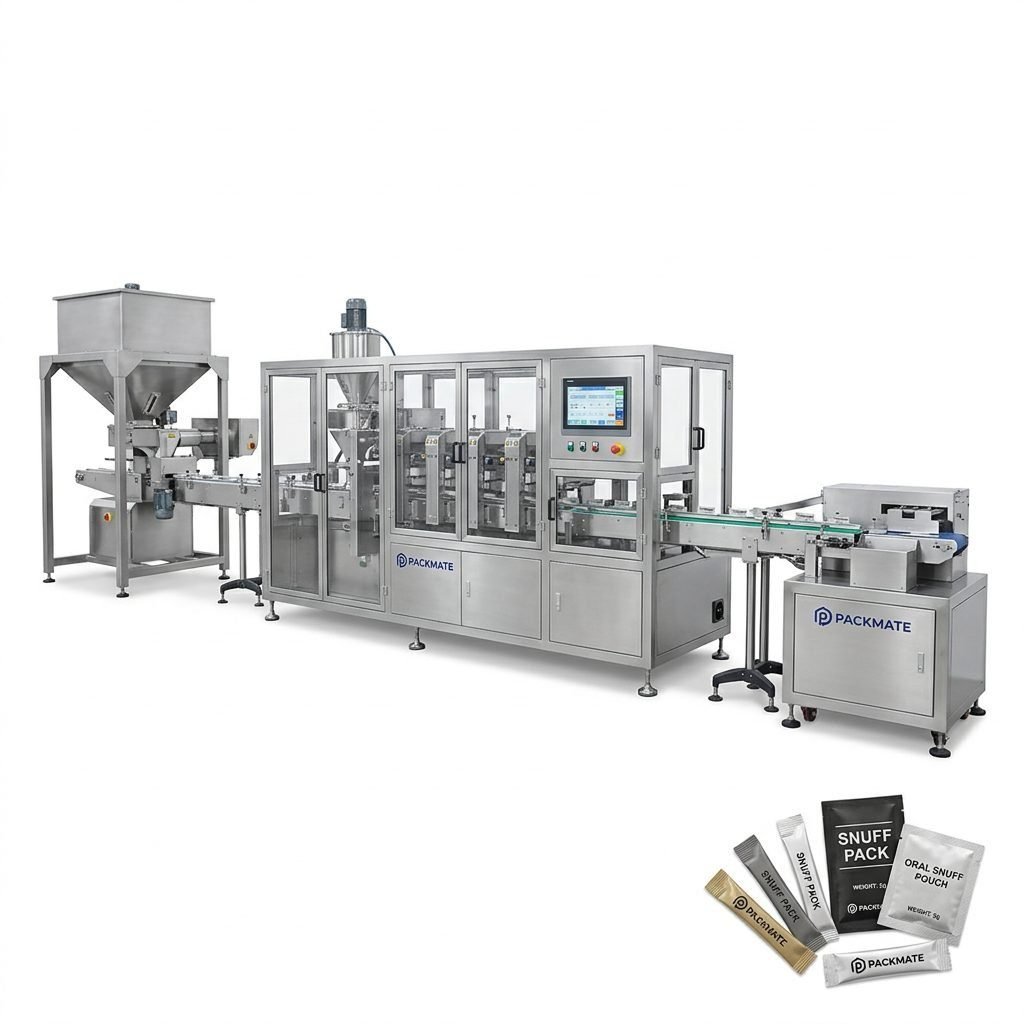
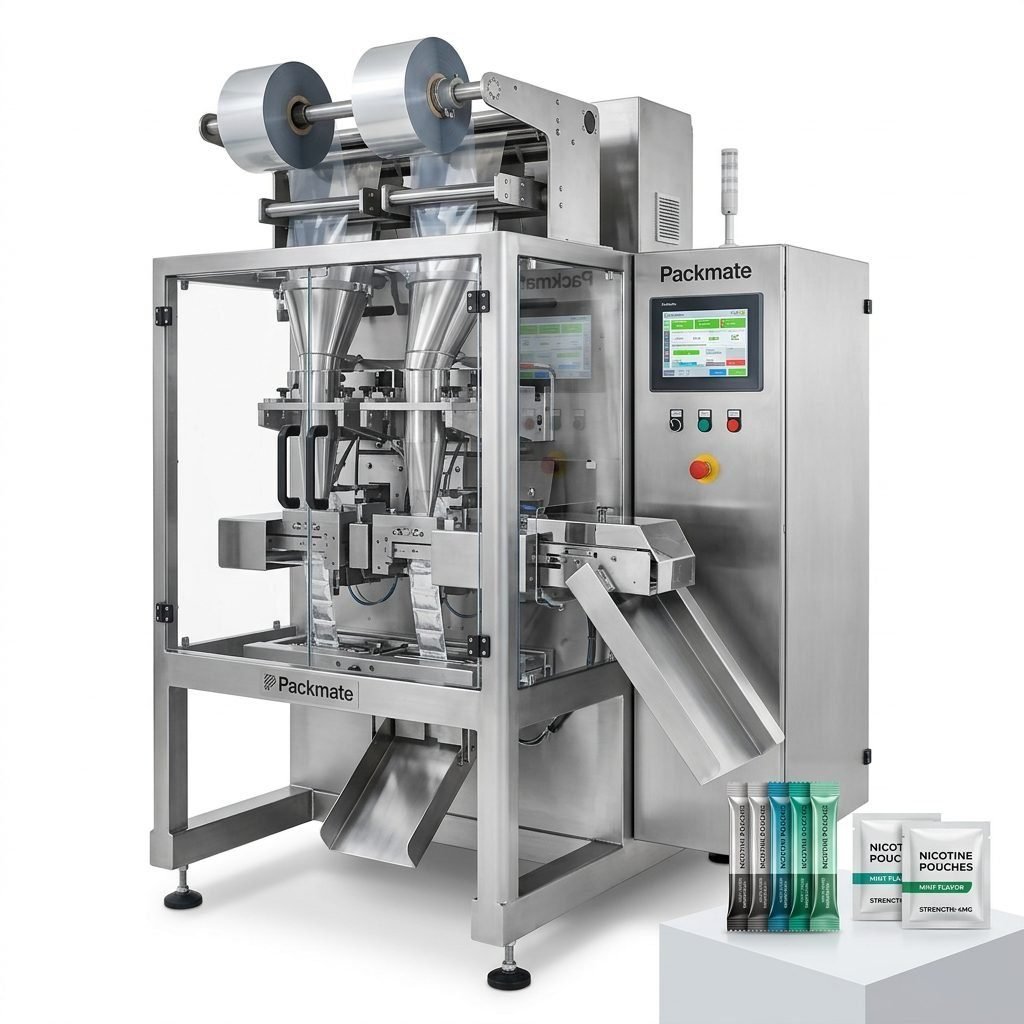
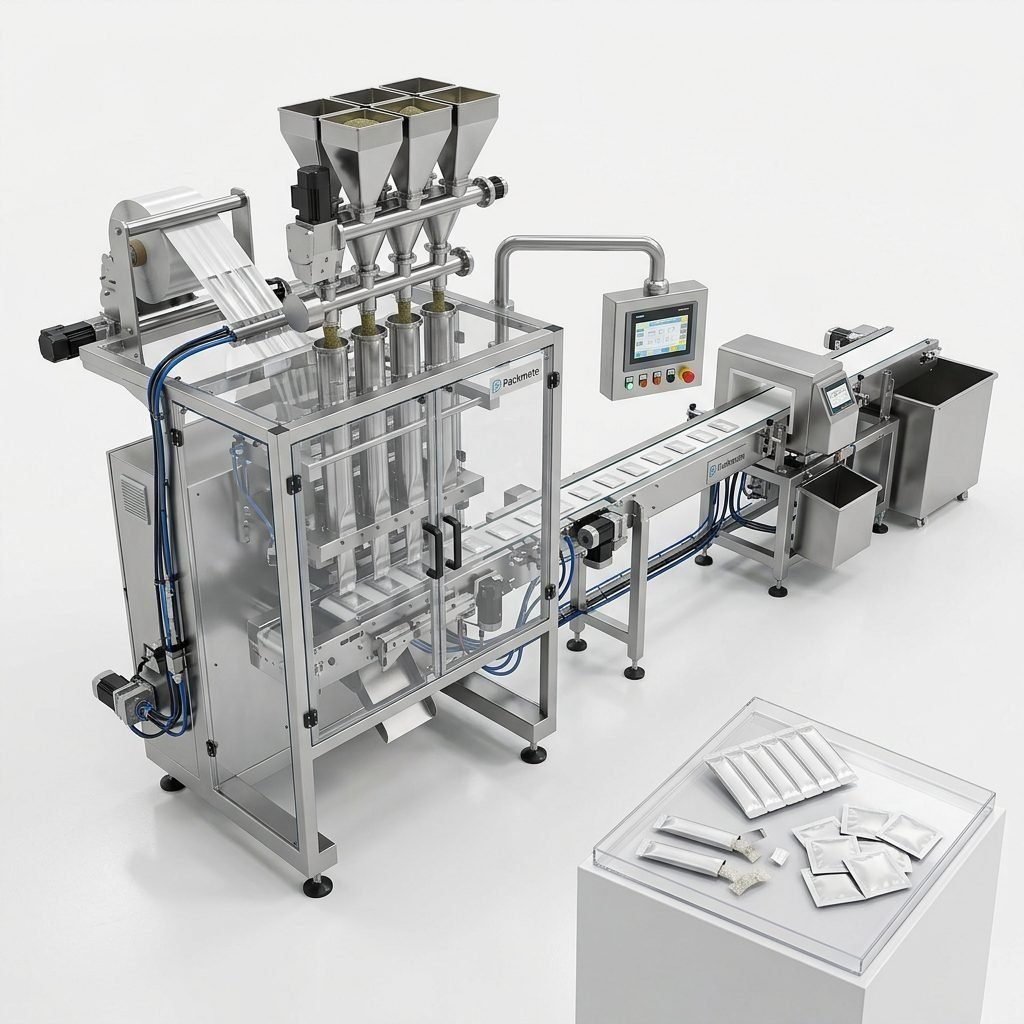
Match the supplier’s machine portfolio to your product: single-serve nicotine pouches, snus, stick packs, sachets, or multi-lane systems. A reputable manufacturer should offer varied solutions—from single-lane sachet machines to high-speed multi-lane lines—so you can scale as demand grows. Evaluate speed (packs/min), lane counts, format changeover time, and compatibility with weighing or dosing systems.
For a hands-on view of machine types and features, suppliers often publish detailed product pages. Look for proven models in real production environments such as the Snus & Nicotine Packaging Machines and Sachet & Stick Pack Machines.
Performance indicators to verify
Look for consistent output, low rejection rates, and stable operation at your expected production speeds. Ask the manufacturer for production reports, real-world uptime statistics, and customer references in similar climates or markets.
2. Quality, Certifications, and Regulatory Compliance
Quality systems and certifications (CE, ISO) indicate a manufacturer’s commitment to safety and international standards. For nicotine packaging, hygiene, machine safety, and electrical compliance are essential. Confirm that the supplier’s equipment is certified and that documentation supports customs clearance into Jamaica.
- Missing CE/ISO certificates or inability to provide compliance documents ⚠️
- No test reports or reluctance to share case studies in similar industries 🚫
- Unclear spare parts or service policies that could delay production in Jamaica ⏳
3. After-Sales Service, Spare Parts, and Training
In Jamaica, fast troubleshooting and quick parts replacement are vital because shipping delays can halt lines for weeks. Prioritize manufacturers who provide:
- Local or regional service partners, or guaranteed remote support and spare parts availability
- Structured training programs for operators and maintenance staff
- Clear warranty terms and extended service contracts
Packmate’s global turnkey solutions and 30+ years of experience demonstrate the kind of long-term support Jamaican buyers should seek. Learn more about their company profile and capabilities at About Packmate.
4. Customization, Flexibility, and Scalability
Jamaican businesses often require flexible solutions that handle multiple SKUs and batch sizes. Choose a manufacturer who offers modular systems, easy format changeovers, and options for future upgrades (additional lanes, automatic feeders, labeling). Evaluate whether the supplier can adapt machines to local packaging materials and regulatory labeling requirements.
- Corrosion-resistant coatings and stainless-steel options for humid ports like Kingston and Montego Bay 🛠️
- Compact footprints for island factories with limited floor space 🏭
- Integration with local weighing and packing lines—see Weighing & Packaging Systems
5. Factory Visit, Virtual Demos, and Reference Checks
Arrange a factory visit or virtual demonstration before committing. Observing machines in real production provides clarity on build quality and real-world uptime. Request references from customers in similar climates or industries and check the manufacturer’s exhibition presence to see live demos. Packmate regularly attends global exhibitions—details can be found under Our Exhibition.
What to inspect during a visit
Mechanical tolerances, CNC-machined parts quality, electrical control cabinets, safety guards, and cleanliness. Confirm traceability of parts and ask about test runs using your exact product and packaging materials to validate performance.
6. Pricing, Total Cost of Ownership, and ROI
Price is just one factor. Consider total cost of ownership: machine lifespan, energy consumption, spare parts pricing, maintenance intervals, and expected downtime. A slightly higher upfront cost can be justified by lower maintenance and better yields.
- Expected daily production vs. market demand in Jamaica 📈
- Material yield and waste reduction features ♻️
- Warranty and service package value over 3-5 years 🛡️
7. Logistics, Shipping, and Import Considerations
Consider the supplier’s experience shipping to the Caribbean. Machines must be packaged for sea freight, and suppliers who assist with documentation, customs, and local freight partners reduce risk. Also verify whether the manufacturer provides on-site installation support or remote commissioning. For turnkey solutions and cases, see the supplier’s project references at Case.
8. Cultural Fit and Long-Term Partnership
Jamaican business culture values dependable relationships and clear communication. Choose a manufacturer willing to invest time understanding your product, regulatory needs, and local business cycles. Suppliers that prioritize customer education, regular check-ins, and tailored service contracts tend to build stronger local partnerships.
Questions to ask potential manufacturers
- Can you provide references from customers in humid or island climates?
- What is your spare parts lead time to Jamaica?
- Do you offer remote installation, training, or on-site service packages?
- How do you support regulatory documentation for imports and compliance?
9. Verified Suppliers and Where to Start
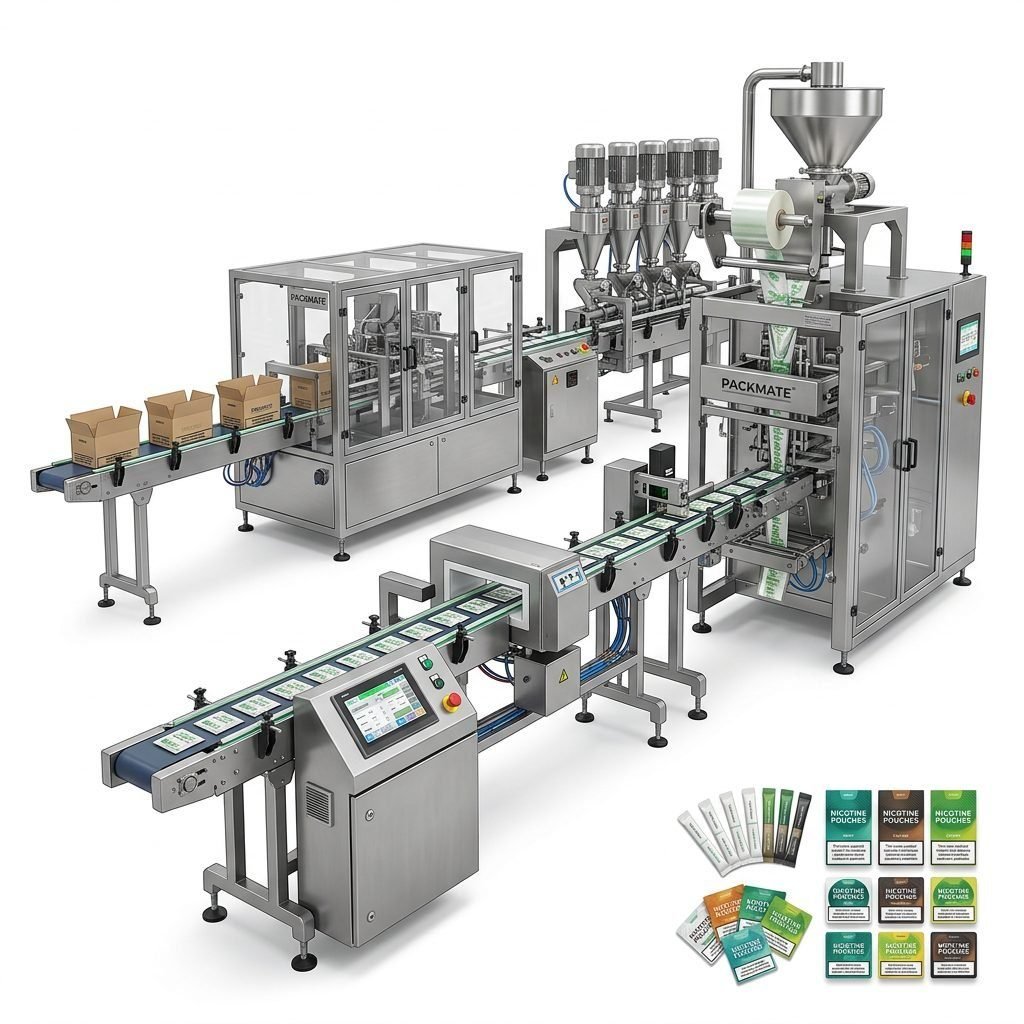
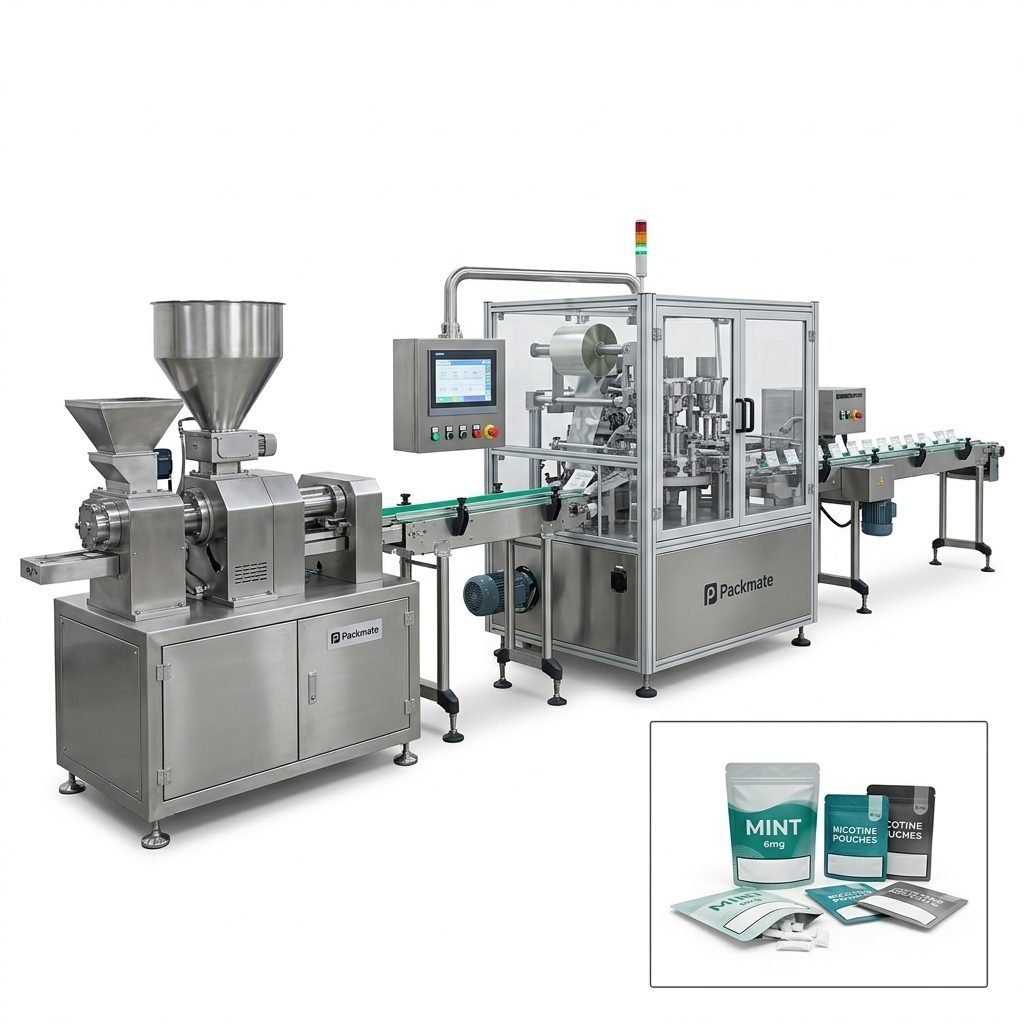
Start with suppliers who provide clear product documentation, machine videos, and third-party certifications. Evaluate manufacturers with a robust factory footprint, CNC capabilities, and a track record in snus packaging. You can explore product categories such as Bag & Pouch Packaging Machines and Filling & Packaging Lines to see integrated options.
✅ Verify machine specs and certifications • ✅ Confirm spare parts & service • ✅ Validate performance with demo/test runs • ✅ Assess total cost and ROI • ✅ Confirm shipping & installation support to Jamaica
10. Next Steps for Jamaican Buyers
1) Prepare your product specifications and expected monthly volumes. 2) Request machine demos and reference contacts. 3) Ask for detailed quotations including freight, installation, and spare parts kits. 4) Arrange remote or on-site acceptance tests using your packaging materials.
If you want to consult with a supplier who specializes in snus packaging and turnkey lines, review the manufacturer’s service offerings at Service and contact them directly via Contact Us to discuss Jamaica-specific needs.
Final Checklist Before You Buy
Use this final checklist to make an informed purchase decision:
- Machine performance validated with your product and packaging materials
- Certifications and compliance documents provided for Jamaican import
- Service agreement and spare parts lead times confirmed
- Detailed total cost breakdown including installation and training
- Supplier references and demonstration evidence available
Frequently Asked Questions
Q1: How long does shipping and installation typically take to Jamaica?
A1: Shipping by sea generally takes 4–8 weeks depending on origin and port schedules. Allow additional 2–3 weeks for customs clearance and on-site installation. Confirm lead times with the manufacturer and shipping agent.
Q2: What maintenance should I expect for nicotine pouch packaging machines?
A2: Regular preventive maintenance includes lubrication, seal inspections, belt and servo checks, and periodic electrical inspections. Most manufacturers provide maintenance schedules and training for in-house teams.
Q3: Are there local service partners in the Caribbean for spare parts?
A3: Some manufacturers maintain regional partners or international shipping plans with expedited spare parts options. Discuss service networks and possible local stocking of critical wear parts before purchase.
Q4: Can machines be adapted for different flavors and pouch sizes commonly sold in Jamaica?
A4: Yes. Look for modular machines and suppliers who offer quick-change format kits. Confirm format changeover times and request trials with your specific pouch sizes and materials.
Q5: Where can I view product catalogs and case studies before contacting manufacturers?
A5: Many suppliers publish catalogs and case studies online. For a starting point, check the manufacturer’s Catalog and Case pages for real project examples.