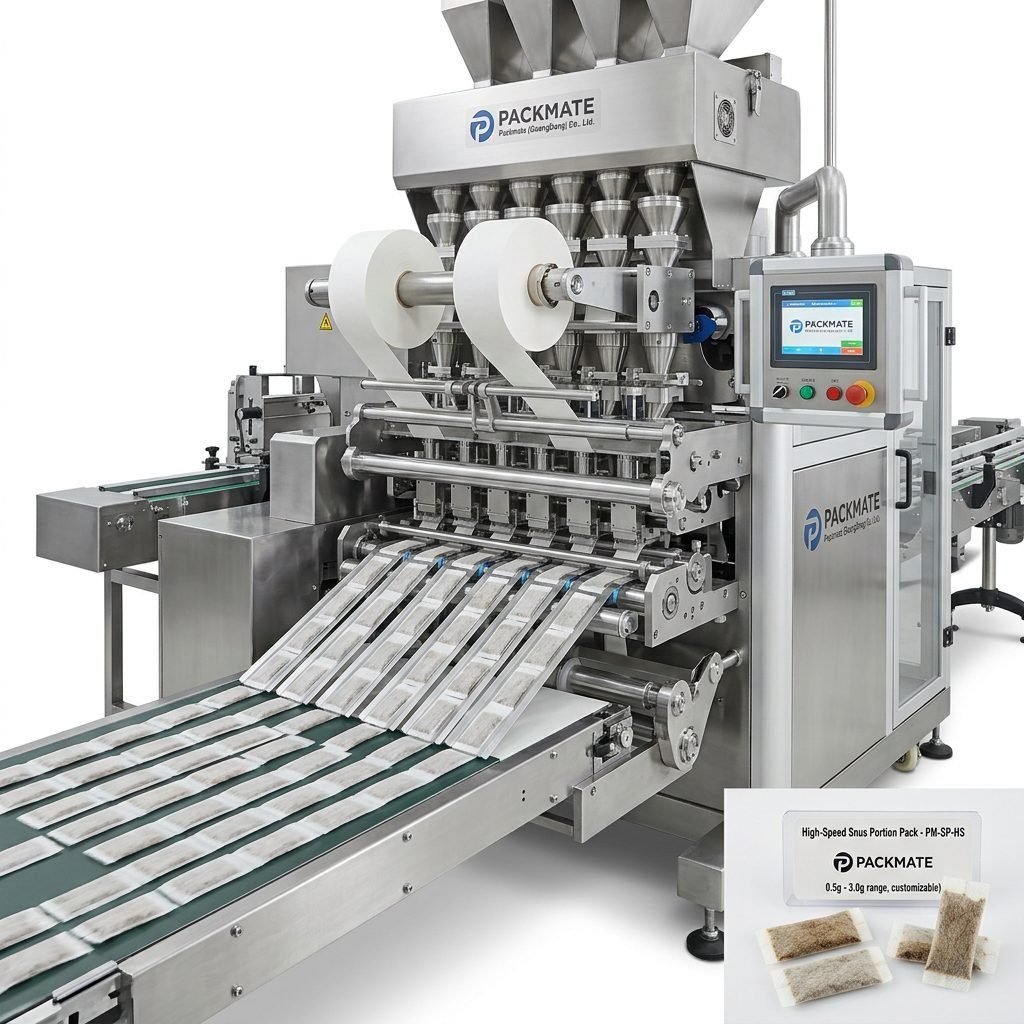
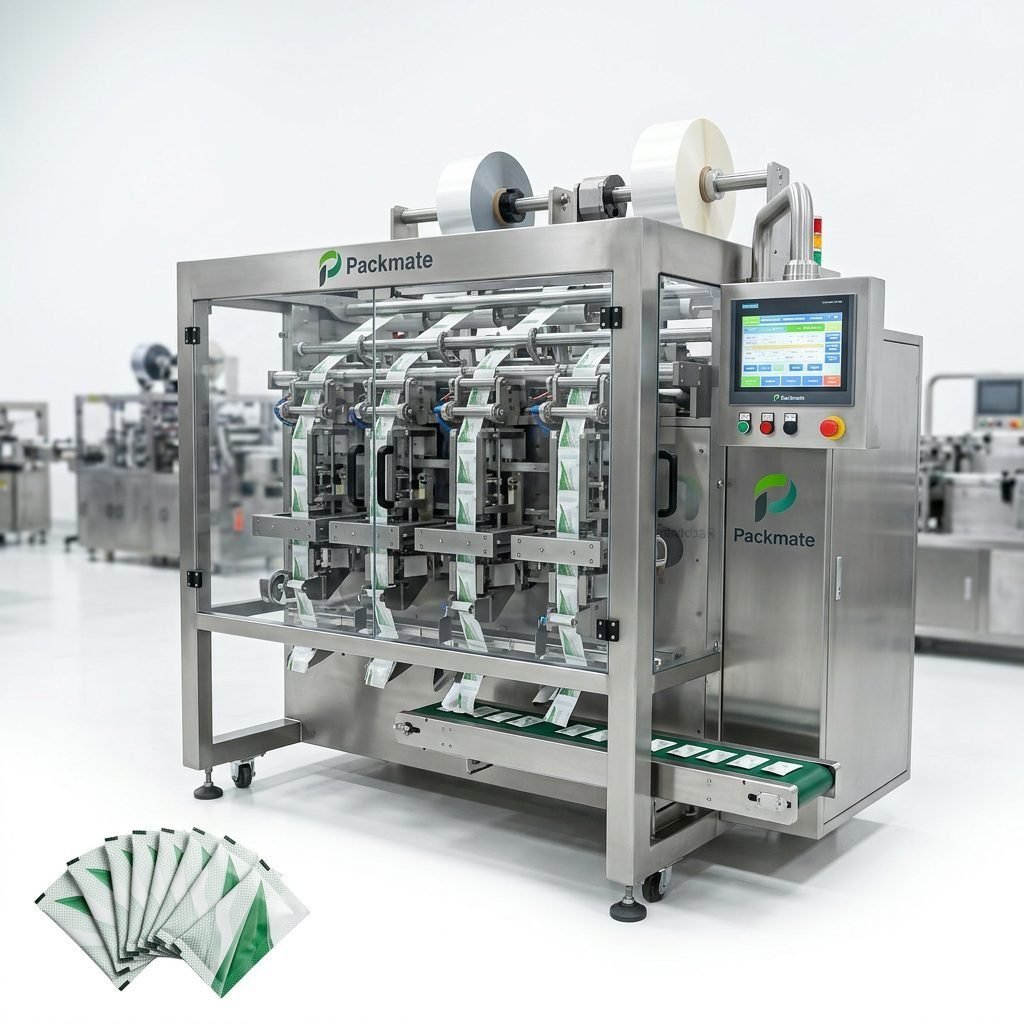
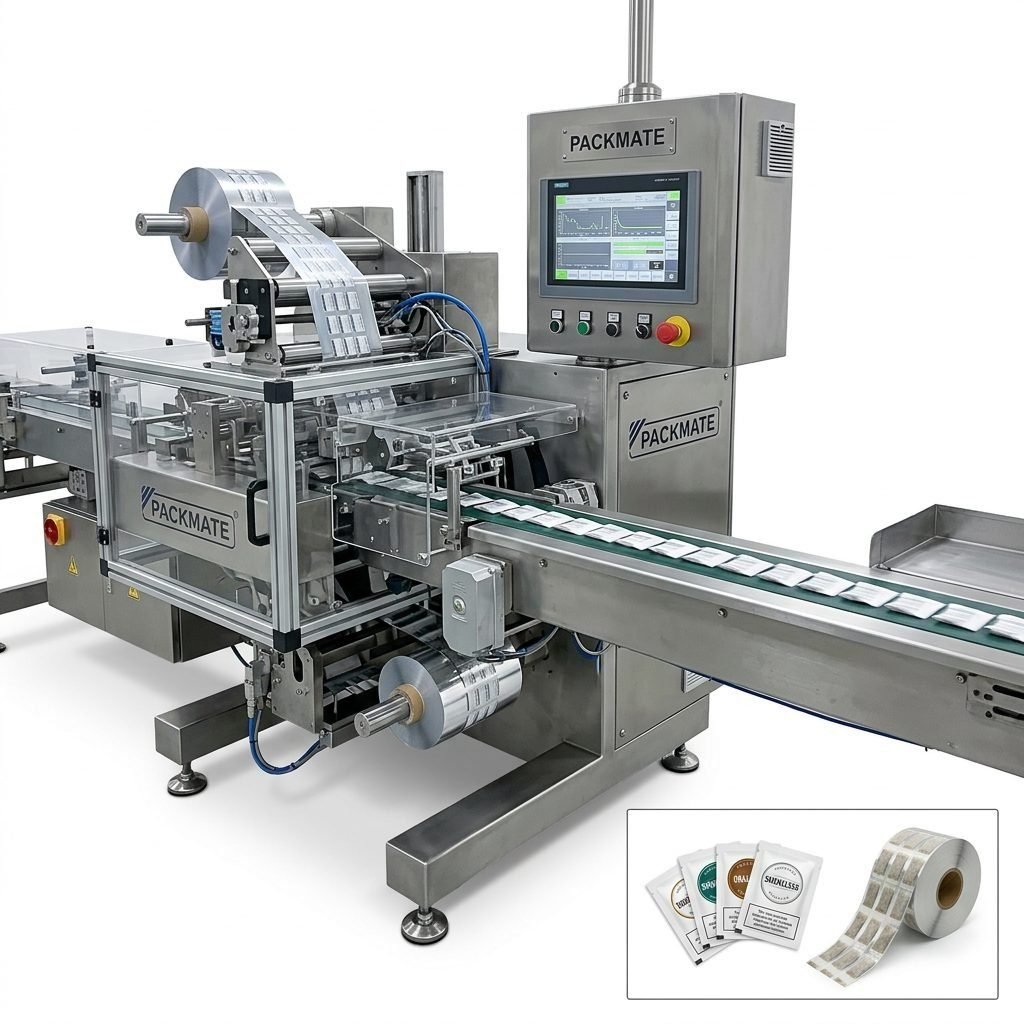
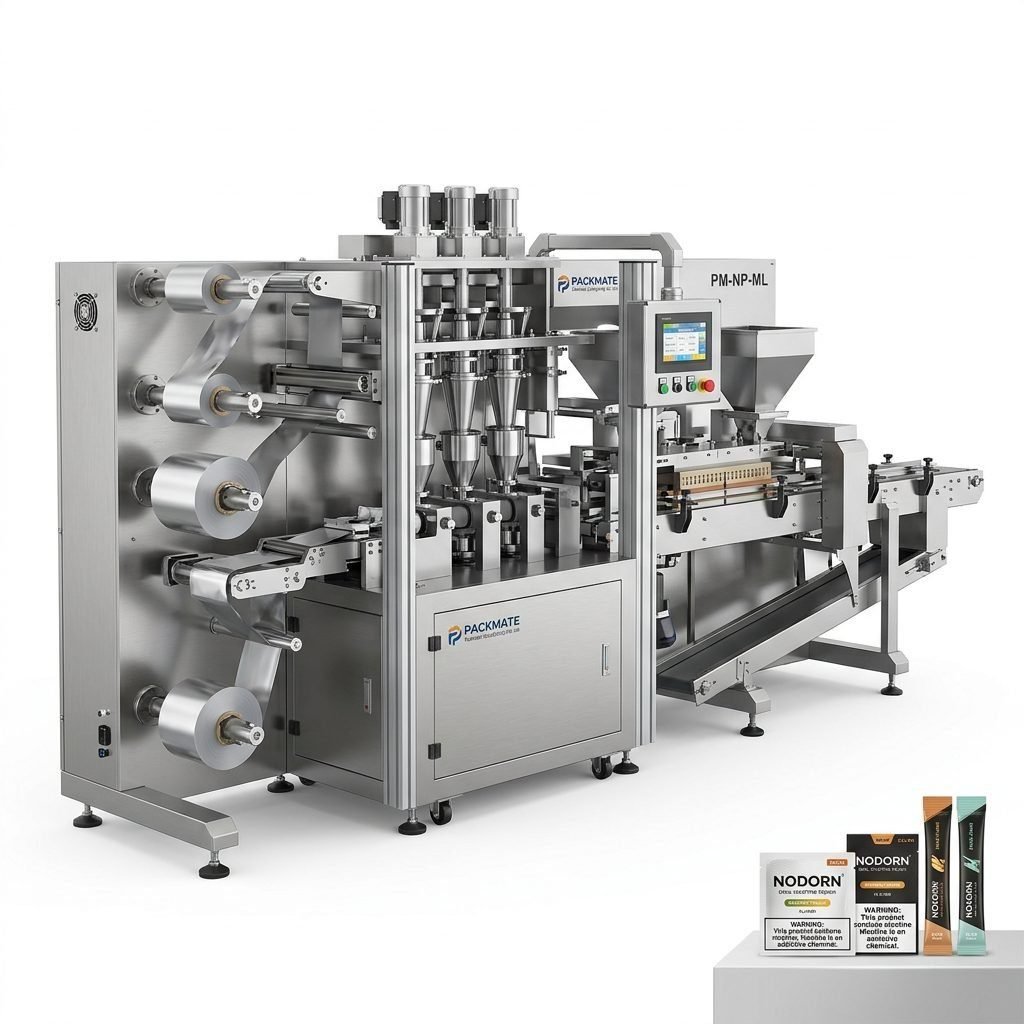
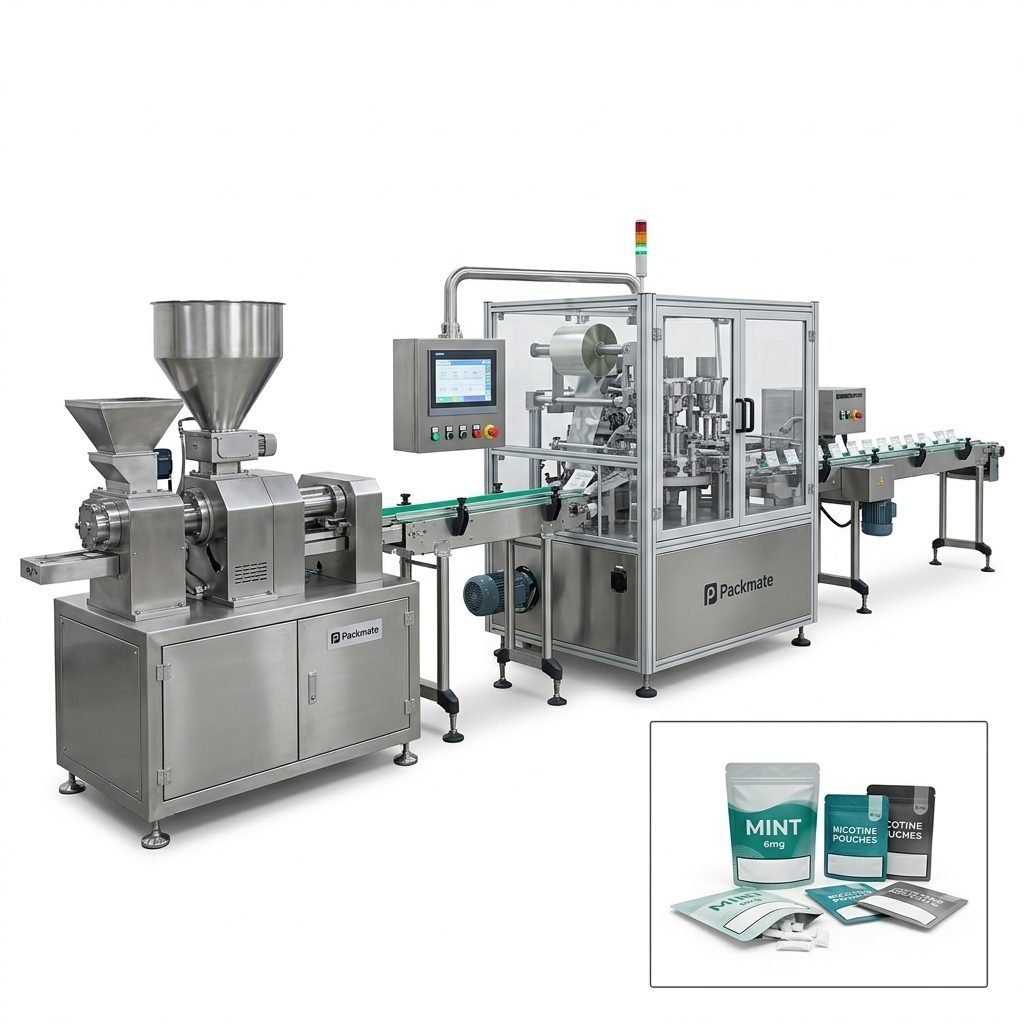
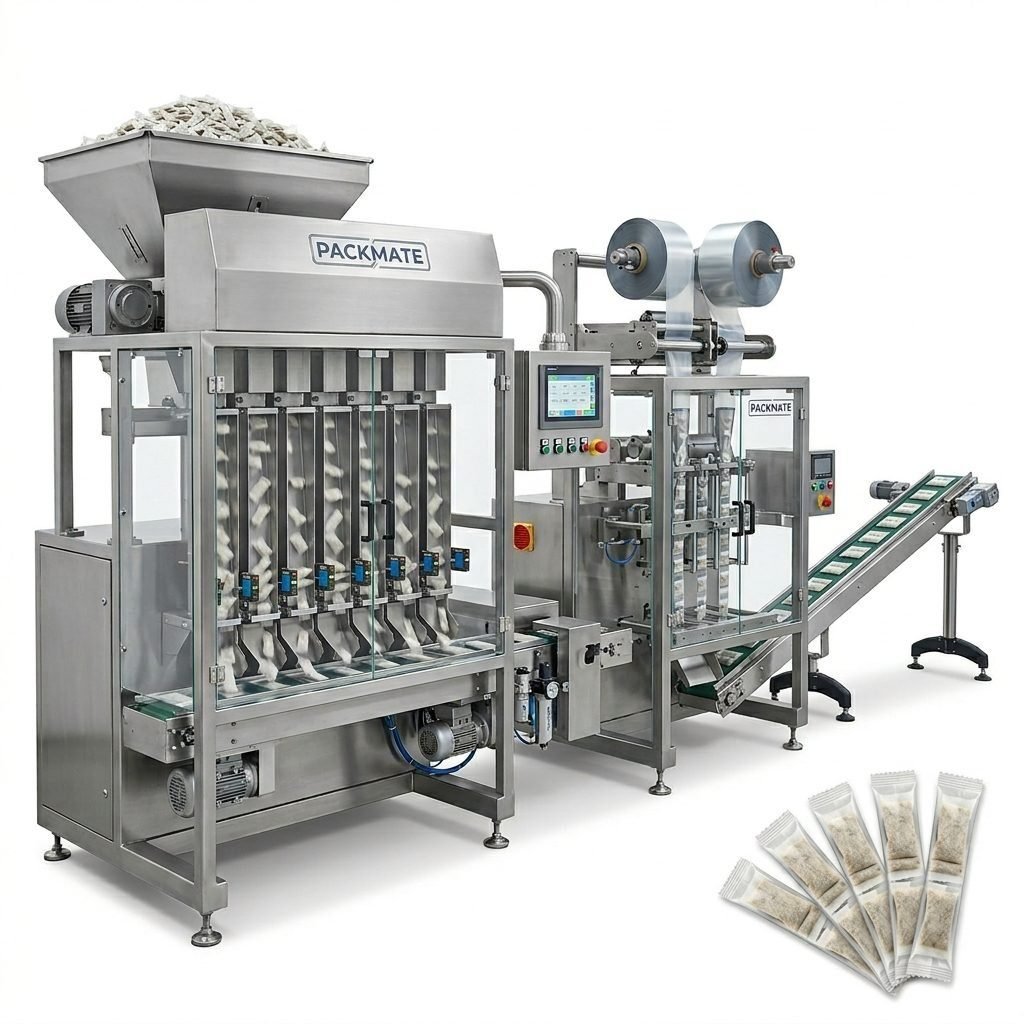
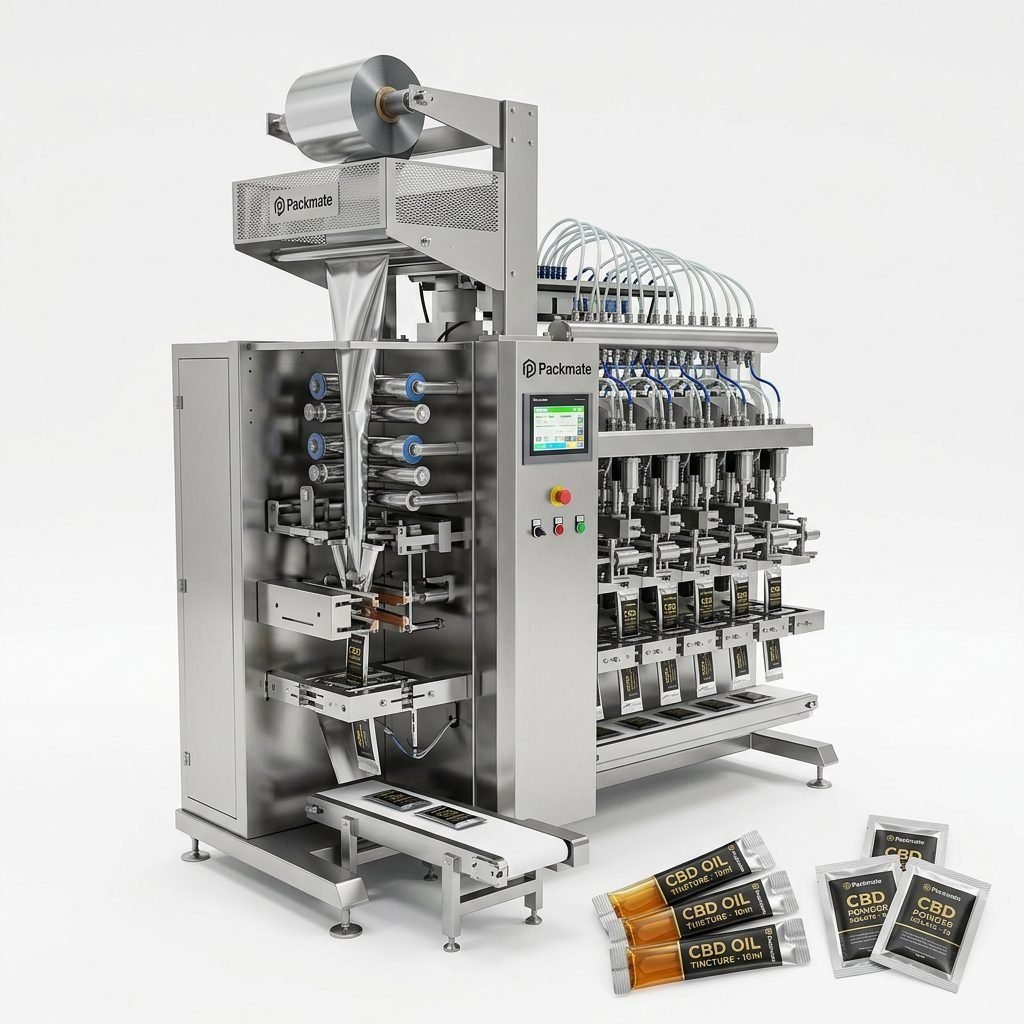
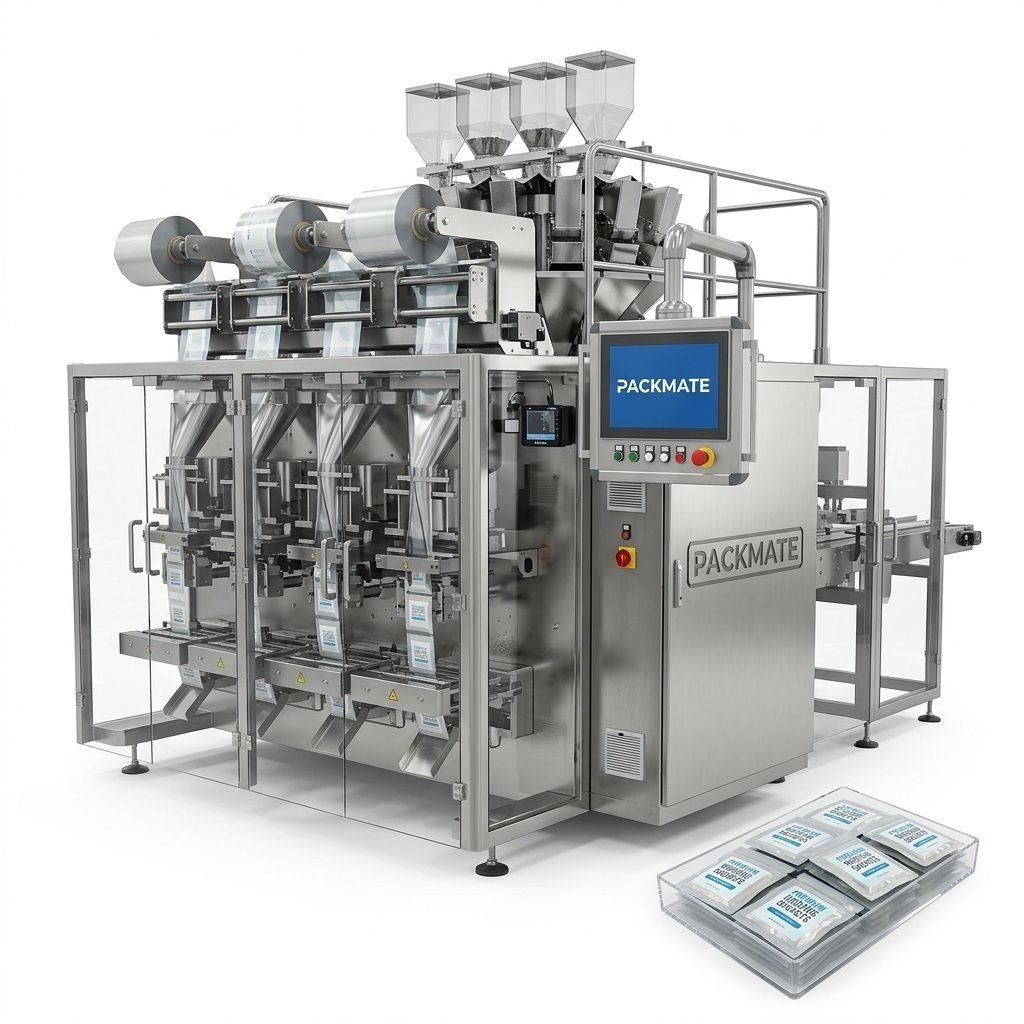
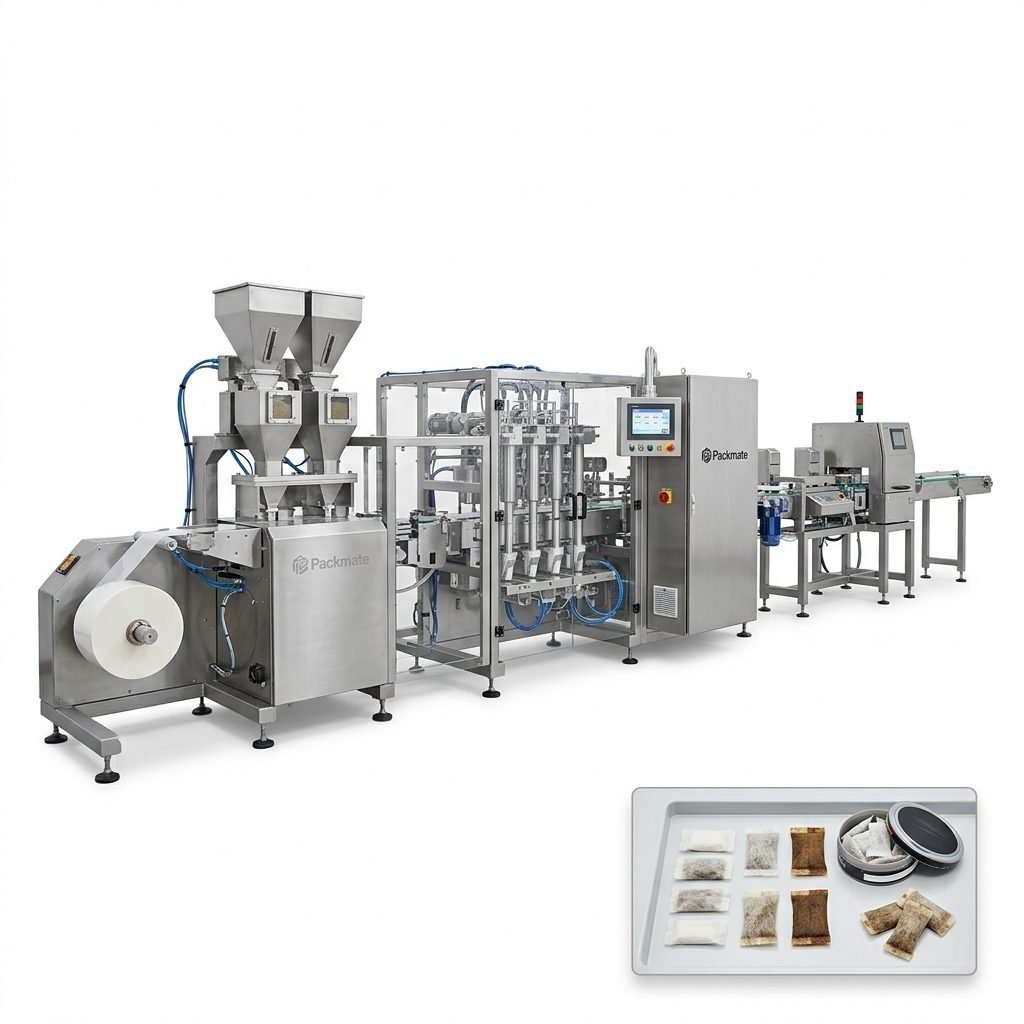
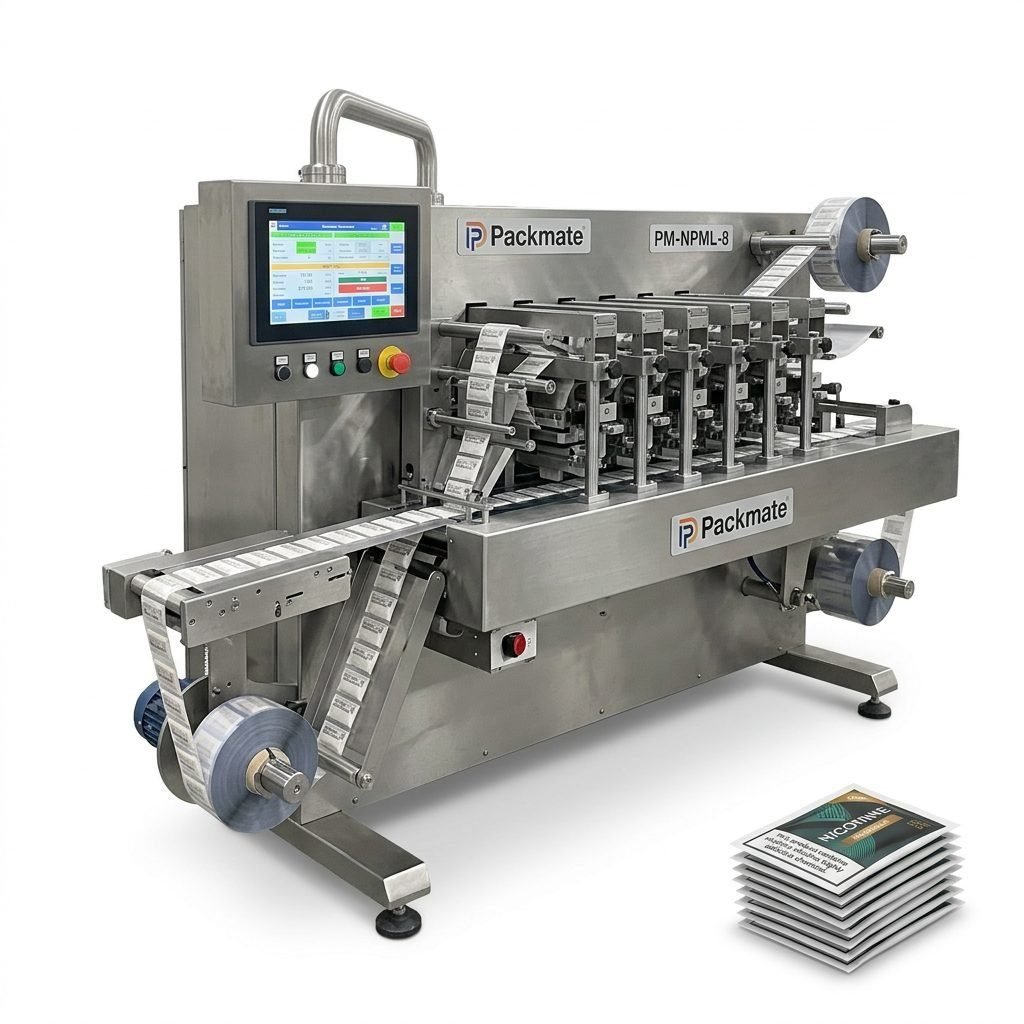
In modern snus and nicotine pouch production, minimizing energy consumption while preserving output and product quality has become a top priority. Low energy snus machines are designed to deliver consistent performance with reduced power draw, lower operating costs, and a smaller environmental footprint. This article explores how these machines work, why they matter, how Packmate delivers efficient solutions, and how to choose the right equipment for your production line.
Why Low Energy Matters in Snus Production
Energy costs can account for a significant portion of the total cost of ownership for packaging lines. Reducing energy consumption not only lowers operational expenses but also supports sustainability targets and regulatory compliance. For producers of snus and nicotine pouches, where small-dose, high-volume packaging is common, energy-efficient equipment translates directly into competitive advantage.
⚙️ Key benefits of low energy snus machines:
- Lower electricity bills and improved profit margins
- Reduced heat generation — longer component life and less cooling demand
- Smaller carbon footprint for better sustainability reporting
- Less infrastructure strain for facilities with limited power supply
Design Principles That Cut Energy Use
Low energy designs focus on precision motion control, lightweight materials, and optimized process flows. By synchronizing motors and minimizing idle time, modern snus machines convert electrical input into useful work more effectively. Technologies that make a difference include high-efficiency servomotors, intelligent PLC controls, energy recovery systems, and modular machine layouts that scale with demand.
Servo & Motion Control
Replacing legacy pneumatics and asynchronous motors with high-efficiency servos allows for smoother acceleration, precise stopping, and reduced power spikes. Servo-driven multi-lane heads enable manufacturers to run more lanes at lower speeds or fewer lanes at peak capacity, optimizing energy relative to output.
Process Integration & Reduced Waste
Integrated weighing, dosing, and pouch forming reduce cycle redundancies. When fewer components operate unnecessarily, energy usage drops. Intelligent recipe management also ensures that product changeovers are quick and minimally wasteful — saving both material and energy.
✔️ Typical performance improvements with low energy machines:
- Energy savings of 15%–40% vs older equipment
- Up to 30% longer service intervals due to lower heat and mechanical stress
- Faster payback through reduced utility and maintenance costs
How Packmate Builds Efficient Snus Packaging Lines
With over 30 years of engineering heritage, Packmate Snus Machine focuses on reliability and energy efficiency across its portfolio. From single-lane sachet machines to high-speed multi-lane pouch systems, our designs emphasize durable parts, precision assembly, and advanced controls. Learn more about our product families and turnkey solutions on the Snus & Nicotine Packaging Machines page.
Multi-Lane Systems for Small-Dose Production
Multi-lane architectures are ideal for nicotine pouches and snus where product dimensions are small and output targets are high. Packmate’s multi-lane heads distribute dosing tasks efficiently; a single servo packhead can drive multiple lanes with minimal incremental energy cost per lane. The result is greater throughput per kW consumed.
Customization & Turnkey Lines
Every production environment is different. Packmate provides tailored solutions and complete lines that include feeding, weighing, filling, sealing, and case packing. See examples of past deployments and operational case studies at our Case page to understand real-world impacts on energy use and ROI.
🔧 Packmate differentiators:
- 30+ years of experience in packaging machinery engineering
- 20,000㎡ manufacturing facility with advanced CNC and assembly lines
- CE and ISO certified products for global compliance — see Certificate
- Global support network and after-sales service — Service
Economic & Environmental Returns
The decision to invest in low energy equipment should be measured by total cost of ownership (TCO). Reduced power draw means lower monthly utility bills; improved process stability reduces waste and rework; and lower heat output extends component lifespans. Companies using Packmate solutions often see faster ROI through combined utility and maintenance savings.
Real-World Example
A mid-sized nicotine pouch producer replaced two legacy stick-pack machines with a single multi-lane Packmate sachet machine. The new line reduced line energy consumption by approximately 25%, increased throughput by 40%, and halved changeover waste — demonstrating that energy-efficient design and higher productivity can go hand in hand.
Selecting the Right Low Energy Snus Machine
Choosing the correct machine requires evaluating current production needs, projected growth, product format, and facility constraints. The following checklist helps align machine selection with business goals.
📋 Selection checklist:
- Target output (pouches/minute or kg/day)
- Product format: pouch, stick, sachet, or multi-lane mini-pouch
- Available factory power and electrical infrastructure
- Hygiene and regulatory requirements for nicotine handling
- Flexibility needs for future product variants
Integration & Footprint
Consider machines that allow modular expansion. A compact, energy-efficient base machine that supports additional lanes or upstream feeding modules (weighing & packaging systems) reduces initial capital outlay and spreads energy demand across a scalable architecture. Explore compatible modules in our Weighing & Packaging Systems collection.
Installation, Service & Compliance
Proper commissioning is critical to achieving energy savings. Packmate provides onsite startup, training, and predictive maintenance plans. All machines are manufactured to CE and ISO standards for safety and quality. For more information about our global footprint and exhibitions, visit Our Exhibition.
📞 For consultations, custom layouts, or to request a catalog, contact Packmate via Contact Us.
Practical Tips to Maximize Energy Efficiency
Beyond machine choice, operational practices contribute to energy performance. Regularly inspect drives and belts, keep sensors calibrated, schedule preventive maintenance, and train operators in energy-aware procedures (e.g., consolidated changeovers, minimizing idle runs).
When evaluating new equipment, request energy consumption curves and production trials. A trusted supplier will provide real operational data and support validation runs to demonstrate achievable savings.
Sustainability Messaging
Energy-efficient machinery supports corporate sustainability goals and can be a differentiator with customers and regulators. Documented energy reductions, combined with lower waste rates, strengthen CSR reporting and can improve brand perception in markets sensitive to environmental impacts.
🔍 Additional resources:
- Bag & Pouch Packaging Machines — flexible formats and energy-aware designs
- About Packmate — learn more about our history and capabilities
Conclusion
Low energy snus machines are not just a trend — they are a practical response to rising energy costs, sustainability demands, and the need for reliable high-speed production. By combining advanced motion control, modular multi-lane designs, and strong after-sales support, manufacturers can achieve lower TCO and better environmental performance. Packmate offers proven solutions, from single machines to complete turnkey lines, designed to optimize energy use without sacrificing productivity.
Frequently Asked Questions
Q1: How much energy can I expect to save with a low energy snus machine?
A: Savings vary by baseline equipment and production patterns, but typical reductions range from 15% to 40% when replacing older machines with modern, servo-driven, multi-lane systems.
Q2: Are low energy machines more expensive to purchase?
A: Initial capital may be higher in some cases due to advanced drives and controls, but reduced operating costs and longer component life often produce a faster ROI versus legacy machines.
Q3: Can low energy machines handle multiple pouch formats?
A: Yes. Many modern machines support flexible tooling and recipe management to switch between pouch sizes and formats with minimal downtime.
Q4: What support does Packmate offer after installation?
A: Packmate provides commissioning, operator training, spare parts, and maintenance plans. Detailed service offerings are available on our Service page.