Choosing the right snus packaging machine for an operation in Angola requires more than comparing price tags. You must consider local climate, regulatory labeling in Portuguese, available technical support, and the production format your customers prefer. This guide walks you through the critical factors to evaluate so you can select a machine that delivers consistent quality, reliable uptime, and a strong return on investment in the Angolan market 🇦🇴.
Understand Angola’s Market & Local Habits
Angola’s consumer habits and distribution channels influence packaging choices. Urban centers such as Luanda and Benguela see higher demand for premium packaging and convenience formats, while provincial markets may prefer economy lines. Portuguese is the official language, so labels and instructions should be localized. Also consider climate: Angola’s coastal regions are hot and humid for much of the year, which affects shelf life and sealing requirements.
Key local considerations
Labeling and language: packaging must include Portuguese labels for ingredients, warnings, and manufacturer contact details.
Climate resilience: moisture-proof seals and robust material choices are essential to prevent product degradation in hot, humid regions.
Distribution channels: consider whether you ship to retailers, kiosks, or direct-to-consumer; pouch size and ease of opening matter for street vendors and convenience stores.
Types of Snus Packaging Machines — Match Format to Market
Choosing the correct machine starts with the package format you intend to produce. Common formats include single-dose pouches (small nicotine pouches), sachets, stick packs, and multi-pouch cartons. Each format has different machinery implications for dosing accuracy, sealing, and speed.
Machine categories to consider
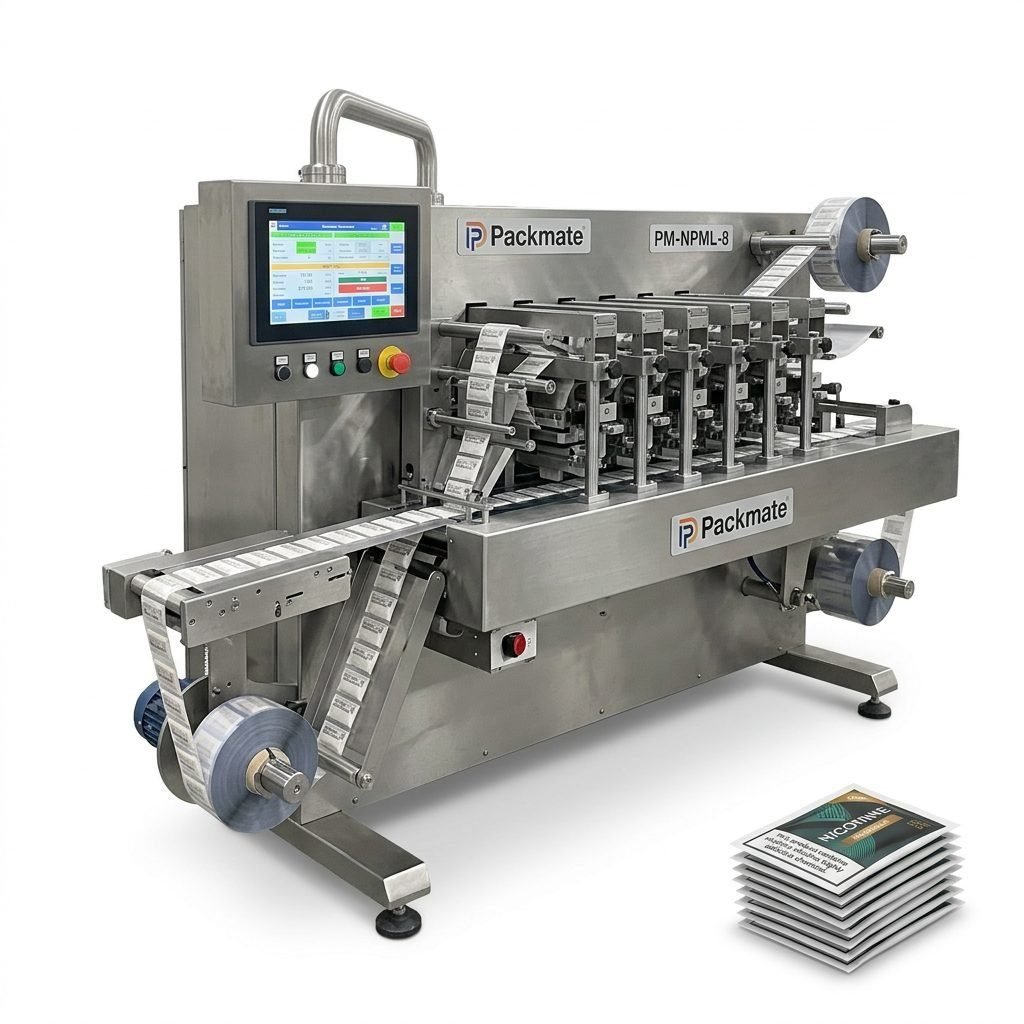
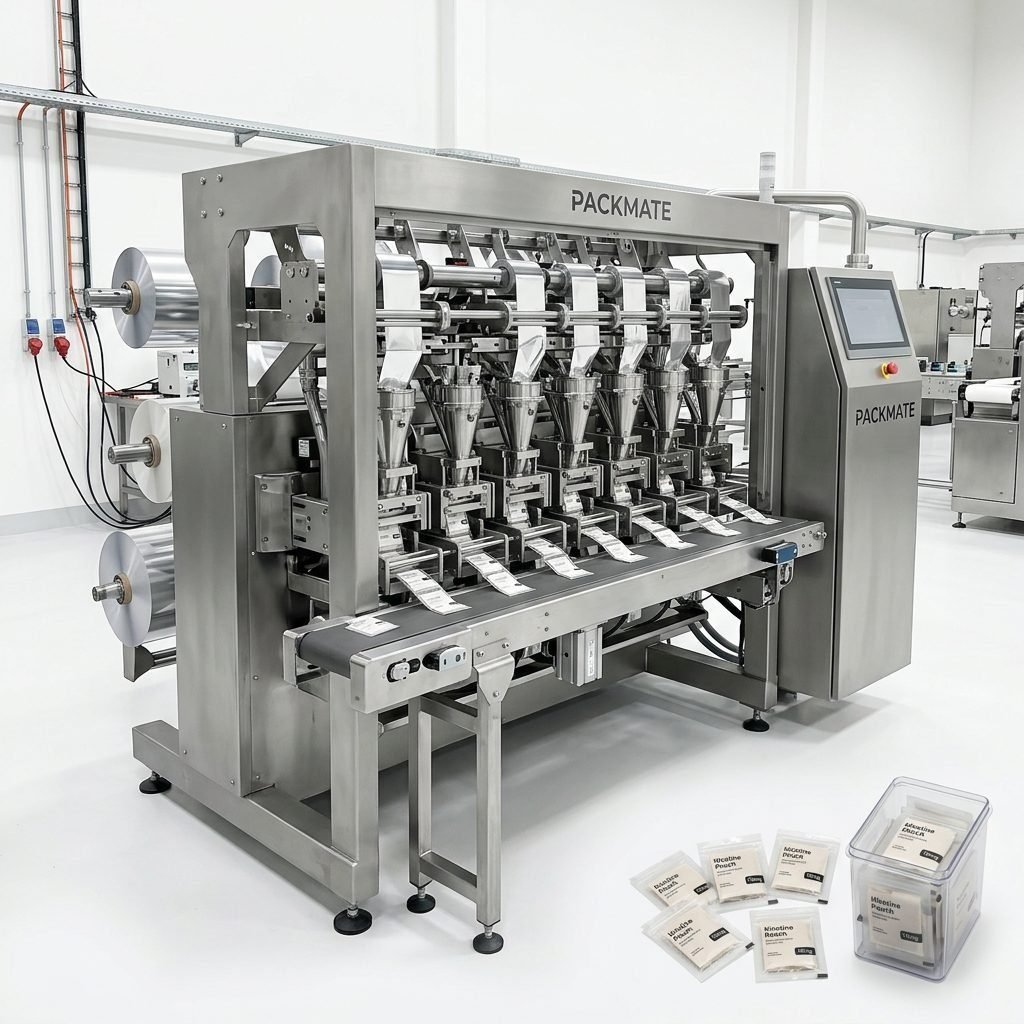
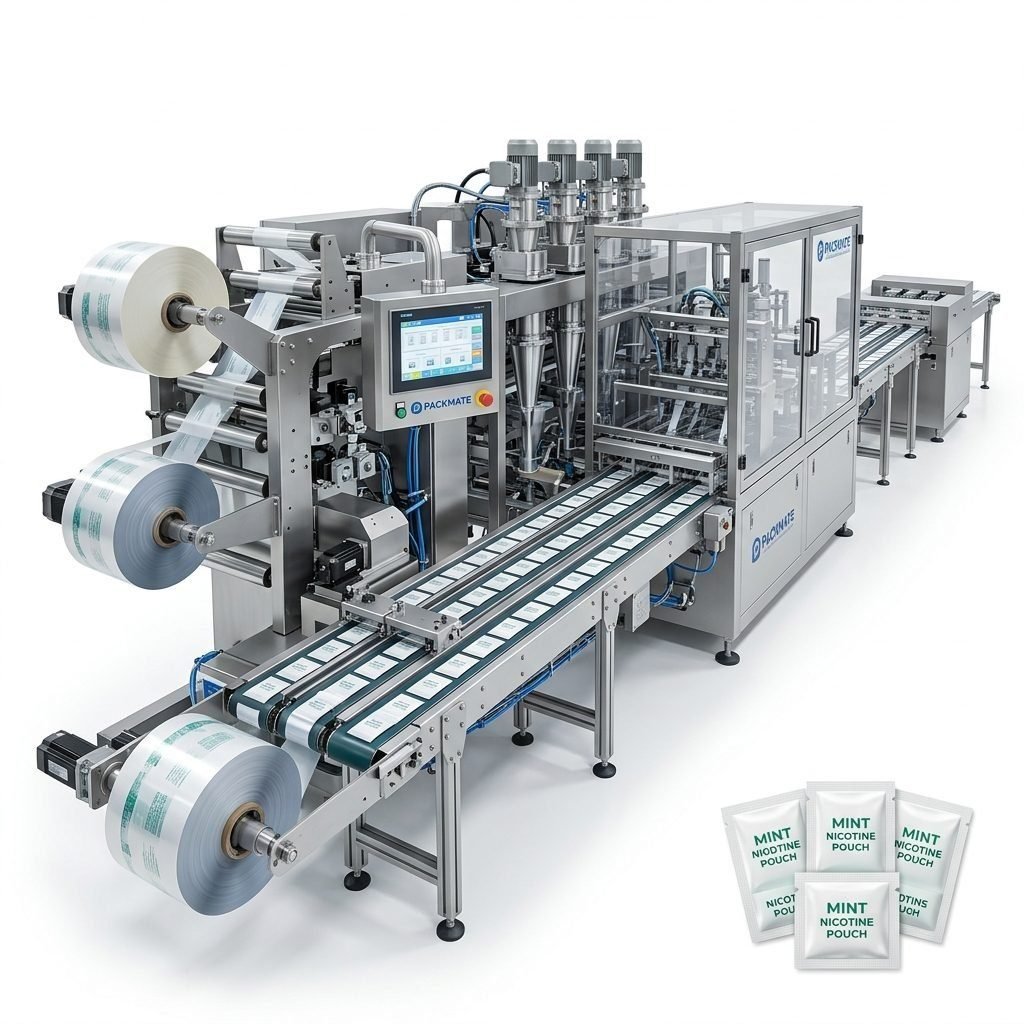
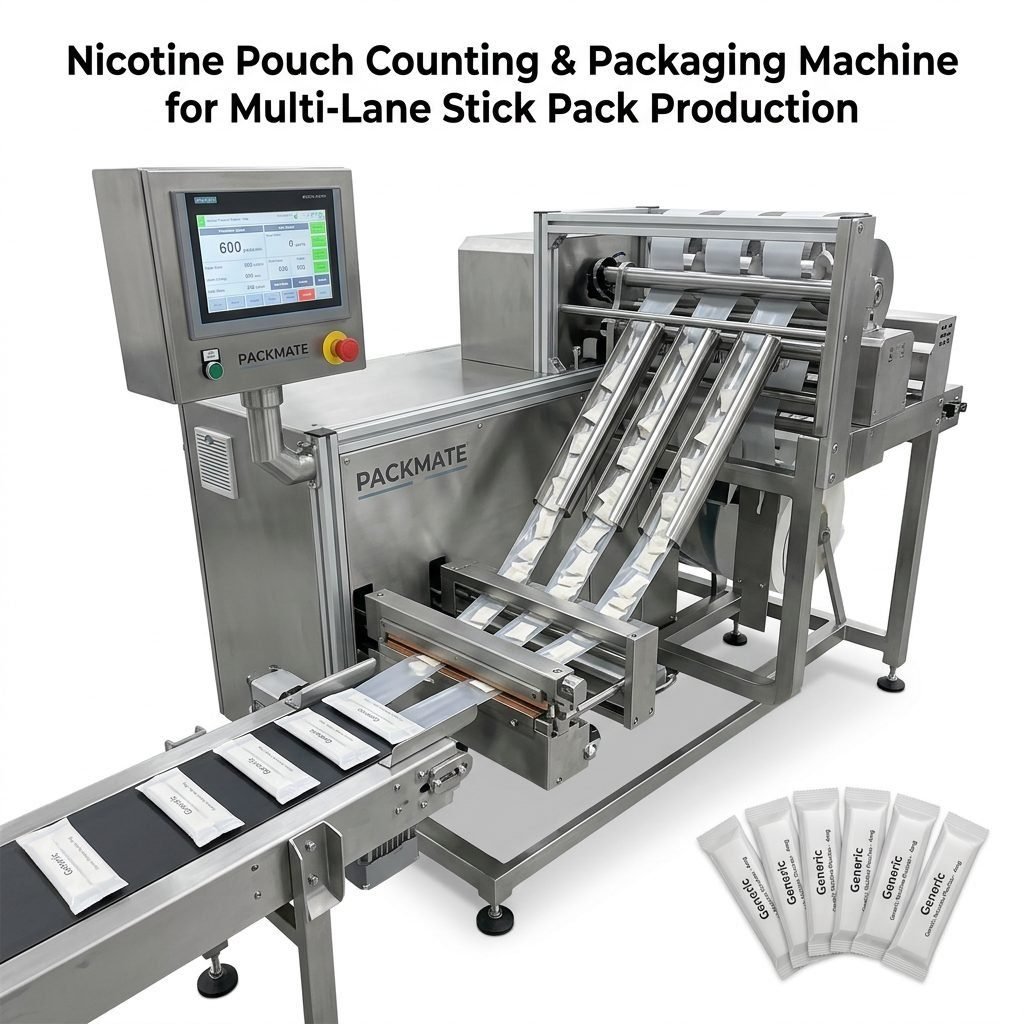
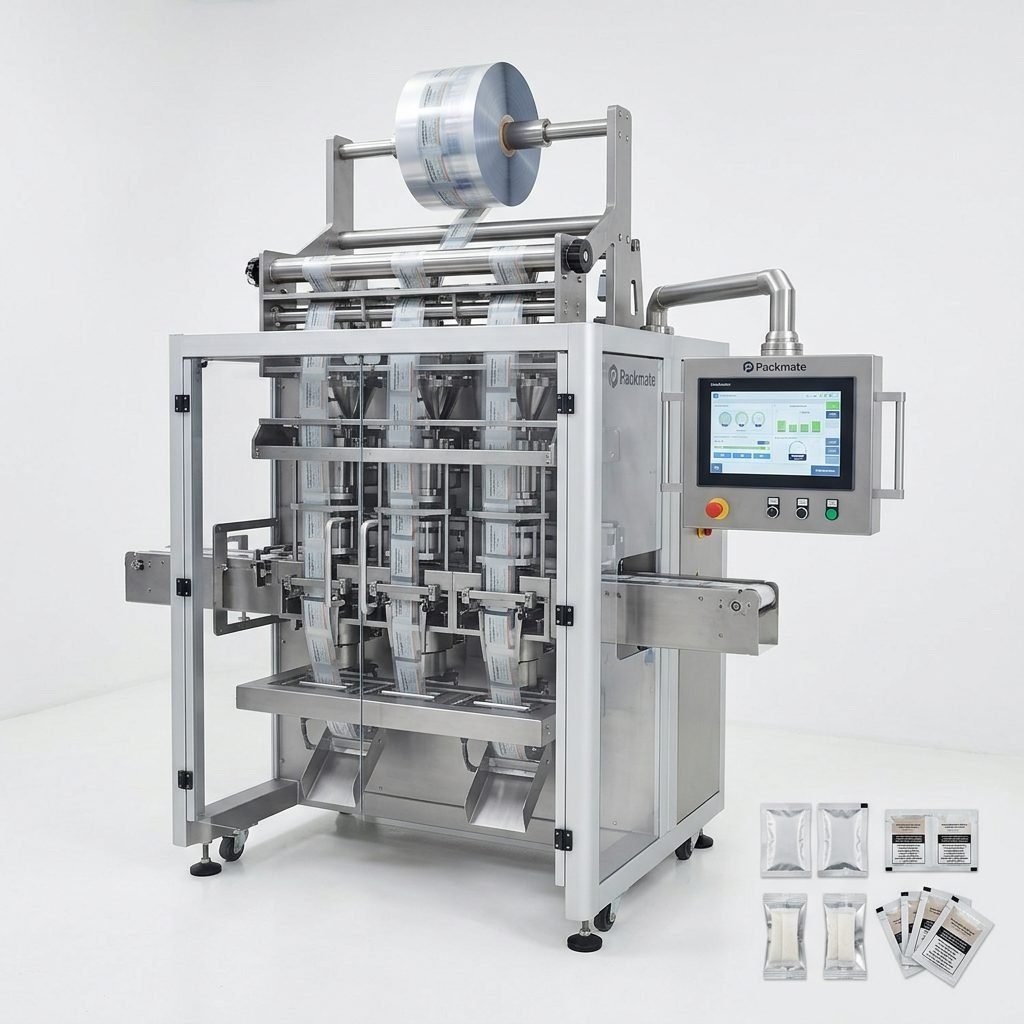
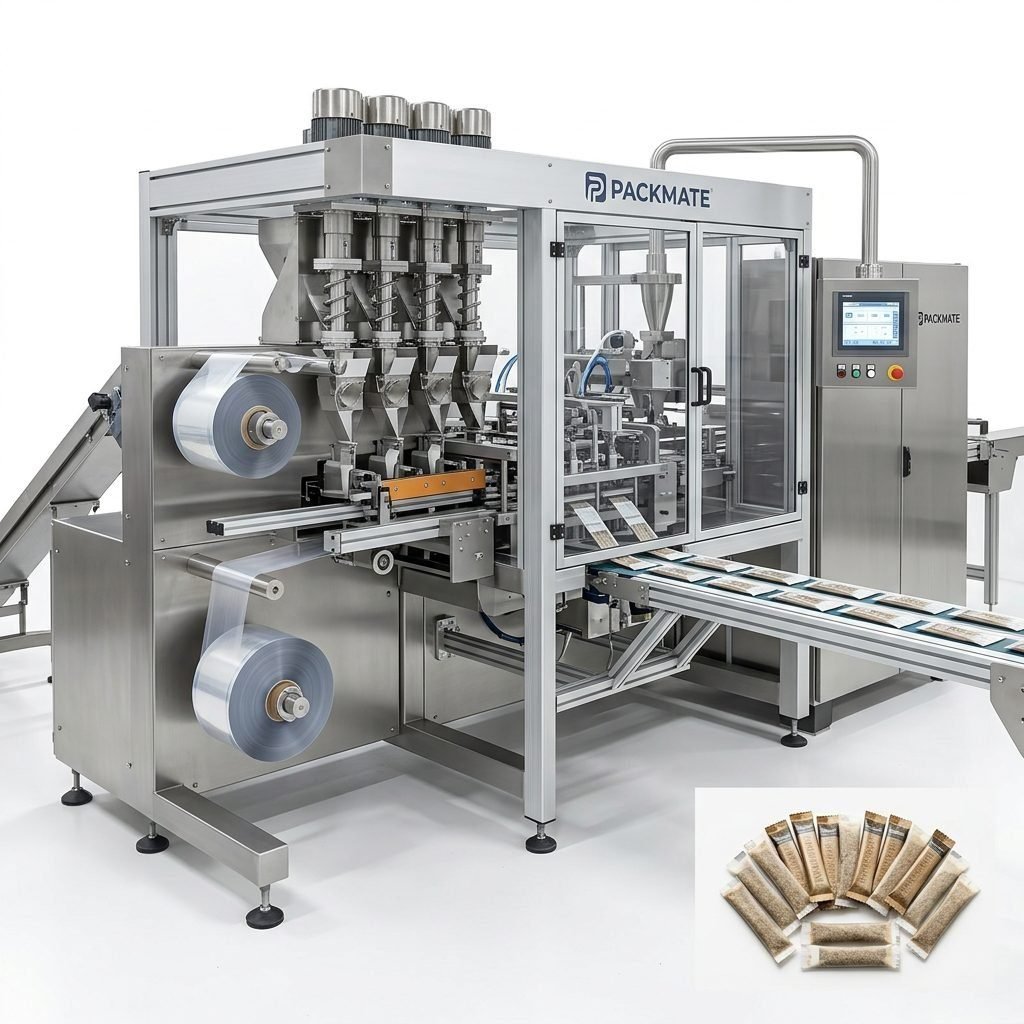
Multi-lane high-speed snus pouch machines — ideal for large-volume producers targeting supermarkets and exporters. These systems can produce multiple lanes simultaneously and reduce per-unit labor costs.
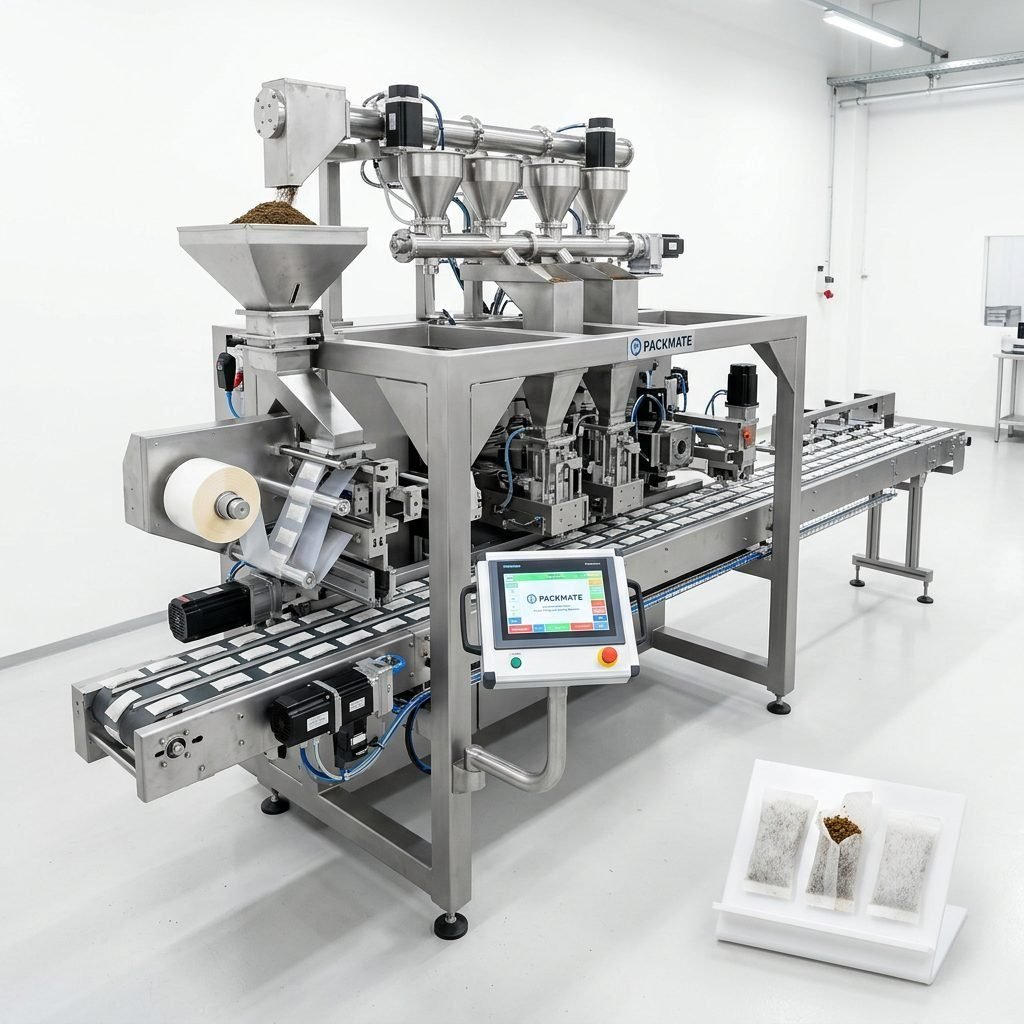
Stick pack & sachet machines — best for single-serve pouches and promotional formats; flexible for different lengths and easy to retool for new SKUs.
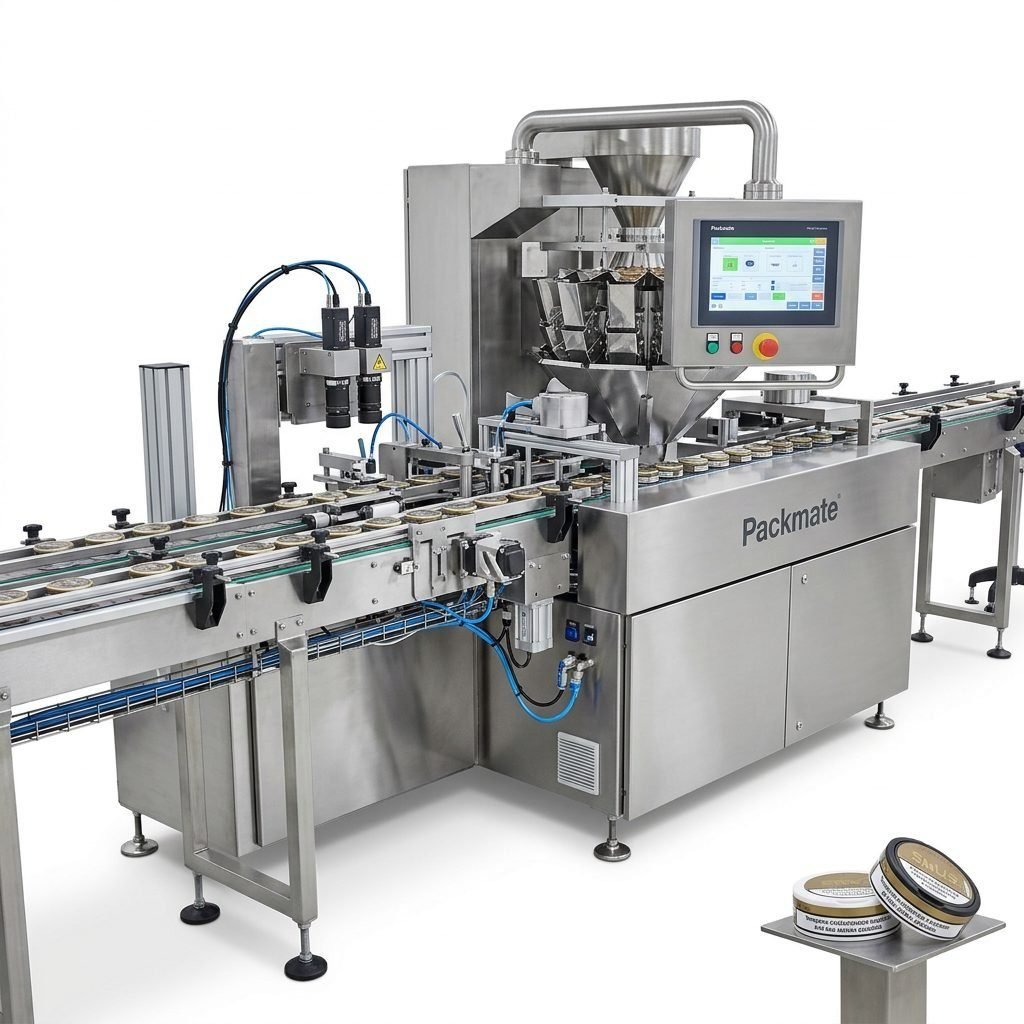
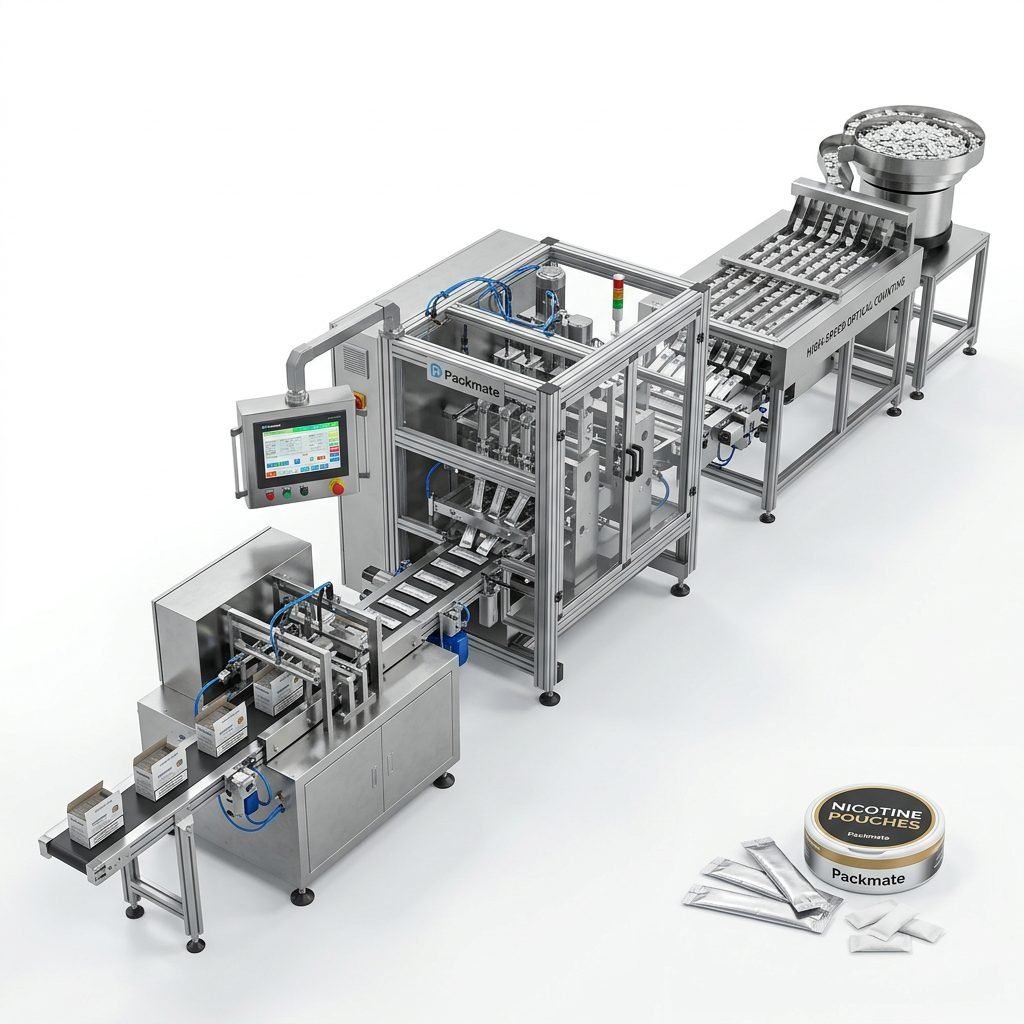
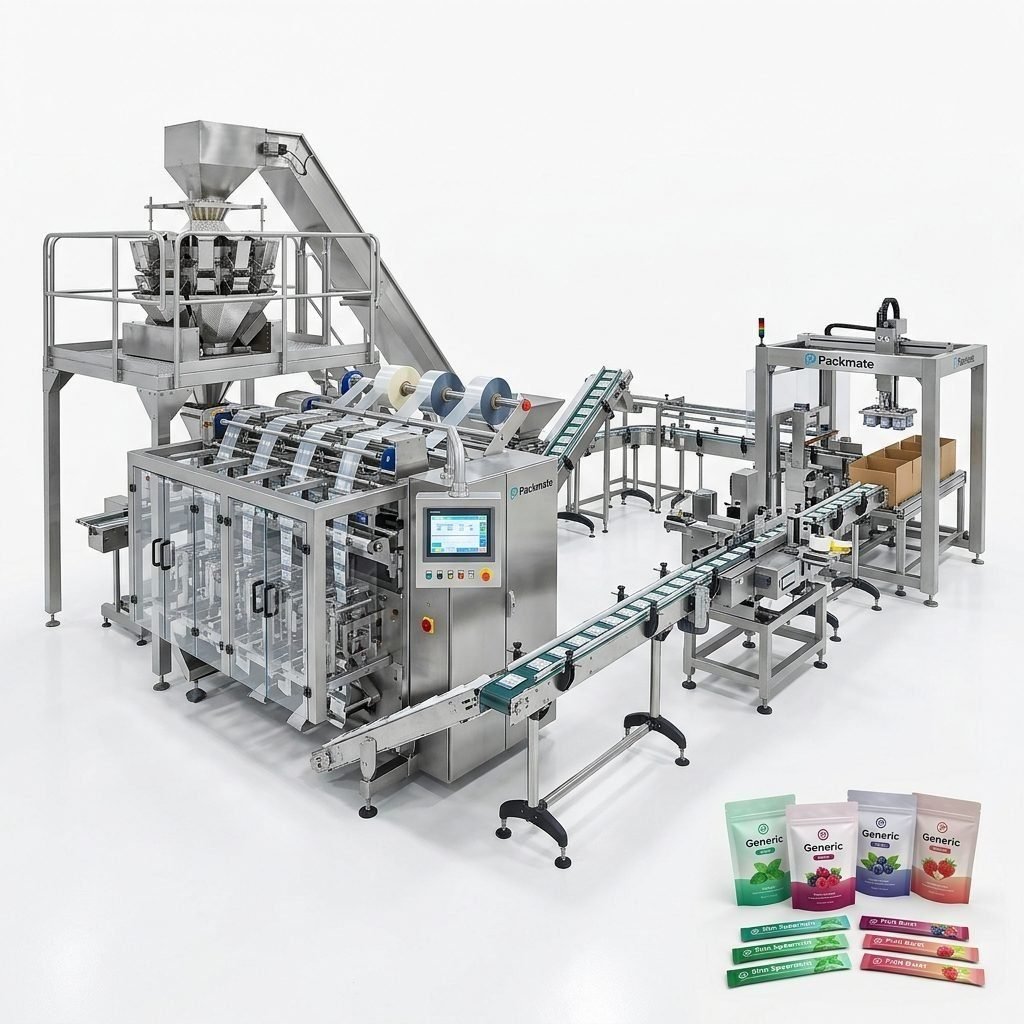
Complete filling & packaging lines — integrated systems that combine weighing, dosing, filling, sealing, and secondary case packing for turn-key production. These lines are suited when you want end-to-end automation and fewer integration headaches.
Critical Technical Factors When Choosing a Machine
Focus on the engineering details that determine product quality and throughput: dosing accuracy, sealing quality, speed, lanes, and material compatibility.
Dosing accuracy & consistency
Nicotine pouch weight tolerance is tight. Choose machines with high-precision weighing or volumetric dosing systems and closed-loop feedback control. A variation of even a few milligrams per pouch can affect regulatory compliance and customer perception.
Sealing technology & barrier requirements
For Angola’s humid climate, select machines capable of high-integrity seals (heat seal, induction where applicable) and compatible with barrier films that offer moisture and oxygen protection.
Speed, lanes & scalability
Decide initial capacity vs future growth. Multi-lane systems from reputable manufacturers let you scale by increasing lanes instead of buying a new machine. Evaluate actual output under realistic product conditions (not only ideal lab rates).
Material compatibility
Ensure the machine handles the pouch materials, lamination types, and adhesives you plan to use. Some machines are optimized for paper-based films, others for metallized or high-barrier plastics.
Environmental & Facility Requirements in Angola
Machines must be adapted for local infrastructure: electrical configurations, dust control, and workshop layout. Angola typically uses 220V, 50Hz; confirm motor and control voltage compatibility and whether transformers or converters are needed.
Tip: specify 220V/50Hz configuration for machines shipped to Angola and discuss onsite commissioning and voltage checks with the supplier to avoid delays.
Humidity control & storage
Implement dehumidified storage areas for raw materials and finished goods. The packaging machine room should maintain stable temperature and humidity to preserve seal performance and dosing accuracy.
Regulatory Compliance & Labeling in Angola
Tobacco and nicotine-related products face strict regulation in many countries. For Angola, ensure labels include required information in Portuguese and comply with import rules, health warnings, and any regional restrictions. Engage local legal counsel or customs brokers familiar with Angolan legislation to avoid penalties.
Service, Spare Parts & Local Support
One of the most important decision drivers is after-sales service. Machines that sit idle due to unavailable spare parts or no trained technicians in-country quickly erode ROI. Choose suppliers who provide spare parts kits, training, remote diagnostics, and options for local partner networks or on-site visits to Luanda.
What to ask potential suppliers
– Lead time for critical spare parts to Angola ports (Luanda, Lobito).
– Availability of local-certified technicians or on-site commissioning packages.
– Training programs in Portuguese or with translated manuals.
– Warranty terms and consumable supply contracts.
Why Choose an Experienced Manufacturer — Packmate Example
Established suppliers with decades of R&D and robust manufacturing systems can provide the predictable quality and long-term support you need. For example, Packmate Snus Machine has 30+ years of industry experience, CE and ISO certifications, and a wide product range that includes multi-lane snus machines, sachet & stick pack machines, and turn-key filling and packaging lines. Explore relevant machine categories for your needs:
• Snus & Nicotine Packaging Machines
• Bag & Pouch Packaging Machines
• Sachet & Stick Pack Machines
Pro tip: ask for case studies or references for installations in climates similar to Angola — real-world performance beats brochure specs.
Total Cost of Ownership & ROI Considerations
Purchase price is only part of the equation. Calculate the total cost including installation, local electrical adaptations, spare parts inventory, consumables (films, adhesives), operator training, and expected downtime. A machine with a slightly higher initial cost but lower downtime and better energy efficiency often yields a faster payback.
Key metrics to compare
– Throughput (pouches/min) under real conditions
– Yield (good units vs rejects)
– Energy consumption (kW) and utility compatibility
– Mean time between failures (MTBF) and mean time to repair (MTTR)
Procurement & Shipping Tips for Angola
Shipping industrial equipment to Angola requires planning for customs clearance, port logistics, and inland transport. Luanda is the primary port for most industrial imports; ensure your supplier provides proper export documentation and offers port-to-site delivery options if needed.
Logistics checklist
– Confirm incoterms (FOB, CIF, DAP) and who handles customs.
– Verify shipping crates meet international handling standards.
– Prepare for import duties and local certifications required on arrival.
– Arrange local crane/forklift and qualified riggers for machine installation.
Installation, Training & Commissioning
Commissioning is where theory becomes practice. Insist on a supplier who provides qualified engineers for onsite commissioning, operator training in Portuguese or with translated materials, and initial production runs to fine-tune settings for your product and materials.
After-sales services to secure
– Onsite commissioning and test runs
– Operator & technician training packages
– Remote support and troubleshooting capabilities
– Long-term service agreements and spare parts supply
Selecting a Supplier — Red Flags & Green Flags
When evaluating suppliers, look for evidence of quality manufacturing, standards compliance, and a global service footprint.
Green flags
Established factory footprint with CNC machining and precision assembly lines; documented certifications such as CE/ISO; references and case studies; clear spare parts policy; local language support options.
Red flags
Long spare-part lead times, opaque warranty terms, inadequate documentation, and lack of installation or training support.
How Packmate Supports Global Customers
With a 20,000㎡ manufacturing facility, 50+ machine models, and 30+ years of engineering experience, Packmate delivers snus and nicotine packaging solutions tailored to global markets. If you want more details on product lines, certifications, or exhibition demos, explore these resources:
• About Packmate
• Case Studies
• Contact Packmate for Angola inquiries
Checklist before signing a PO ✔️ Confirm electrical specs for Angola (220V/50Hz) • ✔️ Confirm language localization for labels/manuals • ✔️ Confirm spare-part lead times to Luanda • ✔️ Request a factory acceptance test (FAT) and machine demo.
Common Installation Scenarios in Angola
Small start-ups may opt for single-lane sachet machines to enter the market with low capital. Medium producers often select multi-lane lines to serve retail chains, and large exporters choose full automated filling and packaging lines to meet international demand. In all cases, plan for environmental controls and staff training.
Final Recommendations
Choose a machine based on real production metrics rather than advertised peak speeds. Prioritize suppliers with proven experience in snus/nicotine packaging, documented quality control, and clear after-sales support. For Angola specifically, emphasize humidity-resistant packaging, Portuguese labeling, electrical compatibility, and robust spare parts logistics to local ports.
Quick action plan
1) Define target pouch formats and monthly volumes. 2) Request FAT videos or an on-site demo. 3) Confirm electrical and environmental requirements. 4) Negotiate spare parts and commissioning in the contract. 5) Arrange customs/port logistics early.
FAQs
Q1: Can packaging machines be configured for Portuguese labels and operator menus?
Yes. Most reputable manufacturers can provide label templates in Portuguese and configure HMI/operator menus with localized language support.
Q2: What electrical specification should I request for machines delivered to Angola?
Request 220V, 50Hz configuration and confirm plug/connection types. Discuss power stability and whether voltage regulation is necessary at your site.
Q3: How important is moisture control for snus packaging in Angola?
Extremely important. High humidity can compromise seals and product quality. Use barrier films, high-integrity sealing methods, and controlled storage conditions.
Q4: What after-sales services should I insist on?
Onsite commissioning, operator training in Portuguese, spare parts lead-time guarantees, remote troubleshooting capability, and clear warranty terms.
Q5: Where can I see real machine cases and request a quote?
Review product pages and case studies from experienced suppliers and contact them directly for quotes and FAT scheduling: Snus & Nicotine Packaging Machines, Filling & Packaging Lines, or Contact Packmate.