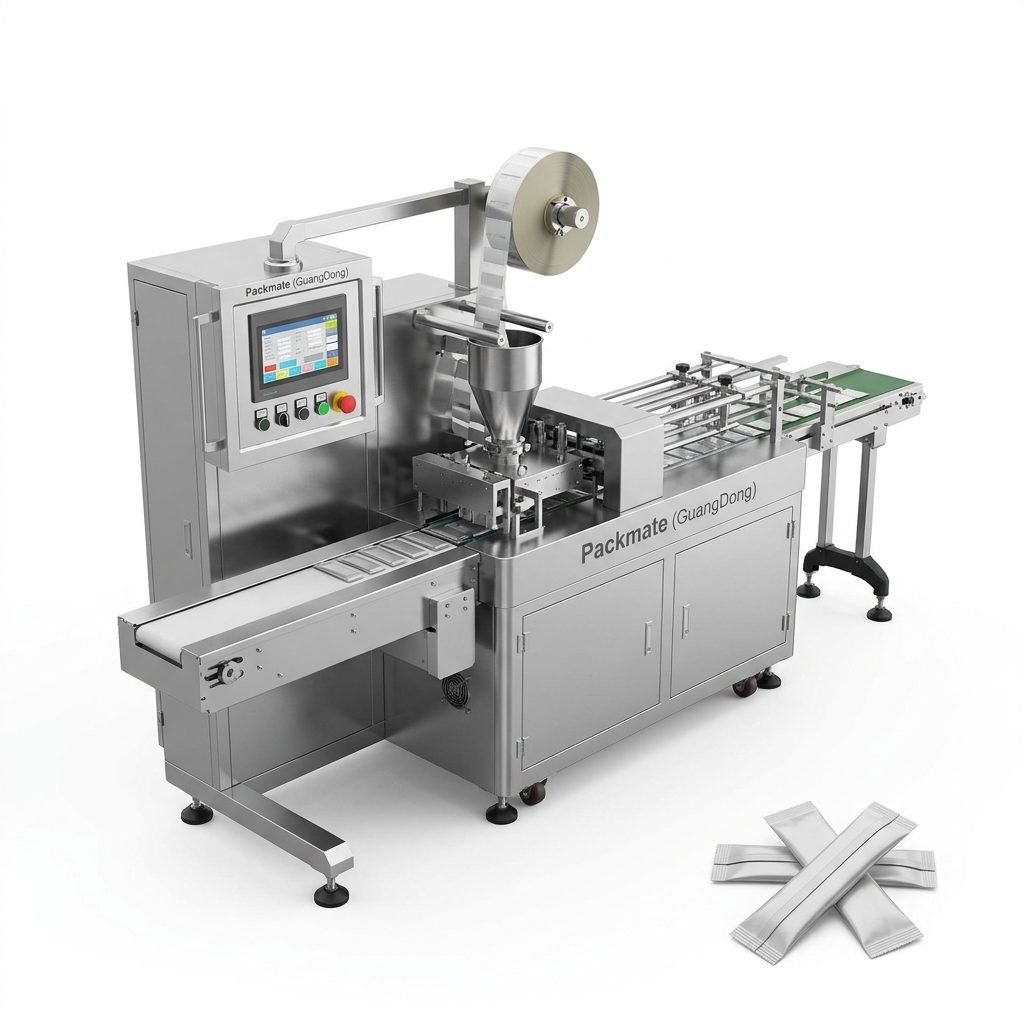
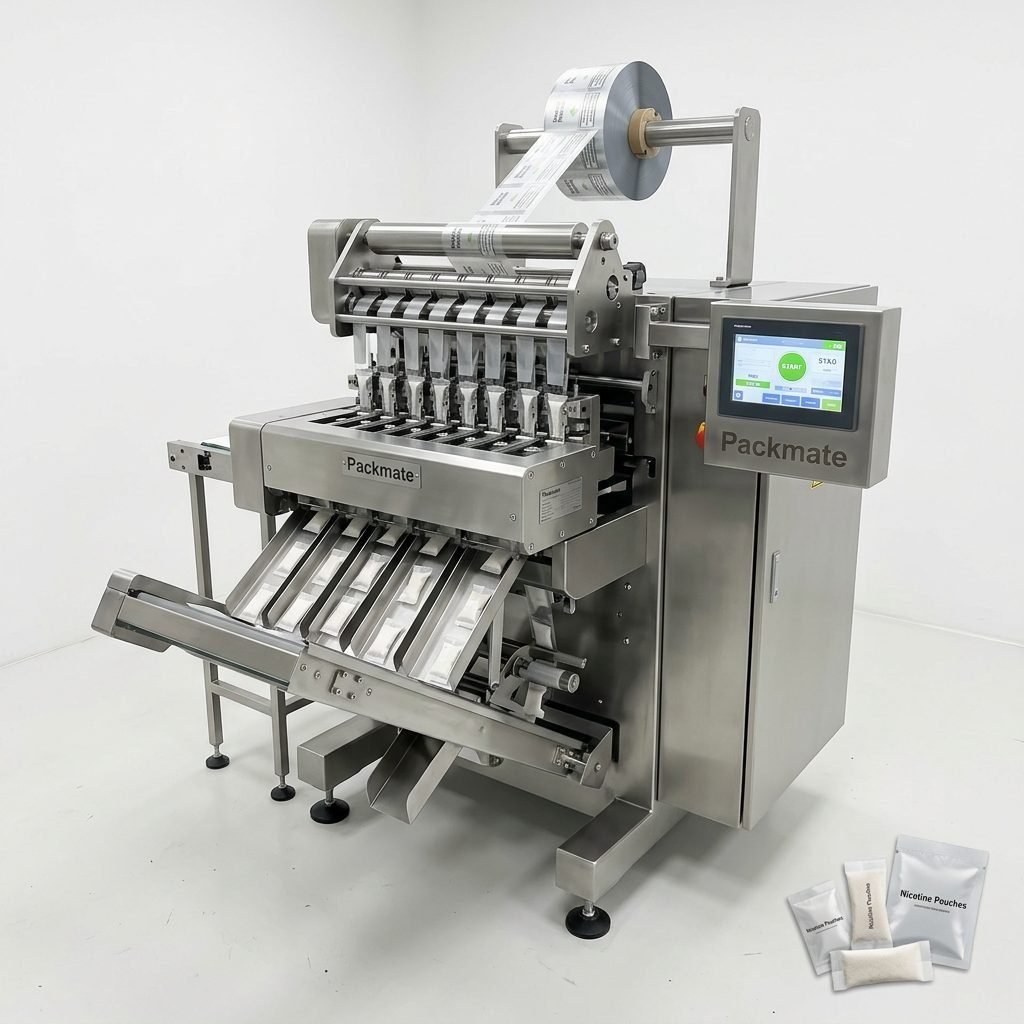
Choosing the right nicotine packaging machine in Brunei requires more than just matching speeds and prices. Manufacturers and packagers must consider local market preferences, regulatory constraints, production scalability, machine reliability, and after-sales support. This guide walks you through the practical steps and technical checkpoints to select the best snus/nicotine pouch packaging equipment for your Brunei operations, with actionable tips and supplier considerations tailored to local habits and business realities.
Understand Brunei’s Market, Culture, and Regulations 🔍
Brunei is a small, conservative nation with strict social norms and regulatory oversight. When targeting Bruneian consumers or operating production locally, respect for cultural norms and compliance with local laws is essential. Many businesses choose to export to neighboring markets in Southeast Asia, but if you plan production or distribution inside Brunei, confirm local rules on nicotine, tobacco alternatives, and product labeling with authorities before procurement.
Practical tip: align packaging aesthetics with discreet, clean design choices suited to conservative markets, and prepare documentation for customs and health authorities in advance.
Define Production Capacity and Future Growth Needs ✅
Start with a clear assessment of your current and projected output. Key questions include: How many pouches per minute do you require? Will you run single-shift or 24/7? Do you need multi-format capability for different pouch sizes or flavors?
Rule of thumb: Choose a machine with 20-30% more capacity than your immediate need to allow for growth and maintenance downtime. For many startups, a flexible mid-speed multi-lane machine offers the best balance between investment and scalability.
Select the Right Machine Type: Match Format to Product
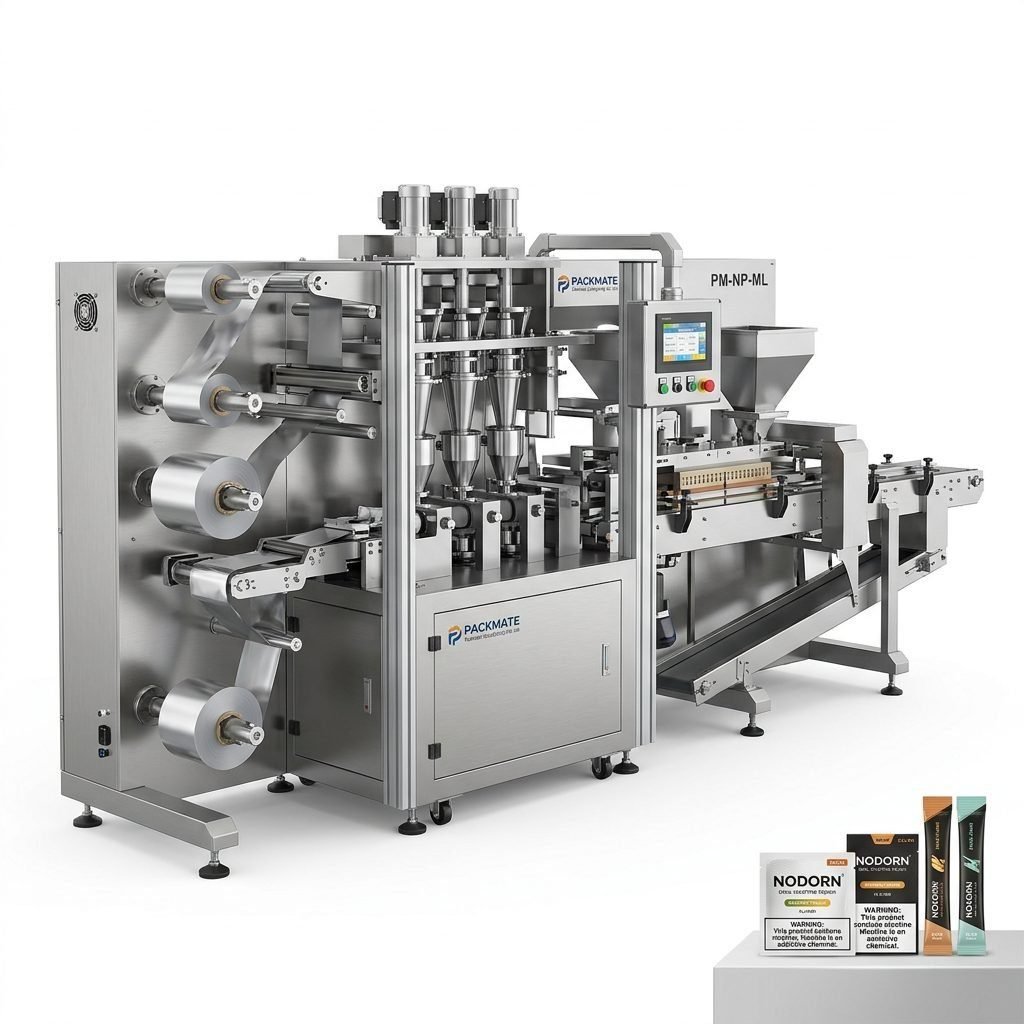
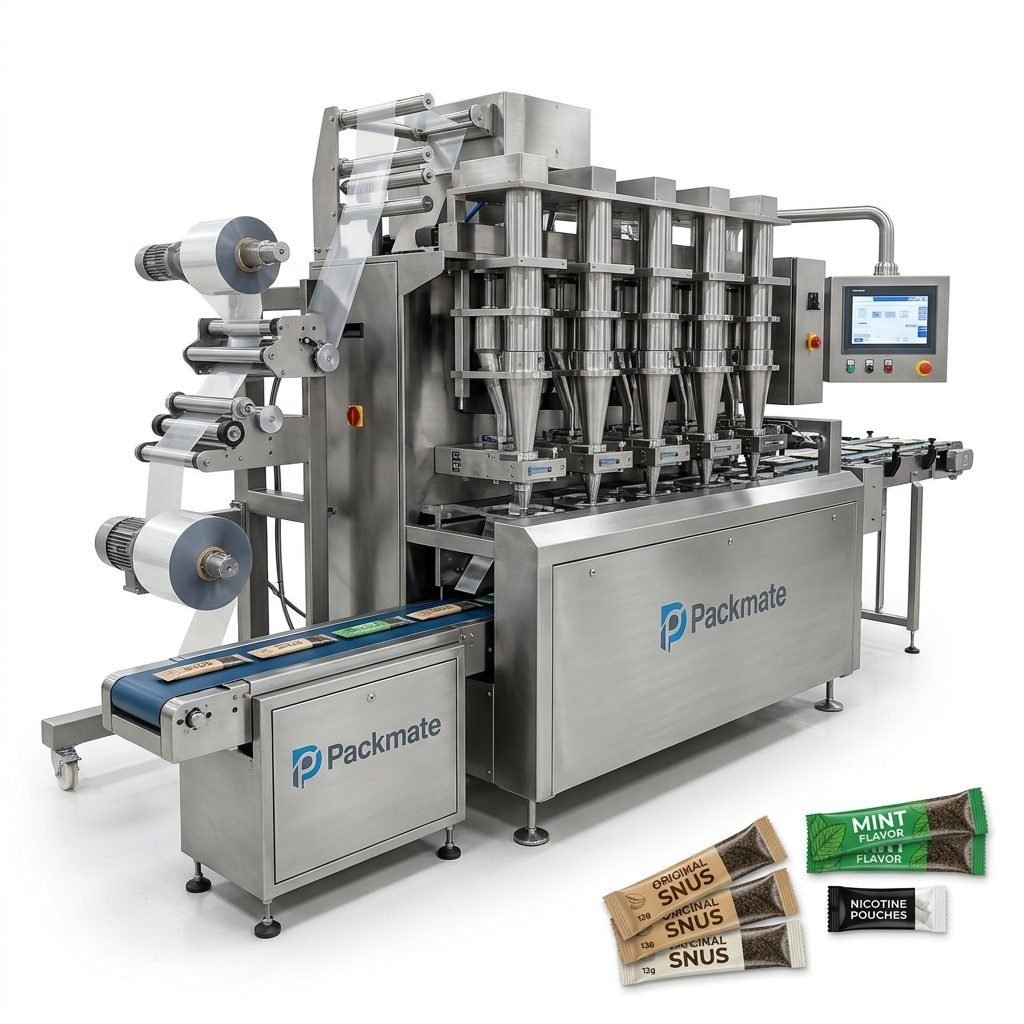
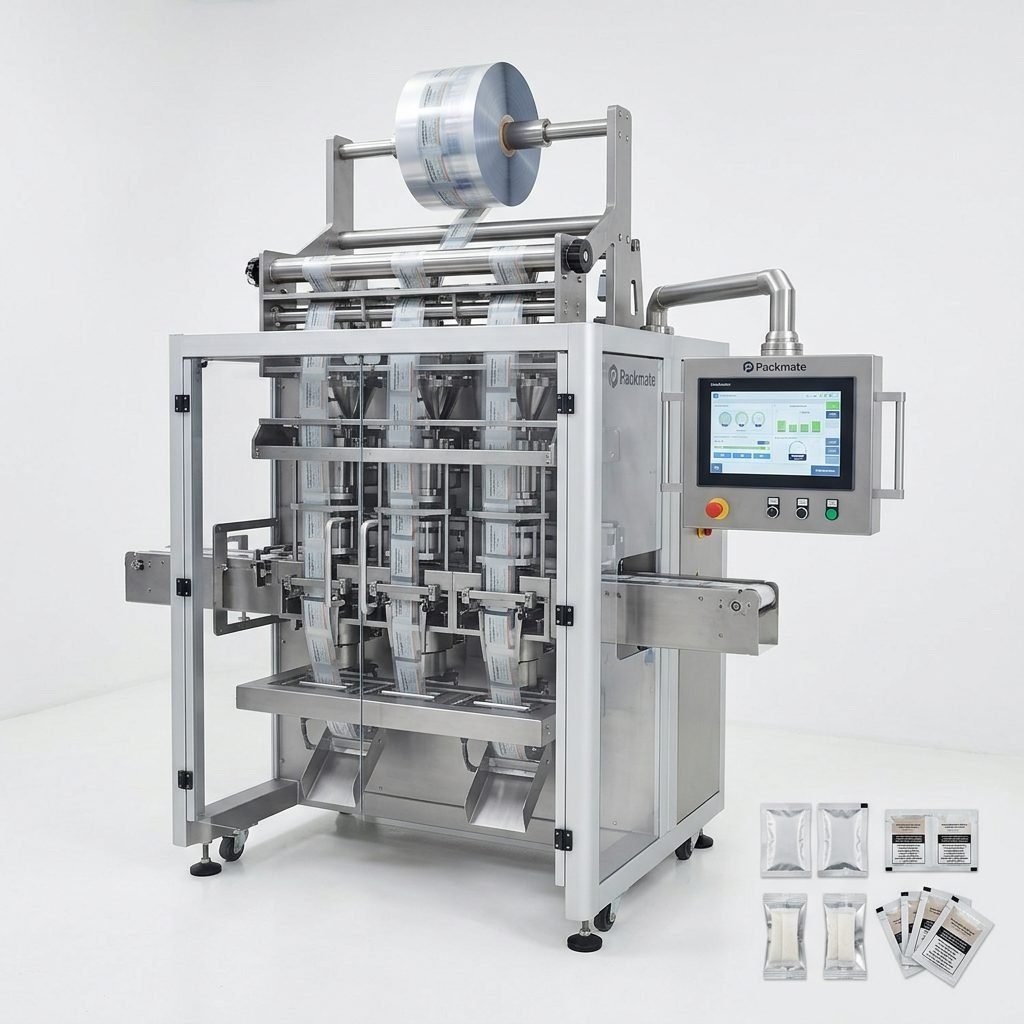
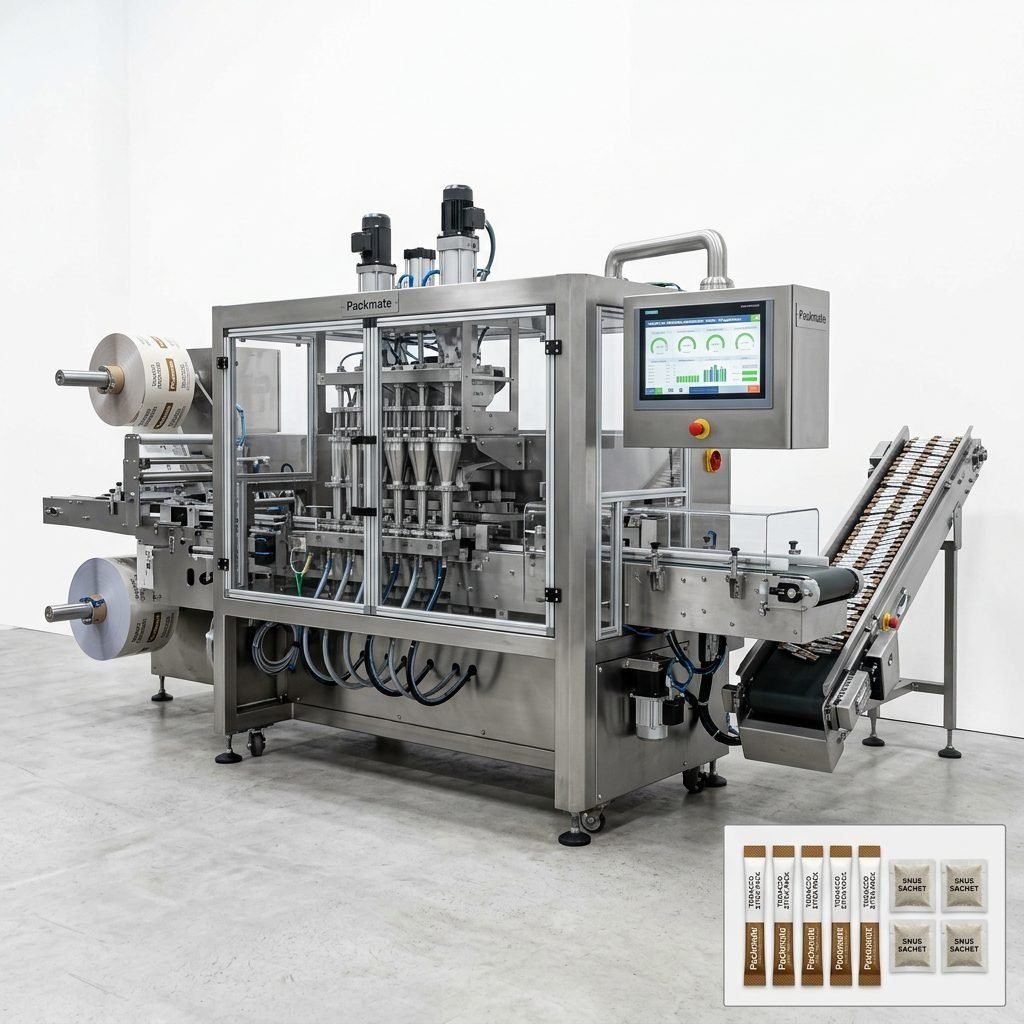
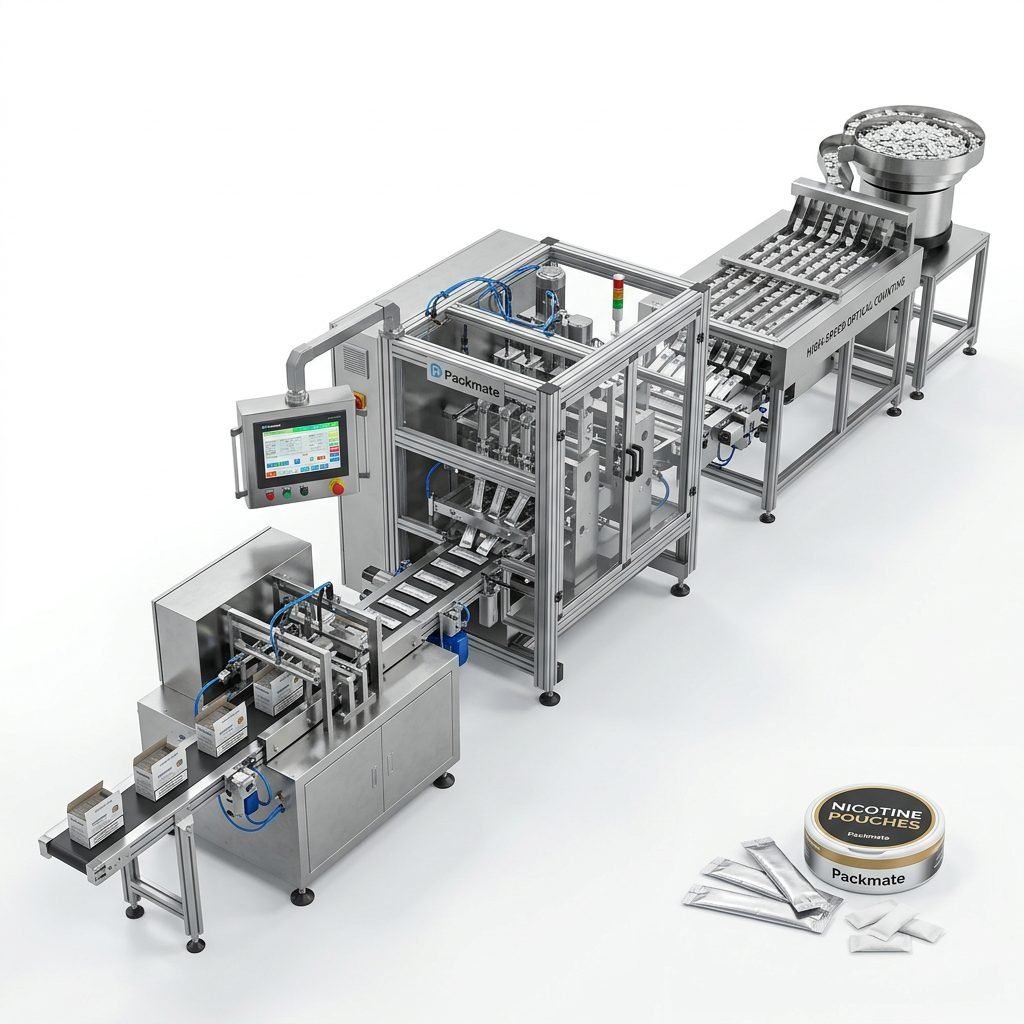
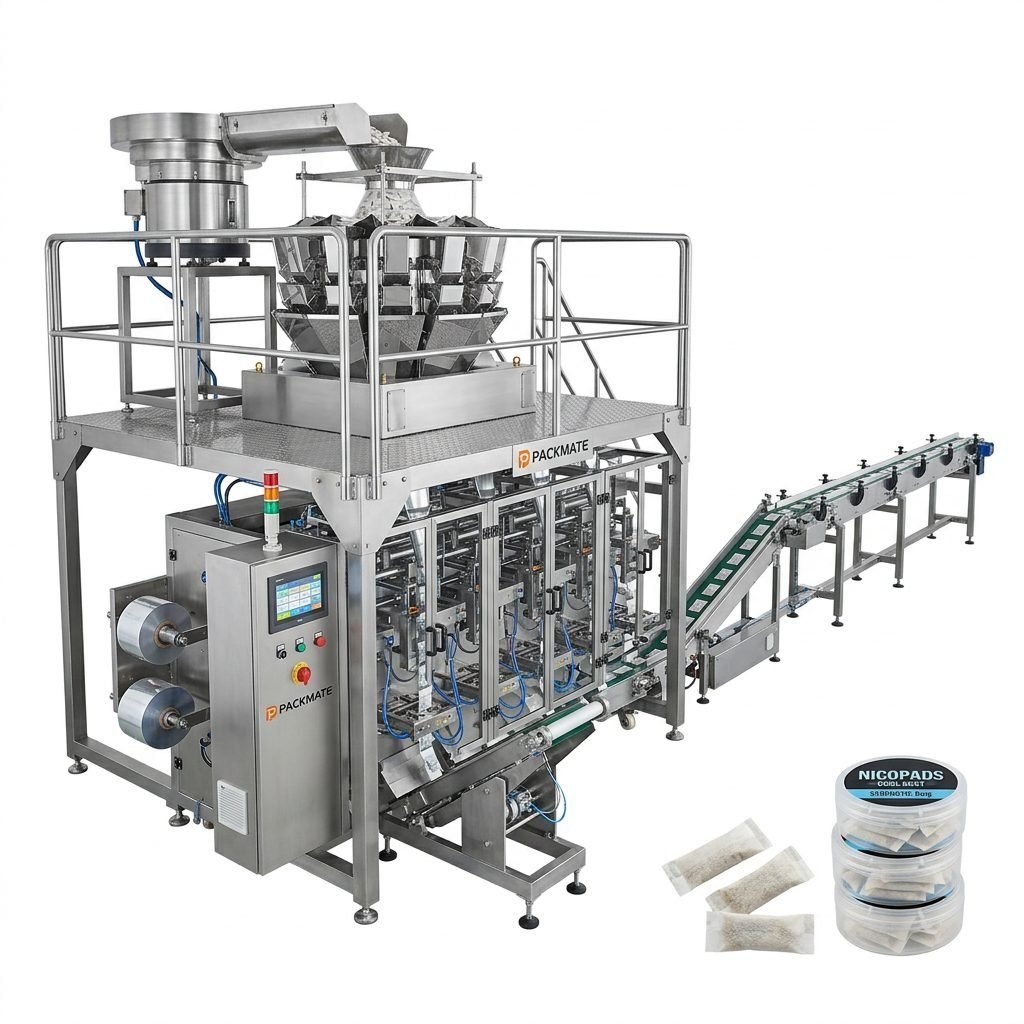
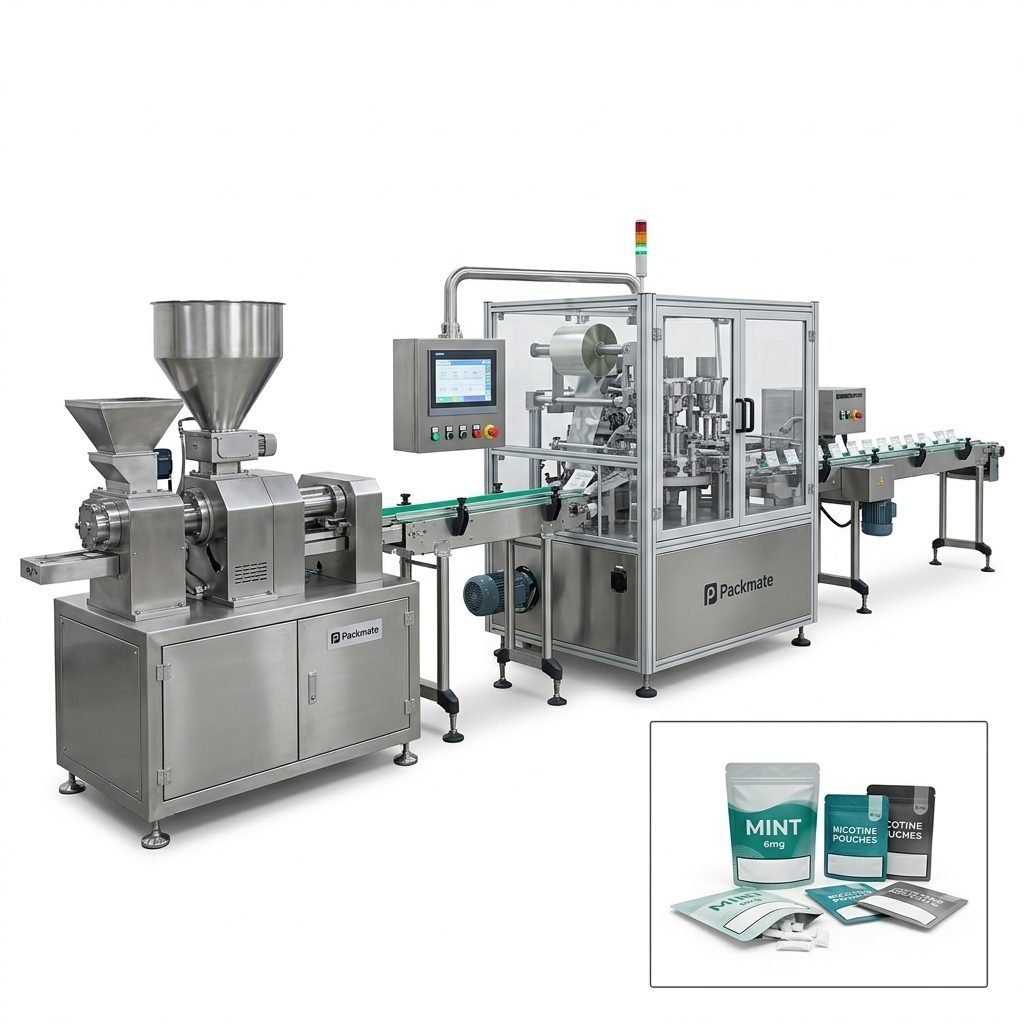
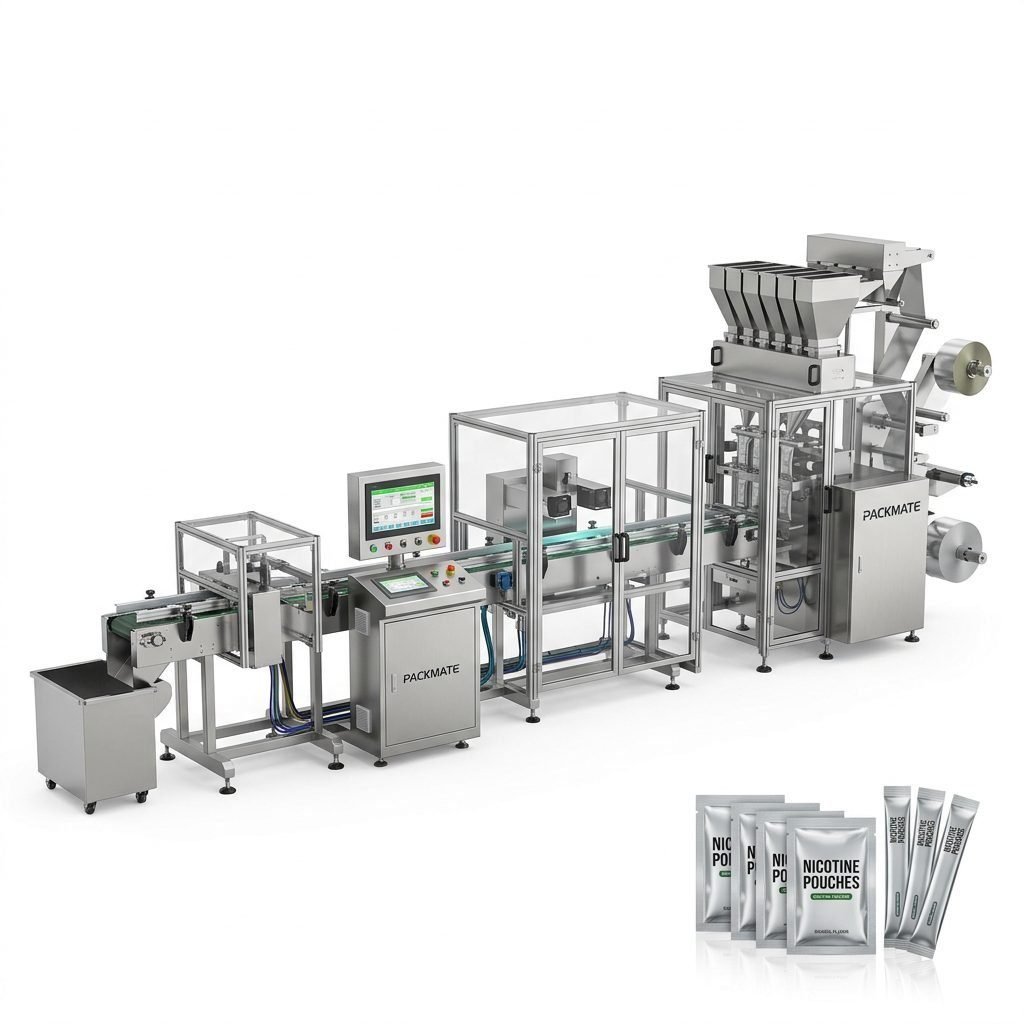
There are several machine categories for snus and nicotine pouches. Your choice depends on pouch style, filling type, and desired throughput:
-
Stick pack and sachet machines: Ideal for single-dose sachets or thin stick-style pouches.
-
Multi-lane pouch machines: Efficient for high-volume production of small-dose nicotine pouches.
-
Custom pouch formers and pre-made pouch fillers: Use when you want unique shapes or printed pouches.
Explore product pages like Snus & Nicotine Packaging Machines and Sachet & Stick Pack Machines to compare real-world examples and configurations.
Material Compatibility and Pouch Style
Consider the materials you will use—foil laminates, paper-foil, or biodegradable films—and ensure the chosen machine handles those substrates without damaging seals. Some materials require higher-temperature sealing or modified jaws. If your product uses moisture-sensitive nicotine blends, select machines with controlled filling environments and humidity-management options.
Integration with Pre- and Post-Processing
A packaging line rarely stands alone. Check compatibility with your weighing scales, dosing systems, vibratory feeders, and cartoning systems. Machines that support PLC integration and standard communication protocols reduce the complexity and cost of automating a complete production line.
For turn-key solutions and weighing options, see Weighing & Packaging Systems and Filling & Packaging Lines.
Key Technical Specifications to Evaluate ⚙️
When evaluating machines, focus on measurable specs that affect daily operations:
-
Speed and throughput: pouches/minute or lanes × pouches per lane.
-
Filling accuracy: weight tolerance in mg or %.
-
Changeover time: how long between formats.
-
Power and air consumption: essential for cost forecasting in Brunei’s energy market.
-
Footprint and installation requirements: verify factory door access and ceiling height for large machines.
Quality, Certification and Compliance ✅
Choose machines from manufacturers with proven quality systems and international certifications. Look for CE, ISO and test evidence that equipment meets global safety and hygiene standards. Reliable suppliers document machine performance and provide calibration and traceability data—important for inspections and cross-border shipments.
Packmate’s product and factory certifications can be reviewed on their certificate page: Certificate.
After-Sales Support, Spare Parts, and Technical Training 🛠️
Support infrastructure is a critical decision factor—especially in Brunei, where on-site technical resources may be limited. Confirm lead times for spare parts, availability of remote diagnostics, and whether the supplier offers in-person commissioning and operator training. Local or regional representation shortens downtime and simplifies customs for imported spare parts.
Contact and service information from your supplier should be clear and responsive; Packmate lists service and contact options here: Service and Contact Us.
Total Cost of Ownership and ROI Analysis 💰
Purchase price is only one part of cost. Factor in installation, training, spare parts inventory, energy, maintenance labor, downtime risk, and expected lifetime. Higher initial investment in a robust, multi-lane machine can deliver lower cost per pouch and faster ROI in high-volume scenarios.
Financial exercise: calculate cost per pouch over 3–5 years including maintenance, then compare across 2–3 machine proposals.
Customization, Branding and Packaging Aesthetics
In Brunei and neighboring markets, subtle and quality-driven packaging often performs better than aggressive designs. If you plan custom-printed pouches or bespoke shapes, ensure the machine supports printed-film registration, high-precision cutting and sealing, and secondary packaging options like boxes or display packs.
Manufacturers with in-house design and engineering capabilities can speed up custom projects and reduce integration headaches—learn more about Packmate’s factory and capabilities on their about page: About Packmate.
Supplier Selection Checklist for Brunei Buyers ⚖️
Choose suppliers with a track record in nicotine pouch lines, strong documentation, and the ability to support export/import logistics. Ask for references or case studies in similar climates and markets.
Quick Checklist (use as pre-purchase questions):
-
Can the machine hit your required throughput with consistent accuracy?
-
What are expected changeover times and tooling costs?
-
Are spare parts available within your region and what is their lead time?
-
Does the machine come with CE/ISO documentation and performance test reports?
-
Is on-site commissioning and operator training included or available?
Inspection, Factory Acceptance and Shipping Preparations
Before shipment, request a Factory Acceptance Test (FAT) video or visit the manufacturer if possible. FAT demonstrates performance with your product or a close equivalent, reducing commissioning risks. Confirm packaging standards for shipping and customs documentation to Brunei to avoid border delays.
For examples of completed installations and project references, check the supplier’s case studies: Case.
Local Partnering and Cultural Considerations for Sales and Marketing
In Brunei, building relationships through trusted local partners helps navigate regulatory nuances and distribution channels. Consider partnerships with regional logistics firms and local marketing specialists who understand consumer preferences and compliance frameworks. Attend regional exhibitions to meet suppliers and see machines in person—learn when the supplier exhibits here: Our Exhibition.
Final Selection Steps — From Quote to Production Start
1) Collect 2–3 quotes with full scope (machine, installation, training, spare parts list). 2) Ask for FAT demonstrations and references. 3) Verify certifications and shipping timelines. 4) Budget for a trial run and initial spare parts kit. 5) Plan operator training well before production launch.
Supplier highlights to look for:
-
30+ years of engineering experience and a large manufacturing facility for consistent quality.
-
A wide product portfolio including pouch, sachet, stick pack, and multi-lane systems to match evolving product lines.
-
Turn-key line capability and global project references to reduce integration risk.
Conclusion — Make a Balanced Choice
Selecting the right nicotine packaging machine for Brunei combines technical thinking with practical market insight. Balance throughput needs, material compatibility, compliance documentation, and after-sales support. Prioritize suppliers who demonstrate reliability, certification, and local support pathways. With the right machine and partner, you can build a scalable, compliant, and cost-efficient production line that serves both local and export markets.
Frequently Asked Questions (FAQs)
Q1: How do I verify a machine’s actual speed and filling accuracy before purchase?
A1: Request a Factory Acceptance Test (FAT) with your product or a comparable material. FAT videos and measured test reports are essential. On-site visits or certified third-party inspections add confidence.
Q2: Are there specific certifications I must ask for when buying nicotine pouch machines for export to Brunei?
A2: Ask for CE and ISO certificates and for any safety and electrical documentation relevant to your shipment. Also prepare product-level compliance documents required by Brunei’s health and customs authorities.
Q3: What spare parts should I stock initially for a new machine?
A3: Keep critical consumables and wear parts: sealing jaws, belts, sensors, spare nozzles/dosers, and basic electronic modules. Ask the supplier for a recommended starter kit and lead times for replacements.
Q4: How long does commissioning and training typically take?
A4: Commissioning ranges from a few days for simple machines to 1–2 weeks for integrated lines. Operator training is usually included and can be done in parallel; plan extra time for recipe development and trial runs.
Q5: Can I see examples of installed lines and speak to references?
A5: Reputable suppliers provide case studies and references. Review installation examples and request to speak with customers in similar climates or market segments—this helps validate long-term performance.