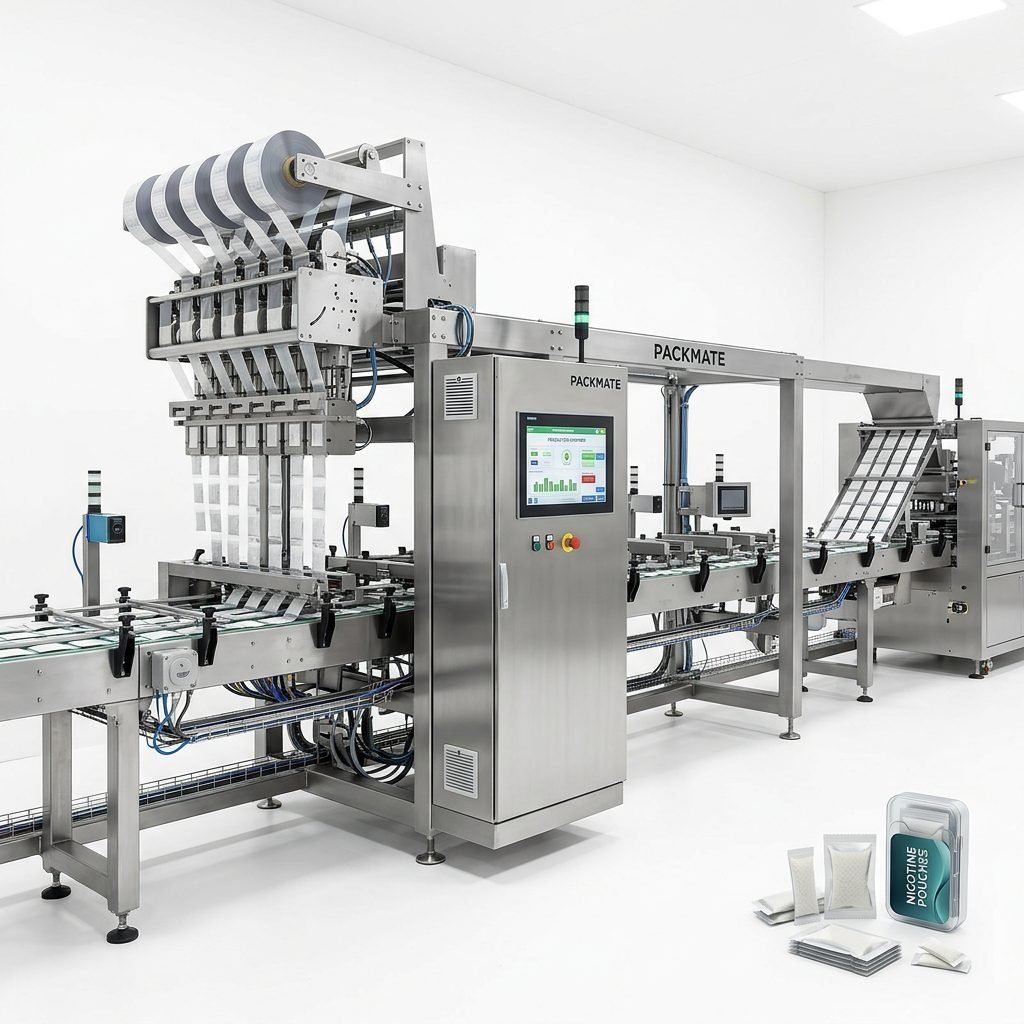
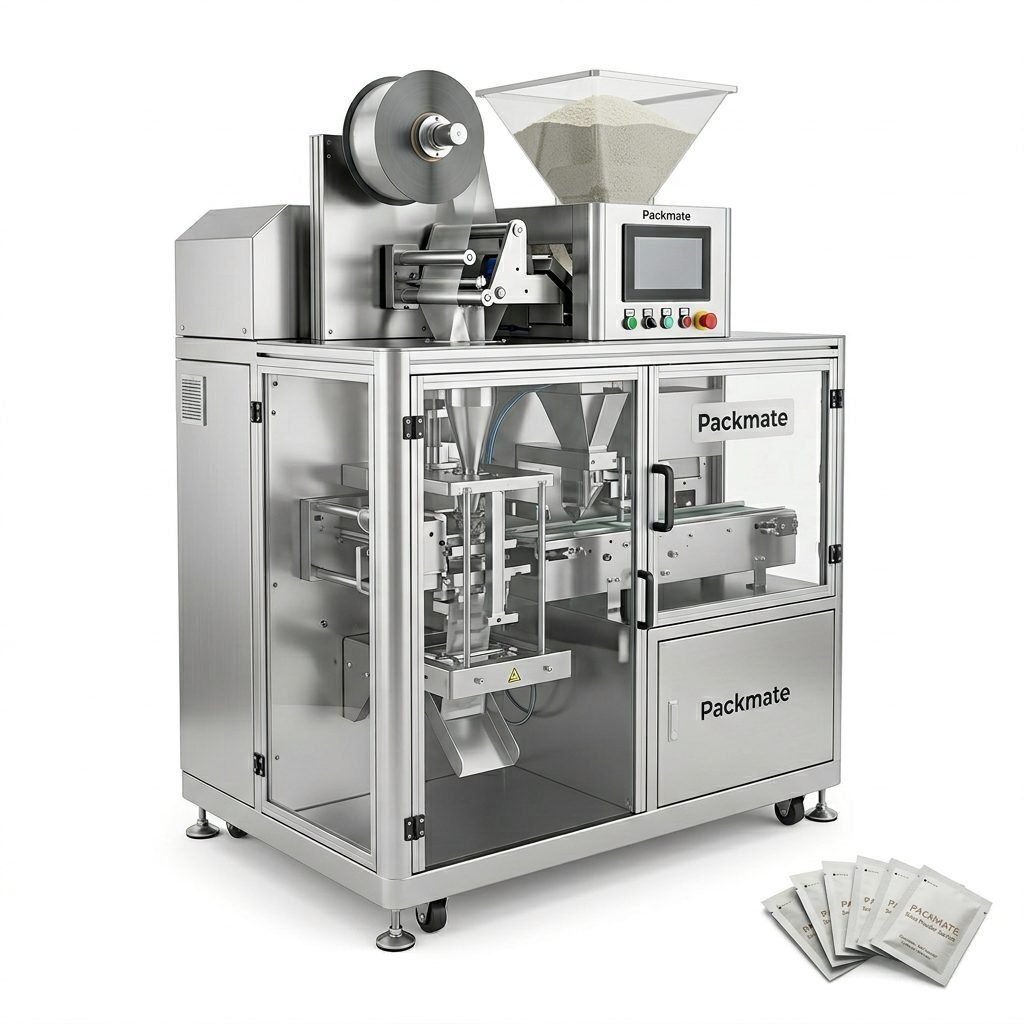
Integrating a nicotine pouch production line is a complex but rewarding endeavor for manufacturers aiming to scale high-quality tobacco-free products. This guide walks through automated production, packaging technologies, and practical efficiency optimization strategies tailored to modern packaging plants. It blends process considerations, equipment choices, and operational best practices so you can design a reliable, compliant, and cost-effective nicotine pouch line.
Overview of an Automated Nicotine Pouch Production Line
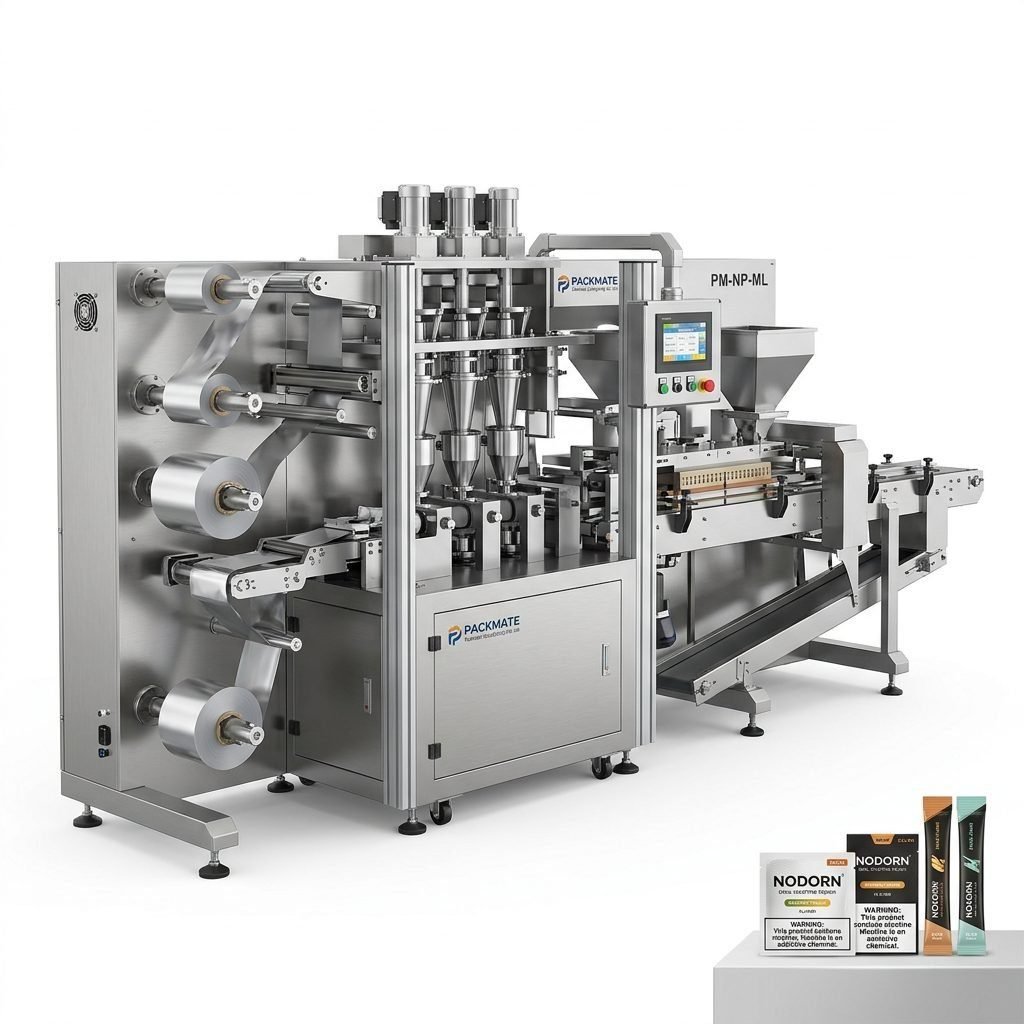
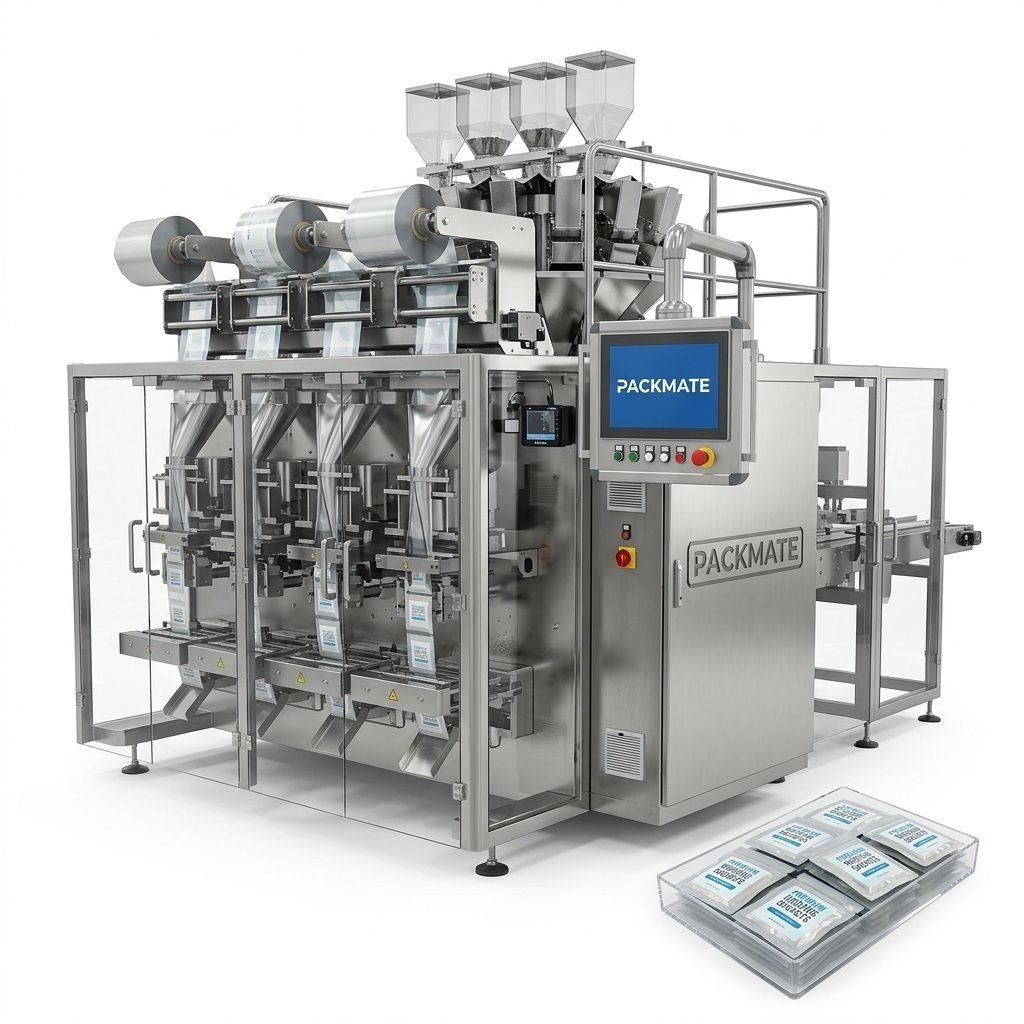
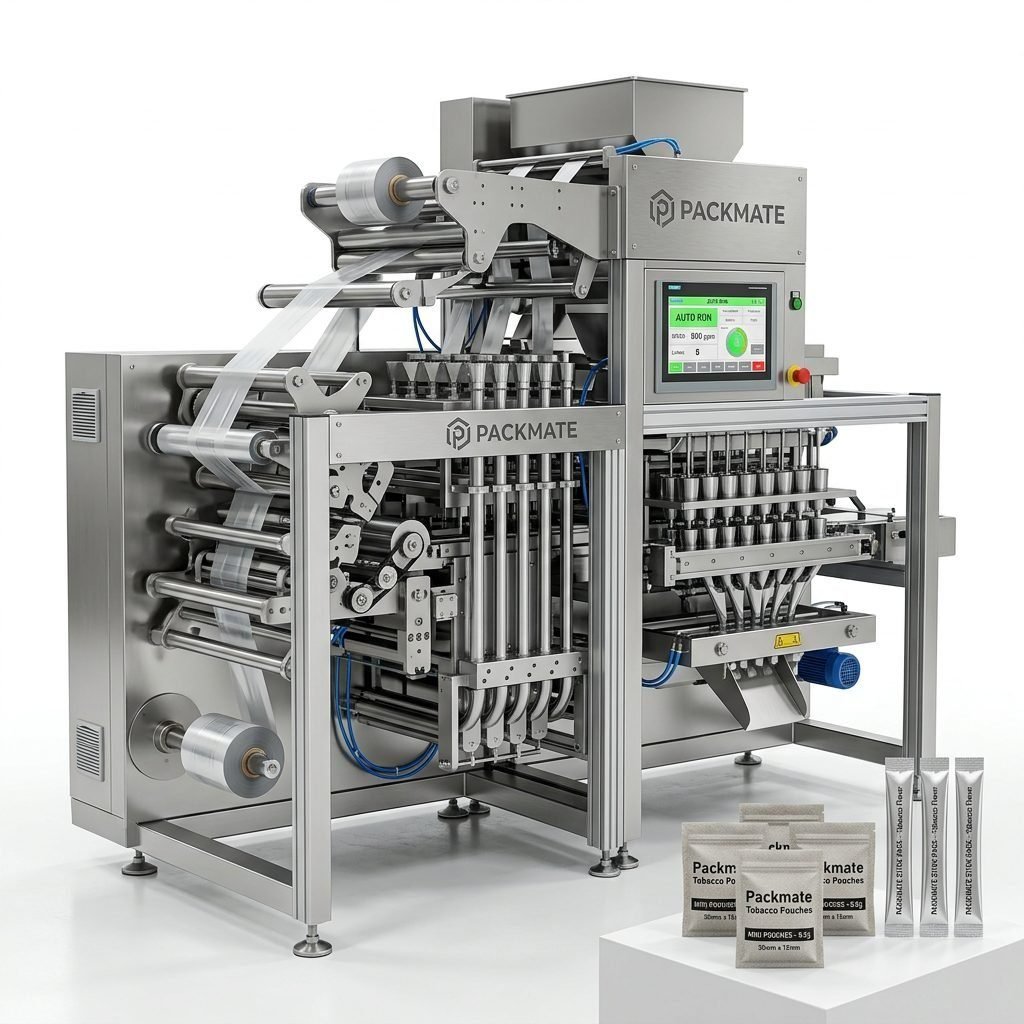
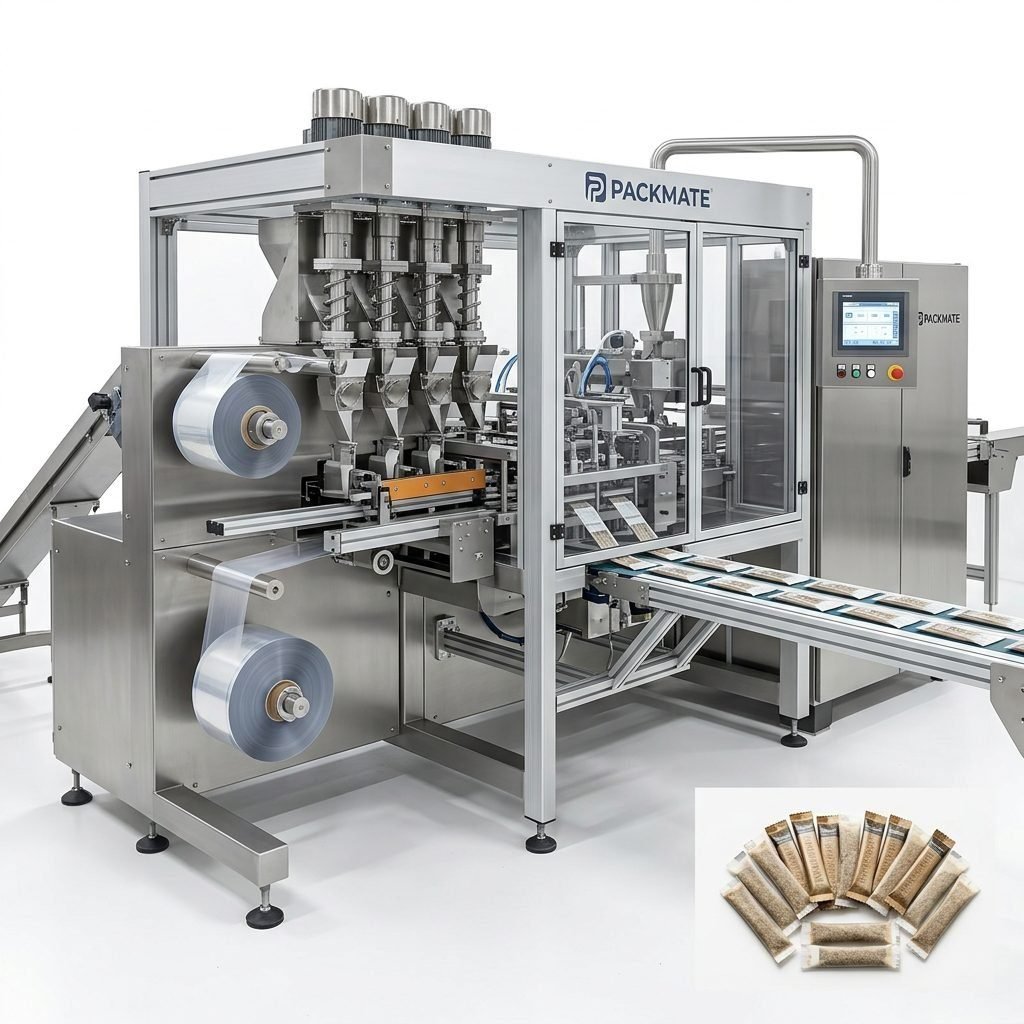
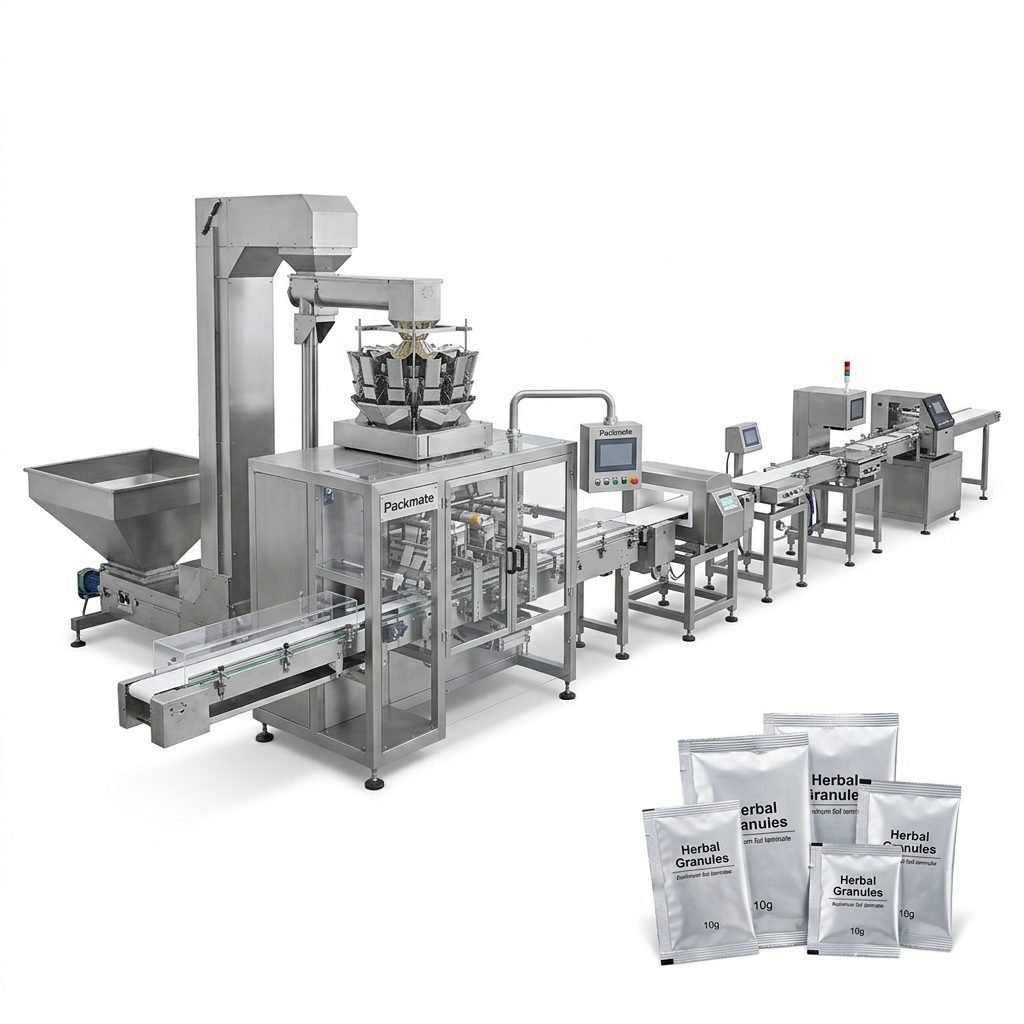
A typical automated nicotine pouch line includes raw material handling, dosing and mixing, pouch forming and filling, sealing, coding, inspection, secondary packaging, and palletizing. Every stage must be synchronized for continuous throughput. Key goals are product consistency, contamination control, and minimal downtime. Manufacturers commonly adopt multi-lane systems to increase output while preserving precise small-dose filling.
Core Equipment Components
Essential mechanical components include:
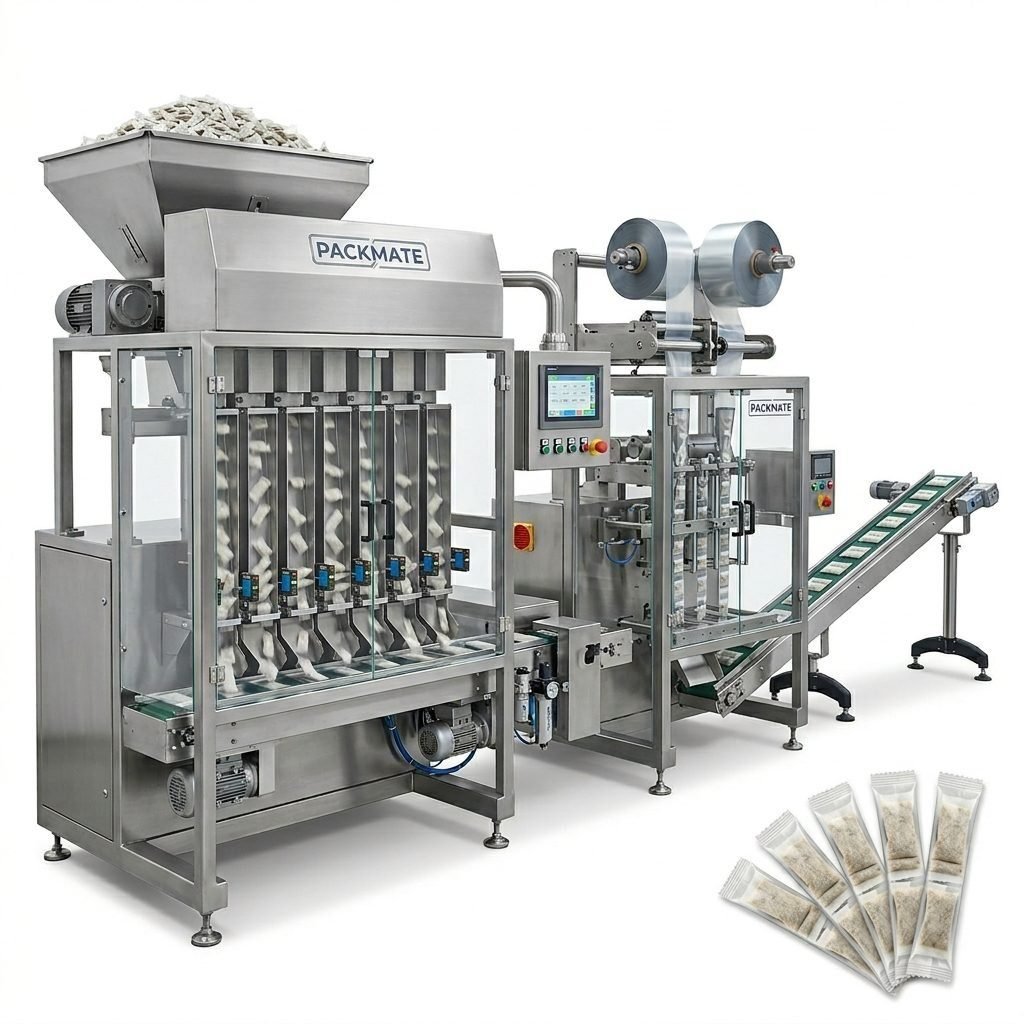
⚙️ pouch forming and sealing machine — creates the pouch shape with accurate placement and robust seals to preserve freshness.
⚙️ precision filling/weighing systems — multi-head weighers or auger fillers calibrated for micro-dose accuracy.
⚙️ automated inspection & vision systems — detect underfill, overfill, foreign particles, and sealing defects.
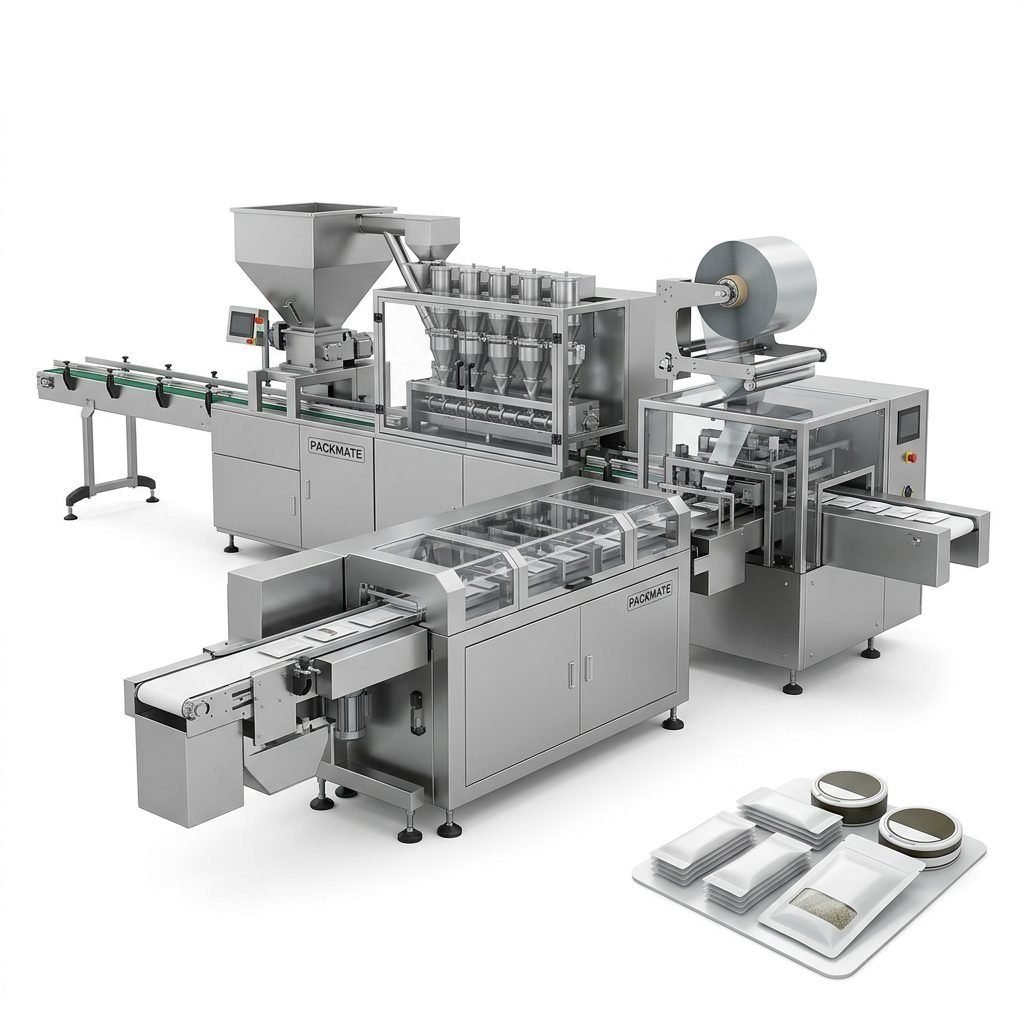
⚙️ secondary packaging modules — grouping, cartoning, and case packing tailored to retail requirements.
Key takeaway: A well-integrated line reduces manual handling, improves hygiene control, and enables consistent micro-dosing for nicotine pouches across high-speed multi-lane configurations.
Design Principles for High-Efficiency Integration
Designing for efficiency starts with a clear map of product flow. Remove bottlenecks by balancing upstream and downstream capacities, and plan buffer systems to absorb variability. Consider the following design principles:
- Synchronize cycle times across filling, sealing, and inspection.
- Use modular machines for easier scaling and maintenance.
- Plan service access and sanitation areas to reduce cleaning time.
- Implement predictive maintenance and remote diagnostics.
Layout & Workflow
A U-shaped layout often optimizes operator movement for line changeovers and maintenance. Raw material input at one end and finished goods palletizing at the other promotes linear flow. Include clean-in-place (CIP) access where powders or hygroscopic ingredients are handled. For compact footprint needs, choose multi-lane pouch forming machines that multiply lanes while keeping a small floor area.
Selecting Equipment: What to Prioritize
When selecting machinery, prioritize accuracy, reliability, ease of validation, and service support. Manufacturers often look for CE and ISO-compliant equipment with proven field results. For nicotine pouch specific requirements, look for:
Precision dosing — small-dose accuracy is mission-critical to ensure consistent nicotine content per pouch.
Robust sealing — dependable seals maintain shelf life and prevent leakage or moisture ingress.
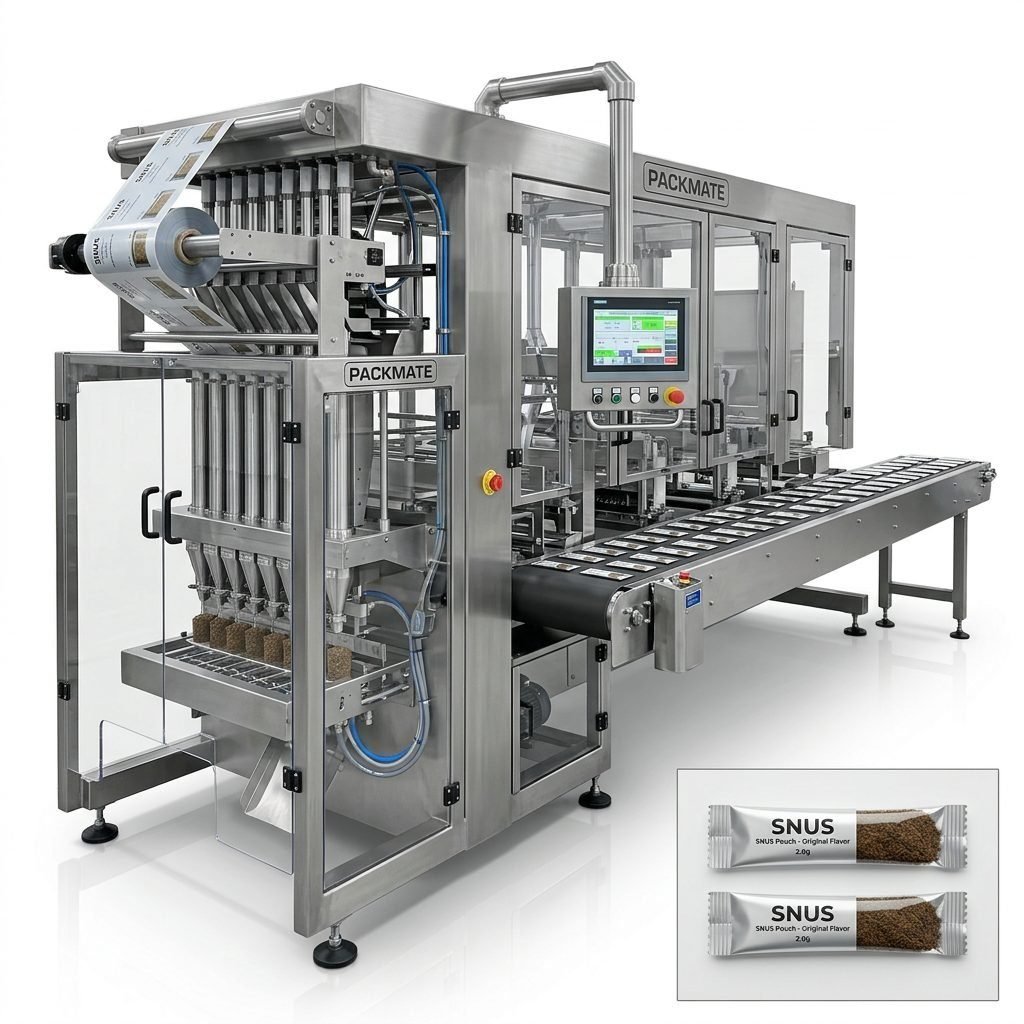
Multi-lane capability — increases throughput without multiplying the floor footprint.
Manufacturers seeking proven solutions can explore specialized lines such as Snus & Nicotine Packaging Machines and multi-lane Sachet & Stick Pack Machines.
Automation Strategies to Maximize Throughput
Automation isn’t just about faster runs; it’s about consistency and reduced waste. Key automation strategies include:
- Closed-loop control systems for dosing and fill weight adjustments in real time.
- Robotic picking and placing for delicate handling during secondary packing.
- Vision-guided inspection to automatically remove defective pouches before boxing.
- SCADA or MES integration to capture production KPIs and trigger maintenance alerts.
Digital Tools & Analytics
Use data from weighers, torque sensors, and inspection cameras to build dashboards that display OEE, yield, and rejection causes. Predictive alerts can reduce unplanned downtime. Integration with enterprise systems also streamlines traceability — important for regulatory audits and customer guarantees.
Quality Control, Compliance and Safety
Compliance is central in nicotine pouch manufacturing. Ensure your line design and SOPs cover:
- Material traceability and batch records.
- Regular calibration of scales and dosing equipment.
- Allergen and cross-contamination prevention measures.
- Regulatory labeling and child-resistant packaging where required.
Important: Choose machinery with accessible validation features and easy-to-document changeover steps to accelerate audits and certification processes.
Optimizing Efficiency: Practical Tips
To incrementally improve line efficiency, focus on these practical measures:
- Standardize spare parts across multiple machines to shorten repair times.
- Implement quick-change tooling for rapid product format swaps.
- Train cross-functional teams to perform first-line troubleshooting.
- Introduce small buffer hoppers to manage upstream variability.
Maintenance & After-Sales Support
Robust after-sales support is critical. Consider vendors who offer remote diagnostics, spare parts kits, and field service training. Packmate’s history of engineering and global services demonstrates the value of long-term technical partnerships when scaling production.
Case Study Insights & Industry Examples
In many successful rollouts, companies adopted multi-lane snus machines to raise capacity by 3–5x without proportionally increasing factory footprint. Success factors included thorough FAT protocols, staged commissioning, and operator training. For reference machines and full-line solutions, visit product pages like Snus & Nicotine Packaging Machines and Filling & Packaging Lines.
Scaling and Customization for Different Markets
Depending on target markets and local customs, packaging formats and labeling may differ. For example:
- Nordic markets often prefer discreet, compact cans and strict ingredient transparency.
- Emerging markets may require robust child-resistant features and multilingual labeling.
Your line should be flexible to adapt film types, pouch formats, and batch sizes. Leveraging modular equipment enables fast localization for specific regulatory or cultural requirements.
🔗 For a detailed view of complementary solutions, explore Bag & Pouch Packaging Machines and auxiliary equipment in Auxiliary Packaging Equipment.
Commissioning & Validation Best Practices
Commissioning should include mechanical checks, electrical safety tests, and process validation runs using production-grade materials. Document weight distributions, torque readings, and environmental conditions. Run continuous trials to simulate a full production shift and capture OEE baselines. Maintain changeover logs to minimize future downtime during format changes.
Training & SOPs
Clear SOPs and operator competency matrices cut error rates and speed up problem resolution. Training should include routine cleaning, simple repairs, and how to interpret alarm codes. Retain a local spare parts inventory to minimize lead times for replacements.
Return on Investment & Cost Considerations
Evaluate ROI by comparing manual vs automated labor hours, yield improvement, and reduced material waste. Multi-lane automation typically delivers faster payback through higher throughput and precise dosing. Factor in installation, FAT, spare parts, and training costs for a complete TCO assessment.
✅ Tip: Request real-world case studies and production metrics from vendors to validate throughput and OEE claims before purchase.
Choosing a Partner for Turnkey Solutions
A reliable partner provides engineering, FAT, installation, and ongoing service. Look for manufacturers with decades of experience, robust factories, and international exhibition presence. For company background and certifications, review a supplier’s history, factory capabilities, and testimonials. Packmate’s long-term evolution from workshop R&D to a 20,000㎡ facility illustrates how consistent engineering focus supports turnkey deployments.
If you are planning a new line or an upgrade, contact experienced teams for a site assessment and tailored solution. For corporate details, certifications and exhibition records, see the supplier’s profile pages such as About Packmate, Certificate, and Our Exhibition.
Summary: Steps to a Successful Integration
Start with a clear requirements list, validate equipment performance with FAT, plan a phased commissioning, and implement analytics-driven maintenance. Prioritize dosing precision, sealing reliability, and vendor after-sales support to ensure a dependable nicotine pouch production line that delivers consistent quality.
Common Questions
Q1: How long does commissioning a full nicotine pouch line typically take?
A1: Commissioning varies by project scope; a single-line setup often completes within 4–8 weeks including FAT, installation, and validation, while complex multi-line deployments may require 10–16 weeks.
Q2: What is the most common cause of downtime on pouch lines?
A2: Downtime commonly stems from incorrect filling calibration, sealing issues due to film contaminants, and supply chain delays for critical spare parts. Predictive maintenance and standardized spares reduce these events.
Q3: Can one line support multiple pouch formats and sizes?
A3: Yes — modular machines with quick-change tooling are designed to support several formats, though extreme format diversity may require additional tooling sets or secondary equipment.
Q4: How do I ensure regulatory compliance for nicotine products?
A4: Implement robust traceability, validated filling accuracy, tamper-evident packaging, and clear labeling. Work with experienced engineering partners and legal advisors to align with target-market regulations.
Q5: Where can I see real machine demonstrations or request catalogs?
A5: Many manufacturers showcase live demos at international exhibitions and publish catalogs online. For catalogs, service and contact options, consult pages such as Catalog and Contact Us.