Choosing the right snus packaging machine in a niche market such as Vatican City requires more than just picking the fastest or cheapest model. You need a solution that balances regulatory compliance, precision dosing, compact footprint, and long-term service. This practical buyer’s guide walks you through the decision-making process, highlights critical features to compare, and explains how to evaluate suppliers to ensure you select the best snus packing line for your operation.
Understand Your Production Needs 🔎
Start by documenting your current and projected production volumes, product formats, and packaging materials. Typical snus and nicotine pouch operations require machines that can handle small-dose pouches, multi-lane production, and high accuracy at low gram weights. Ask yourself:
🔸 What is your daily output target? (pieces/hour or kg/day)
🔸 What pouch formats will you run? (single-lane vs multi-lane, stick, sachet, sachet-with-tear)
🔸 🔸 Do you need integrated weighing, feeding, or secondary packaging?
Machine Types and When to Choose Them
There are several common machine types for snus and nicotine pouches. Understanding each helps you match technology to product.
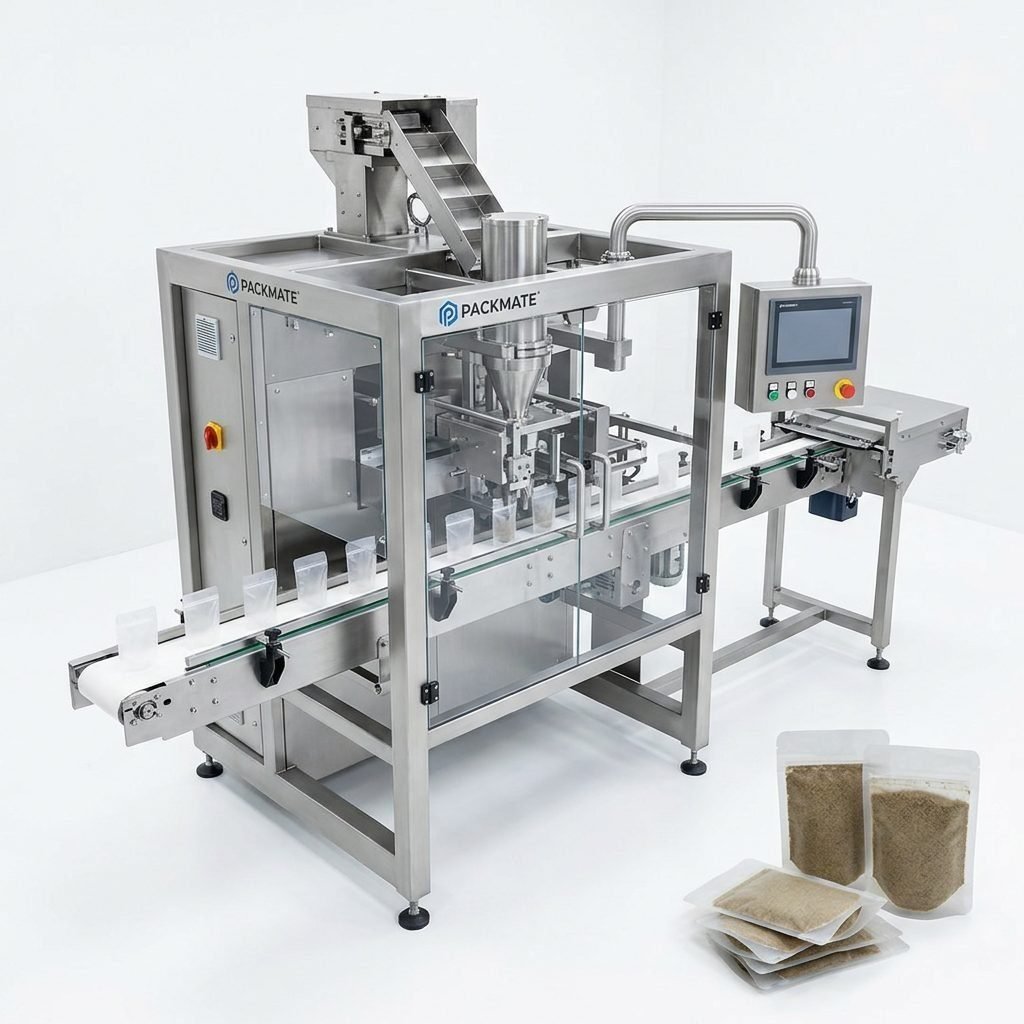
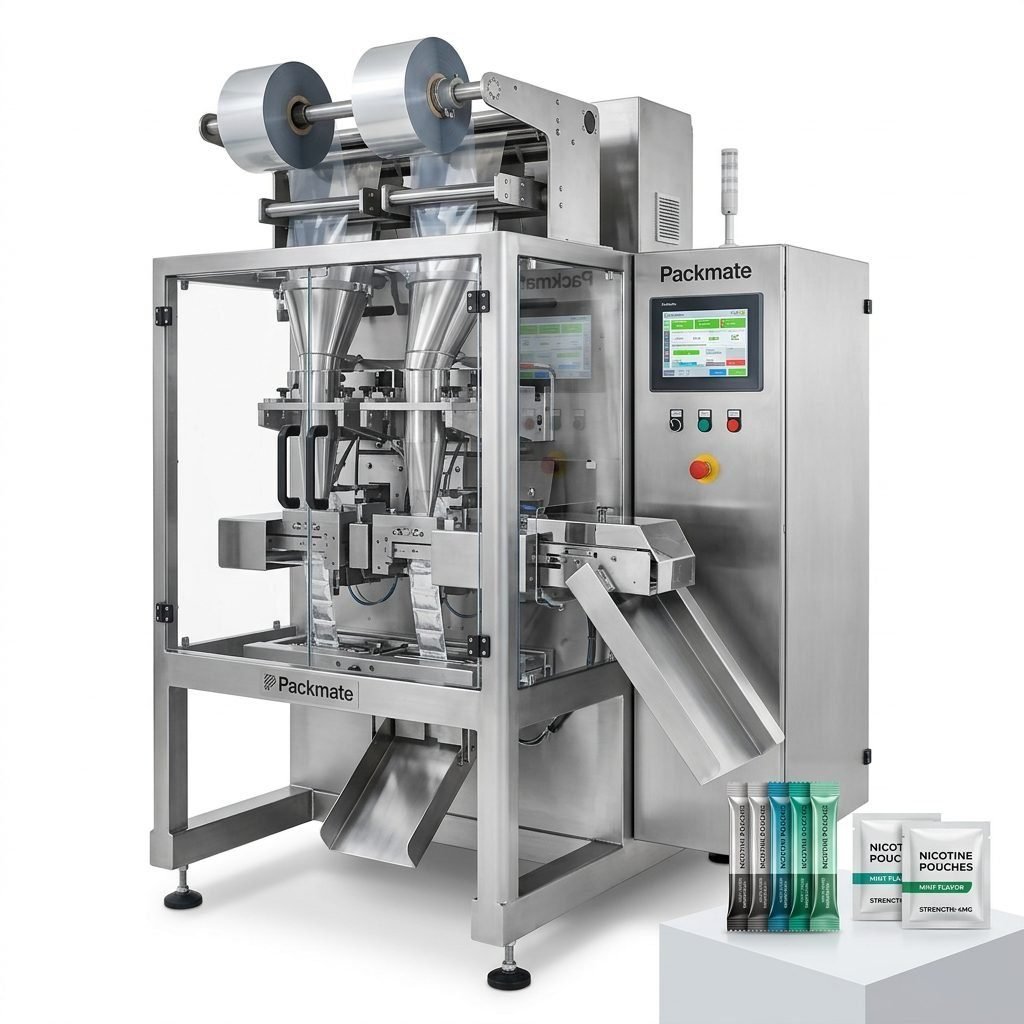
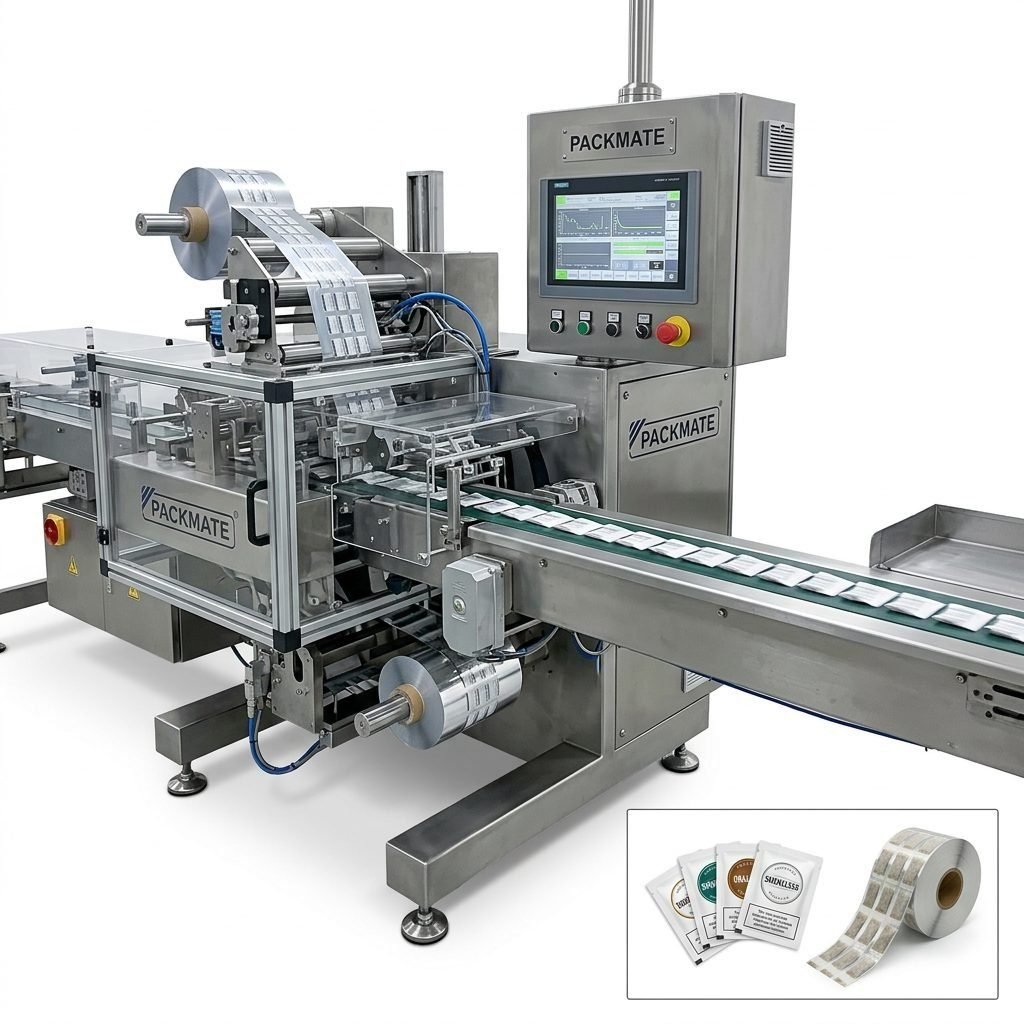
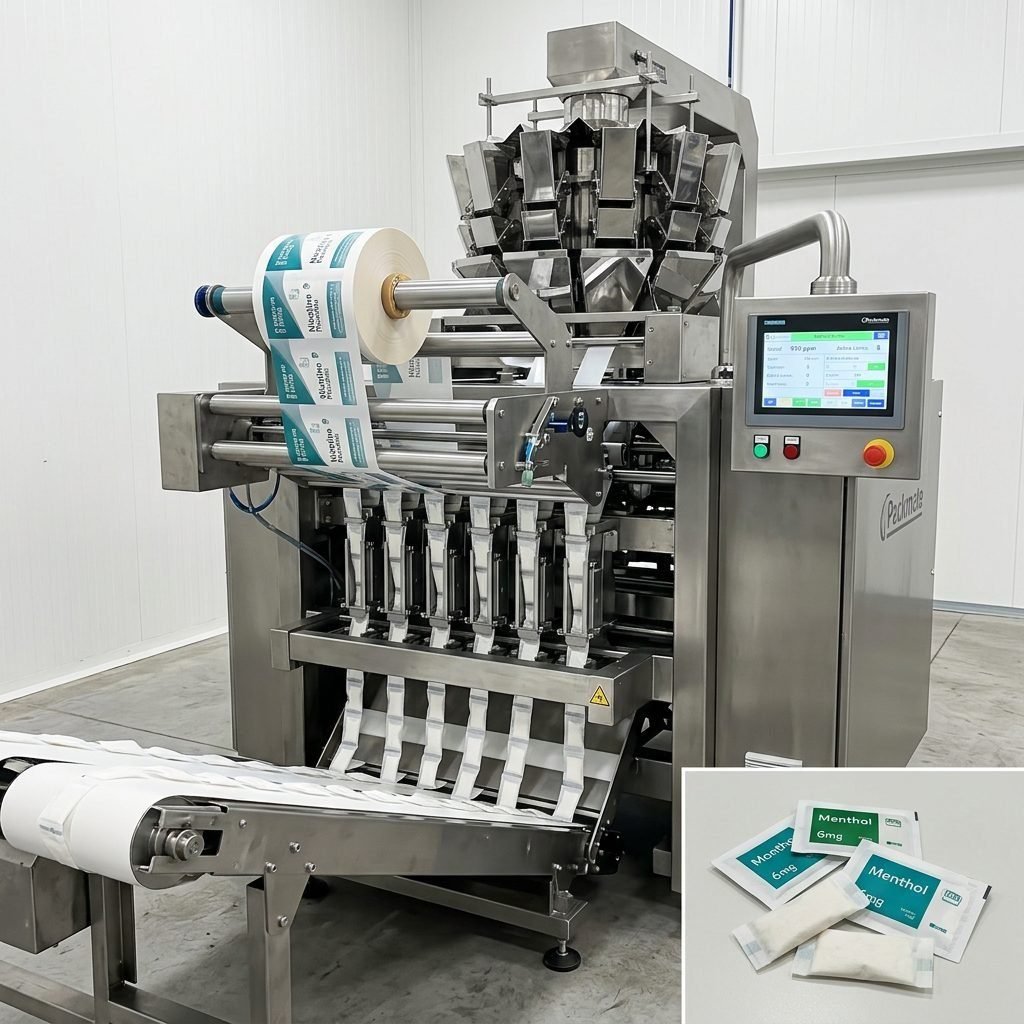
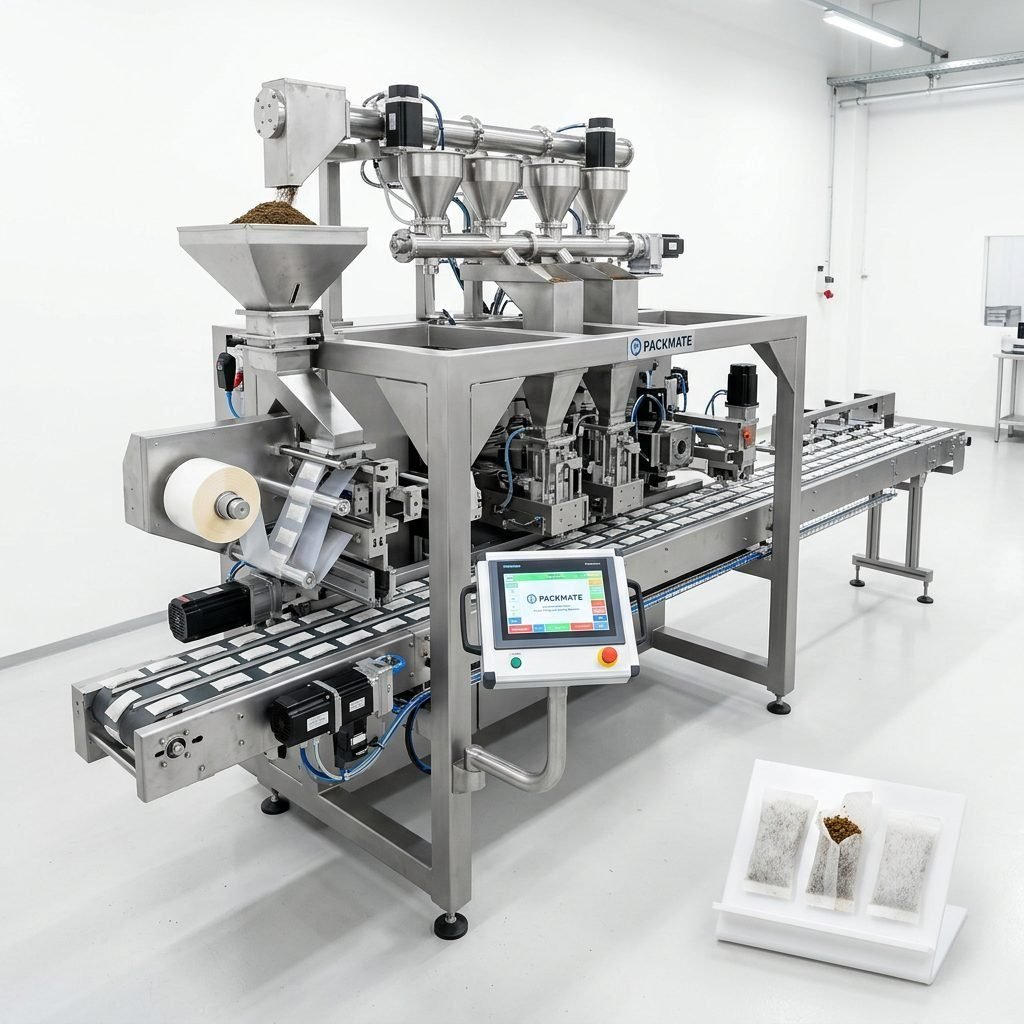
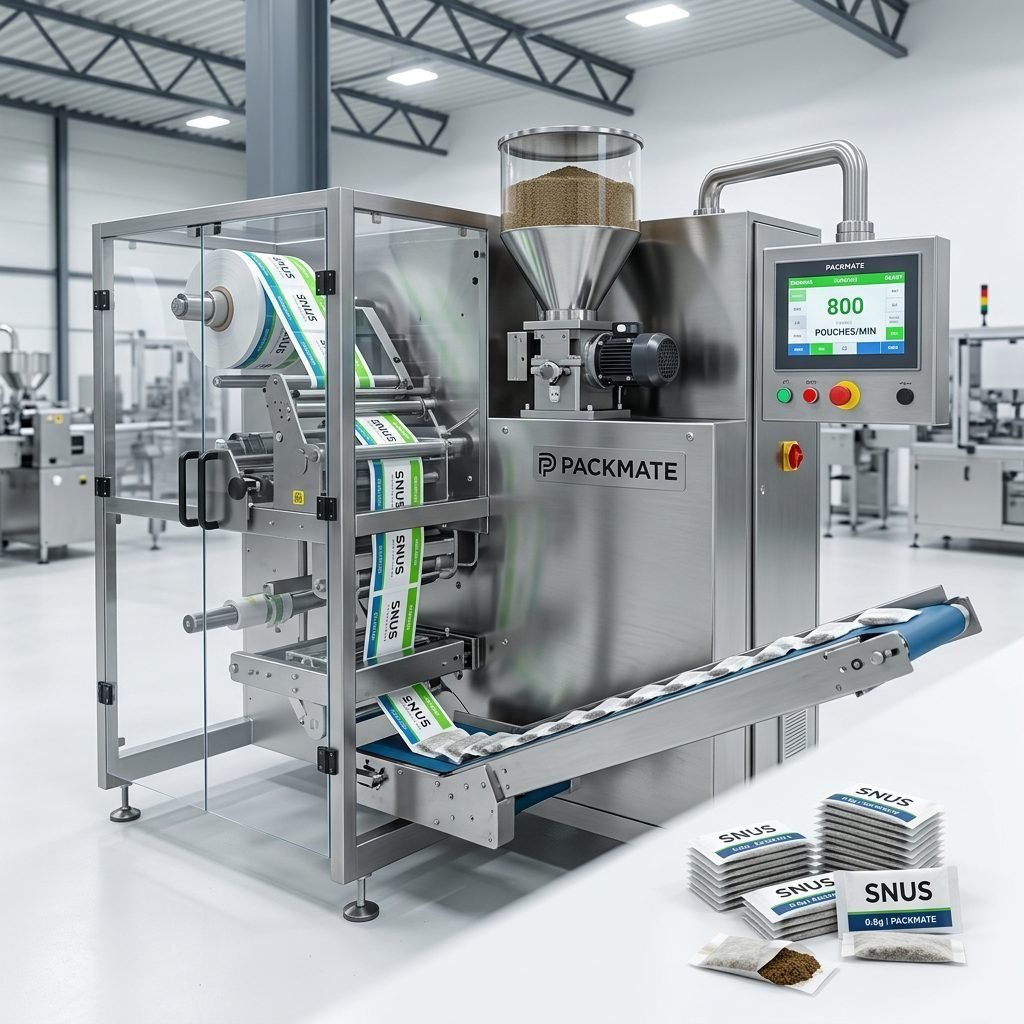
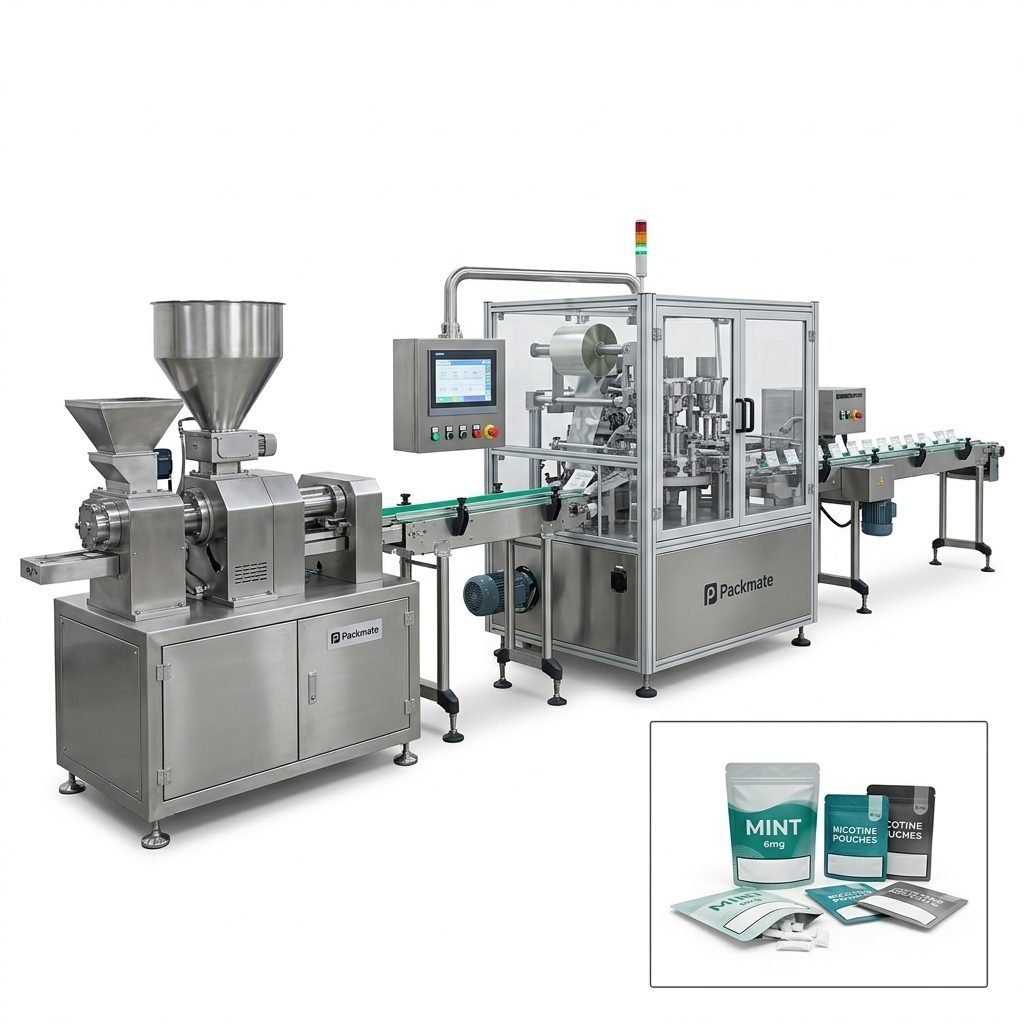
Snus & Nicotine Packaging Machines – Purpose-built solutions for nicotine pouches, often combining multi-lane pouch forming, precise dosing, and high-speed sealing. Ideal if you expect significant scale and need specialized handling. See examples here: Snus & Nicotine Packaging Machines.
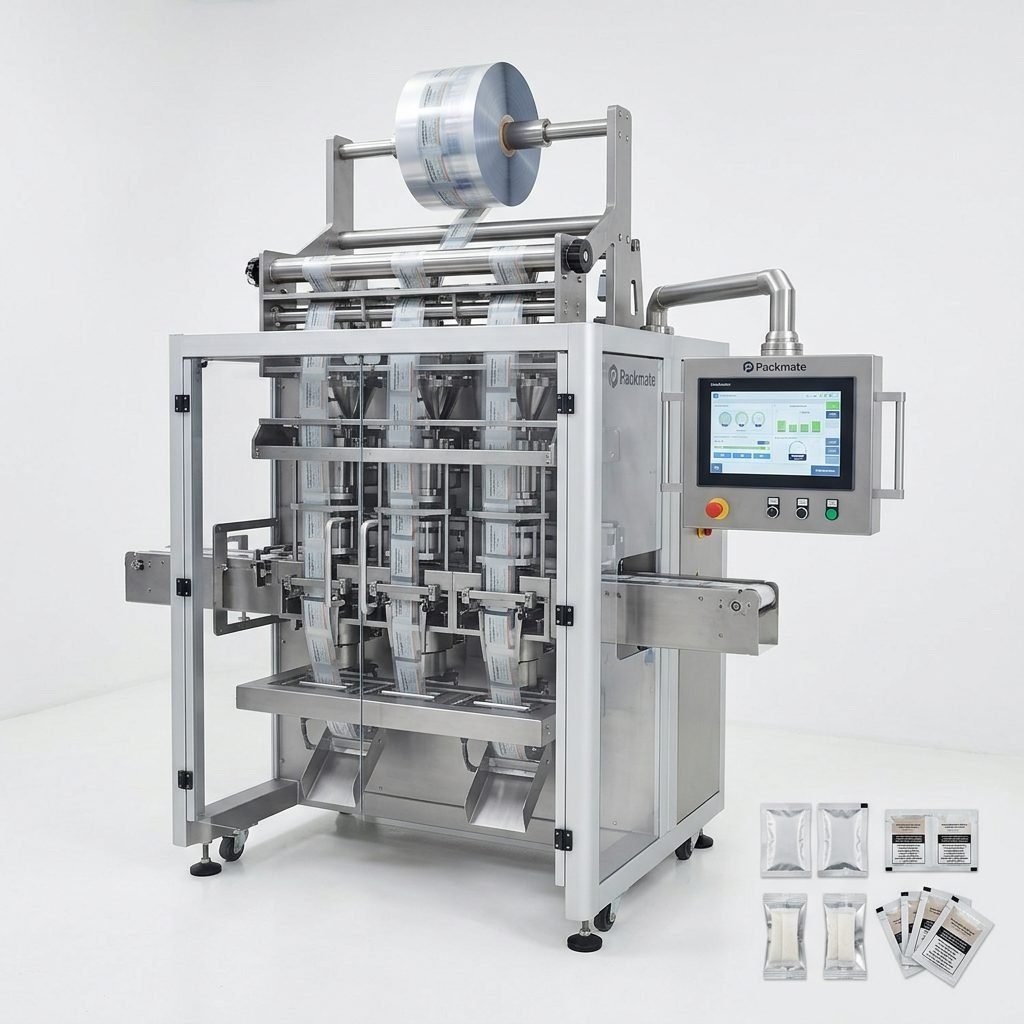
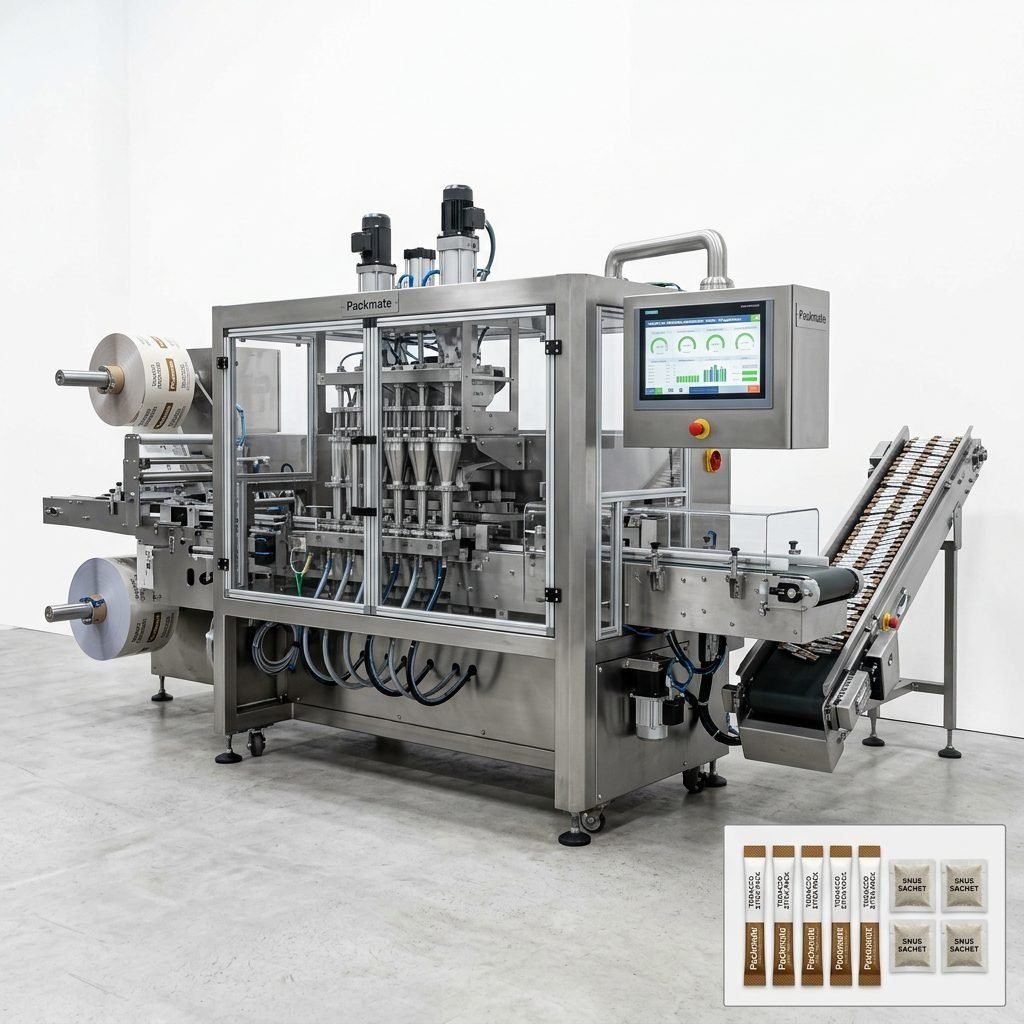
Sachet & Stick Pack Machines – Better for single-dose stick packs or sachets, offering simple format changes and compact footprints. Explore options: Sachet & Stick Pack Machines.
Key Technical Features to Prioritize
When comparing machines, prioritize features that directly affect product quality, regulatory compliance, and total cost of ownership.
✅ Dosing accuracy: For nicotine pouches, small weight variances can cause compliance and quality issues. Look for electronic feeders and multi-point weighing integration.
✅ Multi-lane capability & lane synchronization: Multi-lane systems boost throughput while keeping floor space small. Proper synchronization reduces waste and rejects.
✅ Changeover time & format flexibility: Quick-change modules and intuitive HMI reduce downtime when switching pouch sizes or materials.
✅ Materials & hygiene design: Stainless steel contact parts, easy-clean surfaces, and enclosed dosing areas help meet hygienic standards and simplify cleaning.
Compliance, Safety & Certifications
Choose machines from manufacturers that provide international certifications and clear documentation. CE and ISO compliance are strong indicators of safety and quality assurance. Packmate’s experience and certifications can be explored on their about and certificate pages: About Packmate | Certificate.
Factory Capability & After-Sales Support
A strong supplier must combine engineering experience with robust after-sales service. Look for:
⚙️ Manufacturing depth: Advanced CNC centers and precision assembly lines reduce lead times and improve consistency.
🛠️ Service network & spare parts: Fast global support and clear spare-parts lists minimize downtime.
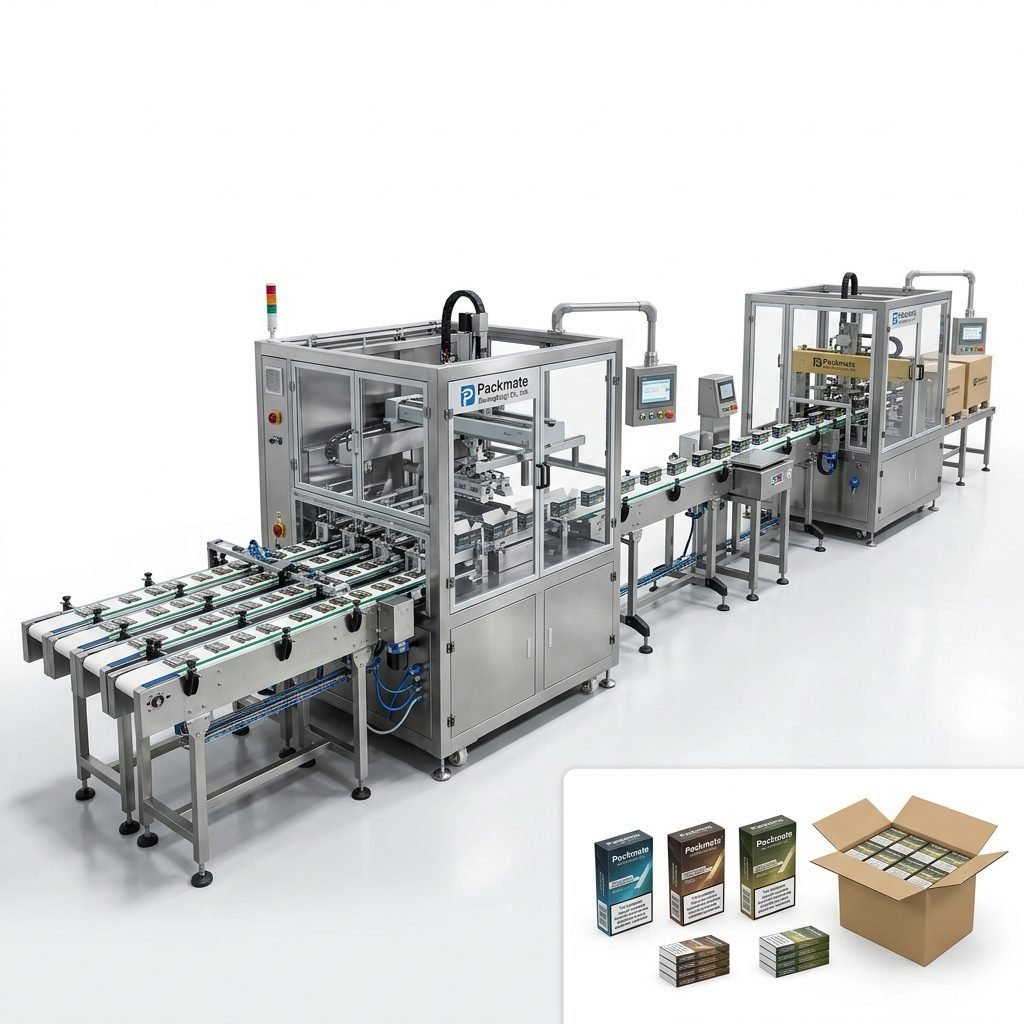
🔁 Turnkey capabilities: Integration of weighing, feeding, and secondary packaging saves procurement time and ensures compatibility across the line. See turnkey solutions: Filling & Packaging Lines.
Assessing Total Cost of Ownership (TCO)
The purchase price is only the starting point. TCO includes installation, commissioning, staff training, spare parts, and energy consumption. When calculating ROI, include:
• Utilities & energy usage at full production speed.
• Expected spare parts consumption for wear components like sealing jaws and belts.
• Labor and training costs to keep the line running efficiently.
Space, Layout & Installation Considerations
Vatican City has unique facility constraints—small production footprints and strict building codes should be considered. Choose machines with compact footprints or modular designs that can be delivered and assembled on-site. Check whether the supplier offers installation services and commissioning to local standards.
Supplier Evaluation Checklist
Use this checklist when evaluating suppliers and quoting machines:
1. Technical dossier and test reports showing dosing accuracy and cycle rates.
2. Reference cases in similar markets or product categories. View case studies: Case.
3. Lead time & production capacity at the manufacturer’s factory (20,000㎡ example factories deliver shorter lead times).
4. Warranty, spare-part kits & training—confirm response times for service calls.
Negotiation Tips & Purchase Steps
Follow a structured procurement process to reduce risk and improve outcomes.
1) Request FAT (Factory Acceptance Test) videos and accept factory testing before shipment. 🔧
2) Include installation, commissioning, and on-site training in the contract. 📦
3) Negotiate spare-parts kits and initial consumables at the time of purchase to ensure fast startup. ⏱️
Why Packmate (GuangDong) Co., Ltd. Could Be a Fit
With over 30 years of engineering experience and a 20,000㎡ facility, Packmate focuses on high-performance snus pouch packaging lines and turnkey solutions. They provide CE and ISO-compliant equipment, a broad model range, and multi-lane systems tailored for small-dose pouches. Learn more about their products and services: Snus & Nicotine Packaging Machines, Bag & Pouch Packaging Machines, and their support: Contact Us.
Common Pitfalls to Avoid
Avoid these frequent mistakes that cause delays or added costs:
• Buying to the lowest capital cost without estimating spare parts and consumables.
• Underestimating changeover time and the need for quick format changes.
• Not validating machine performance with your actual product before shipment.
Quick Buyer’s Checklist (Printable)
• Production target (units/day): __________
• Required formats: __________
• Certifications required: __________
• Supplier lead time & FAT schedule: __________
By following this guide—defining your needs, prioritizing technical features, verifying supplier capabilities, and planning for TCO and service—you’ll be positioned to choose a snus packaging machine that fits both the production realities and regulatory environment of Vatican City. When in doubt, request detailed FAT reports and reference installations to validate supplier claims.
Further Resources
For additional machine categories and auxiliary equipment consider reviewing related lines: Auxiliary Packaging Equipment and integrated weighing & packaging systems: Weighing & Packaging Systems.
Frequently Asked Questions
Q1: How do I verify dosing accuracy before purchase?
Request a Factory Acceptance Test (FAT) using your exact product and target pouch format. A reliable supplier will provide weight reports and video documentation of trial runs.
Q2: What is the typical lead time for a custom multi-lane snus line?
Lead times vary by specification and current production schedules, but manufacturers with large facilities and CNC capacity often quote shorter delivery windows—confirm lead time and production slots when negotiating.
Q3: Do I need special permits to install snus packaging equipment in Vatican City?
Local regulations can vary; consult local authorities or legal counsel about nicotine product manufacturing and packaging permits. Ensure machine safety and CE documentation are available to meet inspection requirements.
Q4: How important is after-sales service?
Critical. Fast response for spare parts and technical support minimizes production downtime. Verify the supplier’s response times and stock of critical spare parts before purchase.
Q5: Where can I view real-world installations and case studies?
Ask the supplier for client references and case studies. Many suppliers publish project examples and exhibition demonstrations—see supplier case pages and exhibition history for validation.