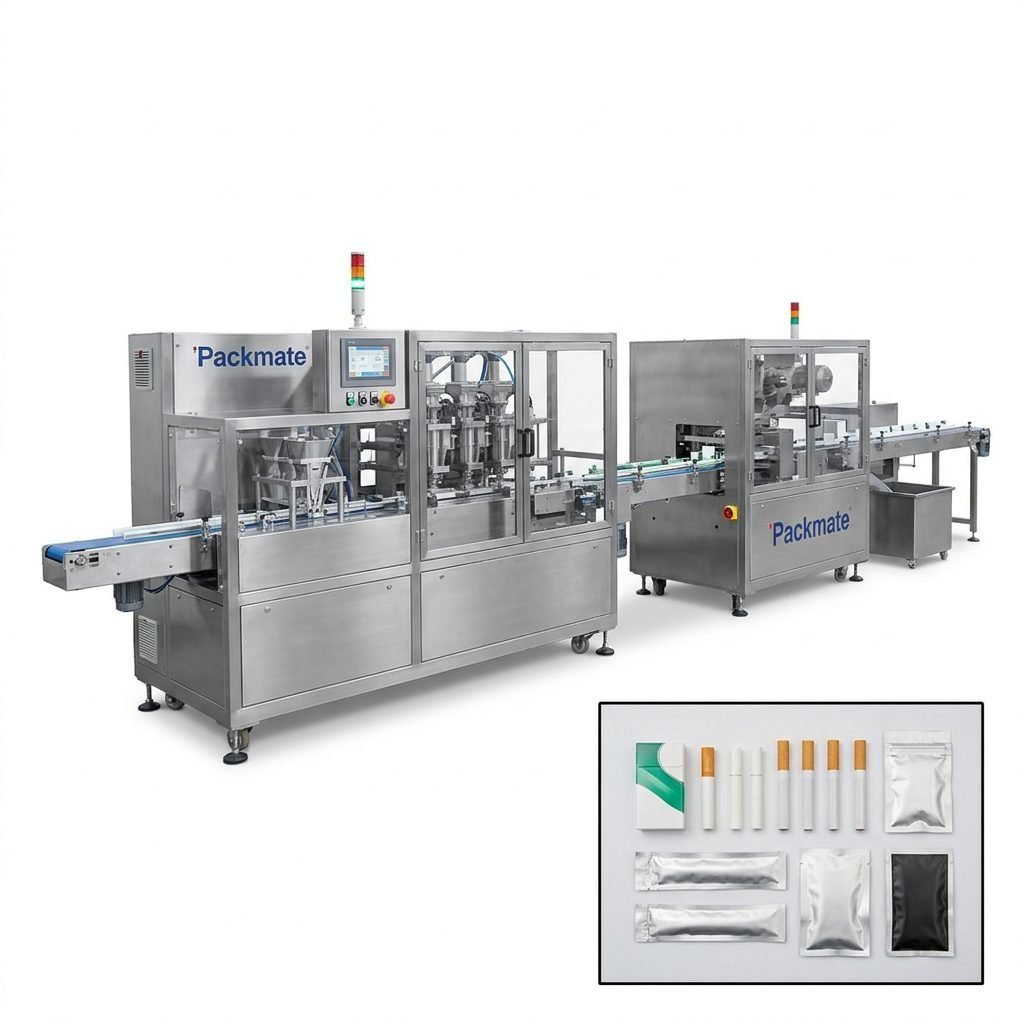
In South Sudan, launching or upgrading a snus or nicotine pouch production line means balancing technical choice with local realities — from customs and power stability to consumer habits and regulation. This practical buyer’s guide walks you through the key decisions you must make when choosing the right snus packaging machine for your operation in South Sudan, with concrete steps, checklists, and supplier validation tips to reduce risk and accelerate time-to-market.
⚙️ Understand the Local Context First
South Sudan’s market environment affects machine selection in several ways:
- Regulatory landscape: Nicotine and tobacco-related products are regulated differently across African markets. Verify local import rules, labeling, and health warnings before selecting machine models and capabilities.
- Power and climate: Expect fluctuating power supply and high ambient temperatures — choose equipment with robust electrical components and consider installing voltage stabilizers or a backup generator.
- Logistics and shipping: Inland transport and customs clearance can be slower. Favor machines with modular designs that can be shipped in smaller crates or partial assemblies to ease handling.
- Labor and training: Local technical skills vary. Opt for machines that offer clear HMI, local language support if possible, and strong supplier training packages.
📦 Key Machine Types and When to Choose Them
Match product form, speed needs, and budget to the most suitable packaging format:
Sachet & Stick Pack Machines
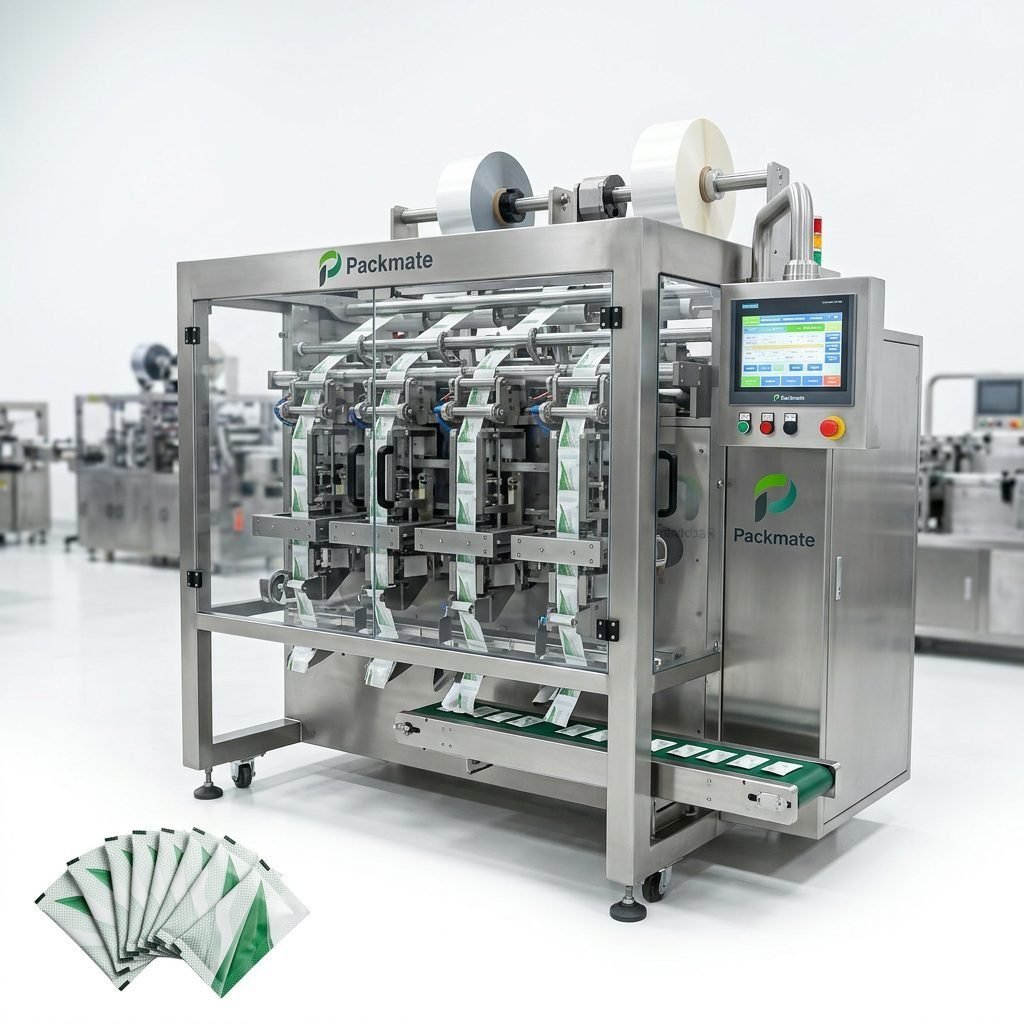
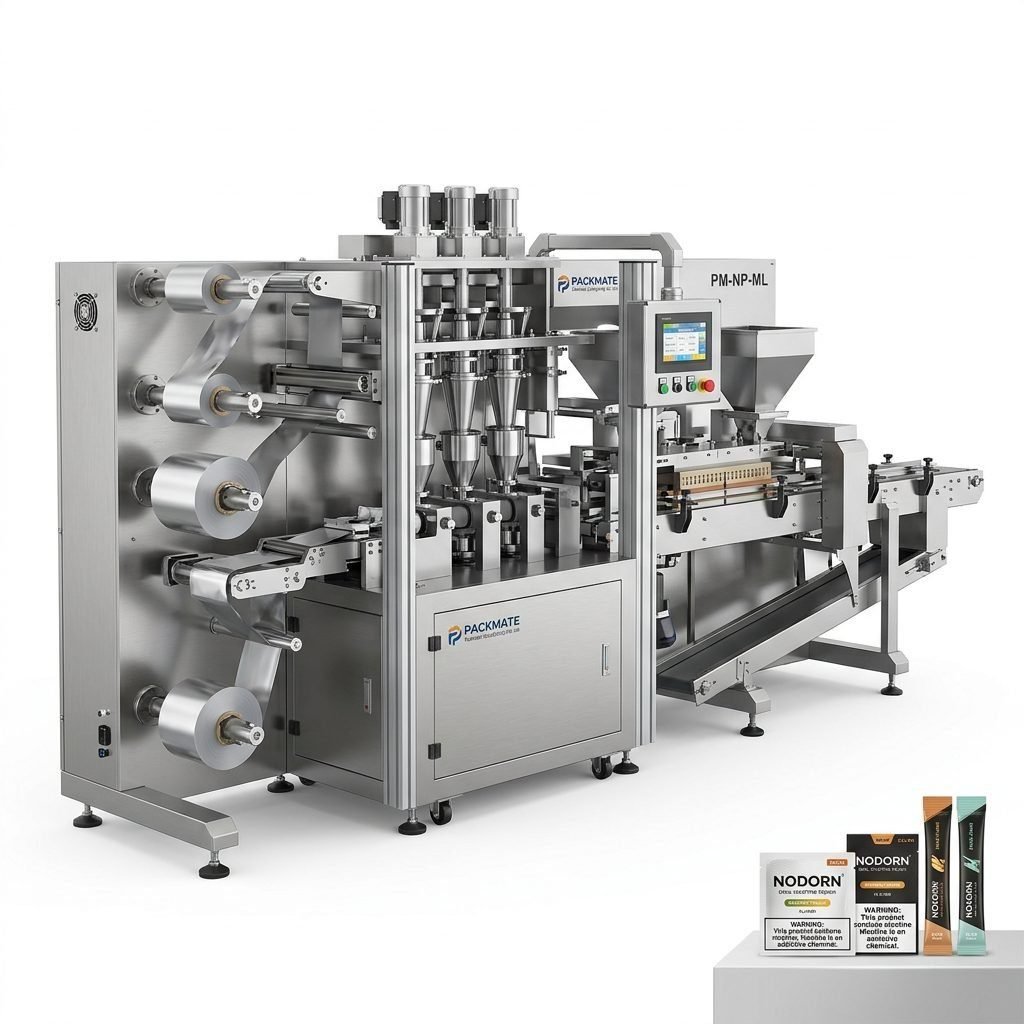
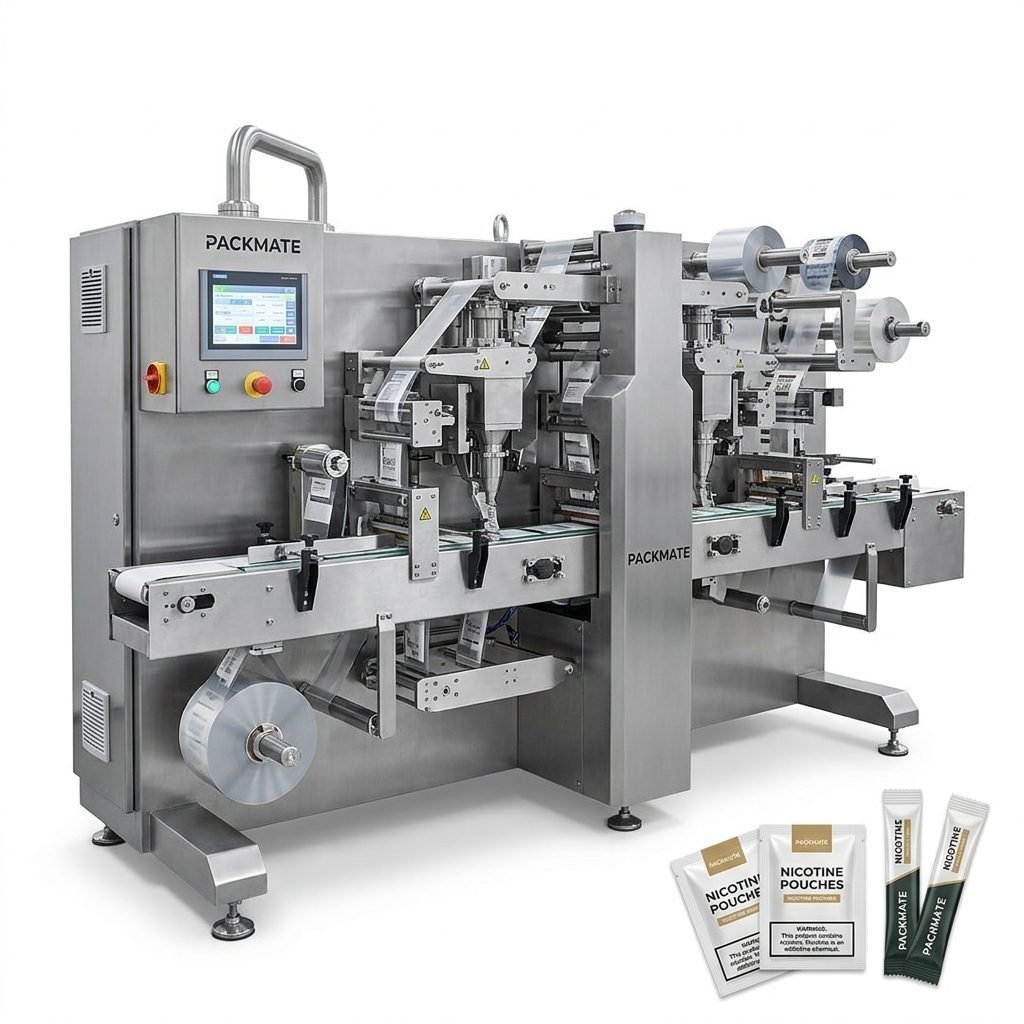
Stick packs and small sachets are ideal for single-portion nicotine pouches and trial packs. They are compact, cost-effective, and often simpler to maintain. If you plan high SKU variety with small runs, sachet/stick pack solutions provide flexibility. Learn more about options at
Sachet & Stick Pack Machines.
Multi-Lane Snus / Nicotine Pouch Systems
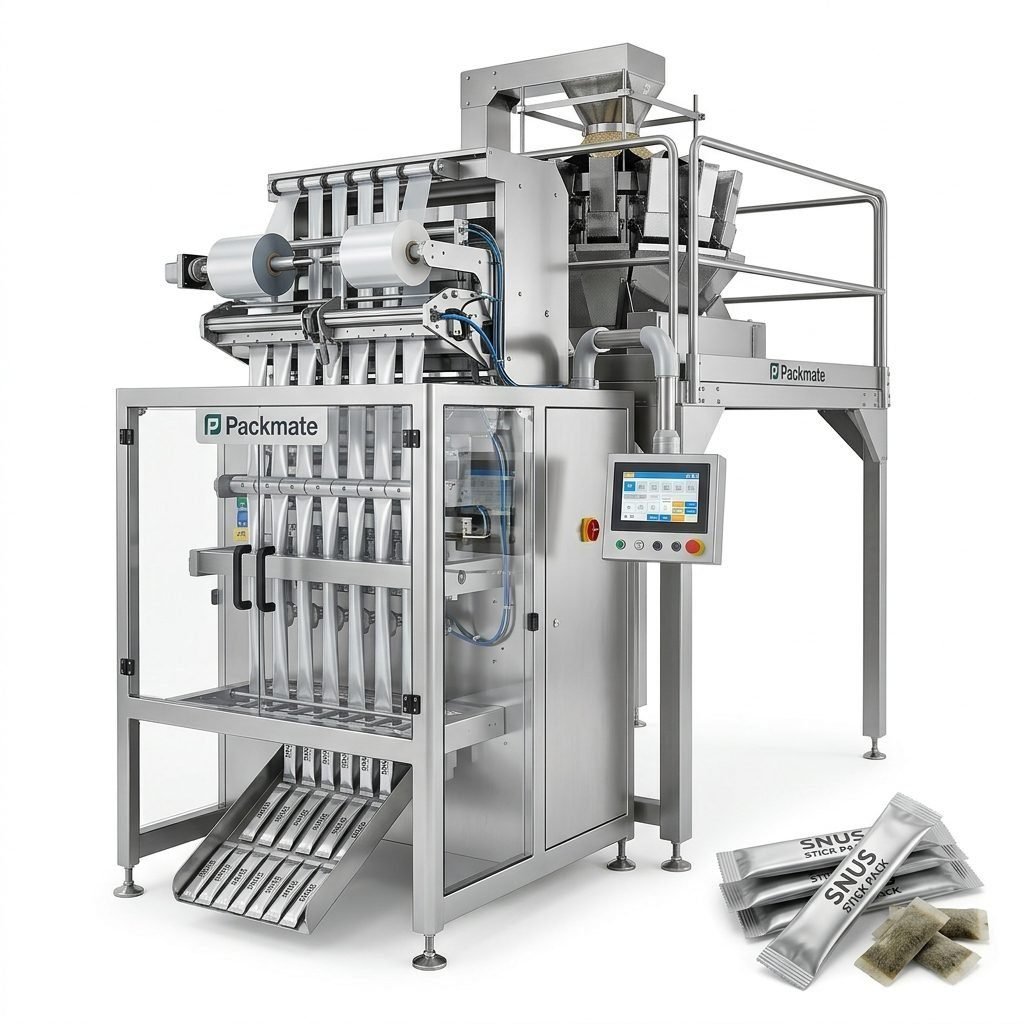
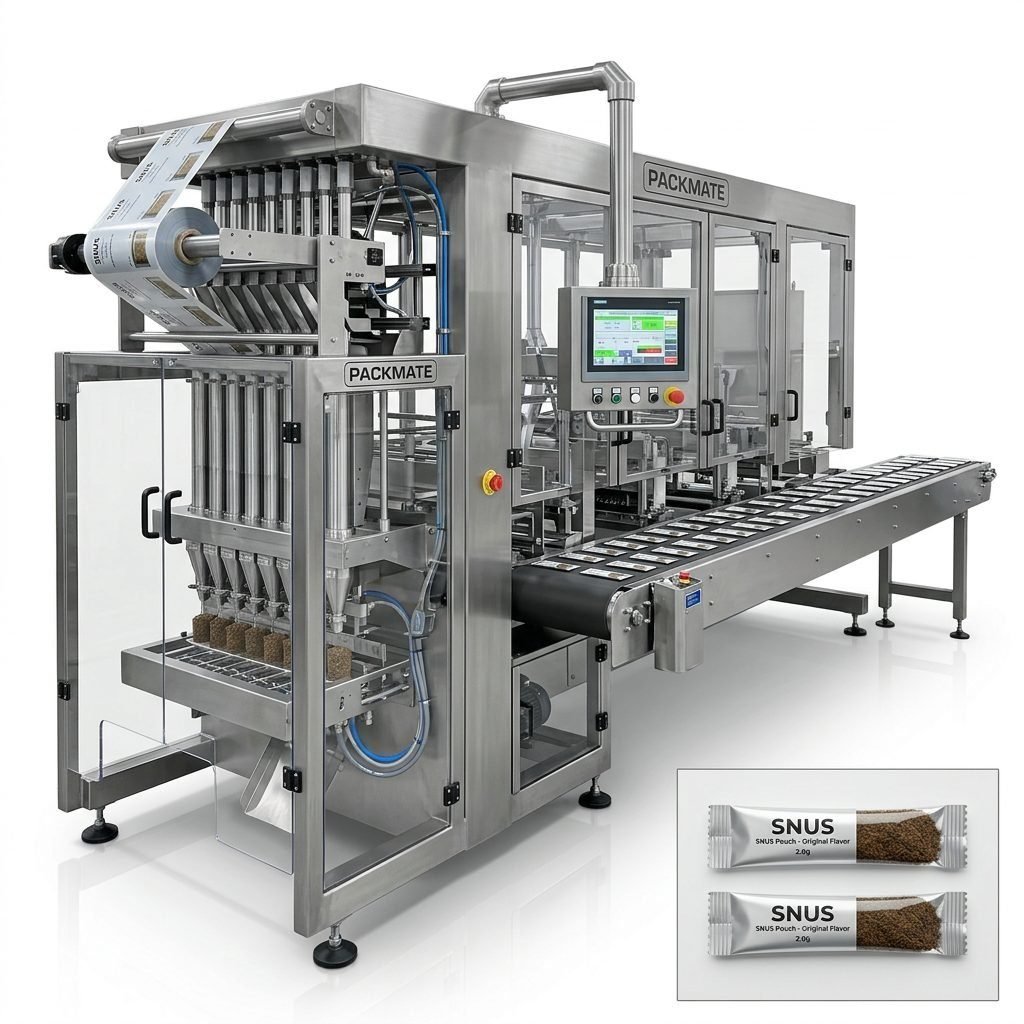
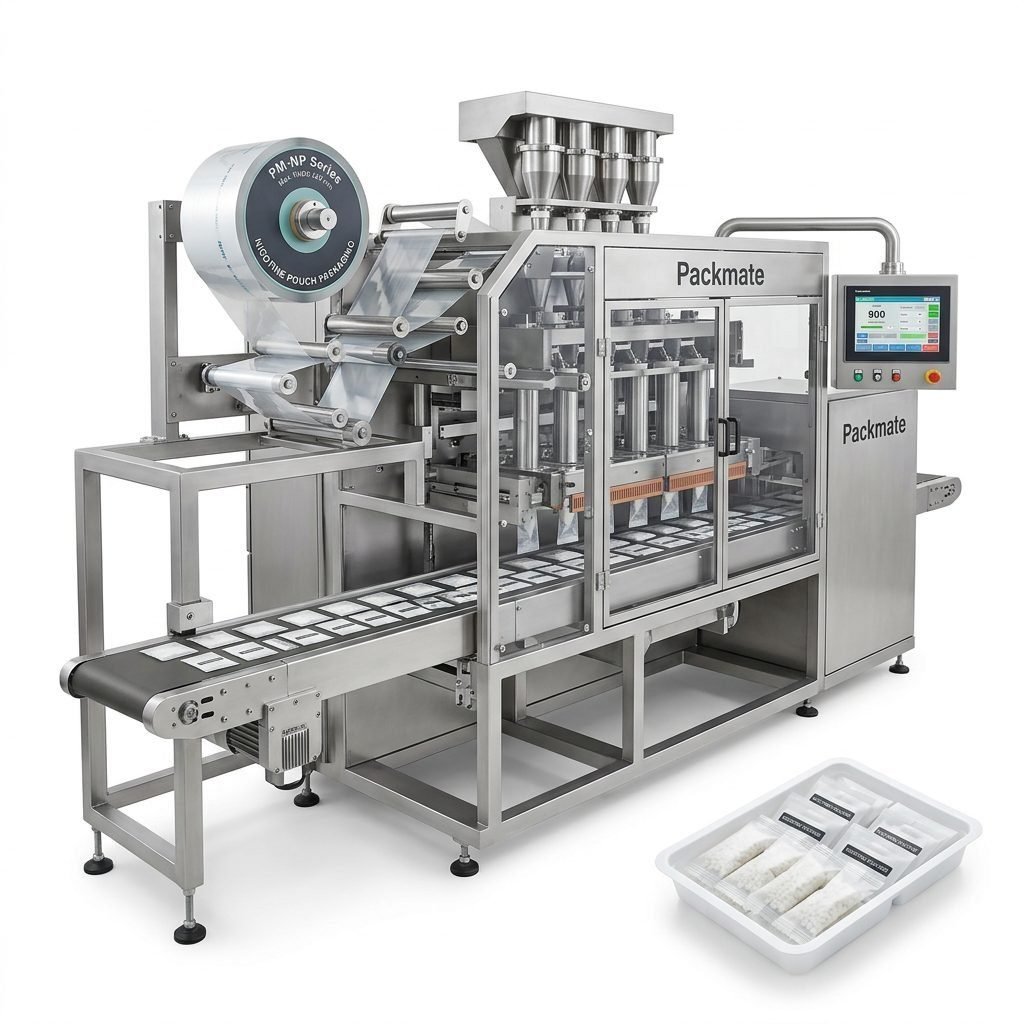
For higher throughput and consistent small-dose pouch production, multi-lane lines offer superior output per footprint. They are excellent for scaling production in response to growing demand across urban centers like Juba.
Explore robust options at
Snus & Nicotine Packaging Machines.
Auxiliary Systems and Full Lines
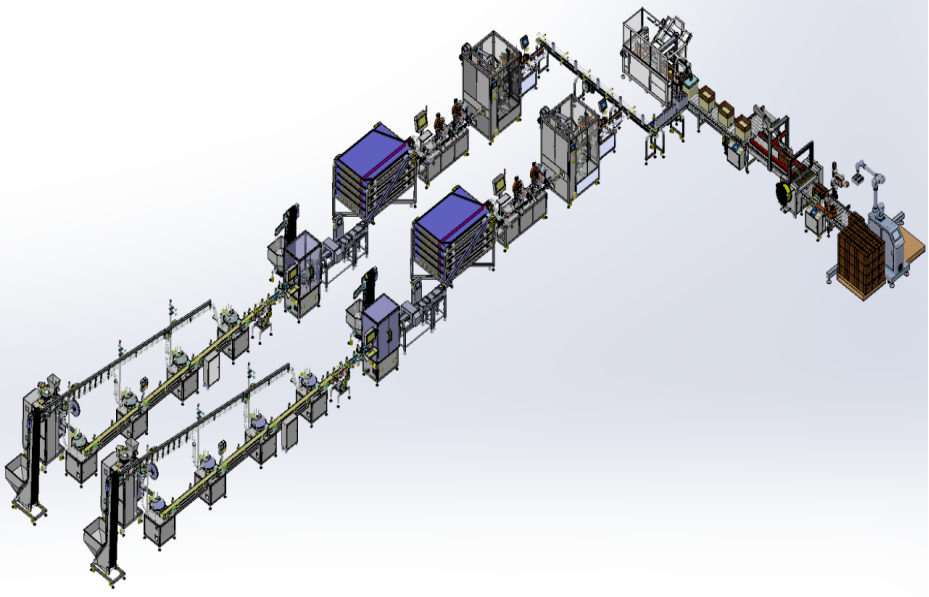
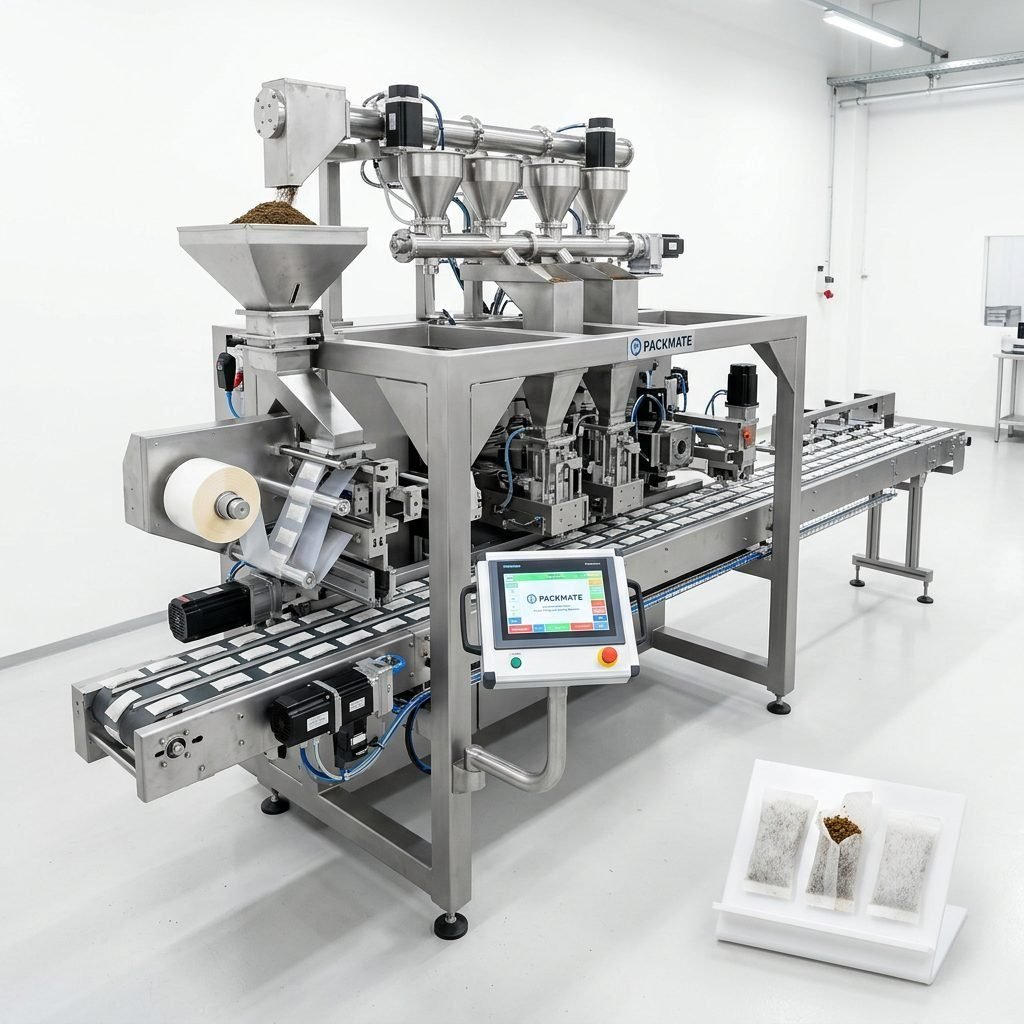
If you plan to integrate weighing, dosing, sealing, and cartoning, consider turnkey lines that include weighing & packaging systems and auxiliary equipment. This reduces integration headaches and shortens start-up time.
Quick advice: If you are entering the market with limited capital and want local servicing simplicity, start with sachet/stick pack machines and modular auxiliary units that can be upgraded later.
🔎 Technical Factors to Evaluate
Focus on specifications that affect uptime, product quality, and long-term operating costs:
- Throughput (pouches/min or lanes) — choose based on current demand and a realistic 2–3 year growth projection.
- Filling accuracy — critical for nicotine pouch consistency; opt for machines with precision dosing and easy calibration.
- Material compatibility — ensure the machine supports the film types and laminate structures you intend to use.
- Changeover time — reduced downtime for SKU changes is vital in markets with diverse consumer preferences.
- Control systems & spare parts — prefer internationally supported PLCs and easily sourced consumables.
💡 Supplier & After-Sales Checklist
Vet suppliers thoroughly. A reliable partner reduces long-term risk.
- Factory capability: Confirm manufacturing scale and CNC capability — a 20,000㎡ facility and advanced CNC centers indicate strong production competency.
- Certifications: Look for CE and ISO compliance to meet international safety and quality standards.
- References & case studies: Ask for customer cases in similar climates or regions. See examples at
Case. - Training & commissioning: Ensure the supplier provides onsite commissioning, operator training, and documentation.
- Spare parts & local support: Discuss lead times for critical spares and whether local agent support is available.
Vendor to consider: Packmate Snus Machine offers 30+ years of engineering experience, a broad product portfolio, and turnkey solutions — review their company background at
About Packmate.
💰 Cost of Ownership: Beyond the Purchase Price
When comparing quotes, calculate Total Cost of Ownership (TCO) including:
- Initial purchase and shipping to Juba (include customs duties).
- Installation, commissioning, and training expenses.
- Power conditioning (UPS/voltage stabilizers/generators) and climate control.
- Consumables, spare parts, and expected MTBF (mean time between failures).
- Service plan or maintenance contract for the first 1–3 years.
📑 Regulatory, Labeling & Cultural Considerations in South Sudan
Local customs and regulations influence packaging decisions and market acceptance:
- Labeling: Ensure health warnings, ingredient lists, and language comply with local requirements. English is widely used for business; consider bilingual labels for local languages where appropriate.
- Product presentation: Consumers in urban centers may favor discreet, high-quality pouches and premium finishing; rural markets may prefer simpler, economy packs.
- Religious and cultural sensitivities: Avoid packaging imagery or messaging that could be considered offensive. Respect community norms when planning marketing and distribution.
📋 Practical Pre-Purchase Steps
Follow this pre-purchase workflow to reduce surprises:
- Define product specs: pouch size, target weight, film structure, and desired production rate.
- Request detailed technical sheets and floor layout drawings from vendors.
- Ask for sample packs produced on proposed machines to verify quality.
- Verify warranty terms, spare parts availability, and the supplier’s after-sales network.
- Confirm lead times for production, shipping, and local customs clearance.
Tip: Ask the manufacturer for a virtual demo if a factory visit is impractical. Packmate showcases machinery at global exhibitions — see their events at
Our Exhibition.
🚚 Shipping, Installation, and Local Setup
Coordinate logistics carefully to prevent costly delays:
- Choose sea + overland routing with reliable freight forwarders experienced with heavy machinery to South Sudan.
- Plan for import documentation, customs tariffs, and potential demurrage.
- Schedule supplier technicians for on-site commissioning to reduce start-up friction.
- Verify site utilities and prepare for auxiliary needs (air compressors, chilled water, dust control).
🛠️ Maintenance, Spare Parts & Local Skills
Longevity depends on maintenance culture and access to spare parts:
- Buy a spare parts kit for wear items (belts, blades, sensors) to cover the first 6–12 months.
- Invest in operator and technician training during commissioning.
- Consider remote diagnostic features and parts consignment to shorten downtime.
✅ Final Selection Checklist (One-Page)
✔️ Production target (pouches/hour): _______
✔️ Film compatibility confirmed: _______
✔️ Spare parts lead-time acceptable: _______
✔️ After-sales & training confirmed: _______
✔️ Warranty and payment terms agreed: _______
📞 How to Engage a Supplier Effectively
When contacting suppliers, provide a concise RFP including product specs, expected volumes, site conditions (voltage, humidity), and a request for timeline and training scope. Use direct links to machine pages to compare configurations and request quotations. For more machine categories and line solutions, review
Filling & Packaging Lines and
Auxiliary Packaging Equipment.
Negotiation points
Negotiate on lead times, training days, spare parts package, payment schedule, and acceptance testing criteria. Insist on factory testing reports and sample production runs prior to shipment.
🌍 Local Market Tips and Cultural Notes
In South Sudan, community and word-of-mouth play a strong role in product adoption. Consider localized packaging messaging that respects cultural values and employs clear, trustworthy labeling. Distribution through trusted local channels and retailers will improve acceptance, and smaller pack sizes often work better in markets with variable purchasing power.
🔚 Conclusion
Choosing the right snus packaging machine in South Sudan requires technical clarity, supplier diligence, and sensitivity to local logistics and cultural norms. Start with a clear product definition, select a machine family that matches your throughput and upgrade path, verify supplier credentials and after-sales support, and plan logistics and utilities carefully. A staged approach — beginning with modular sachet or stick-pack solutions and scaling to multi-lane lines as demand grows — often yields the best balance of risk and growth.
Further resources
For detailed machine specifications and company information, you can check product pages and contact the manufacturer directly at
Contact Us.
Common Questions
Q1: What is the typical lead time for snus packaging machines to South Sudan?
A1: Lead time varies by machine complexity and supplier backlog. Expect 8–16 weeks for standard machines, longer for custom or multi-lane lines. Add shipping and customs clearance time when planning.
Q2: How do I handle unstable power supply during machine operation?
A2: Use voltage stabilizers, UPS for control systems, and a backup generator sized for the line. Confirm the supplier’s recommended electrical protections during quotation.
Q3: Are spare parts easy to source locally in South Sudan?
A3: Local availability is limited. Negotiate an initial spare parts kit and inquire about consignment stocking or regional distributors to minimize downtime.
Q4: What certifications should I ask a supplier for?
A4: CE and ISO are common indicators of manufacturing and safety standards. Also request factory test reports and case studies from similar climates or markets.
Q5: Can I start with a small machine and upgrade later?
A5: Yes. Many manufacturers offer modular systems that allow capacity expansion by adding lanes or auxiliary modules — a practical route for emerging markets like South Sudan.