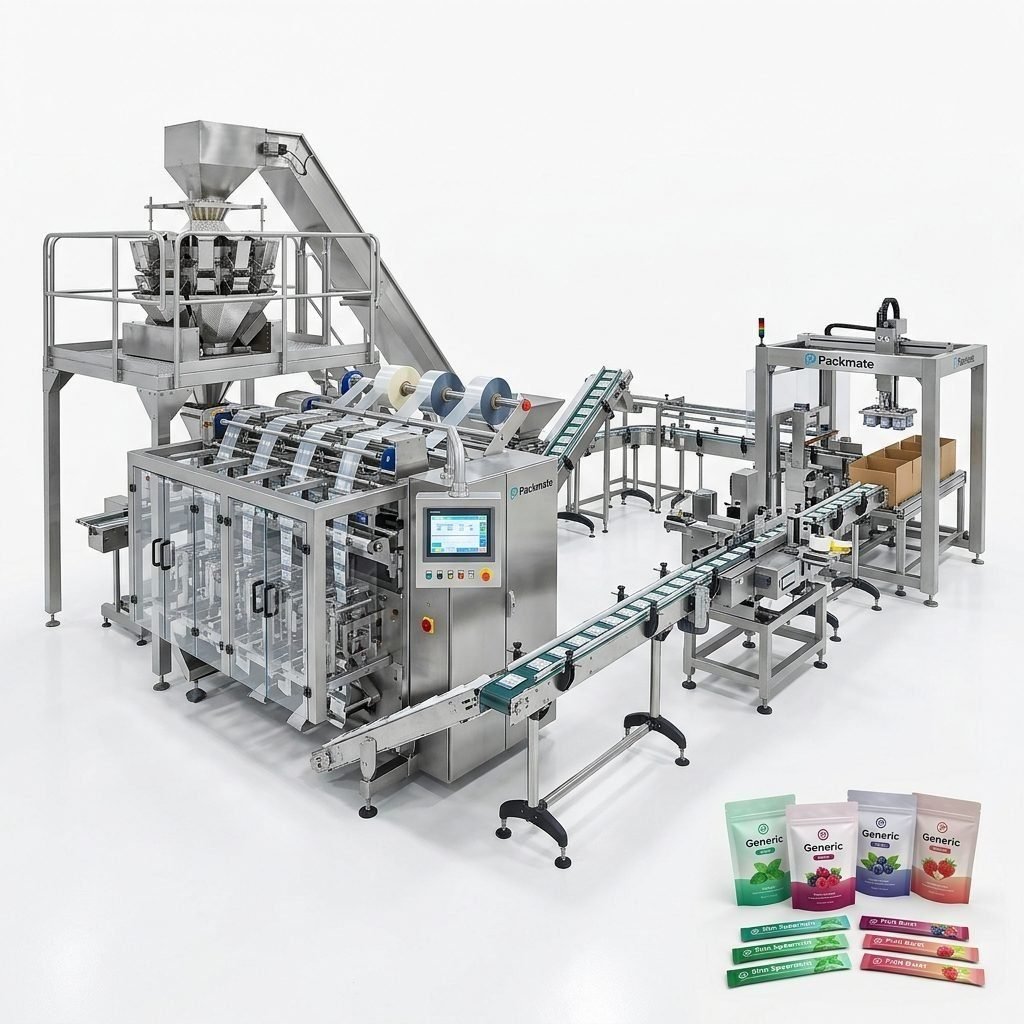
Choosing the right nicotine packaging machine in Mozambique requires balancing technical performance, local regulations, climate resilience, and after-sales support. This guide walks Mozambican manufacturers, importers, and packagers through practical steps and key tips to select a machine that protects product quality, meets Portuguese-language labeling rules, and fits local business customs.
Mozambique market snapshot and cultural context
Mozambique’s economy is growing steadily, with urban centers like Maputo and Beira expanding food and consumer product distribution networks. Portuguese is the official language, and packaging must reflect clear Portuguese labeling and health warnings. Local business relationships often emphasize trust and long-term partnerships, so choosing a supplier that can offer reliable after-sales service and local communication in Portuguese or through responsive English service is a major advantage. Climate considerations—high humidity and warm temperatures along the coast—make moisture-proof packaging and robust sealing systems critical for nicotine pouch stability.
Understand product and format requirements first
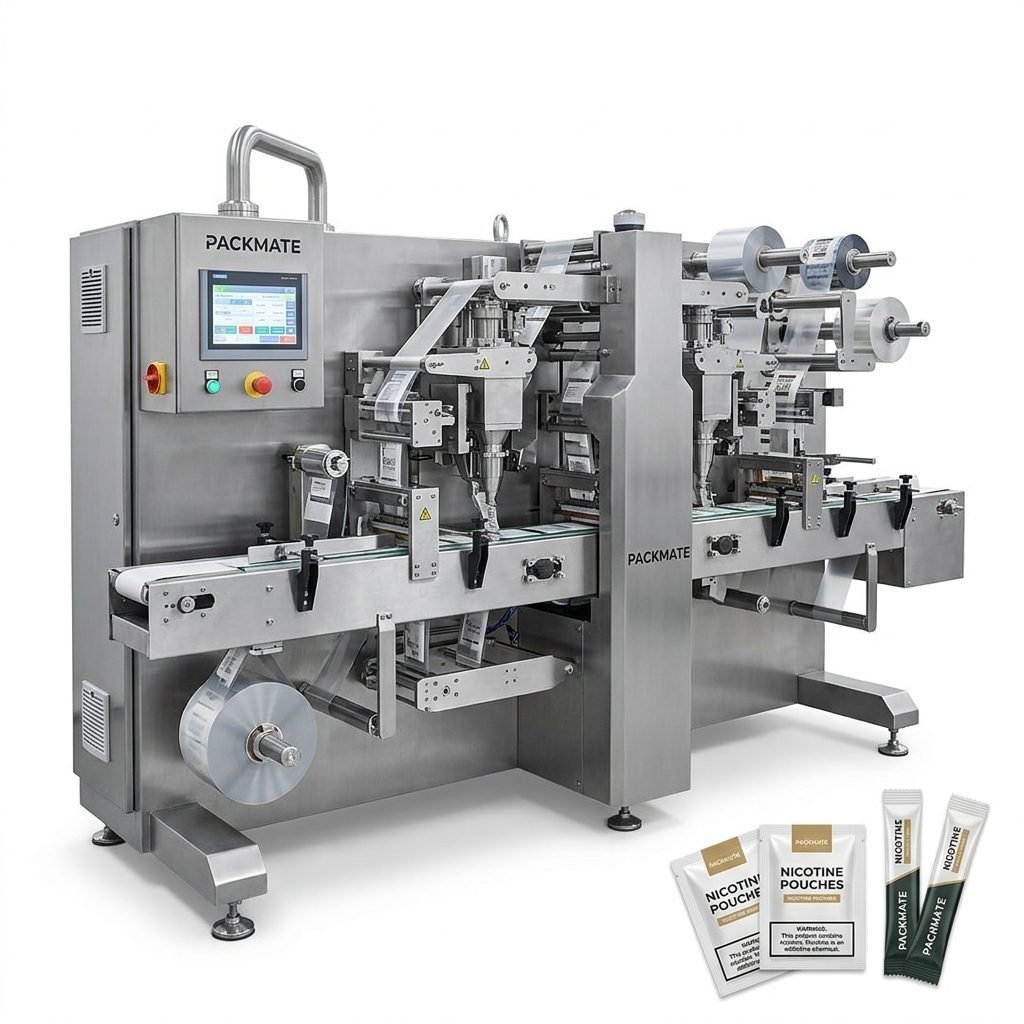
Start by defining your product: nicotine pouches, snus sachets, stick packs, or multi-lane sachets. Key product variables include dose size, moisture sensitivity, desired shelf life, and secondary packaging (boxes, flow-wrapping). Different machines excel at specific formats:
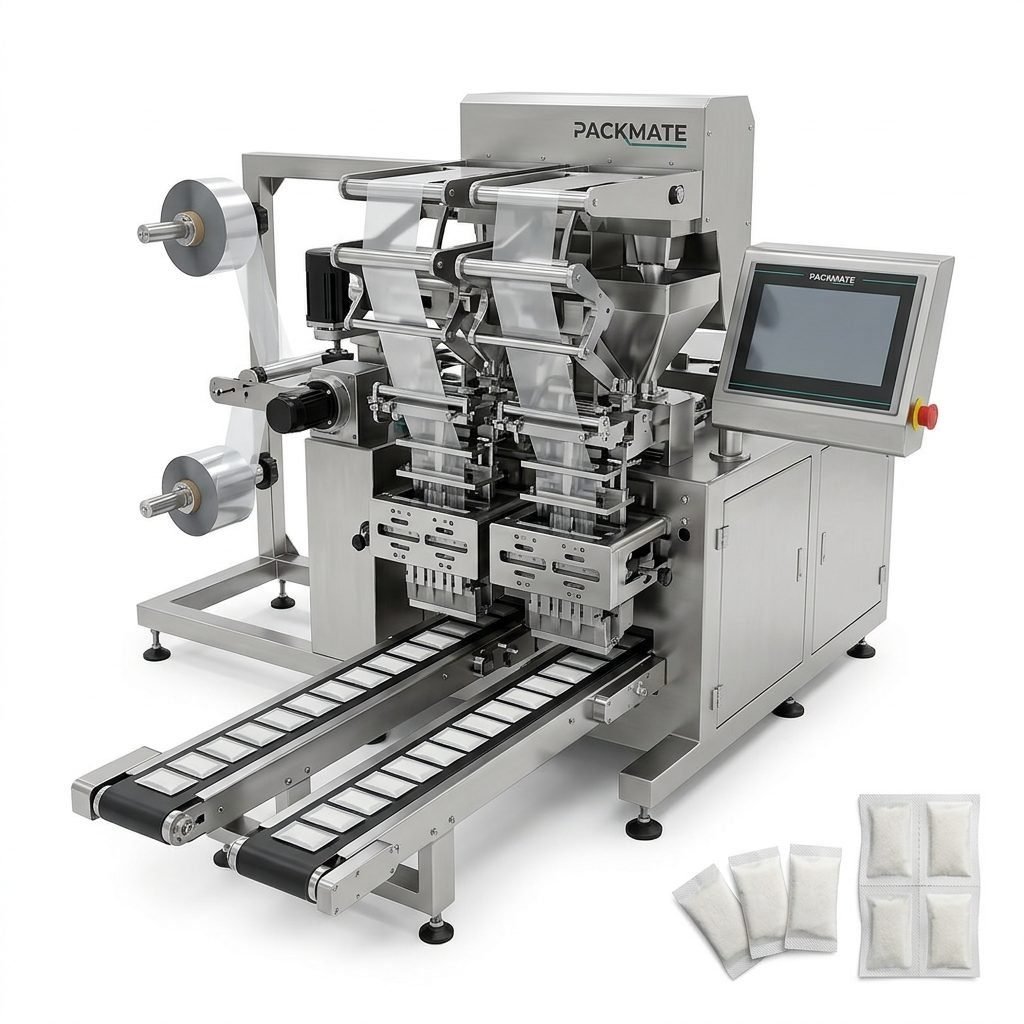
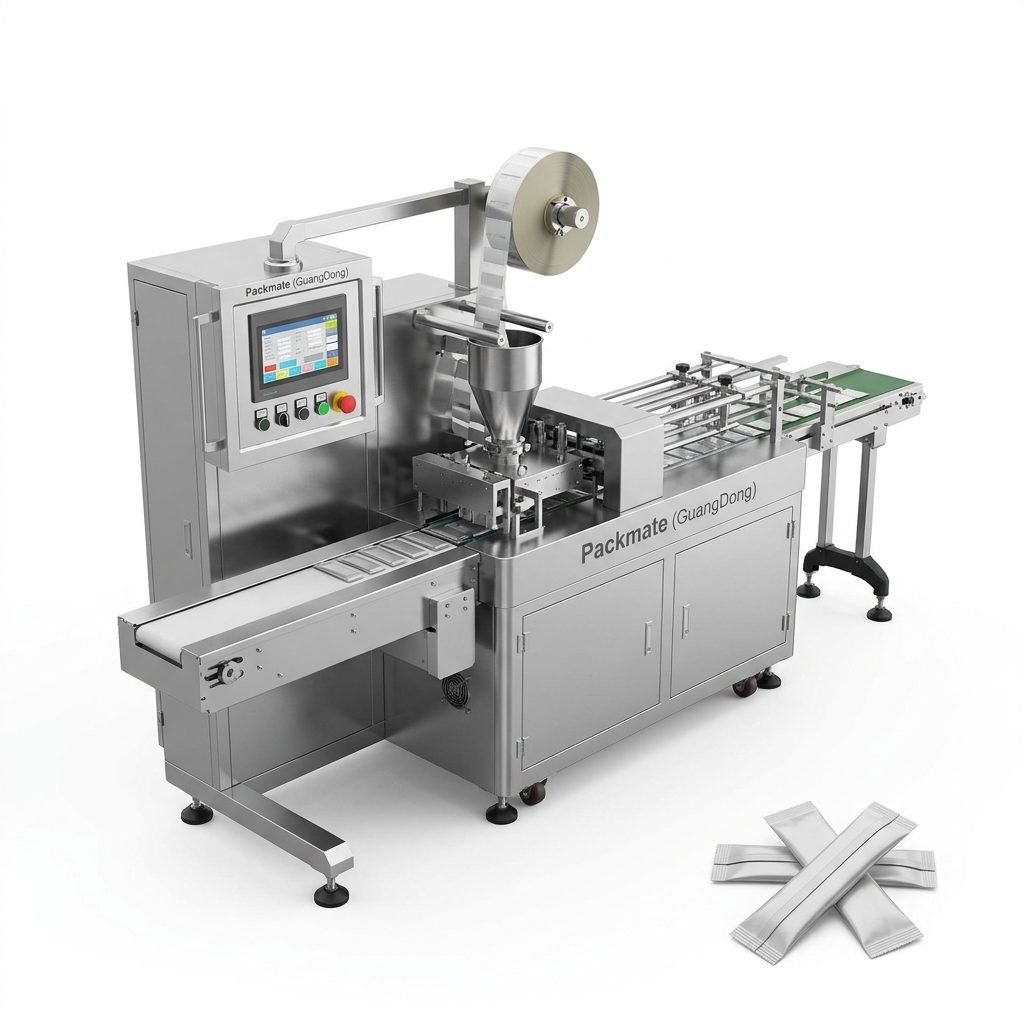
📌 Stick packs & sachets — ideal for single-dose distribution and widely used for snus-style products.
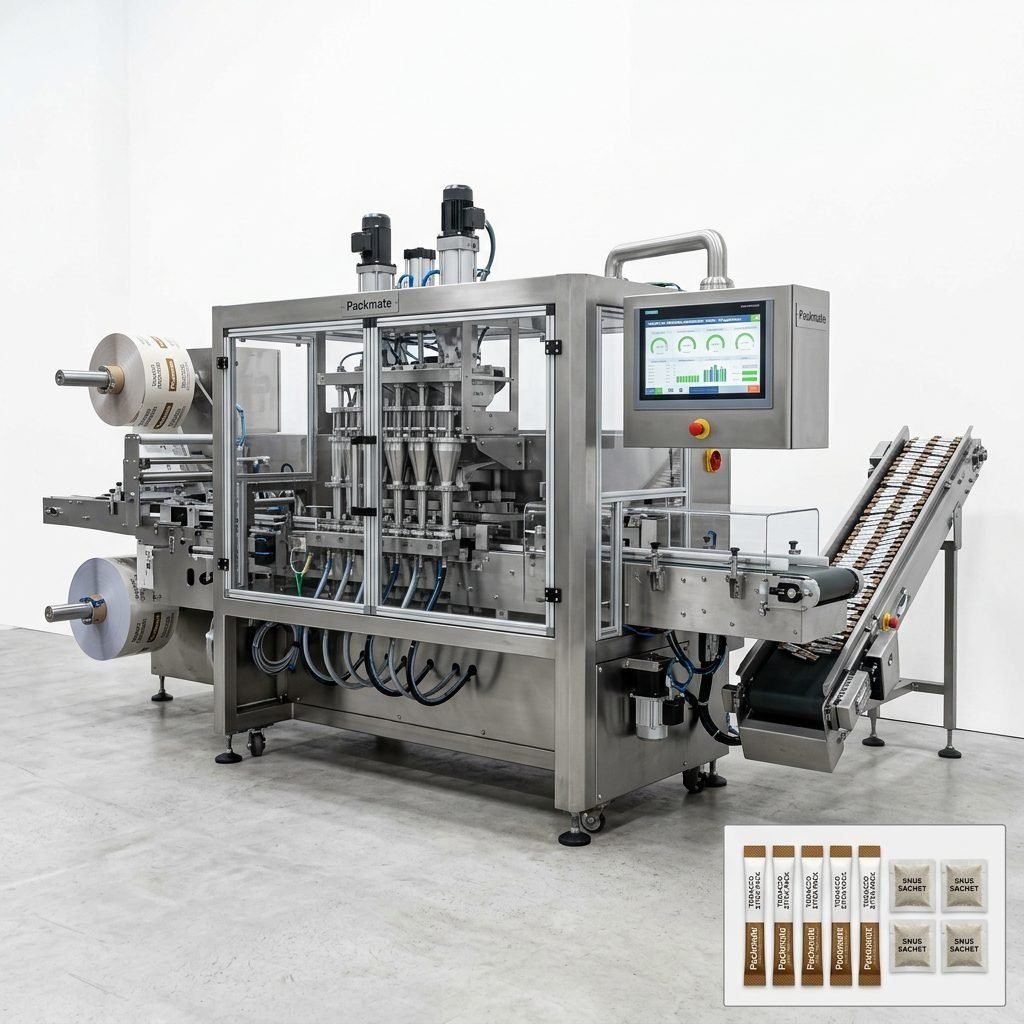
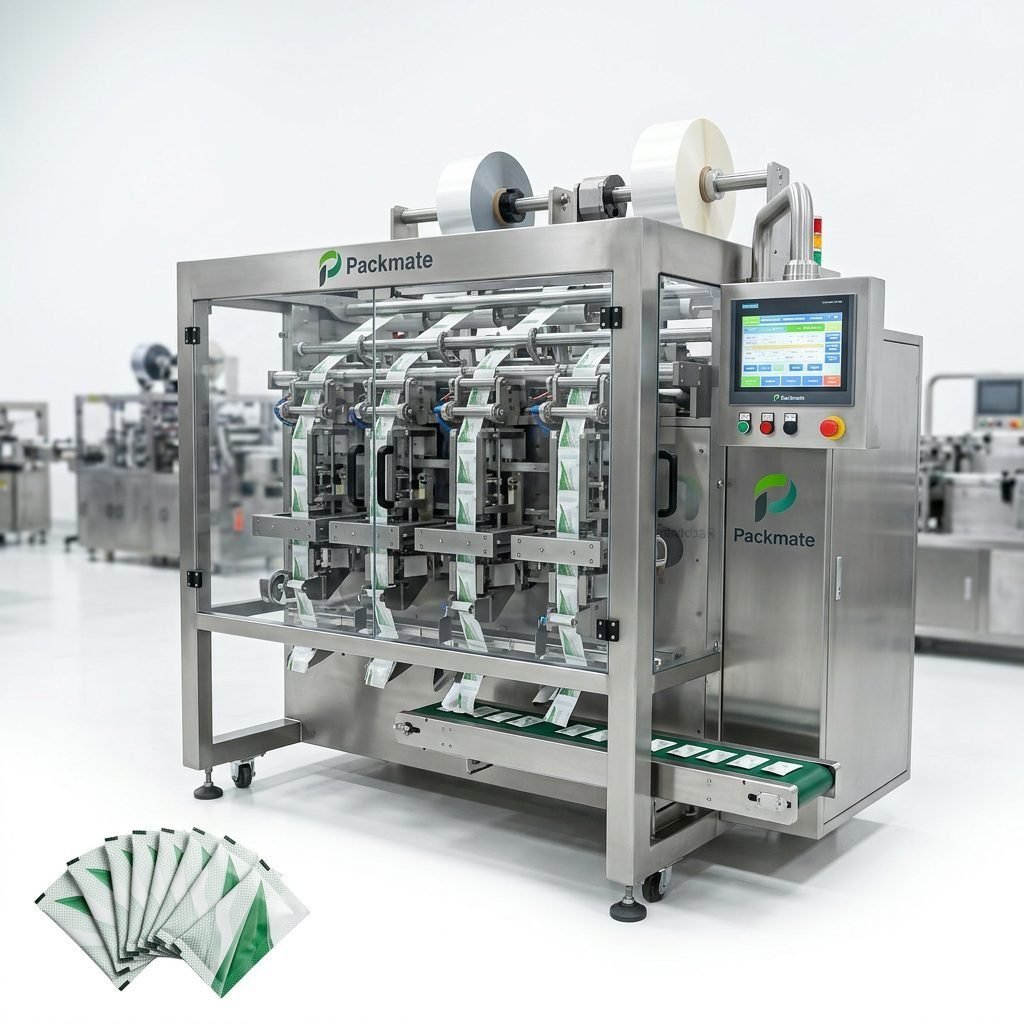
🔧 Multi-lane systems — increase throughput for small-dose pouches and are useful when scaling.
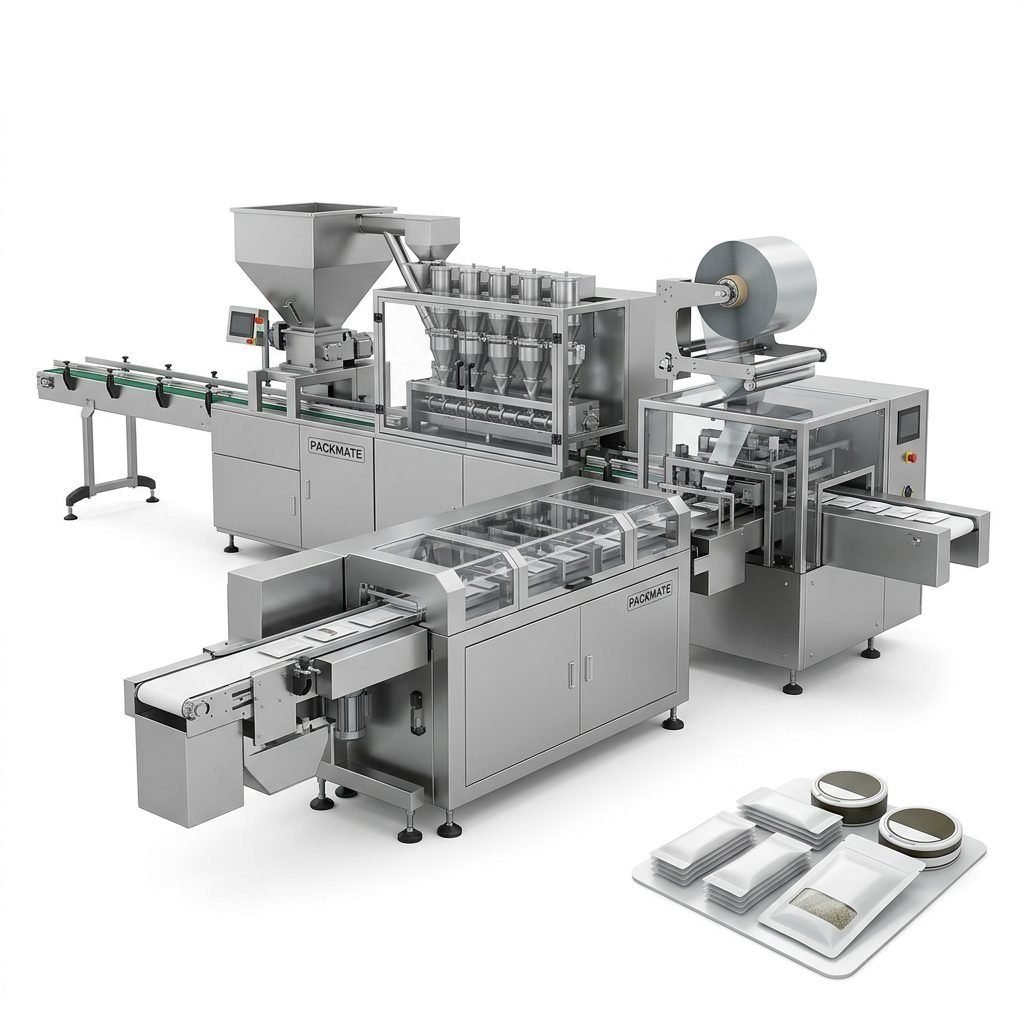
🌍 Bulk pouch machines — suitable when you need flexible pouch sizes and additional barrier properties.
Key technical selection criteria
Evaluate machines against measurable parameters so you can compare models objectively:
- Output capacity (pouches/min or sticks/min) — match to current demand and plan for 20–30% growth.
- Format flexibility — ability to change pouch size, print registration, or move between sachet and stick styles.
- Filling accuracy — essential for nicotine dosing compliance and consumer safety.
- Sealing technology — heat-seal, cold-seal, or induction; choose based on film type and moisture barrier needs.
- Material compatibility — support for barrier films, paper laminates, and compostable options if needed.
- Automation & controls — PLCs, touchscreen HMI, recipe storage, and remote diagnostics for faster troubleshooting.
- Sanitation & cleanability — stainless steel contact parts, IP-rated electrical components, and easy-to-clean designs.
Machinery types to consider
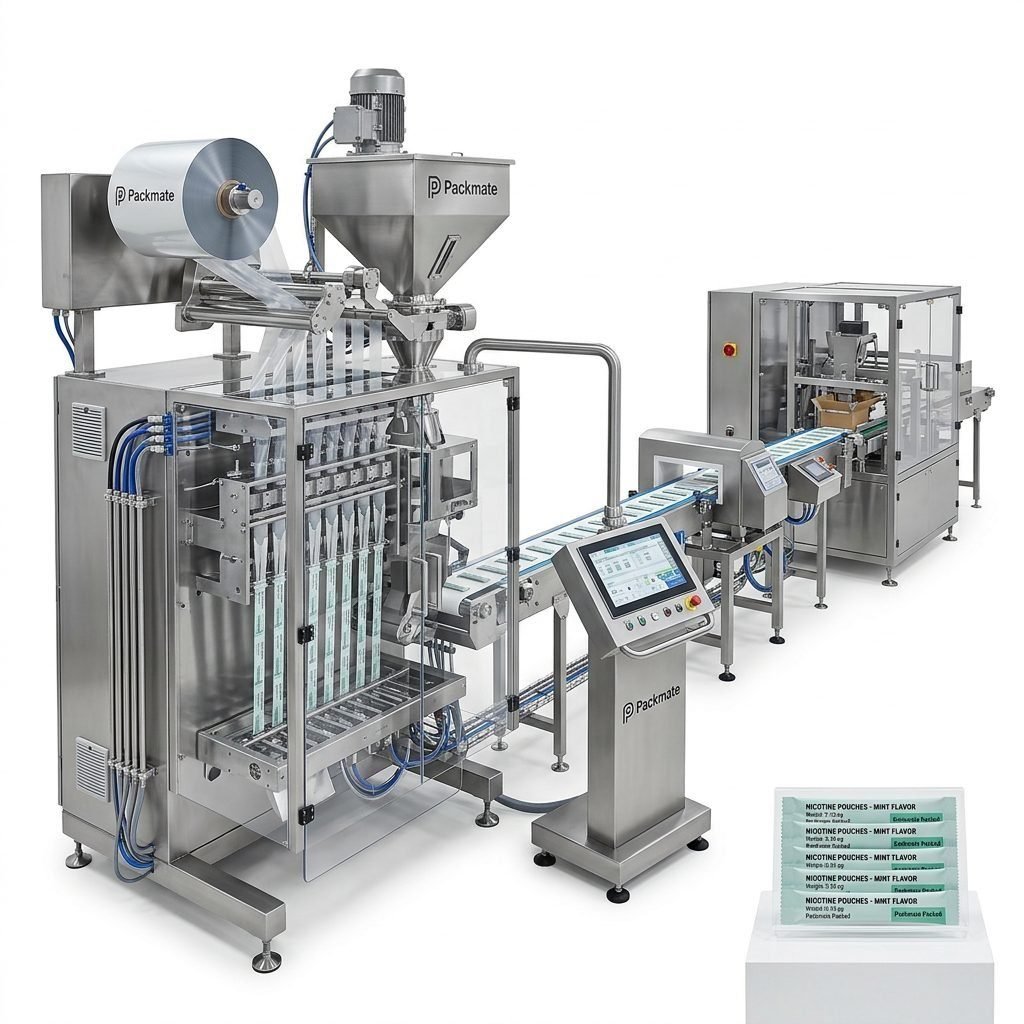
If you are considering reputable machine classes, explore stick pack and sachet machines for single-dose nicotine products, multi-lane pouch lines for high throughput, and integrated weighing and filling lines when precise dosing is critical. See product families and specifications from leading manufacturers when shortlisting equipment such as sachet & stick pack machines and snus-specific lines.
Useful references: Sachet & Stick Pack Machines and Snus & Nicotine Packaging Machines.
Local environmental and regulatory considerations
Mozambique’s tropical climate and regulatory framework influence machine selection and packaging choices:
⚠️ Humidity & temperature: Choose sealing systems and barrier films that protect against moisture. Machines with controlled environments for forming and sealing reduce rejects in humid warehouses.
📜 Labeling & language: Ensure health warnings and ingredient lists are provided in Portuguese and meet Mozambican import and consumer laws.
🔌 Electrical standards: Mozambique uses 220V, 50Hz. Confirm machine compatibility or the need for transformers.
Supplier selection: what to verify
Choosing the right supplier is as important as choosing the right model. Look for:
- Certifications like CE and ISO to show international compliance and safety.
- Factory capacity and experience—prefer firms with decades of R&D and production experience for snus machines.
- Global turnkey capability and references from similar markets; suppliers who can deliver full lines reduce integration headaches.
- Local support arrangements or fast spare parts shipping—key in Mozambique where on-site technicians may be scarce.
- Clear training and commissioning packages, ideally with Portuguese documentation or bilingual trainers.
For an established manufacturer profile, review the company page and service offerings: About Packmate and Service.
Customization and turnkey solutions
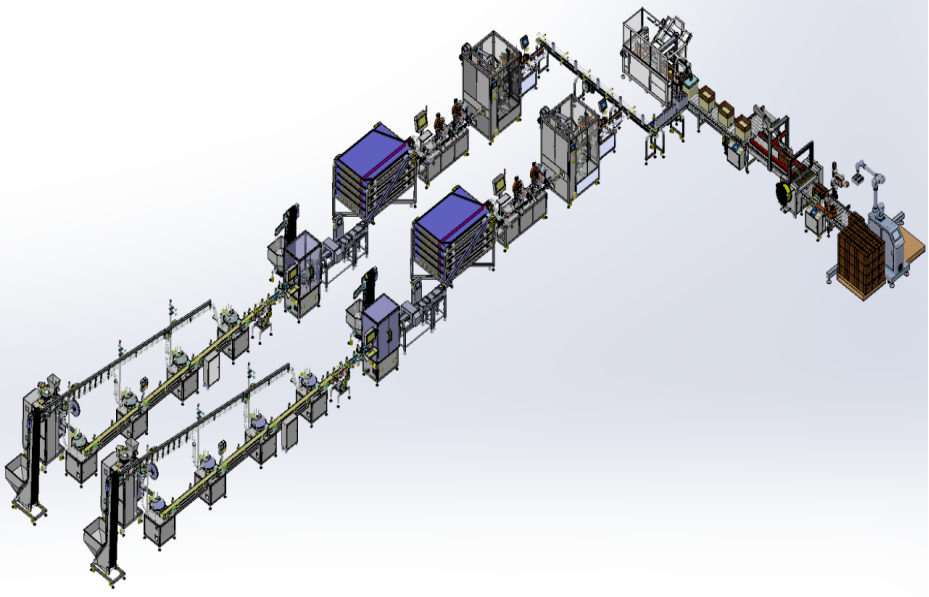
Many nicotine pouch producers need machines tailored to specific pouch sizes, multi-lane configurations, and integrated weighing systems. Turnkey suppliers provide:
- Custom tooling for your pouch shape and film type.
- Integration of weighing and dosing modules for consistent nicotine content (Weighing & Packaging Systems).
- Full production lines including upstream fillers and downstream cartoners (Filling & Packaging Lines).
Why turnkey matters in Mozambique
Turnkey delivery minimizes local engineering dependency, reduces installation time, and ensures consistent documentation and spare parts lists—important when building new capabilities in Maputo, Nampula, or Beira.
Installation, training, and after-sales support
Insist on a clear plan for machine commissioning, operator training, and preventive maintenance:
🔧 On-site commissioning: Ensure the supplier includes start-up, sample runs, and process optimization.
📚 Operator training: Bilingual manuals and hands-on training shorten the ramp-up period.
🛠️ Spare parts & service: Confirm lead times for critical parts and availability of remote diagnostics to reduce downtime.
Cost, financing and return on investment (ROI)
Evaluate total cost of ownership (TCO), not just the purchase price. TCO factors include spare parts, energy consumption, downtime risk, tooling changes, and operator wages. To estimate ROI:
- Estimate annual production volume and revenue per pouch.
- Calculate labor savings from automation and reduced rejects from accurate dosing.
- Include packaging material costs—choose films that balance barrier performance and cost.
- Plan for tax, import duties, and customs clearance delays in Mozambique when forecasting payback time.
Procurement checklist before you buy
Use this practical checklist to finalize your choice:
✓ Confirm machine output meets forecast demand with headroom for growth.
✓ Verify machine is compatible with chosen film and sealing technology.
✓ Check certifications (CE/ISO) and factory testing procedures.
✓ Ensure clear documentation, spare parts list, and warranty terms.
✓ Ask for video demos, references, or a production trial if possible.
✓ Plan logistics: shipping, customs, installation, and local training in Portuguese.
Partnering with a skilled manufacturer
Selecting a manufacturer with deep experience in snus and nicotine pouch machinery reduces risk. A reputable supplier will show factory capabilities, CNC equipment, and case studies of multi-lane or small-dose lines. For example, learn from the manufacturer’s cases and certifications to confirm quality standards and real-world performance: Case and Certificate.
Local logistics and relationship building
In Mozambique, building a trusted relationship with your supplier helps when handling customs, urgent parts, or rapid process changes. Consider suppliers who participate in global exhibitions and demonstrate open communication—this shows transparency and a willingness to support long-term cooperation. See exhibition presence: Our Exhibition.
Real-world tips for Mozambican buyers
– Prioritize moisture protection in both product and packaging materials due to coastal humidity.
– Insist on Portuguese labeling templates to comply with local consumer regulations.
– Negotiate a clear spare parts and training schedule; ask for remote support agreements.
– Consider multi-lane solutions if you expect rapid volume increases—these scale better than single-lane upgrades.
– Verify electrical compatibility (220V/50Hz) and consider UPS systems to protect electronics from power instability.
Why Packmate-style suppliers are worth considering
Manufacturers with long-term experience in snus and nicotine packaging can provide specialized machines, robust multi-lane systems, and full line integration. A vendor that lists product families such as snus machines, stick pack, sachet machines, and auxiliary equipment is valuable for growing producers. For a comprehensive look at product offerings and support, you can explore the supplier’s product pages and contact channels: Snus & Nicotine Packaging Machines, Auxiliary Packaging Equipment, and Contact Us.
Final recommendations before purchase
1) Request a FAT (Factory Acceptance Test) video and a sample run with your film.
2) Secure clear warranty and spare-parts lead-time commitments.
3) Ensure training is included and ask for Portuguese documentation where possible.
4) Consider the total cost of ownership and not just the machine price—TCO includes energy, maintenance, and downtime.
5) Build a phased plan: start with a reliable baseline machine, then scale to multi-lane or turnkey lines as demand grows.
FAQs
Q1: What sealing method is best for Mozambique’s humid climate?
A1: Heat-seal with high-barrier laminated films typically works well. Ensure the machine has consistent temperature control and consider nitrogen flushing for extended shelf life.
Q2: Do I need multi-lane machines from day one?
A2: Not necessarily. Start with a reliable single-lane or small multi-lane setup and plan upgrades. Multi-lane is cost-effective when volume growth is certain.
Q3: How important is local language documentation and training?
A3: Very important. Portuguese manuals and training reduce operator errors and accelerate ramp-up. Request bilingual support if Portuguese-only is not available.
Q4: What certifications should the machine have?
A4: CE and ISO certifications are good indicators of international manufacturing standards. Also check material safety data and food-contact approvals if applicable.
Q5: How do I handle spare parts supply in Mozambique?
A5: Negotiate a spare parts kit at purchase, confirm shipping times, and consider stocking critical components locally to minimize downtime.