Choosing the right nicotine packaging machine manufacturer for your business in Angola is a critical step that affects product quality, regulatory compliance, production efficiency, and long-term profitability. Whether you are launching nicotine pouches for the Angolan market or planning export from Luanda to neighboring regions, understanding local customs, import rules, technical requirements, and supplier capabilities will help you make a confident investment.
Why the Manufacturer Matters: From Reliability to Compliance
A packaging machine is not just a piece of equipment; it is the backbone of your production line. For nicotine pouches and snus-style products, precision dosing, pouch forming, sealing quality, and multi-lane synchronization are essential. Choosing a manufacturer with proven engineering experience, strong production capacity, and international certifications ensures consistent output and easier market access. Look for manufacturers with:
🔧 Engineering pedigree — decades of R&D and machine design experience.
✅ Certifications — CE, ISO, and other compliance marks that support export and local acceptance.
⚙️ After-sales support — spare parts, training, and fast technical response.
Key Technical Criteria for Nicotine Packaging Machines
Not all packaging machines are built the same. When evaluating manufacturers, consider these technical aspects:
Machine Types and Formats
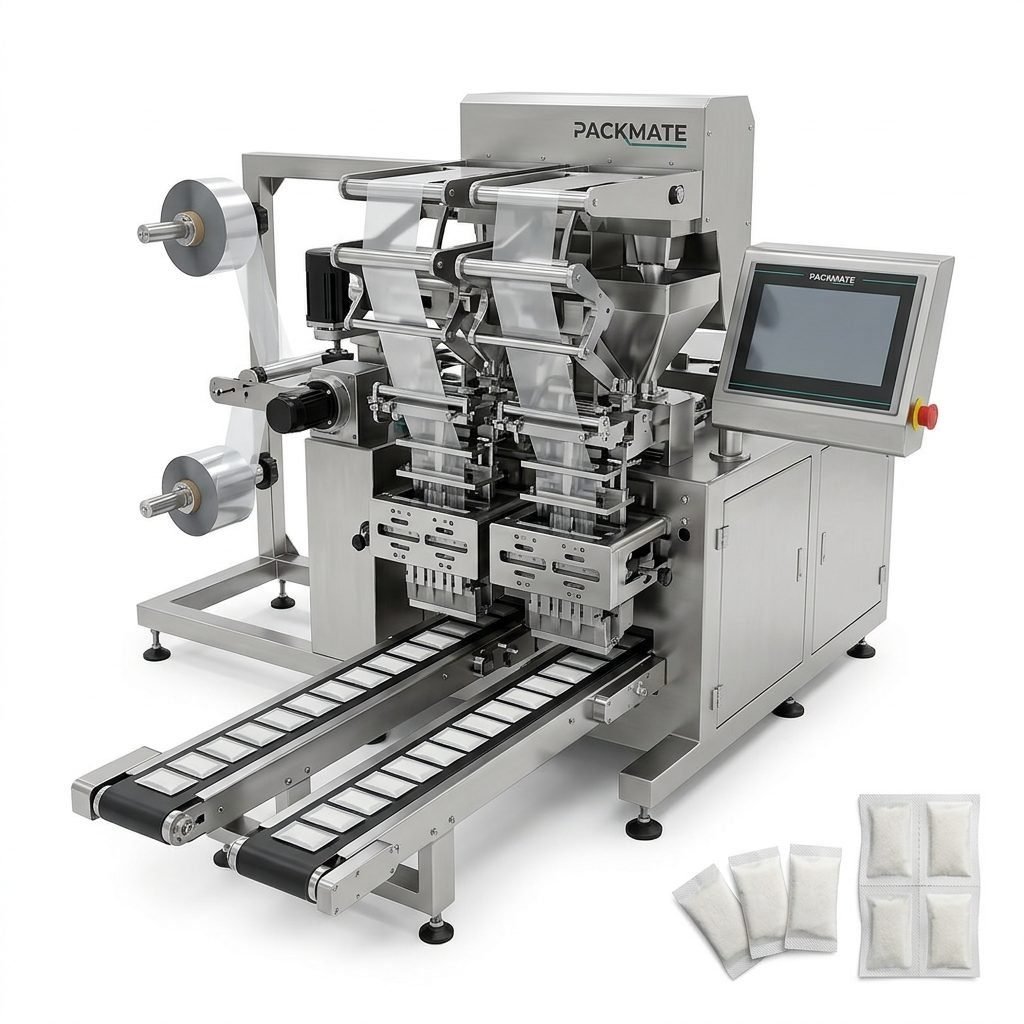
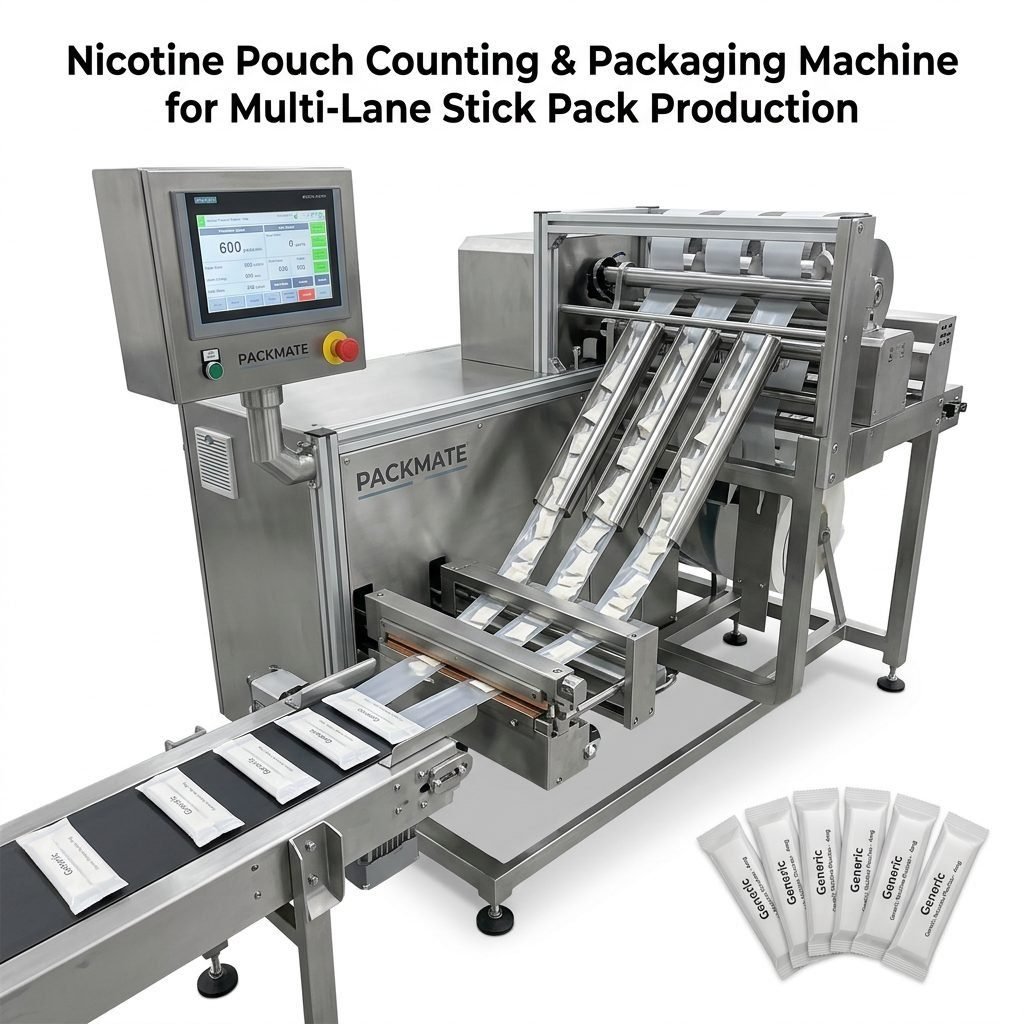
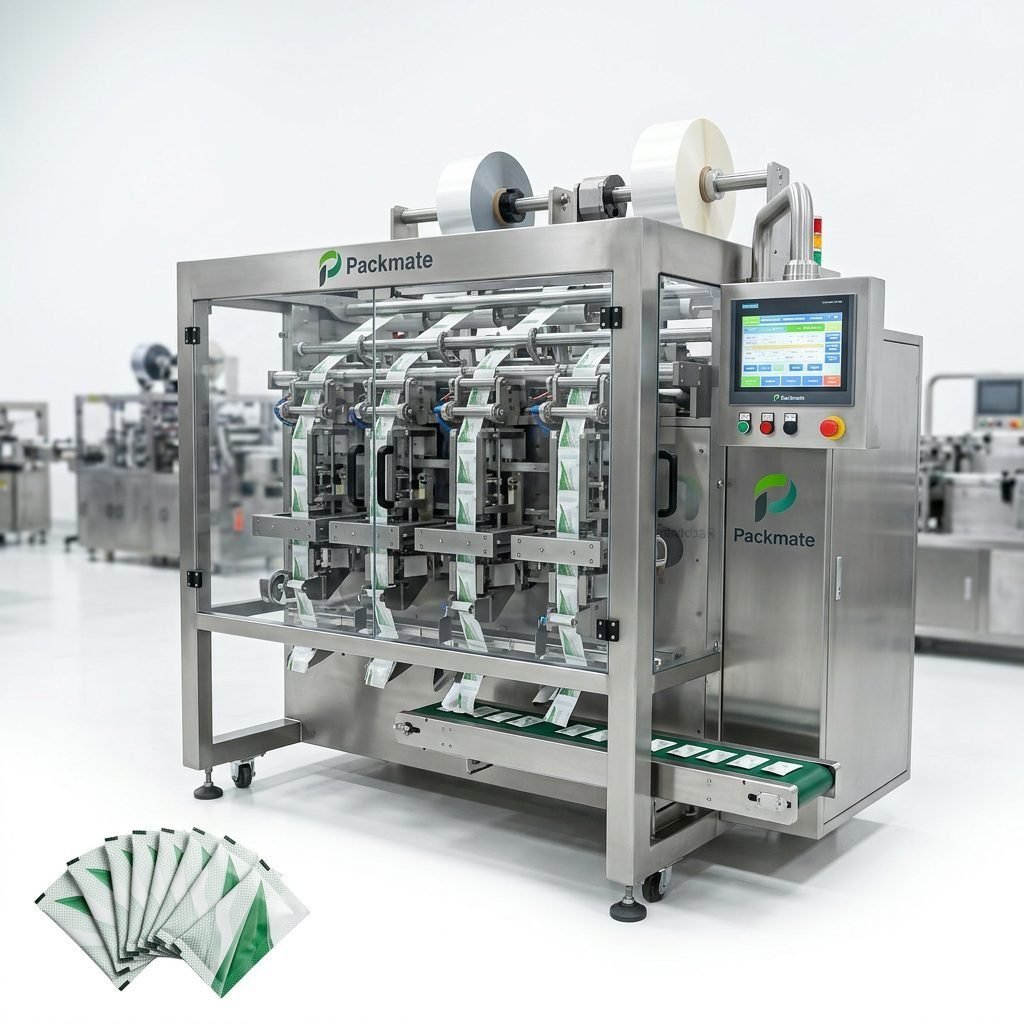
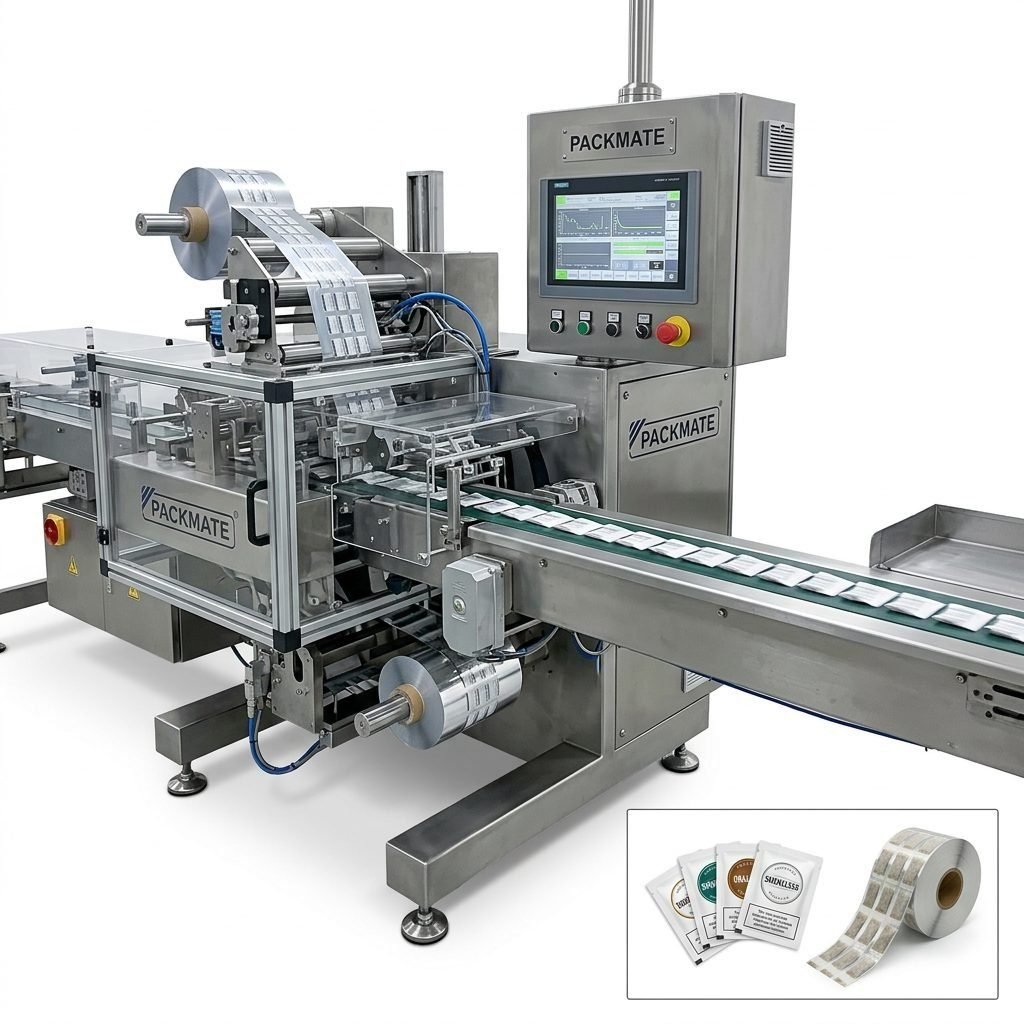
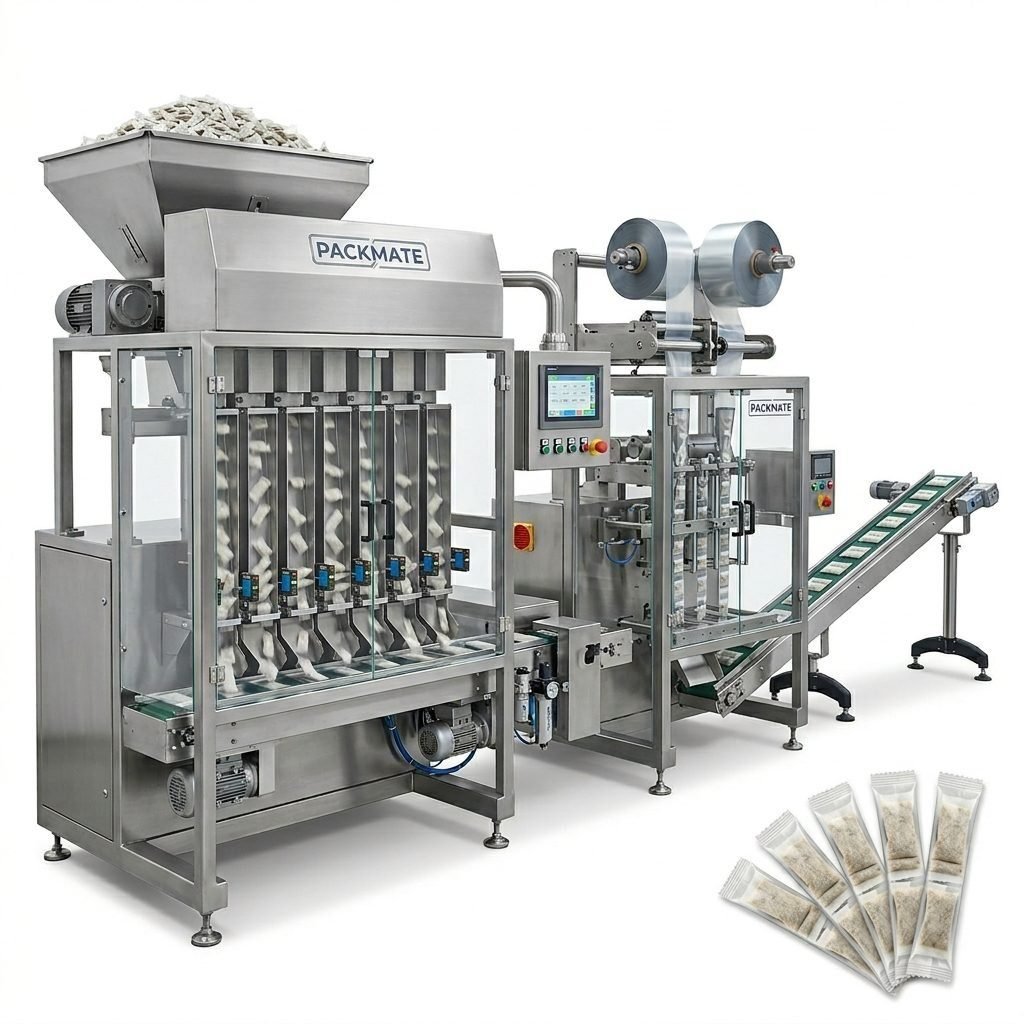
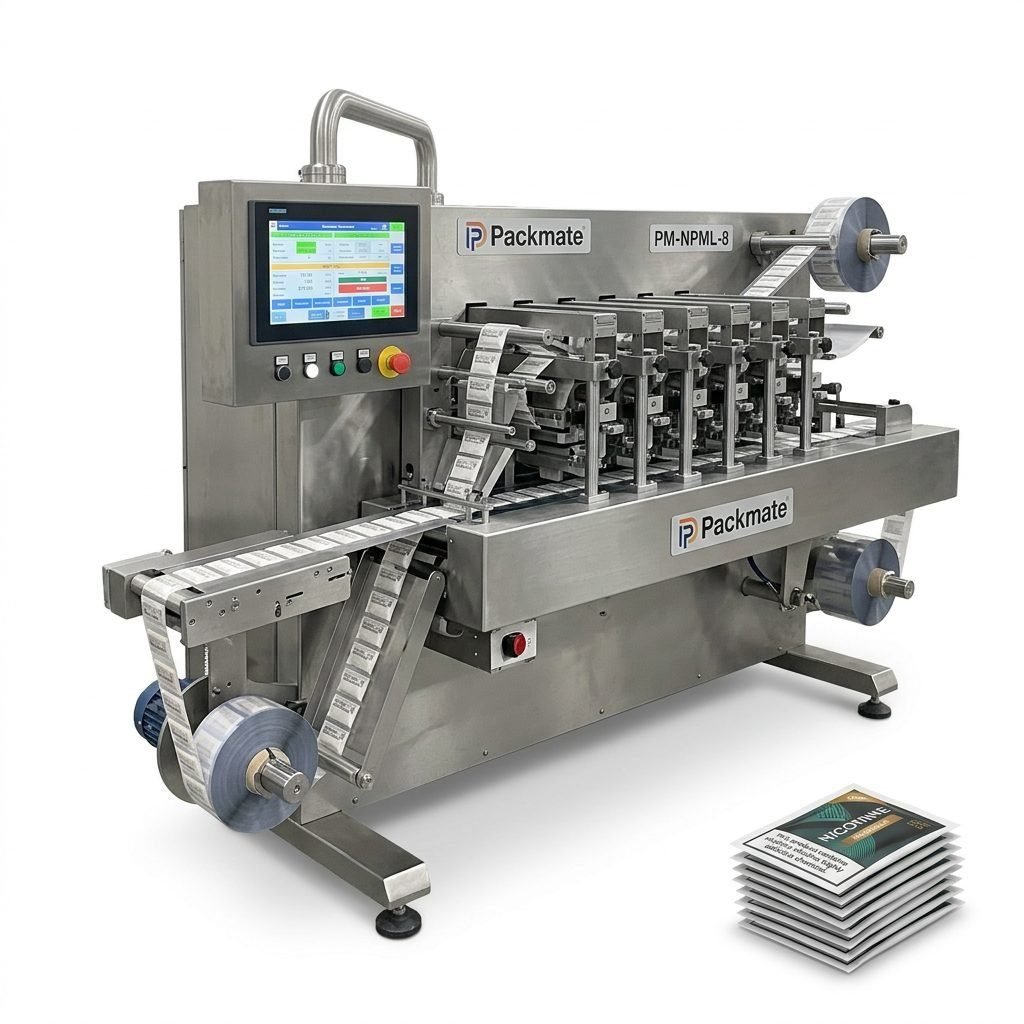
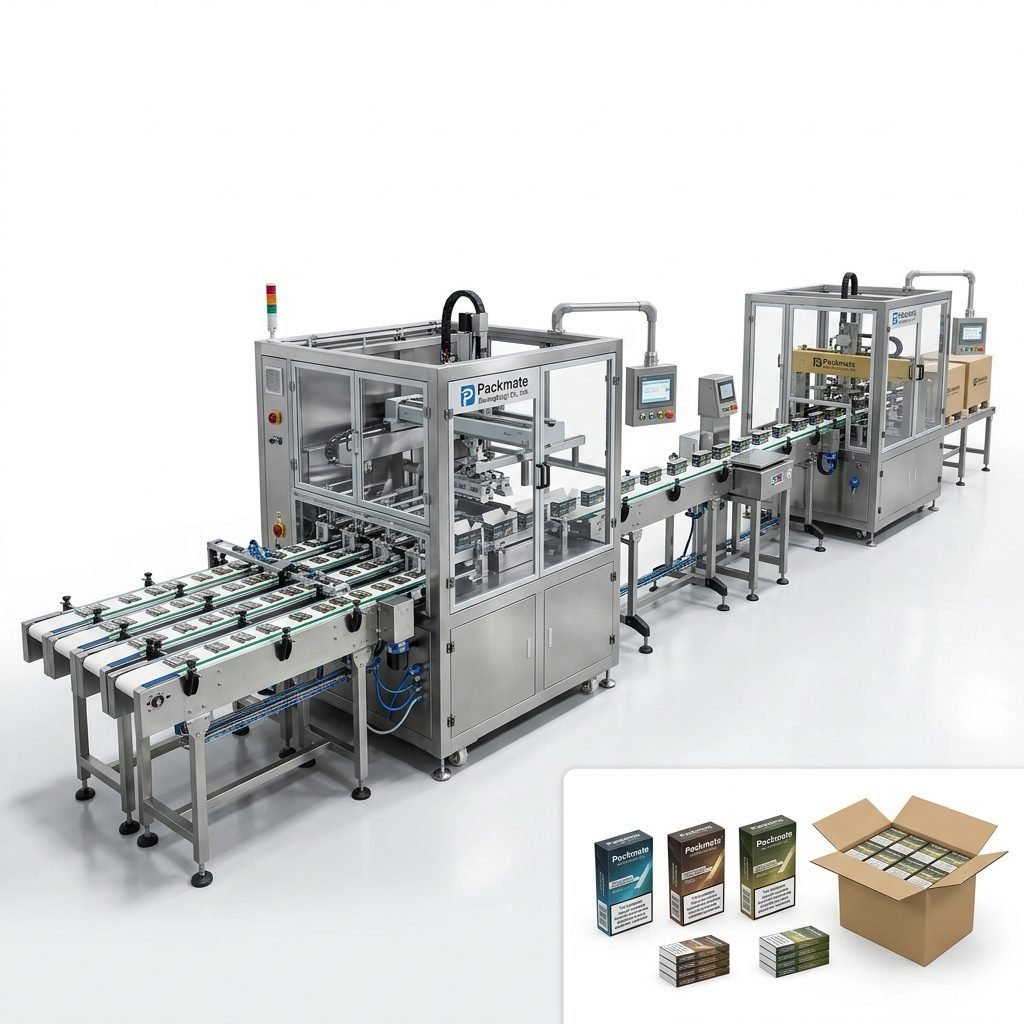
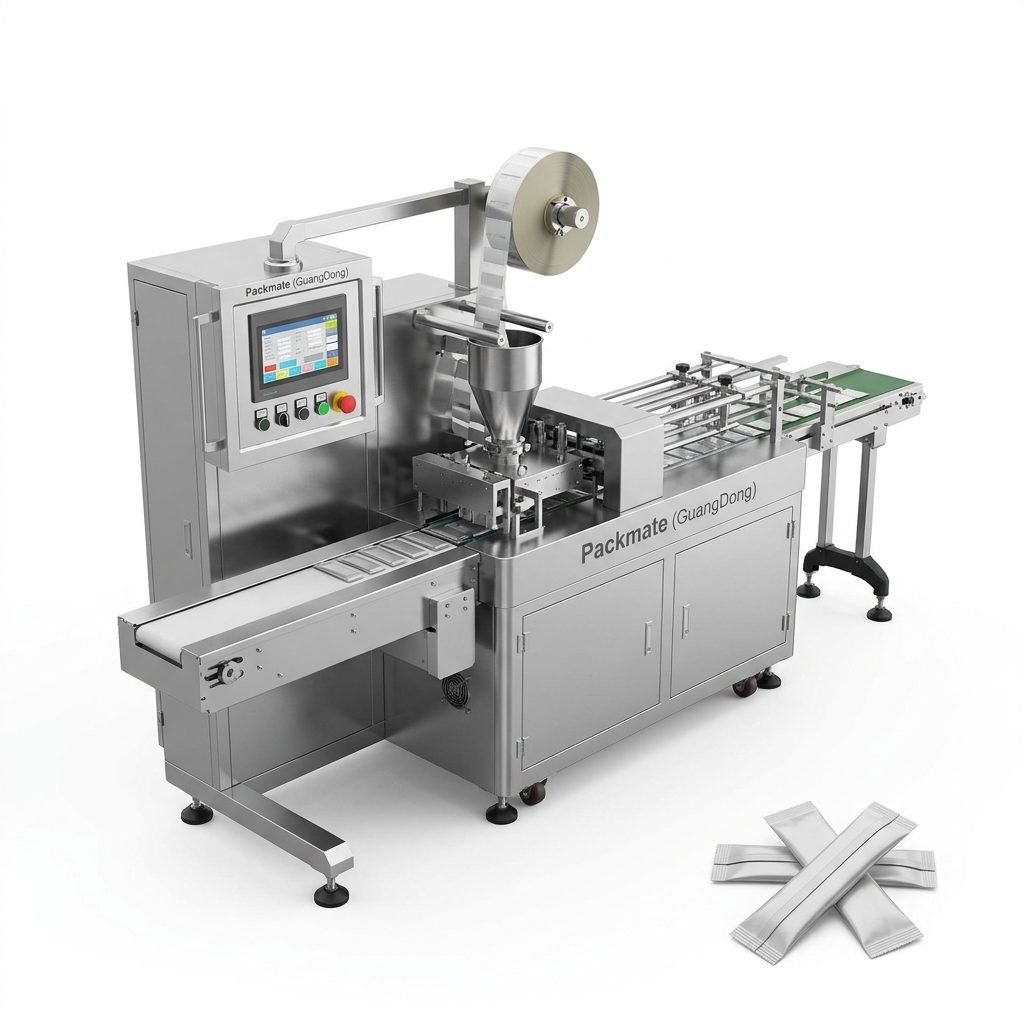
Nicotine pouch lines often include stick pack, sachet, and multi-lane pouch systems. Multi-lane machines increase throughput for small-dose pouches, while stick and sachet lines may be simpler and more affordable for startups. Review model options and request demonstrations for the exact pouch size you plan to produce.
Accuracy, Synchronization & Dosing
Accurate dosing ensures consistent nicotine levels per pouch and reduces waste. For powder and granule fillings, precision weighers or volumetric feeders must be integrated. Manufacturers with integrated weighing & packaging systems provide a smoother start-up and better product consistency.
📌 Tip: Ask for an on-site or video demonstration of the exact machine model under real production conditions. If possible, request samples produced with your product.
Assessing Manufacturer Capabilities — What to Verify
When you evaluate suppliers, a short checklist helps you compare objectively. Verify the following:
Factory Scale & Equipment
A manufacturer with a robust factory and modern CNC and assembly lines is more likely to deliver consistent quality. For example, companies with large manufacturing facilities and advanced machining centers can handle customization and volume orders more reliably.
Model Range & Customization
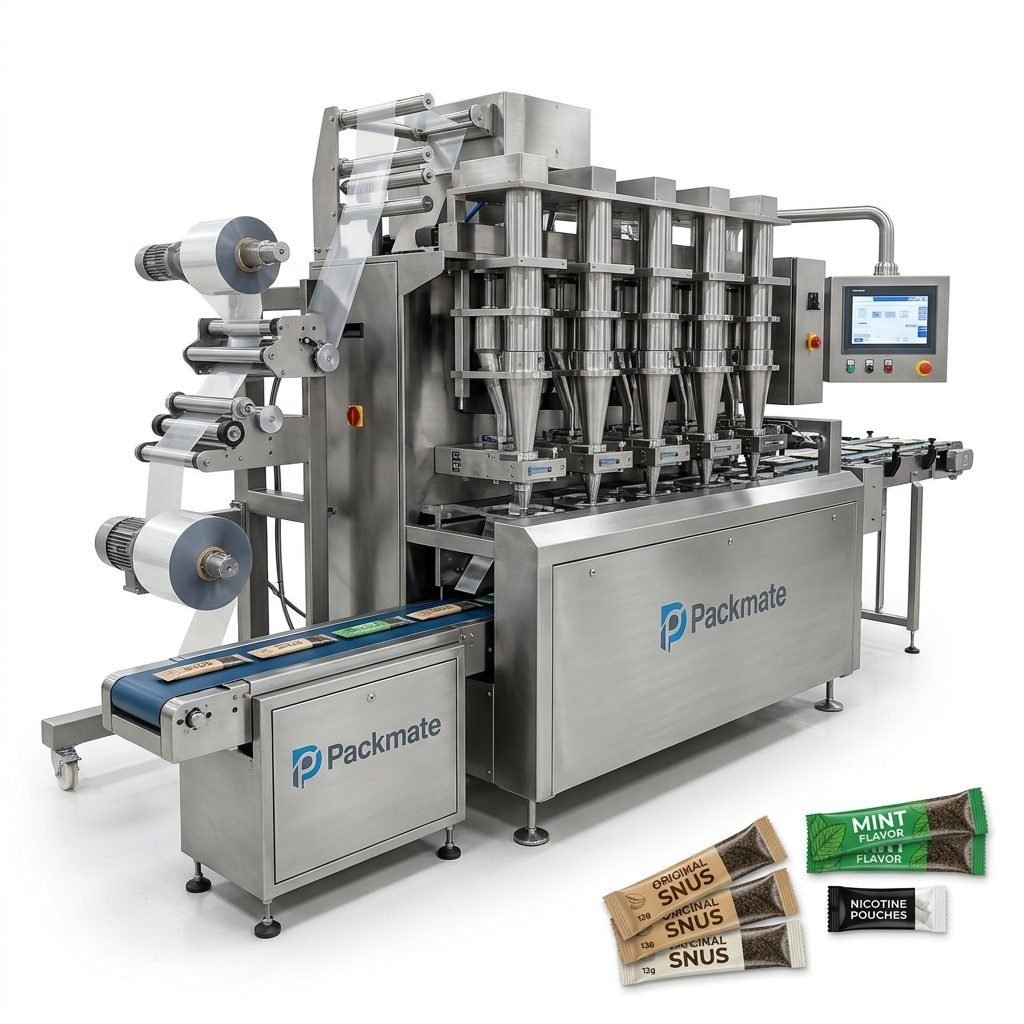
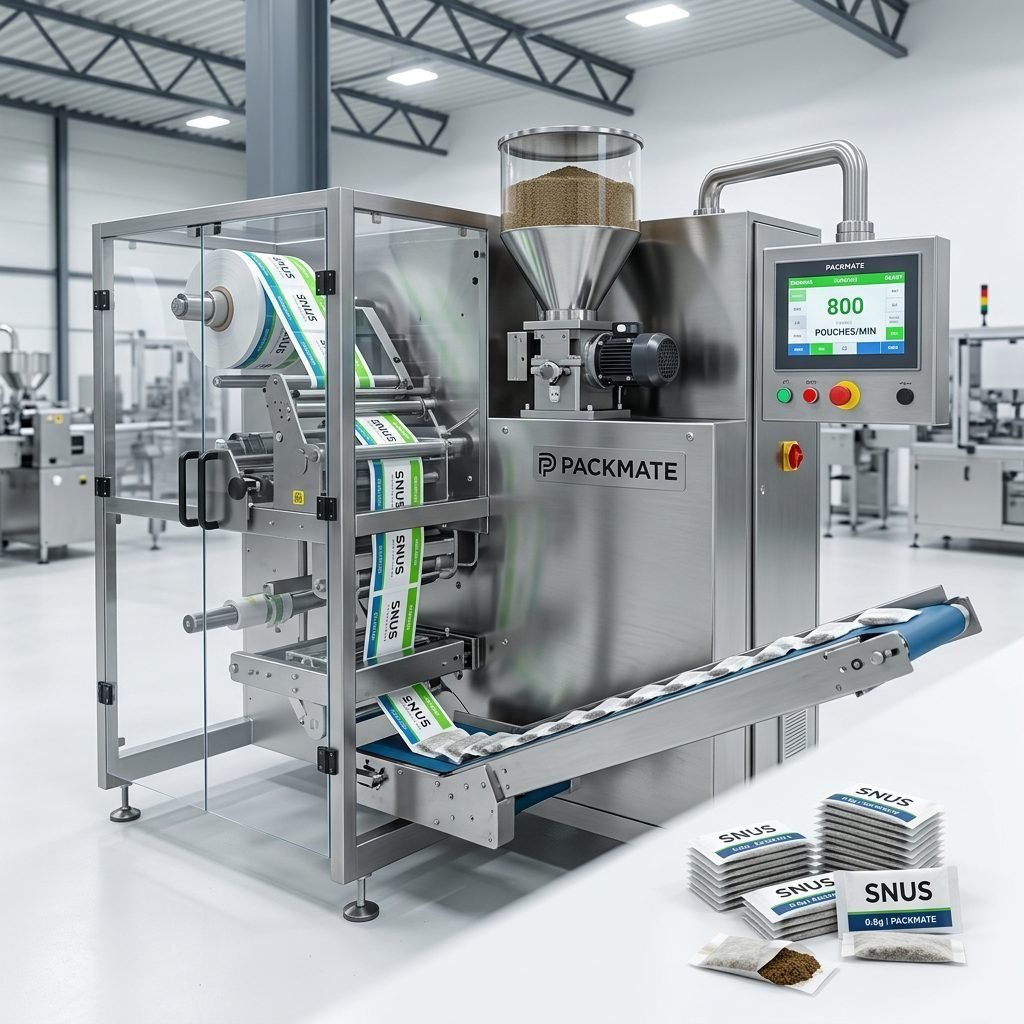
Look for a supplier that offers multiple models and turnkey solutions across snus, sachet, stick pack, and multi-lane lines. Broad product portfolios indicate better engineering resources and options to scale. Explore their product pages such as the Snus & Nicotine Packaging Machines and Bag & Pouch Packaging Machines to compare models and features.
Quality Control & Standards
Ensure machines comply with international quality standards (CE, ISO). Consistent quality control reduces downtime, lowers maintenance costs, and helps when exporting finished products.
Local Considerations for Angola
Angola is a Portuguese-speaking country with unique logistical and cultural factors that affect machine procurement and installation.
🇦🇴 Language & Communication — Portuguese is widely used in business. Contracts, manuals, and training translated or delivered in Portuguese will speed onboarding.
🛃 Import & Regulatory Landscape — Import tariffs, customs procedures, and health regulations for nicotine-containing products require careful planning. Collaborate with local customs brokers and consult legal counsel before shipping.
🔌 Site Conditions — Power stability, humidity, and workshop environment influence machine selection. Machines designed to tolerate tropical conditions or with protective housings are preferred.
🤝 Business Culture — Building trust with suppliers through in-person meetings or reliable references matters. Angolan partners value relationships and predictable timelines.
After-Sales Service, Training & Local Support
After-sales service is one of the most important differentiators among manufacturers. For Angola, prioritize suppliers that provide:
- Remote troubleshooting and quick spare parts shipment.
- On-site commissioning and operator training, ideally with Portuguese-speaking technicians.
- Comprehensive documentation and preventive maintenance schedules.
Why Turnkey Solutions Save Time
Turnkey suppliers integrate filling, weighing, pouch forming, and packaging into a cohesive line. This reduces integration risk and ensures compatibility between modules. If you plan to scale up production, a turnkey approach often yields a faster ramp-up and clearer warranty coverage.
Cost, Financing & Return on Investment
Evaluate not just the purchase price but the total cost of ownership: installation, spare parts, energy consumption, maintenance, and potential downtime. Higher initial investment in precision multi-lane systems can lead to better per-unit costs as volumes rise. Ask manufacturers for case studies or ROI models based on your projected throughput.
📈 Ask for references and documented cases of similar installations. Manufacturers often provide case pages that show production metrics — review them for realistic expectations.
(See real project examples under Case.)
Practical Steps to Select Your Manufacturer
Follow these actionable steps to narrow your choices and minimize risk:
Step 1 — Define Your Product & Volume
Determine pouch size, nicotine dose tolerance, and initial vs. target production volumes. This information will guide whether you need a single-lane starter line or a multi-lane high-throughput solution.
Step 2 — Shortlist & Request Demos
Shortlist manufacturers and request live demos or video trials. Confirm dosing accuracy, sealing integrity, production speed, and changeover times. If possible, ask for sample pouches produced with your exact formulation.
Step 3 — Check Factory & Support
Review the supplier’s factory capabilities, certifications, spare parts lead times, and training programs. Companies with comprehensive factories and global export experience are more likely to support long-term growth.
Negotiation & Contract Tips for Angolan Buyers
When finalizing a purchase, consider these contract clauses:
- Detailed acceptance testing criteria and sample approvals.
- Clear warranty terms, spare parts list, and lead times.
- Training responsibilities and language of instruction (Portuguese preference).
- Shipping terms (INCOTERMS), customs support, and documentation required for Angola.
- After-sales response time guarantees or service-level agreements.
Why Packmate Could Be a Strong Option
Based on industry profiles, a manufacturer with decades of focused experience in snus and nicotine pouch packaging, a large factory footprint, and a wide portfolio of machines is attractive for Angolan operations. Packmate Snus Machine — with 30+ years of engineering background, 20,000㎡ factory area, 50+ machine models, and advanced CNC & assembly systems — presents a compelling capability set for businesses seeking turnkey snus and nicotine pouch lines.
🔍 Explore their Snus & Nicotine Packaging Machines to evaluate model options and technical specs.
📄 Learn more About Packmate to understand company history, certifications, and manufacturing strength.
📂 Review real-world installations and success stories on their Case pages for reassurance on performance and reliability.
Site Preparation & Installation in Angola
Preparing your facility in advance shortens commissioning time. Key preparations include:
- Stable power supply or generator backup, with correct voltage and earth grounding.
- Climate control to reduce humidity effects on powders and electronics.
- Clear access for crate delivery and crane or forklift availability for heavy equipment.
- Qualified local electricians and technicians available during installation.
Final Checklist Before You Order
✅ Product specification confirmed (pouch size, dosing, packaging material)
✅ Demonstration or sample approval completed
✅ Warranty, spare parts, and training clauses agreed
✅ Logistics and customs documentation prepared for Angola
✅ After-sales response and language support confirmed
Useful Links & Resources
Learn more about different machine categories and services from manufacturers:
• Snus & Nicotine Packaging Machines
• Case
• Contact Us for detailed quotes and factory visits.
Conclusion
Selecting the best nicotine packaging machine manufacturer for your Angolan operation requires a balance of technical fit, factory capability, after-sales service, and understanding of local regulations and business culture. Prioritize suppliers with strong engineering experience, clear quality control, and proven export support. By following a structured evaluation—defining your product, requesting demos, confirming factory credentials, and preparing your site—you can minimize risk and accelerate your time-to-market.
Frequently Asked Questions
Q1: What certifications should I require from a nicotine packaging machine manufacturer for Angolan import?
A1: Aim for international standards such as CE and ISO to ensure safety and ease of export. Also request documentation for electrical compliance and material contact safety.
Q2: How important is local language support during installation and training?
A2: Very important — Portuguese-speaking training and manuals greatly reduce misunderstanding and accelerate operator competency in Angola.
Q3: Should I choose a single-lane or multi-lane machine for nicotine pouches?
A3: It depends on current and projected volumes. Single-lane machines are cost-effective for startups; multi-lane systems offer higher throughput and better long-term unit costs for scaling operations.
Q4: How can I verify a manufacturer’s claims about performance?
A4: Request live demos, video trials, or sample production runs with materials and formulas similar to yours. Ask for client references and documented case studies.
Q5: What are common pitfalls when importing packaging machines into Angola?
A5: Common issues include underestimated customs duties, incomplete documentation, inadequate local power planning, and lack of on-site training. Address these areas early to avoid delays.