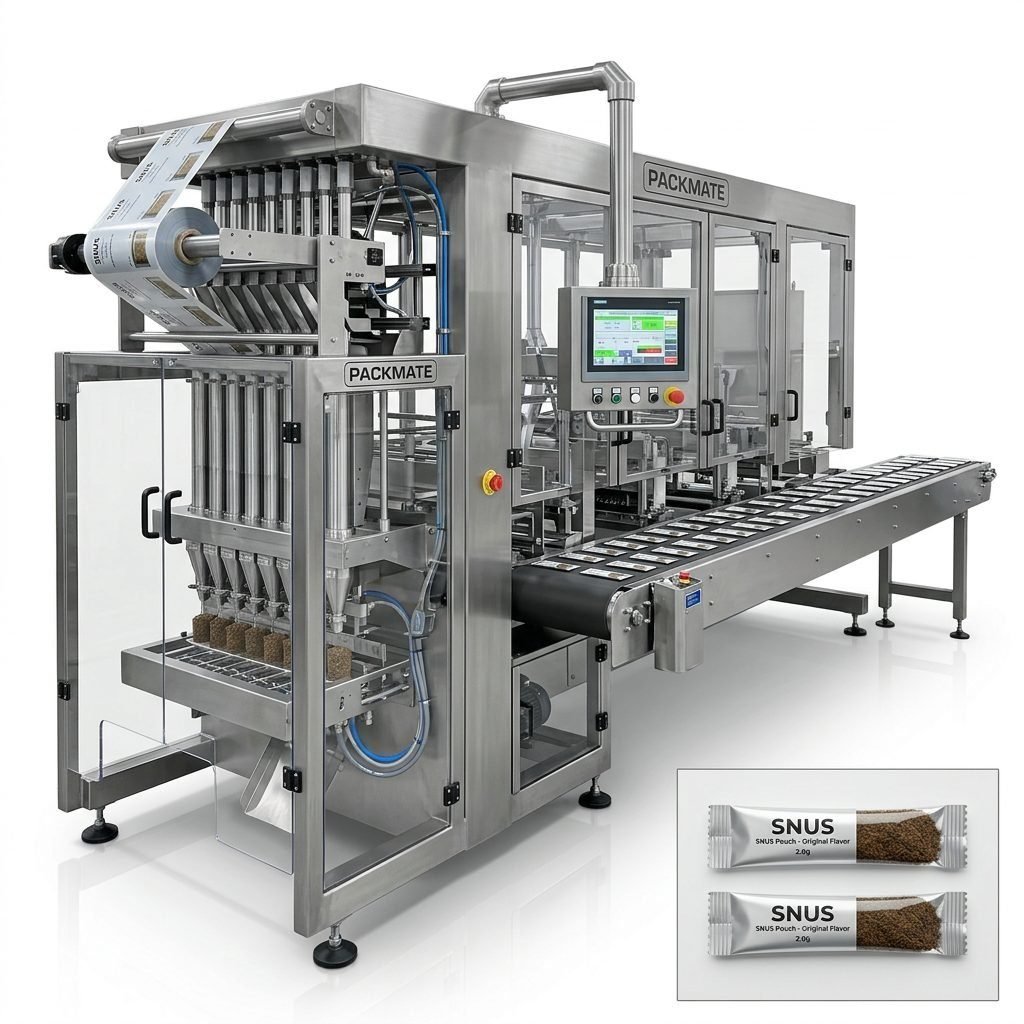
Choosing the right snus packaging machine manufacturer in Indonesia is a strategic decision that affects product quality, operational efficiency, regulatory compliance, and long-term profitability. Whether you are launching a local nicotine pouch brand or expanding an existing tobacco-alternative line, this guide walks you through practical criteria, local considerations, machine specifications, and vendor selection tips to ensure you select the best partner for your business.
Understand Local Market Context in Indonesia
Indonesia has a unique cultural and regulatory landscape for nicotine-related products. Traditional tobacco products are deeply rooted in local customs, but there is a growing interest among urban consumers for alternative nicotine products like snus and nicotine pouches. When evaluating manufacturers, consider their experience with Southeast Asian markets and ability to support flavors, packaging formats, and labeling that meet Indonesian consumer preferences and legal requirements.
Why Local Understanding Matters
⚠️ Regulatory compliance in Indonesia may differ from Europe or the US — manufacturers who know these nuances can help tailor printing, dosing, and tamper-evidence solutions.
✅ Consumer preferences (size, pouch texture, flavor labeling) vary regionally — a supplier familiar with local trends will reduce time-to-market.
Key Technical Features to Compare
When assessing snus packaging machines, focus on technical capabilities that directly impact throughput, product consistency, and flexibility. Below are essential areas to evaluate.
Production Capacity and Scalability
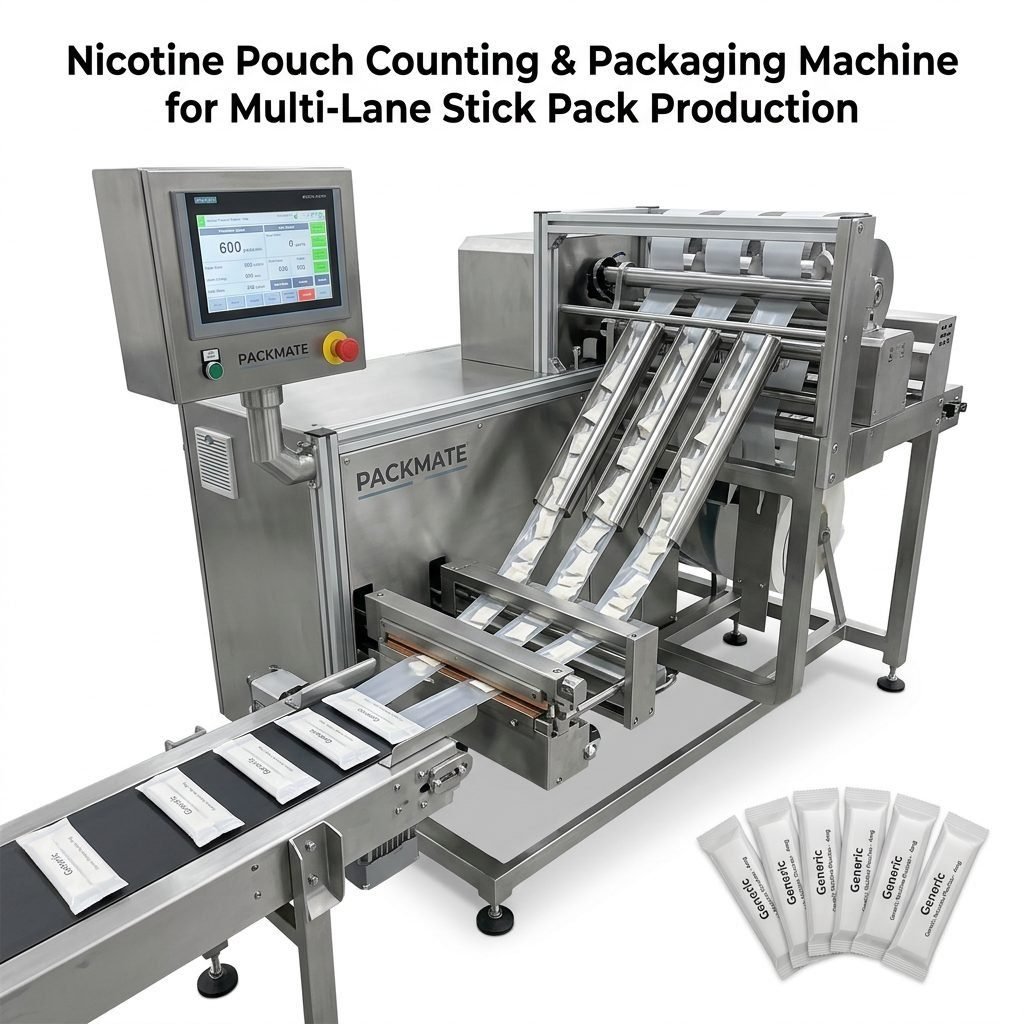
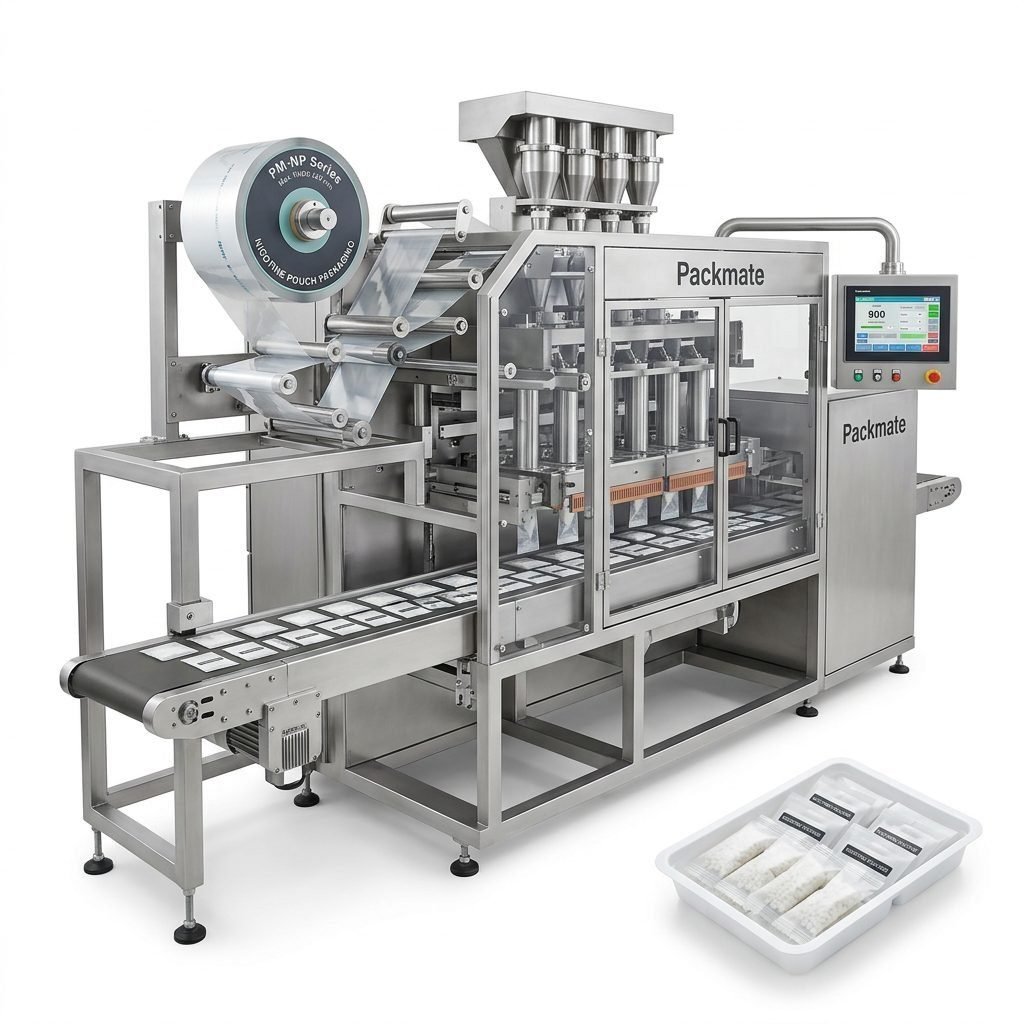
Look for rated cycle speeds (pouches/minute), multi-lane options, and upgrade paths. A machine that supports multi-lane production can multiply output without requiring more floor space — ideal for growing Indonesian brands targeting both urban and export markets.
Filling Accuracy and Dosing Options
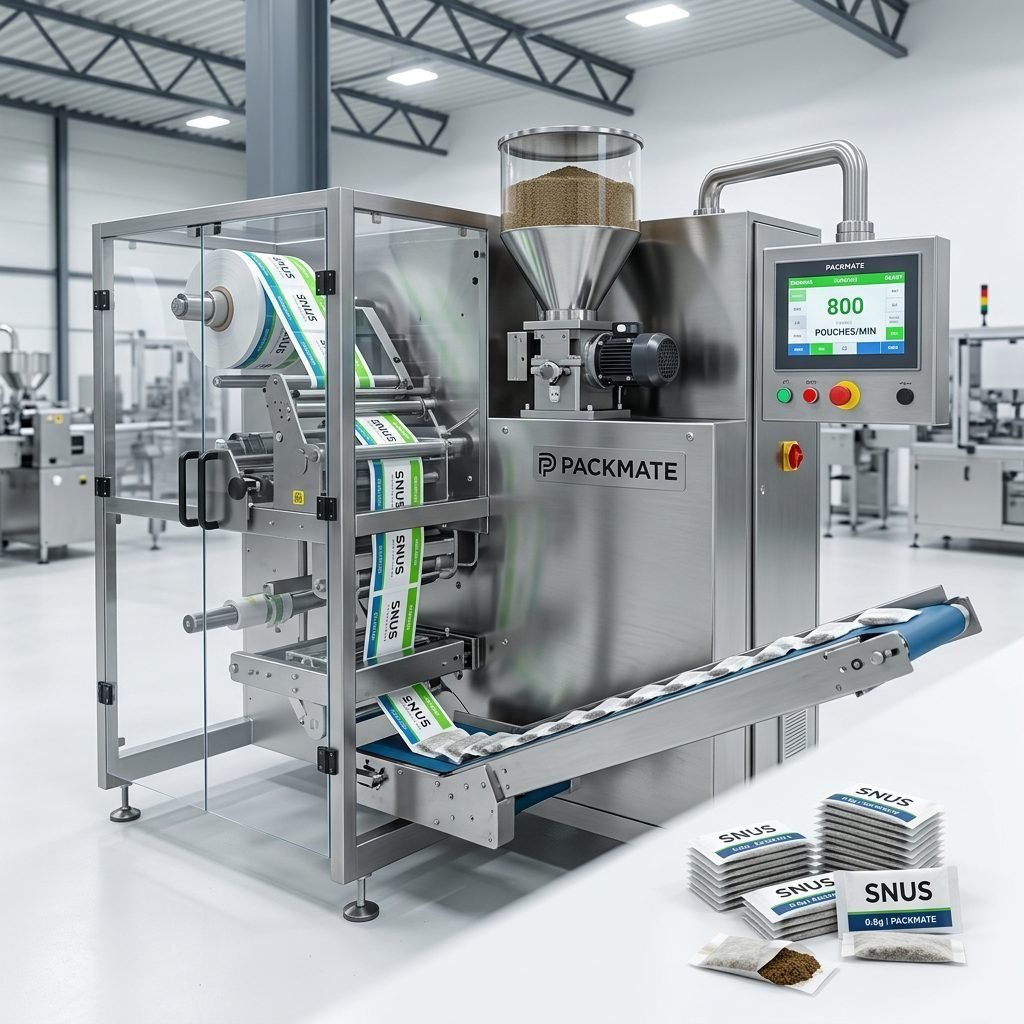
Accurate dosing ensures consistent nicotine levels and avoids regulatory issues. Check whether the manufacturer offers precision weighing systems, auger fillers, or volumetric dosing tuned for low-dose pouches.
Packaging Formats and Flexibility
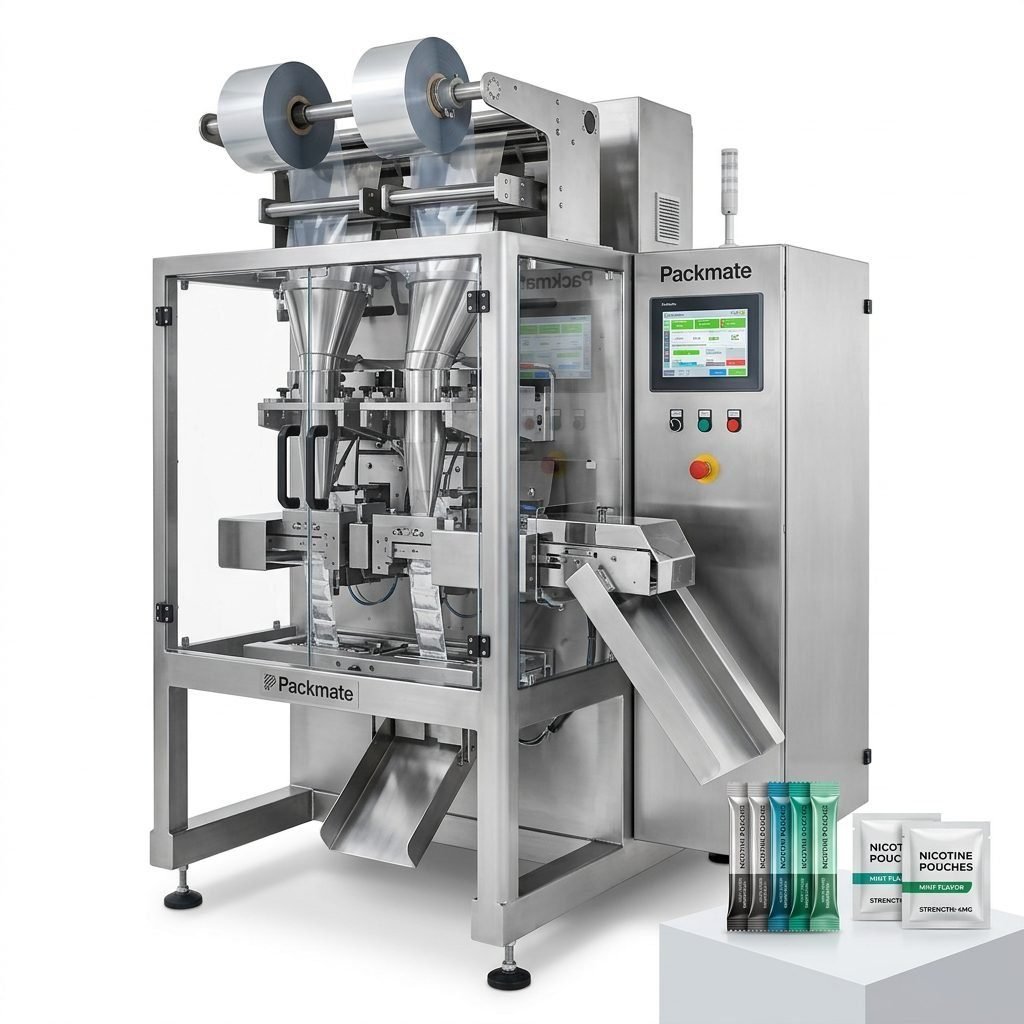
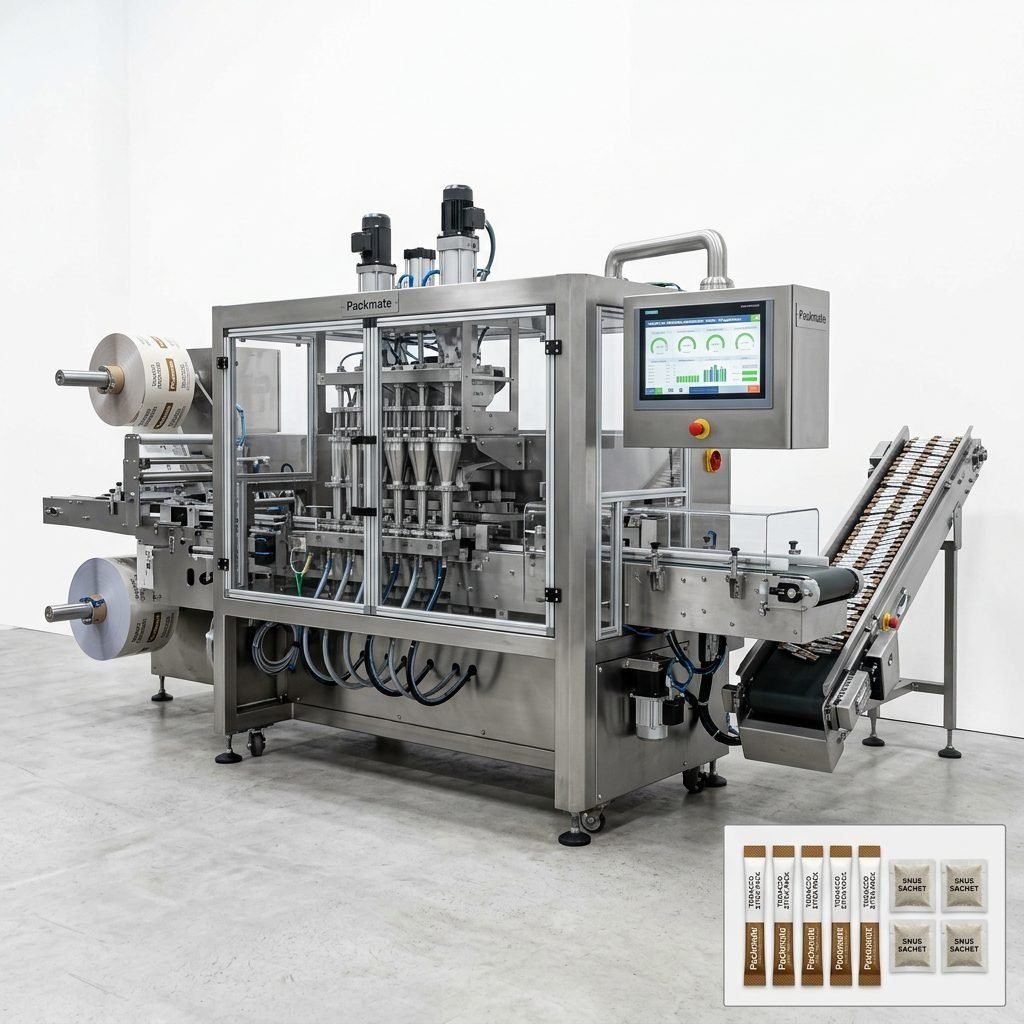
Your brand may require stick packs, sachets, or sealed pouches. A supplier offering multiple formats—such as stick pack and sachet lines—reduces the need to purchase entirely new equipment for product line extensions. Explore solutions like the multi-lane snus packaging systems for small-dose pouch productions that many advanced manufacturers provide.
Hygiene, Maintenance, and CIP
Machines designed with easy-clean features, stainless steel contact parts, and quick-change components will reduce downtime. Request documentation on maintenance intervals and common spare parts availability in Indonesia.
Quality, Certifications, and Factory Strength
The manufacturer’s factory capabilities and certifications are strong indicators of product quality and reliability. For importers and local producers in Indonesia, choose suppliers with proven manufacturing processes and internationally recognized certifications.
What to Verify
• Factory size and advanced equipment (e.g., CNC centers) indicate precision manufacturing.
• Certifications such as CE and ISO show compliance with international safety and quality standards.
• Availability of multiple machine models and customized turnkey solutions ensures the manufacturer can match your needs.
Service, Support and After-Sales in Indonesia
After-sales support is critical. Assess the manufacturer’s local representation, spare parts logistics, and ability to provide remote or on-site commissioning and training. A reputable supplier will offer installation guidance, operator training, preventive maintenance schedules, and rapid spare part shipments.
Spare Parts and Consumables Supply
Verify lead times for spare parts to Indonesia, stock policies, and whether they maintain regional warehouses. Manufacturers with global distribution networks or established partners reduce downtime risks significantly.
Training and Technical Documentation
Ask for training programs for local technicians and operators, plus comprehensive manuals in English (and preferably Bahasa Indonesia). Proper training reduces operator errors and improves throughput.
Cost Considerations and Total Cost of Ownership (TCO)
The lowest initial price may hide higher operating costs. Evaluate TCO, which includes installation, spare parts, consumables, energy consumption, maintenance labor, and expected machine lifetime.
TCO Checklist
• Energy efficiency and required utilities.
• Ease of maintenance and mean time between failures (MTBF).
• Availability and cost of spare parts.
• Upgradeability — can the line be expanded to add lanes or new formats?
Customization and Turnkey Solutions
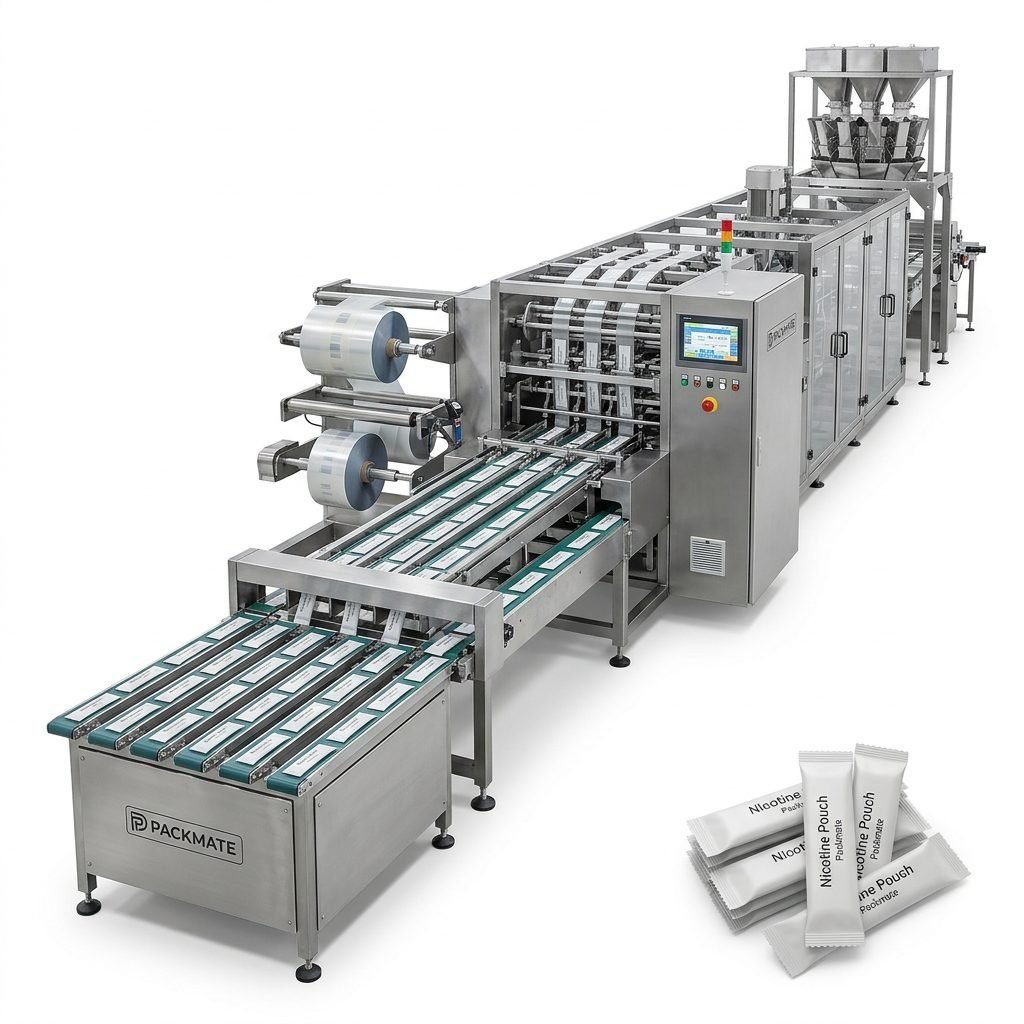
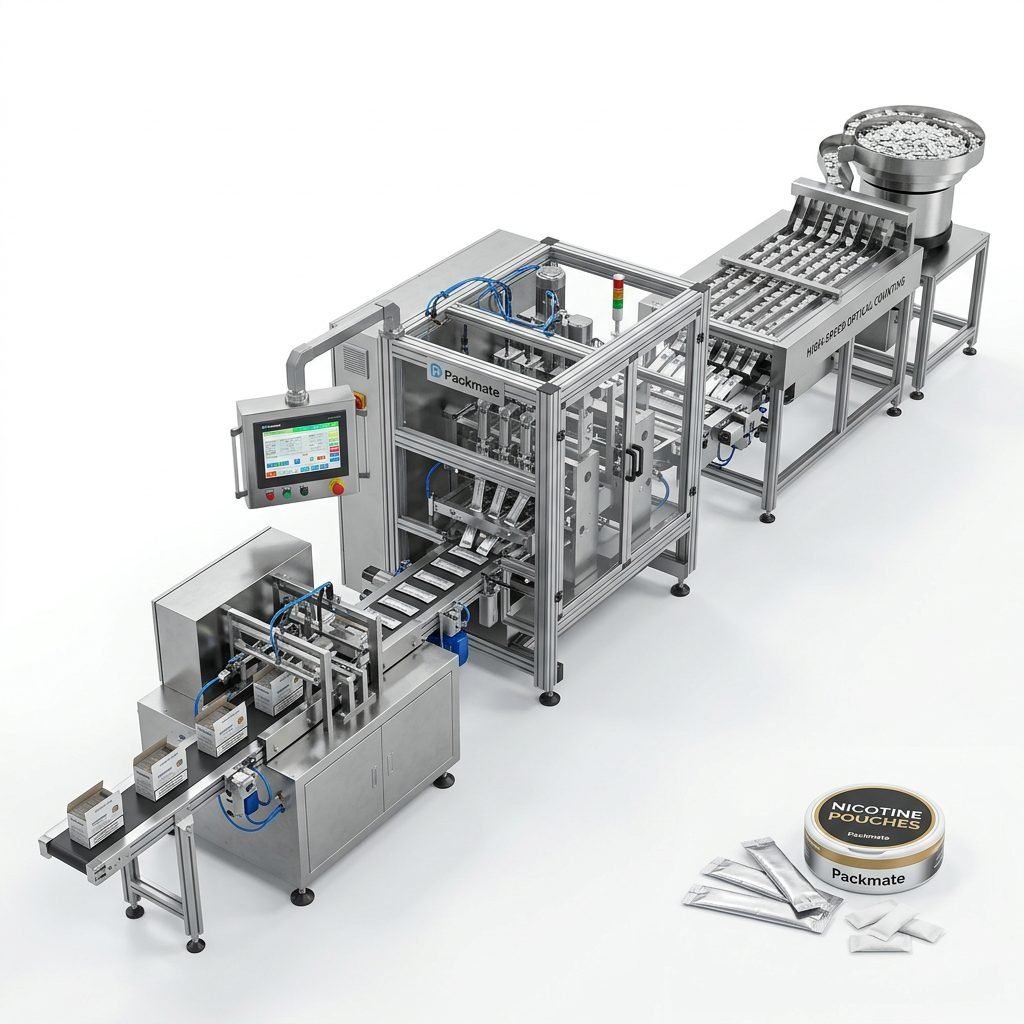
Many manufacturers offer turnkey production lines that integrate filling, weighing, sealing, and packing into secondary packaging. If you plan to scale or target exports, a turnkey partner can design a production line optimized for compliance, efficiency, and product quality.
Integration with Ancillary Equipment
Confirm compatibility with weighing systems, conveyors, metal detectors, and secondary packaging machines. Suppliers that provide complementary equipment—like weighing & packaging systems and auxiliary packaging equipment—simplify integration and reduce compatibility risks.
Factory Visits, Case Studies and References
A factory visit (virtual or in-person) helps validate production claims. Request case studies and references from manufacturers operating in similar markets. Look for performance metrics, uptime records, and client testimonials.
Ask for Demonstrations
📌 Request live demonstrations or videos of the exact model you plan to buy.
📌 Check third-party factory acceptance tests (FAT) and site acceptance tests (SAT) documentation.
📌 Review customer cases similar to your production volume — this builds confidence in performance claims.
Negotiation Tips and Contracts
Negotiate terms that protect your business: clear delivery schedules, acceptance criteria, warranty coverage, spare parts commitments, and training. Ensure responsibilities for import duties, customs clearance, and local installation are well defined.
Warranties and Performance Guarantees
Secure written guarantees for machine performance, uptime, and acceptance criteria. Define penalties or remediation steps if the machine fails to meet agreed specifications during SAT.
Why Packmate Snus Machine Is Worth Considering
An experienced manufacturer with 30+ years of engineering heritage, a 20,000㎡ factory, advanced CNC machining centers, and 50+ machine models can deliver both standard and customized solutions. Companies with this profile typically provide robust turnkey offerings suited for the Indonesian market, including multi-lane systems and precision dosing for low-dose nicotine pouches.
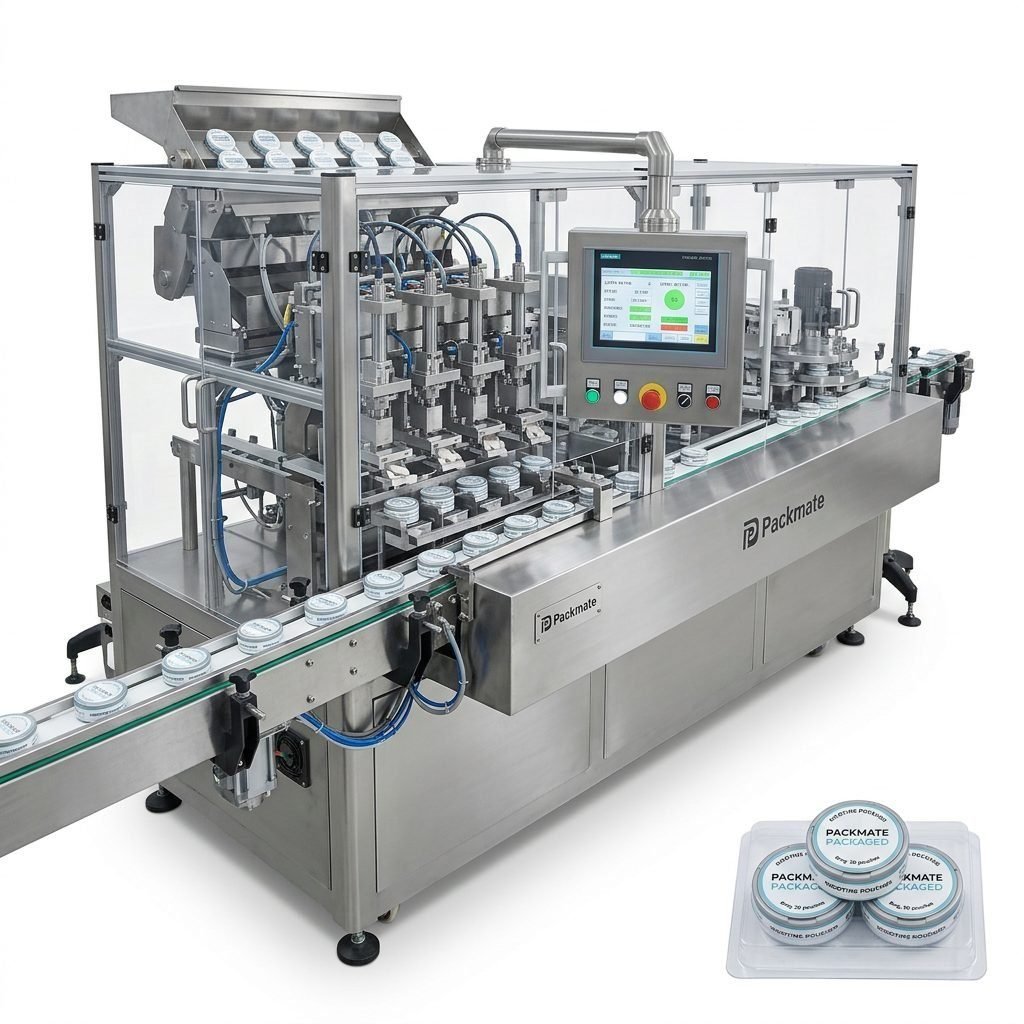
For more details on specific machine types and solutions, review product pages like Snus & Nicotine Packaging Machines, Sachet & Stick Pack Machines, and the Weighing & Packaging Systems offered by established suppliers.
Local Considerations: Customs, Import and Cultural Norms
Indonesia’s bureaucratic and logistical environment requires careful planning. Partner with vendors experienced in international shipments, customs documentation, and local installation. Respect cultural business practices: building trust through local representatives, offering clear bilingual documentation, and arranging timely training will smooth the partnership.
Practical Steps for Importing Machines to Indonesia
• Confirm HS codes and import duties.
• Clarify responsibilities for freight, insurance, and customs clearance (Incoterms).
• Arrange for local installation engineers or ensure remote commissioning support.
• Ensure manuals and software are provided in English and Bahasa where possible.
Checklist: Questions to Ask Potential Manufacturers
Use this checklist during vendor evaluation, RFQ, or site visits to ensure you cover technical, commercial, and service aspects.
Vendor Evaluation Checklist
1. What is the machine’s rated speed and real-world throughput?
2. Do you provide multi-lane options and easy format changeovers?
3. What are the warranty terms and spare parts lead times?
4. Can you provide FAT/SAT documentation and client references in the region?
5. Are CE/ISO certifications available and relevant test certificates?
6. Do you offer turnkey solutions including auxiliary equipment and integration?
Making the Final Decision
Balance technical capability, service responsiveness, total cost of ownership, and cultural fit. Prioritize vendors who demonstrate technical transparency, provide strong references, and offer robust after-sales support. Request trial runs or sample production to confirm pouch appearance, dosing precision, and sealing quality before final purchase.
Next Steps After Selection
• Finalize contract with clear delivery, warranty, and acceptance terms.
• Schedule FAT and agree on acceptance benchmarks.
• Arrange logistics, customs, and installation timelines.
• Plan operator training and preventive maintenance programs.
Useful Resources and Further Reading
For more company-level information and examples of packaging lines, check manufacturer resources and case pages to compare real-world deployments and machine configurations. Explore the manufacturer’s About page and case studies to better understand capabilities and past projects.
Helpful links: About Packmate, Case studies, and Contact Us for inquiries and exhibition schedules.
Conclusion
Selecting the best snus packaging machine manufacturer for your Indonesian business requires careful evaluation of technical features, certifications, factory strength, after-sales support, and respect for local market nuances. Prioritize partners who offer proven multi-format experience, reliable service, and transparent TCO assessments. With the right supplier, you can build a scalable, compliant, and efficient production line that supports both local growth and export ambitions.
Frequently Asked Questions
Q1: How long does it take to deliver and install a snus packaging line to Indonesia?
A1: Typical lead time depends on customization; standard models may ship in 8–12 weeks, while turnkey lines take longer. Factor in shipping, customs clearance, and on-site installation which can add several weeks.
Q2: What certifications should I expect from a reputable manufacturer?
A2: Look for CE and ISO certificates as baseline indicators of safety and quality. Also request test reports, FAT documentation, and material compliance records.
Q3: Are multi-lane machines suitable for small brands in Indonesia?
A3: Yes. Multi-lane machines allow small-dose pouch production at higher throughput; they are space-efficient and can be cost-effective as demand grows.
Q4: How do I ensure ongoing spare parts availability locally?
A4: Negotiate spare parts agreements, verify lead times, and consider vendors with regional partners or warehousing to minimize downtime.
Q5: Can I get a turnkey solution that includes auxiliary equipment?
A5: Many experienced manufacturers provide full lines including weighing, conveyors, and auxiliary equipment. Confirm integration scope and service responsibilities in the contract.