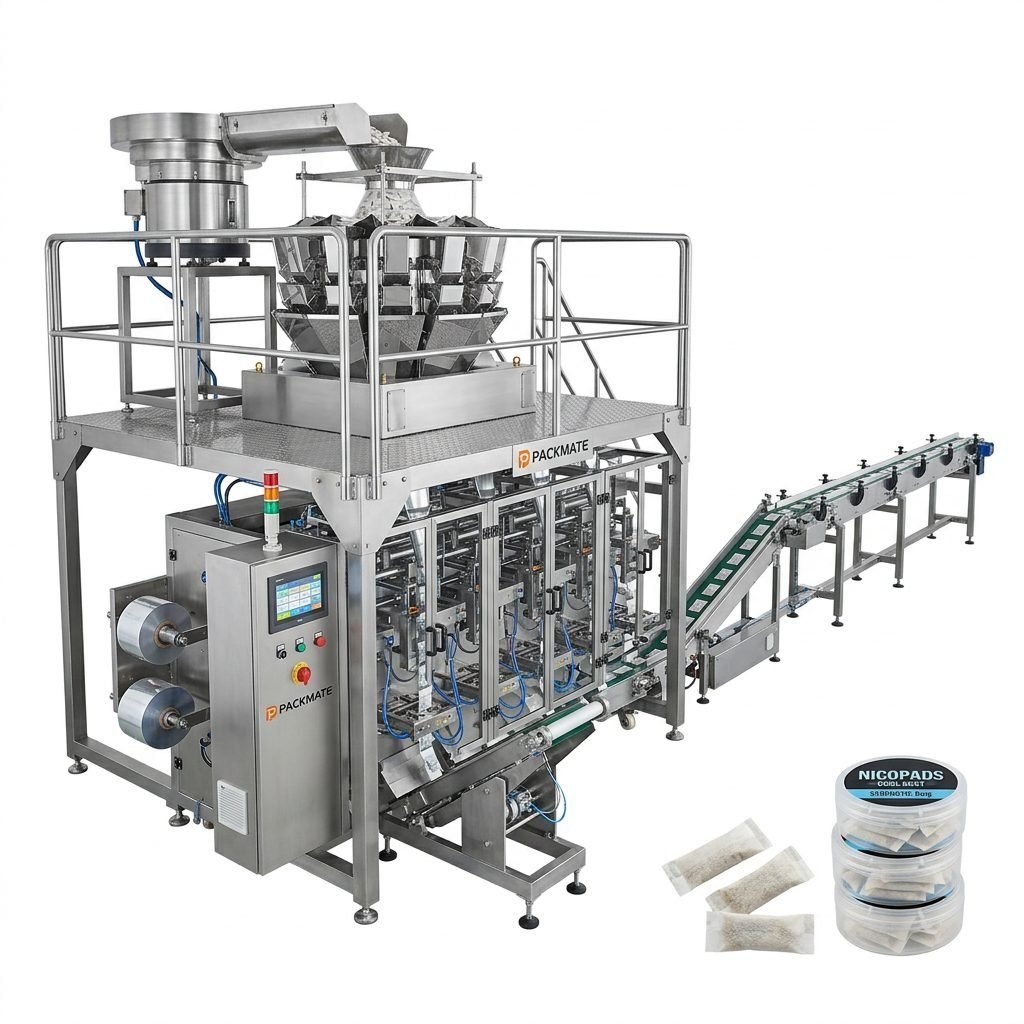
If you’re planning to set up or upgrade a snus or nicotine pouch production line in Algeria, choosing the right packaging machinery manufacturer is critical. Algeria’s market has its own commercial habits, regulatory environment and logistical realities — from the need for bilingual labeling (Arabic and French) to handling coastal humidity and customs clearance in Algerian ports. This guide walks you through practical, factory-level criteria and local considerations so you can select a supplier who delivers reliable machines, fast support, and a scalable investment.
Understand Your Production Needs First
Start with a clear specification of your requirements: target annual volume, pouch formats (stick pack, sachet, multi-lane pouches), fill materials (powder, granular, nicotine pouch matrix), and packaging materials (barrier films, foil-laminates). In Algeria, demand may favor small- to medium-batch flexibility because local retailers often require diverse SKU sizes and bilingual packs. Prioritizing flexibility helps you avoid over-investment in rigid systems.
Key checklist items
• Production speed (pouches/minute) • Lane count (single vs multi-lane) • Fill accuracy and dosing system • Integration with weighing and feeding lines • OEE and uptime targets • Compliance with CE/ISO certifications.
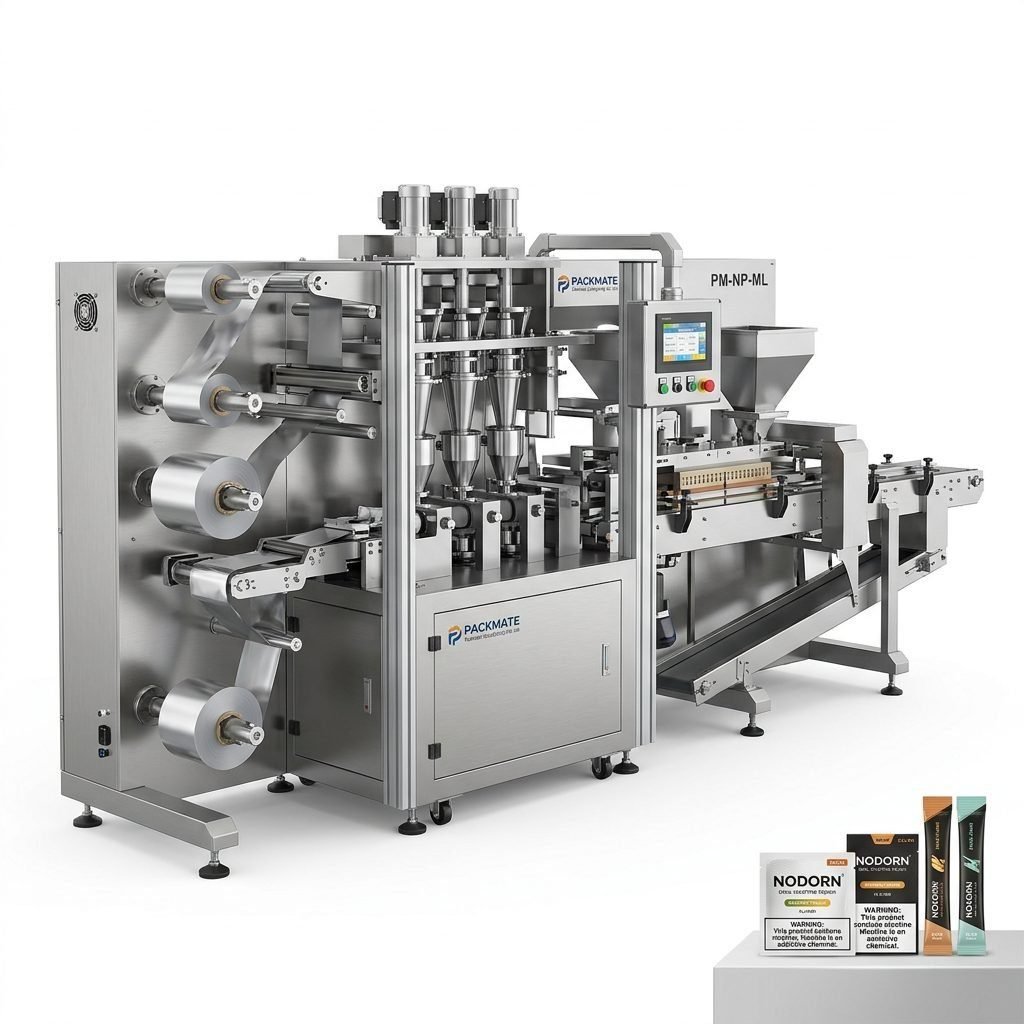
🔴 Tip: For nicotine pouches, choose machines with precise multi-head dosing and stable pouch sealing controls to maintain product weight consistency and shelf life in Algeria’s variable climate.
Why Manufacturer Experience and Factory Strength Matter
Experience shows in machine reliability, spare-parts availability and the ability to deliver turnkey lines. A manufacturer with a strong factory footprint, advanced CNC capabilities and quality testing is far more likely to supply robust equipment and localize spare parts for Algerian customers. Look for documented timelines and project history to verify claims.
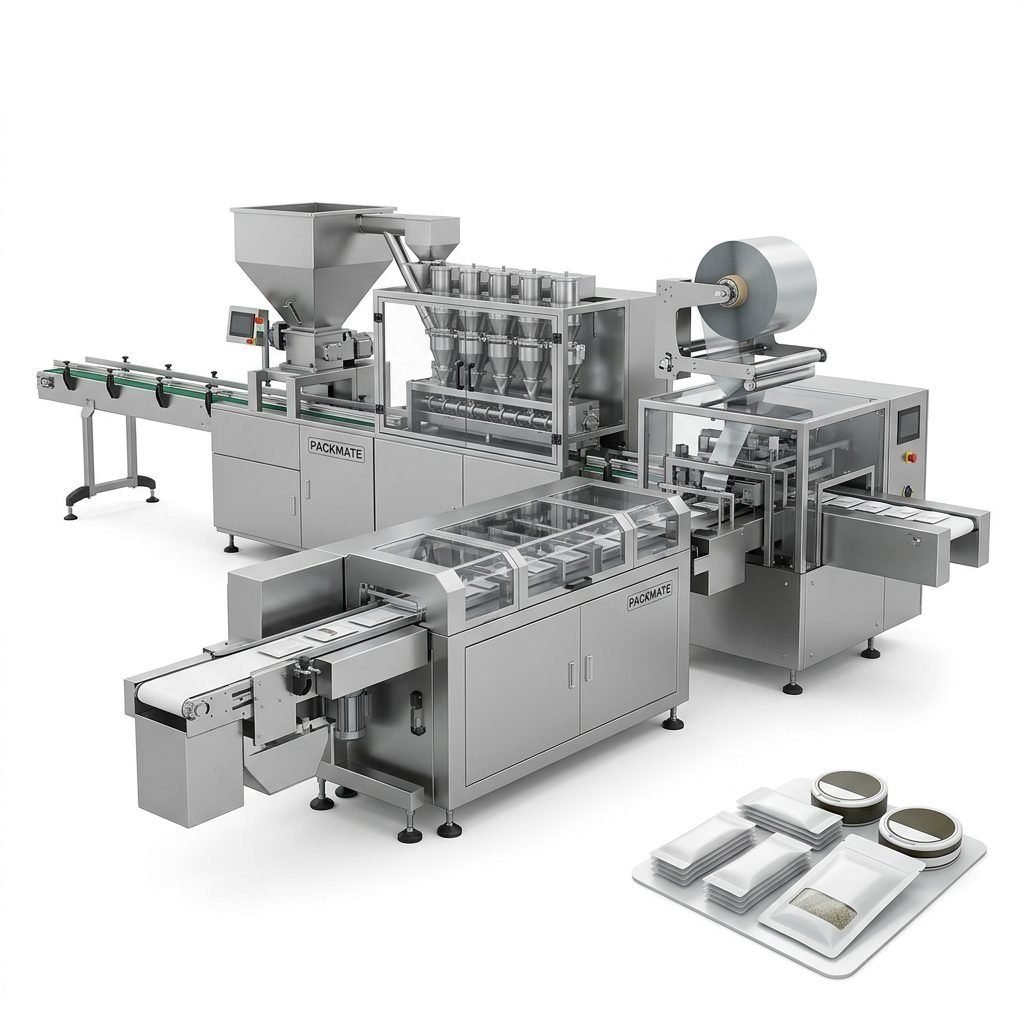
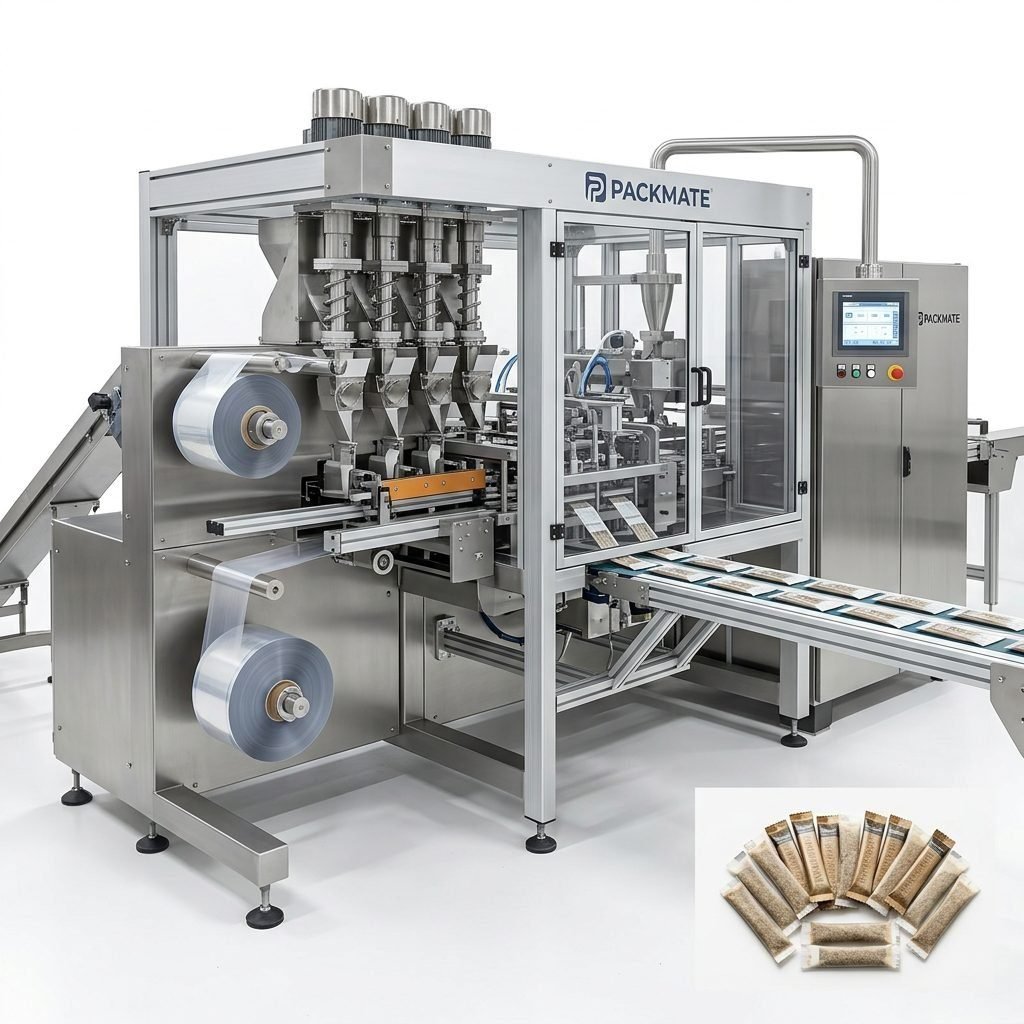
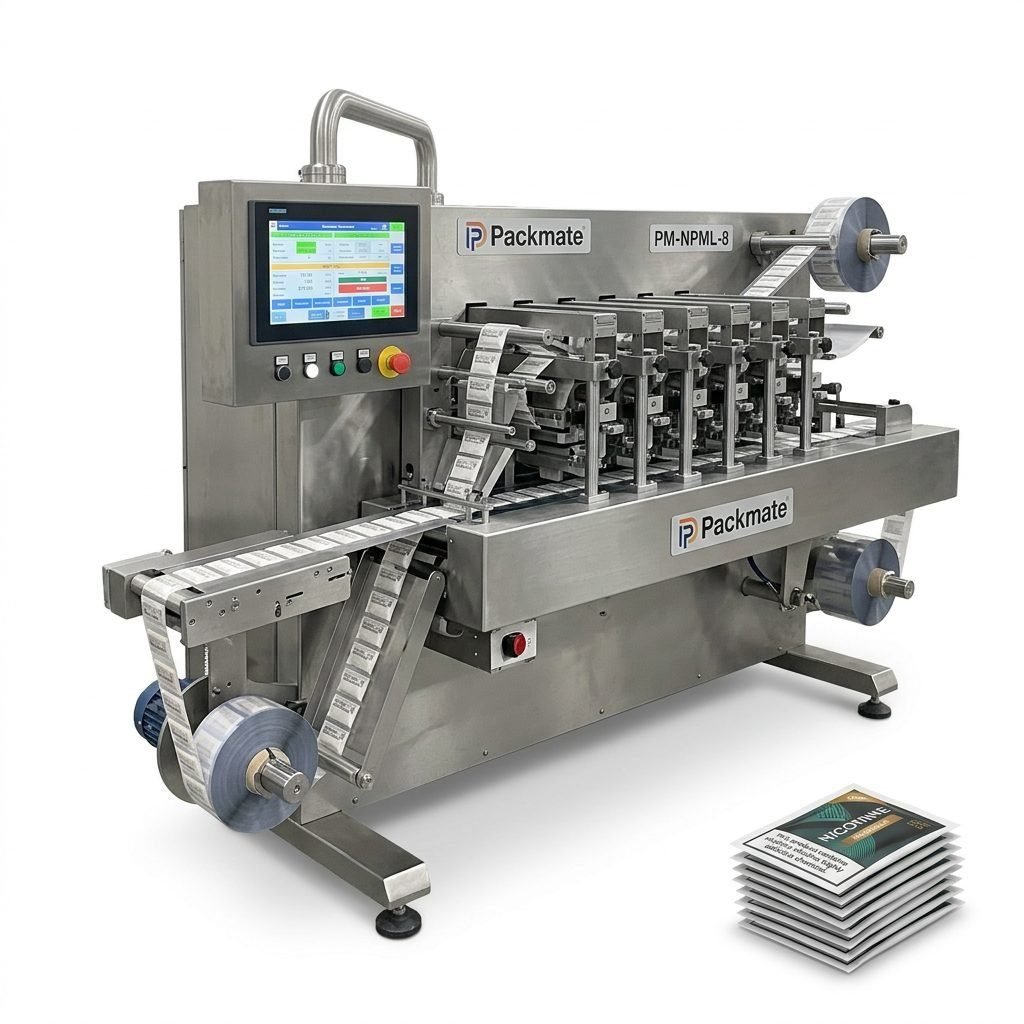
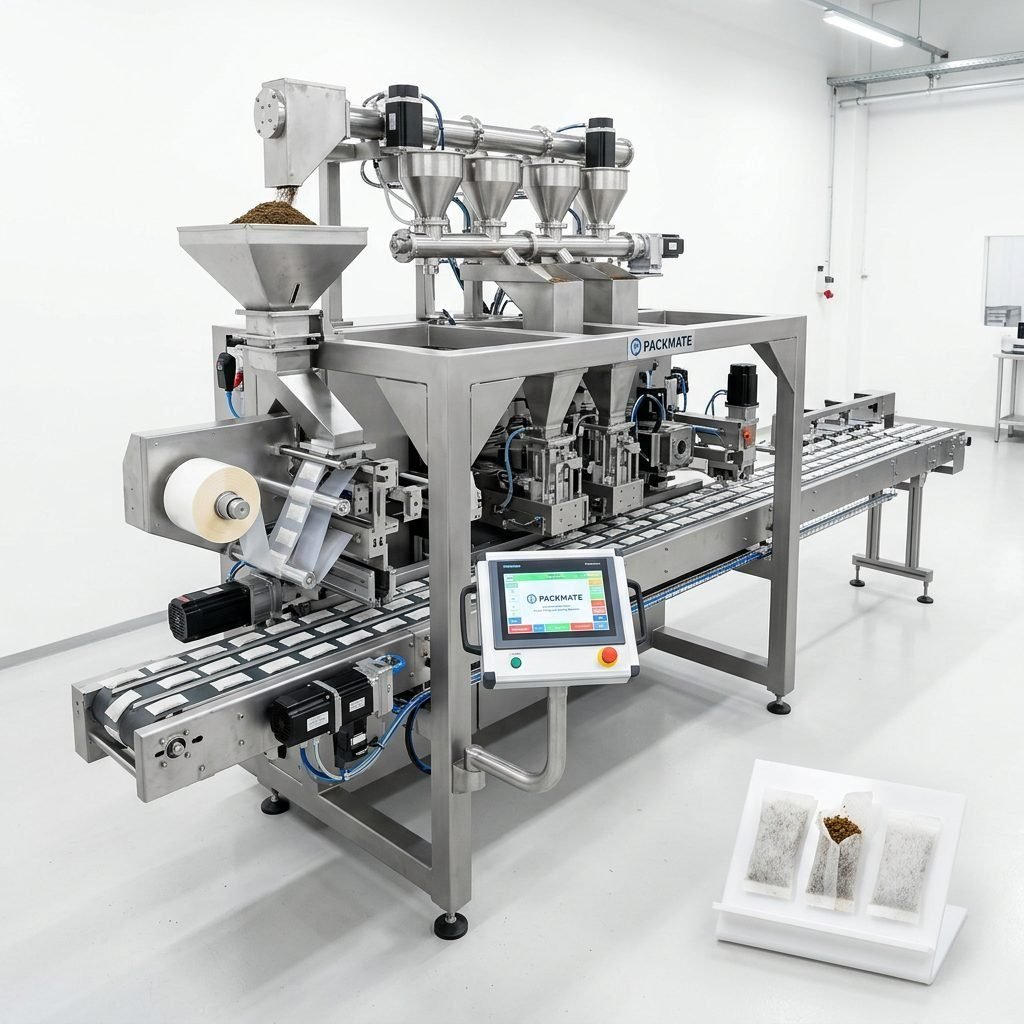
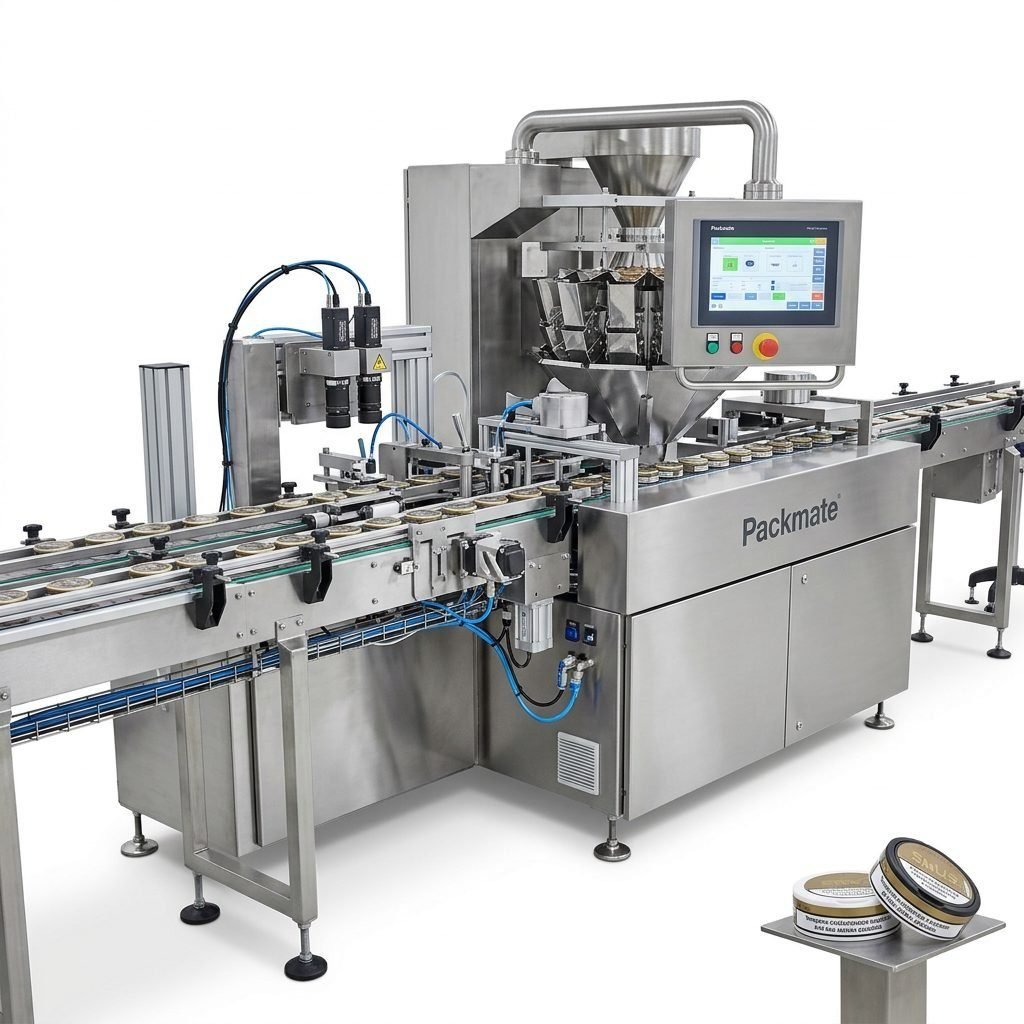
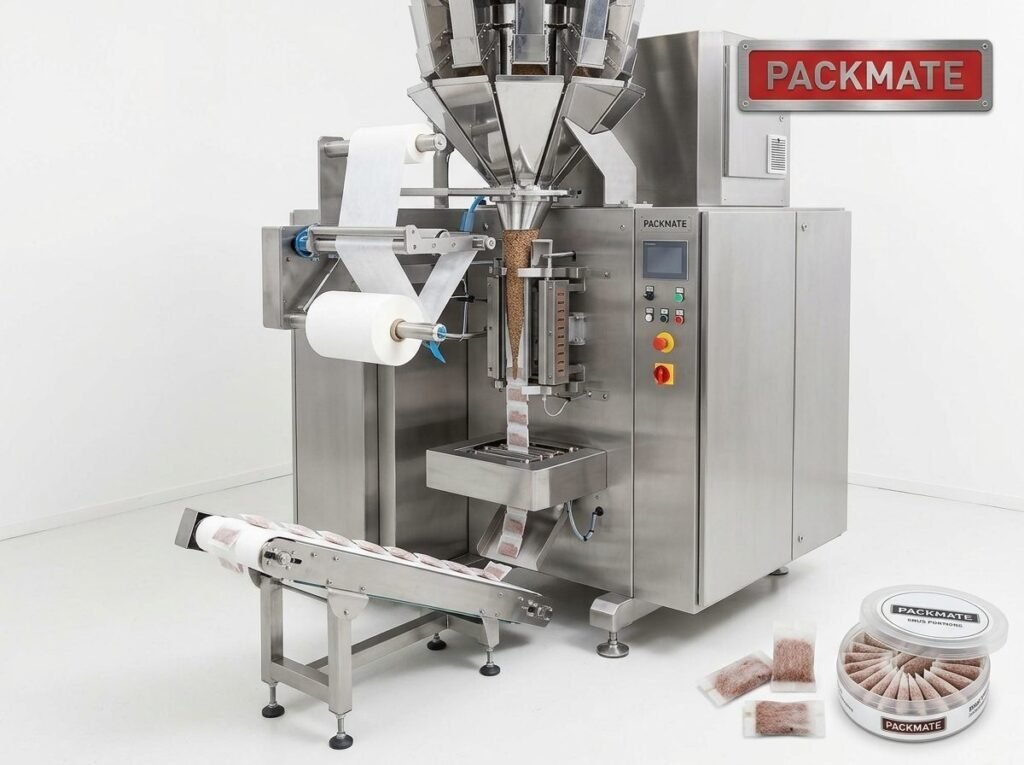
Packmate Snus Machine, for instance, has over 30 years of engineering experience and a 20,000㎡ factory, which translates to faster customization and high-precision manufacturing. Exploring manufacturers like these can be a practical first step: About Packmate.
Factory capabilities to verify
• Advanced CNC machining centers • Precision assembly lines • In-house QA/testing labs • Ability to supply 50+ machine models and custom turnkey solutions • CE and ISO compliance.
Consider Local Algerian Market and Cultural Factors
Algeria’s primary languages are Arabic and French. Packaging labels, safety warnings, and instructions often need bilingual printing. Work with a manufacturer who understands label positioning, printing pre-press options and can advise on artwork adjustments. Additionally, coastal humidity and storage conditions can affect pouch sealing and shelf life – choose machines with adjustable sealing temperature and quality control sensors.
⚠️ Important: Ensure the supplier provides guidance for shelf-life testing and offers sealing solutions for foil-laminated films to withstand Algeria’s humid coastal regions.
After-Sales Support: The Deciding Factor
Local availability of technical support, spare parts and training can make or break your operation. Ask prospective manufacturers about:
Essential after-sales questions
• Do they provide spare parts kits and recommended spare lists? • Can they train Algerian operators onsite or remotely? • Are there local agents or partners for faster parts delivery? • What warranty and service level agreements are offered?
A manufacturer with global turnkey experience typically has established remote guidance protocols and documentation. See examples of product lines and services at Snus & Nicotine Packaging Machines and Service.
Technical Features to Prioritize
When evaluating technical specs, prioritize these features for nicotine pouch/snус production:
• Precise multi-head dosing and low-variance weighing systems • Multi-lane capability for higher throughput and smaller footprint • Servo-driven motion control for repeatability • High-quality sealing jaws with temperature control • In-line metal detection and weight inspection integration • Quick-change tooling for SKU flexibility.
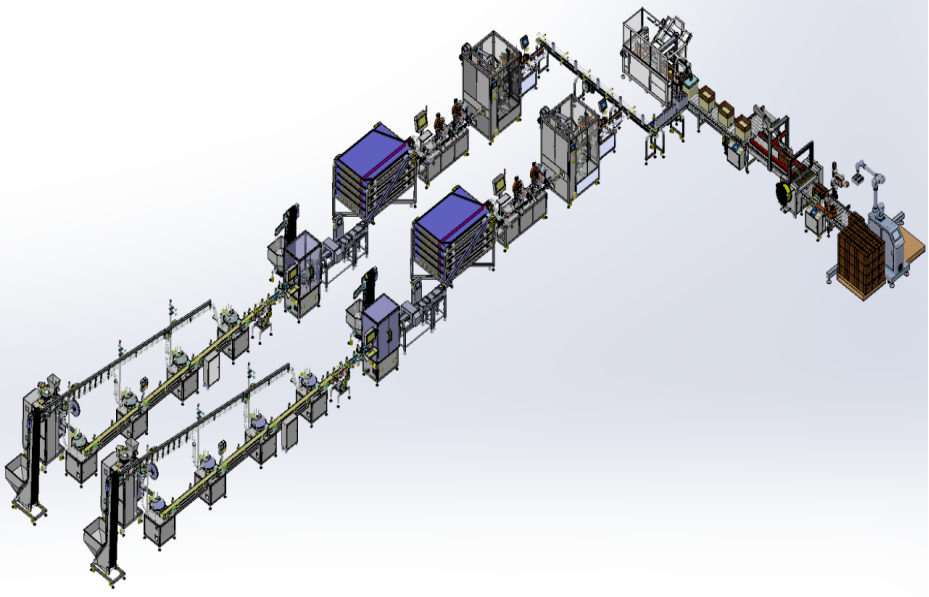
📌 Note: Machines that integrate with auxiliary equipment like feeders, check weighers and case packers reduce the complexity of sourcing and integration. Explore combined systems at Weighing & Packaging Systems.
Quality Certifications and Compliance
Regulatory compliance is vital. While Algeria has local regulations, choosing equipment that meets international standards (CE, ISO) ensures safety and easier cross-border trade. Request certification documents and test reports. Also confirm that electrical components are compatible with Algerian power systems or ask about transformer options.
Total Cost of Ownership (TCO) vs Purchase Price
The lowest upfront cost can lead to higher expenses in downtime and consumables. Evaluate:
• Mean time between failures (MTBF) • Energy consumption • Spare parts lead time and cost • Training and commissioning fees • Resale value and modular upgrade paths.
💡 Pro Tip: Ask for a reference list or case studies. Manufacturers with a strong track record in nicotine pouch lines can demonstrate machines with higher uptime and predictable operating costs. See customer cases: Case.
Logistics, Installation and Commissioning in Algeria
Plan the import, customs clearance and installation process in advance. Algeria’s import procedures can be time-consuming; having a manufacturer who assists with documentation and freight planning reduces delays. Confirm whether the supplier can provide:
• Crating and export-ready packaging • Documentation for customs and CE/ISO certificates • Onsite engineers for commissioning or remote commissioning plans • Training materials and spare parts lists.
Customization and Future-Proofing Your Line
Your factory should be ready for SKU expansion. Confirm the manufacturer supports modular upgrades (more lanes, higher speeds, or different pouch types) without full machine replacement. Manufacturers offering a wide portfolio — from stick pack and sachet machines to auxiliary equipment — can streamline compatibility: Sachet & Stick Pack Machines and Auxiliary Packaging Equipment.
Factory Acceptance Test (FAT) and Site Acceptance Test (SAT)
Insist on a FAT before shipment to verify performance against agreed KPIs. A credible supplier will run trials using your materials or close equivalents and provide full documentation. Plan for a SAT after installation in Algeria to confirm integration with your upstream/downstream systems.
📞 Support Reminder: Verify availability of technical representatives for SAT and have a clear escalation path for post-commissioning issues. Contact details should be confirmed in the contract: Contact Us.
Making the Final Decision: Scorecard Approach
Create a weighted scorecard covering:
• Technical capability (30%) • After-sales & spare parts (25%) • Compliance & documentation (15%) • TCO and warranty (20%) • Local support & logistics (10%).
Vendors that score consistently high across these areas are the best candidates for a long-term partnership.
Where to See Machines Live and Get Demonstrations
Attend regional trade shows or global exhibitions where suppliers demonstrate equipment. Live demos help you evaluate machine stability, format changeover speed, and noise/vibration levels. Check exhibitor schedules and arrange factory visits if possible: Our Exhibition.
Final checklist before signing
• Verified FAT and sample runs • Clear warranty and SLA terms • Detailed spare parts list and lead times • Training plan and documentation • Export/installation support included in the contract.
📦 In short: Choose a manufacturer that balances technical excellence, strong factory support, and clear after-sales service. Suppliers with full-line capabilities reduce integration risks and shorten time-to-market.
Useful Resources
For more detailed product exploration and catalogs, review manufacturer product suites and documentation such as Catalog and technical product pages for packaging lines including filling & packaging lines: Filling & Packaging Lines.
Common Questions (FAQ)
Q1: How long does commissioning typically take for a medium-capacity snus line in Algeria?
A1: Commissioning usually takes 2–7 working days on-site depending on complexity, plus additional time for operator training and SAT. Remote pre-commissioning can shorten onsite time.
Q2: Are spare parts easy to source locally in Algeria?
A2: It depends on the manufacturer. Choose suppliers with documented spare parts supply chains or regional partners to minimize downtime.
Q3: What packaging formats are most cost-effective for new Algerian brands?
A3: Multi-lane pouch formats and stick packs offer a balance of throughput and flexibility. Smaller batch sizes may favor sachet systems until demand scales.
Q4: Do I need CE/ISO-certified equipment for Algeria?
A4: While local regulations vary, CE/ISO certifications ensure international safety and quality standards and simplify export and financing approvals.
Q5: How can I evaluate a supplier’s real performance before purchase?
A5: Request FAT videos, reference customers, case studies and sample runs with your materials. A trustworthy supplier will provide transparent evidence and allow factory visits or live demos.