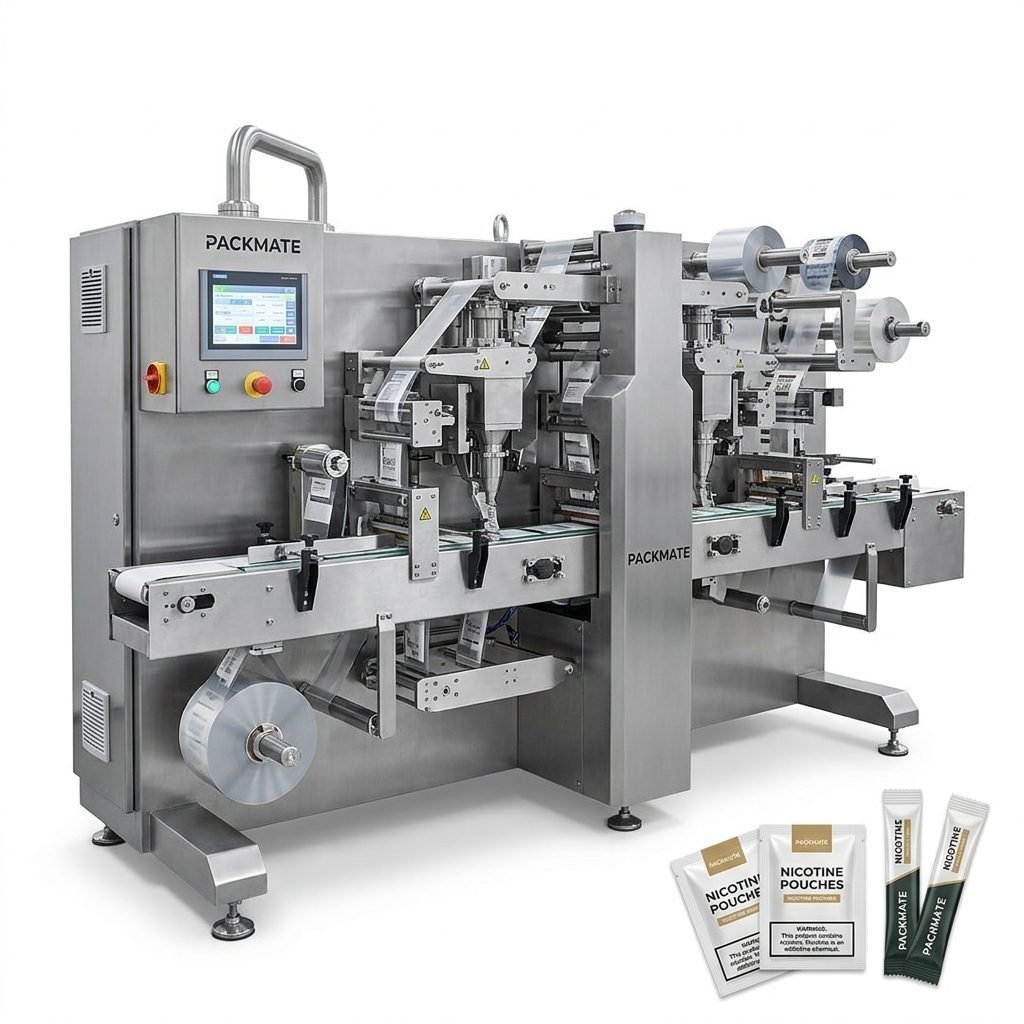
Choosing the right nicotine packaging machine supplier in Guinea is a crucial step for any business looking to scale production, maintain quality, and comply with regulations. Whether you are launching a local nicotine pouch brand or expanding distribution across West Africa, understanding supplier capabilities, local market habits, and long-term support options will save time and money. This guide walks you through the practical steps, evaluation criteria, and cultural considerations specific to Guinea to help you make an informed decision.
Understand the Guinea Market Landscape and Consumer Habits
Before you shortlist suppliers, consider the local context in Guinea. Tobacco and nicotine product usage varies by region, and for nicotine pouches and snus-type products, urban centers such as Conakry tend to lead demand. Local purchasing behaviors often favor affordable, small-quantity packs for convenience and discreet consumption. Distribution channels are often a mix of small retailers, pharmacies, and emerging online marketplaces.
Packaging preferences in Guinea often reflect cultural priorities: portability, clear labeling in French (the official language), and robust packaging that survives humid coastal conditions. Suppliers who can customize labeling, multi-language instructions, and moisture-resistant materials will have an advantage.
Key local considerations
📌 Market note: Prioritize suppliers who understand West African logistics, provide clear documentation in French, and can advise on humidity-resistant film and seal methods to keep nicotine pouches fresh in Guinea’s climate.
Define Your Production Needs and Technical Requirements
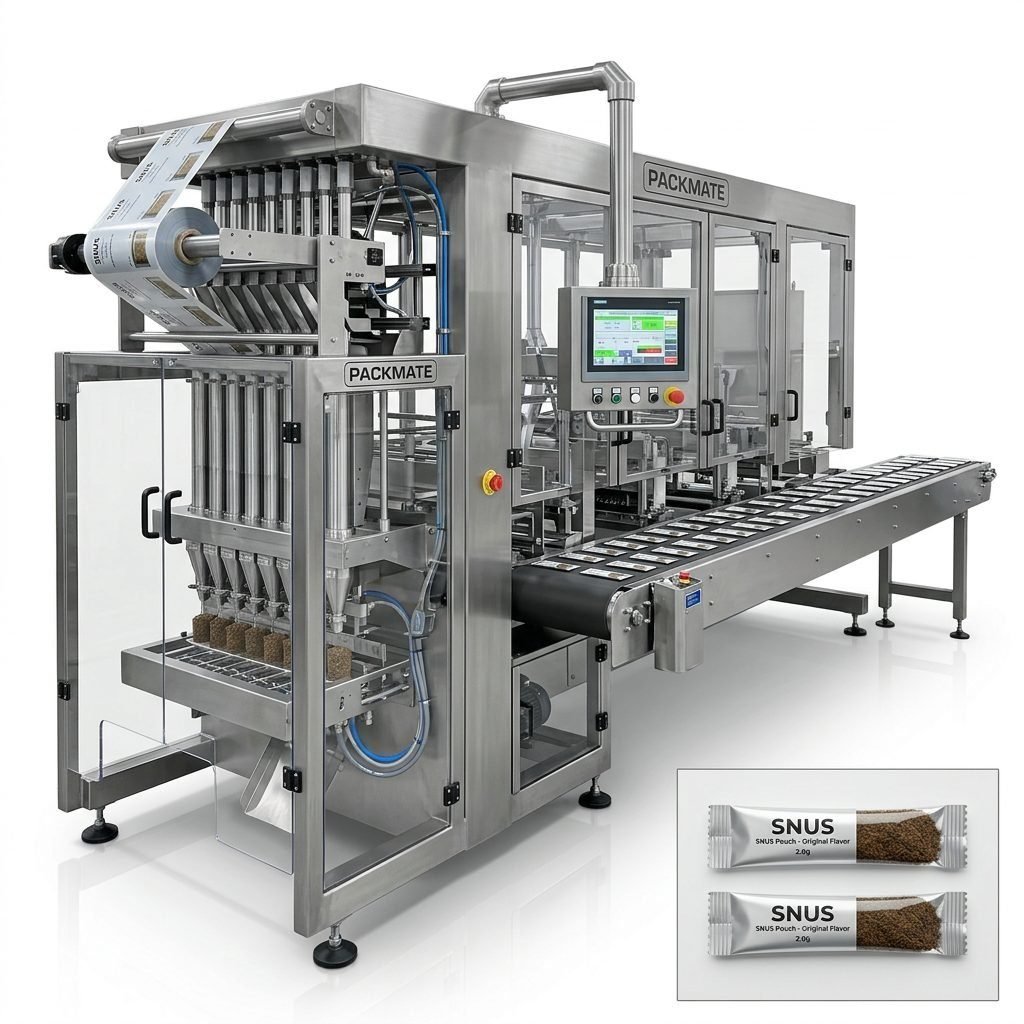
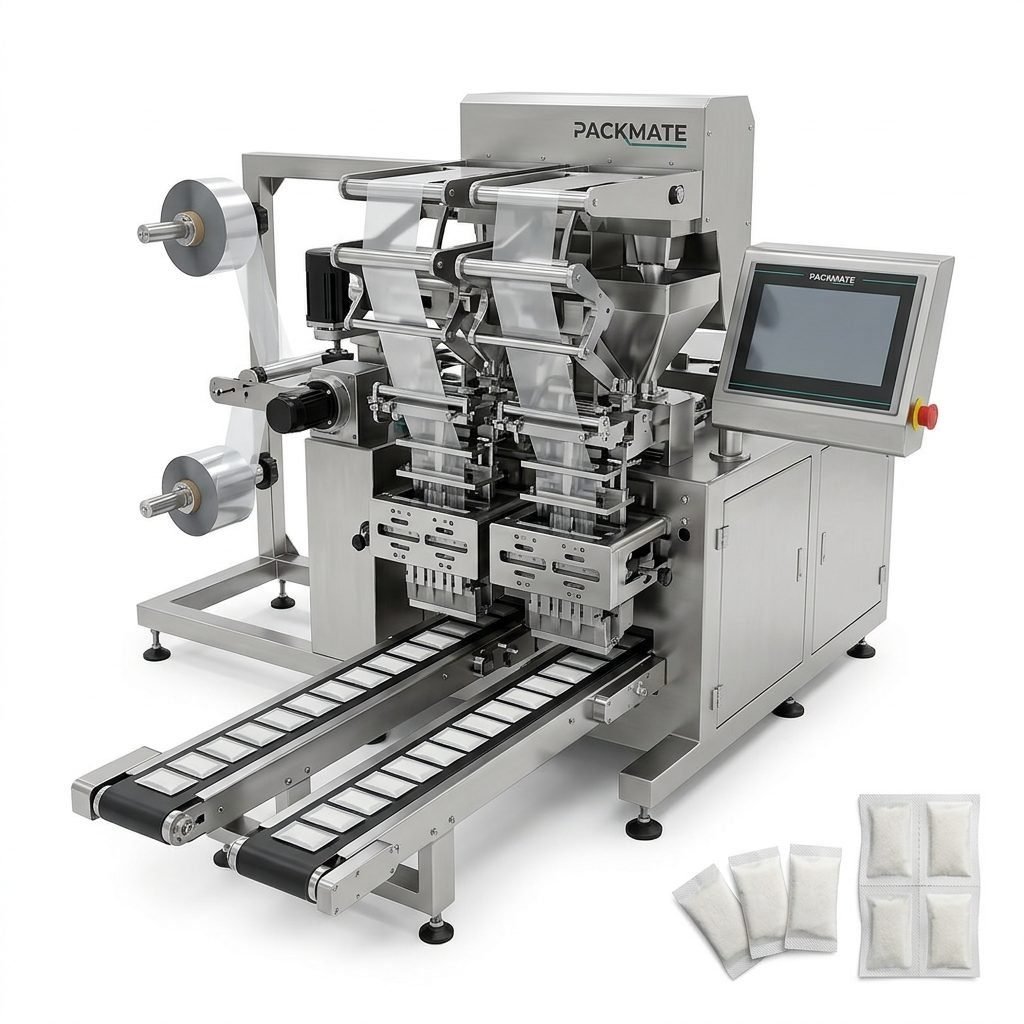
Begin by creating a clear specification sheet for your product and production goals. Consider: target daily output, pouch size and format (stick, sachet, multi-lane pouches), desired automation level, and material compatibility (powder, granules, liquid, or paper-based pouches). For startup operations in Guinea, multi-lane small-dose systems are often preferred due to compact footprint and cost-effectiveness.
Think long term: investing in modular machines that allow capacity expansion or format changeover saves money as your brand grows. Also consider integration with weighing and back-end packaging systems to create a complete line.
Checklist: Technical items to specify
✔️ Production capacity (e.g., pouches per minute / per lane)
✔️ Pouch types (stick, sachet, multi-lane pouches)
✔️ Material compatibility (film types, moisture barriers)
✔️ Automation & integration (weighing systems, labeling, cartoning)
✔️ Power & footprint (available power in Guinea, factory space)
Evaluate Supplier Capabilities and Factory Strength
The best suppliers demonstrate robust manufacturing capabilities and transparent factory operations. Look for suppliers with advanced CNC machining centers, precision assembly lines, and systematic quality control. Packmate Snus Machine, for example, emphasizes a 20,000㎡ facility, advanced CNC equipment, and over 30 years of engineering experience—important markers of manufacturing stability and experience.
Ask potential suppliers for factory photos, assembly line videos, and testing procedures. Request references and production case studies to verify reliability. Suppliers who publish comprehensive case studies and exhibition participation show market presence and confidence in their solutions.
What to ask a supplier
When speaking with a supplier, clarify lead times, spare parts provisioning, and training programs. Determine whether they supply turnkey lines (from filling to cartoning) or modular machines that can be assembled locally. A trustworthy supplier will provide CE/ISO certificates and be willing to discuss after-sales support in Guinea or nearby regions.
Inspect Quality, Certifications, and Compliance
Compliance with international standards such as CE and ISO indicates a supplier’s commitment to safety and quality. Always ask to see certification copies and confirm whether the equipment meets regulatory requirements for nicotine product packaging relevant to your market.
⚠️ Important: Regulatory requirements for nicotine-containing products differ across countries. Ensure your supplier can provide labeling and packaging recommendations that align with Guinea’s import and health regulations.
Assess After-Sales Service, Training, and Spare Parts
After-sales support is critical—especially when your facility is operating far from the supplier’s home country. Confirm service response times, remote support availability, and local technical training options. For Guinea, consider suppliers that can support English and French communications and offer clear documentation in French.
Evaluate spare parts logistics: will parts be shipped from the factory, or can they be stocked regionally? Packmate’s global turnkey experience can help reduce downtime through planned spare parts delivery and preventive maintenance schedules.
Support considerations
Reliable training programs (onsite or remote), clear warranty terms, and a documented maintenance schedule should be part of any purchase agreement. Also check for optional extended warranty and commissioning support to get machines running smoothly in your Guinea facility.
Compare Costs: Total Cost of Ownership (TCO) vs. Initial Price
Focus on total cost of ownership rather than the lowest initial quote. TCO includes installation, training, spare parts, energy consumption, downtime risk, and potential upgrades. High-quality machines from an experienced manufacturer may cost more upfront but will be cheaper over time due to lower maintenance and higher uptime.
When comparing quotes, ask suppliers to provide a breakdown of costs: machine price, freight, customs, installation, training, and estimated yearly maintenance. Factor in local import duties and customs processes in Guinea when estimating total landed cost.
Visit Exhibitions and See Live Demonstrations
If possible, attend exhibitions or request a live machine demonstration. Seeing a machine operate provides valuable insights into build quality, operator ergonomics, and changeover speed. Packmate often showcases machines at global exhibitions, which can be an opportunity to assess machines in person or via live demos.
If travel is impractical, ask for a live video demo tailored to your product specifications. A reliable supplier will demonstrate how the machine handles your materials, packaging format, and speed expectations.
Check References, Case Studies, and Global Reach
Suppliers with global turnkey solutions and proven case studies across regions signal reliability and technical depth. Review customer testimonials, case pages, and industry partnerships. For example, Packmate highlights global cooperation across Europe, Asia, and the Americas—useful evidence of handling varied regulatory and logistic challenges.
Request client references, especially from customers in similar markets or climates. Suppliers who have successfully deployed lines in humid or tropical regions can guide you through material and sealing choices that perform well in Guinea.
Helpful links and resources
Explore supplier product pages and examples to match your needs:
- Snus & Nicotine Packaging Machines
- Sachet & Stick Pack Machines
- Case studies and global projects
- About Packmate — manufacturer background and facility information
Negotiate Terms and Protect Your Investment
When you receive a proposal, negotiate terms around warranty, acceptance testing, and technical KPIs (uptime, yield, speed). Include clear acceptance tests that the machine must pass before final payment. Insist on documented FAT (Factory Acceptance Test) and SAT (Site Acceptance Test) procedures.
Consider contracting clauses for remote troubleshooting, spare parts lead times, and escalation procedures. These terms are especially important when operating in markets with longer shipping times such as Guinea.
Plan Logistics: Shipping, Customs, and Local Installation
Work with your supplier to determine best shipping methods and customs documentation. Ensure the supplier provides full packing lists, certificates, and technical documentation required for Guinea’s import customs. Identify a local freight forwarder experienced with machinery imports and confirm port handling in Conakry.
Plan installation with clear responsibilities: who performs electrical hookups, foundation works, and local commissioning. If your factory lacks specialized technicians, request supplier-led installation and hands-on staff training to accelerate ramp-up.
Tips for Startups and Small Producers in Guinea
If you are a startup, consider beginning with a smaller multi-lane system that balances cost with scalability. Choose machines that support quick format changeovers and require minimal specialized maintenance. Building relationships with a supplier that offers modular upgrades means you can expand capacity without a complete line replacement.
Additionally, prioritize suppliers who provide production training and localized documentation in French. They help reduce operator errors and improve product consistency from day one.
Supplier traits that benefit Guinean businesses
🌍 Localized support: French-language manuals and remote training.
🔧 Spare parts strategy: Reasonable stocking plans and regional shipping.
💡 Flexibility: Modular upgrades and format changeovers to grow with demand.
Why Packmate Could Be a Strong Candidate
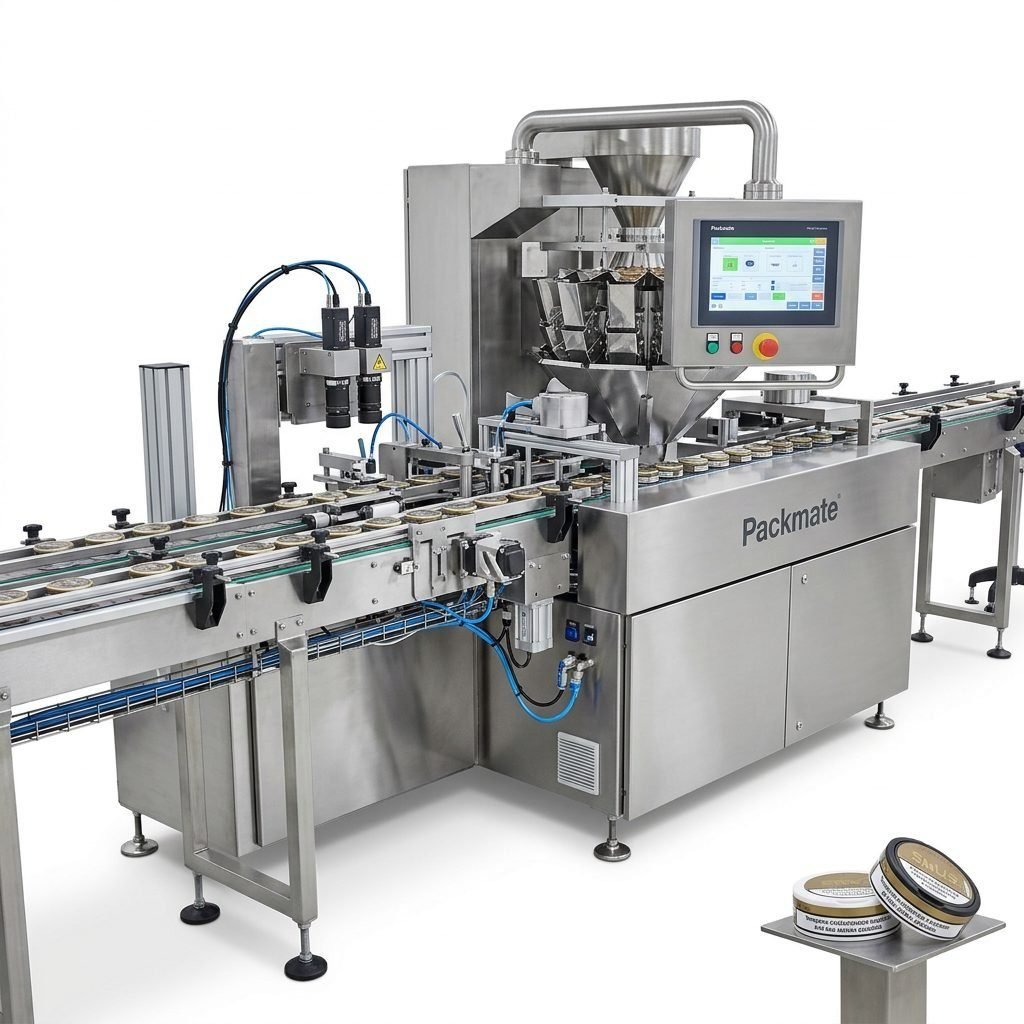
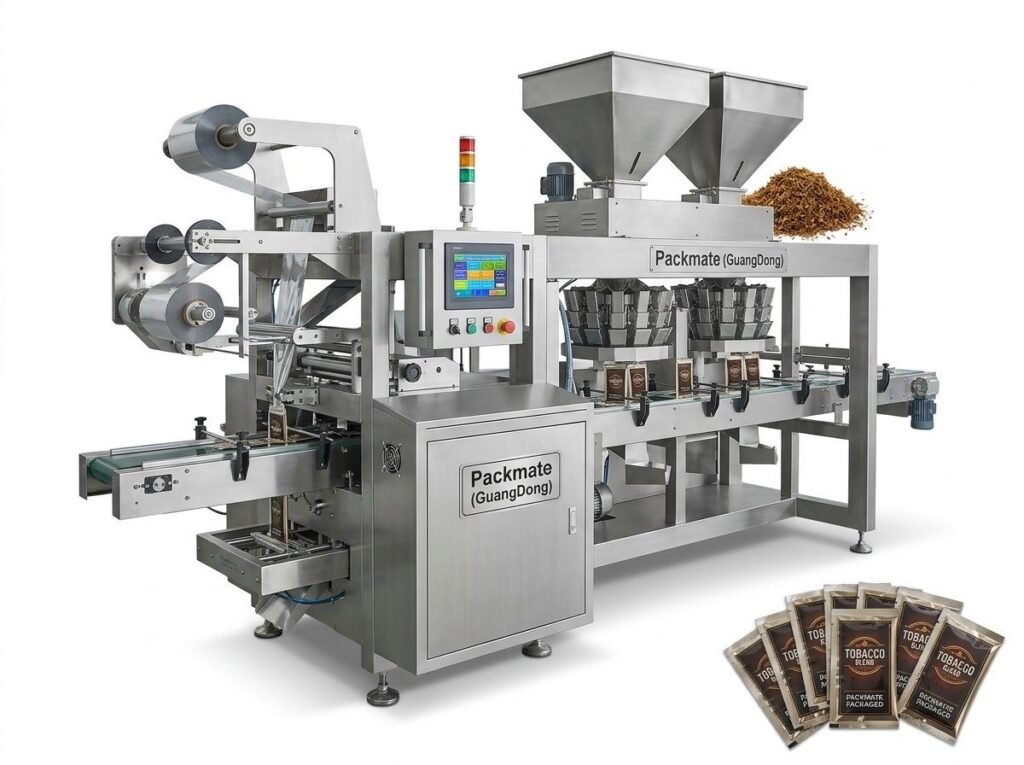
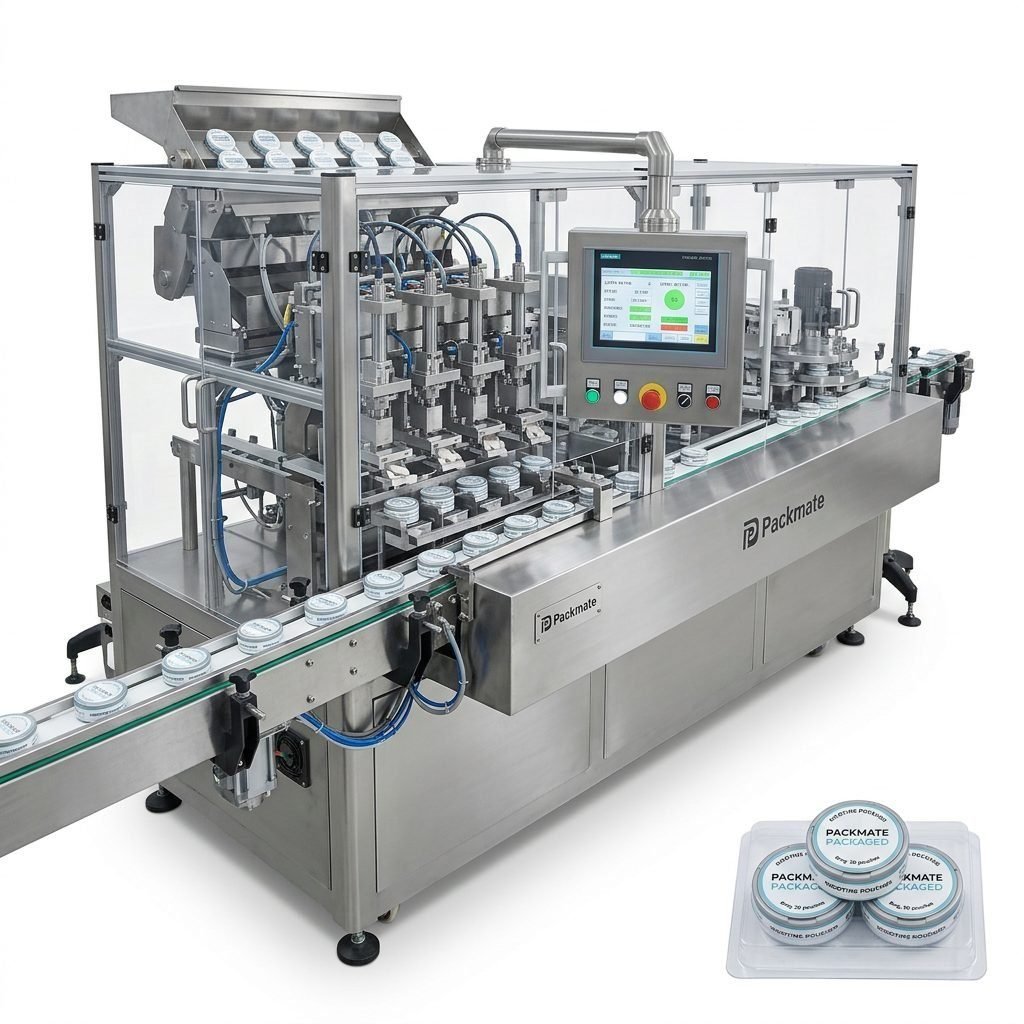
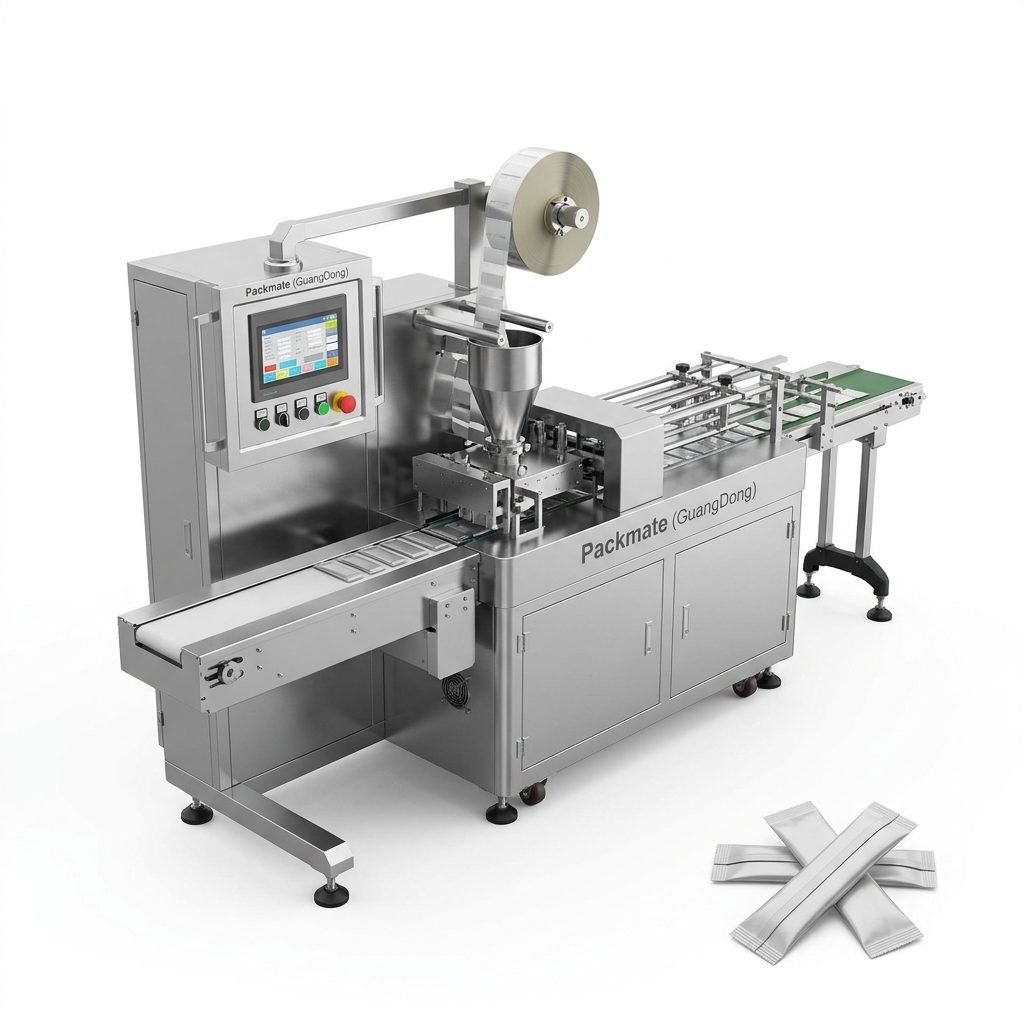
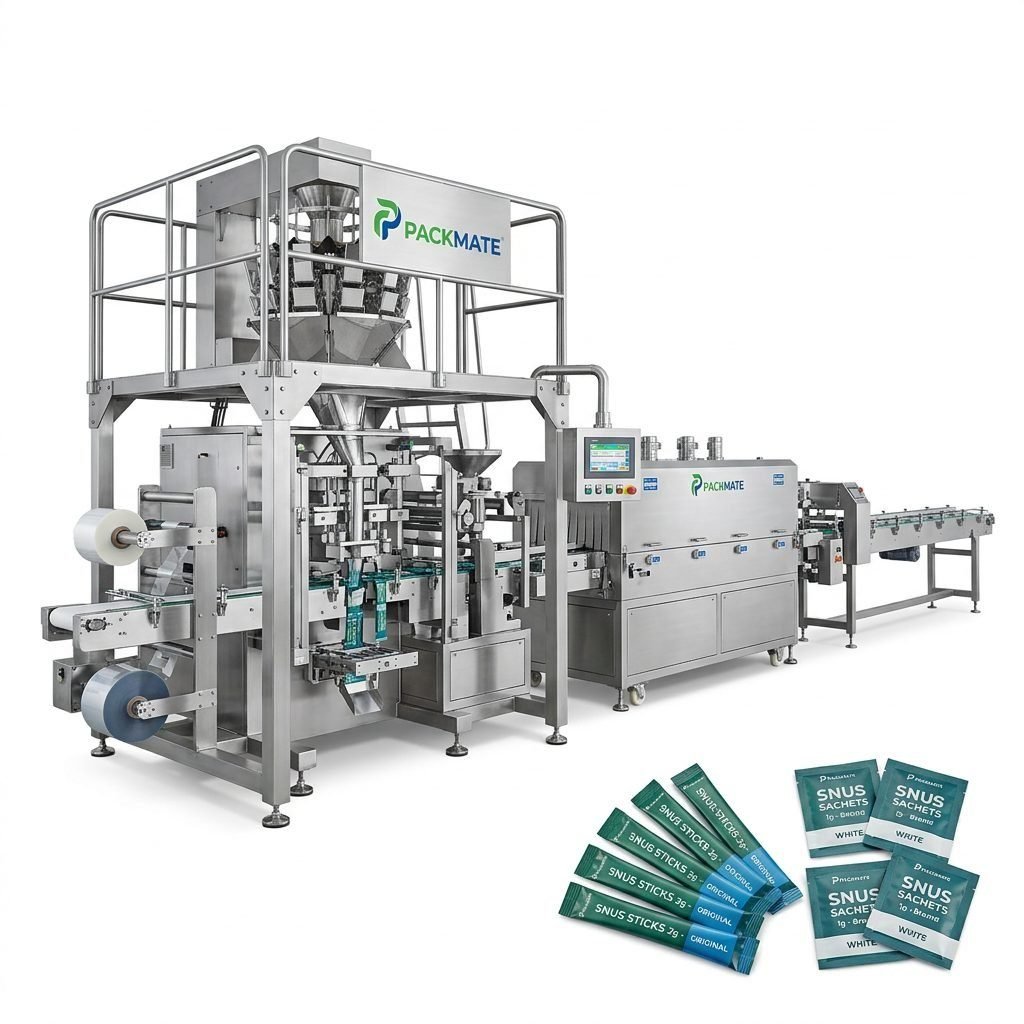
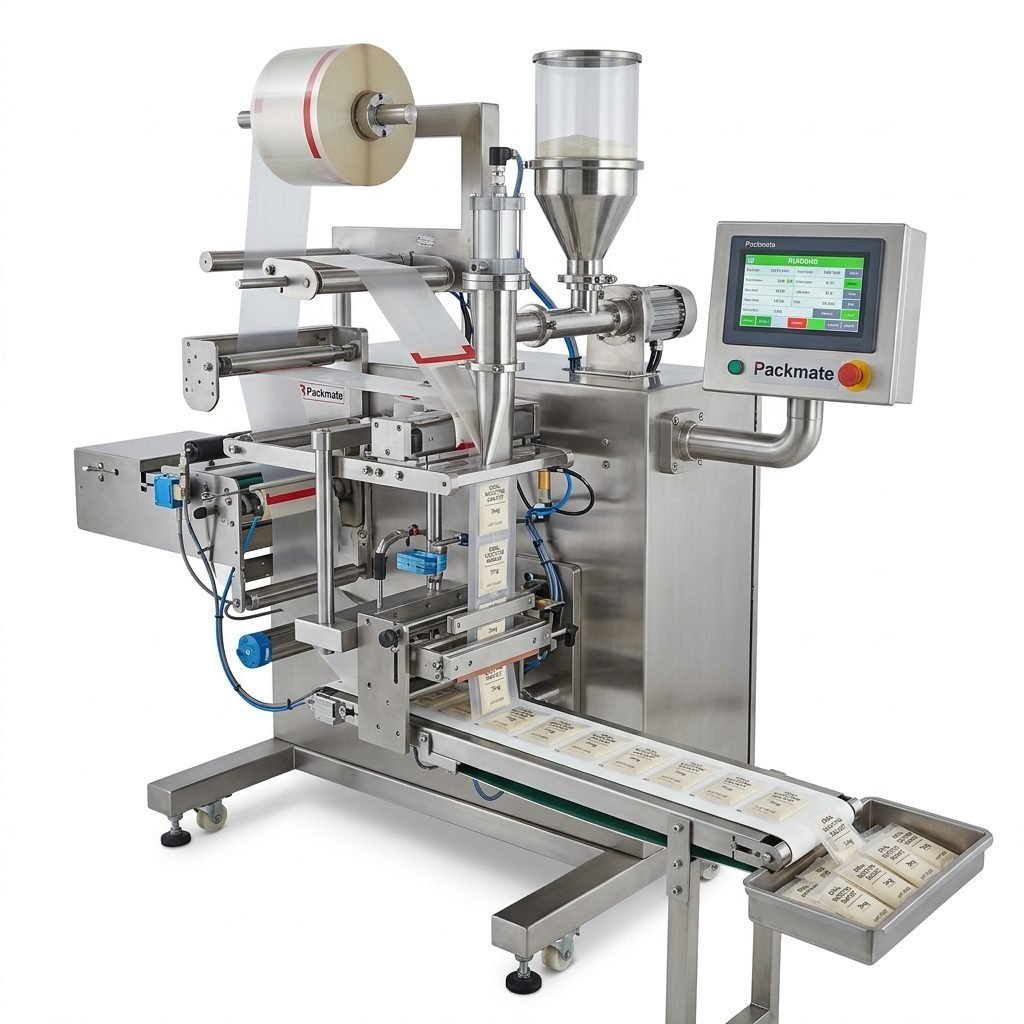
Packmate Snus Machine brings over 30 years of engineering experience and a large manufacturing footprint, offering a wide range of snus and nicotine pouch machines. Their capabilities include multi-lane systems ideal for small-dose pouch production and turnkey packaging lines that can simplify integration. Their factory-level equipment, global case studies, and certifications make them worth evaluating when sourcing for Guinea.
For a closer look at product ranges, visit Packmate’s pages on Snus & Nicotine Packaging Machines and explore other equipment such as Weighing & Packaging Systems and Auxiliary Packaging Equipment.
Practical Next Steps for Procurement
1) Prepare a clear Request for Quotation (RFQ) with specifications, expected output, and local power details.
2) Shortlist 3–5 suppliers and compare not only price but lead times, support, and references.
3) Request FAT videos and run acceptance testing criteria before shipment.
4) Confirm spare parts strategy and language for all manuals and training.
5) Negotiate clear warranty and post-sale terms tailored to Guinea’s logistics.
Final advice
Selecting the right nicotine packaging machine supplier in Guinea requires a balanced view of technical capability, local adaptability, total cost of ownership, and dependable after-sales service. Prioritize suppliers who demonstrate factory transparency, proven case studies, and the ability to support French-language documentation. With the right partner, you can build a reliable production line that grows with your brand and navigates the regulatory and climatic challenges specific to Guinea.
🔎 Need help getting started? If you want to explore turnkey solutions or need specific machine recommendations, check supplier portfolios and case studies to find models that match your target output and budget.
Frequently Asked Questions
Q1: What machine format is best for small-scale production in Guinea?
A1: Multi-lane small-dose pouch machines and stick/sachet systems are ideal for startups because they balance throughput and upfront investment while offering easy scale-up options.
Q2: How important is supplier after-sales service?
A2: Extremely important. Fast access to spare parts, French-language training, and remote troubleshooting minimize downtime—critical for operations in Guinea where shipping and service travel can be slower.
Q3: What certifications should I request from a supplier?
A3: Request CE and ISO certifications, and any additional documentation that supports machine safety, electrical compliance, and material handling safety. Verify certificates and ask for testing evidence.
Q4: How do I reduce import delays into Guinea?
A4: Work with an experienced freight forwarder, ensure all customs documentation is accurate, and request your supplier provide full packing lists and certificates in advance. Plan for longer lead times in your procurement schedule.
Q5: Where can I review machine examples and case studies?
A5: Review product and case pages for real-world deployments—examples include the supplier’s Case pages and product listings like Snus & Nicotine Packaging Machines.