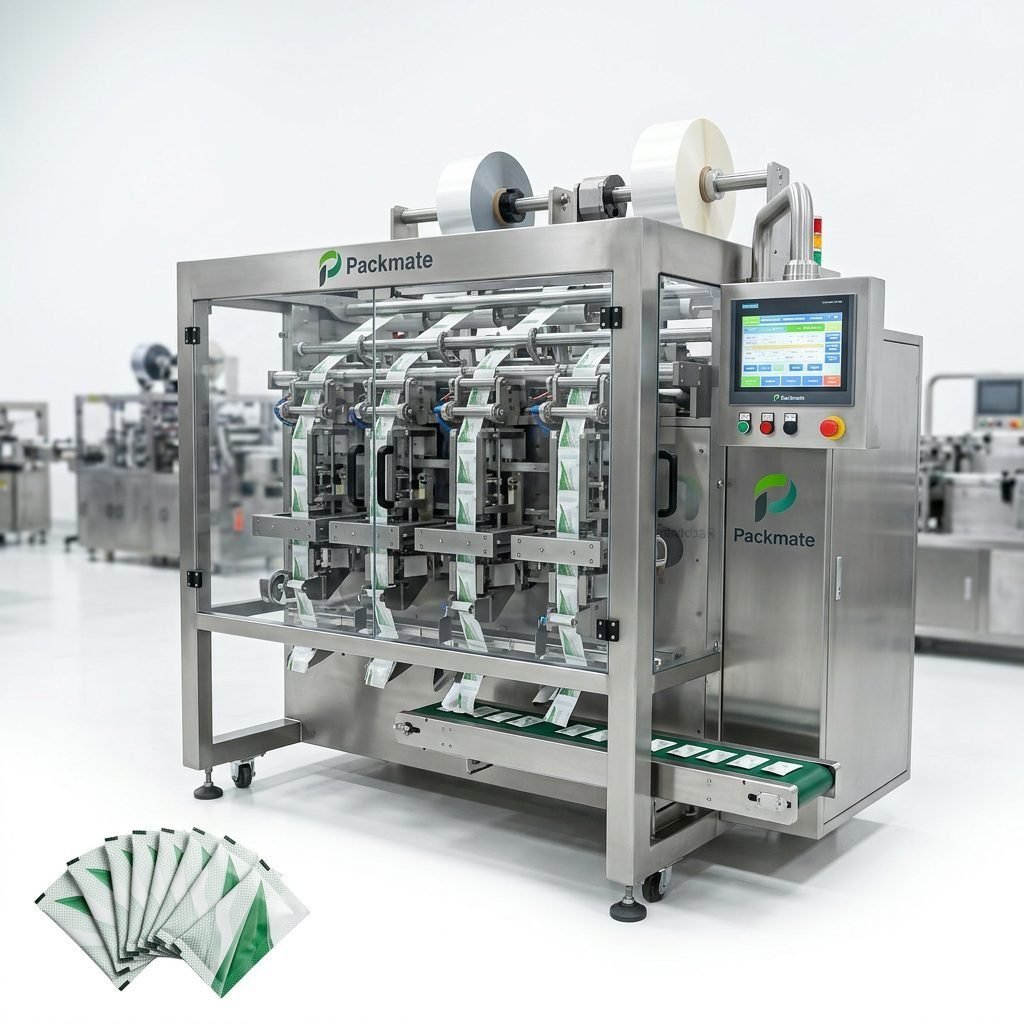
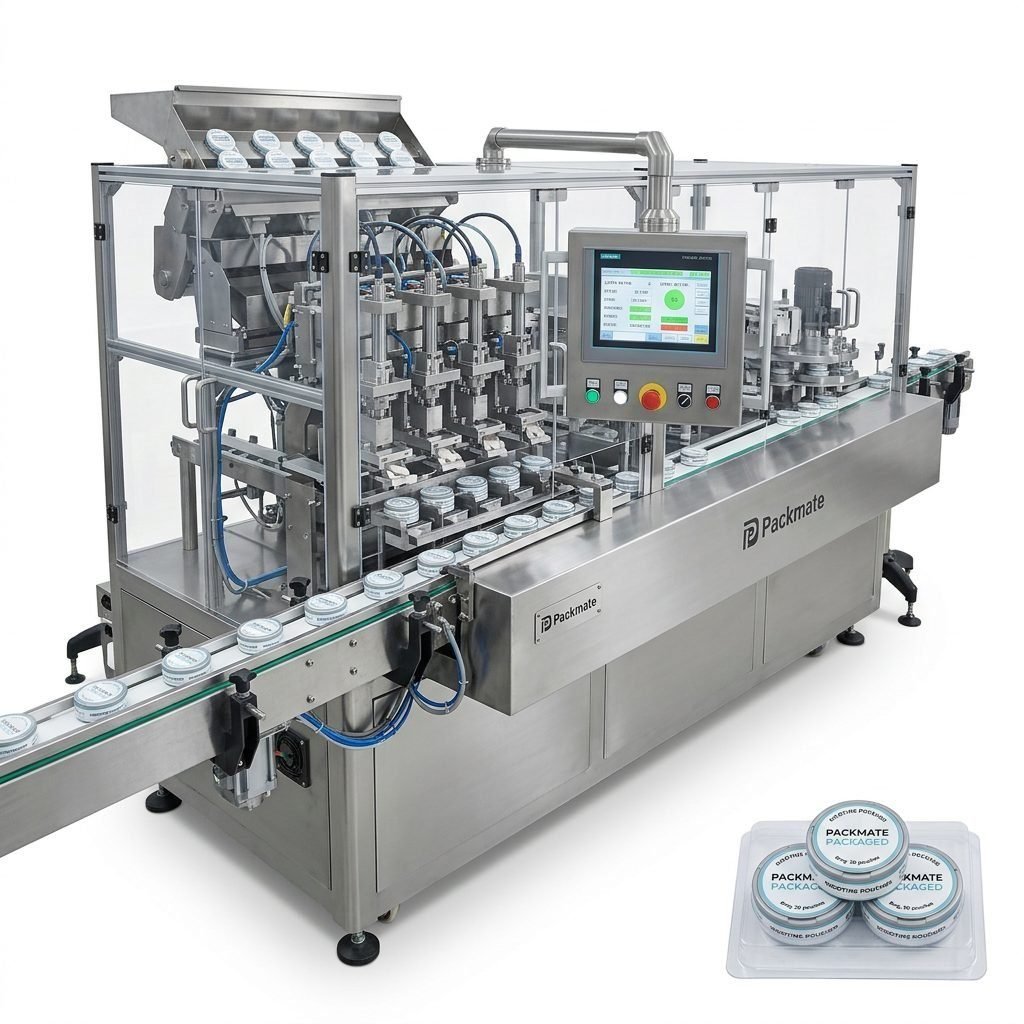
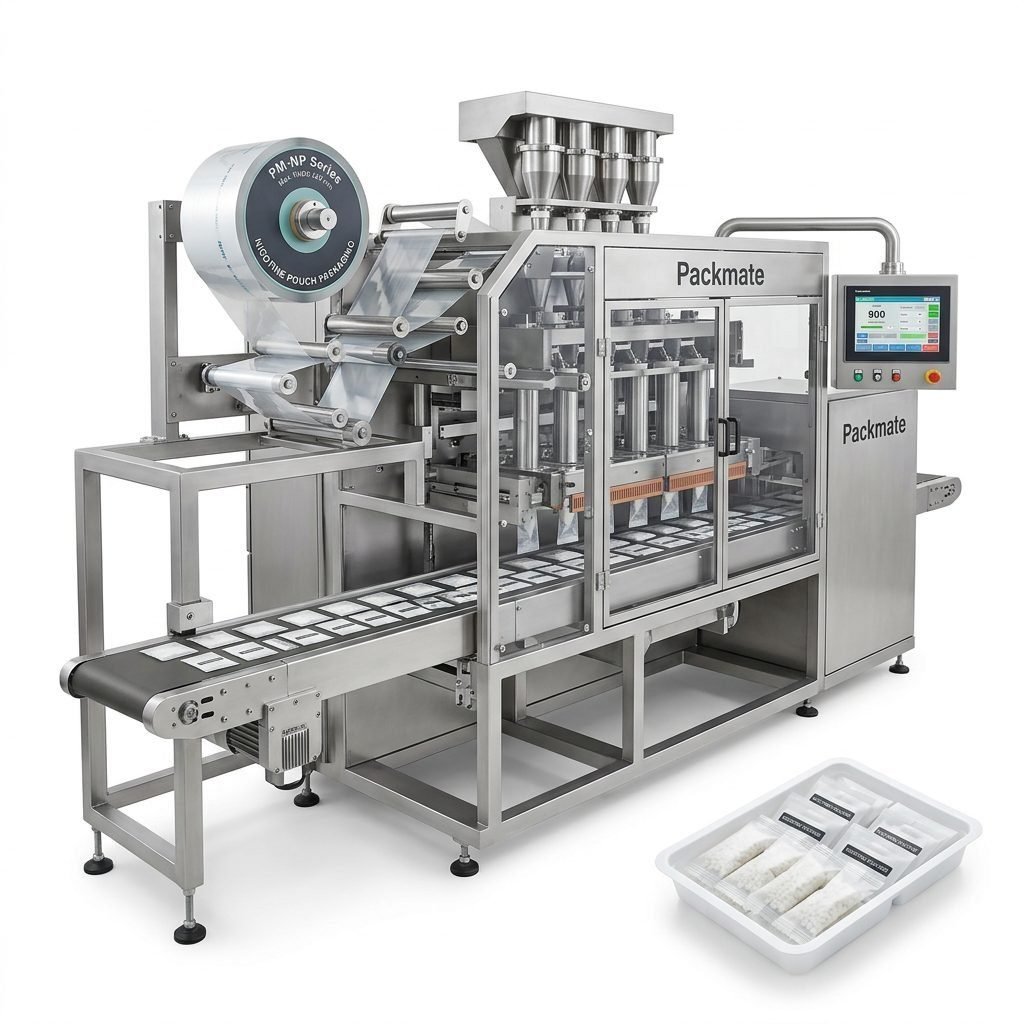
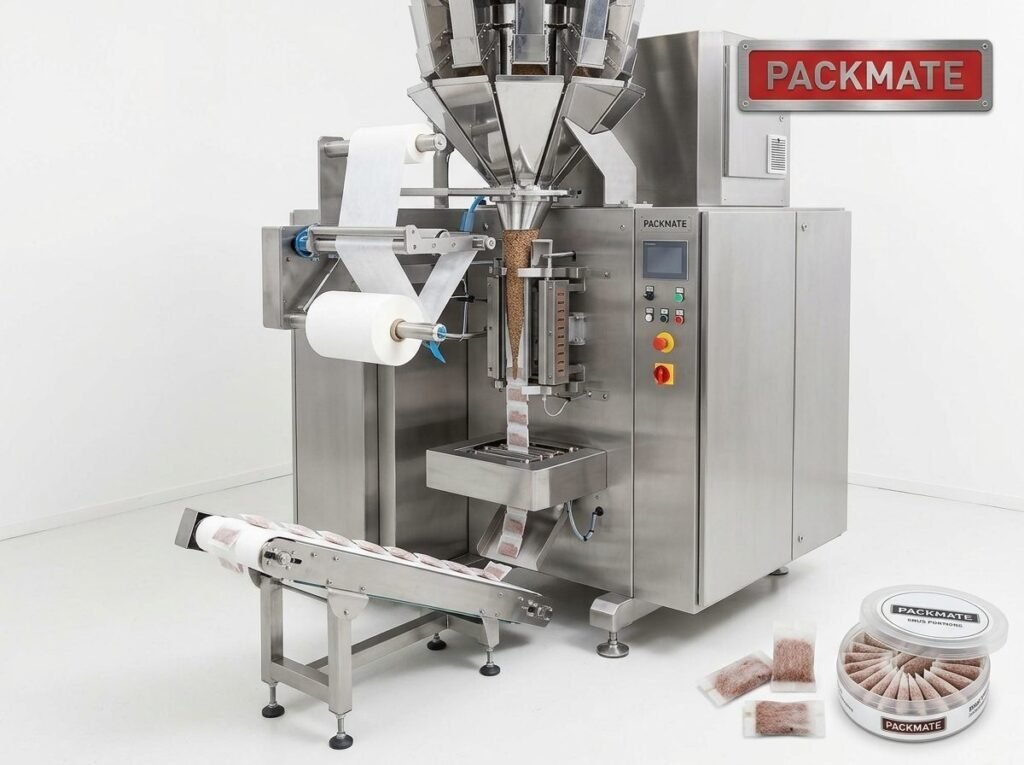
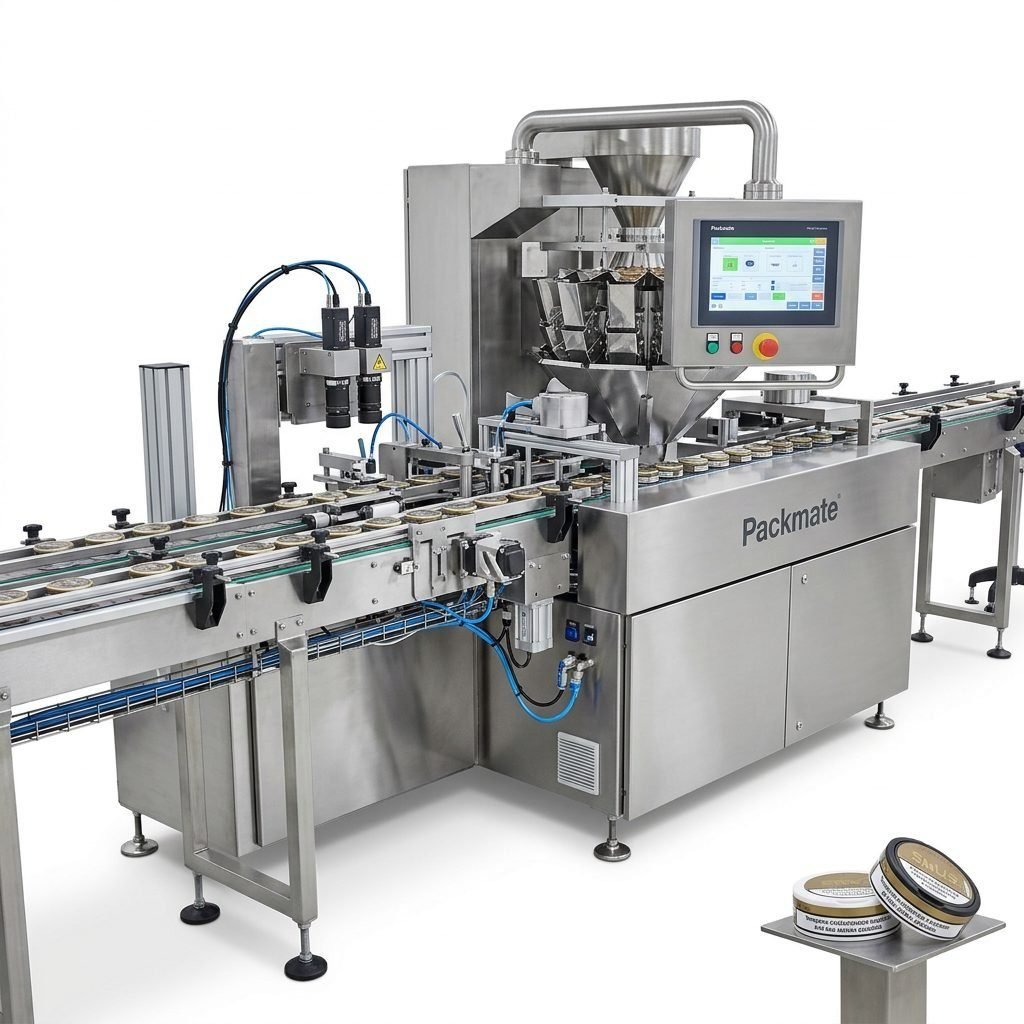
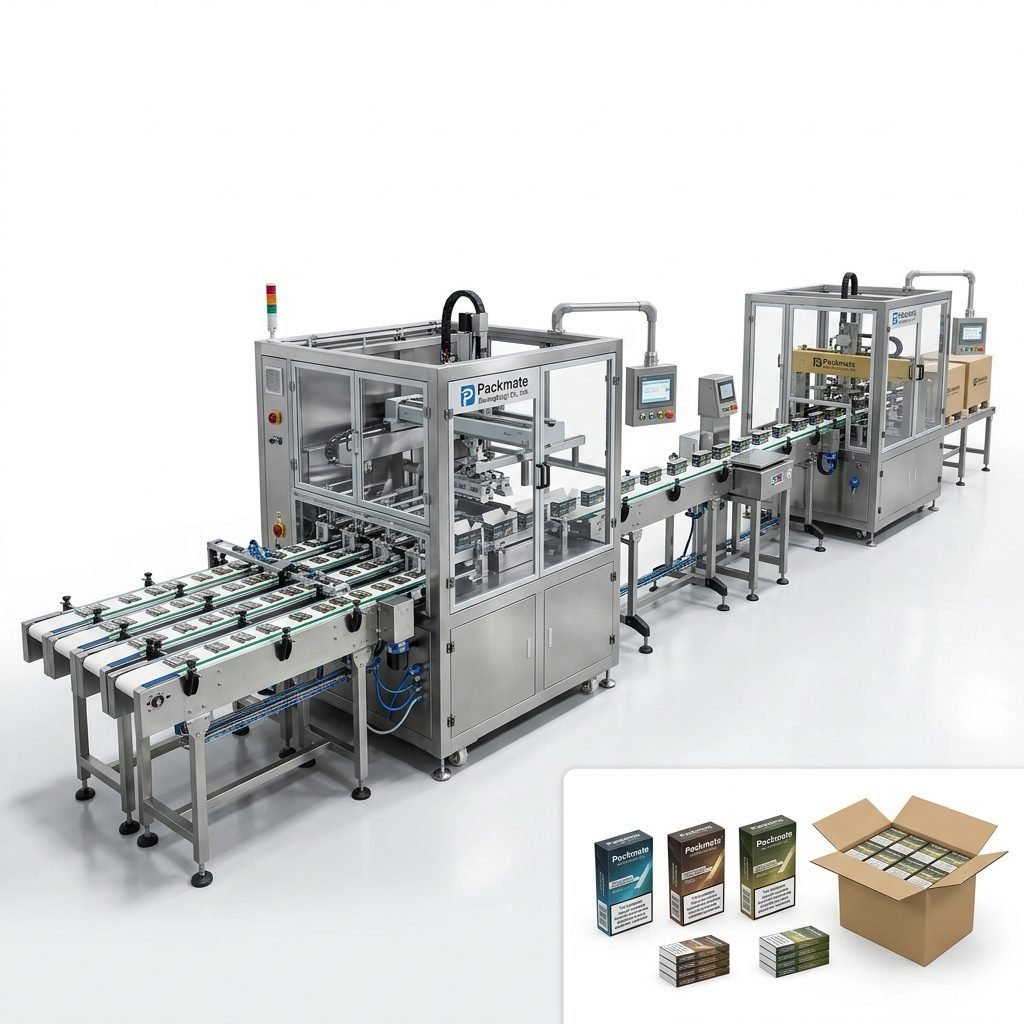
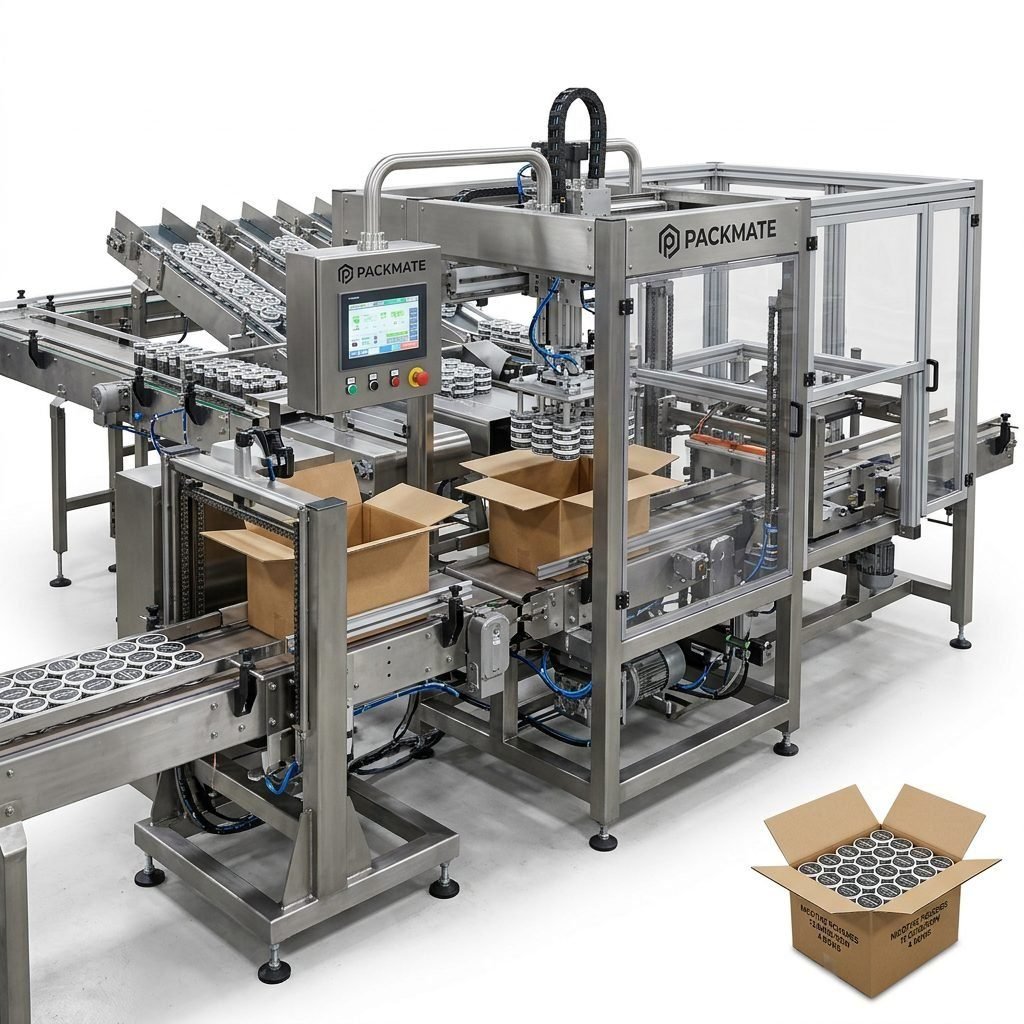
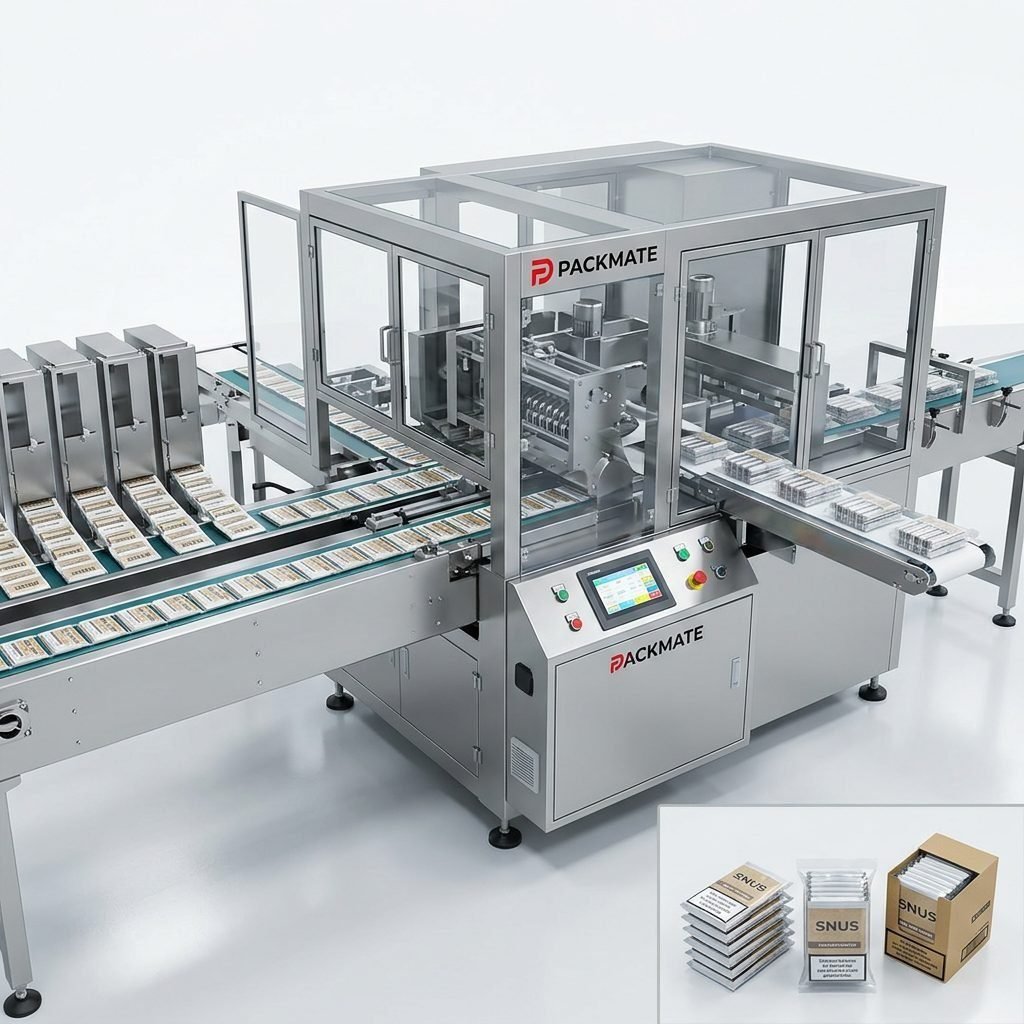
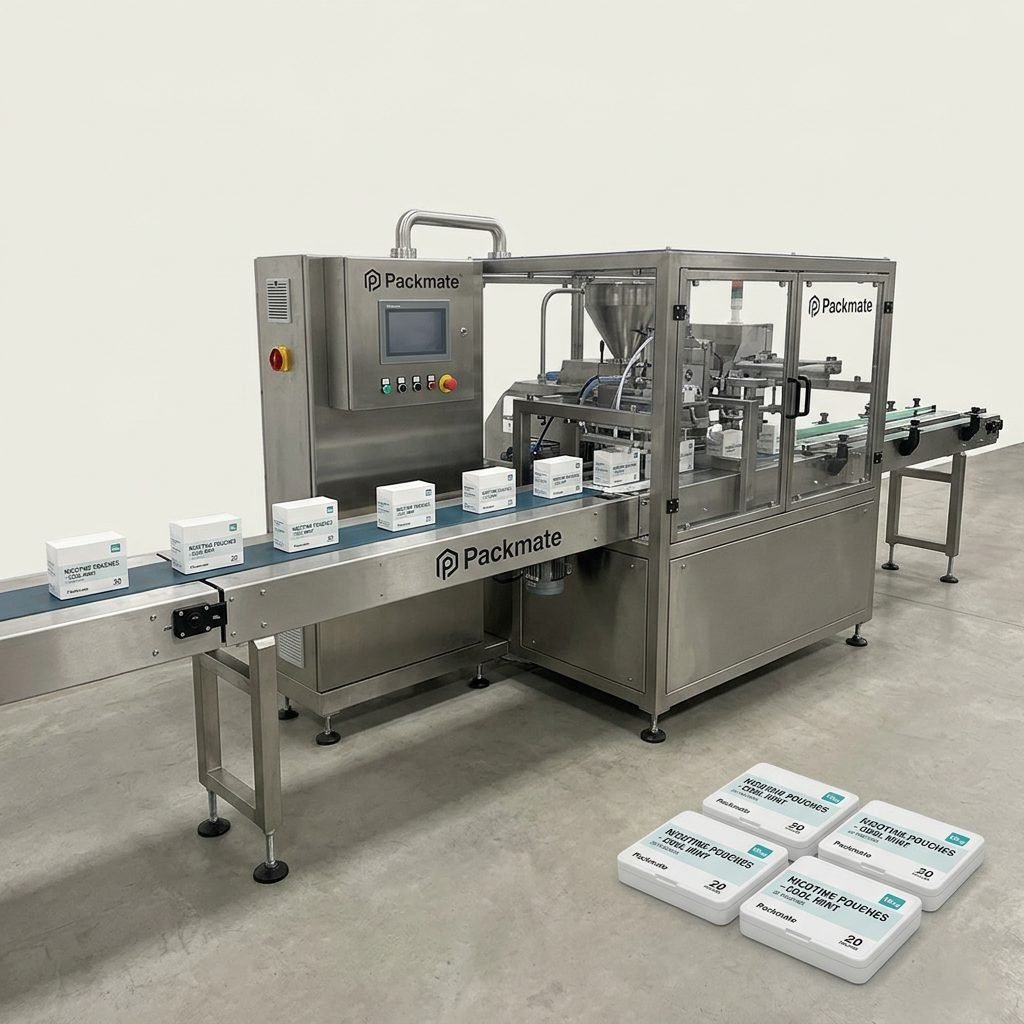
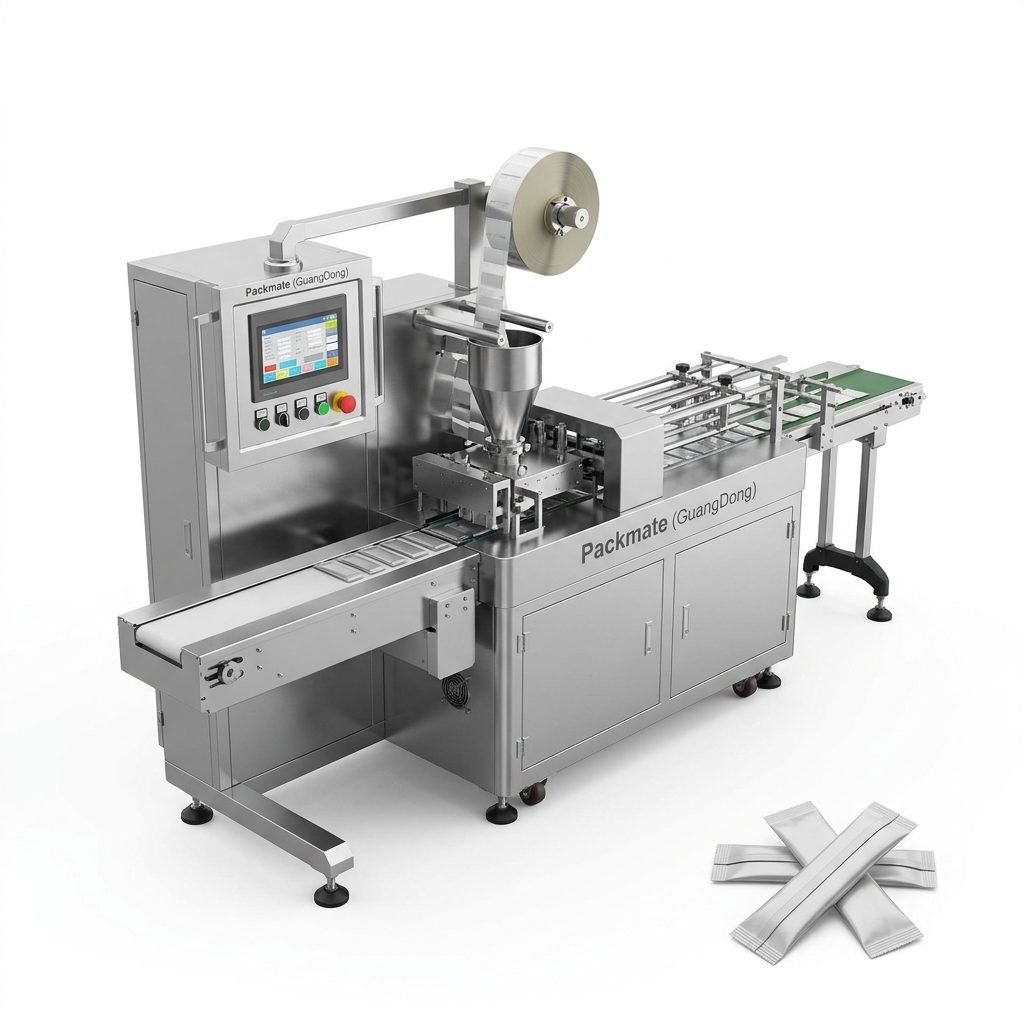
In today’s fast-moving tobacco and nicotine pouch markets, manufacturers demand packaging machines that combine precision, high speed, and dependable automation. PLC controlled snus packaging machines deliver on those needs by providing stable process control, repeatability, and easy integration into modern production lines. This guide explains why PLC solutions matter, what features to look for in a best-in-class machine, and practical advice on selecting, commissioning, and maintaining a high-speed, fully automatic snus packaging system.
Why PLC Control Is Essential for Modern Snus Packaging
Programmable Logic Controllers (PLC) are the backbone of industrial automation. For snus and nicotine pouch packaging, PLC control brings deterministic timing, robust I/O handling, and simplified troubleshooting compared with ad-hoc electronic systems. PLCs enable features such as:
✔ Precise synchronization of feeders, multi-lane pouch forming, and sealing stations
✔ Rapid recipe changeover and production tracking via HMI
✔ Better fault tolerance and easy diagnostics for minimal downtime
Key Benefits at a Glance
With PLC-based control, manufacturers can achieve consistent pouch weight, tight sealing accuracy, and high line throughput — essential in high-volume snus production where product consistency and regulatory compliance are critical.
Primary Features of the Best PLC Controlled Snus Packaging Machines
When evaluating machines, focus on mechanical design, control architecture, and scalability. Top-tier machines include these essential features:
Mechanical & Process Design
High-precision film transport and servo-driven cutters to ensure repeatable pouch dimensions and minimal waste. Look for hardened sealing jaws and adjustable plug-in tooling for quick format changes.
Control & HMI
Industrial-grade PLC from reputable vendors, paired with a responsive HMI for recipe management, SPC data capture, and remote access options. Recipe recall and password-protected user levels reduce operator error.
Multi-Lane Capability
Machines capable of 2, 4, 6, or 8 lanes offer dramatic throughput increases. Ensure the PLC and servo architecture support precise lane synchronization and independent lane shut-off when needed.
Typical Technical Specifications to Compare
When comparing models, consider: cycle rate (pouches/min per lane), servo axis count, PLC model, HMI size, film width capacity, pouch size range, and in-line quality checks (e.g., metal detection, weight checks). For a practical selection, see product ranges like
Snus & Nicotine Packaging Machines and
Sachet & Stick Pack Machines.
How PLC Architecture Improves Line Performance
PLC systems used in premium snus packaging machines typically combine a CPU rack, distributed I/O, motion controllers, and Ethernet-based fieldbus for peripheral devices. This architecture supports:
- Deterministic motion profiles for servo axes, ensuring consistent pouch integrity.
- Real-time alarms and error logging to minimize downtime and facilitate quick root-cause analysis.
- Seamless integration with upstream filling and downstream cartoning equipment for a fully automated line.
Selecting the Right Machine for Your Production Needs
Choose based on product characteristics (granules, powder, liquid-filled pouches), required output, regulatory environment, and available factory footprint. Key selection tips:
🔧 Tip: For high-viscosity or wet formulations, prioritize robust feeding and dosing modules and consider in-line drying or desiccant handling options.
📌 Tip: If your business expects frequent format changes, choose machines with quick-change tooling and recipe storage via the HMI.
Scalability & Customization
Many manufacturers offer modular platforms that scale from single-lane R&D to multi-lane production. Customization can include specific dosing systems, nitrogen flushing, or integrated checkweighers. Learn about turnkey options and project cases at
Case and the company profile at
About Packmate.
Installation, Commissioning, and Validation
Proper installation and commissioning are critical for achieving advertised line speeds and quality. A structured approach includes site surveys, electrical and pneumatic preparations, and FAT (Factory Acceptance Test) followed by SAT (Site Acceptance Test).
Commissioning Checklist
– Confirm PLC I/O mapping and HMI recipes
– Validate servo tuning at full production speed
– Execute sample production runs and perform QC checks (seal integrity, pouch dimensions, weight variance)
– Train operators on routine changeovers and emergency stops
Maintenance Best Practices to Maximize Uptime
A proactive maintenance plan reduces unexpected stoppages. Recommended practices:
- Daily visual checks for film path cleanliness and jaw wear.
- Weekly lubrication of motion parts and verification of servo encoder signals.
- Monthly backup of PLC programs and HMI recipes to external storage.
- Scheduled calibration of dosing and weighing systems to maintain accuracy.
Quality, Compliance, and Certifications
Machines used for consumable nicotine products must meet safety and manufacturing standards. Reputable manufacturers supply CE and ISO documentation and support audits. For example, Packmate Snus Machine provides internationally recognized certifications and global service resources — explore their certifications at
Certificate.
Hygiene & Material Compatibility
Choose food-grade contact surfaces and hygienic designs that minimize crevices and allow easy cleaning. When handling nicotine pouches, consider enclosed dosing and negative-pressure extraction to protect operators and maintain product integrity.
Real-World Use Cases and ROI Considerations
High-speed multi-lane lines can dramatically reduce per-unit labor while increasing throughput. A typical ROI calculation should include:
- Capital cost and expected service life
- Labor savings and throughput gains
- Reduction in material waste and rework
- Maintenance and spare parts strategy
For reference on turnkey packaging lines that combine filling, dosing, and packaging, review
Filling & Packaging Lines and related auxiliary equipment at
Auxiliary Packaging Equipment.
Choosing a Supplier: What to Ask
Supplier selection is as important as the machine specification. Key questions include:
● What PLC and servo brands are used, and are spares readily available?
● Can you provide FAT reports, reference installations, and sample pouches produced on the machine?
● What post-sale support and spare parts programs are available globally?
Local Support & Global Reach
A manufacturer with global exhibition presence and case studies across Europe, Asia, and the Americas provides confidence in long-term support. See exhibition history at
Our Exhibition and contact details at
Contact Us.
Common Operational Challenges & Solutions
Even the best machines encounter operational challenges. Below are typical issues and practical remedies:
Film Wrinkling
Ensure correct film tensioning and web alignment. Servo tension controls and edge guides reduce wrinkling at high speeds.
Inconsistent Fill Weights
Calibrate dosing systems regularly and use checkweighers for in-line feedback to the PLC for auto-adjustment.
Seal Failures
Verify jaw temperature uniformity and jaw pressure distribution. Replace worn sealing elements and use process alarms to stop line on repeated failures.
Why Packmate Snus Machine Is a Competitive Option
With over 30 years of engineering experience and a 20,000㎡ manufacturing facility, Packmate offers a wide range of snus and nicotine pouch packaging equipment, from single-lane R&D machines to multi-lane, fully automated production lines. Their portfolio includes stick pack, sachet, and multi-lane systems, supported by advanced CNC machining and strict quality control. For detailed product lines and catalogs, visit
Catalog.
Global Footprint & Technical Support
Packmate’s machines are used worldwide, with turnkey solutions and customizable options. Their global case studies demonstrate adaptability across regional product preferences and regulatory environments.
Conclusion
Selecting the best PLC controlled snus packaging machine requires balancing throughput, accuracy, hygienic design, and serviceability. Prioritize industrial PLCs, servo-driven motion, multi-lane scalability, and proven vendor support to achieve consistent product quality and rapid return on investment. Whether you focus on nicotine pouches, stick packs, or sachets, the right automated solution can transform your factory’s productivity and product consistency.
Frequently Asked Questions (FAQs)
Q1: What is the advantage of multi-lane machines?
A: Multi-lane machines multiply throughput while keeping per-pouch labor and footprint efficient, making them ideal for scaling production volume.
Q2: How important is PLC brand selection?
A: Choosing reputable PLC and servo vendors ensures spare parts availability, reliable support, and better long-term compatibility with factory automation systems.
Q3: Can these machines handle nicotine pouch powders and liquids?
A: Yes — machines can be configured with appropriate dosing systems, and closed dosing systems help manage dust and operator exposure.
Q4: What services should I expect after purchase?
A: Look for FAT/SAT support, operator and maintenance training, spare parts agreements, and remote technical assistance to minimize downtime.
Q5: Where can I find more product information and contact a supplier?
A: For detailed product lines and direct contact, visit Packmate’s product pages and contact portal:
Contact Us.